
Commercial Roofing in Mount Carmel, TN
A standing seam panel rides on clips and hides its fasteners, but the more common metal roof on a small commercial building is screwed straight through its face, and every one of those screws leans on a rubber washer to keep a hole closed. A panel warms and cools faster than the framing beneath it, so it slides a hair against its screws with every swing. The hole elongates, the washer cracks, and within a handful of seasons the screws have backed up a fraction of an inch and each has become a path for water. In Mount Carmel, TN, a Hawkins County city of 5,473 residents on US 11W between Kingsport and Church Hill, an owner of a metal-roofed building can see this coming with a ladder and a screwdriver, and catching it early costs hours rather than a reroof.
What does a roof ask of an owner whose town buys its services next door?
Mount Carmel has Kingsport on its east side and Church Hill on its west, and its retail and municipal services are largely supplied by those neighbors. An owner of a modest building often has a modest budget and no facilities department to watch the roof, and that shapes how we work. We plan for an owner who will not be on the roof, who wants a short list in plain terms, and who needs to know how much to set aside and when.
US 11W is the primary highway through the town, so staging on a roadside lot or a narrow frontage is a question we answer before a truck is booked. An owner with property in Church Hill or Kingsport as well can usually have one condition record kept for all of it, which makes comparing the roofs and ranking them far easier than collecting reports from different dates and different hands.
Check the fasteners while the repair is still small
Call Commercial Roofing Johnson City to arrange a fastener-by-fastener walk of a metal or low-slope roof in Mount Carmel, TN. You will have photographs and a plain list of what is loose, what is failing and what can wait, and emergency response runs around the clock.
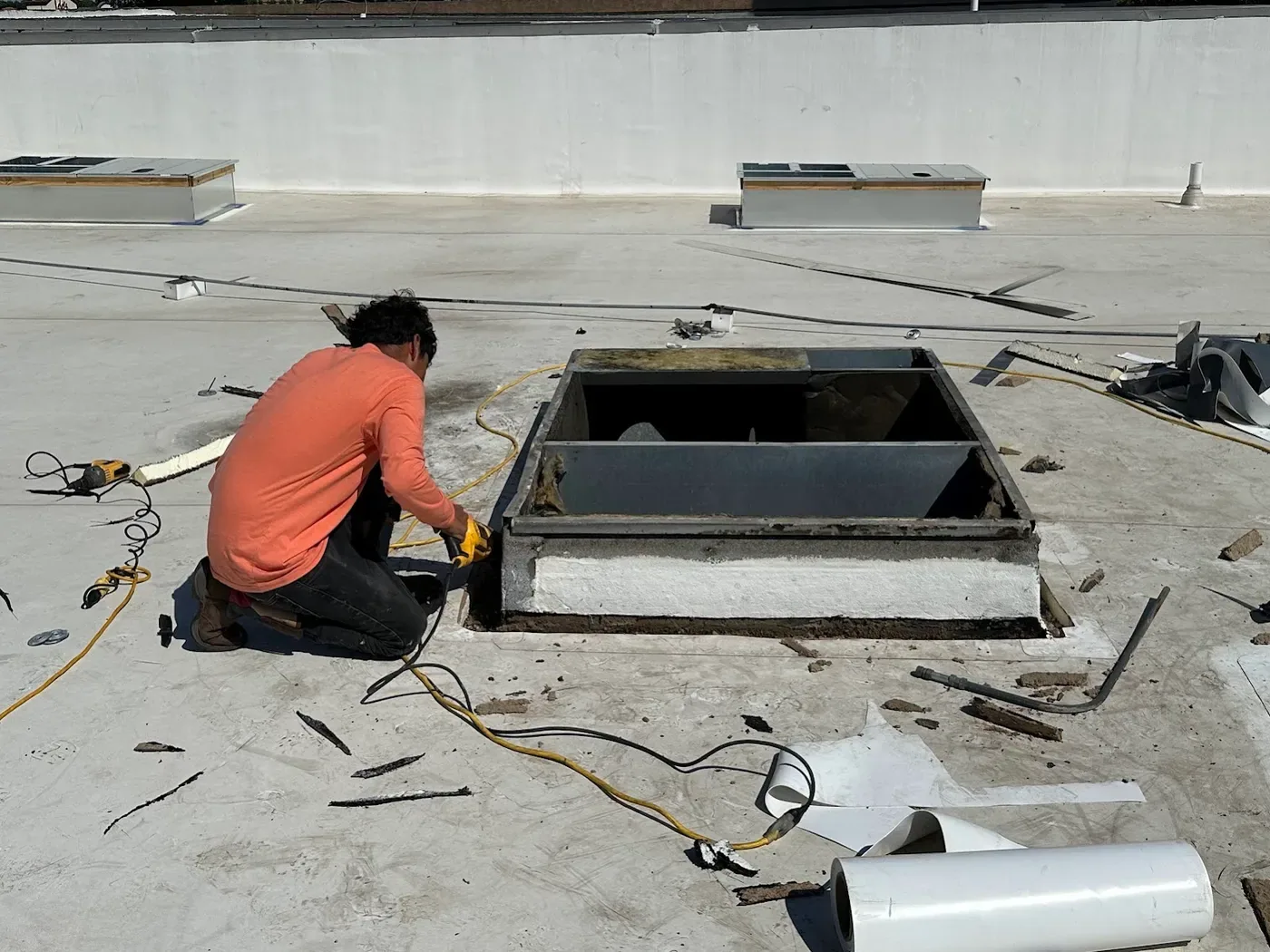
What happens at an exposed fastener over a few winters?
The washer is the weak link. A neoprene or EPDM washer under the screw head is compressed at installation to seal the hole, and sunlight and cold cycling stiffen it until it no longer rebounds. Meanwhile the panel slides, the screw wallows out its hole, and it backs out slightly as the metal moves. A leak at one screw is slight, a drip that wicks along the underside of the panel into insulation, and condensation on cold metal adds to it in winter. By the time a stain shows, the insulation or the purlin may have been damp for a season.
The thermal swing is real. Johnson City runs from summer afternoons near 86F to winter nights near 25F, and a roof panel sees a wider swing than the air because sunshine heats it and clear nights chill it. Every one of those hours works on the washers.
What does a dripping screw cost before anyone sees it?
Little at first, which is the problem. A screw leak runs along the underside of the panel into insulation or onto a purlin, where it rusts the steel from inside and stains a ceiling days later in a different spot from the screw. By the time the stain appears, the repair has multiplied from screws and washers to wet insulation and sometimes framing. Winter freezing turns every wet hole into a wedge. A building holding stock, tools or records under that roof adds a second cost, the contents, and an insurer reading a claim will ask how long the roof had been leaking.
Yearly attention to the fasteners keeps the first cost small, and a dated record of each walk feeds straight into roof capital planning, because it shows the owner when the roof will need money and not only that it will.
Retighten, restore or retrofit: how does an owner weigh the choices?
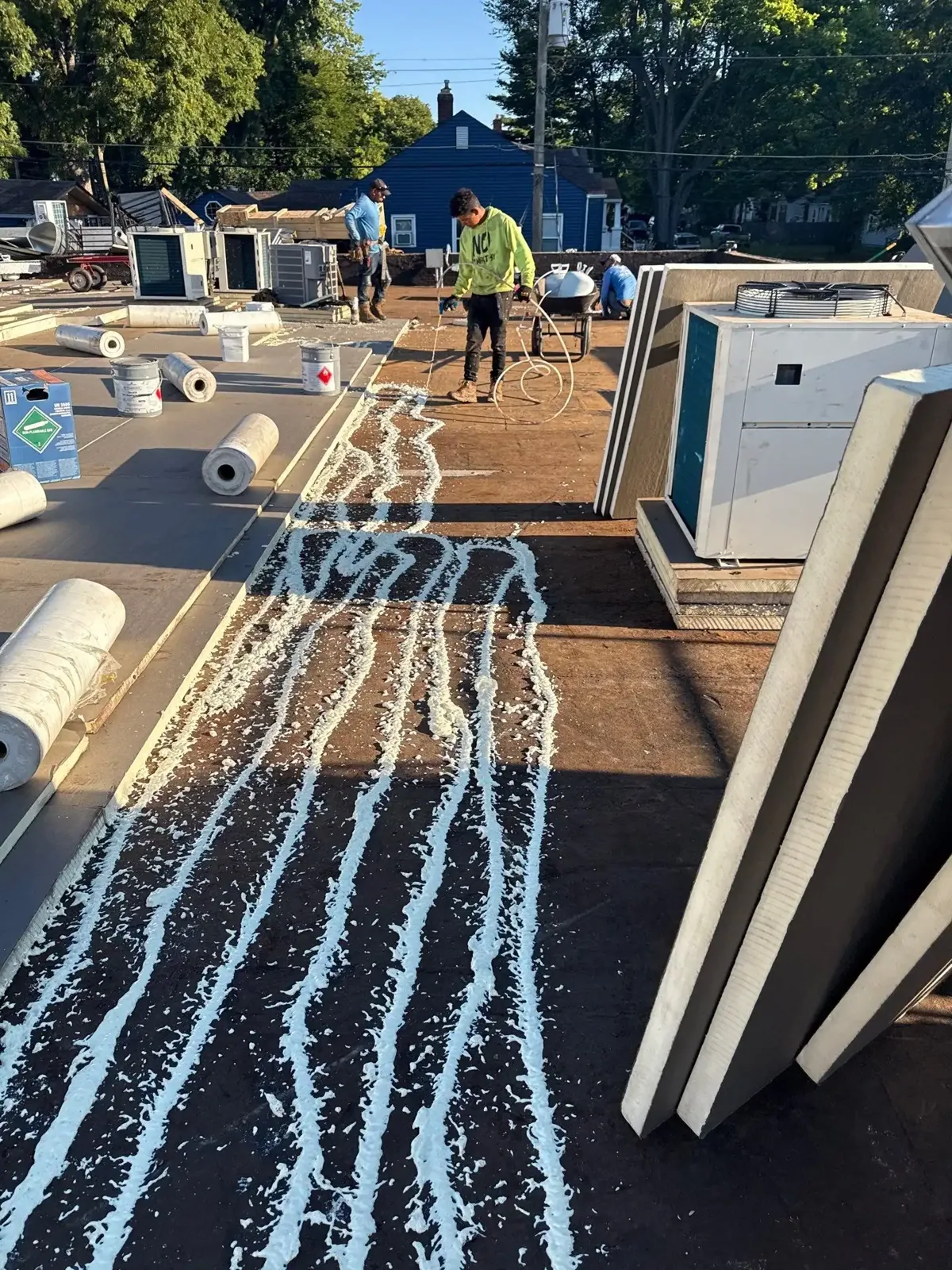
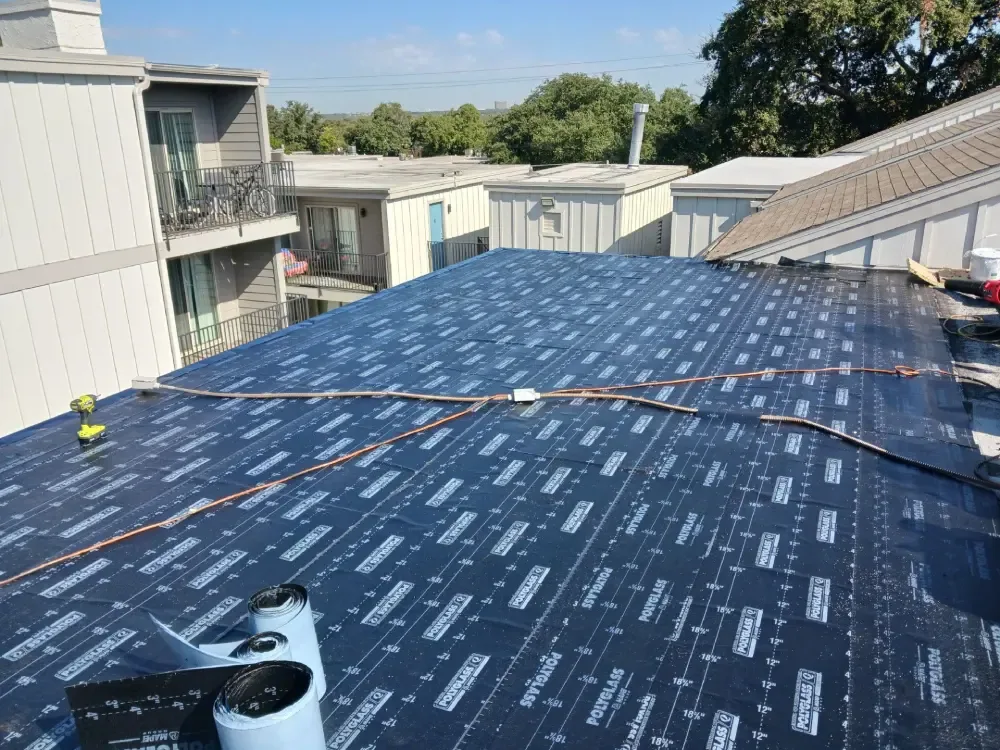
The first step is cheap: replace failed washers, swap stripped screws for oversized ones, and reseal laps and trim. That alone can add years to a metal roof whose panels are sound and whose finish still holds. If the finish has chalked or begun to rust, a coating system made for metal can seal fasteners and laps together and put a reflective skin over the whole roof. When panels have rusted through or the framing is damp, the choices are a metal retrofit over the old panels or removal.
A retrofit is often the least disruptive route for a building that must keep operating, because the old roof stays in place as a ceiling while the new one goes on above it. If the owner expects to hold the building long term, standing seam removes the exposed fasteners altogether and trades repeated maintenance for a single, larger outlay.
How do we check a metal roof one screw at a time?
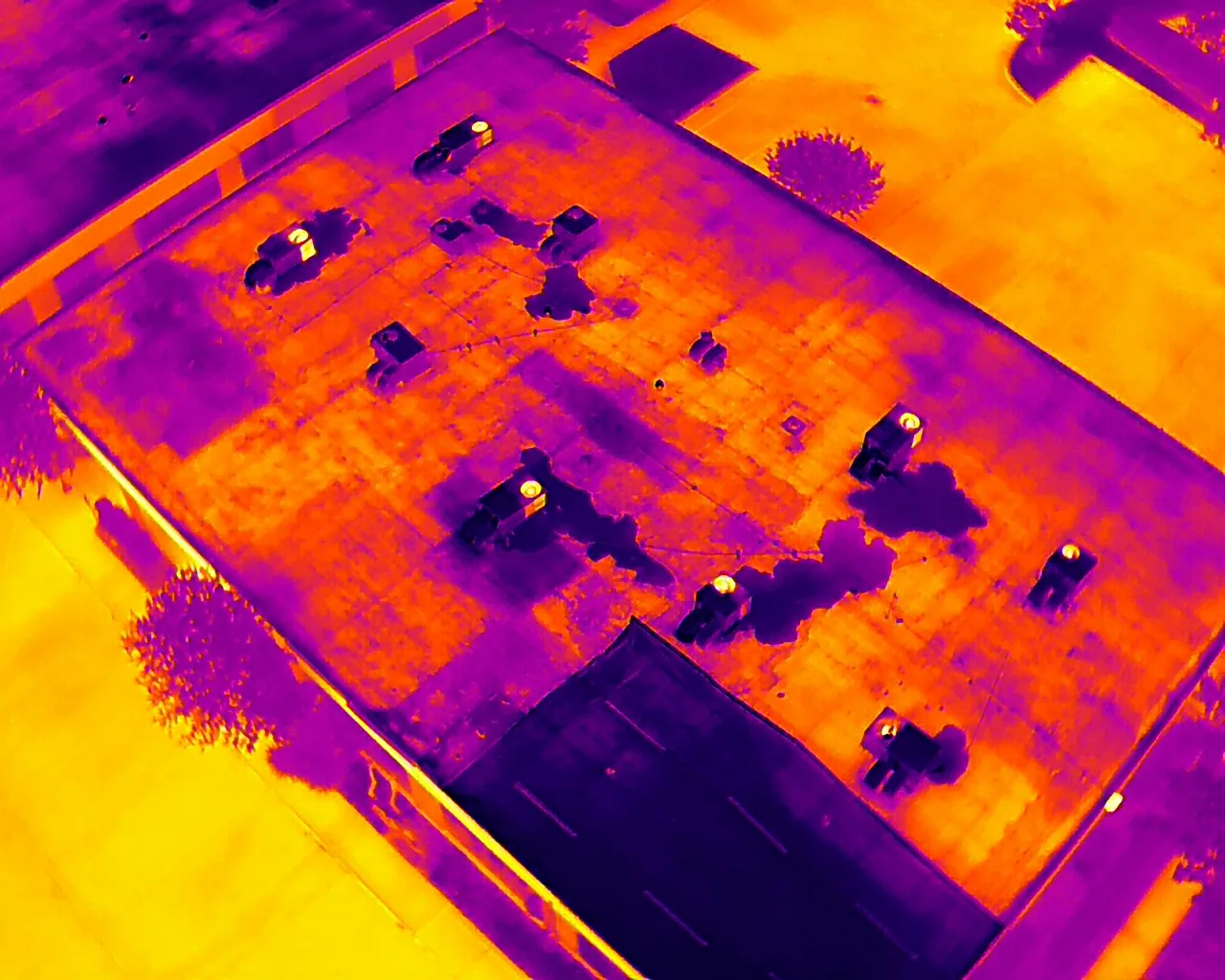
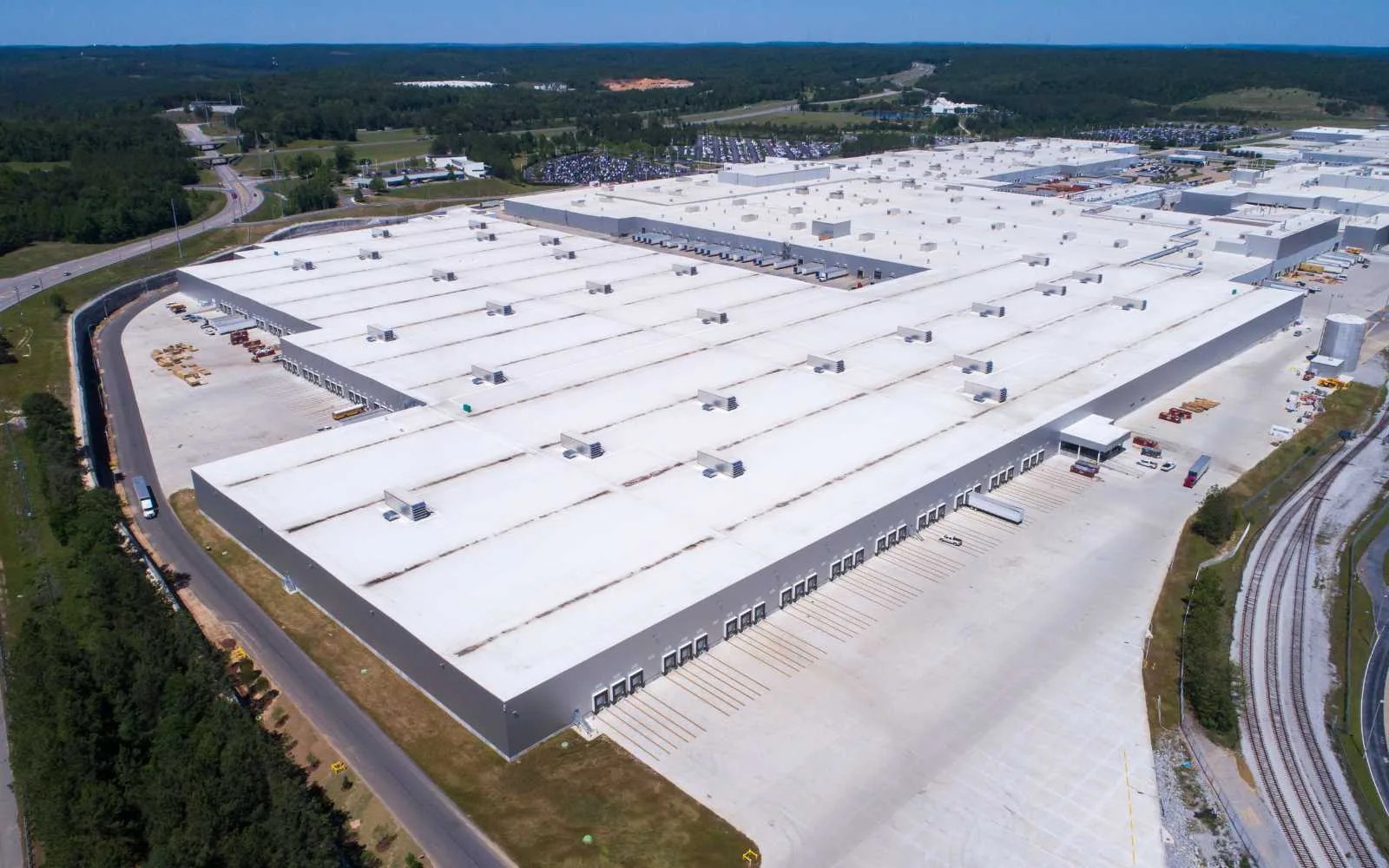
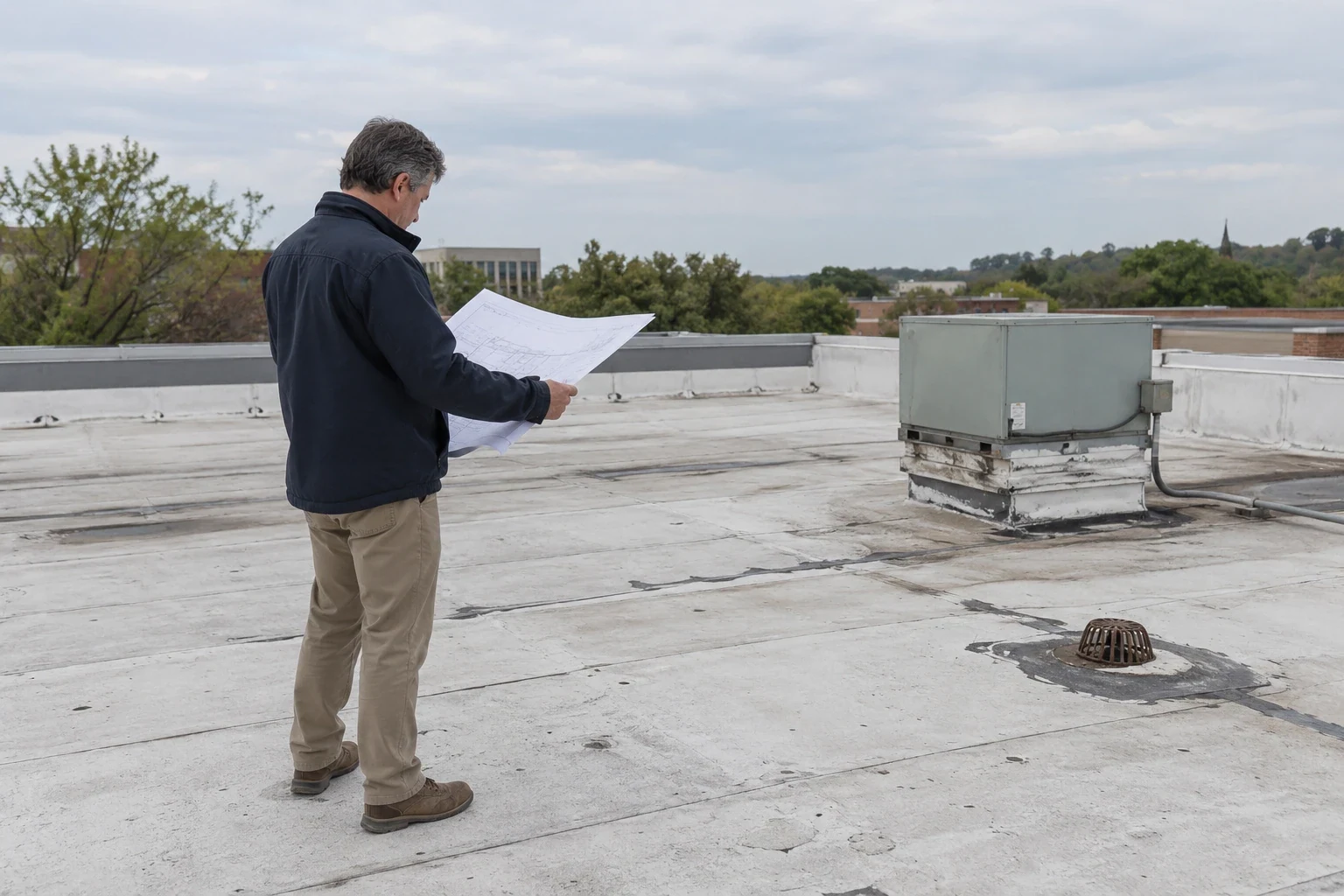
We walk the ridges where it is safe and the flats where it is not, looking for washers that have squeezed out, cracked or lost their sheen, screws standing proud of the panel, and rust streaks running down from a fastener. We sample screws with a driver to see which have lost their bite in the framing, since one that spins free marks a hole that needs an oversized fastener. Laps, ridge caps, trim and penetrations get the same look. On a larger or higher roof a drone roof inspection photographs the whole surface from the air before anyone steps on the panels, and rust streaks show plainly in the images.
The written roof condition report lists what is loose, what is failing and what can wait, with a photograph for each. An owner with no maintenance staff gets the most from a yearly repeat of the same walk, because a dated record turns a slow decline into something visible.
A small-town property can still have a complicated roof when additions were built at different times. Trace every change in roof height, membrane type and drainage direction, especially where one section sheds onto another. Mark these transitions on the inspection sketch and test the connection before pricing a broad coating or recover. If the assembly changes beneath the surface, the detail at that boundary may matter more than the visible condition of either field.
Commercial Roofing Questions
How long does a washer last on an exposed-fastener roof?
It varies with exposure, since a washer in full sun hardens faster than one in shade. The test is simple: press it. A washer that is cracked, flattened or no longer springy has finished its job, and the screw beneath it needs an oversized fastener with a fresh washer.
Will tightening the screws stop a leak?
Only where the screw still bites. Overtightened washers crush and split, and a screw in a stripped hole spins without holding, so those are replaced with larger fasteners instead. Tightening a roof full of worn washers is a short-lived fix.
Why does a metal building drip in winter when the roof has no hole?
Condensation. Warm interior air meets the cold underside of the panel and drops water, much like a cold glass in summer. Insulation with a continuous vapor facing, sealed laps and ventilation address it, and sealant on the outside will not.
What belongs in a yearly walk for a building with no facilities staff?
Washers and screws, laps and trim, penetrations, gutters or drains, and a dated set of photographs. The point is comparison: next year's walk is read against this year's, so a change shows plainly before it becomes a leak.
Is a coating better than a retrofit on a rusting metal roof?
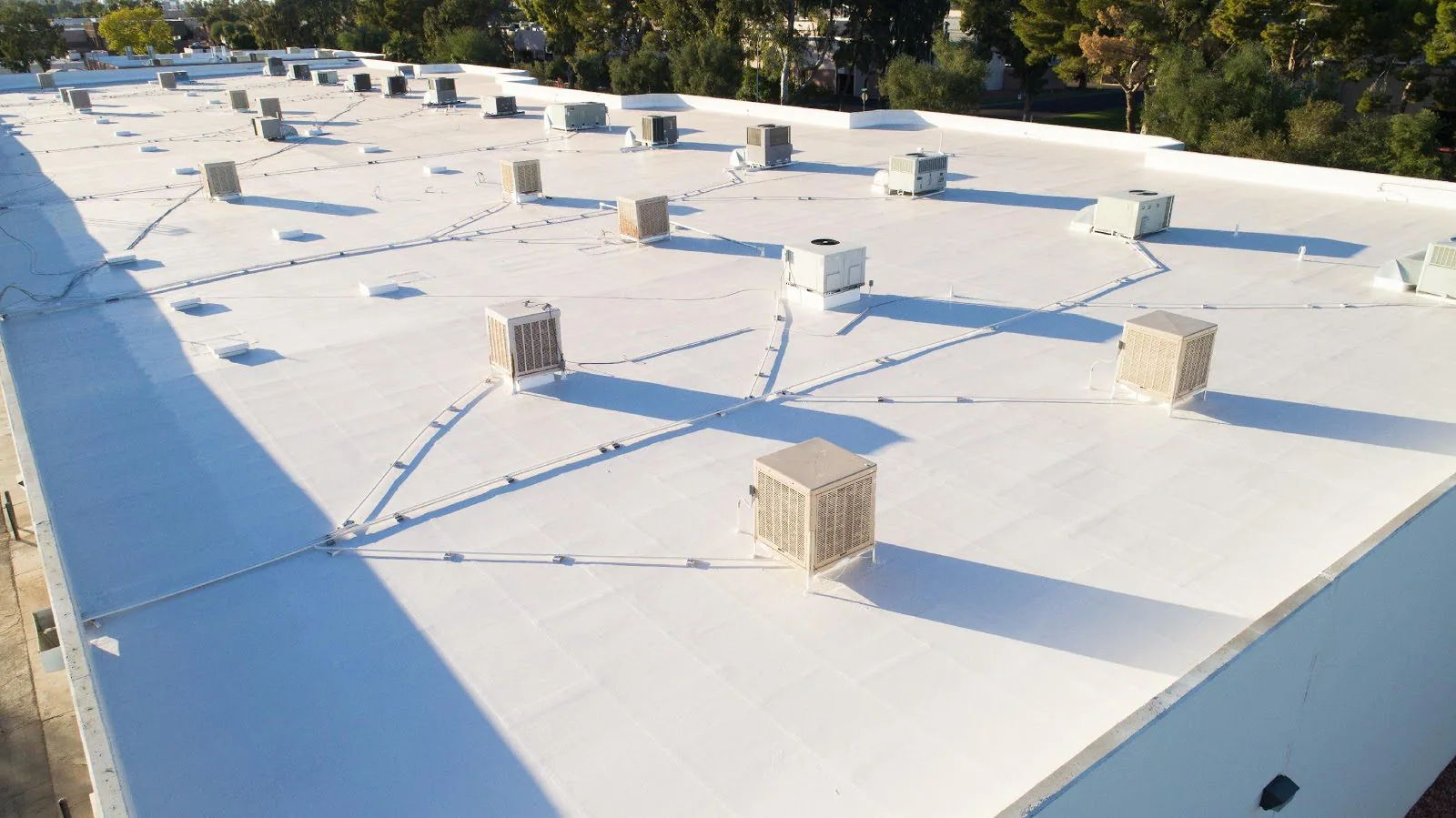
For panels that are sound under the rust, a coating is the lower-cost route and seals fasteners at the same time. Once the metal is perforated or the framing is wet, a coating only hides the damage, and a retrofit or replacement is the right call.
Related Roofing Pages
Church Hill
How the work is scoped, phased and documented on Tri-Cities roofs.
Kingsport
What we check, what we recommend and how the crew keeps the building running.
Roof Capital Planning
Conditions, options and next steps for commercial buildings in East Tennessee.