
Roof Condition Reports in Johnson City, TN
A bead of sealant that has cracked at a flashing termination lets water in only when wind drives rain sideways or meltwater backs up behind a rim of ice, so the defect can sit unnoticed through months of dry weather and then admit a season's worth of moisture in a single week. In Johnson City, TN, where about 45 inches of precipitation falls in a year and winter lows average near 25 degrees, that pattern repeats itself on roofs of every age. It is why a roof can pass a dry-day walk and still be failing, and why the only dependable answer is a written report that places each such detail on a plan, photographs it, and attaches a cost to leaving it alone. The report is what turns a roof from a surface into a set of known conditions.

What does the walk behind a written report involve?
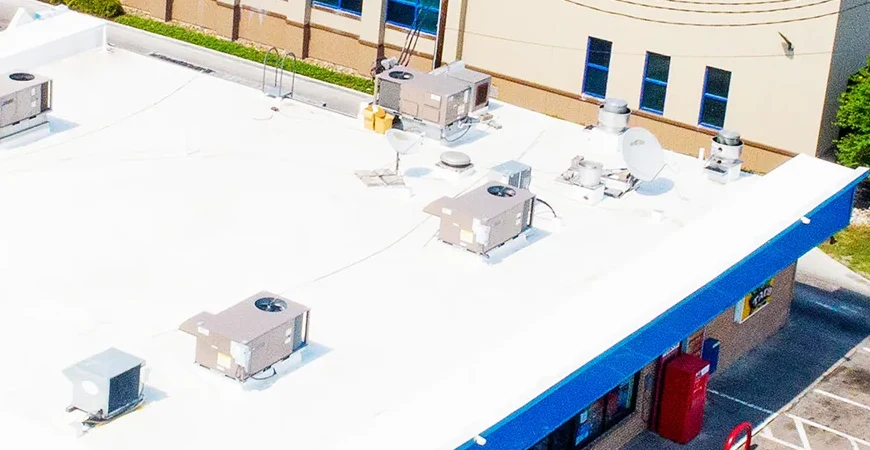
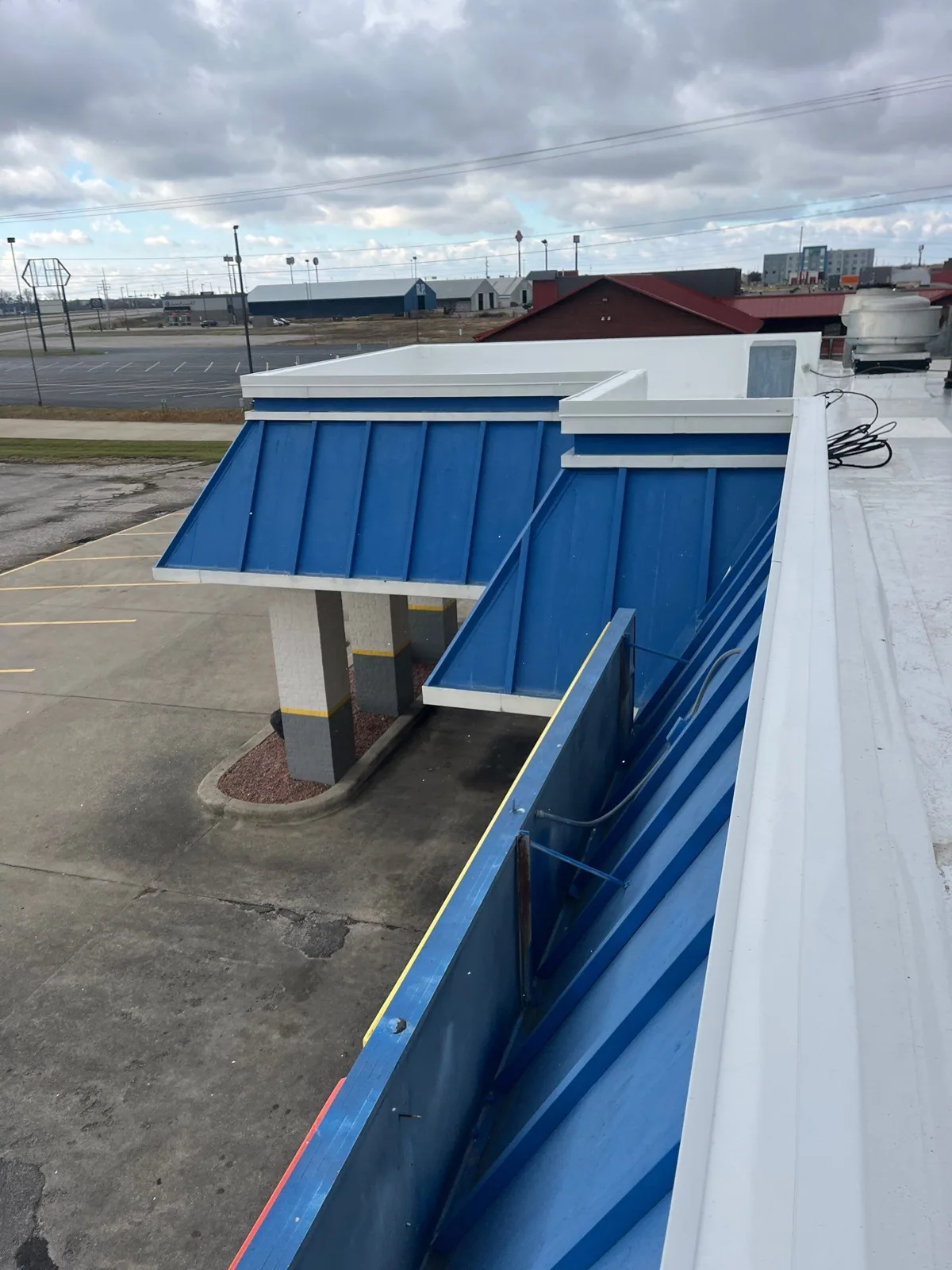
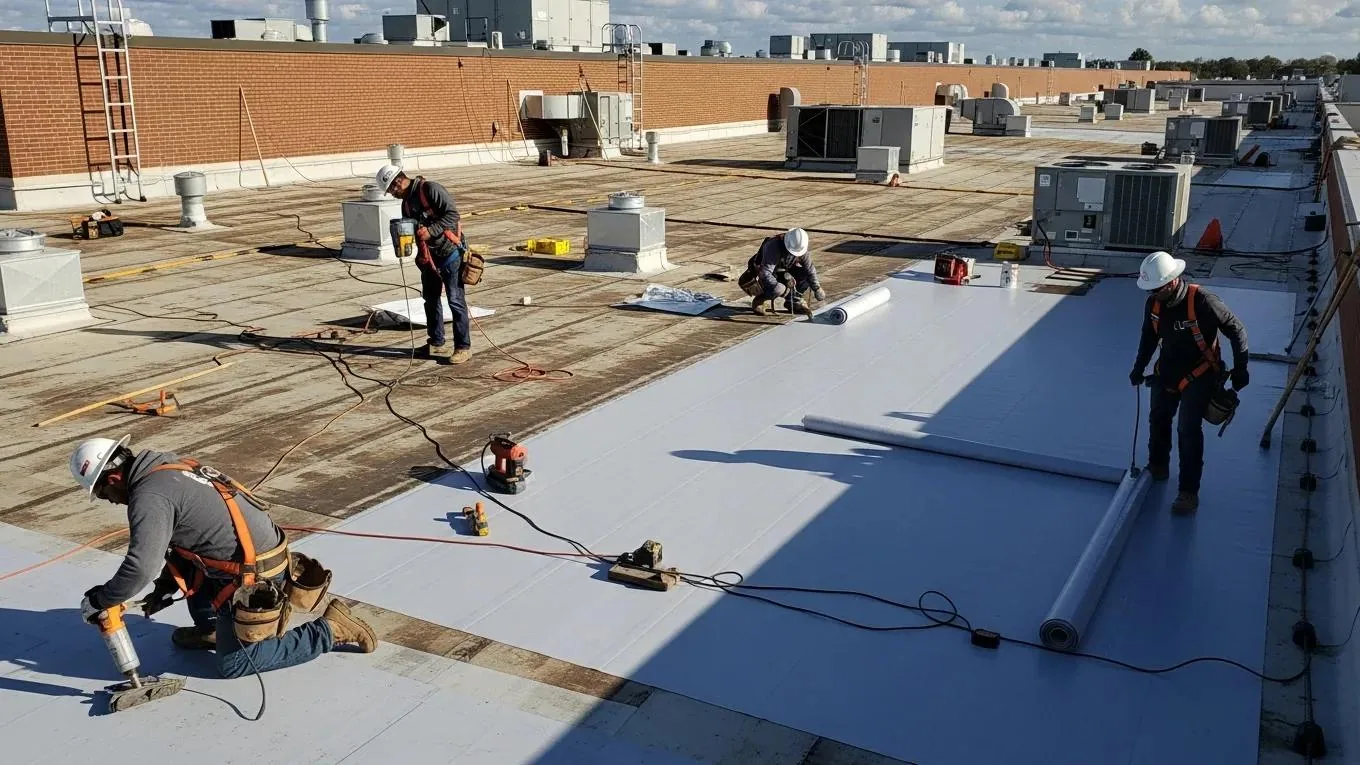
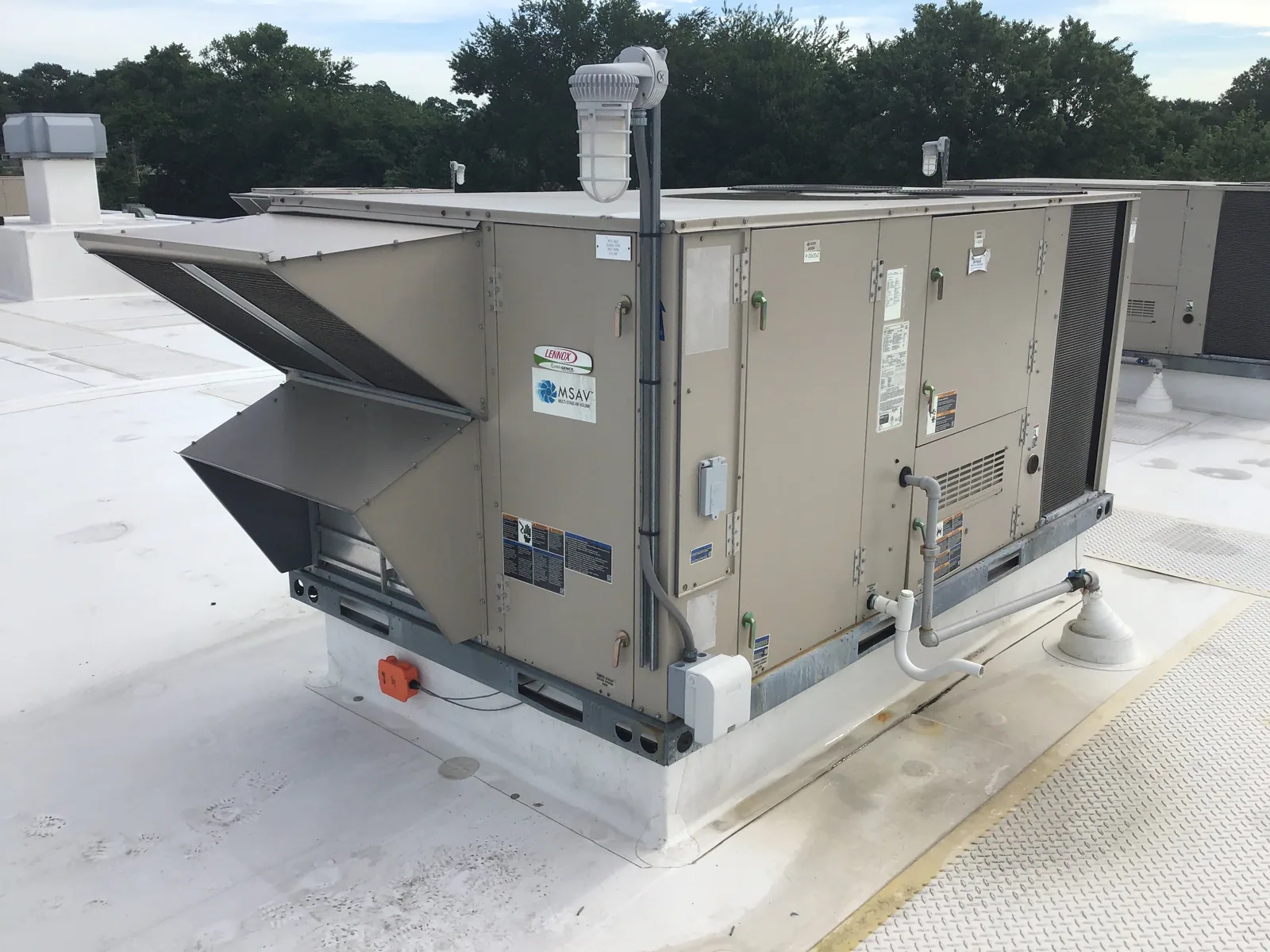
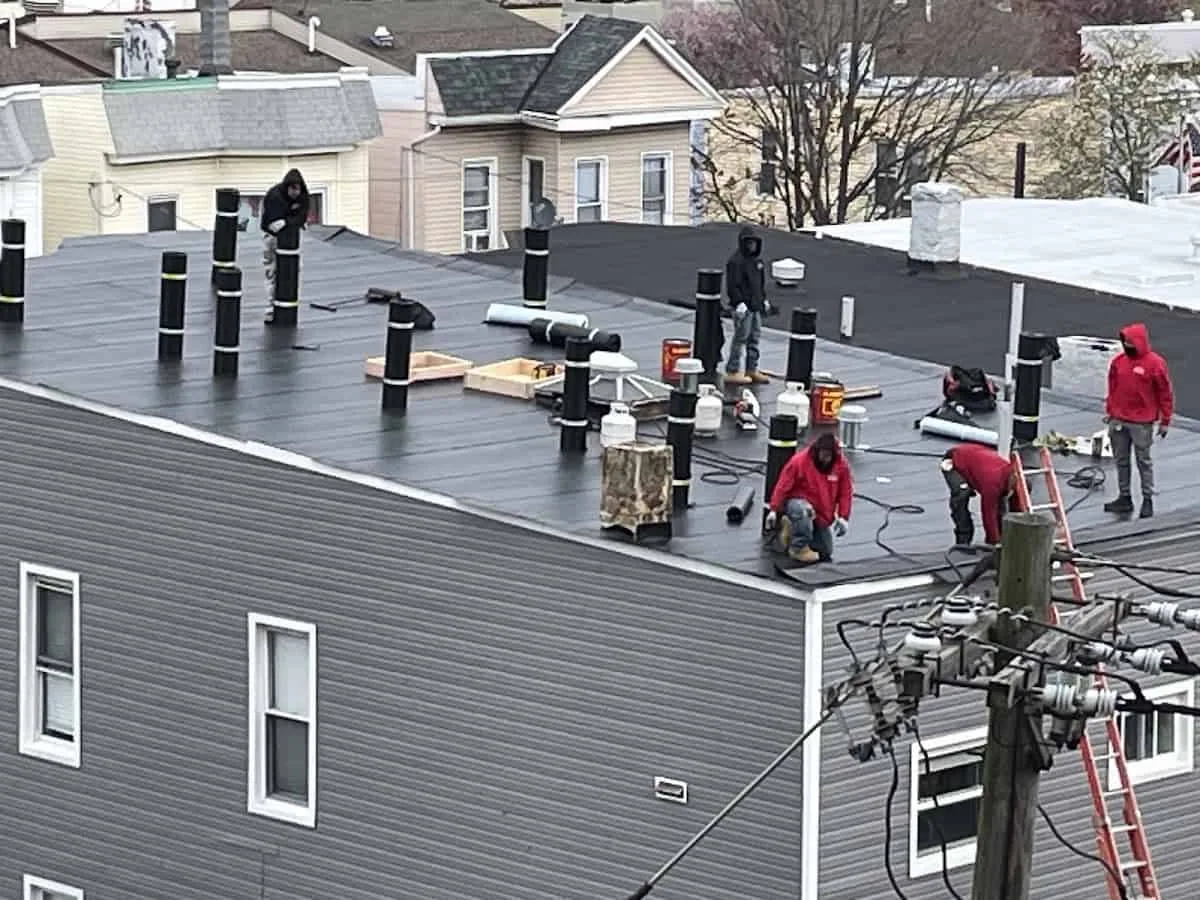
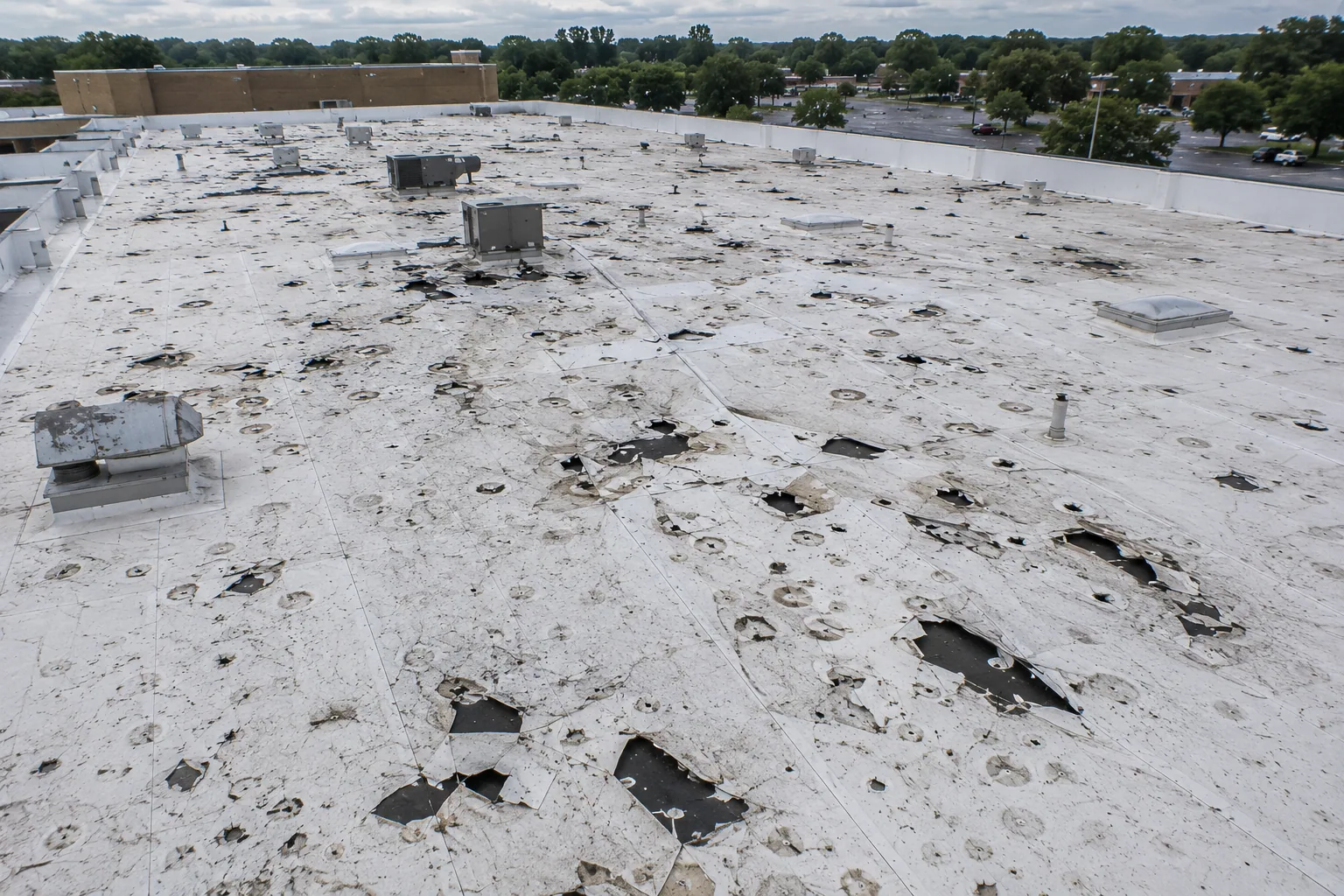
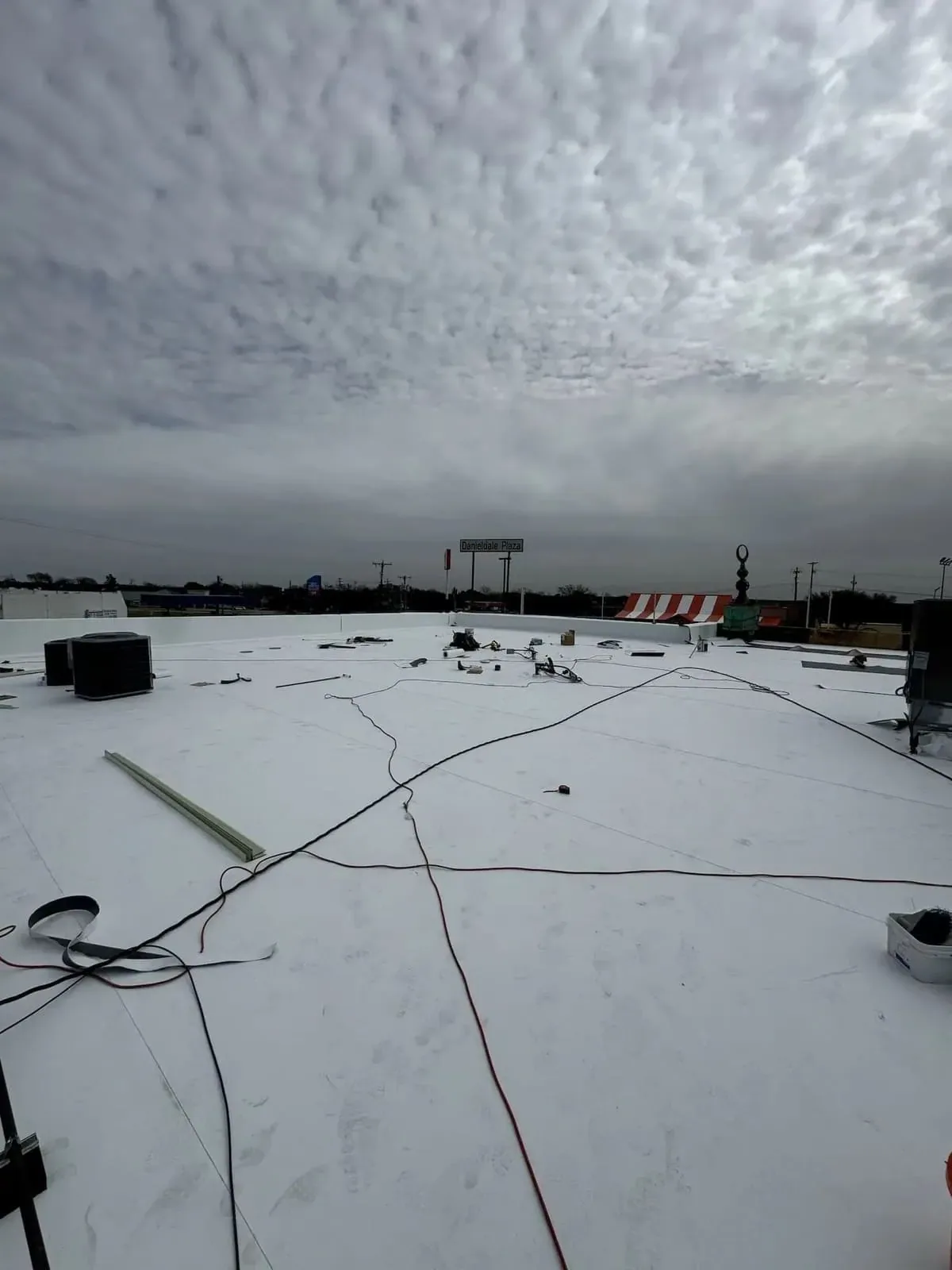
The walk is systematic, not scenic. We work the field of the membrane in a pattern, then follow every edge, parapet, curb, drain, seam and penetration that could carry water. Soft spots underfoot, blistered laps, displaced fasteners, open seams, cracked sealant, ponding stains and silt in drain bowls are each photographed and tagged to a position on a roof plan. We note the membrane type, its approximate age, repairs from earlier years and anything that other trades have added, such as rooftop units, cable runs or antenna mounts, because foot traffic around that equipment is a common source of wear that weather never explains.
Back at the desk the findings become a report with a rating for each roof area, a ranked list of defects, and a recommended action for each: monitor, repair, restore or replace. The photographs carry the argument. A facility manager or board member who can see a lifted seam does not need to take anyone's word for it, and we keep the notation consistent from visit to visit so the next report can show exactly what changed.
Get the roof written down, photograph by photograph
Call Commercial Roofing Johnson City to schedule a walk and a written report. You will receive photographs, a rating for each roof area and a ranked list of work, so the next decision rests on condition data.
Visual walk, drone pass or infrared scan: which evidence belongs in the report?
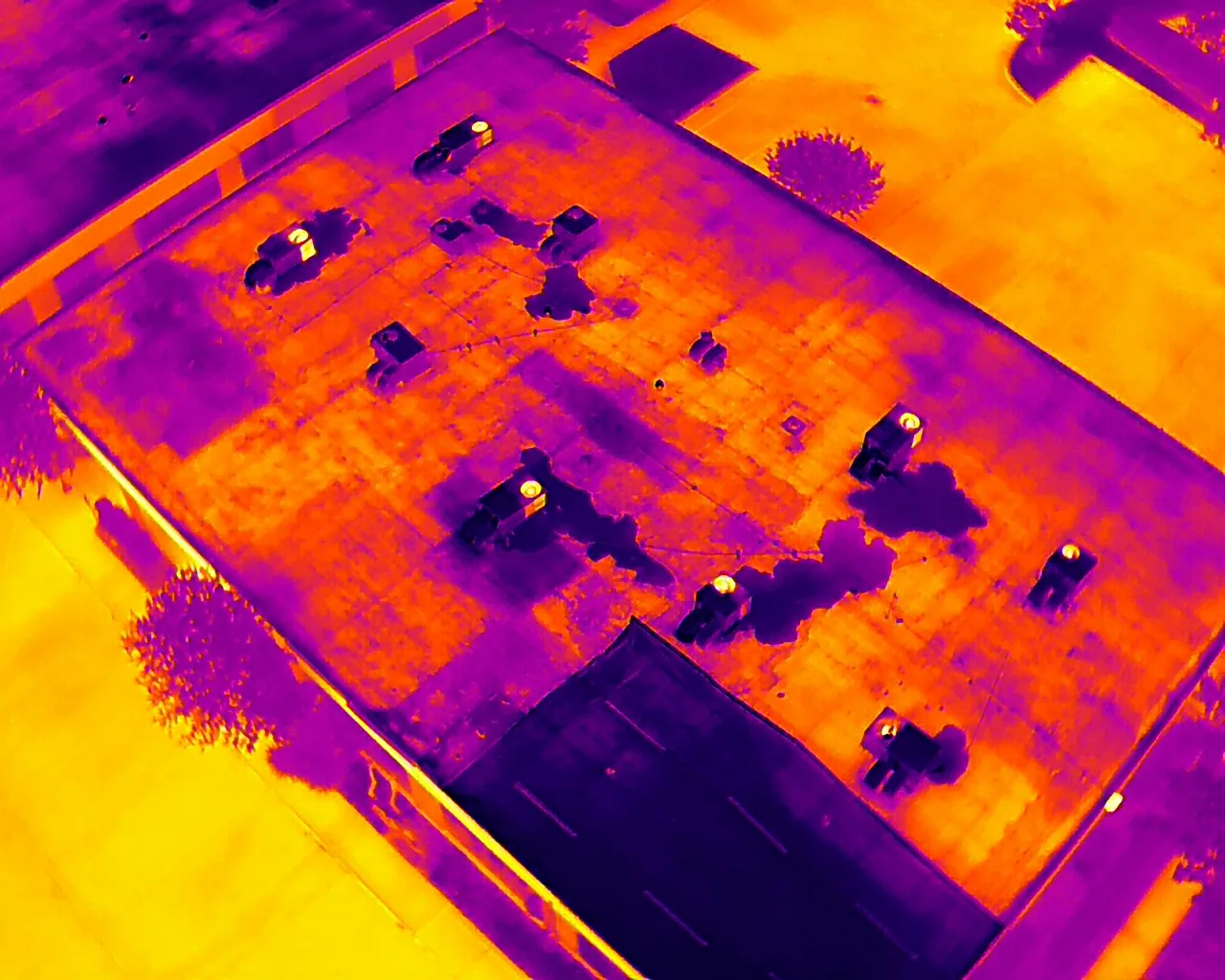
Each method sees something the others miss. A hands-on walk finds the small physical defects that decide whether a patch will hold, and it is the base of every report. A drone pass covers large or hard-to-reach roofs quickly and records ponding, discoloration and edge damage from above without adding foot traffic. An infrared scan, taken at dusk after a sunny day, shows where insulation is holding water that no surface symptom has revealed yet, and core cuts confirm the scan by showing what is actually inside the assembly.
A report on a young, dry roof may rest on the walk alone. A report on an aging roof with a leak history should carry all of them, because the cost of guessing wrong about wet insulation is far higher than the cost of extra evidence. Our commercial roof inspection work sets the depth to match the question the owner needs answered.
What do reports on Johnson City roofs have to account for?
Freeze-thaw comes first. With about 15.6 inches of snow in a typical year in the city and considerably more in the mountains around it, ice forms at drains, scuppers and parapet joints where meltwater lingers, and a report has to look at those places by name. Rain comes second. A roof that stood through Hurricane Helene in September 2024, when the Nolichucky River reached catastrophic flood levels across Northeast Tennessee, deserves a report afterward that records the condition of every outlet and low spot.
The building also shapes the report. For an older masonry building of the kind found in downtown Johnson City, the report concentrates on parapet flashing, coping joints and drain bowls. For a production building at the Washington County Industrial Park, it concentrates on equipment curbs and the seams around penetrations. For a retail center such as the Mall at Johnson City, it concentrates on drainage and the roof-level equipment that serves the tenants below. The scale and the vocabulary stay the same, so owners with several building types can read them side by side.
When in the year does a report carry the most weight?
Late winter and early spring are when a report reveals the most. The roof has just been through its freeze-thaw cycles, seams have opened, sealant has cracked, drains have collected debris, and any water that entered the insulation is still there to be found. A report finished in early fall is the better tool for deciding what to fix before cold weather makes repairs harder. Reports also belong at moments of change: before a purchase or refinancing, after a damaging storm, ahead of a rooftop equipment project, and when a manufacturer coverage period nears its end. Each moment asks a slightly different question of the same roof, and a dated report answers it with evidence instead of recollection.
What does an unwritten finding cost?
A defect known only from conversation tends to be forgotten, and a defect that is forgotten keeps working. A flashing noticed one year and never written down is a flashing nobody budgets for the next, and by the time it leaks the surrounding insulation has absorbed another season of moisture. There is a quieter cost as well. Without a dated record, an owner cannot show a carrier that damage came from a particular storm rather than from long neglect, cannot show a manufacturer that maintenance was kept up, and cannot show a buyer that the roof has been under watch. Each of those becomes harder to prove after the fact than to document at the time.
When a storm does arrive, the dated record is what supports an insurance claim, and the same findings carry into a long-range plan for the roof or a survey ahead of a sale when a building changes hands.
Commercial Roofing Questions
How soon after the walk does the written report arrive?
A single building is typically written up soon after the visit, while a campus takes longer because every roof area is rated and photographed. When core cuts or a thermal scan are part of the work, the findings from those are folded in before the report is released.
What does a rating of fair or poor mean in practice?
Fair means the roof is still performing but carries defects that will cost more if they are left. Poor means active failure, or a likelihood of failure within a season or two. Each rating is attached to a recommended action and a rough timeframe, so the label is never left for the reader to interpret.
Will a lender, insurer or buyer accept the report?
The reports are written to stand on their own, dated, photographed and located on a plan, which is what carriers, lenders and buyers look for. When a party specifies the format it wants, we adjust the layout to match while keeping the findings unchanged.
Can you report on a roof that someone else installed?
Roofs put down by other contractors are reported the same way as any other. We read the system as built, record the manufacturer and details wherever they can be identified, and describe what is actually on the building and how it is holding up.
Should past leaks be shared before the walk or saved for it?
Share them first. A log with dates, locations and the weather at the time lets us examine the likeliest detail before anything else, and the stain on a ceiling tile is rarely directly beneath the opening that caused it.
Related Roofing Pages
Drone Roof Inspections
How the work is scoped, phased and documented on Tri-Cities roofs.
Infrared and Core-Cut Moisture Surveys
What we check, what we recommend and how the crew keeps the building running.
Commercial Roof Inspections
Conditions, options and next steps for commercial buildings in East Tennessee.