
Roofing for Healthcare Systems in Johnson City, TN
A hospital keeps its air warm and humid on purpose, and in winter that moisture climbs through ceiling plenums toward the coldest surface it can find, which is the underside of the roof deck. Where the dew point of that air meets a cold deck, water condenses out of sight, soaks the insulation from below and runs along fasteners and joists until it appears as a stain in a room that seems to have a leaking roof. Winter in Johnson City, TN brings nights near 25F on average and about 15.6 inches of snow over a year, so the cycle runs from December through March. A roof does not need a hole for a clinical building to get wet. For a health system the cost is not a repair line; it is a procedure room or a patient unit taken out of service while a ceiling is opened and the air is tested.
What does a health system need to know about a roof before anyone touches it?
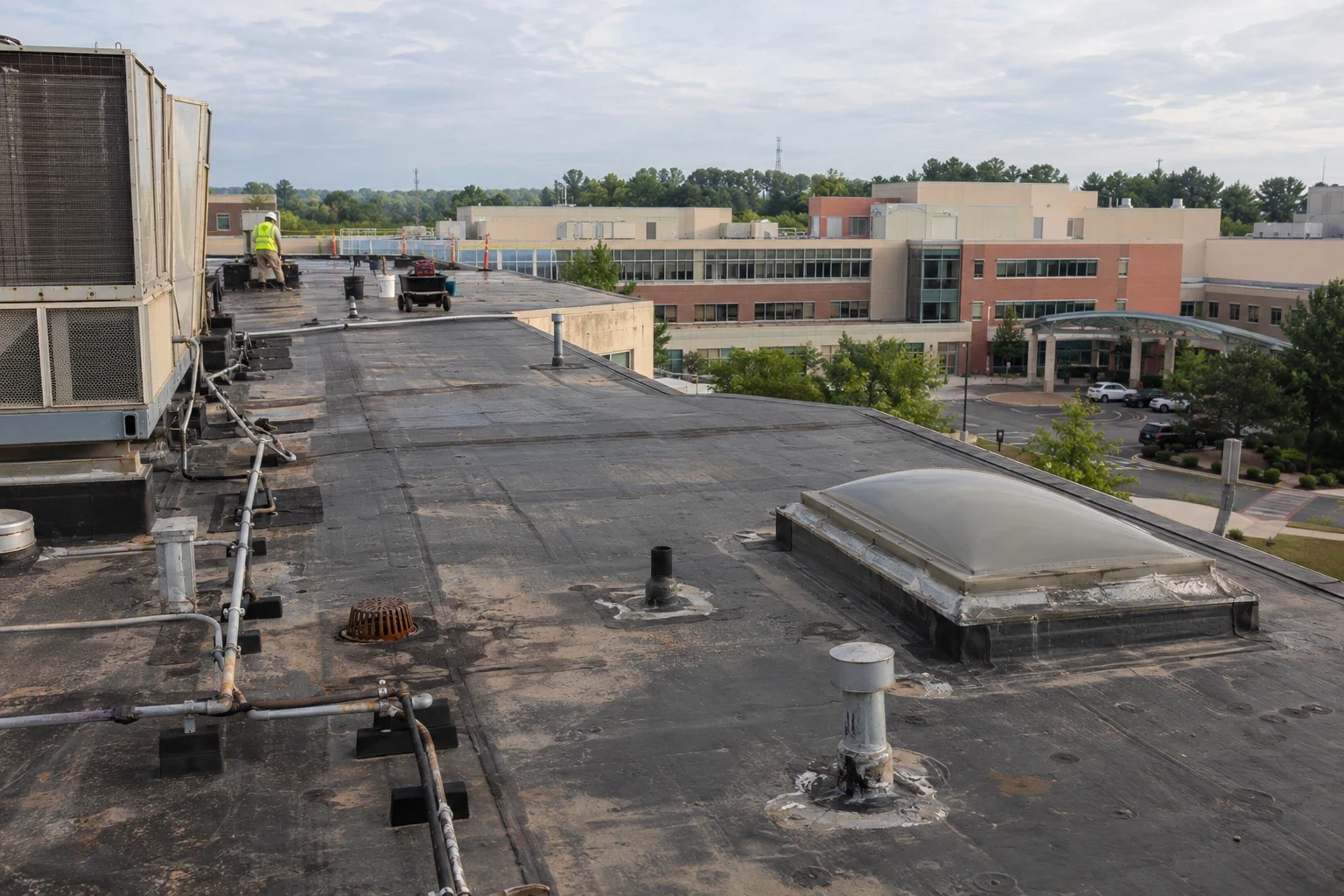
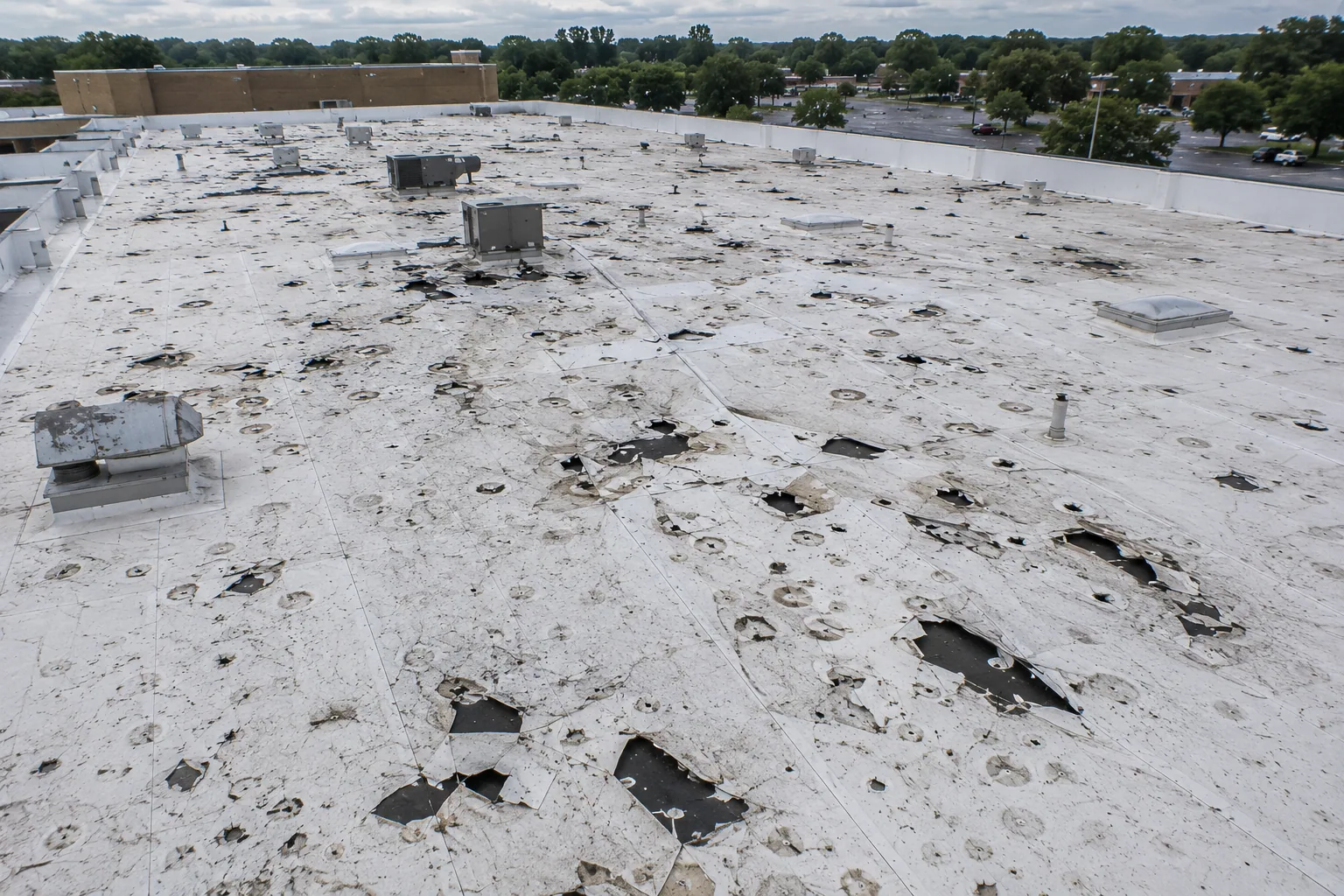
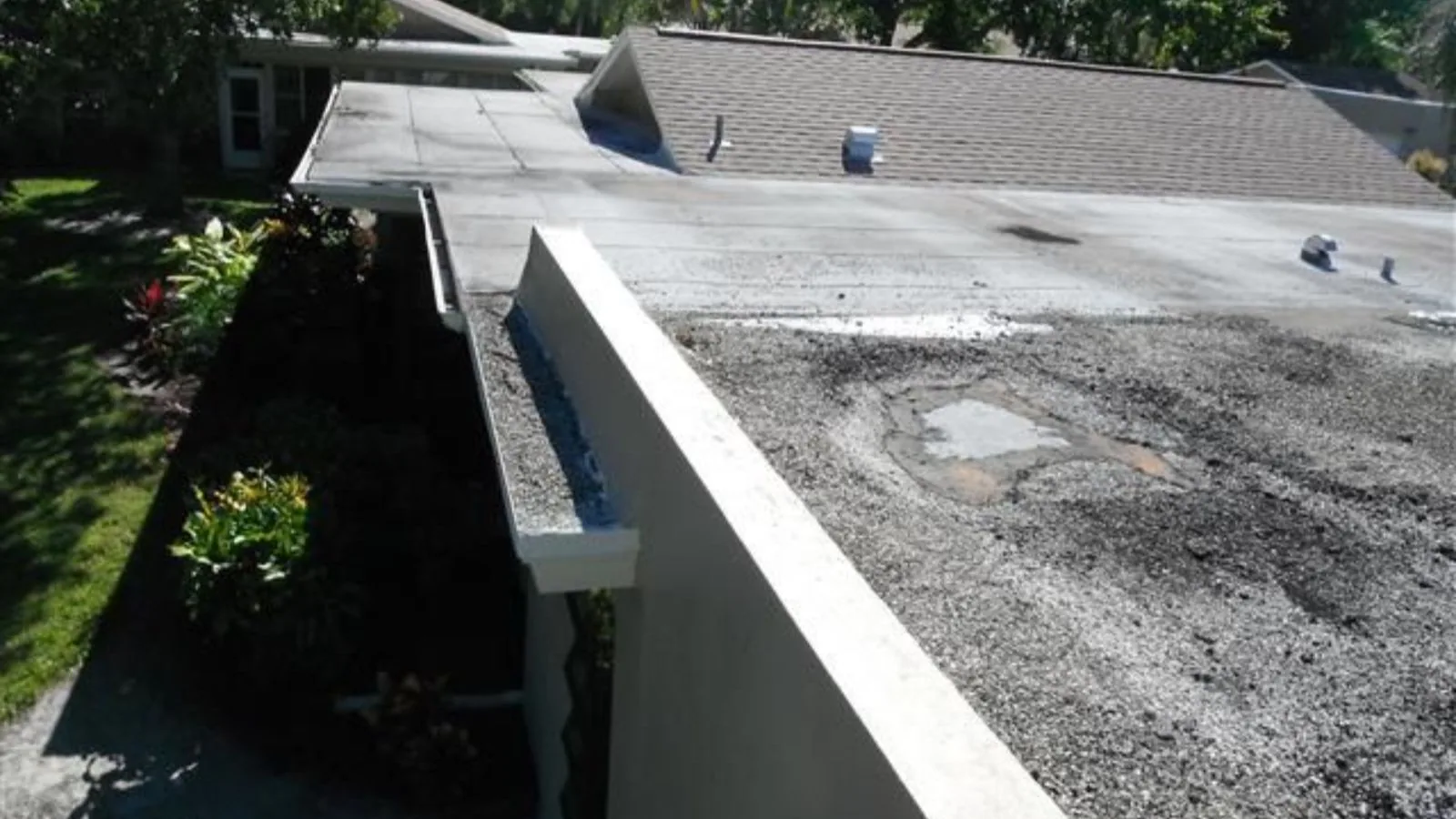
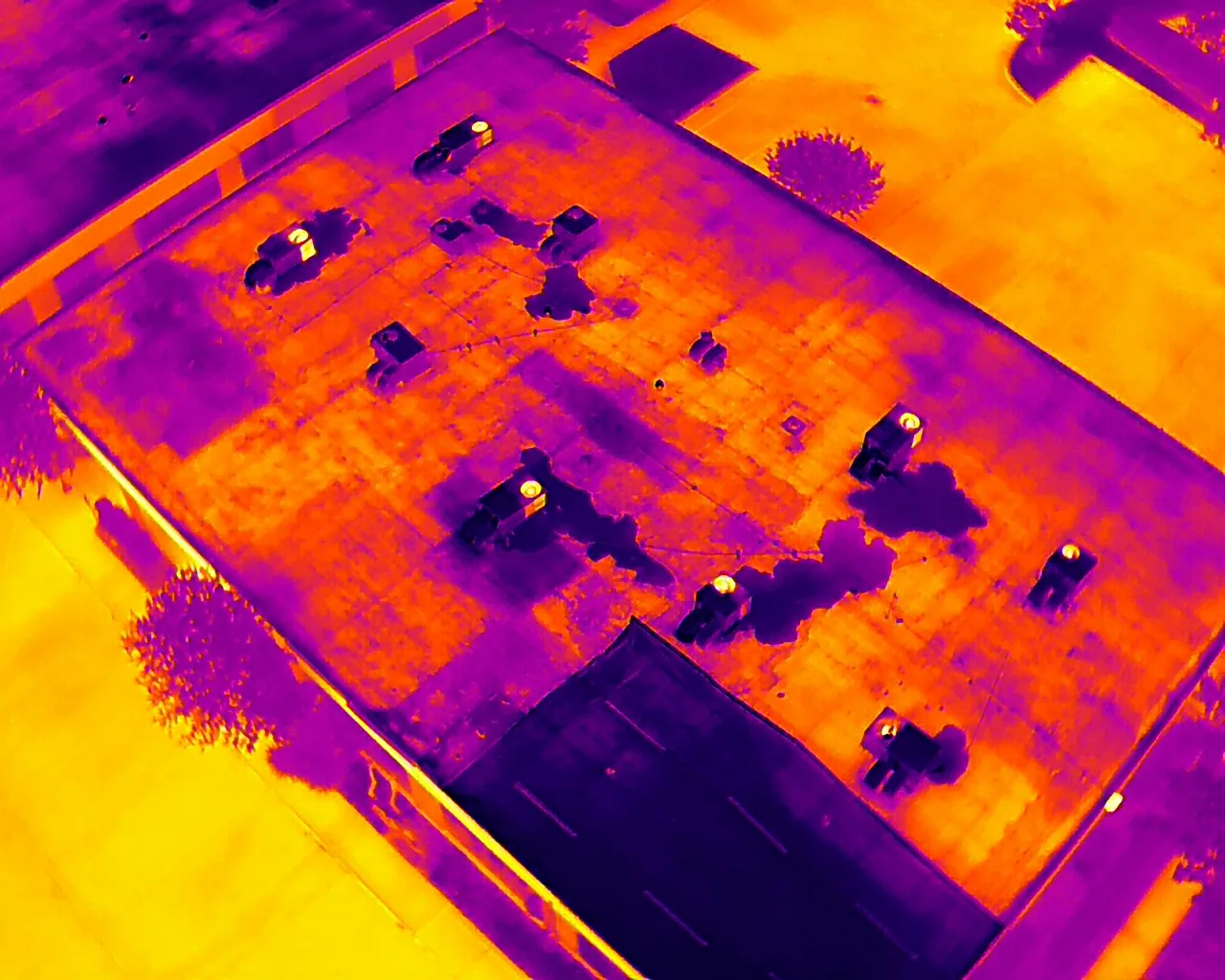
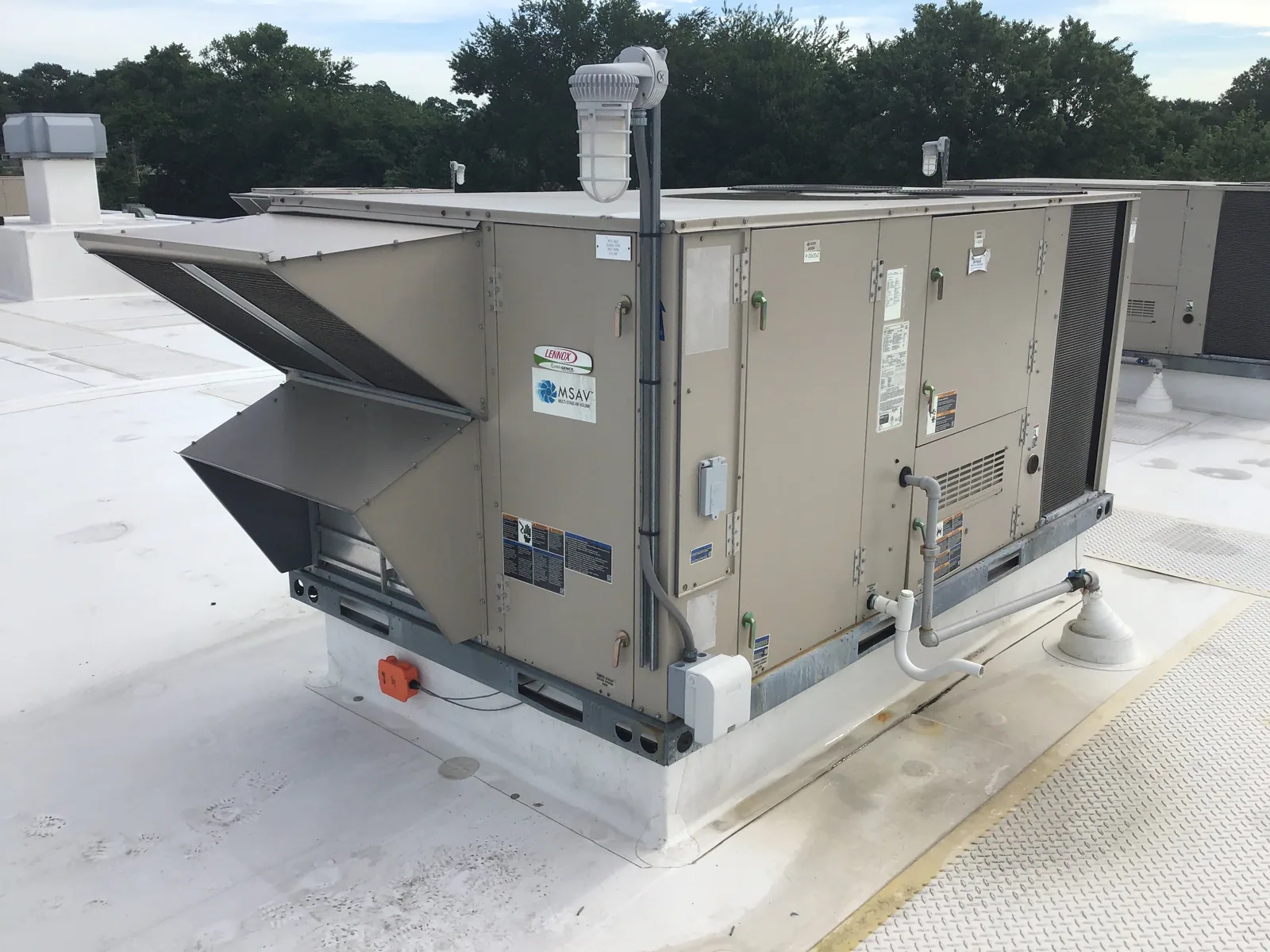
Before pricing, we map what the roof carries as well as what covers it. Air intakes, exhaust stacks, generator flues and rooftop equipment each limit where work can start and how material is staged, and a drawing of those items is often the first useful document the facilities team and the infection prevention staff review together. Then we walk the membrane, mark the seams, curbs and drains, and run an infrared moisture survey to find saturated insulation that the interior condition may be hiding. Systems that own many buildings benefit from scoring every roof on the same scale, so that clinical importance and physical condition are weighed together. Scoring roofs that way is roof asset management in practice, and it keeps the most critical building from waiting behind the cheapest repair.
Collect the condition data before the next capital cycle
Call Commercial Roofing Johnson City to schedule a survey of your clinical and support roofs. You will receive moisture findings, an intake and equipment map, and a phased plan to review with your facilities and infection prevention teams before any capital is committed.
What does a wet ceiling cost a clinical space?
The repair is rarely the largest line. Moisture inside a ceiling can support microbial growth, so a facilities team treats a wet tile over a patient area as an infection control event, with barriers, air sampling and sometimes a closed room until the area is cleared. Equipment shares the exposure: imaging suites, sterile processing and electrical rooms do not tolerate drips, and a roof leak that is routine in a warehouse can interrupt scheduled care in a hospital. Meanwhile the insulation above continues to collect water and lose its resistance to heat, so heating and humidity control work harder through the winter. Fixing the roof while the assembly is dry removes that chain at the first link, and it costs the repair and the staff time to schedule it.
Which assembly suits a building that cannot accept odor, noise or downtime?
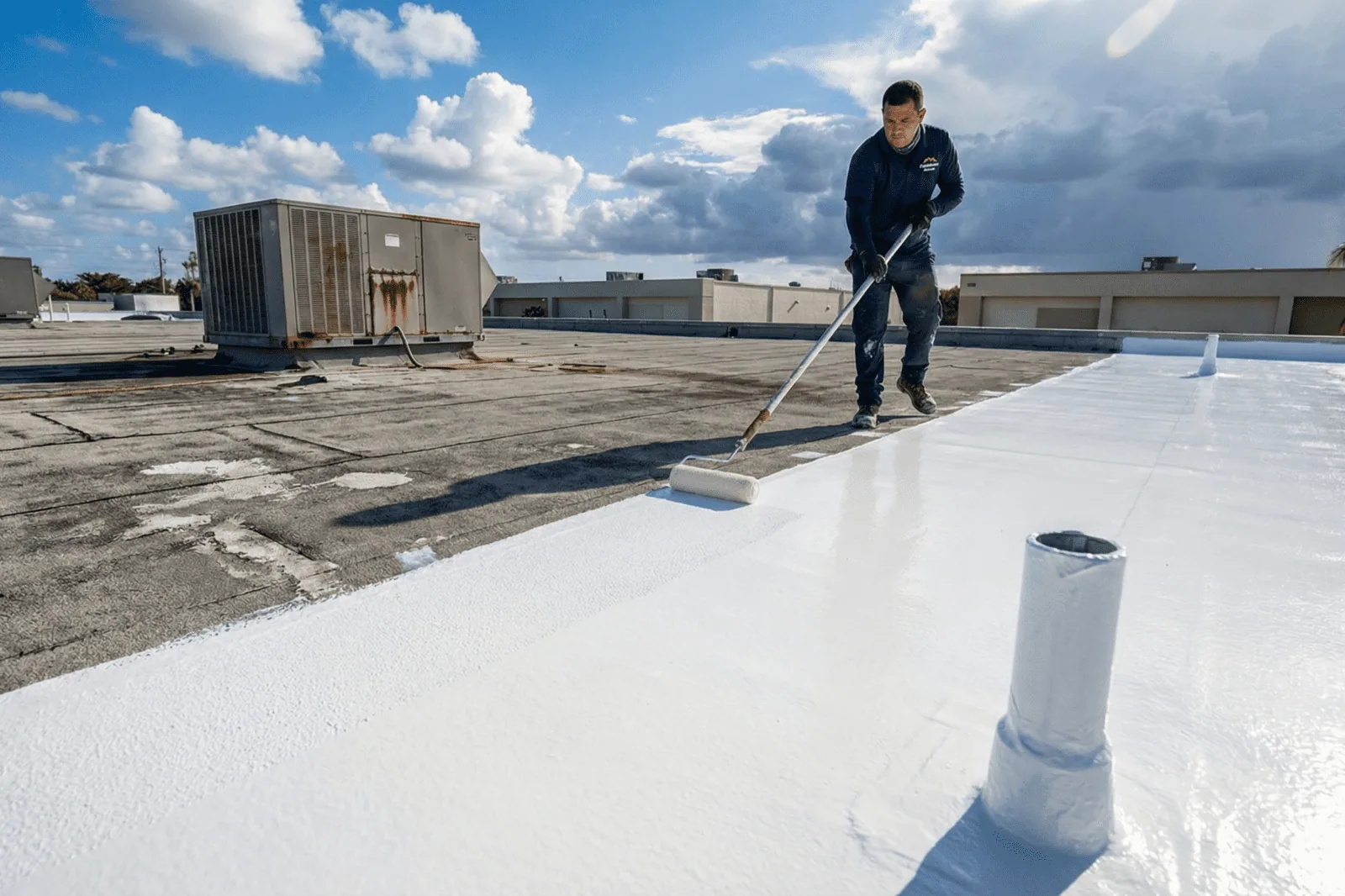
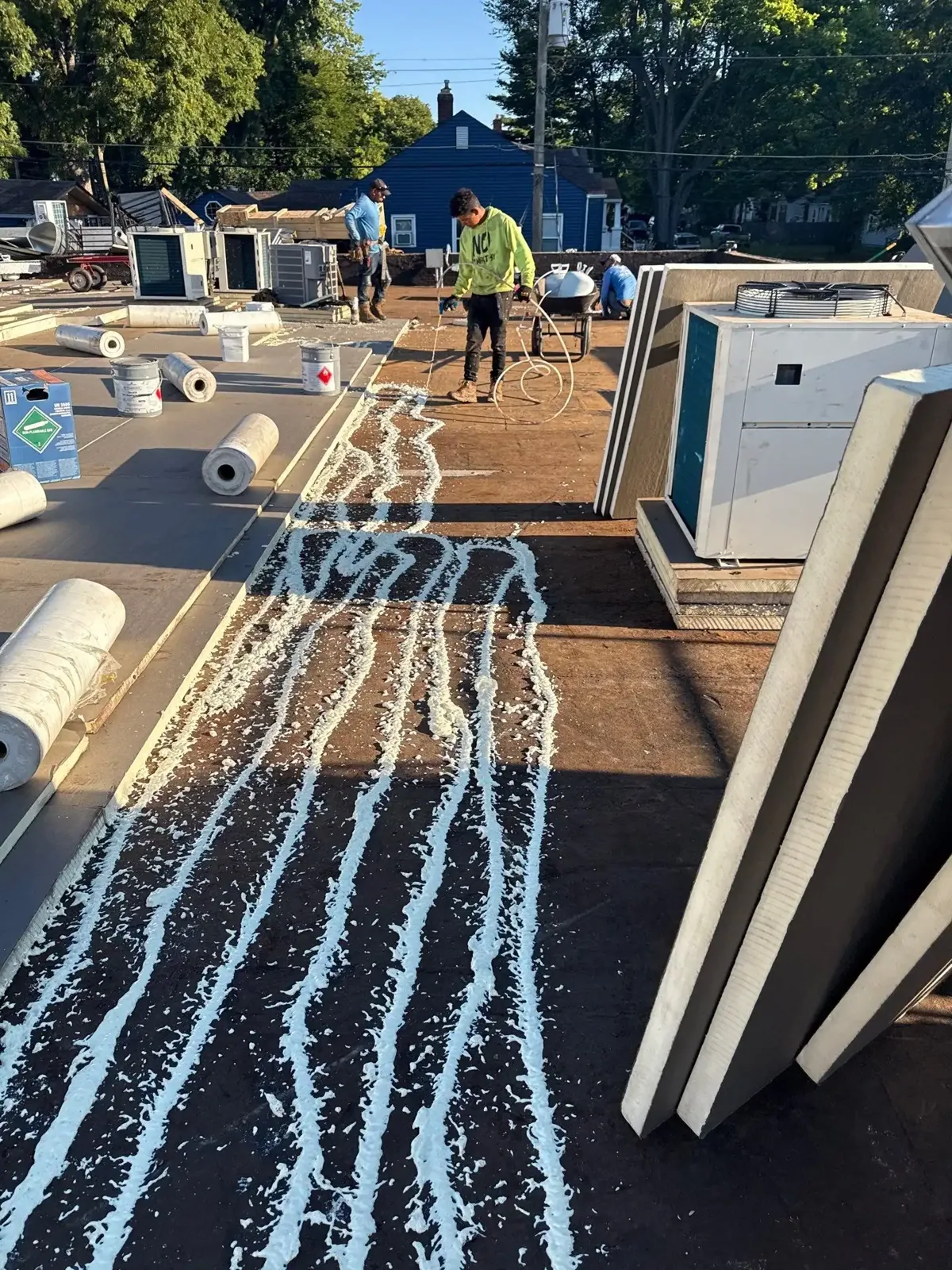
Hot asphalt brings fumes that travel toward intakes, and loud tear-off carries vibration through slabs into spaces where surgeons and patients are working. For that reason the usual choices lean toward cold-applied and mechanically attached single-ply systems such as TPO and PVC, low-odor adhesives and, where the existing insulation is dry, a recover that avoids a full tear-off and the debris that comes with it. PVC has an extra advantage where exhaust or kitchen vapors reach the roof. When the existing roof is wet beyond saving, the tear-off is staged in small sections, each closed and made watertight before the next opens. Our task is to match the assembly to what the building can tolerate, then confirm the match with the facility team before any material arrives.
How is a reroof sequenced above patients, intakes and procedure rooms?
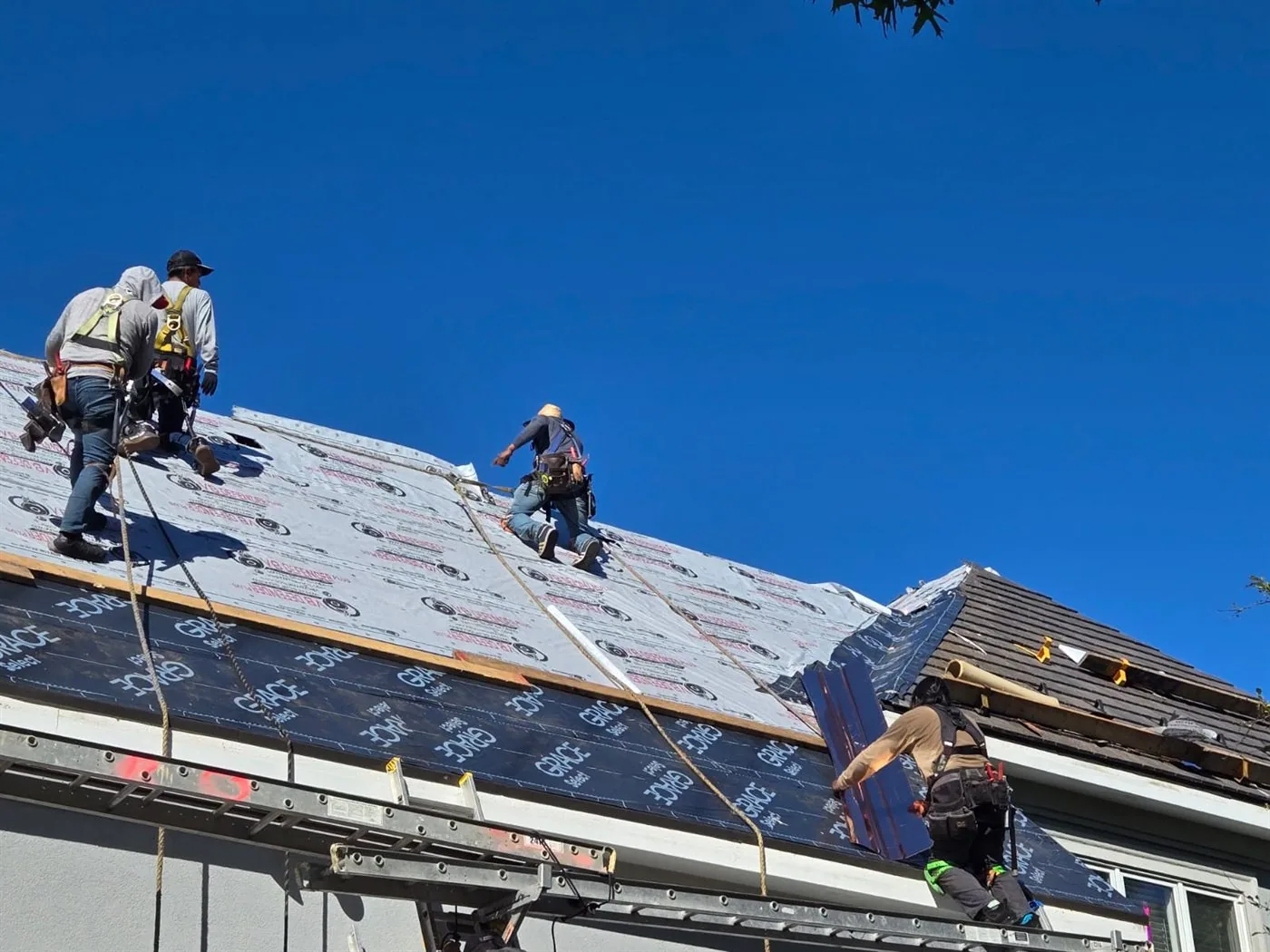
By zone, with the infection prevention plan written first. We schedule noisy work, such as deck fastening and tear-off, for the hours that the unit manager names, we close or shield nearby air intakes while fumes or dust are possible, and we keep a temporary seal ready for any section left open. Weather limits matter as much as clinical ones: adhesives and welds need a dry surface and workable temperatures, which in the Tri-Cities makes late spring through early autumn the easier calendar. Work for occupied building reroofing relies on communication, so the facility receives a daily update on what is open, what is closed and what is planned for the next morning.
What do hospital, clinic and VA roofs in the valley have in common?
Johnson City Medical Center, the Level I trauma center on North State of Franklin Road, carries 445 beds, and the attached Niswonger Children's Hospital adds 86, and in the medical center corridor it shares with ETSU's medical institutions, a roof project has to work around clinical space that cannot pause. Ballad Health runs its system from Johnson City, with 20 hospitals spread over Tennessee, Virginia, Kentucky and North Carolina, and a system spread across that many sites needs one yardstick for comparing roofs of different ages. The Mountain Home VA campus adds another layer: its Beaux Arts buildings opened in 1904, many remain in use, and the site is a National Historic Landmark District, so roof work there is planned with that status in mind. The broader Interstate 26 corridor also makes delivery and staging plans part of the regional schedule. When Hurricane Helene's September 2024 flooding reached Unicoi County Hospital in Erwin, it showed how much water the region can deliver, and why drainage and emergency planning belong in the same conversation as the membrane. Where a facility is publicly owned, our written condition reports also give public agencies a record they can carry into a bid process.
After a covered event, the facilities team and carrier need one dated record of the roof condition; insurance restoration uses that documentation in the claim process.
Commercial Roofing Questions
Who sets the infection control conditions when a roof is opened above a ward?
The facility's infection prevention staff, working from its own risk assessment, sets the barriers, pressure requirements and air monitoring for the area below. We supply what they need to complete it: the extent of the opening, the hours of work, the materials involved and the location of every intake nearby. Our crew follows the resulting plan, and daily updates keep unit managers informed of what is exposed.
Can roofing odors reach patient areas through the air intakes?
They can, which is why intake locations are the first thing we map. Hot asphalt, solvent-based adhesives and some sealants release fumes that an intake will pull into the building if the wind carries them that way. We choose low-odor and cold-applied products where possible, move staging away from intakes, and ask the facility to close or filter an intake during the few operations that cannot avoid fumes.
How should a system with many sites rank its roofs?
Clinical criticality and physical condition should both be scored, then combined. A modest roof over a sterile processing department may outrank a worse roof over storage, because the cost of failure is different. We attach a remaining service life range, a moisture finding and a photograph set to each roof, and the system's facilities group assigns the criticality, which keeps the ranking tied to how each space is actually used.
How does a historic building change the roofing scope?
Original materials and details may be protected, and approvals can add time that a standard reroof would not need. At a landmark district such as Mountain Home, the question is often whether a repair or a like-for-like restoration can keep the roof's appearance while improving its drainage and flashing. We document existing conditions in detail so that reviewers have photographs and measurements in front of them before decisions are made.
Did Helene change how health facilities should view roof drainage?
The river flooding that reached Unicoi County Hospital was not a roof failure, but the same storm system showed how much water Northeast Tennessee can receive at once. A roof drain that handles ordinary storms may be marginal when debris narrows it or when ice blocks the outlet. We check drain capacity, overflow scuppers and the path water takes off the roof, because a flooded roof is both a building problem and a continuity problem.
Related Roofing Pages
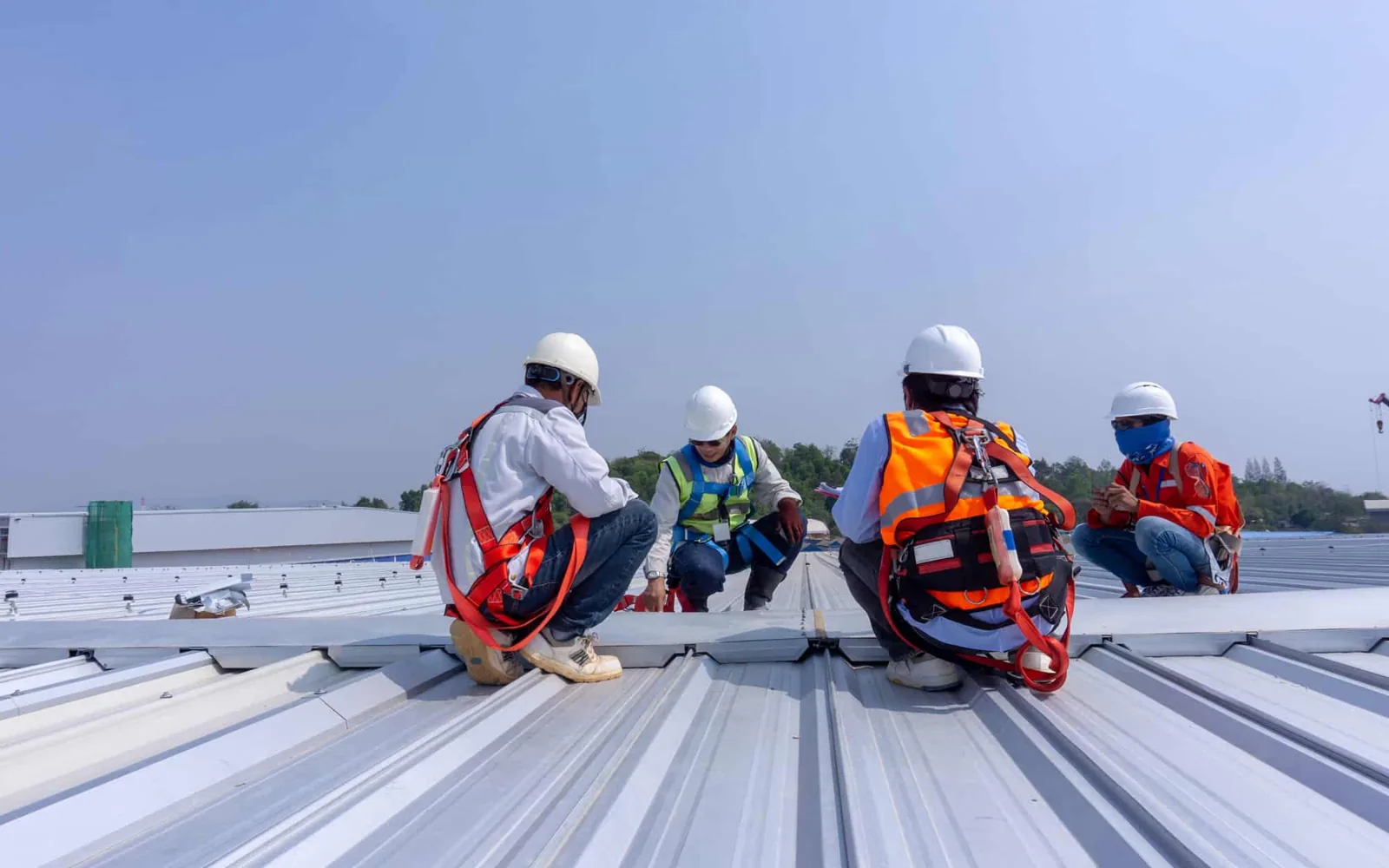
Infrared and Core-Cut Moisture Surveys
How the work is scoped, phased and documented on Tri-Cities roofs.
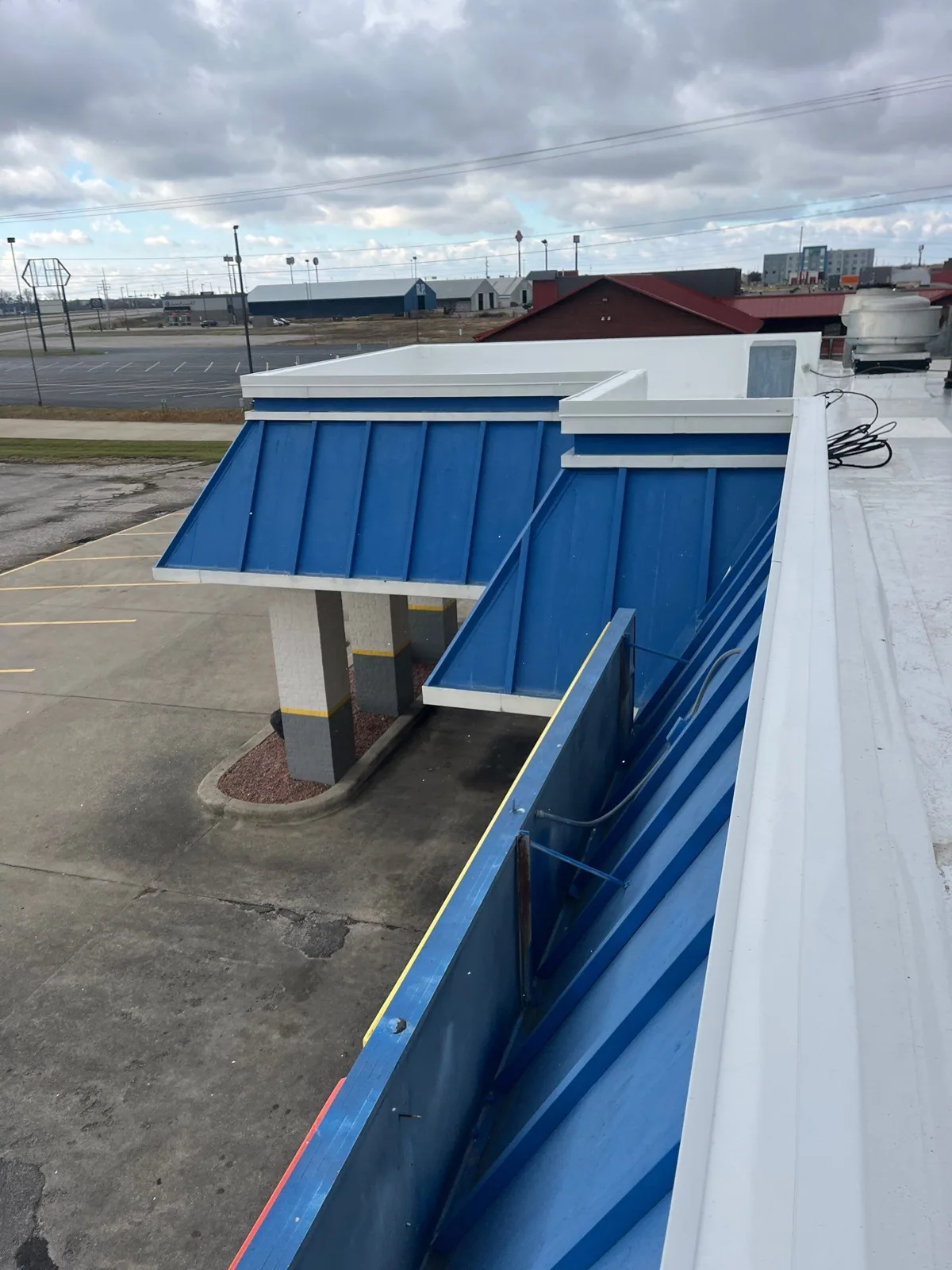
Roof Asset Management
What we check, what we recommend and how the crew keeps the building running.
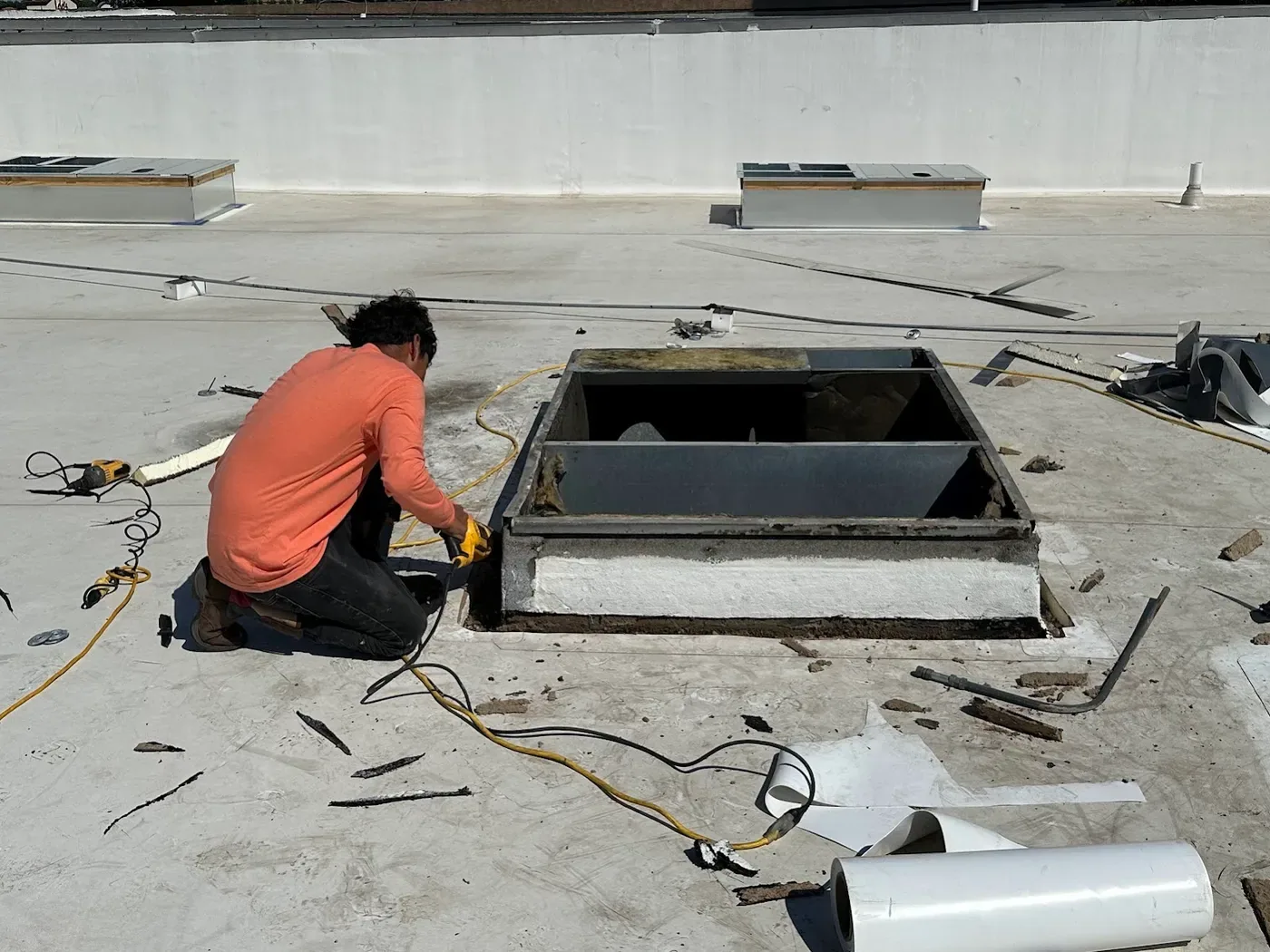
TPO Roofing
Conditions, options and next steps for commercial buildings in East Tennessee.