EPDM Rubber Roofing in Johnson City, TN
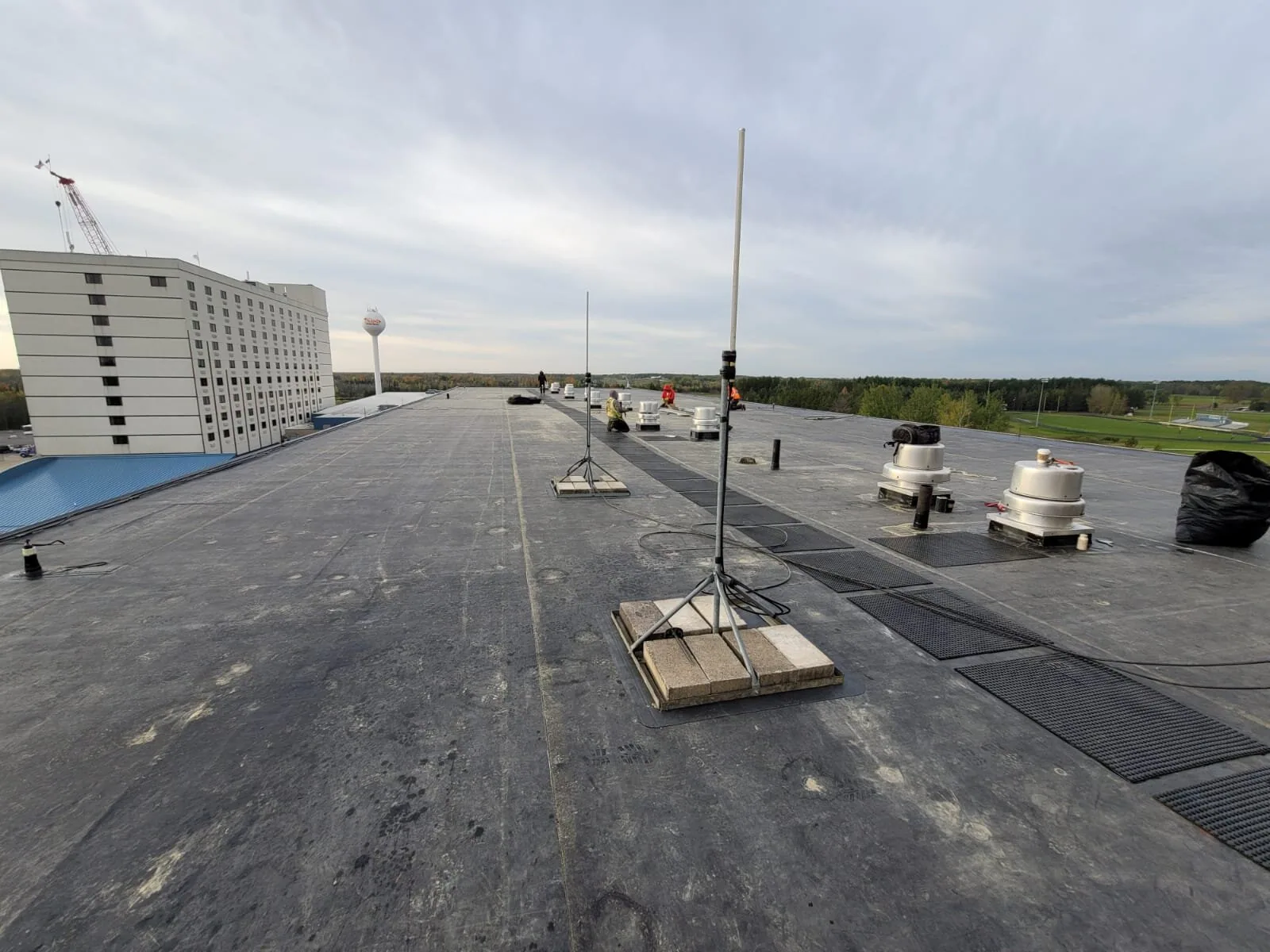
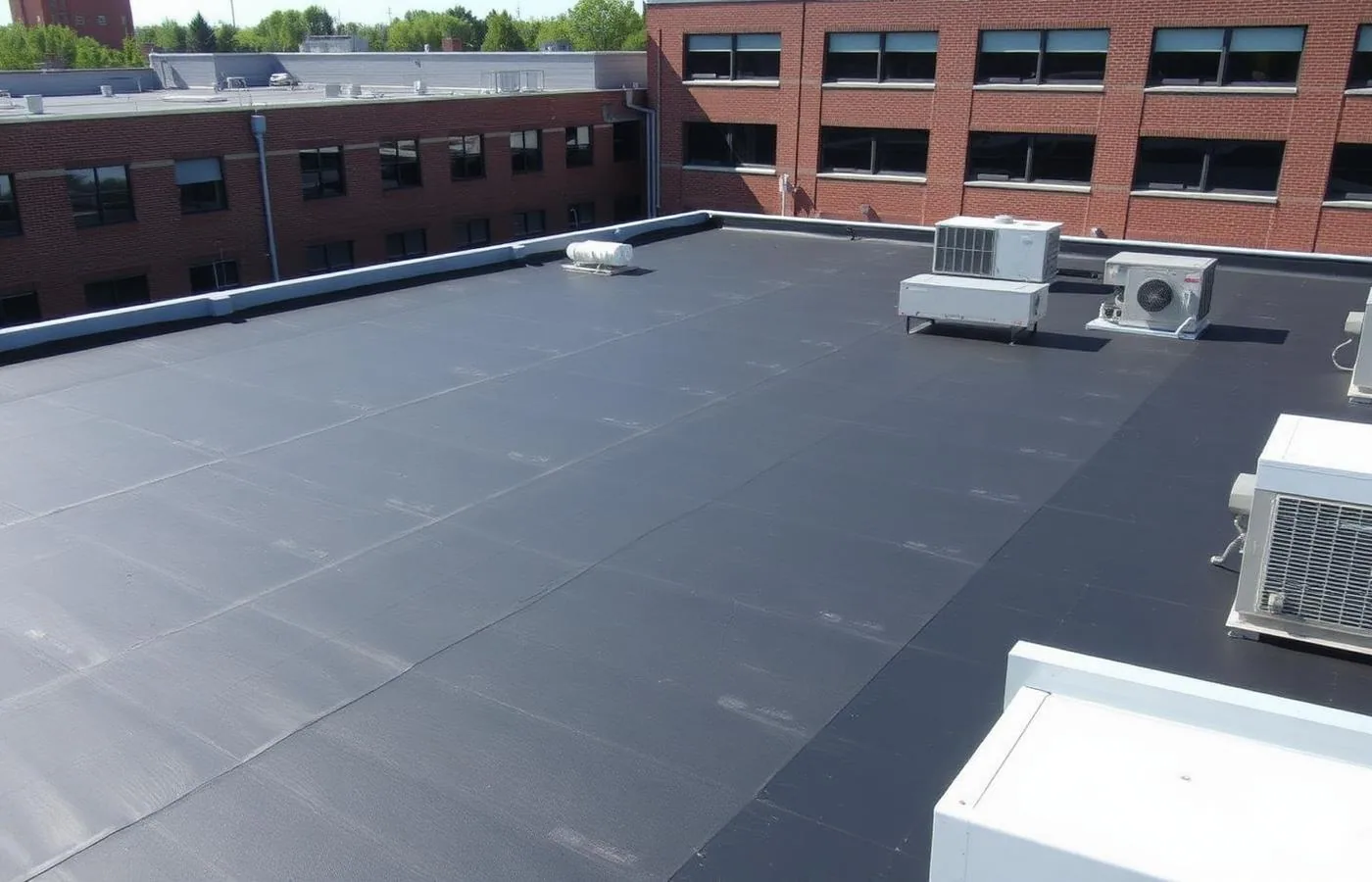
Black rubber behaves differently from a white sheet in a snowfall. On the first sunny afternoon after a storm, an EPDM roof warms enough to melt the snow lying against it, and the meltwater slides beneath the remaining snowpack toward drains and edges that sit in shade, where it refreezes into a plug of ice. Water that cannot leave stands on the membrane overnight, loads the seams with a constant film, and freezes again before the next thaw. A sheet of vulcanized rubber is forgiving of that cycle, and many EPDM roofs run a long time with modest attention, but the details that rubber cannot heal on its own, the spliced seams and the flashings, take the punishment. An owner who clears the drains and checks the splices before the ice season spends a little on maintenance. One who waits tends to find out about the problem from a ceiling.
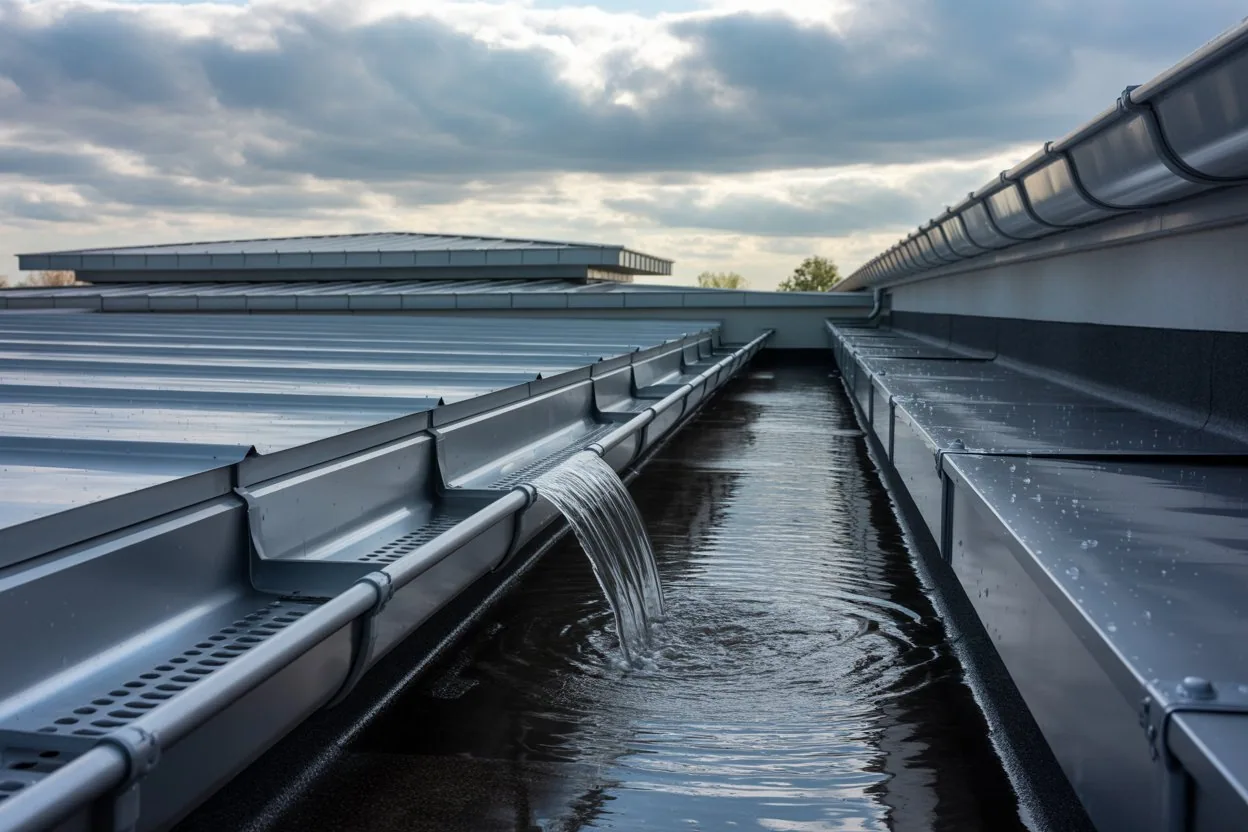
Why is EPDM so forgiving, and where does it stop being forgiving?
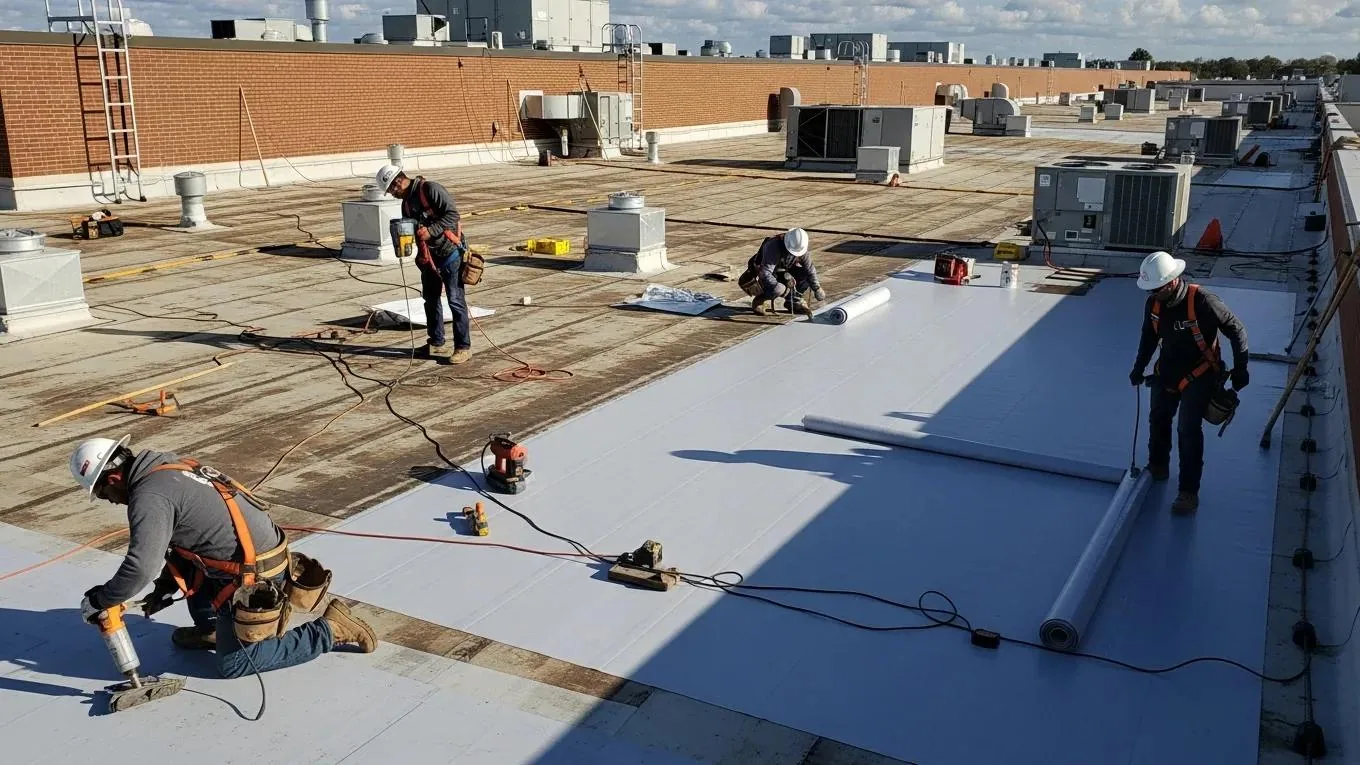
EPDM is cross-linked synthetic rubber, supplied in sheets wide enough that a large roof may have few field seams, and it stretches and recovers through temperature swings that would stress a stiffer membrane. That elasticity is its strength and also its limit. The seams are bonded with splice tape or liquid adhesive rather than welded, so they depend on a clean, primed surface and steady pressure, and a seam that was made in cold or damp conditions can lift years later. Over time the sheet also shrinks slightly, which pulls the membrane tight at wall bases and corners until it bridges the angle and tears away from the flashing. Sun and ozone eventually craze the surface at folds. We therefore judge an EPDM roof by its details first. The open field of the sheet is usually in better condition than the places where it ends, turns and joins.
Check the splices and flashings before the next snowfall
Call Commercial Roofing Johnson City to have the margins walked, the drains cleared and the insulation scanned. You will leave with condition data that shows whether the roof can wait another season or should move into next year's capital plan.
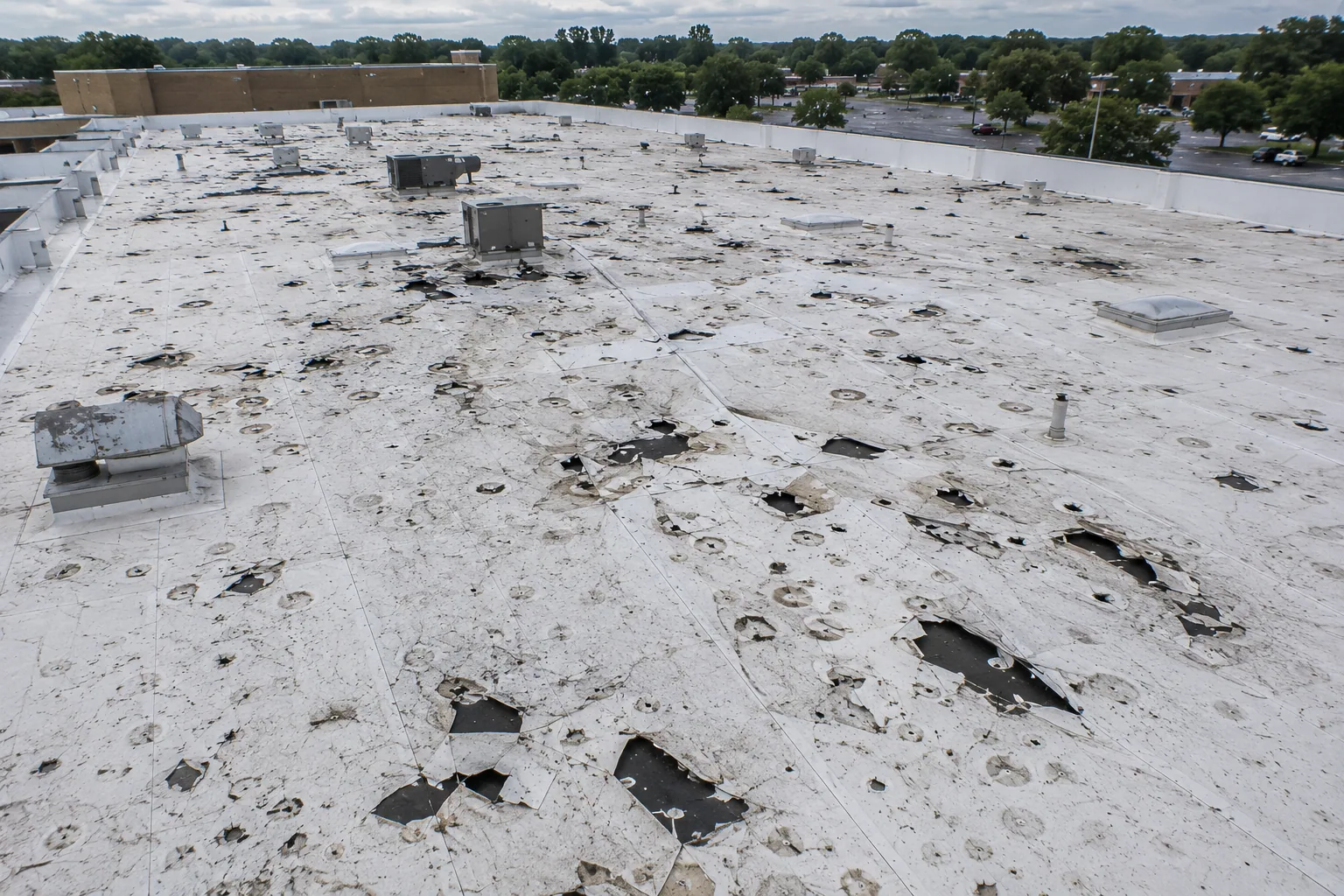
Ballasted, mechanically attached or fully adhered: which EPDM assembly fits the structure?
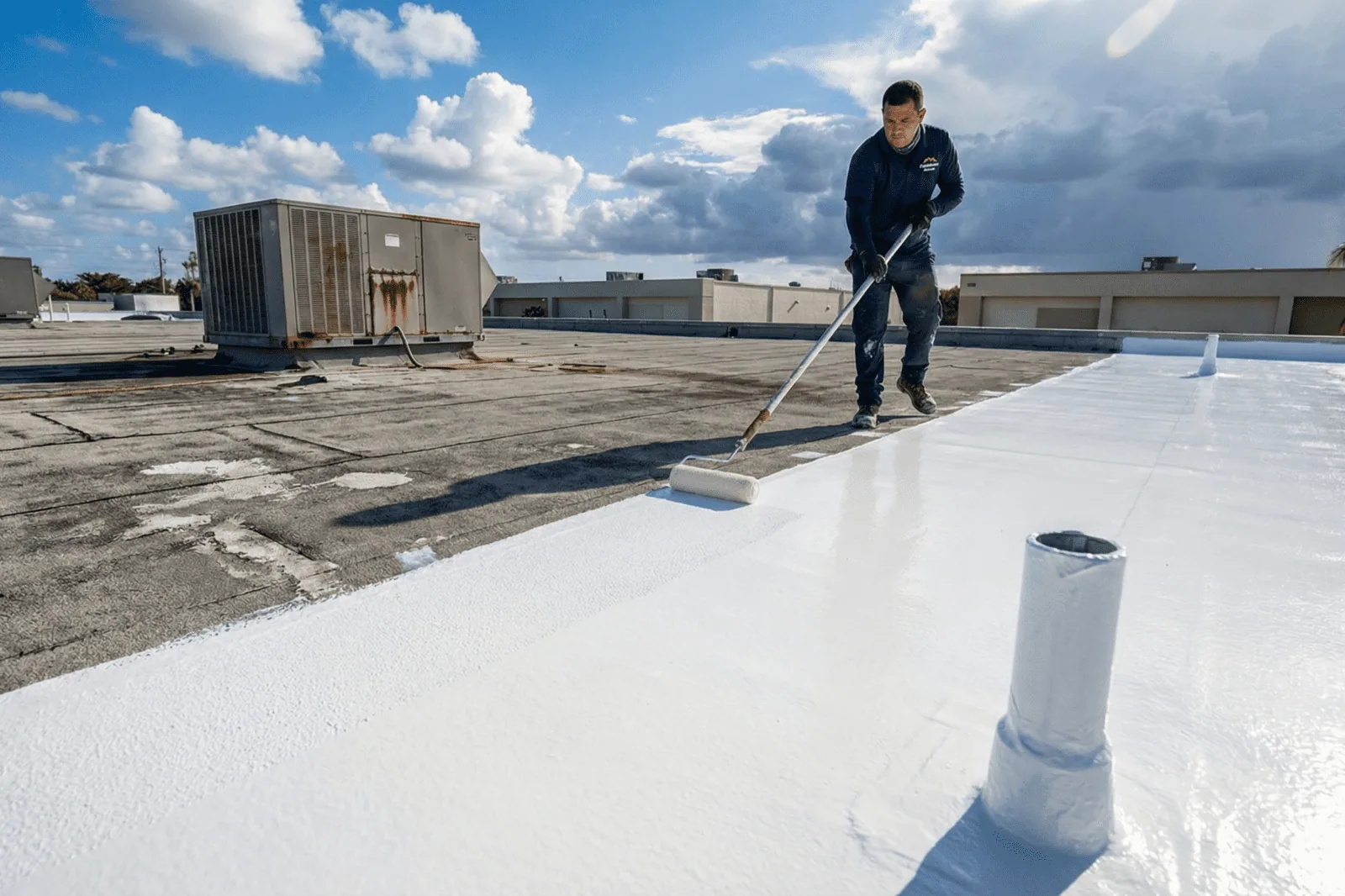
A ballasted system holds the sheet down with a layer of round stone, which is economical and protects the rubber from sun, but it adds a steady dead load that the deck and framing must be able to carry on top of snow. Mechanically attached sheets use fastening bars and plates and keep the weight down, while a fully adhered sheet is bonded to cover board or insulation and gives the smoothest result with the least wind movement. Older buildings sometimes cannot take ballast at all, and then adhesion is the sensible path. The alternative families deserve a fair price check as well. Modified bitumen roofing offers a multi-ply redundancy that rubber does not, while a clean and well-bonded EPDM sheet that has simply worn can sometimes be restored with acrylic roof coatings applied over the right primer. Makers such as Holcim Elevate, whose Firestone line includes RubberGard EPDM, publish attachment and seam details, and we follow those for each assembly.
What tells us an EPDM roof is running out of service life?
The signs sit at the margins. We look for splice edges that lift or show a fishmouth, flashing that has pulled off a vertical surface, crazed rubber at folds, and bare patches where ballast has shifted and exposed the membrane to sun. We check walkways and the paths to equipment for abrasion and look for punctures from dropped tools, ice and debris. Where a sheet has been punctured repeatedly, a membrane puncture repair is routine but should be followed by a hard look at what keeps causing the damage. None of this shows whether the insulation is dry, so we back the walk with a thermal scan and sample cuts. Ballast makes that step more important, because loose stone hides wet areas and spreads the evidence of a leak across the whole roof.
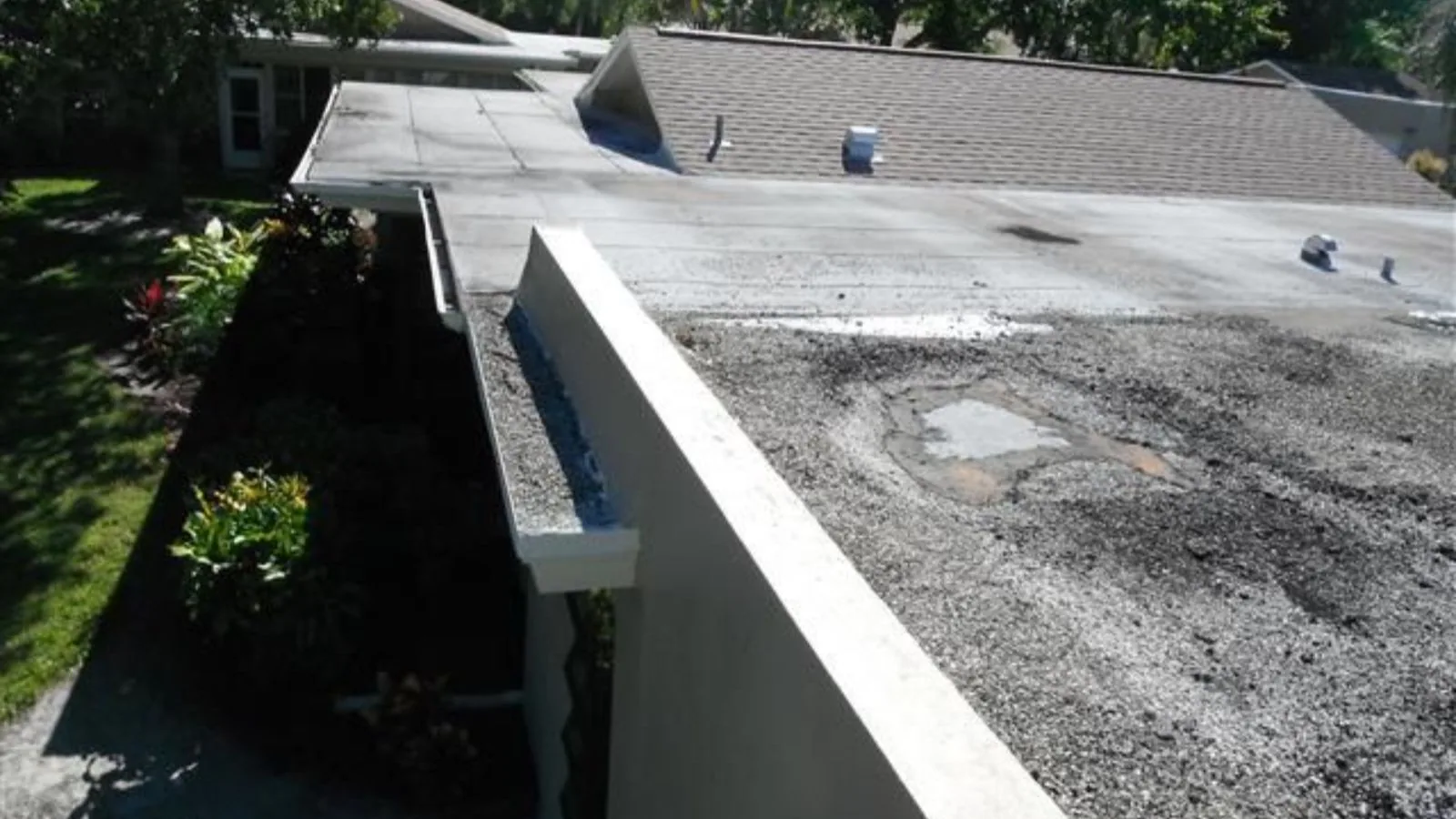
What does a shrinking sheet cost an owner who keeps deferring?
Rubber that has pulled tight at a wall base is a small defect that behaves like a large one. Each winter the tension rises, the flashing gives a little more, and the opening admits meltwater at the perimeter, where it runs into insulation along the edge of the roof first. Repairs at that stage are inexpensive, because new flashing and fresh splices on dry board restore the detail. If the owner waits until the wet area has spread across several bays, the repair becomes a replacement of saturated insulation, and if the stone ballast has been carrying that moisture for seasons, it must be lifted, stored and replaced too. EPDM has a good record of long life on well-kept roofs, so deferral can be sound capital timing. The condition is that someone is watching the margins and the drains, because those are where the cheap repair turns into the expensive one.
Which part of the year suits EPDM work in Johnson City?
Bonding adhesive, primer and splice tape all have temperature limits, and they cure slowly or not at all on a cold, damp surface. A seam made in the wrong weather can look fine on the day and open the following winter, so we plan adhered and taped work for the milder months and use temporary patches during the freeze, with permanent repairs scheduled once the surface holds proper bond. Ballasted roofs add a logistics step, since the stone must be moved and stored without overloading the deck. Winter inspections have their own value: snow melt patterns show where heat is escaping or where drains are frozen shut. In Johnson City, where snowfall averages about 15.6 inches a year, a late-autumn drain clearing and splice check is usually the least expensive appointment on the roof calendar.
What do Tri-Cities snow and rain ask of a rubber roof?
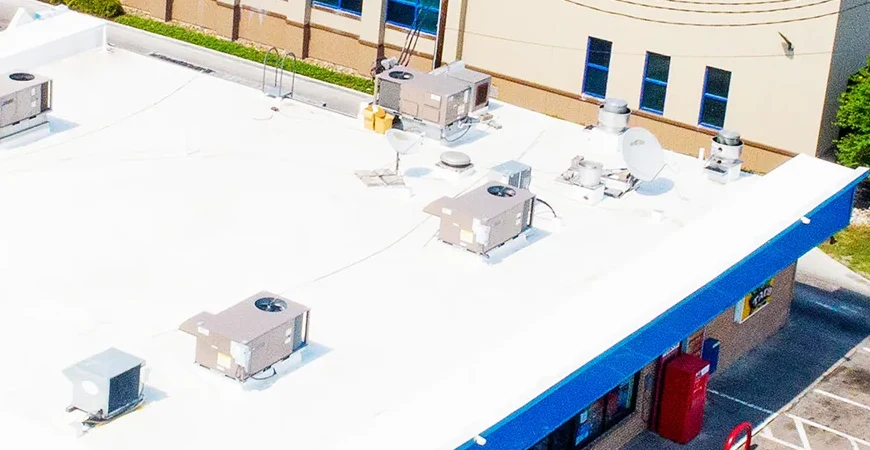
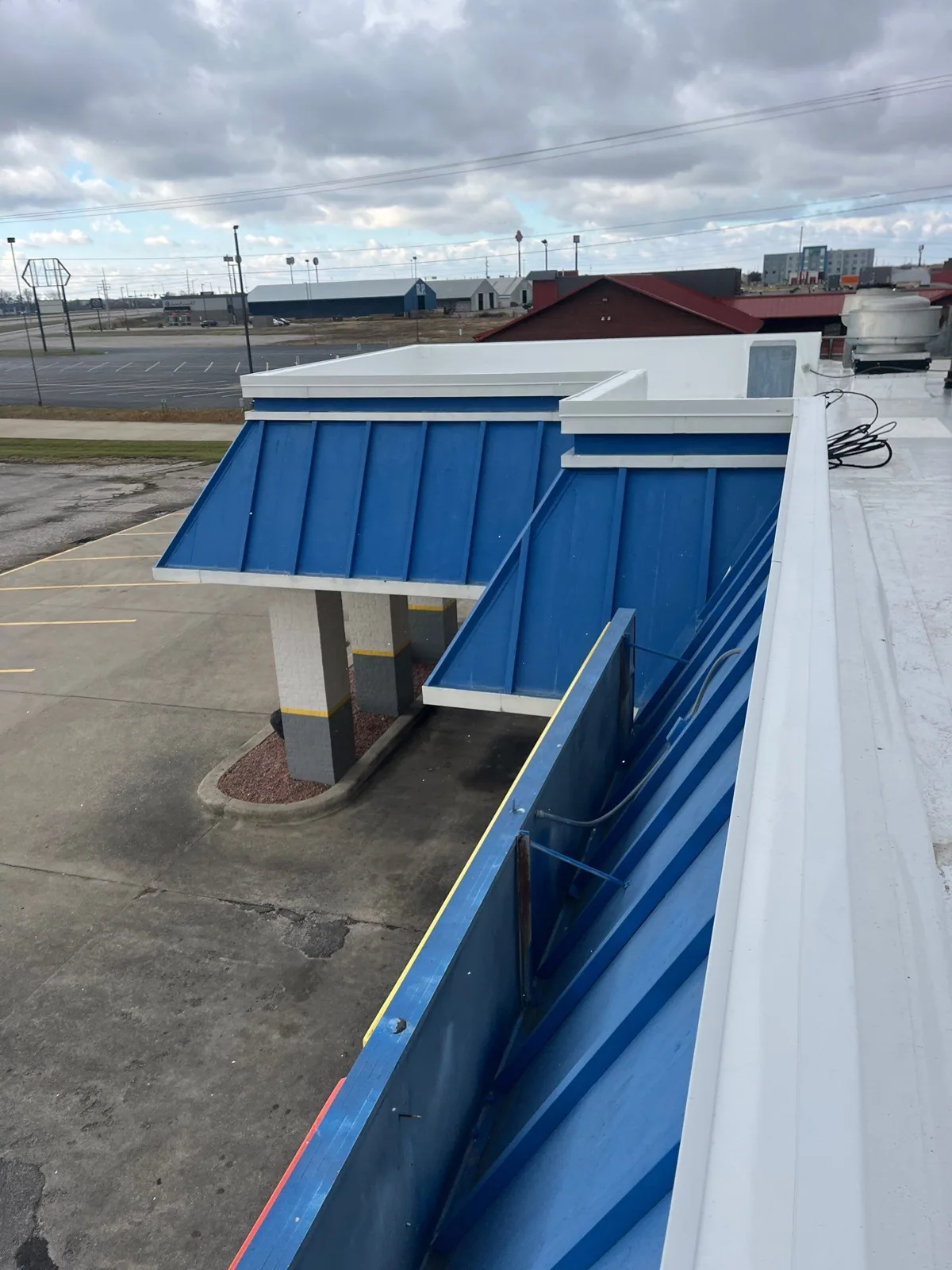
Snow conditions vary across the region. Mountain City stands at 2,418 feet, while the Roan Mountain community sits about 2,550 feet above sea level; a building’s actual elevation, drift exposure and access should shape its snow plan. Heavy rain makes clear outlets essential. Hurricane Helene sent the Nolichucky River to catastrophic flood levels in Northeast Tennessee; on a roof, keeping drains and scuppers clear limits ponding against seams. Record where snowmelt collects and inspect those margins before winter.
Commercial Roofing Questions
Does a black roof run too hot for a building in a Tennessee summer?
Dark rubber absorbs more sun than a white membrane, so cooling loads on a lightly insulated building can rise in summer. The surface can also help melt snow and dry the roof after a storm. Insulation thickness and rooftop equipment efficiency do more for energy use than membrane color does.
Why do leaks on a ballasted roof show up so far from the damaged spot?
Water travels. Stone ballast sits loose on the sheet, and water that enters at a splice or flashing runs along the top of the insulation or the deck until it finds a seam, a drain line or a fastener to come through. The stain in the ceiling may be a long way from the entry point, which is why a moisture scan is more reliable than following the drip.
Can an aging EPDM roof be coated rather than replaced?
Often, provided the sheet is still bonded, the insulation is dry and the seams and flashings are repaired first. A coating cannot stop a leak that comes from wet insulation or a failed termination. We confirm those conditions with a scan and a few cuts, then price the coating against a recover so the owner sees both lifecycle numbers.
Is stone ballast a structural concern on an older building?
It can be, because ballast is a permanent load that sits under every snowfall. An older deck or a roof that has already had an addition may have limited reserve capacity. Where the framing is unknown, an engineer's review should come before any ballasted system is chosen, and an adhered or mechanically attached sheet is the safer fallback.
How is an EPDM puncture repaired so that it stays repaired?
The patch needs a clean, dry sheet, a primed surface and rounded corners, and it needs pressure with a roller so the tape bonds fully. Temperature matters, since a patch pressed onto cold, damp rubber can peel by spring. Repairs made in suitable weather, with the cause of the puncture removed, tend to outlast the ones done in a hurry.
Related Roofing Pages
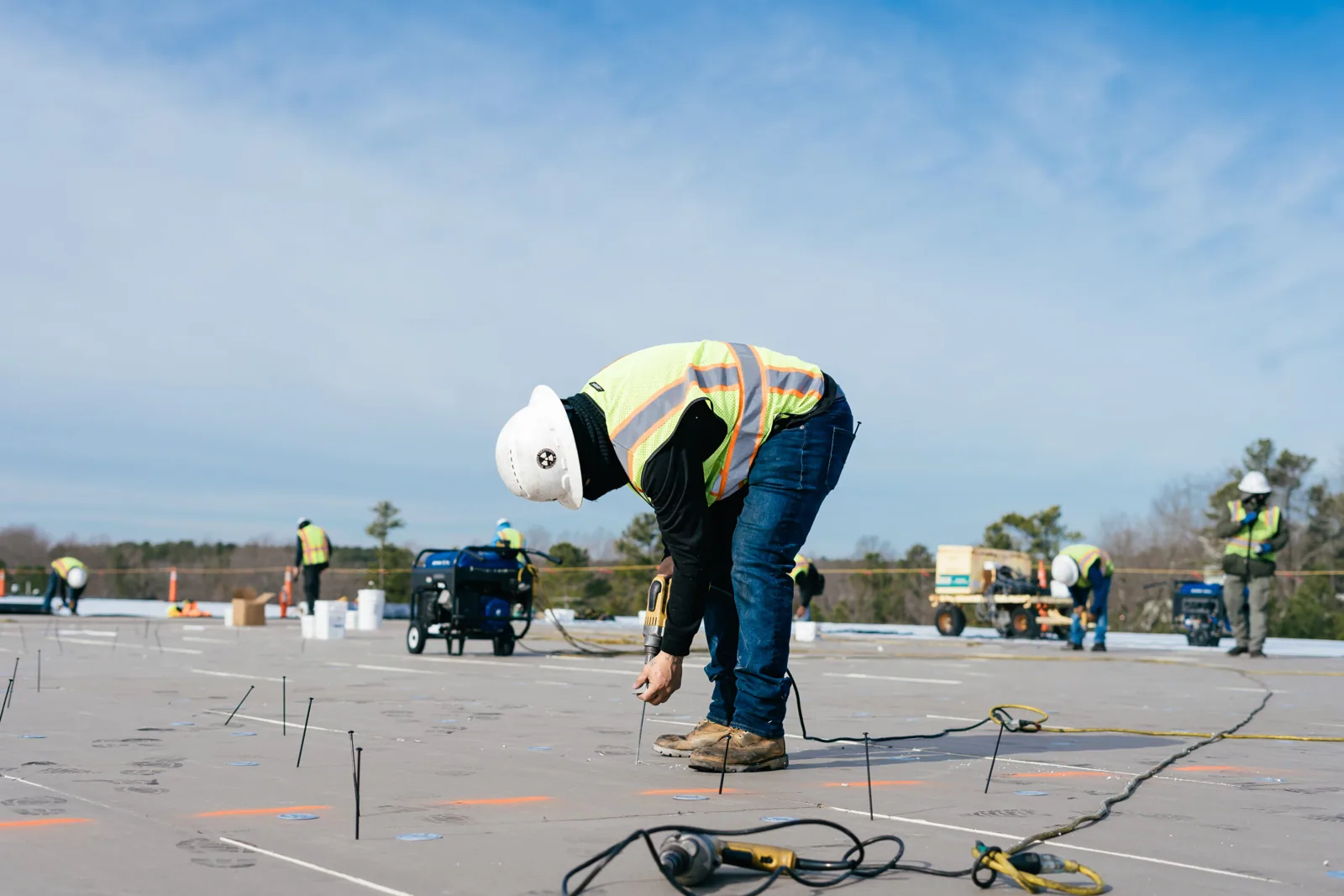
Modified Bitumen Roofing
How the work is scoped, phased and documented on Tri-Cities roofs.
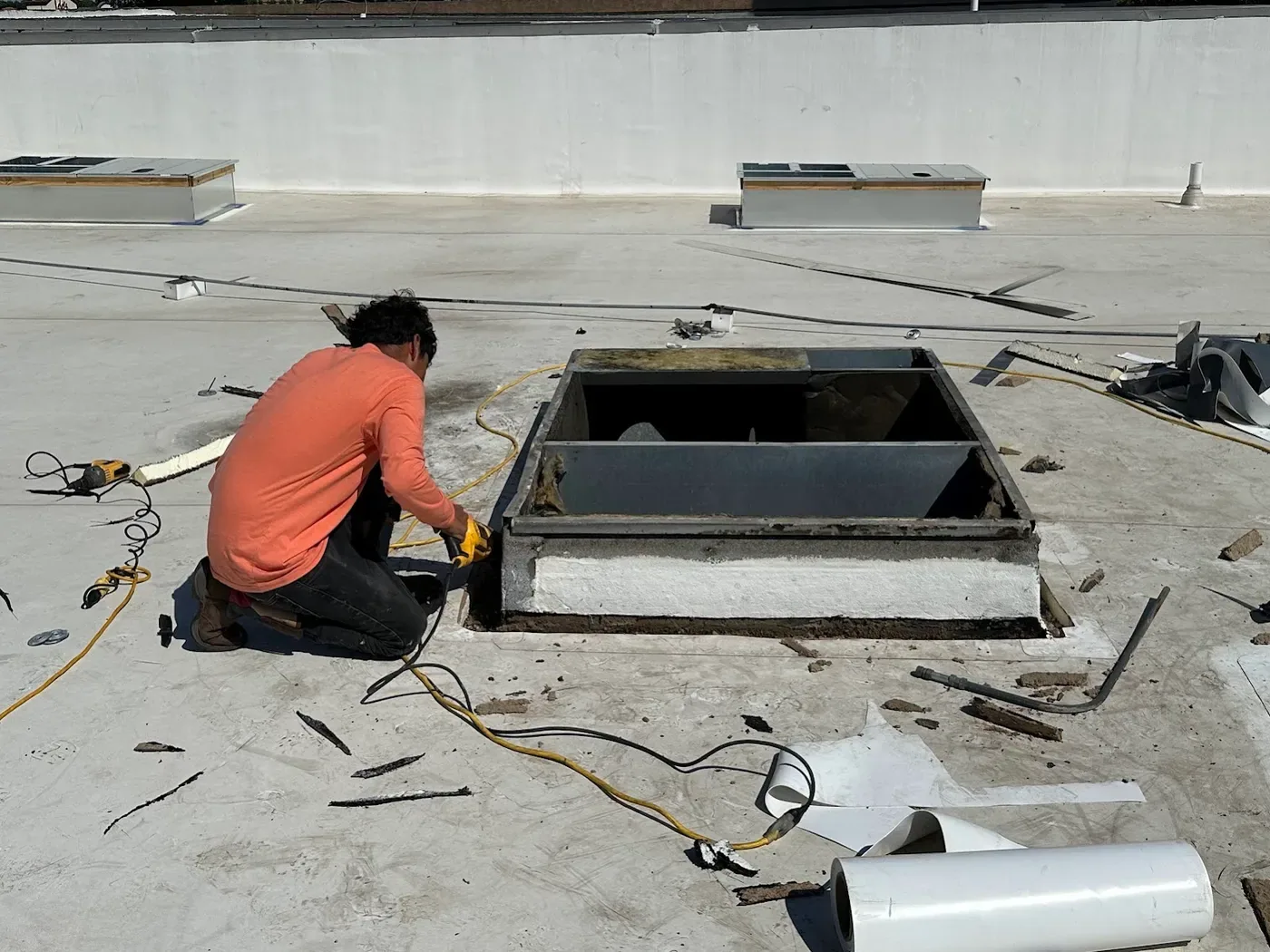
Acrylic Roof Coating Systems
What we check, what we recommend and how the crew keeps the building running.
Holcim Elevate (Formerly Firestone) Roofing
Conditions, options and next steps for commercial buildings in East Tennessee.