
Roof Systems
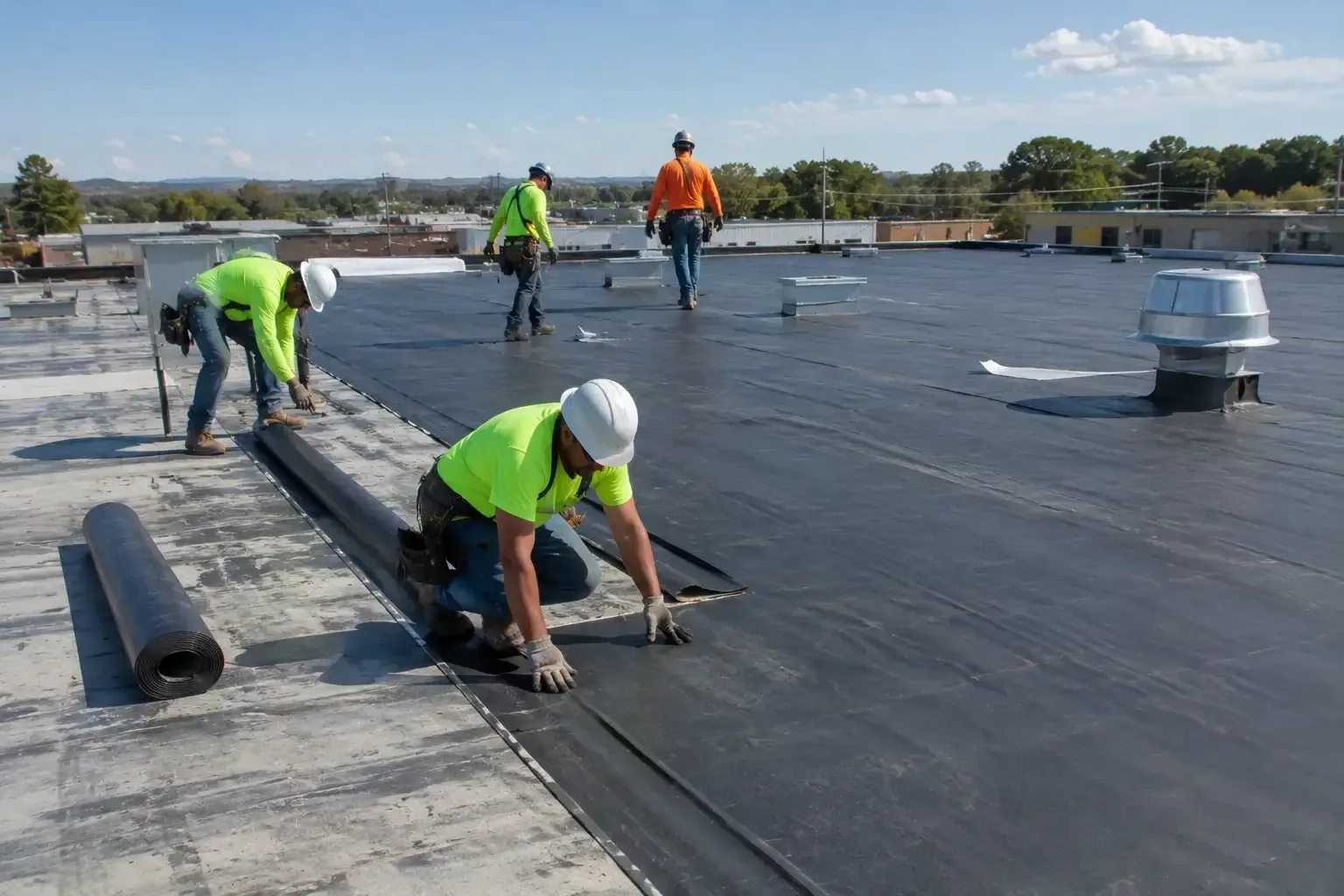
Single-ply sheets are welded at the seam, rubber sheets are glued or taped, asphalt systems are torched or mopped, metal panels are crimped together, and liquid coatings cure into one continuous skin. Each joining method leaves a different seam for someone to inspect after many winters, and that seam, more than the name on the pallet, decides how a roof ages. In Johnson City, TN the choice is also a negotiation with the weather: freeze-thaw cycling, wet snow and the occasional heavy rain event test the joints first, so a system has to suit the building and the people who will walk on it.
Why does the seam matter more than the sheet?
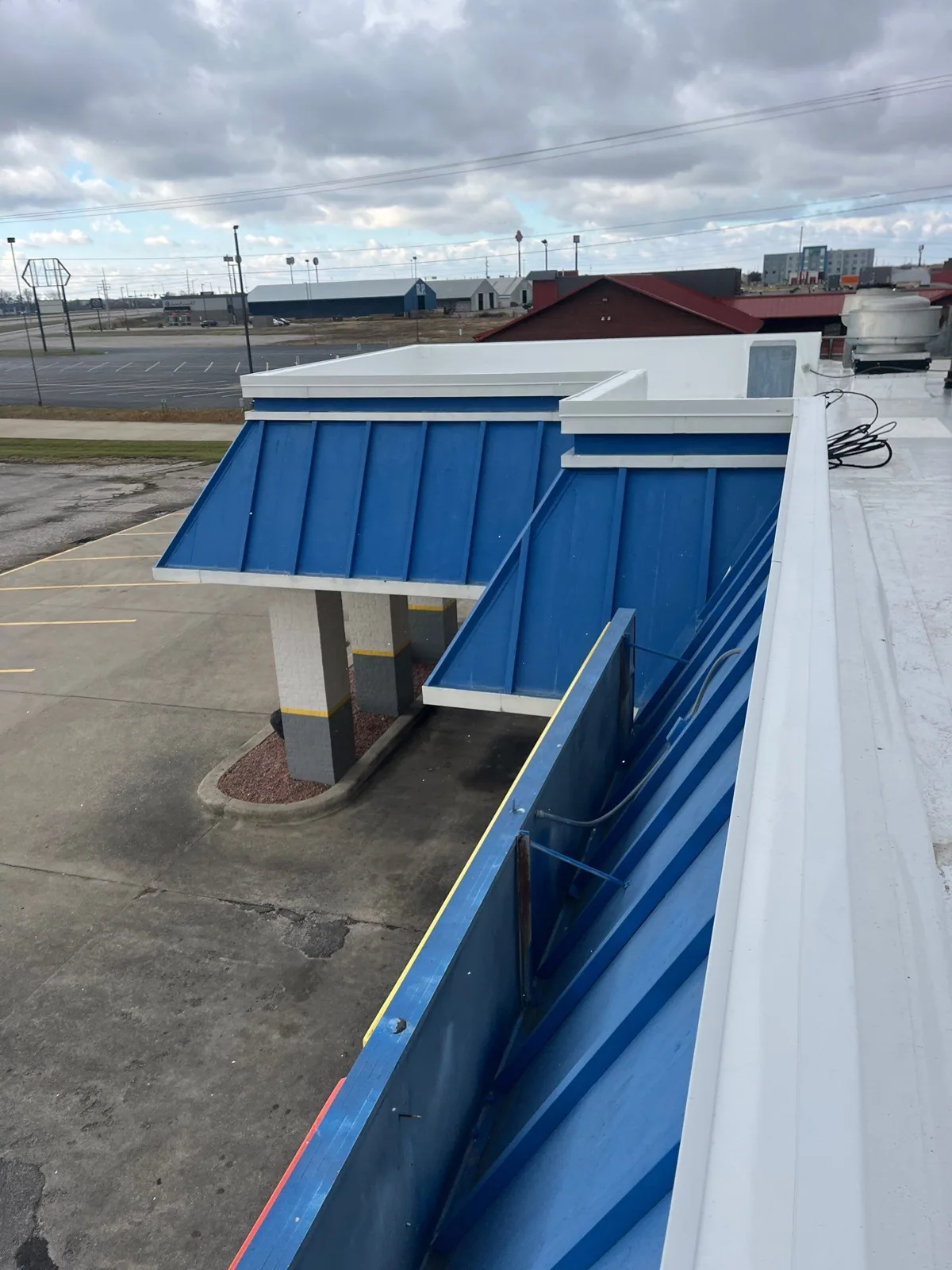
A welded seam in TPO or PVC becomes part of the sheet once hot air fuses the two surfaces, which is why a probe test on a finished weld tells an inspector so much. PVC stays flexible because of a plasticizer, and grease hastens its loss, so a roof below a kitchen exhaust fan often calls for KEE, a PVC-based sheet formulated to resist fats and oils. EPDM arrives in wide rolls, so there are fewer seams overall, but each remaining seam depends on adhesive or tape and on a clean, dry day when it is made. None of these is better in the abstract. Each is better against a particular failure that the building is likely to invite.
Which system survives a roof full of foot traffic?
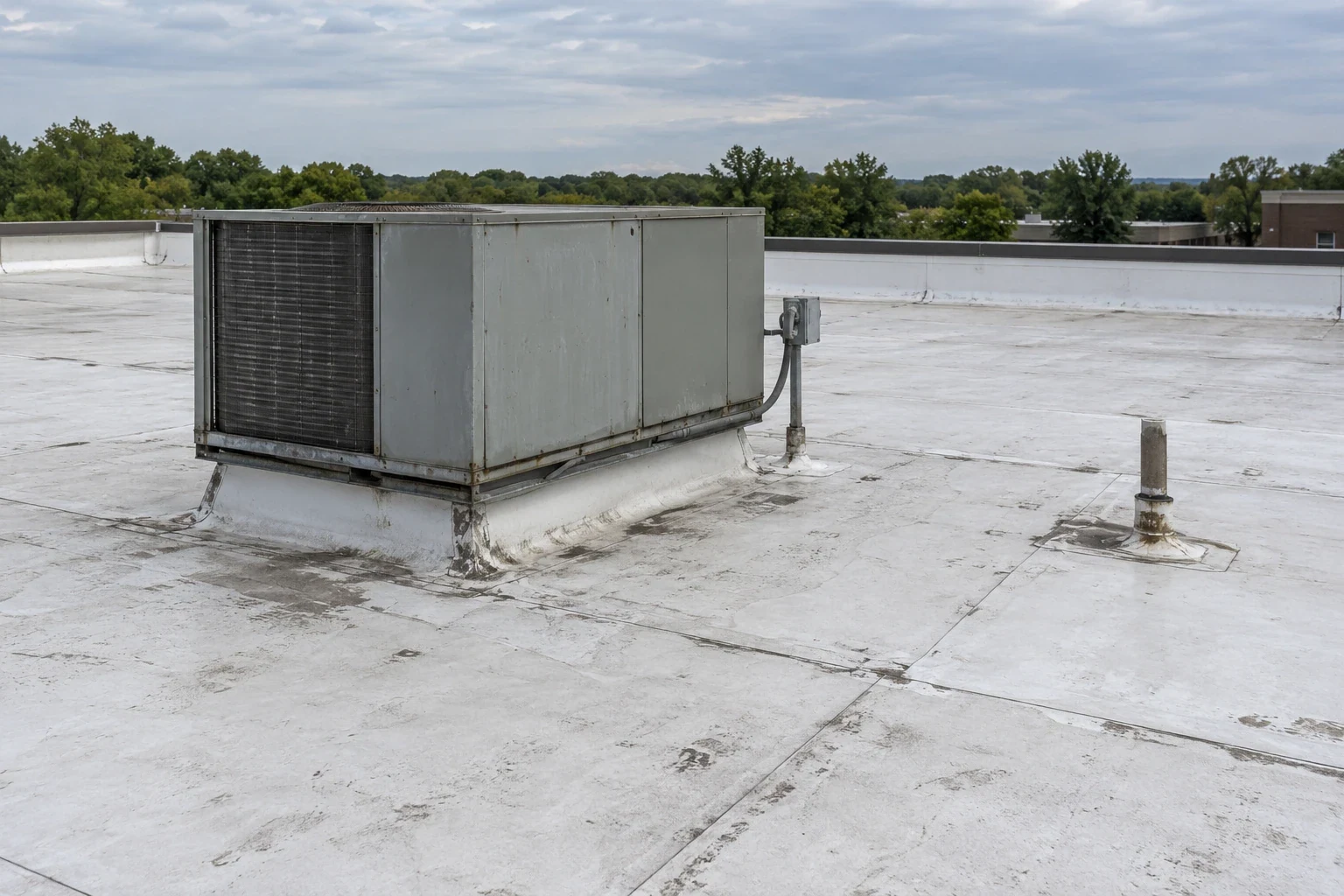
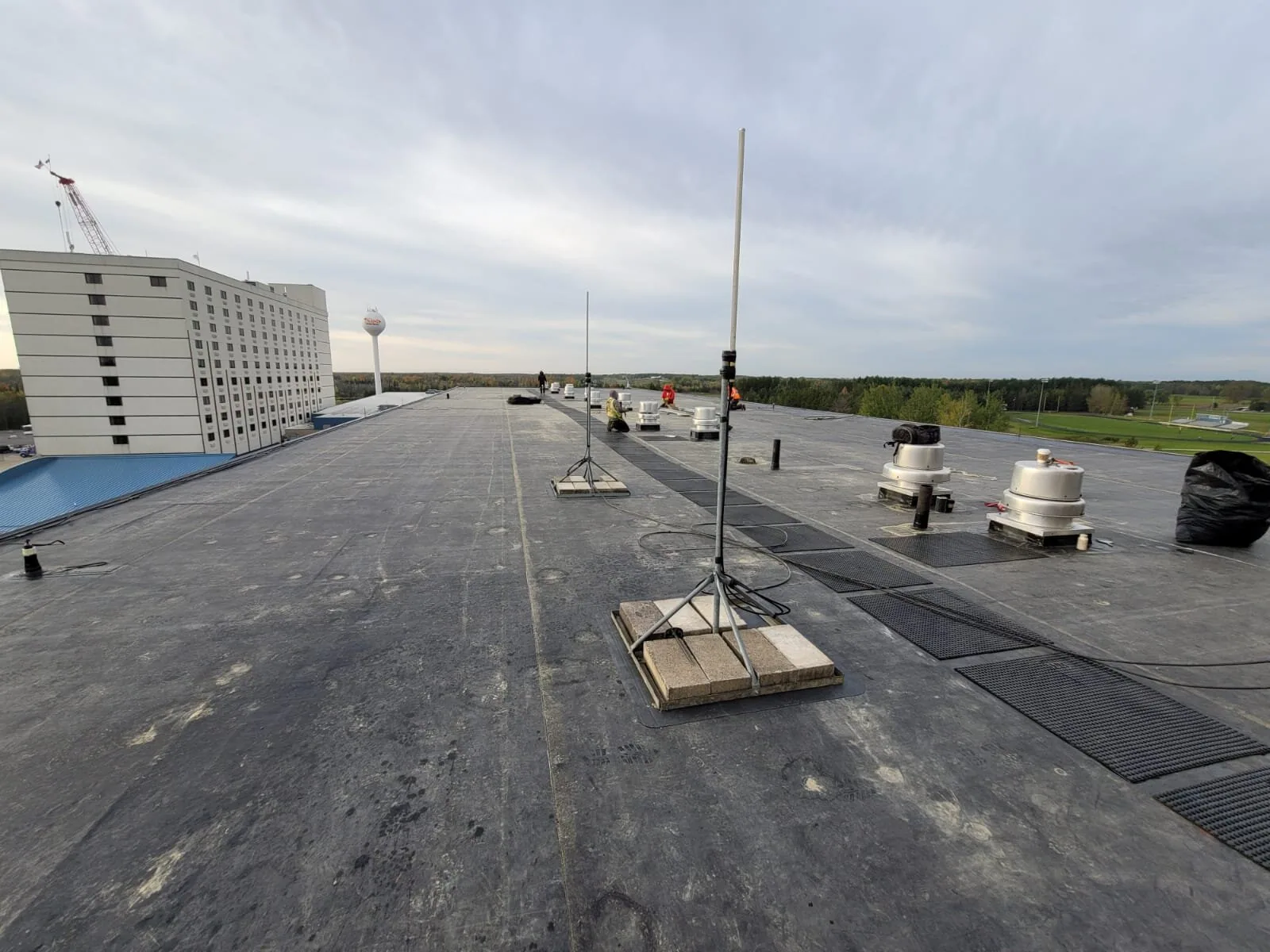
Rooftop units pull technicians across the same path month after month, and a thin sheet over soft insulation takes that wear at the surface. Modified bitumen and built-up roofing carry several layers and a granulated or gravel surface, so they tolerate repeated traffic and dropped tools better than a single ply, at the cost of more labor, heavier materials and, for torch and hot-asphalt methods, tighter fire and fume control on an occupied building. A single-ply roof with walkway pads narrows that gap, and the choice of insulation and cover board beneath it often matters as much as the membrane.
How do freeze-thaw cycles and snow change the choice?
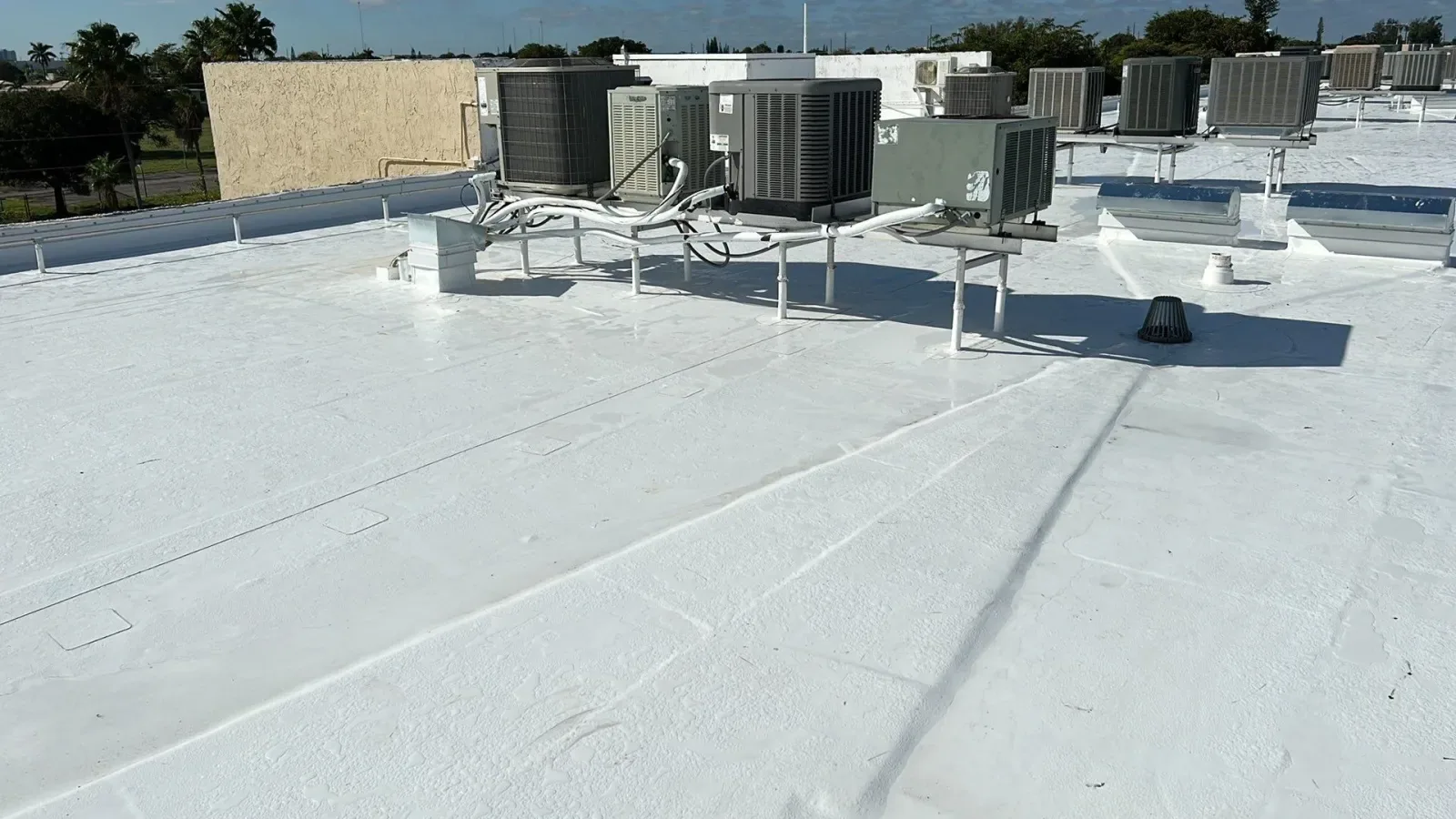
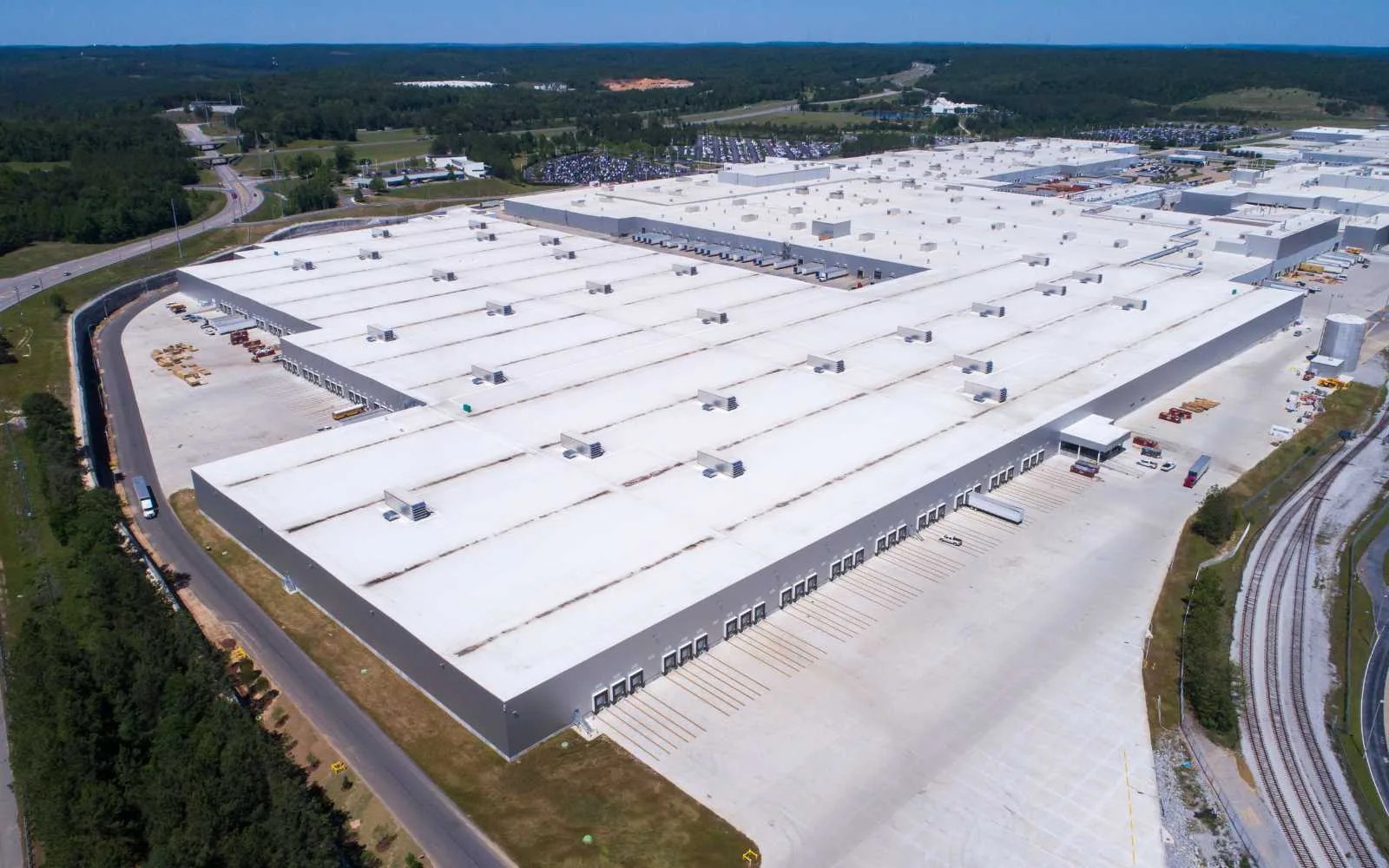
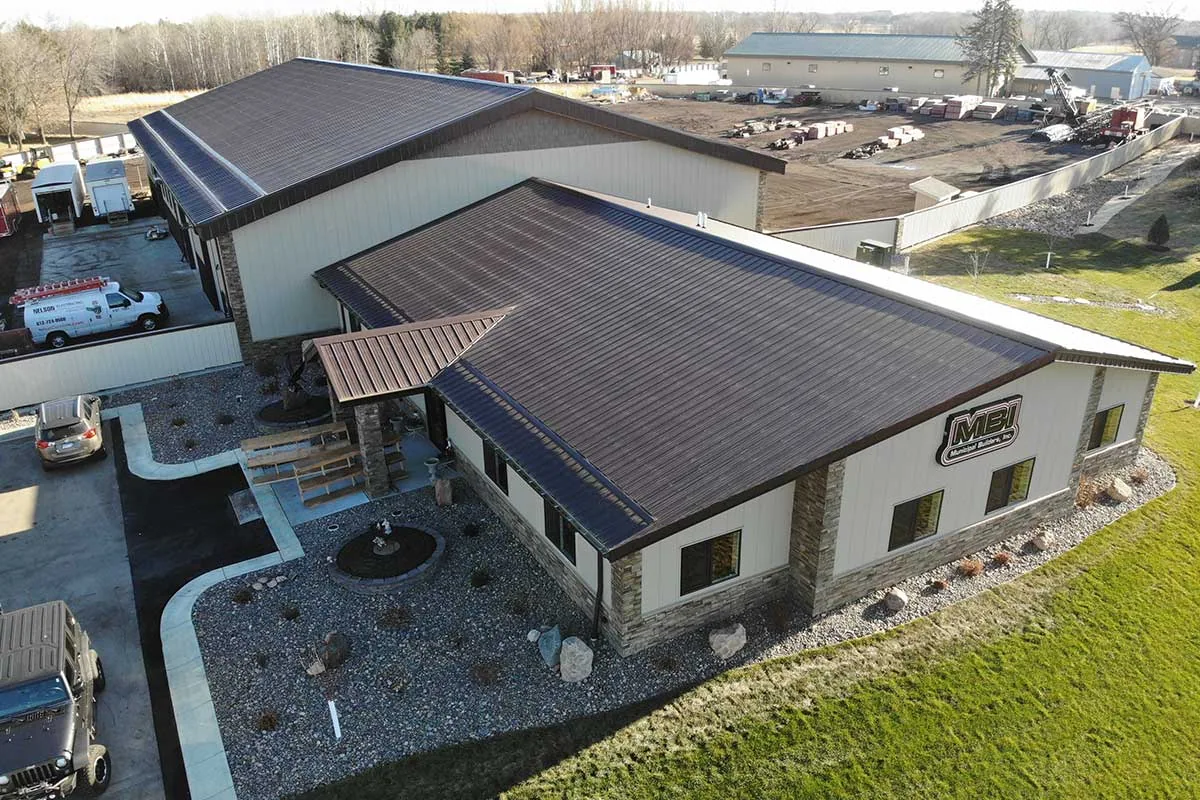
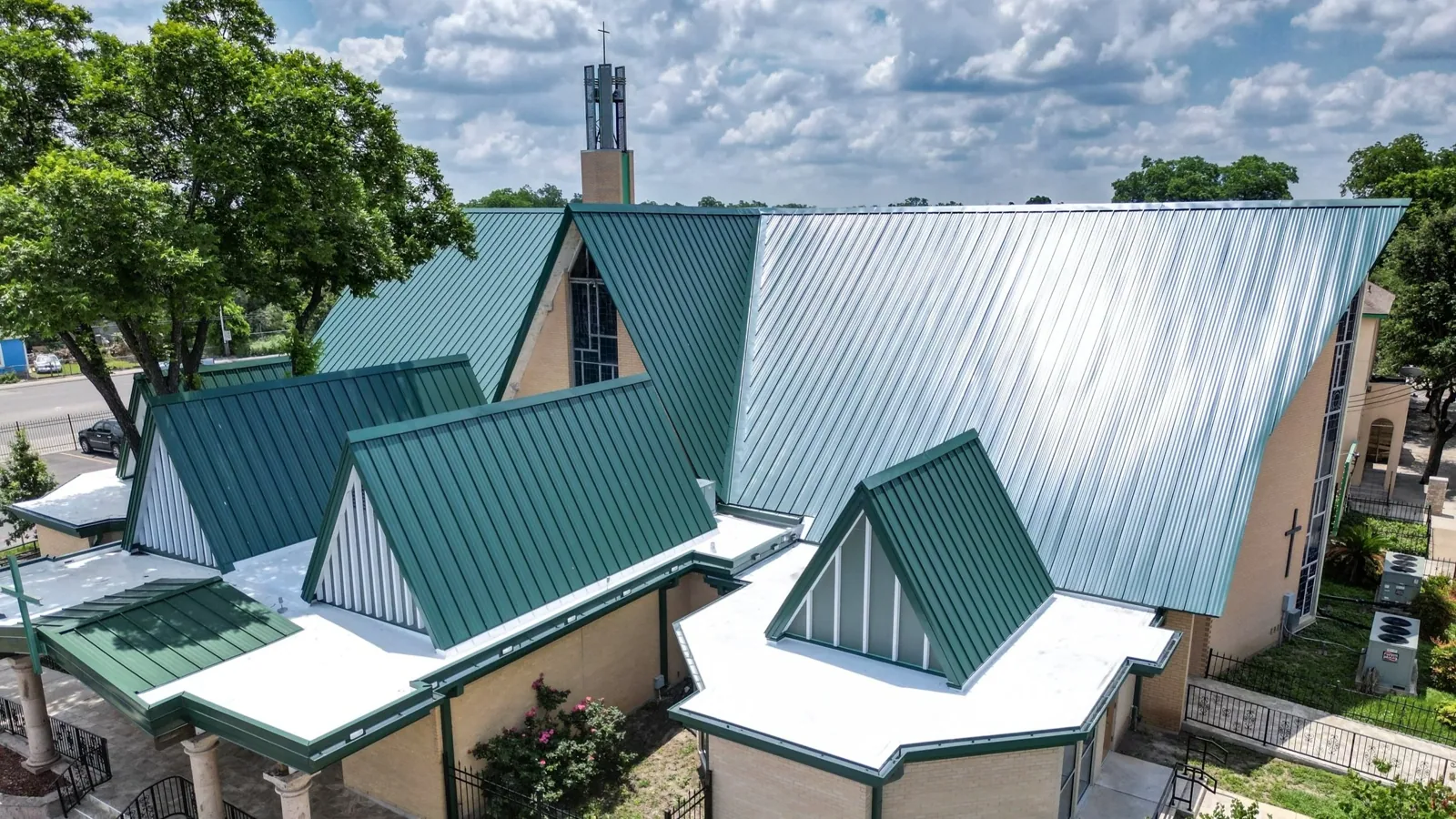
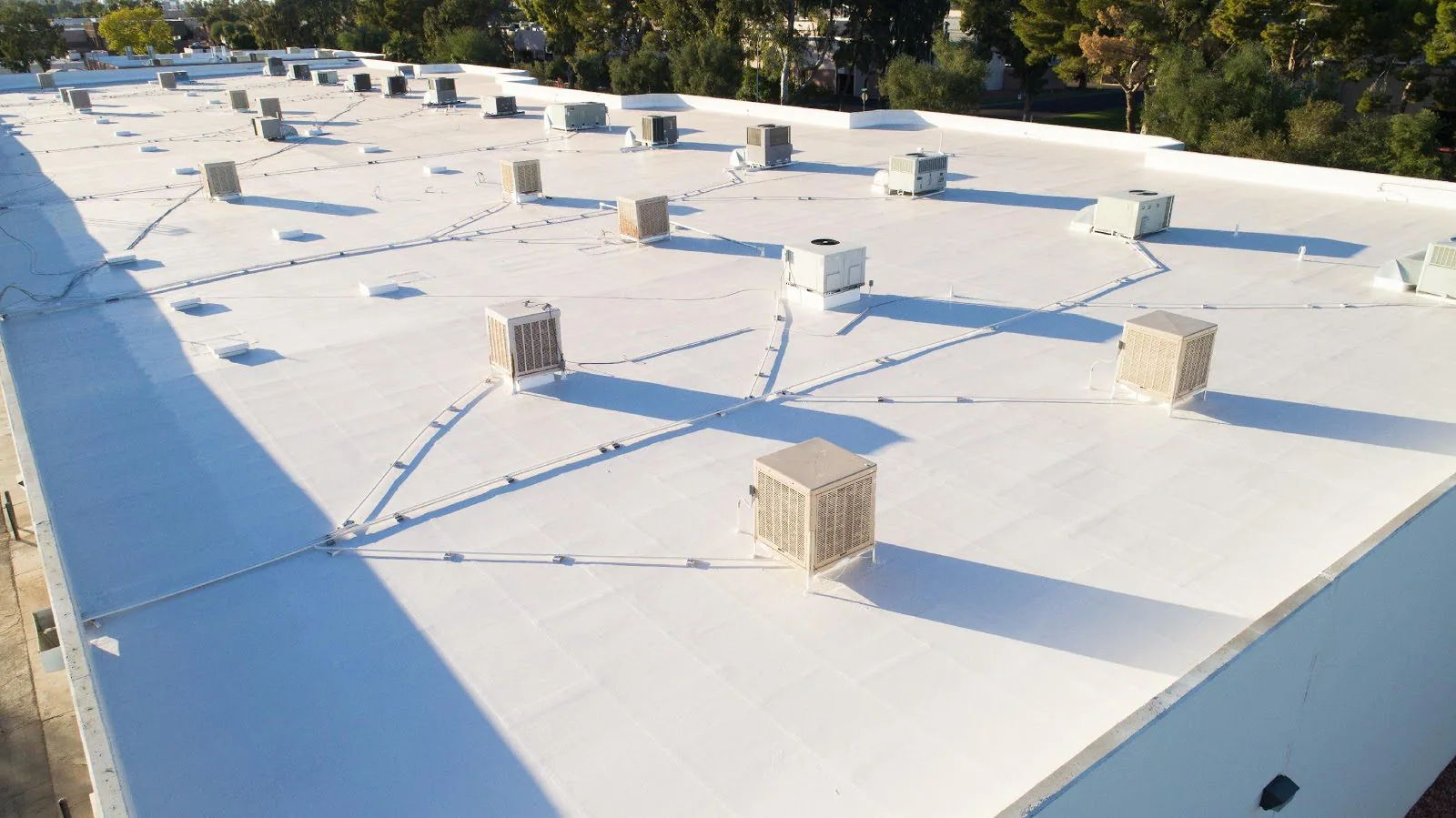
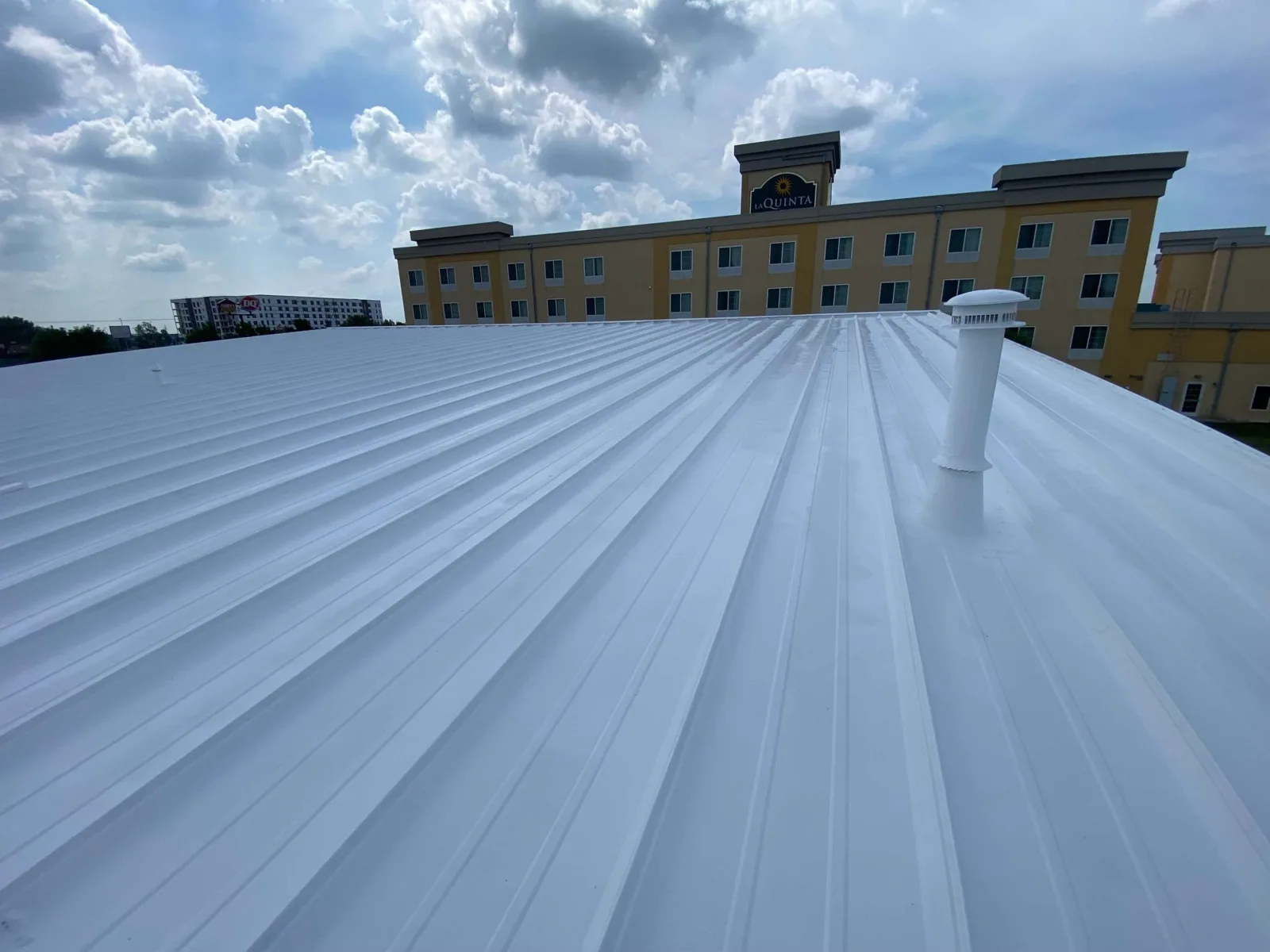
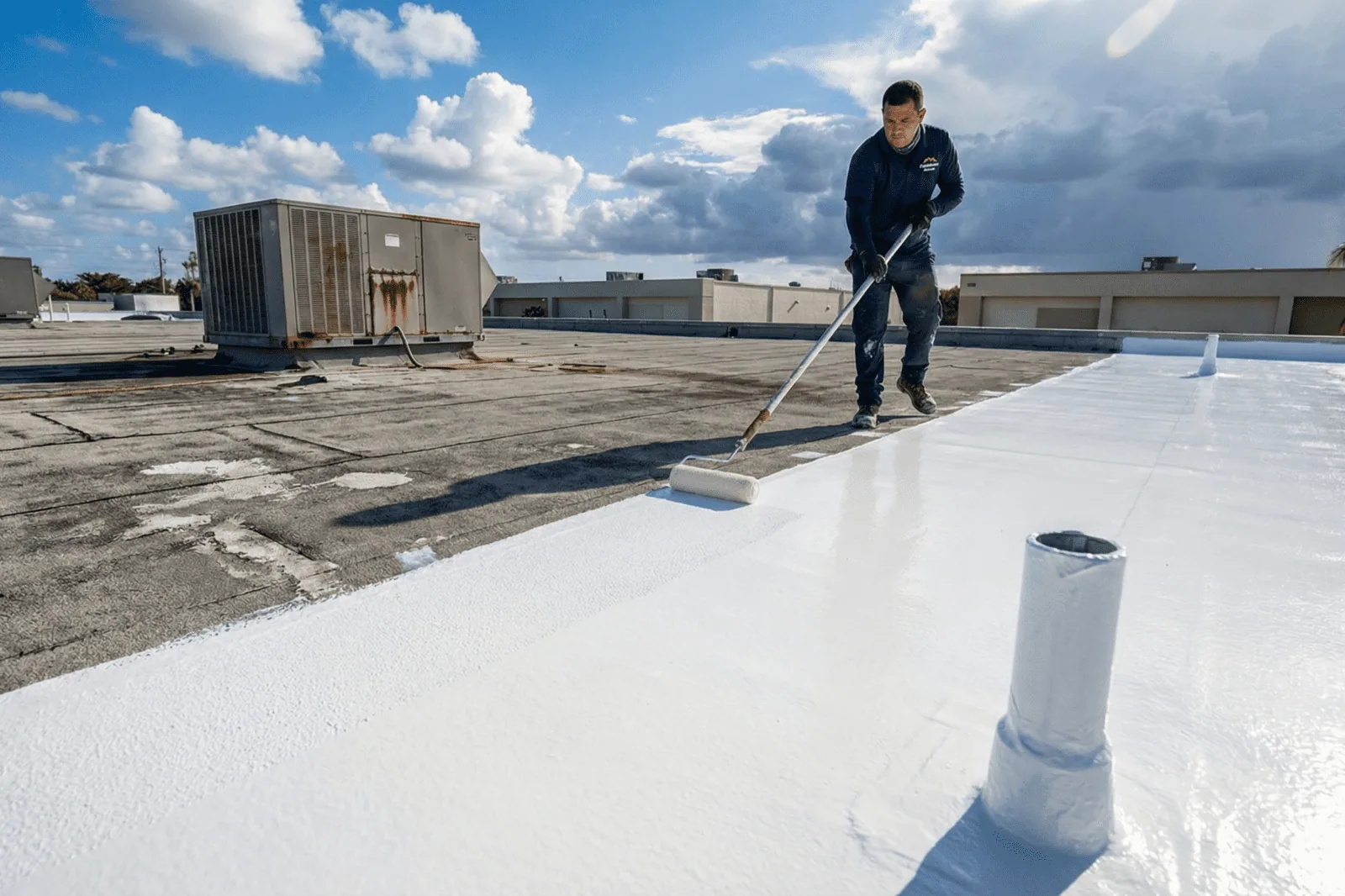
Meltwater that refreezes at a lap or a fastener does the slow work in these valleys, and mountain areas of the region, Roan Mountain at about 2,550 feet among them, receive considerably more winter precipitation than the valley floor does. Metal answers with panels that shed snow and clips that let the panel move: standing seam for new construction and a metal roof retrofit for exposed-fastener roofs that leak at the screws. Liquid systems such as silicone and acrylic coatings restore an aging membrane that is still dry underneath, though any plant roof, including the manufacturing buildings at the Washington County Industrial Park, needs its insulation checked for trapped moisture before a coating goes on.
What does a mismatched system cost later?
A membrane chosen for its low first price and then paired with the wrong detail costs more in its second decade than a better match would have in its first. Lifecycle cost counts the repair calls, the early recover, the energy lost to wet insulation and the disruption to tenants, and it is usually the number that reorders the shortlist. Condition data on the existing roof is the starting point, because a sound deck and dry insulation keep every option open, while a saturated assembly narrows the field to replacement.
Commercial Roofing Questions
Can a new system go over an old one?
Only where the insulation is dry and the deck is sound. A moisture survey sorts the roof into recover candidates and tear-off candidates before anyone orders material.
Why do two similar warehouses end up with different membranes?
Interior humidity, rooftop traffic and the owner's holding period push them apart. A cold-storage building and an assembly plant of the same footprint ask very different things of the same assembly.
Which part of an assembly should I compare first?
Start with the deck, insulation and drainage. The membrane choice follows those conditions and the building’s use.
How does a roof qualify for a recover?
A dry insulation layer and sound deck keep it in consideration. We verify both before recommending a new membrane over the old one.
Match the system to the building
Call Commercial Roofing Johnson City to review the roof you have and the system that fits it. We start from measured condition, so the recommendation follows the moisture and the traffic, not a catalog.
Call 555-555-5555