
Roof Coating and Restoration in Johnson City, TN
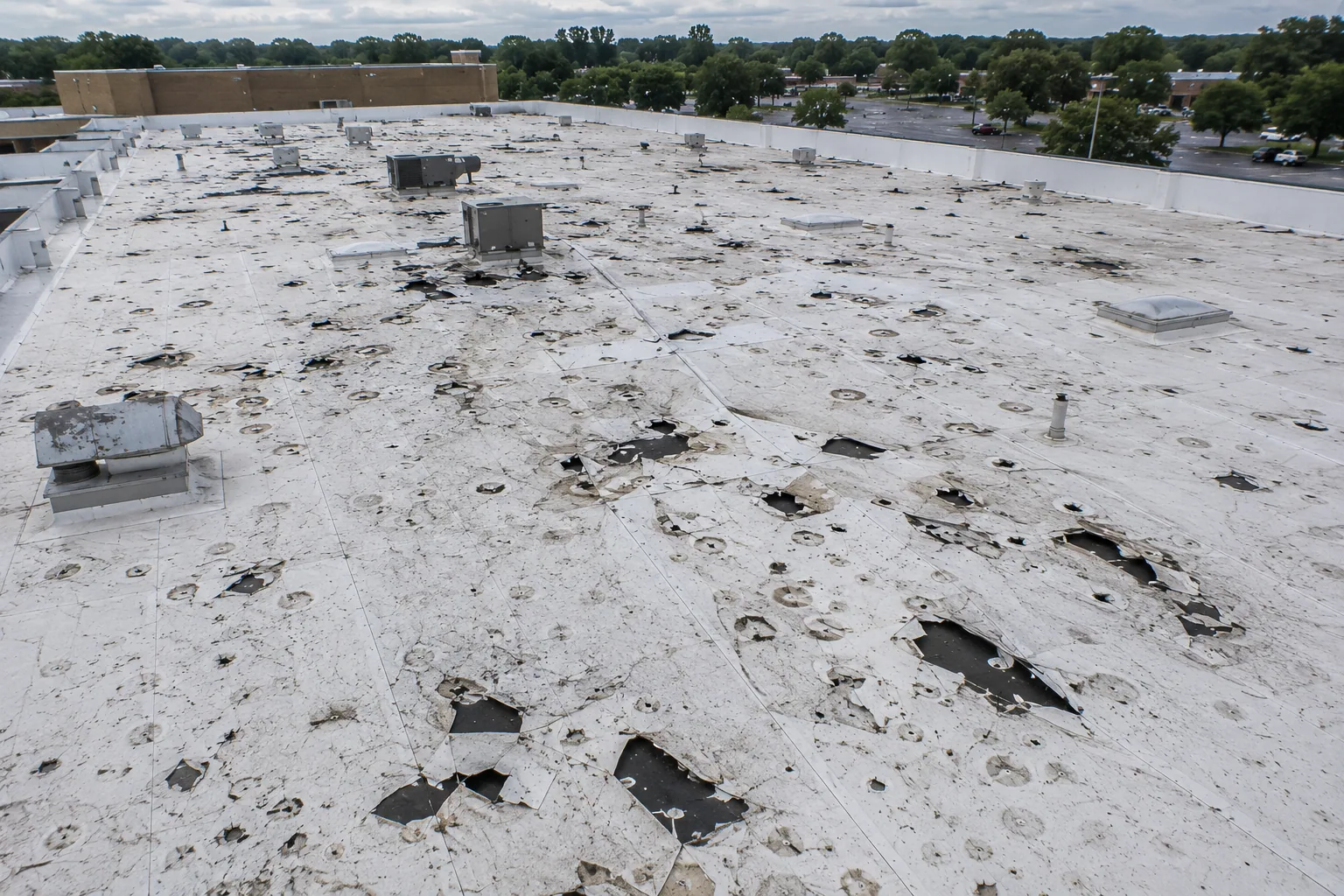
Sunlight and temperature swing wear a membrane from the top down. The surface of an aging single-ply or modified bitumen sheet chalks, crazes and loses plasticizer long before the insulation under it is touched, and for a window of several years the weathered skin is the one layer of the roof that has worn out. A coating renews that skin with a continuous, reflective layer, and in Johnson City, TN, where a roof rides a swing from summer highs around 86F to winter lows near 25F, the new layer absorbs much of the stress that would otherwise pry seams open. The catch is that the window closes. Once water has reached the insulation, a coating seals it in, and the money spent restoring the surface is lost.
What has to be true of a roof before a coating belongs on it?
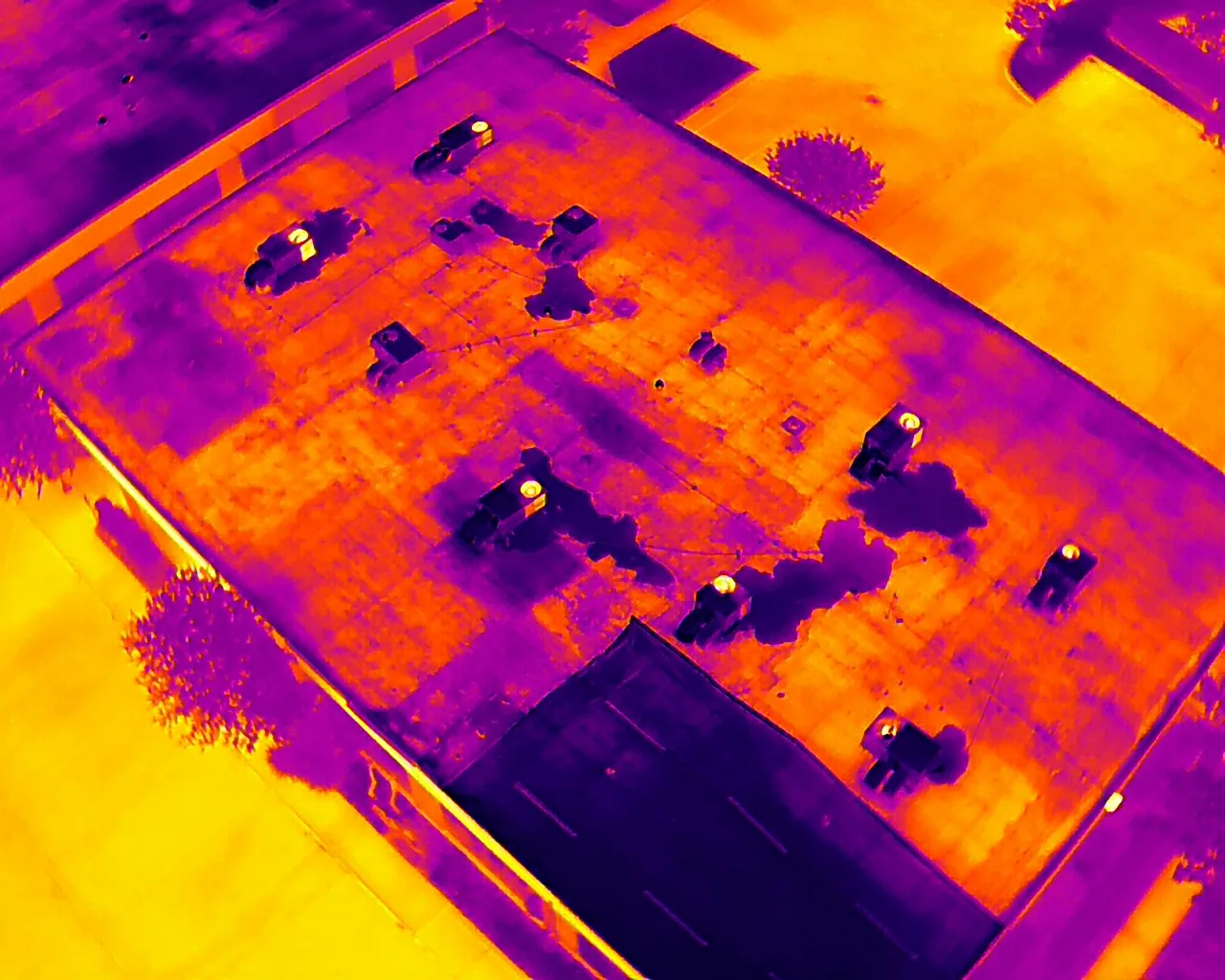
Four conditions have to hold. The insulation must be dry, which is why the work begins with an infrared scan and core samples instead of a visual opinion. The membrane must still be bonded to its substrate, without large areas of blistering or slipped plies. The seams and deck must be sound enough that the coating is not being asked to bridge failures. And the surface must accept adhesion, which we test with a trial patch and a pull check at several spots on the roof, since a coating that sits on dust or residue peels within a season. If any one of these fails, we say so and price a different route.
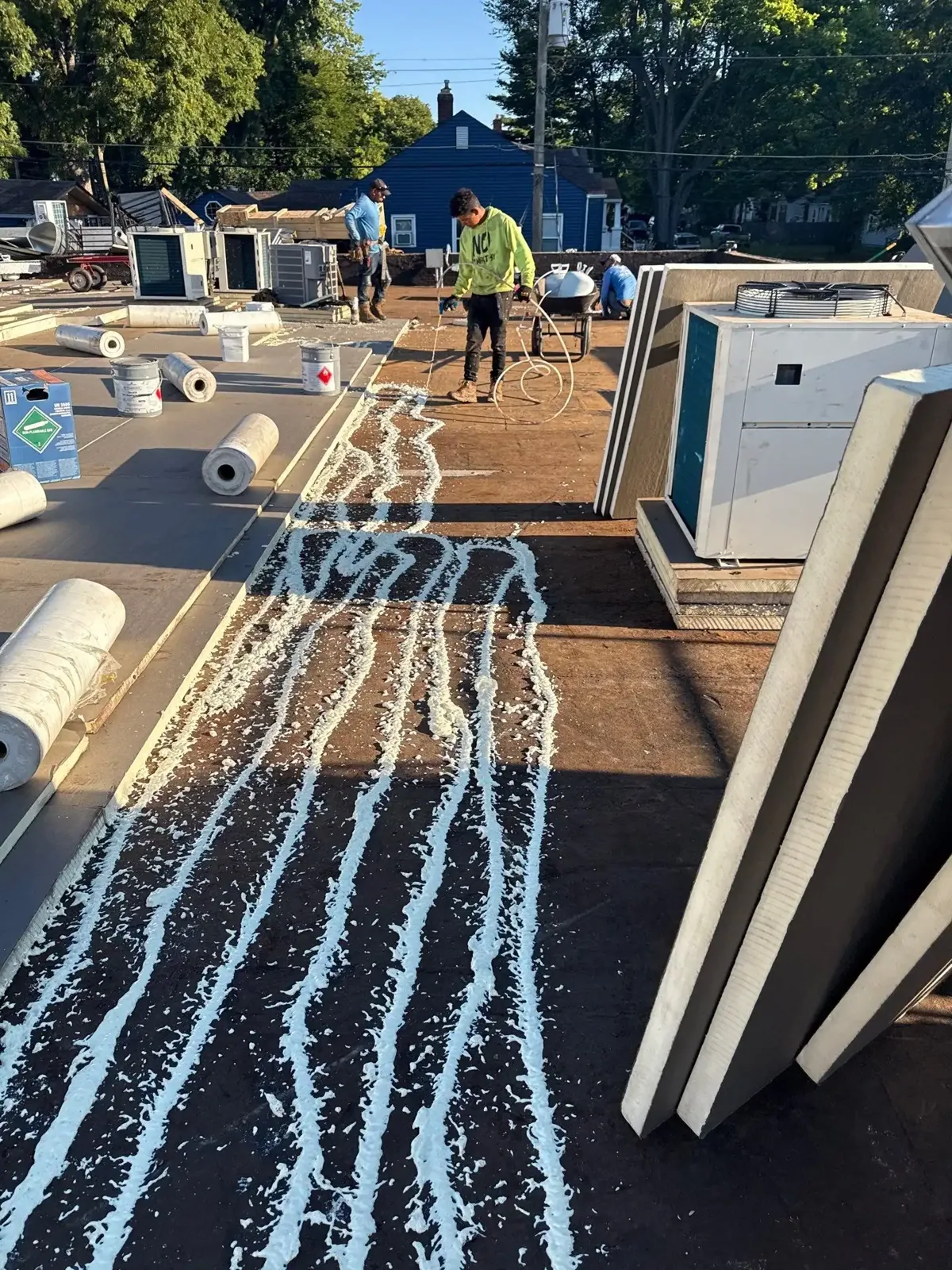
Repairs come first and belong in the price. Open laps are re-welded or re-adhered, failed flashings are rebuilt, punctures and blisters are cut out and patched, and fasteners that have backed out are reset. A coating applied over unrepaired defects hides them for a few months and then displays them. After the repairs the roof is pressure washed and, where the membrane calls for it, primed. Only then is the coating applied at the thickness the system requires, with the film checked as we go instead of assumed from the quantity of material used.
Check whether the roof is still a candidate
Call Commercial Roofing Johnson City to have the roof scanned and cored before any coating is priced. You will know whether the insulation is dry enough to restore or whether the budget belongs in a different plan.
Silicone, acrylic or another chemistry: which fits which roof?
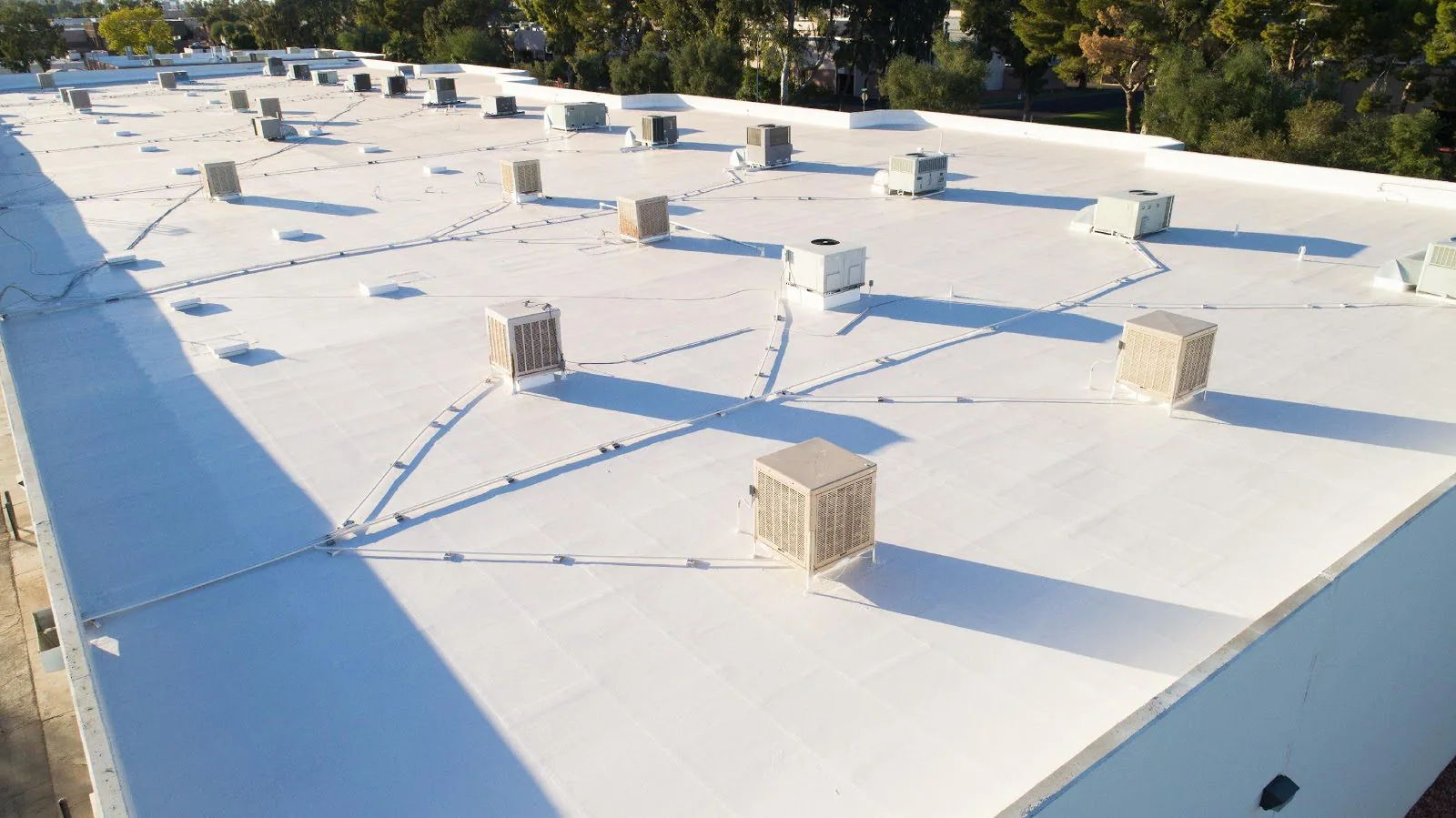
Silicone stays flexible in cold weather, sheds ponded water without breaking down and cures into a film that can sit wet for days, so it suits low-slope roofs with shallow ponding water and wide temperature swings. It attracts dirt, though, and once a silicone is on the roof it is difficult to put anything else over it. Acrylic is easier to recoat and costs less per gallon, and it works well on sloped or well-drained roofs, but it should not be left under standing water, which can soften it. The choice between silicone roof coatings and acrylic roof coatings therefore starts with how the roof drains.
The existing roof narrows the choice further. Metal roofs with sound panels and fasteners take either system once seams are sealed. Built-up and modified bitumen roofs accept a coating after surface preparation, often with reinforcing fabric at the seams. A foam roof depends on its coating for protection from ultraviolet light, so recoating is part of its ordinary life. When a roof fails the tests above, the better recommendation may be an overlay, such as a roof recover, or a full replacement.
What does a coating cost against the replacement it postpones?
A coating system is priced by roof area, the amount of repair the substrate needs, the number of penetrations to detail and the film thickness the system requires. It avoids tear-off, disposal and the removal of insulation, which is why it costs well below a replacement of the same roof and why it appeals to an owner with a tight capital year.
The comparison that matters is lifecycle cost. A coating extends service life by an amount that depends on the substrate and the thickness applied, and it can be renewed with a maintenance recoat later. If a roof was three years from replacement and a coating moves that date out meaningfully, the deferral is worth more than the coating costs. If the roof was already wet, the coating buys nothing. The scan and cores answer that question before money is committed, and the answer goes into a written report that roof capital planning can use.
When in the year is coating weather available in the Tri-Cities?
Coatings go on a dry surface inside a temperature window, and the valley gives a workable one from late spring through early autumn. The surface has to be above the dew point and free of moisture, so early mornings in the cool months are poor starting times even when the afternoon looks fine. Rain within hours of application can wash an uncured acrylic off the roof, and cold nights slow the cure of almost everything. We plan around the forecast and hold the work when the next twelve hours do not look reliable.
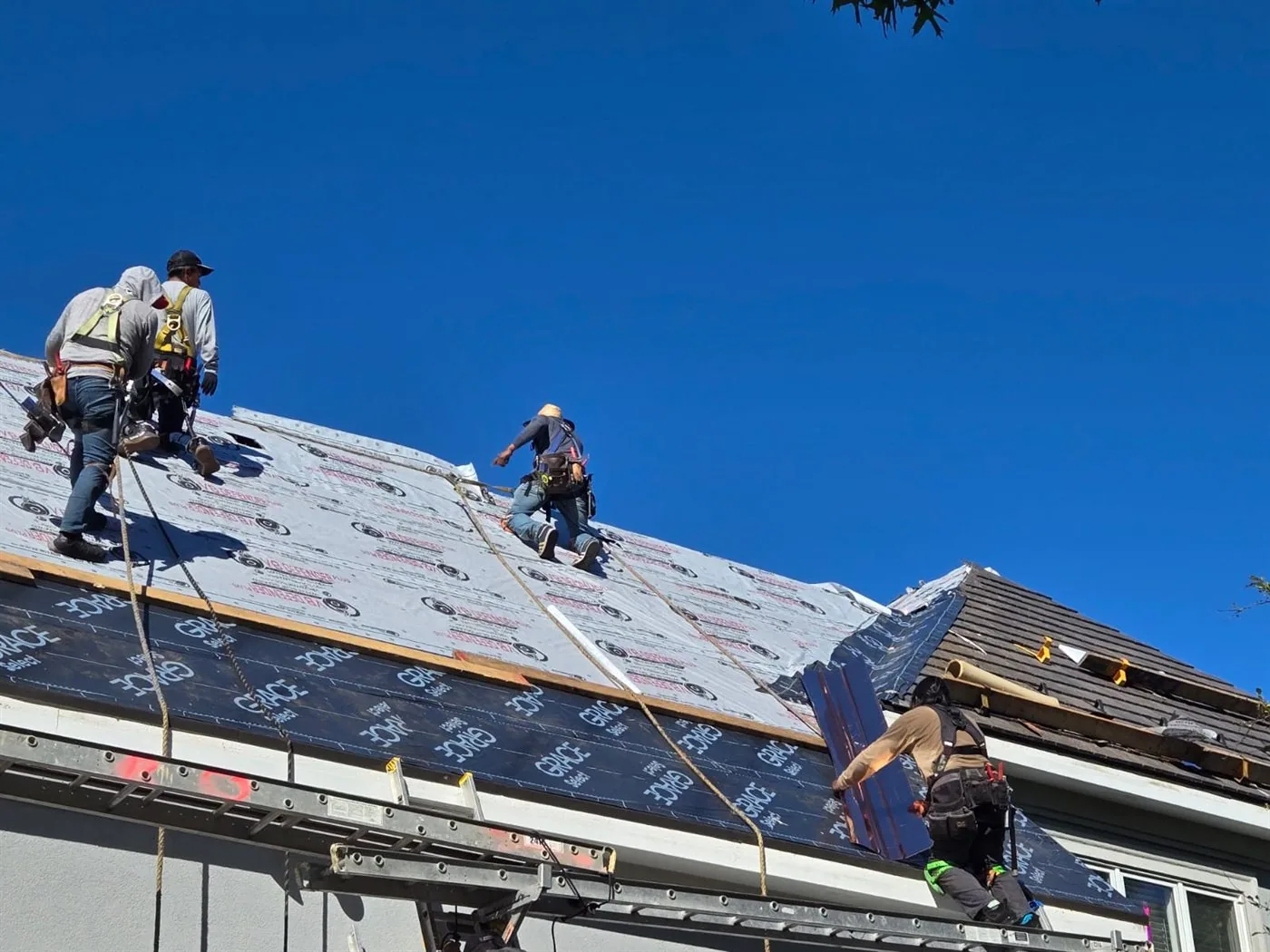
Sequence matters on an occupied building. Preparation, repair and coating can be phased one section at a time so tenants keep their space, and access, equipment shutdowns and walkways are scheduled with the property manager. Scanning the roof in winter or early spring lets repairs and material orders line up for the first dry stretch, which is also when winter damage is easiest to see.
Which Johnson City buildings make the best coating candidates?
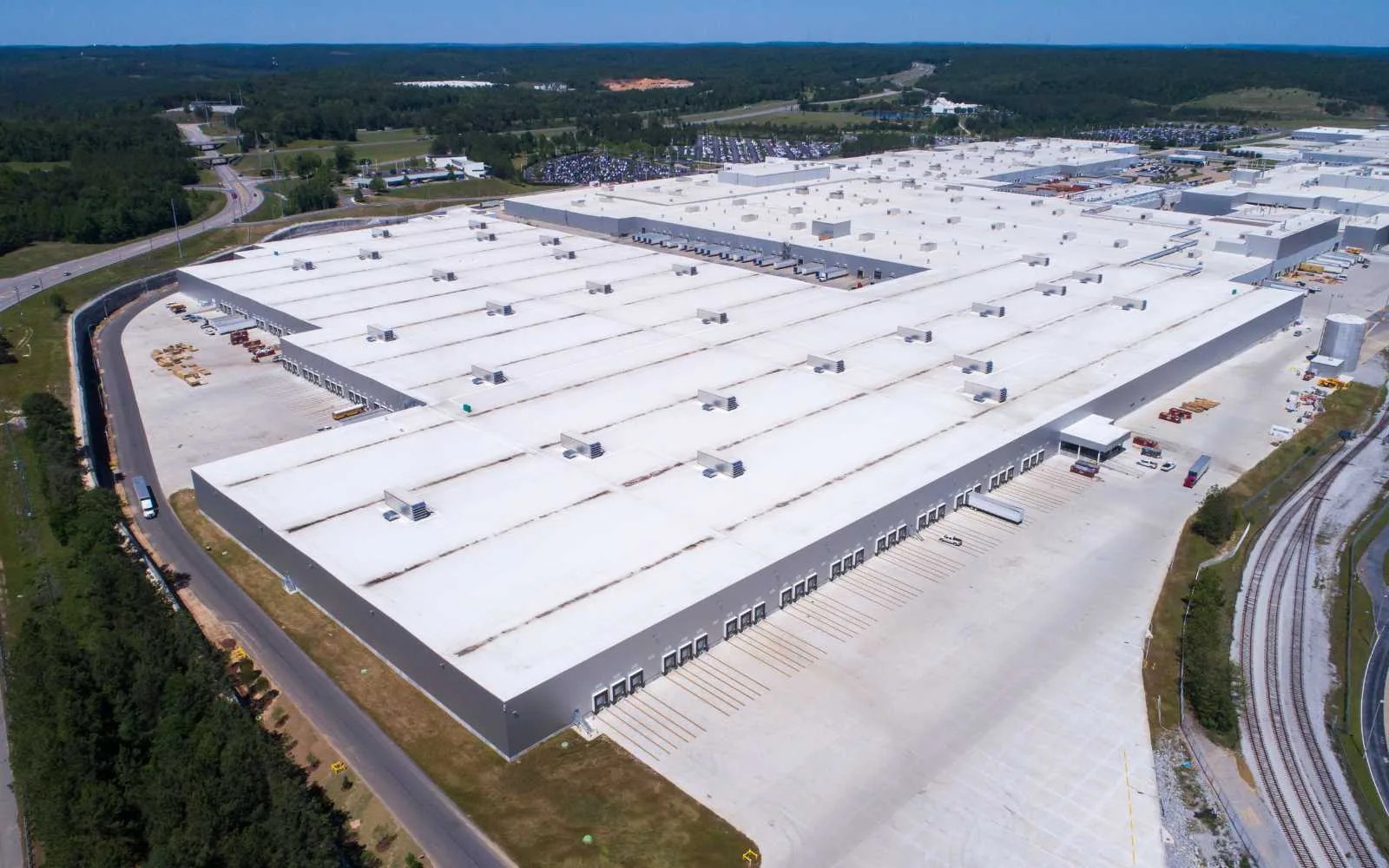
Large roofs are the strongest candidates because the avoided tear-off grows with area. The Washington County Industrial Park near Telford includes operations such as ebm-papst and Sungwoo Hitech. For any industrial roof there, a coating remains an option only if moisture and adhesion checks support it; the facility’s use alone cannot make an unsound assembly a candidate. Retail properties in North Johnson City and around Johnson City Crossings call for staging that respects tenant access and daily operations.
Climate adds its own checks. Tri-Cities Regional Airport has seen measurable snow on ten Christmas days since 1937, with 8.7 inches in 1969, so a coated roof has to tolerate snowmelt and the ice that gathers along drains and curbs. Mountain areas receive considerably more winter precipitation, so for a building in a mountain community such as Roan Mountain, at about 2,550 feet, the coating window is checked against the forecast there and not the valley's. A reflective surface also earns its keep through the summer, as cool roof installation does on a new membrane.
Commercial Roofing Questions
Will a coating stop a roof that already leaks?
Only if the leaks come from surface defects that the preparation will repair. A coating cannot dry wet insulation, and it will not stop water entering at a failed flashing unless that flashing is rebuilt first. The scan and cores separate leaks that are surface problems from leaks that signal saturated insulation.
How is the thickness of the applied coating verified?
We read wet film thickness with a gauge as each coat goes down and compare the gallons used with the area covered. On request, dry film readings and photographs of each coat go into the closeout record, so the owner holds proof of what was applied and not just a quantity invoiced.
What decides how long a restoration will last?
The condition of the substrate and the thickness of the film account for most of it. Ponding water, foot traffic around equipment and the chemistry chosen for the roof's drainage add the rest. A well-prepared roof under a proper film can be maintained and recoated, while a poorly prepared one starts losing adhesion in the first year.
Can a coated roof be coated again later?
Recoating is expected. After washing and an adhesion check, a coating of the same chemistry can be renewed, which turns a restoration into a repeating maintenance cycle instead of a one-time fix. Mixing chemistries is where trouble starts, so the first choice should account for the second coat.
Does a reflective coating change the energy picture for a building in this climate?
A reflective surface runs cooler in summer sun and narrows the daily temperature swing the membrane endures. In a climate with real winters the heating penalty is a small offset. The cooling benefit depends on how the building is used, so it is worth estimating for a building with heavy air conditioning load rather than assuming.
Related Roofing Pages
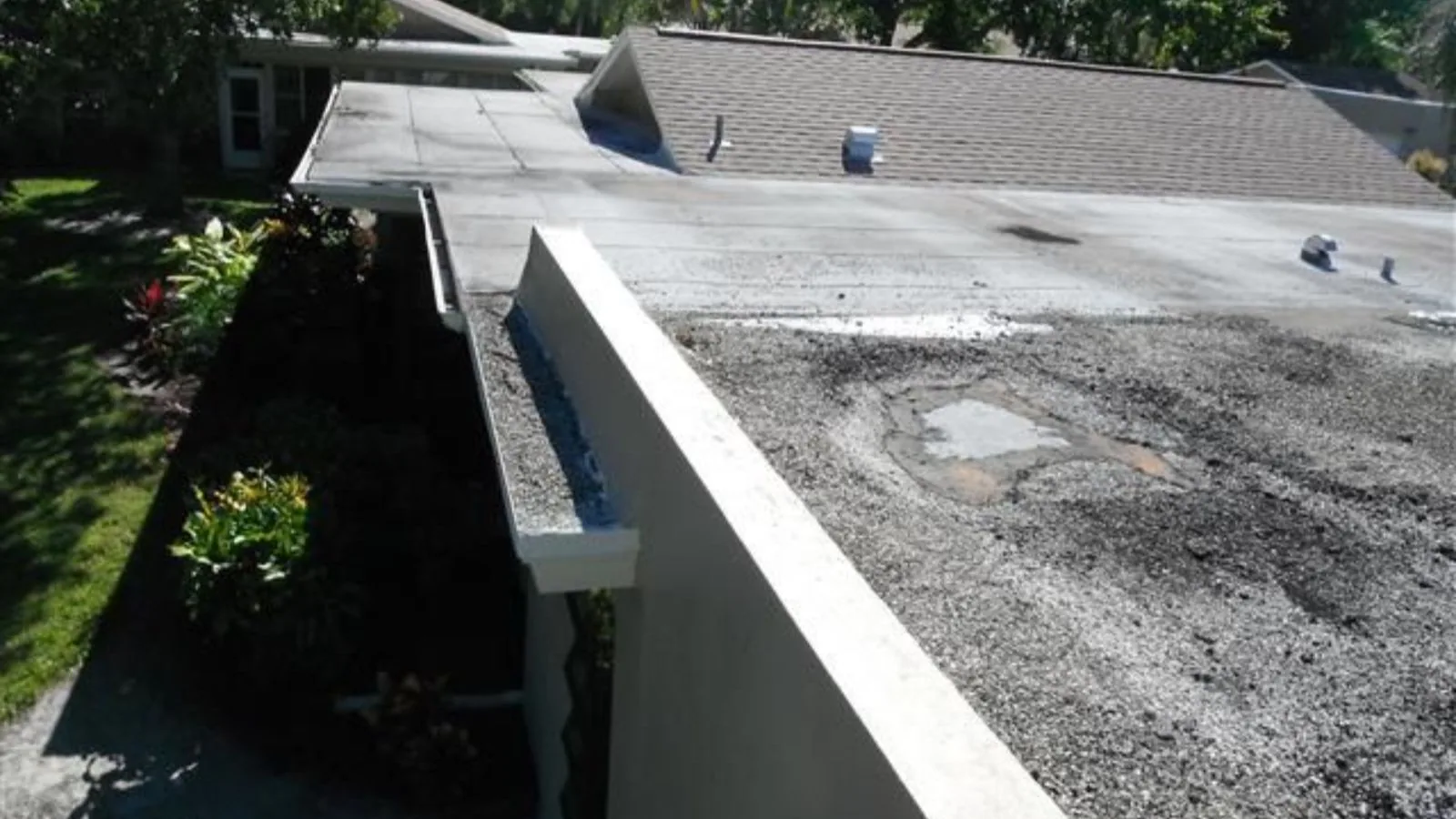
Infrared and Core-Cut Moisture Surveys
How the work is scoped, phased and documented on Tri-Cities roofs.
Ponding Water Roof Repair
What we check, what we recommend and how the crew keeps the building running.
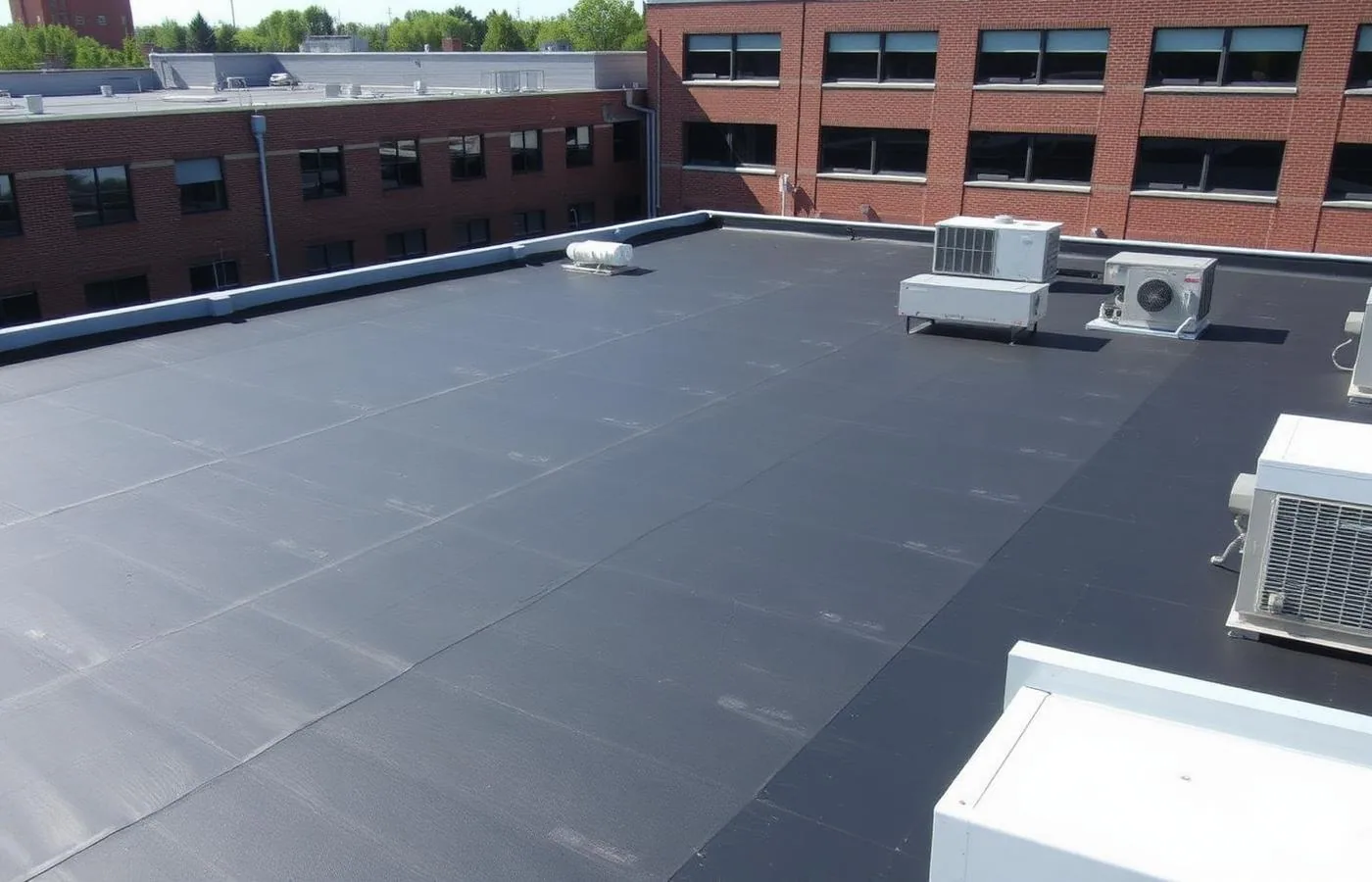
Silicone Roof Coating Systems
Conditions, options and next steps for commercial buildings in East Tennessee.