
Roof Capital Planning in Johnson City, TN
Heat, ultraviolet light and winter contraction wear a membrane away a few thousandths of an inch at a time, and for a long stretch nothing shows. The surface chalks, the binders and plasticizers slowly migrate out, and the sheet stiffens until a hard freeze finds it too rigid to follow the movement of the deck beneath. In Johnson City, TN, where winter lows average about 25 and the Christmas low at Tri-Cities Regional Airport reached minus 6 degrees in 1983, that freeze arrives sooner or later. For the owner this means a roof's cost does not climb in a straight line. Repairs stay small for years and then bend sharply upward, and the owner with no forecast of that bend pays for it as an emergency instead of as a line in the capital plan.
Repair, restore or replace: how do the three lifecycle costs compare?
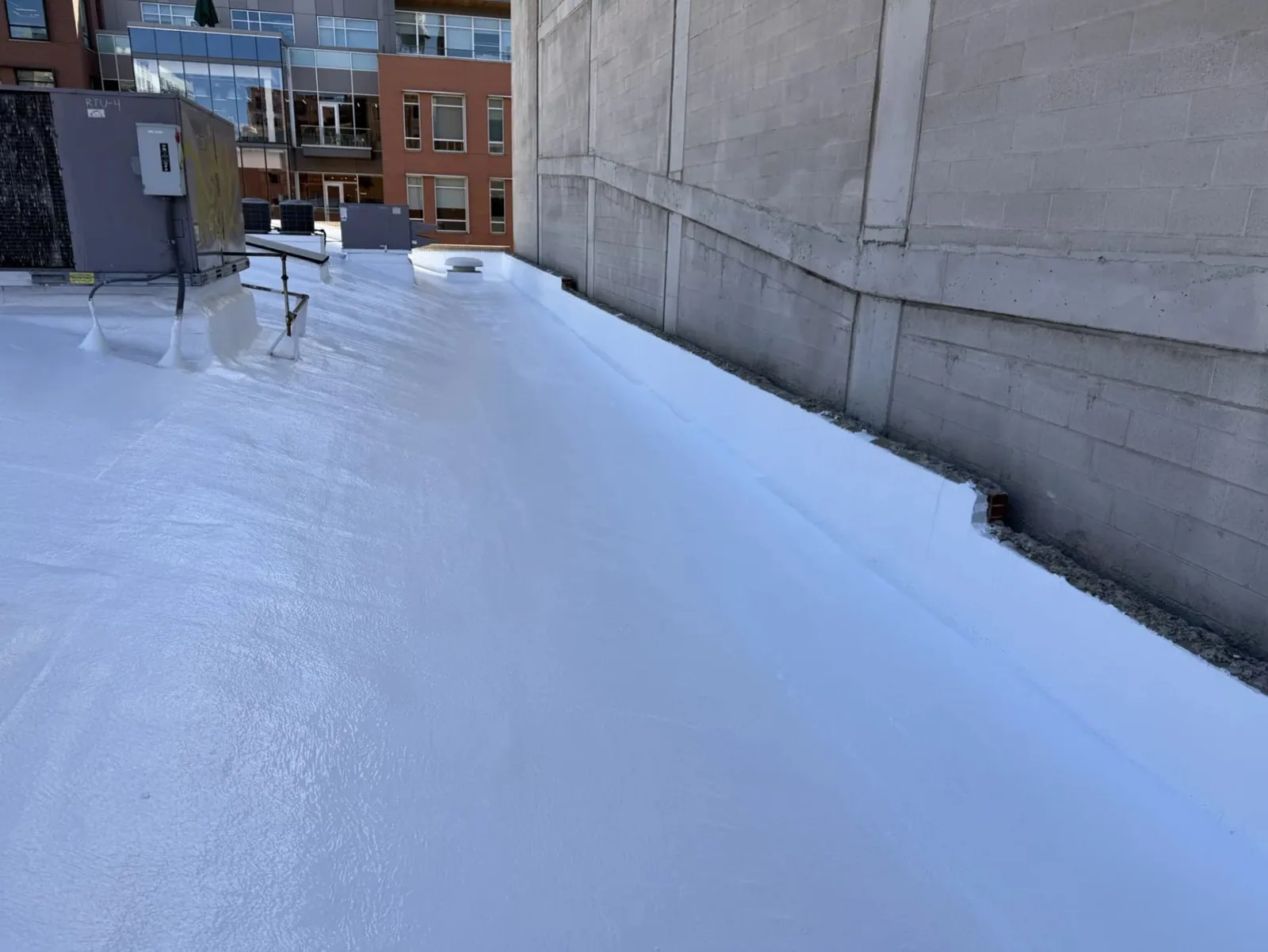
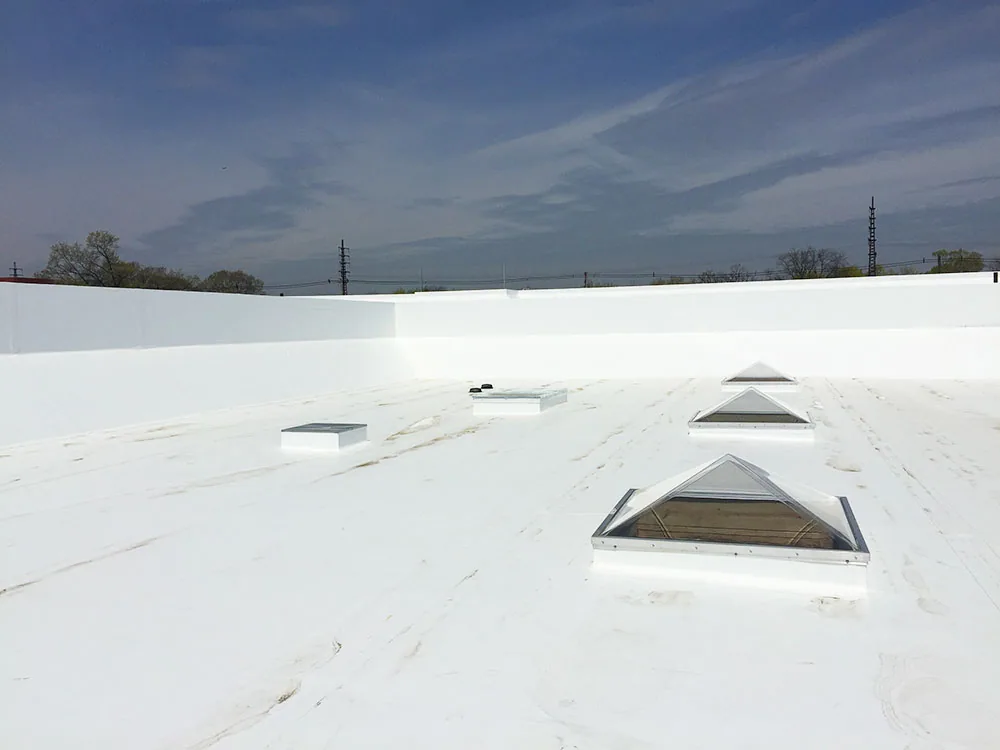
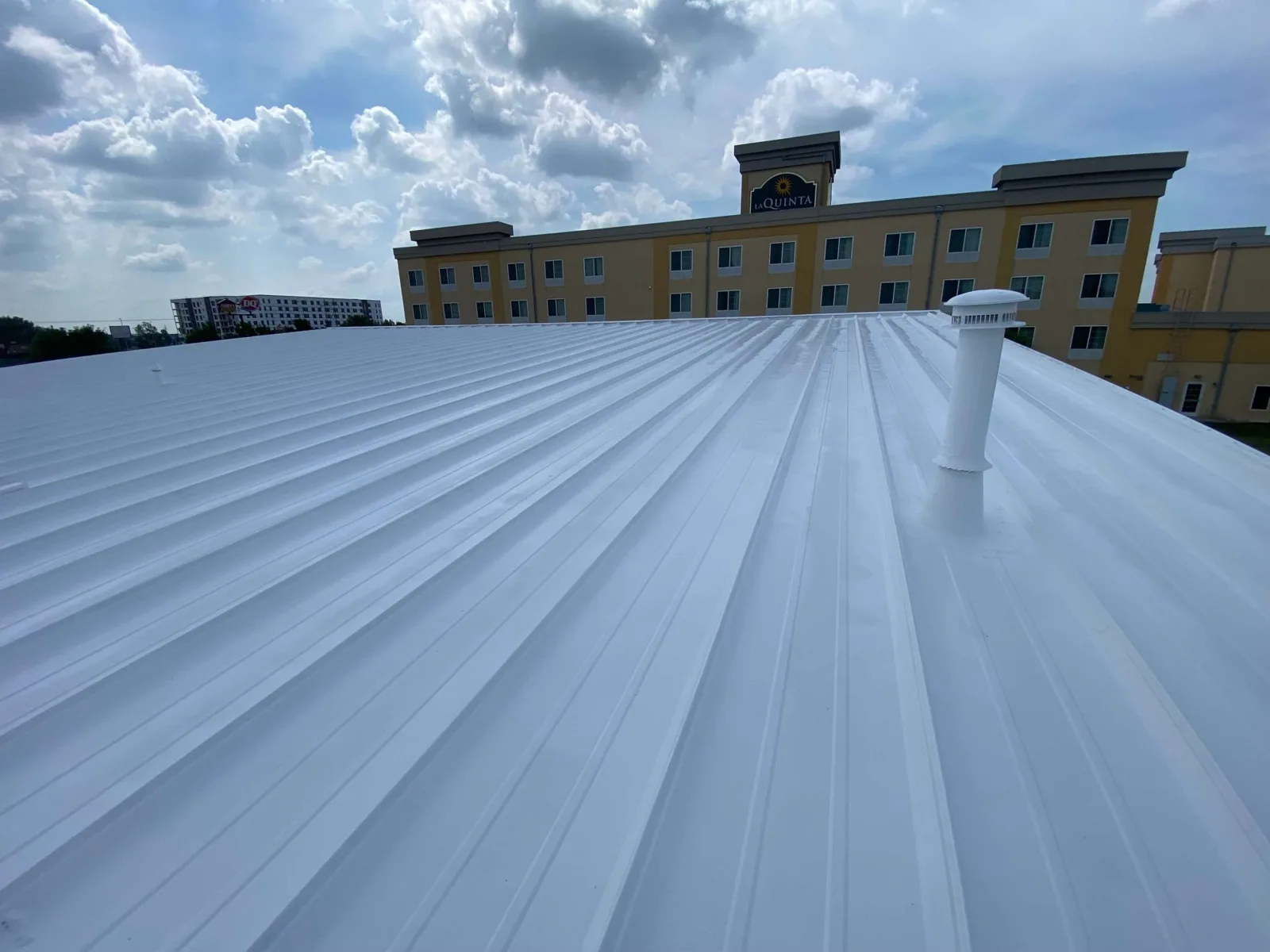
Each option buys a different amount of service life at a different price, and the comparison only works when all three are measured over the same horizon. Repair is the cheapest in the first year and the most expensive per year of life gained once the roof is wearing out faster than patches can follow. Restoration, usually a coating over a dry and sound membrane, resets the surface and can add several seasons for a fraction of the cost of replacement, but it is closed off once the insulation is wet. Replacement costs the most at one time and resets everything, including drainage, insulation and flashing details, which is why it often delivers the lowest cost per year when a roof is truly spent.
A recover over dry existing insulation sits between the last two, and coating restoration can be paired with targeted repairs for another stretch. The plan names the likely path for each roof and the year it is expected to change, then revisits that estimate whenever new condition data arrives.
Put condition data under the budget before it is approved
Call Commercial Roofing Johnson City to schedule inspections ahead of your next budget cycle. You will receive condition findings and a year-by-year outline of likely work, so replacement is planned for the right year instead of forced into this one.
What condition data does a five-year plan actually need?
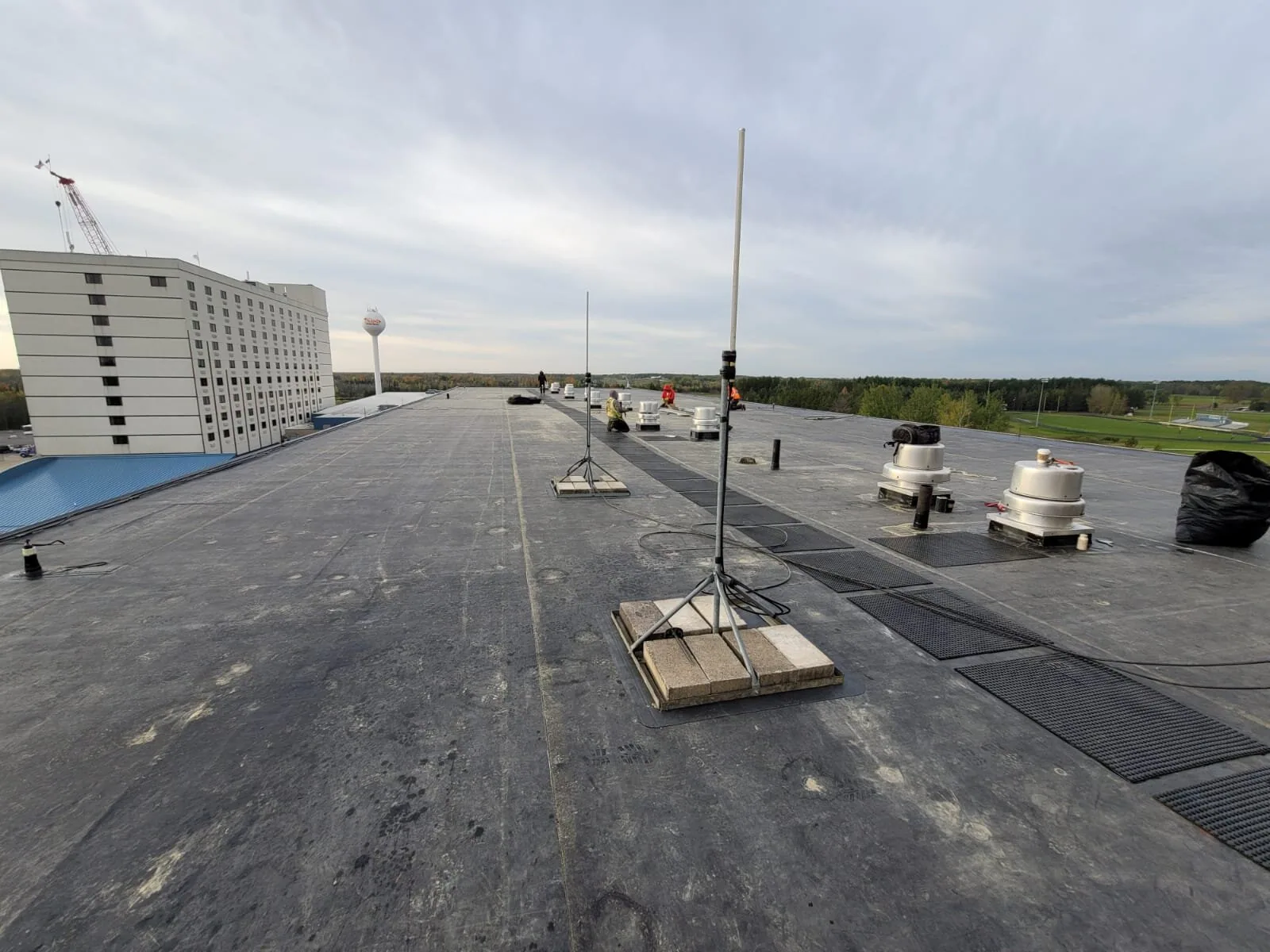
A capital plan is only as good as the evidence under it. For each roof we need the system and its age, the extent of visible defects, the results of any moisture survey or core samples, the state of drains and flashings, and a realistic read on how much life the membrane has left. Core cuts matter a great deal. A small sample shows whether the insulation is dry, how many layers sit above the deck, whether an earlier recover is hiding wet material, and what the old roof will weigh when it comes off. Those answers separate a roof that can be recovered from one that must be removed, and the cost gap between the two paths is wide enough to move an entire year's budget.
The data should also record constraints that never show on the roof itself: tenant leases, operating seasons, equipment that cannot be shut down, and a sale or refinancing on the horizon. A plan that ignores them schedules a replacement for the month the building can least afford it. A written condition report that records each of these items carries them straight into the budget conversation.
What does deferral cost once the insulation is wet?
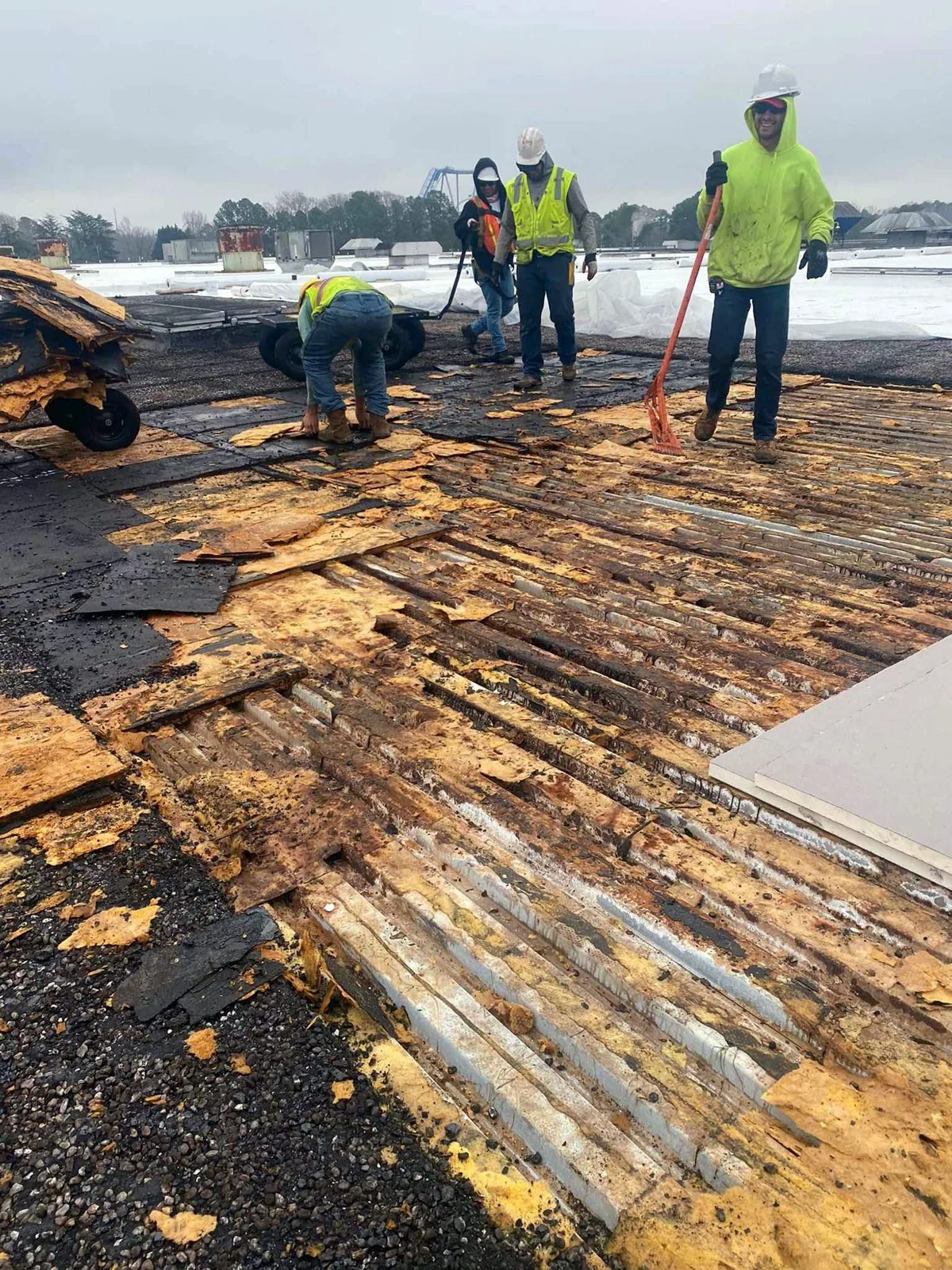
Deferring a replacement is a decision with a price, and the price rises when water is involved. Insulation that has absorbed moisture loses thermal value, so heating and cooling costs climb, and it stays heavy and cold enough to keep the deck and fasteners damp. Each winter the trapped water freezes, expands and breaks down insulation facers and the bond under the membrane, so the scope of the eventual tear-off grows from membrane alone to membrane, insulation and sometimes sections of deck. The owner who set aside the cost of a membrane replacement finds that the final number includes material nobody planned for.
There is also the cost of the failure itself. A roof that gives way in the middle of a storm turns a capital item into an operating emergency, with interior damage, interrupted work and temporary protection stacked on top of the permanent repair. Deferral is sound when the data shows dry insulation and a tight membrane. It is expensive when it replaces the data.
When does the replacement window open and close?
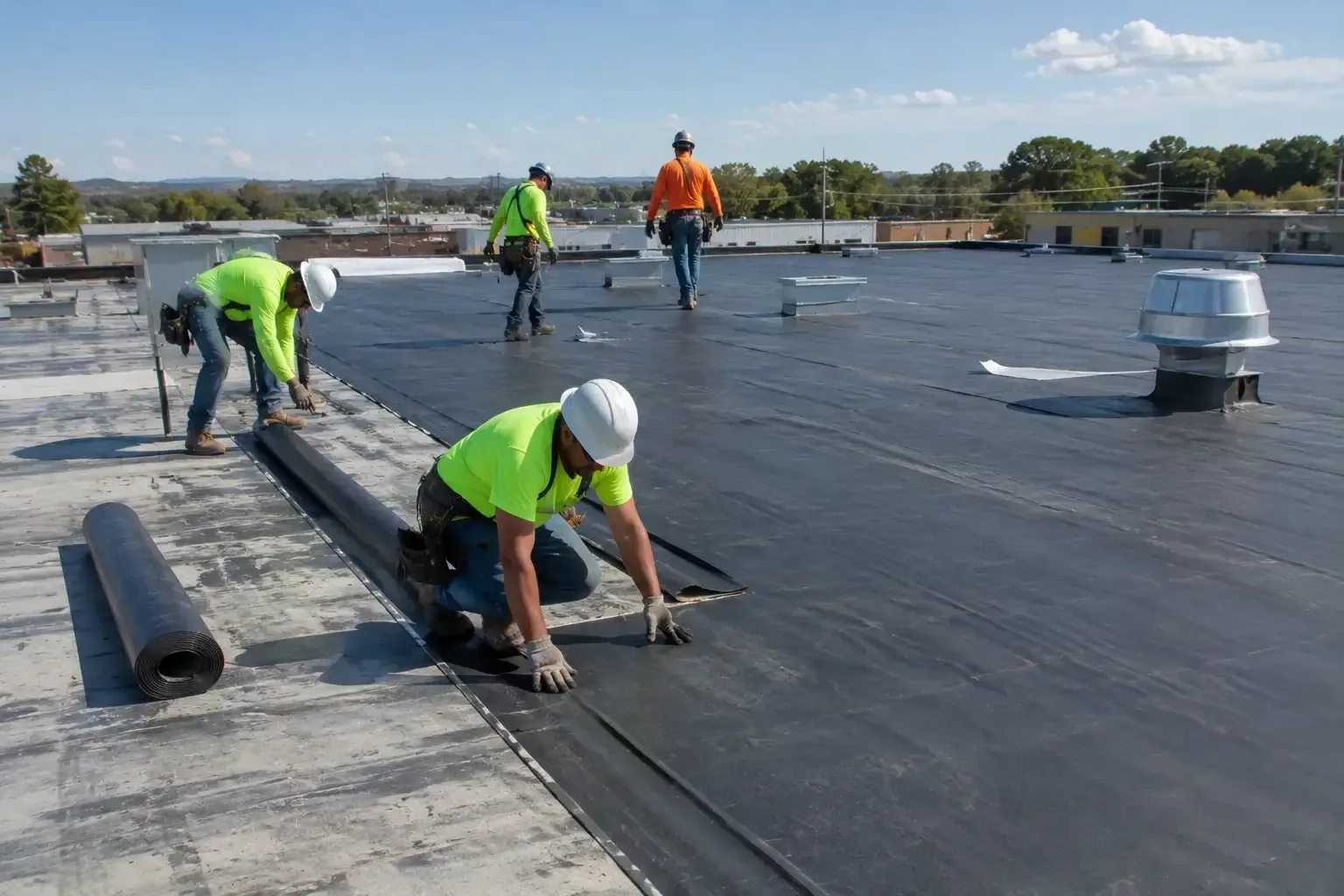
The replacement window is the span in which a roof is worn enough to justify replacement but still dry enough to avoid a larger scope. It is narrower than most budgets assume. Opening it too early gives up service life that a repair program might have extended, and closing it too late means wet insulation and a bigger bill. Inside the window the calendar matters as well. Single-ply and coating work wants mild, dry weather, which in Johnson City means the long stretch from late spring through early fall, and bids settled over the winter let the work start as soon as conditions allow.
Codes also shape the timing. Johnson City’s adopted 2018 codes belong in the capital assumptions. Before a replacement budget is fixed, ask the local building official and design team which requirements govern the specific roof scope and assembly. A plan that knows which roofs will be replaced in which year can fold that cost in early, along with the insulation and cover board choices behind it, rather than finding it in a bid.
What do hospital, campus and plant owners in the Tri-Cities weigh differently?
A health system, a university and a manufacturer do not buy roofs on the same calendar. A hospital roof such as the one over Johnson City Medical Center, which keeps a Level I trauma center and 445 beds running, has to be worked in phases around patient care. A campus like East Tennessee State University finds its natural window in summer, between terms, and its 366-acre campus rarely allows everything to be done at once. A manufacturer in the Washington County Industrial Park, home to Sungwoo Hitech's automotive stamping plant in the old Alo Tennessee building, plans roof work around production runs rather than academic terms.
Weather events belong in the plan too. Hurricane Helene's September 2024 flooding across Northeast Tennessee is a reminder that an unplanned event can reach any budget, and an owner who carries a modest storm contingency is less likely to raid a scheduled replacement to pay for it. The same reasoning scales when several buildings share one plan, which is where multi-site roof programs begin.
Commercial Roofing Questions
How far ahead should a roof budget look?
Five years is the practical horizon for firm numbers, with a ten-year outline behind it for the roofs that are clearly aging. Beyond that, condition changes faster than any estimate holds, so the plan is re-read every year and again after any severe weather.
Is it safe to push a replacement back by a year?
A single year is often fine when the latest moisture survey shows dry insulation and the membrane is still holding its seams. The risk comes from moving the date without data, because one winter with deep snow or a hard freeze can turn a stable roof into a wet one. We attach the conditions that justify a delay to the plan, so the delay is a decision and not a drift.
How much should be held back for unplanned storm repair?
The figure follows the number of roofs, how exposed they are and what insurance would cover, and we help owners read those three together. A plan with a modest contingency line absorbs a spring wind event or a heavy snow load without pulling money from a scheduled replacement.
Does a roof coating belong in the capital plan or the maintenance budget?
Both can be argued, and how it is classified is a question for the owner's accountant. What we supply is the expected life extension and the condition evidence behind it, so whichever budget carries the cost, the number rests on something measured.
What should be in hand before a lender or buyer asks for the plan?
A current condition report, moisture data for any roof near the end of its life, and a year-by-year list of expected work. Having these ready shortens negotiations and keeps the roof from turning into a surprise line at closing.
Related Roofing Pages
Roof Recover and Overlay Systems
How the work is scoped, phased and documented on Tri-Cities roofs.
Roof Coating and Restoration
What we check, what we recommend and how the crew keeps the building running.

Roof Condition Reports
Conditions, options and next steps for commercial buildings in East Tennessee.