
Multi-Site Roof Programs in Johnson City, TN
Two roofs with the same membrane, laid in the same season, will not age at the same pace if one sits on the valley floor in Johnson City, TN and the other sits in Mountain City, 2,418 feet up and the highest incorporated city in Tennessee. Mountain areas in the region receive considerably more winter precipitation than the valley, so the higher roof carries snow longer, spends more nights crossing the freezing line, and puts its seams and flashings through more freeze and thaw cycling over a winter. A group of buildings run on a single calendar and a single standard will see some roofs replaced too early and others too late, and the owner pays for the error in both directions. A multi-site program replaces that single calendar with a ranked picture of the whole group, built from what each roof is actually doing.
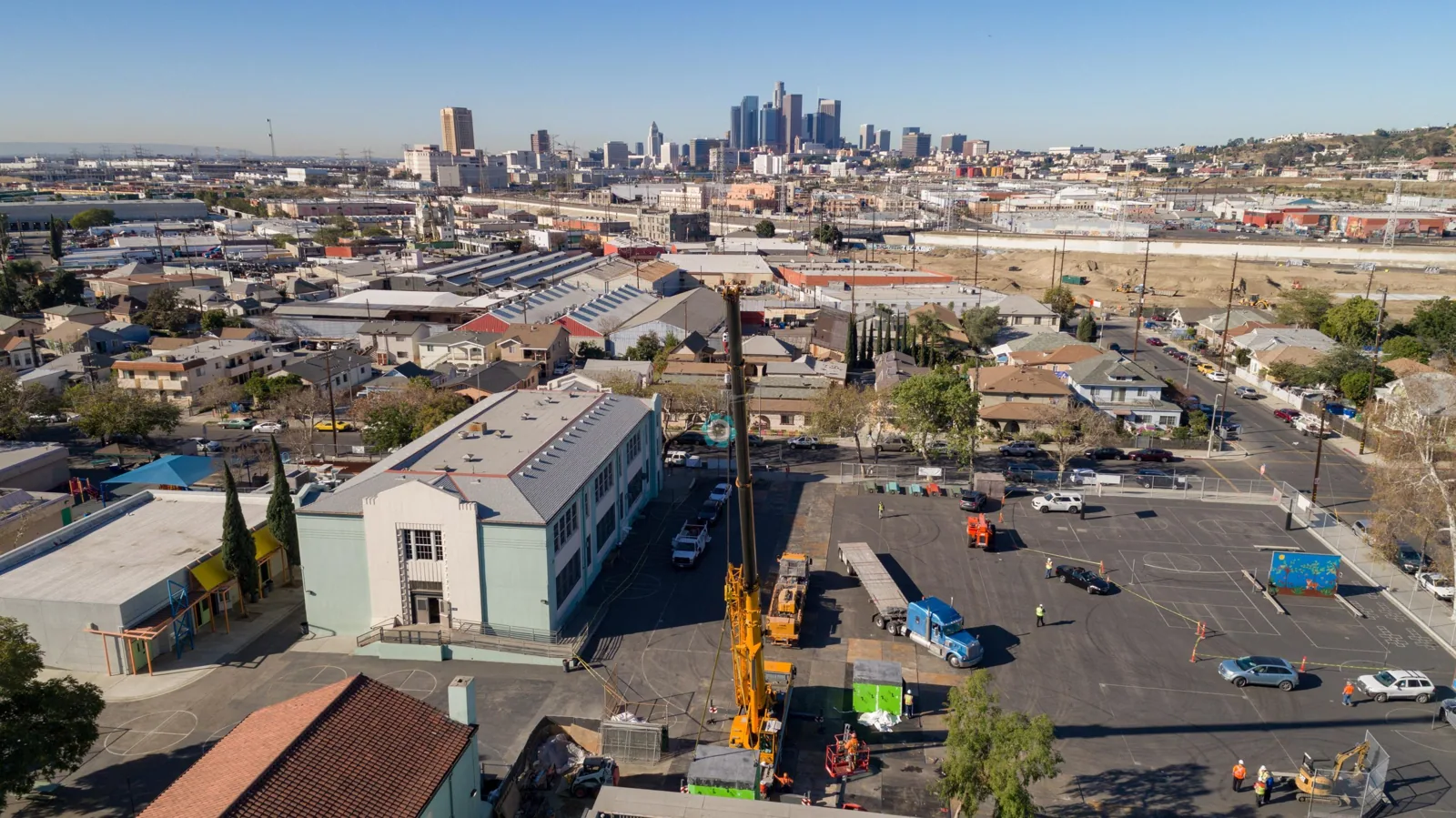
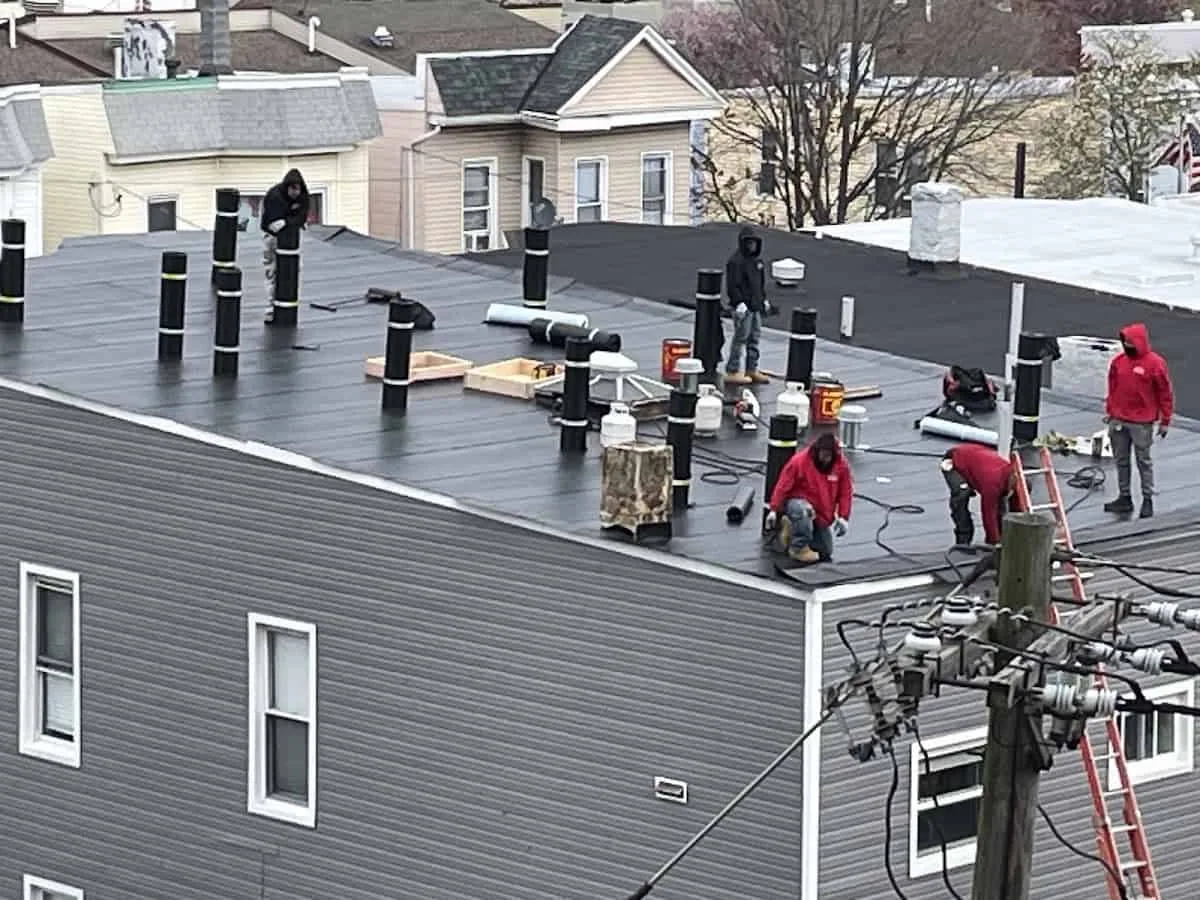
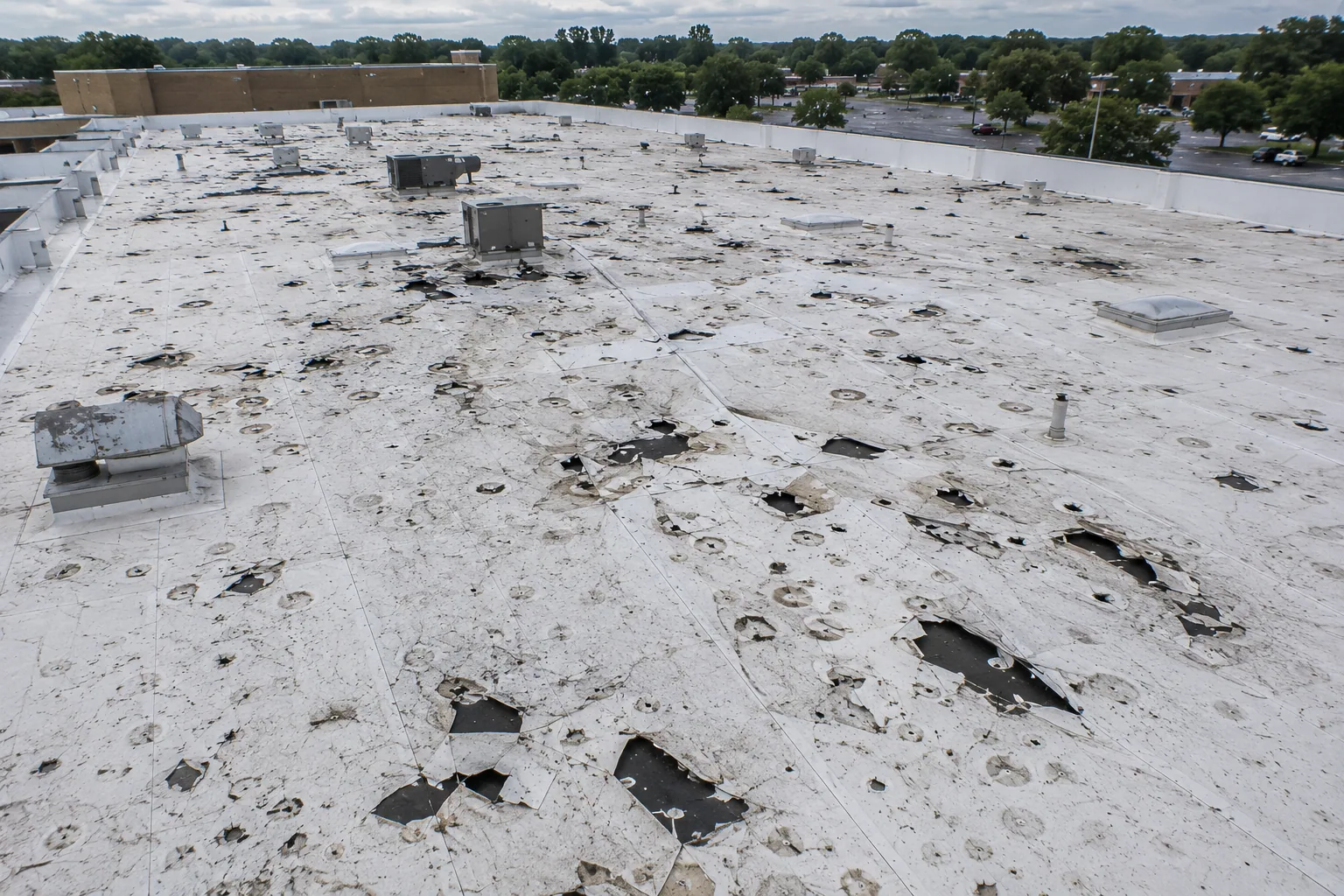
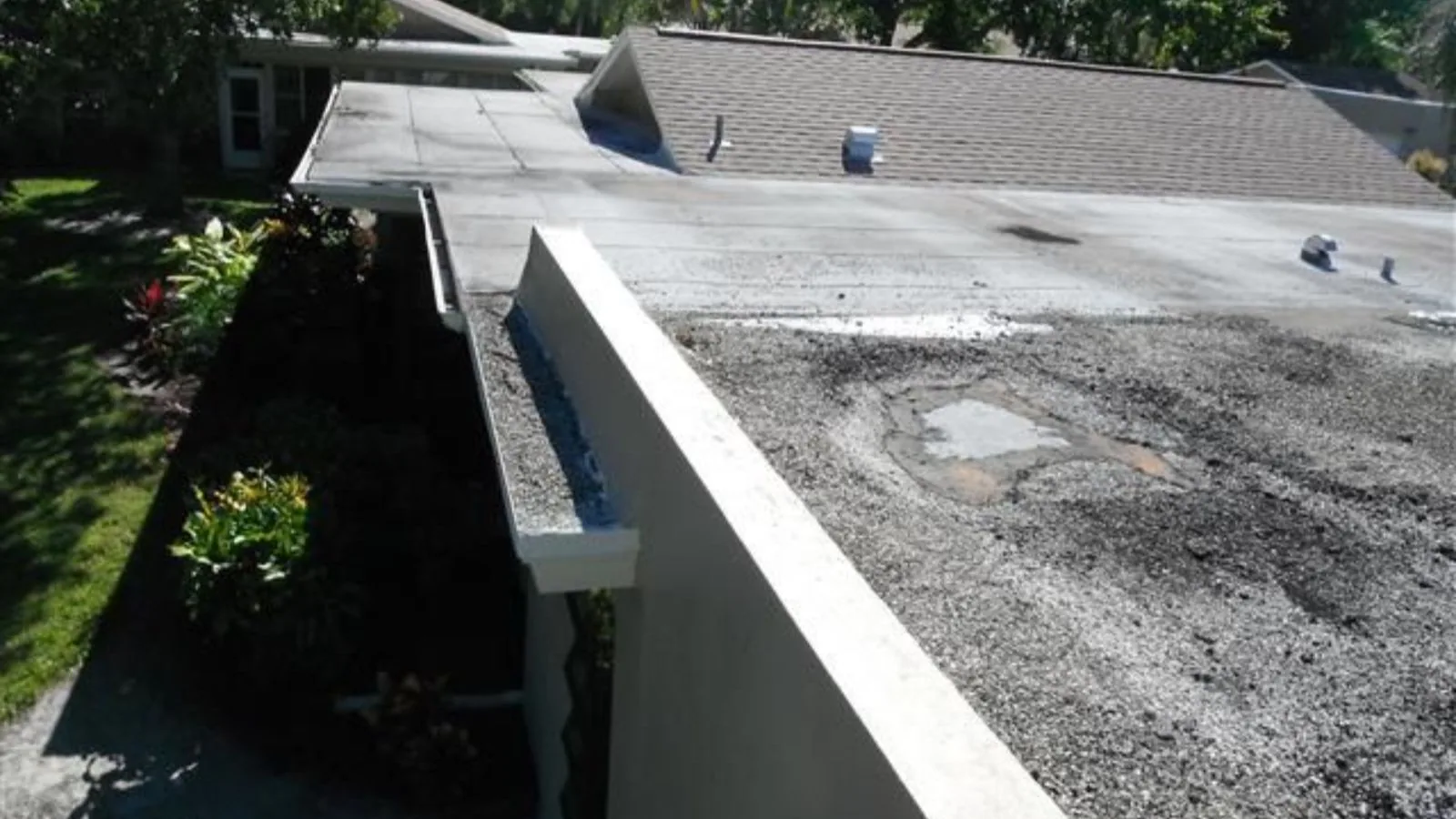
How do you rank a long list of buildings without walking each one twice?
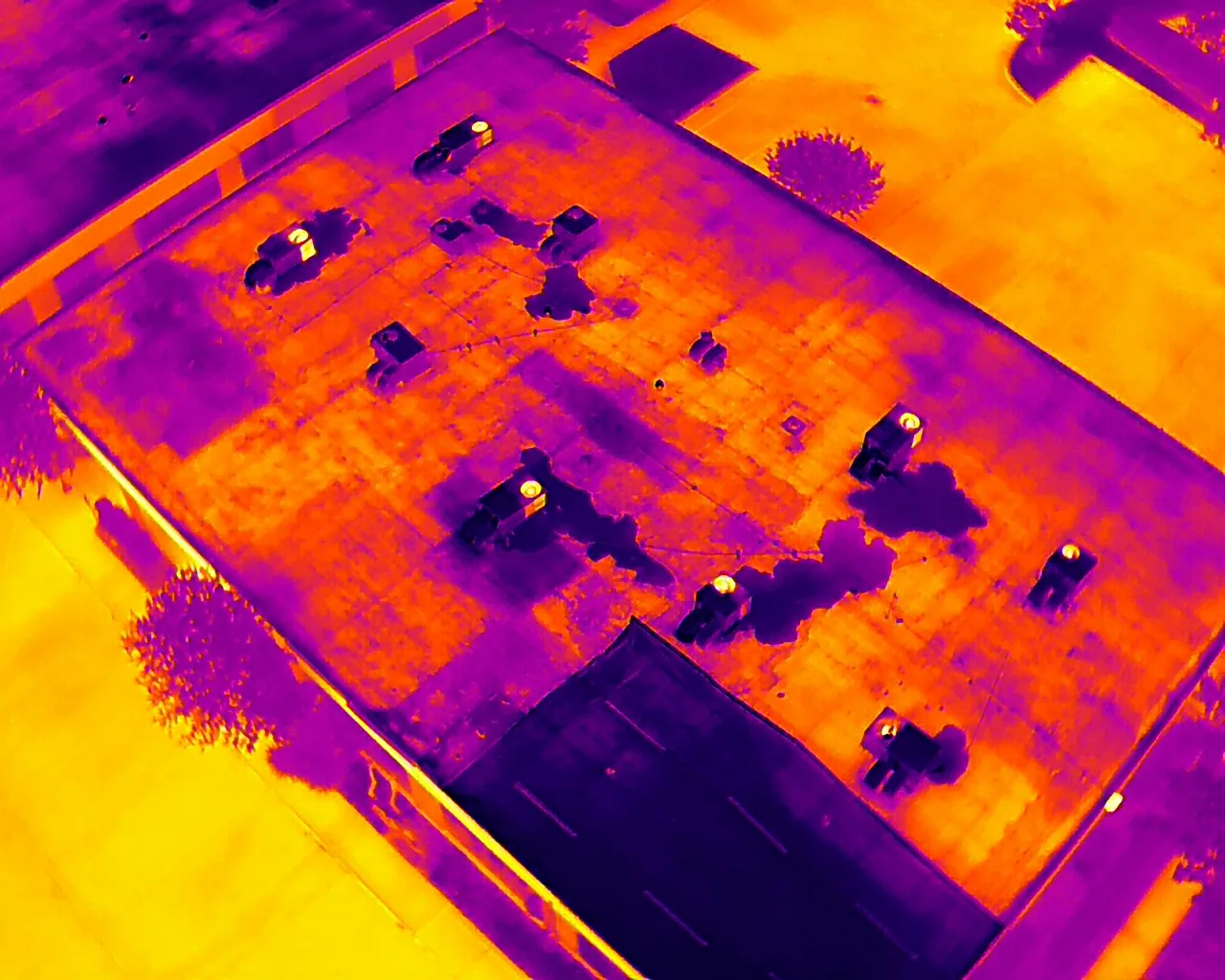
The first pass is triage. Every building receives a baseline visit with the same checklist, the same rating scale and photographs taken from the same positions, so the group can be compared. Desktop data on system, age and warranty fills in the early picture, and the baseline walk corrects it. The second pass goes deeper only where the first pass flags age, a leak history, ponding or a critical occupant, with moisture surveys and core cuts on those roofs and nothing further on the rest. The result is a ranked list that spends effort where the risk is and very little on roofs that are clearly sound.
Roofs with special duties rise in rank whatever their condition. A roof over a clinic, a server room or a production line costs far more to leak than a roof over a storage bay, and weighting by consequence as well as by condition keeps the program honest about what a failure would actually cost.
Put every roof on one calendar and one scale
Call Commercial Roofing Johnson City to arrange baseline visits across your buildings. You will receive a shared rating, photographs for each site and a ranked list of work, so capital follows condition instead of the order in which roofs happen to leak.
How are replacements sequenced so the budget lands evenly?
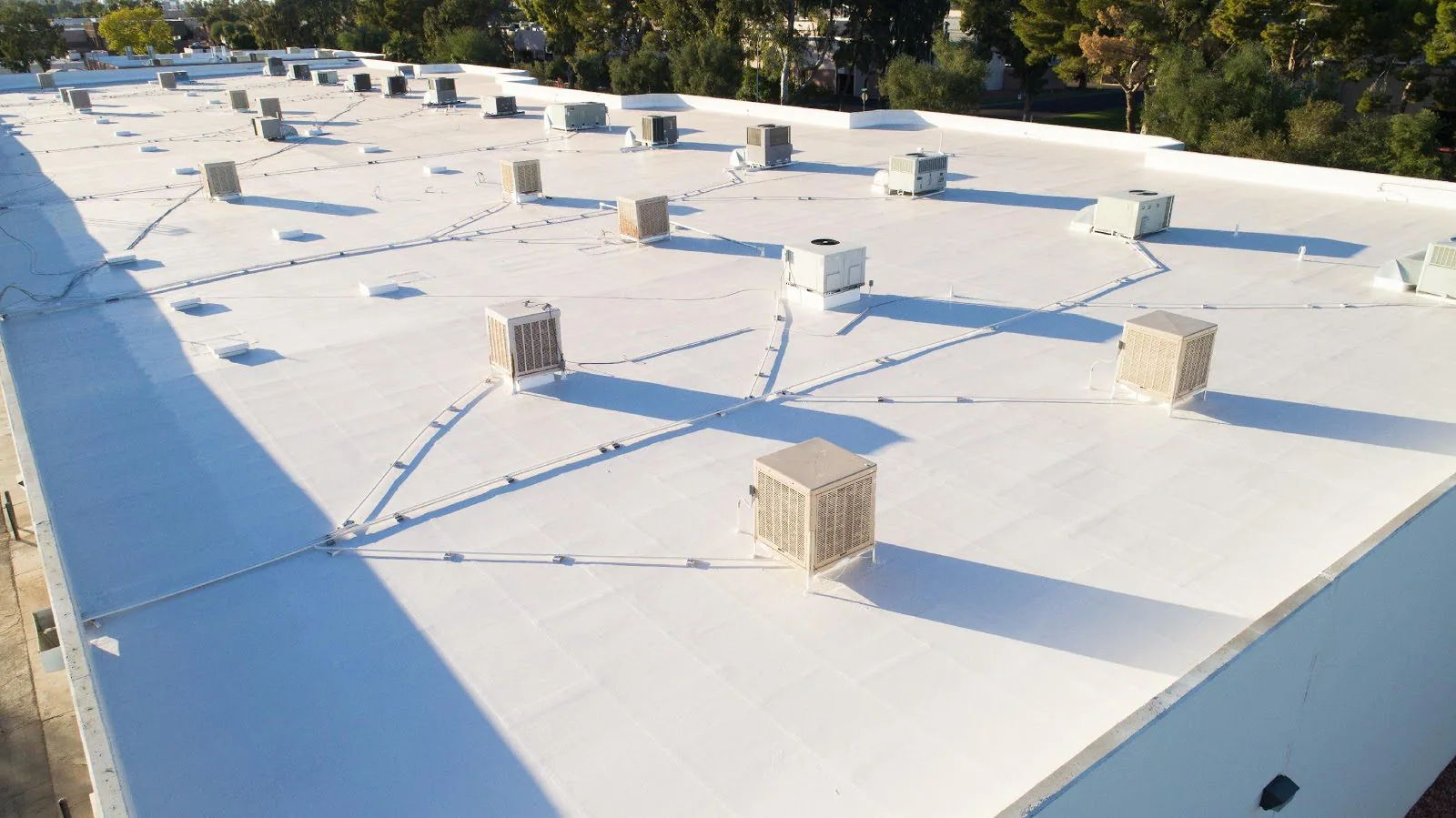
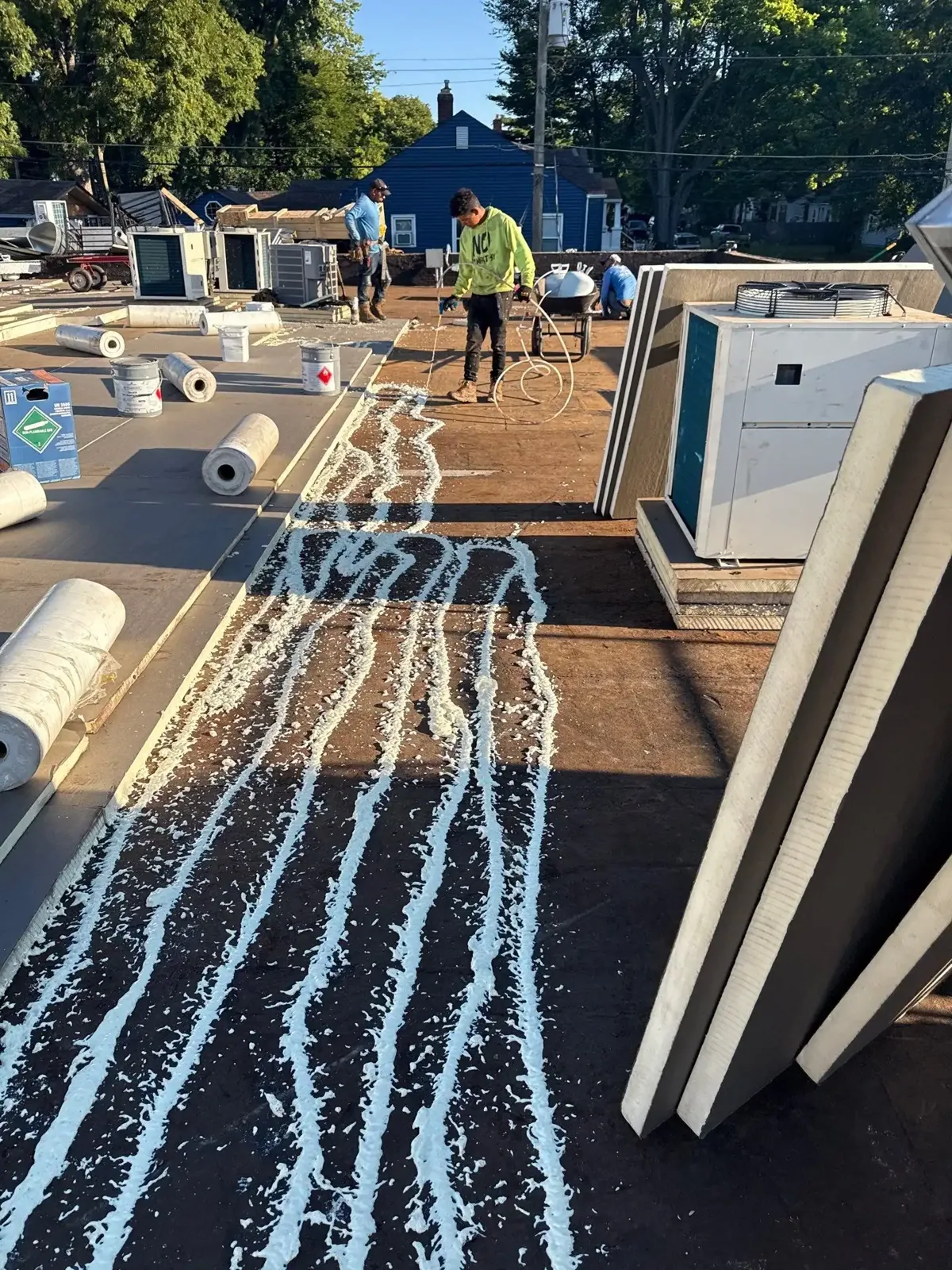
A program levels the load. Instead of replacing six roofs in one bad year and none for the three years after, the plan spreads work across the calendar in order of condition and consequence, pairing restorations on roofs with dry insulation against full replacements where they cannot be avoided. Seasonal work follows the same reasoning: membrane and coating work goes on the buildings with the broadest access during the warm months, while winter is kept for drain clearing, inspections and repairs wherever the weather permits them. Each occupant also gets a window of its own, whether that is a school in summer, a retail tenant outside the holiday season or a plant during a planned shutdown, which is how occupied building reroofing stays out of the way of the people inside.
One contract, regional packages or building-by-building work: how should a program be structured?
A single program under one contract gives the owner one standard of inspection, one rating scale, one set of records and one point of contact, and it lets small repairs be handled promptly without a separate bid for each. Regional packages divide the group by geography and suit owners whose buildings are spread across states. Building-by-building purchasing keeps maximum flexibility and fits groups whose buildings differ widely or answer to separate managers, though it gives up the shared record. The useful test is not the price per roof but whether anyone can see the whole group at one time.
Whatever the structure, the records belong to the owner and stay in a form that the next contractor can read. They are the working core of roof asset management, and the scheduled visits inside a program follow the same rhythm as preventive roof maintenance.
How far does a Tri-Cities portfolio actually stretch?
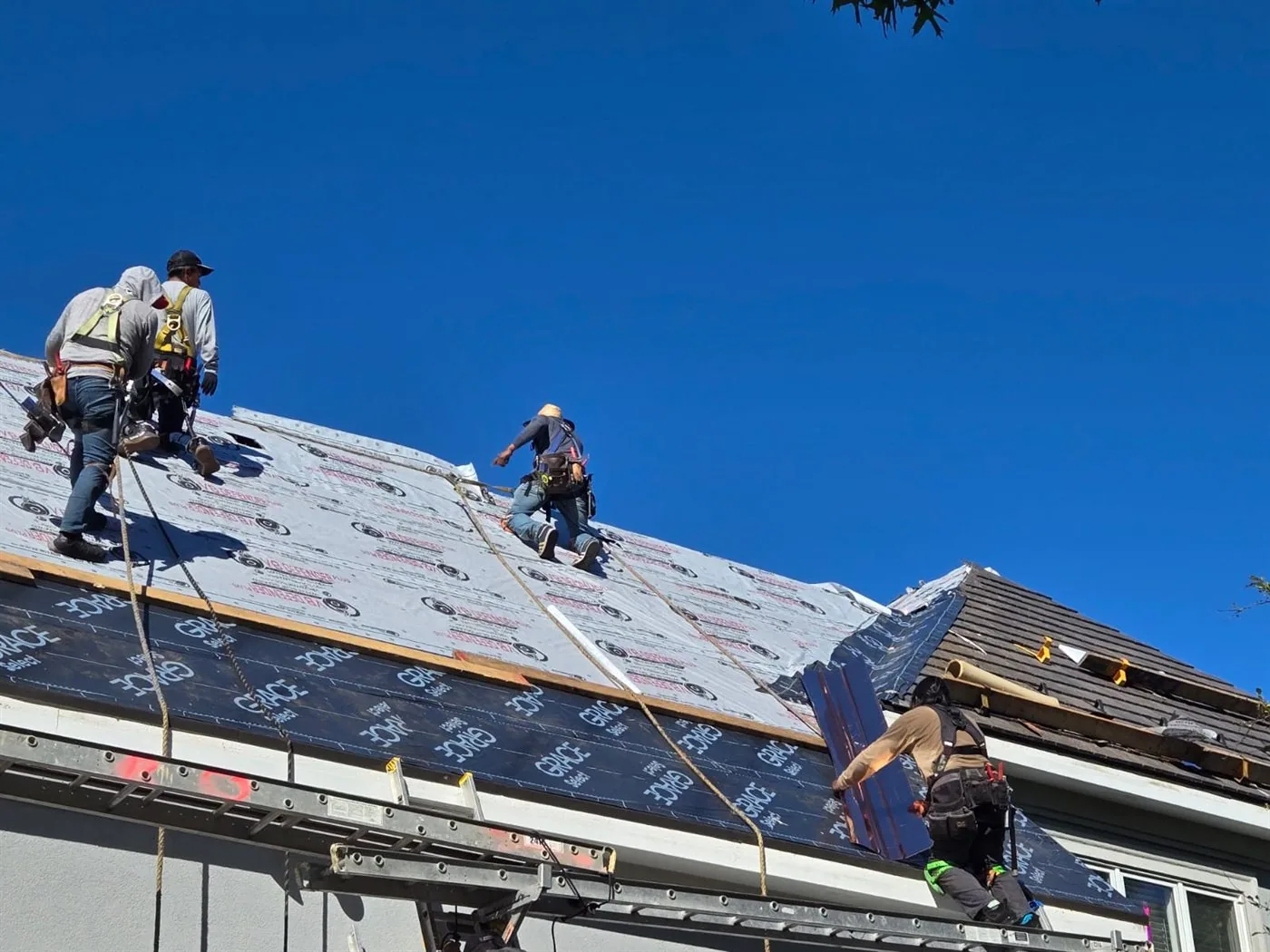
Farther than the city map suggests. Interstate 26 runs from Sam's Gap on the North Carolina line through Erwin and Johnson City to Kingsport, Interstate 81 ties the region to Bristol, and US 11E, US 19W, US 23 and US 321 carry the rest. A group of buildings spread across Johnson City, Elizabethton and Kingsport already crosses more than one kind of terrain, since Carter County, where Elizabethton sits, lies entirely within the Blue Ridge Mountains, and a building in Mountain City sits higher still.
An owner with hospitals in Tennessee, Virginia, Kentucky and North Carolina, as Ballad Health has, faces that spread on a larger scale, and the program has to hold different climates and calendars inside one set of records. Hurricane Helene's September 2024 flooding closed Interstate 26 and destroyed part of the Nolichucky River bridges at Erwin, which is a reminder that a program also needs a plan for reaching buildings when a corridor is shut.
What does reacting to one building at a time cost?
Reactive management pays a premium on every call. Each leak becomes its own emergency, with its own scope, its own approval and its own bad timing, and nobody connects the pattern across buildings. Three sites with the same membrane failing at the same flashing detail look like three separate misfortunes when they are one specification problem, and only a program that compares buildings can see it. An emergency repair made in the wrong week also costs in tenant relations, interrupted operations and temporary protection that adds nothing to the permanent fix.
A program cuts that premium. Planned work is priced and scheduled on the owner's terms, repairs are made before water travels into the insulation, and the capital plan covers the whole group in one view. For property management companies that answer to ownership for budget accuracy, the program gives a clear answer to why one building needed money this year and another did not.
A workable program gives every site the same decision fields but leaves room for local conditions. Record system, estimated area, observed defects, access limits, immediate protection, recommended scope and a planning horizon. Assign one person to reconcile open items after each visit. The format should make it easy to move from a single leak response to a portfolio budget without flattening differences between a historic masonry roof, a plant and a retail building.
Commercial Roofing Questions
Is a program practical for an owner with only a few buildings?
Two or three buildings with different roof systems already gain from a shared record and a shared calendar. The savings come from coordination, so the variety of the roofs matters more than the count, and a small group is easier to bring onto one rating scale.
Who coordinates access, tenants and approvals at each site?
One coordinator on our side schedules visits, confirms access with each building's contact and reports to the owner's representative. Tenants hear what is happening before it happens, and every site keeps its own contact for calls outside business hours.
Can different roof systems share one program?
Mixed systems are the normal case. A TPO roof, a built-up roof and a metal roof each age differently, so the program keeps a separate service-life estimate and checklist for each system while sharing one rating scale and one set of records.
What happens when a storm damages several sites at once?
Baseline photographs and ratings let us triage by severity and consequence, starting with the roofs where water is entering an occupied space. Calls are taken at any hour, holidays included, and the records already on file support the insurance documentation for each location.
How is a program reviewed over time?
At least once a year, with updated ratings, completed work, changed priorities and the next year's list. A review after severe weather adds an extra look at the sites most exposed to it, and priorities are re-ranked whenever a building changes use, owner or occupant.
Related Roofing Pages
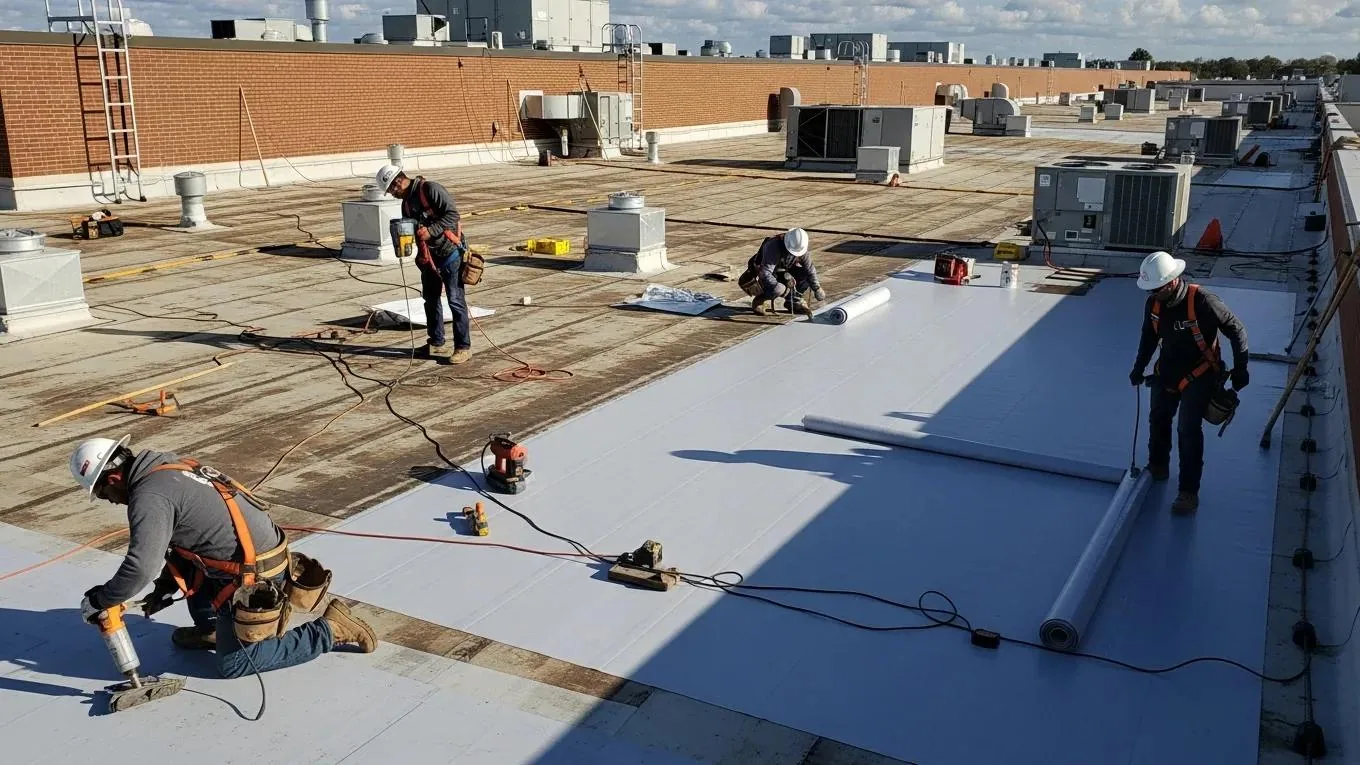
Occupied Building Reroofing
How the work is scoped, phased and documented on Tri-Cities roofs.
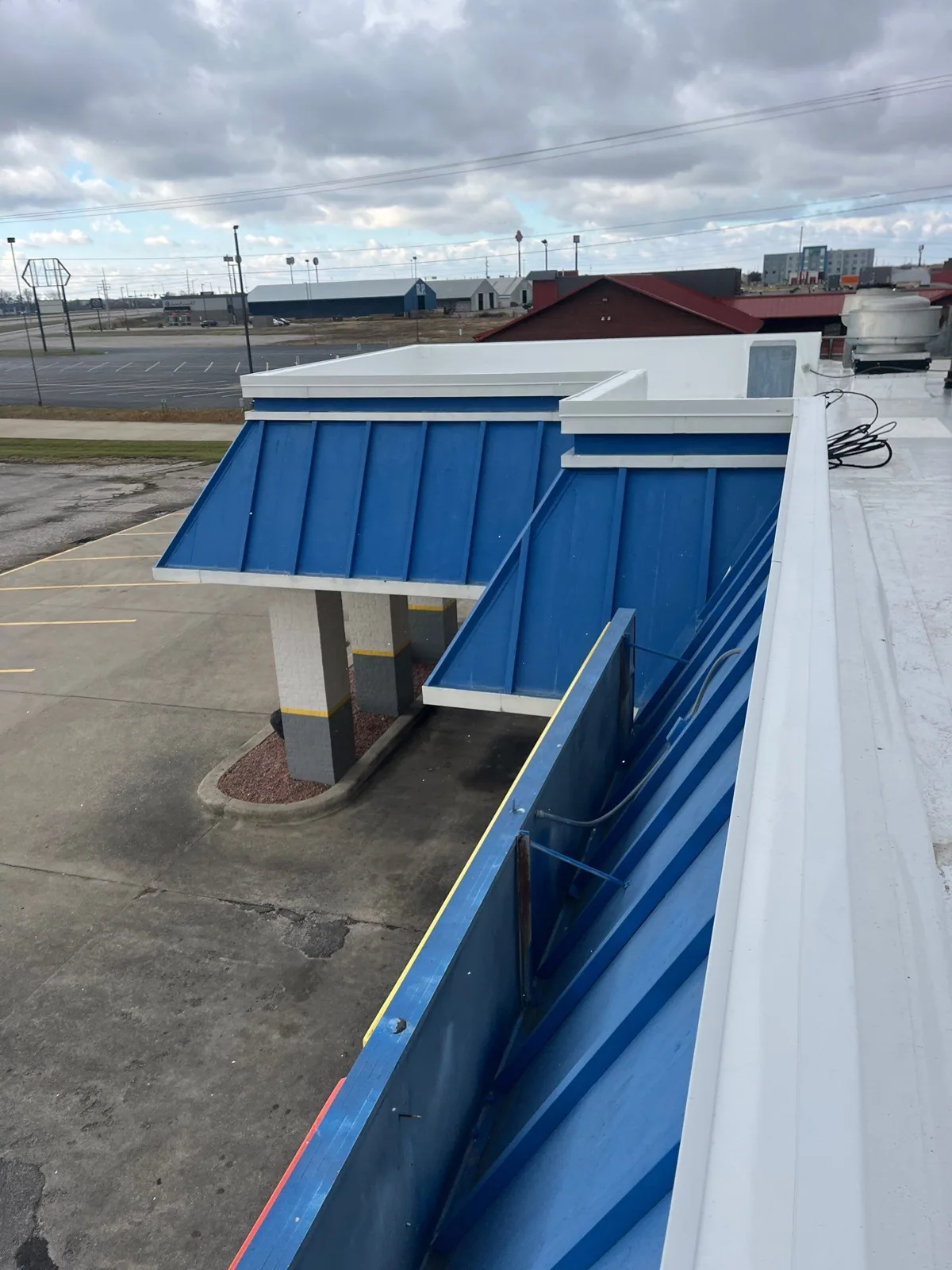
Roof Asset Management
What we check, what we recommend and how the crew keeps the building running.
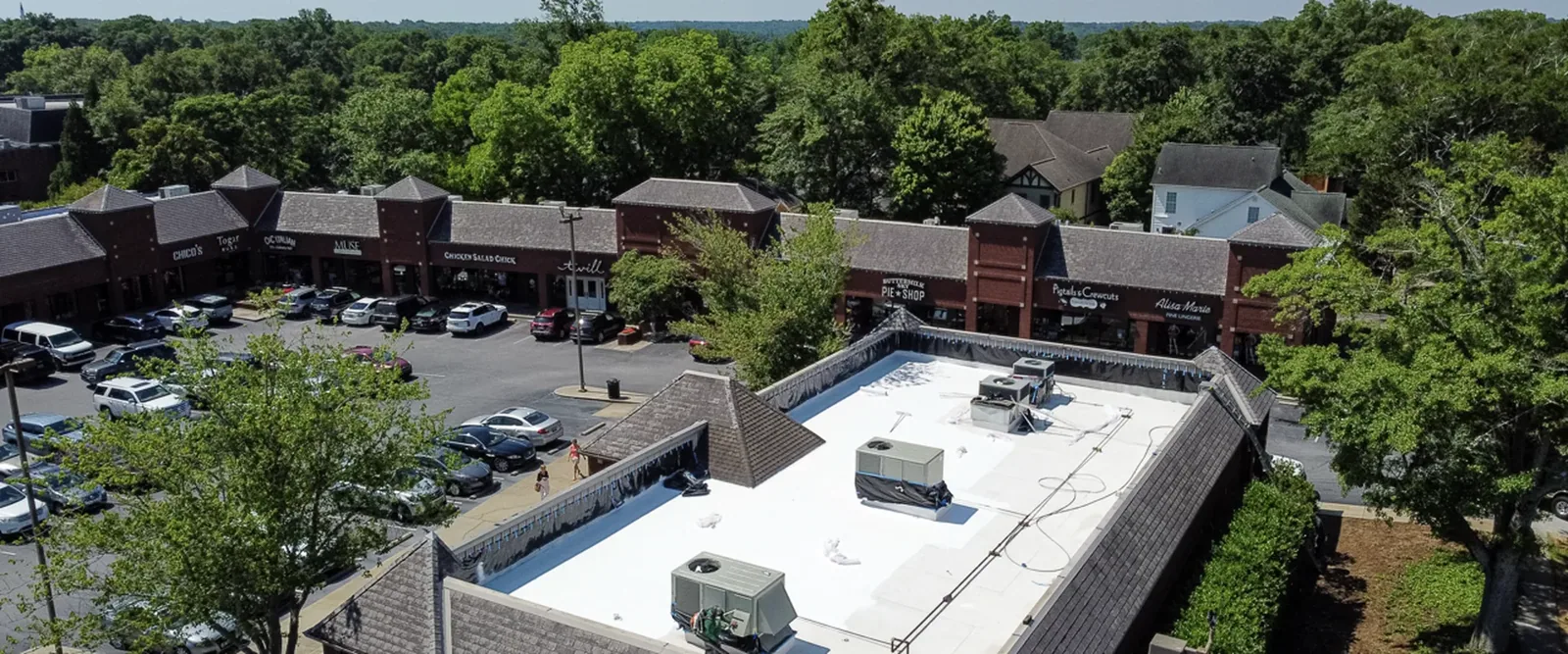
Preventive Roof Maintenance
Conditions, options and next steps for commercial buildings in East Tennessee.