
Data Center Roofing in Johnson City, TN
A chilled-water pipe running across a roof grows and shrinks with every temperature swing, and the support that carries it moves a little with it, dragging a small patch of membrane back and forth beneath its base. The motion is tiny, repeated hundreds of times a season, and over a few years it abrades the sheet until the reinforcement shows and water has a way in. On a roof over a server hall, where the cooling plant sits outdoors and the plumbing is long, those supports are everywhere. In Johnson City, TN, where winter lows average about 25F and summer highs reach the mid-80s, the swing is large enough to matter. The failure is invisible from the ground and expensive in the one place a building owner cannot afford it, directly above the equipment.
How do heavy equipment and moving pipe wear through a membrane?
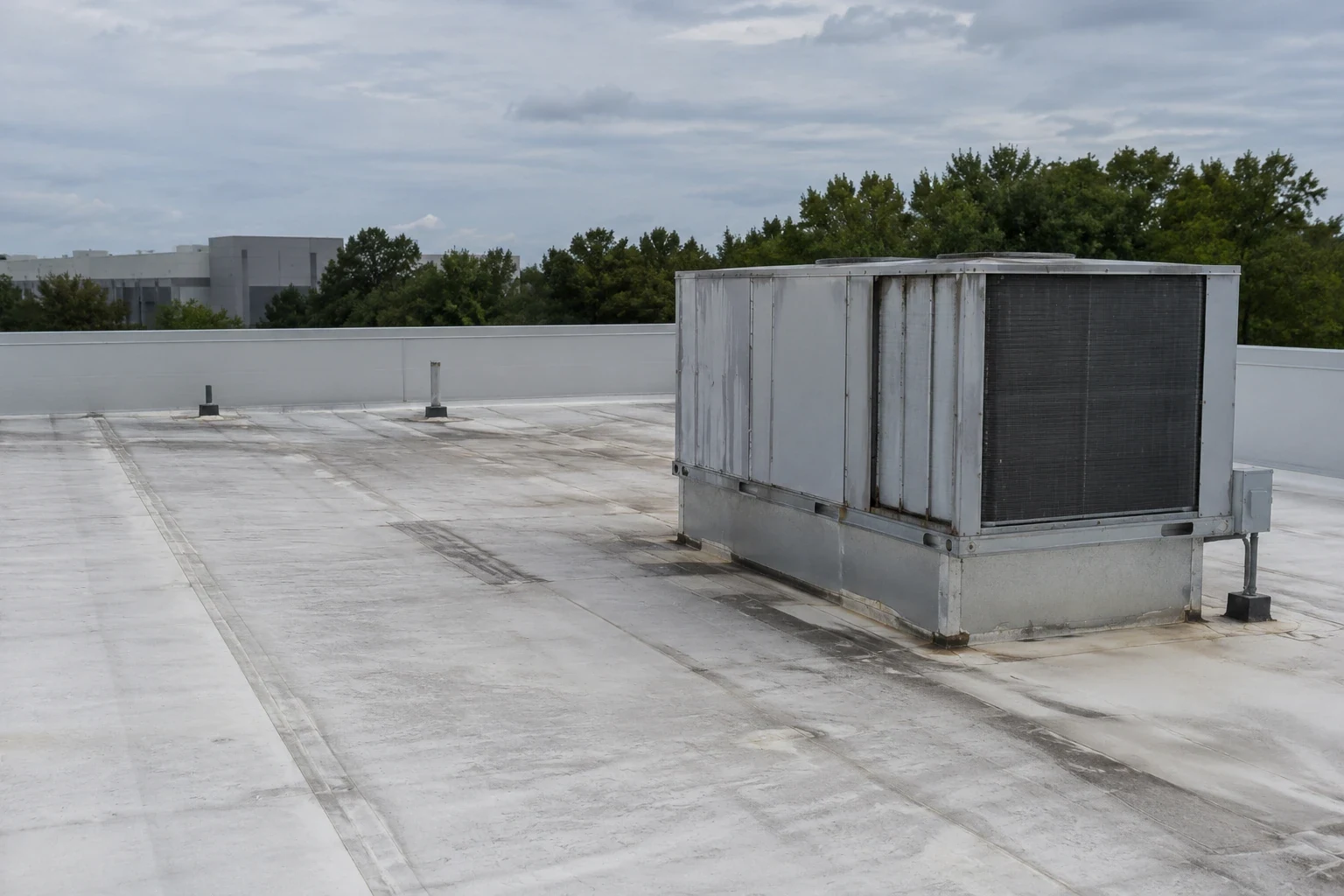
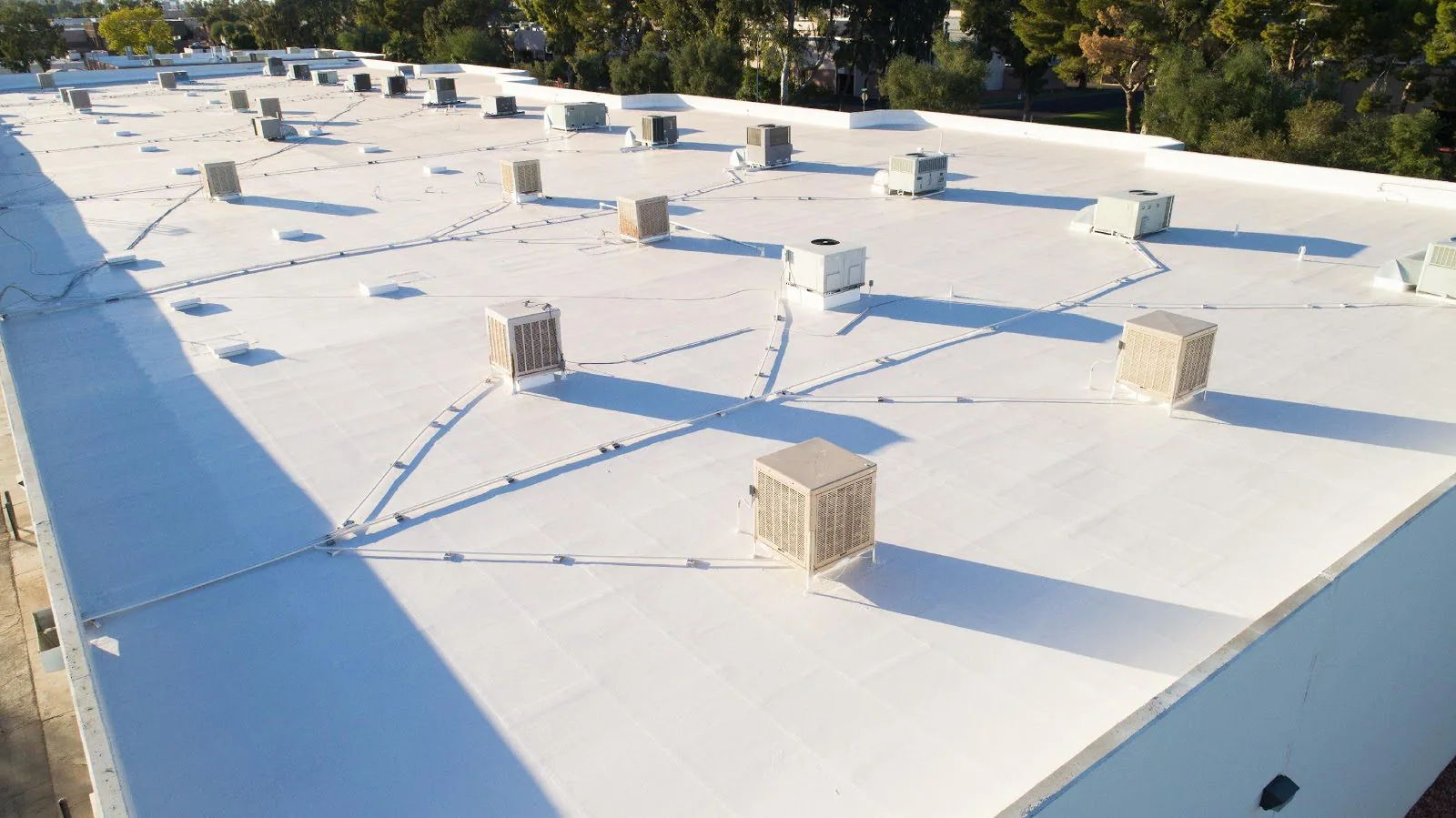
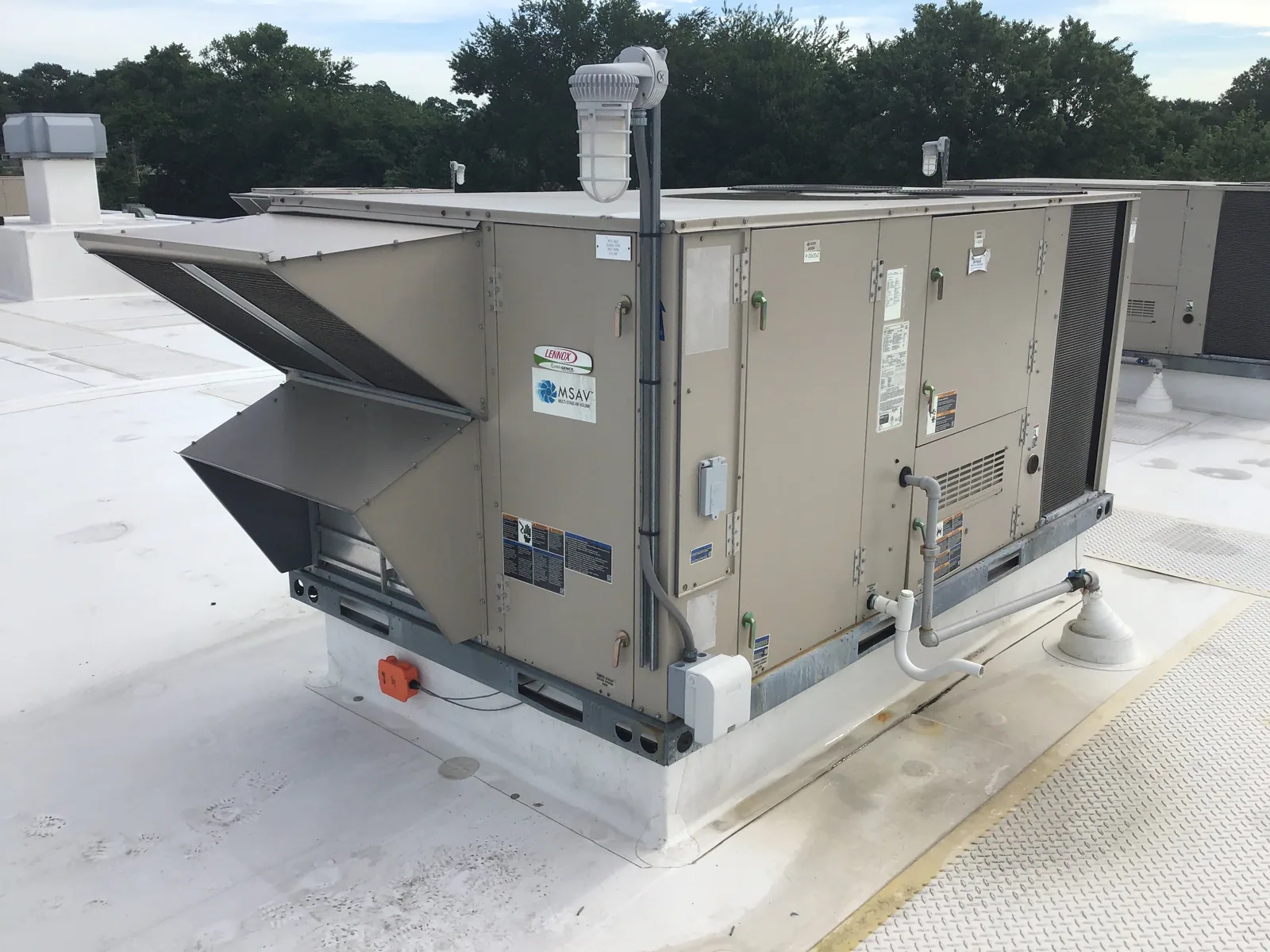
Loads on a data center roof are concentrated rather than spread. Dry coolers, generators, condensers and fuel or water lines each press on a small footprint, and the membrane under that footprint is squeezed between the load and the insulation below. Vibration from fans adds a second, steady stress, while thermal movement in rigid pipe adds a third. The result is a membrane that looks sound between the equipment pads and thin or cracked beneath them. Insulation compresses under sustained point loads, which makes dips where water can stand. Protective pads, sleepers rated for the weight and a cover board that spreads the load all slow the wear, but none of them eliminates it, so inspection has to follow the equipment.
Protect the white space from the roof down
Call Commercial Roofing Johnson City to arrange a survey that maps your penetrations, drains and equipment loads against the rooms beneath them. You will receive findings and a ranked scope your operations team can plan around.
What does water above a server hall actually put at risk?
Water is the one hazard that travels through cable trays, conduit sleeves and light fixtures to reach the equipment below, often some distance from where it entered. A small leak can short a power distribution unit or trigger a fire protection response, and the cost of an interruption is measured in contractual uptime, not in the price of the roof repair. Even a leak that never reaches the white space carries a cost, because wet insulation raises the cooling load and the operator pays for it each month. Replacing a roof on a facility's schedule is an ordinary capital project. Replacing it after a water event means working under pressure, with the operator's attention elsewhere.
What should a roof survey ask of a building that cannot lose cooling?
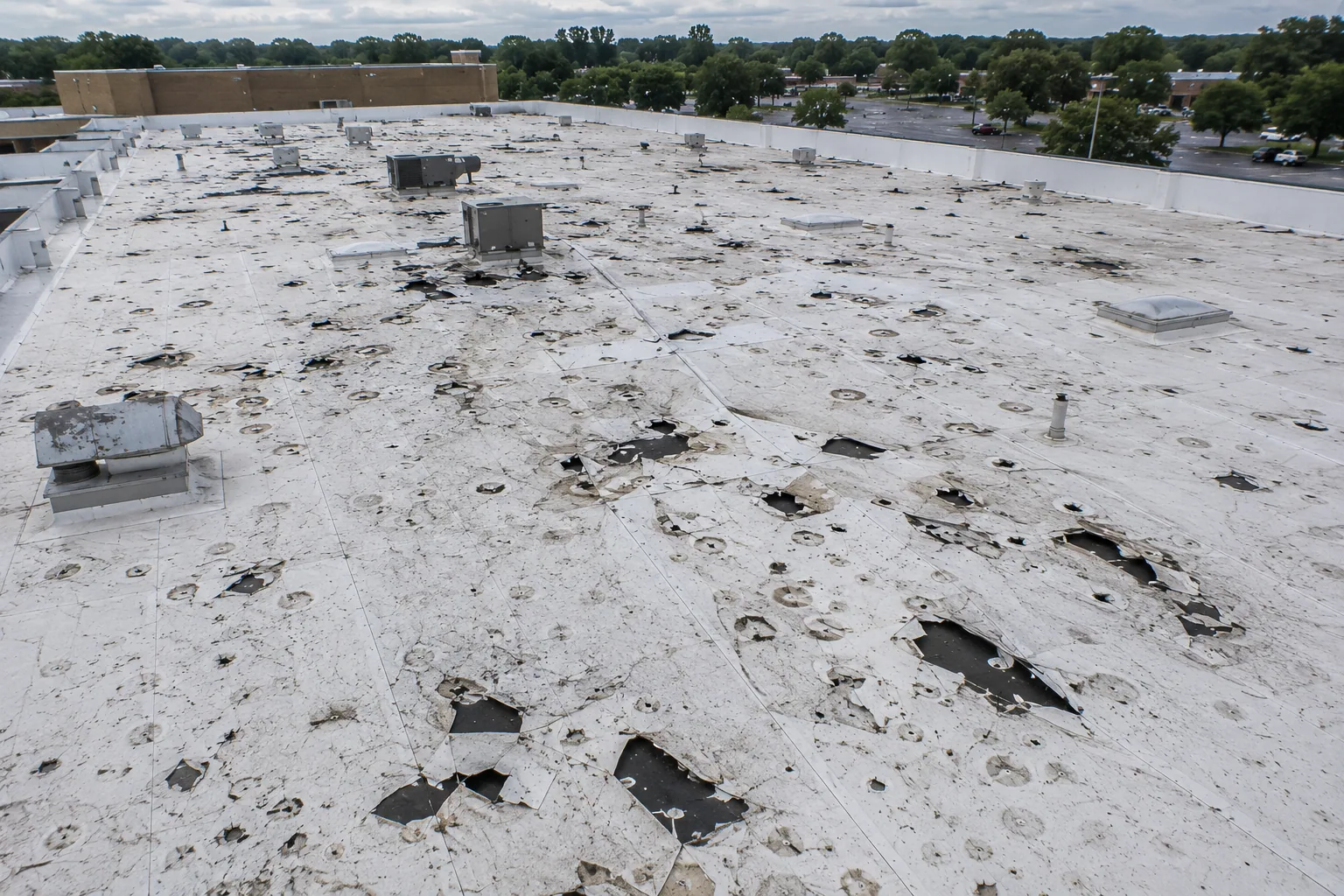
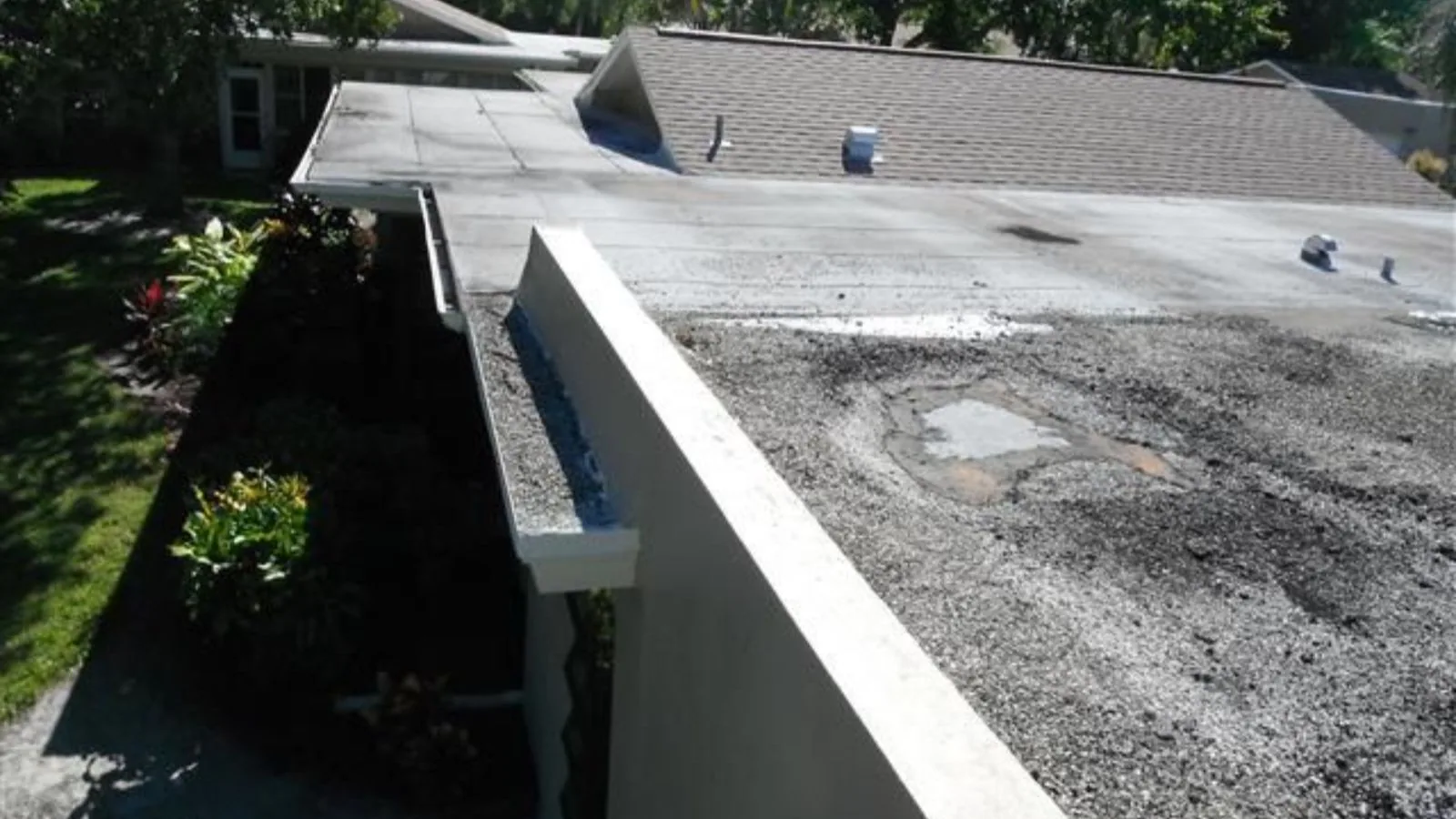
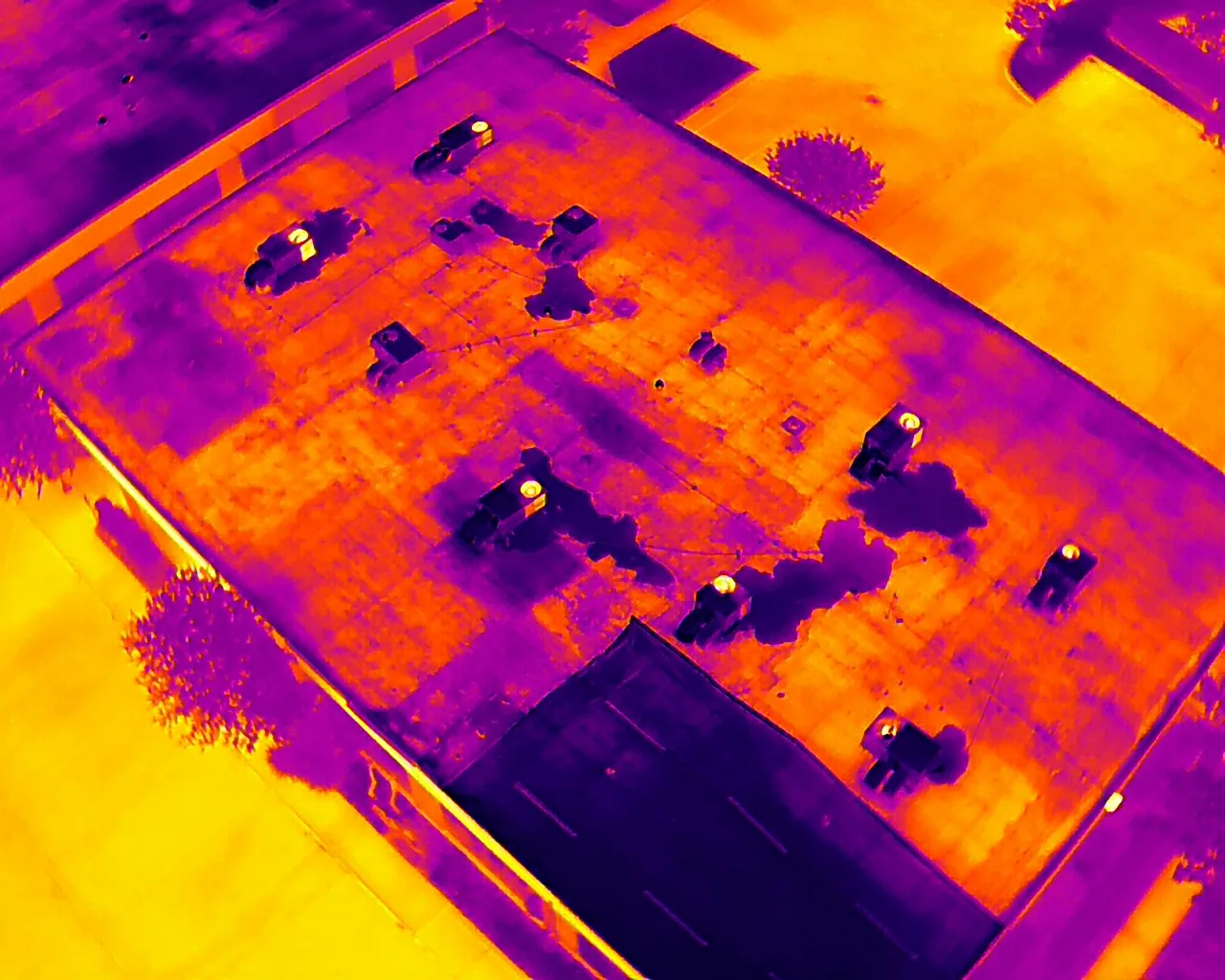
It asks where the water would go. We map every penetration, from conduit stubs to refrigerant lines to antenna mounts, and we note which ones sit above critical rooms and which sit above corridors. We check the drains and scuppers, since a roof that holds water over a server hall is a risk no matter how good the membrane is. An infrared moisture survey finds wet insulation before it becomes a leak, and a careful look at equipment curbs and supports finds the places where wear is already under way. We then rank the roof's areas by what lies beneath them, so the first dollar of repair goes above the equipment that matters most.
One membrane, two membranes or a built-up roof: which protects white space best?
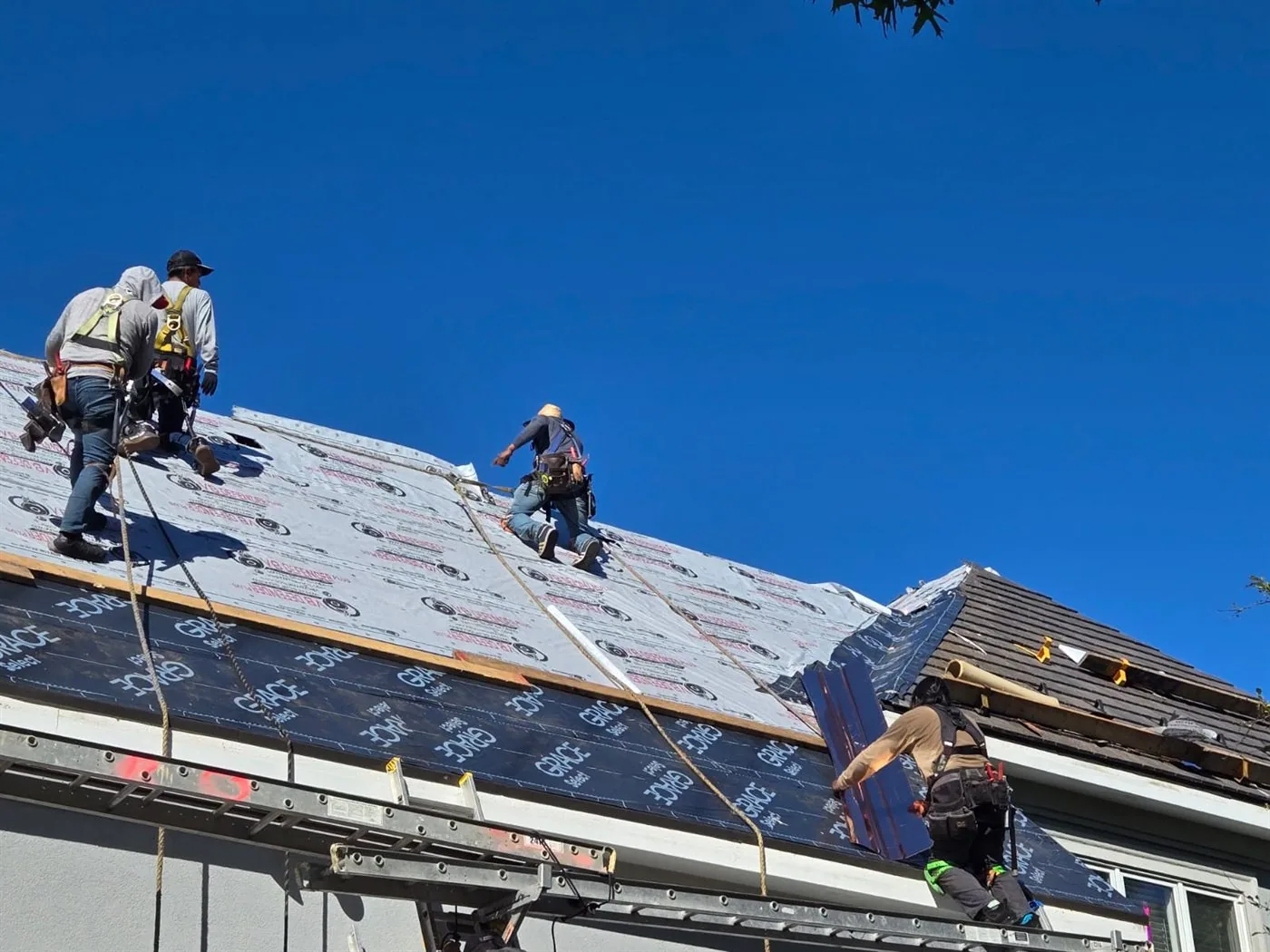
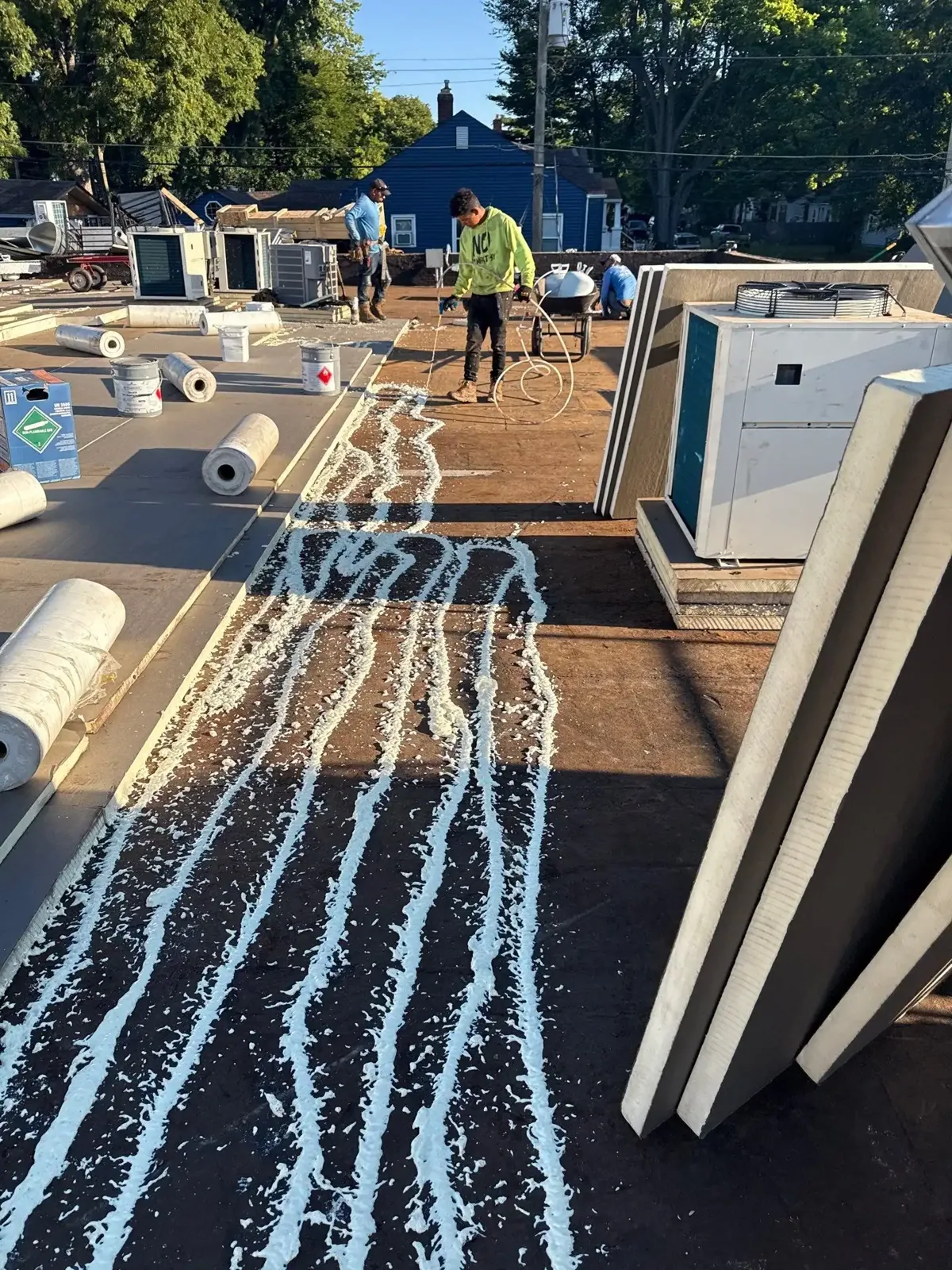
Redundancy is the usual answer. A built-up roof or a multi-ply modified bitumen assembly puts several layers of waterproofing between the weather and the deck, so one defect does not mean a leak. A single-ply sheet can work well over a lower-risk area, particularly where heat welding allows precise seam control. Some owners combine the two: a heavier system over the data hall and a lighter one over offices and loading areas. We compare the options by consequence rather than by price per square foot, because a layer that costs more in the roof is cheap next to the equipment it protects.
How is a reroof sequenced around uptime commitments?
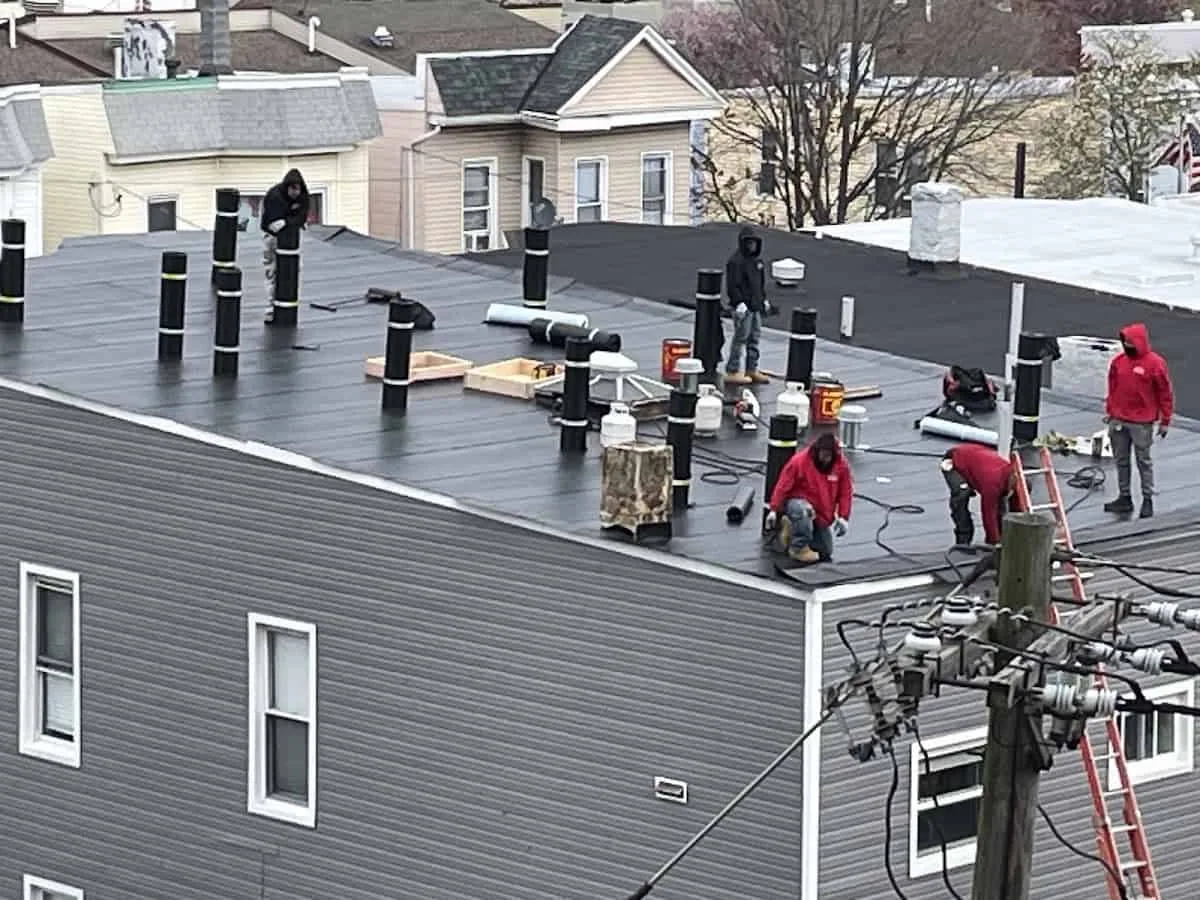
Uptime sets the rules, so we work to the operator's change windows. Roofs are opened in small areas, never above a live hall without an approved procedure, and a temporary roof or tarp is staged before demolition begins. Crane lifts of rooftop equipment are coordinated with the mechanical contractor and with the facility's change management, and the crew follows access control, escort and badge rules without exception. Hot work is limited and watched, with fire watch that continues after the crew leaves. Weather decides the pace within those limits, and we hold work rather than open a roof ahead of rain, which matters in Johnson City, where about 45 inches of precipitation falls in a year.
Which Tri-Cities weather events matter most to a critical-facilities roof?
Three stand out. Snow and ice, with about 15.6 inches of snow in an average year, load the roof and test the drains. Thunderstorm wind and rare tornadoes matter too: Washington County has recorded 10 tornadoes, three of them on April 27, 2011, so wind-borne debris is a real, if infrequent, concern. Flood-scale rain such as Hurricane Helene in September 2024 stresses every outlet on a roof at once. Johnson City's largest employers include Ballad Health, East Tennessee State University and AT&T Mobility, and any organization of that kind keeps its network equipment in a room under some roof. Owners near the Med-Tech corridor have a particular stake, because a hospital's data rooms and its hospital roof carry the same demand for continuity.
A conventional office has different uptime requirements, but its roof still needs the same documented access and dry-in planning used for office-building roofing.
Commercial Roofing Questions
What sets the right level of redundancy in a data center roof?
Uptime commitments set the standard, and the roof has to be priced against them. A facility that promises very high availability to its customers can justify a multi-layer assembly, a drainage design with overflow, and a tighter inspection cycle. A smaller server room serving one organization may be well served by a sound single-ply roof with attentive maintenance.
Can a leak detection system on the roof replace inspection?
Sensors tell you that water is present and roughly where, which is useful, but they cannot show why. A grid of moisture probes under the membrane flags an event earlier than a person would notice it, and the repair still depends on someone tracing the cause on the surface. We treat detection as a supplement to scheduled preventive maintenance, never a replacement for it.
How do rooftop chillers and generators get moved for a reroof?
Mechanical and electrical contractors lead the disconnection and the crane plan, and we build the roof schedule around their windows. Some units can be raised on temporary stands while the membrane is installed beneath them, others are lifted off and reset on new curbs. Decisions like these should be made during design, with the equipment owner at the table, not on the day of the lift.
Who should be allowed to walk the roof after it is finished?
Only people with a reason, and only on marked paths. Technicians servicing equipment cause a large share of membrane damage, so walkway pads along the routes they use, a sign-in sheet at the roof hatch and a quick photo record after each service visit all help. A puncture found the same week costs a small patch; one found a season later can mean wet insulation.
What makes an emergency tarp work over a critical room?
Speed and secure attachment are the keys. A tarp must be ballasted or fastened to a part of the roof that will hold, drained away from the opening and checked after every rain. We can place one quickly through emergency roof repair, then plan the permanent fix on the owner's schedule instead of the storm's.
Related Roofing Pages
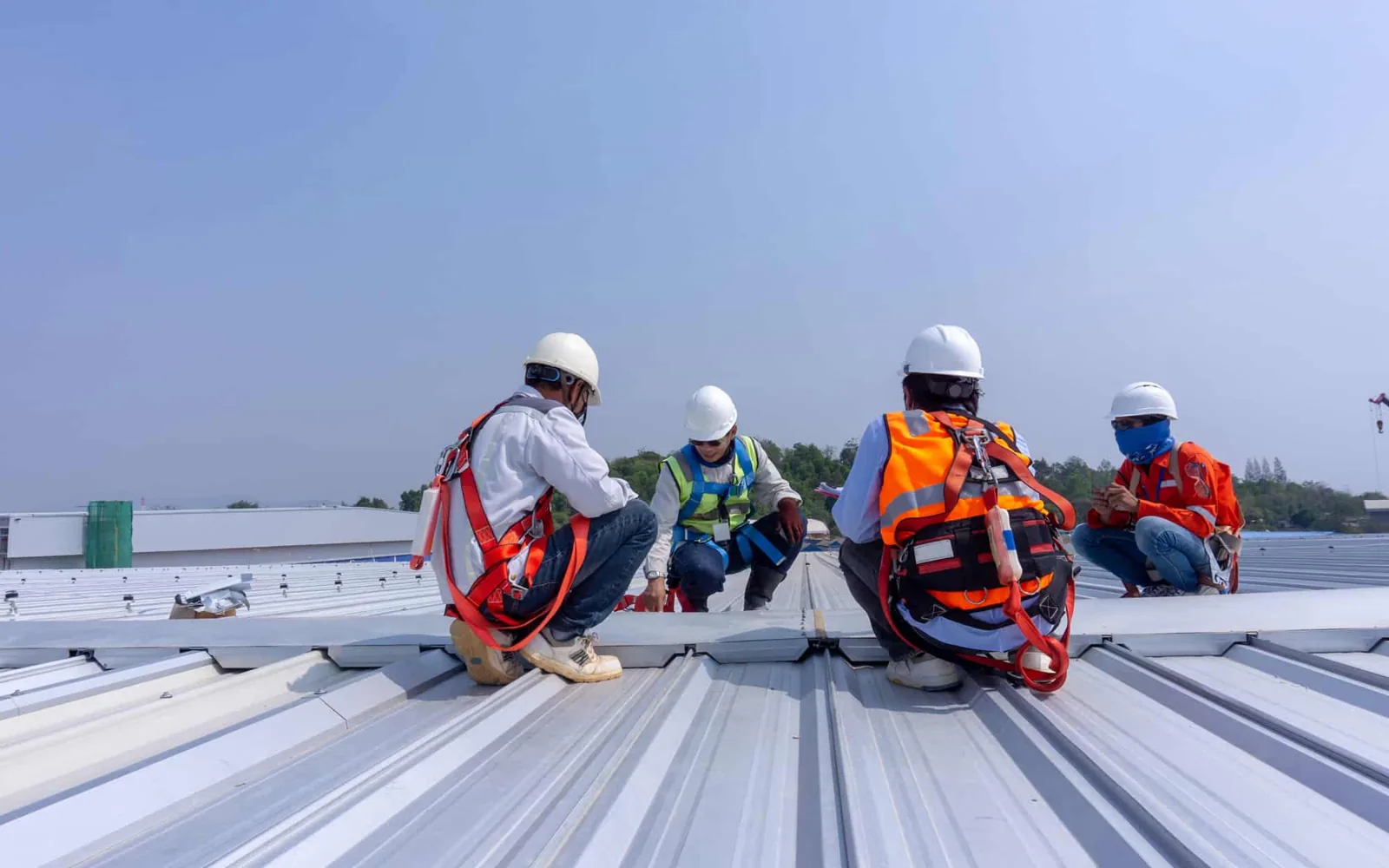
Infrared and Core-Cut Moisture Surveys
How the work is scoped, phased and documented on Tri-Cities roofs.
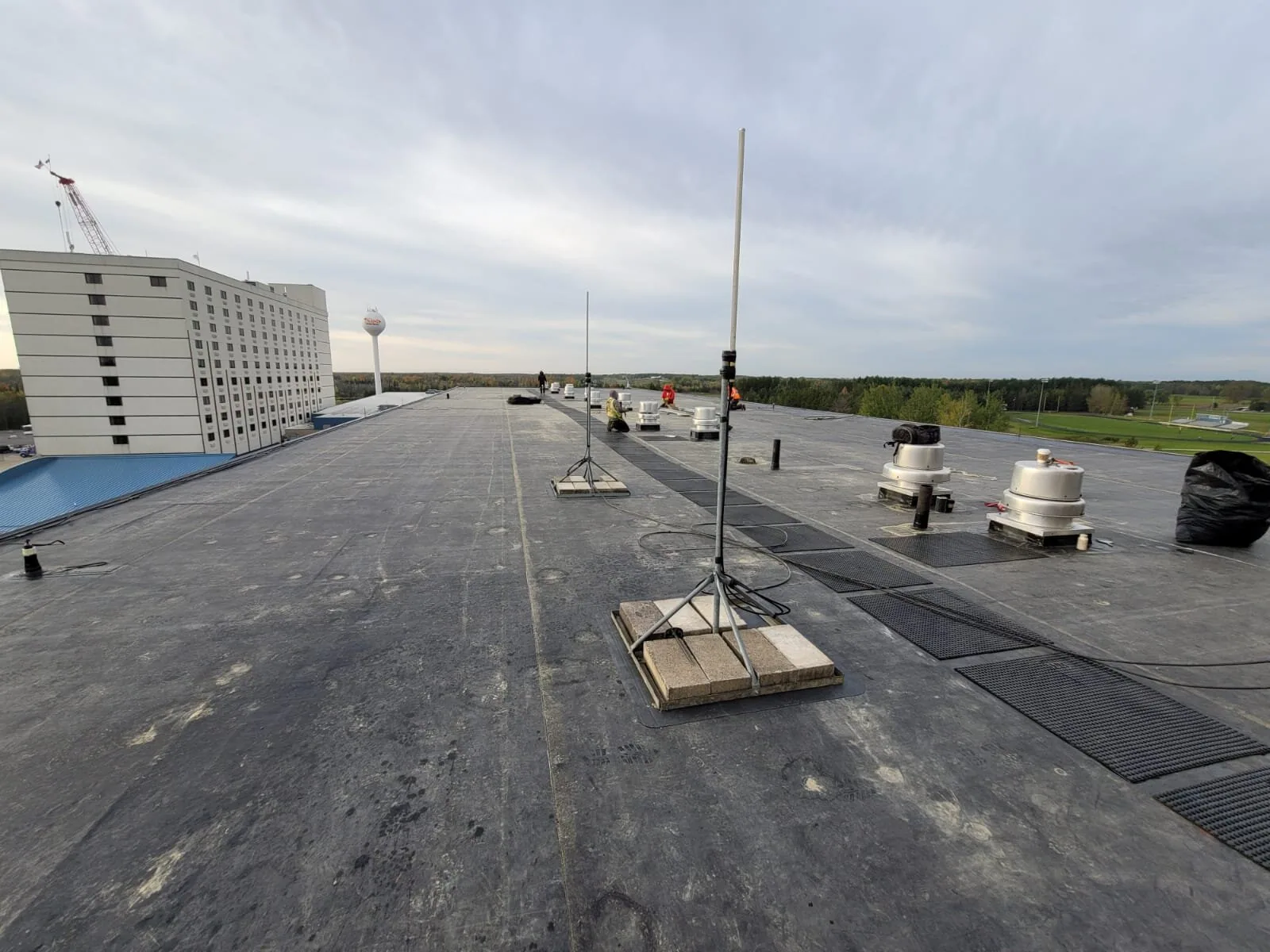
Rooftop Equipment Curbs and Supports
What we check, what we recommend and how the crew keeps the building running.
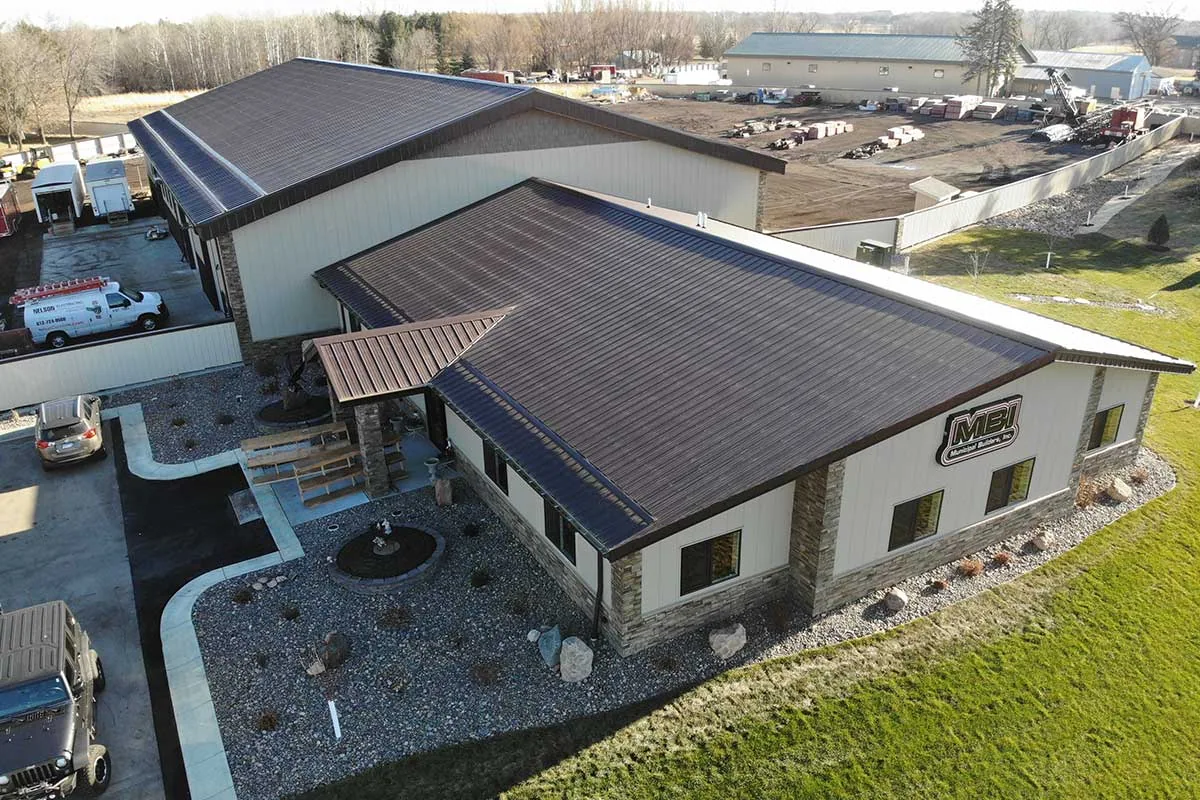
Built-Up Roofing (BUR)
Conditions, options and next steps for commercial buildings in East Tennessee.