
Roofing for Logistics and 3PL Operators in Johnson City, TN
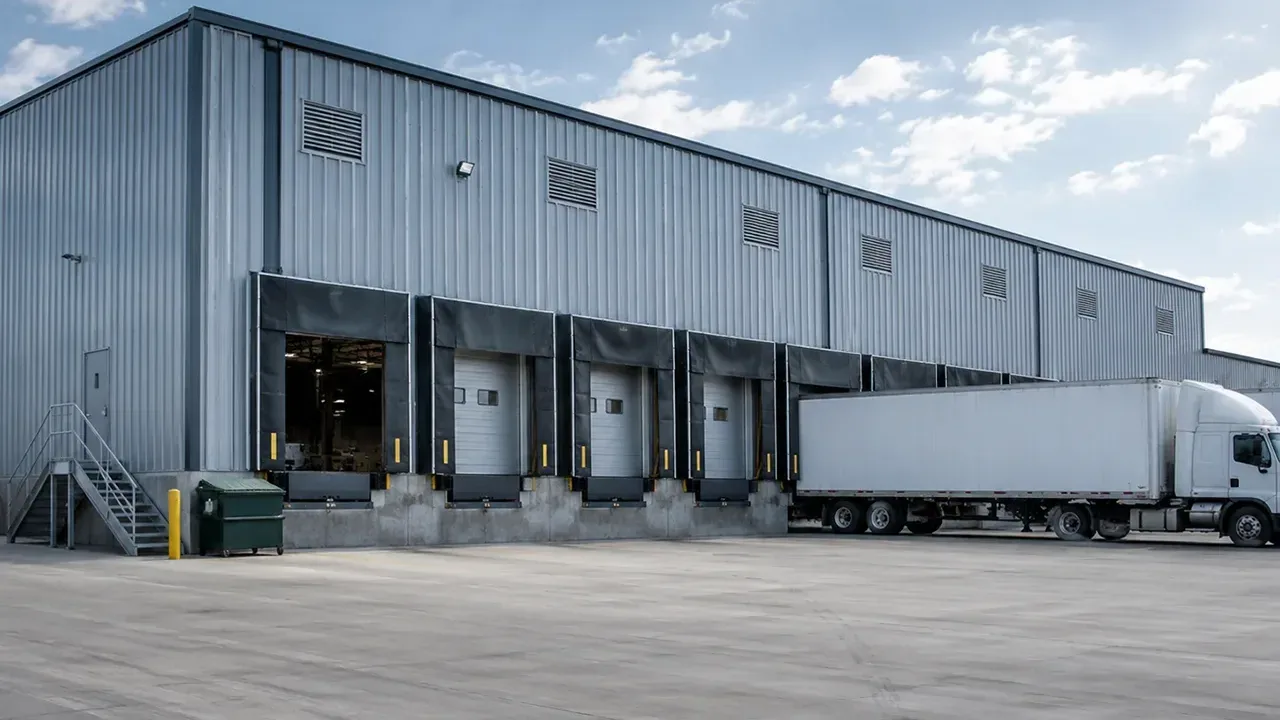
Open a dock door in January and the cold does not stay in the trailer. It rolls across the slab and rises, chilling the underside of the roof deck near the dock wall while the rest of the building stays warm. Humid air from inside meets that cold steel and drops its moisture as condensation, which rusts the deck from below and wets the insulation in a strip that follows the dock line. In Johnson City, TN, with nights near 25F through the cold months and snow totals around 15.6 inches a year, that strip is the first place we expect moisture in a distribution building. For an operator, the drip that finally lands on staged pallets arrives in the same weeks that nobody can spare a bay, and the repair is priced in lost throughput long before it is priced in materials.
What should a roof survey tell an operator that a landlord report leaves out?
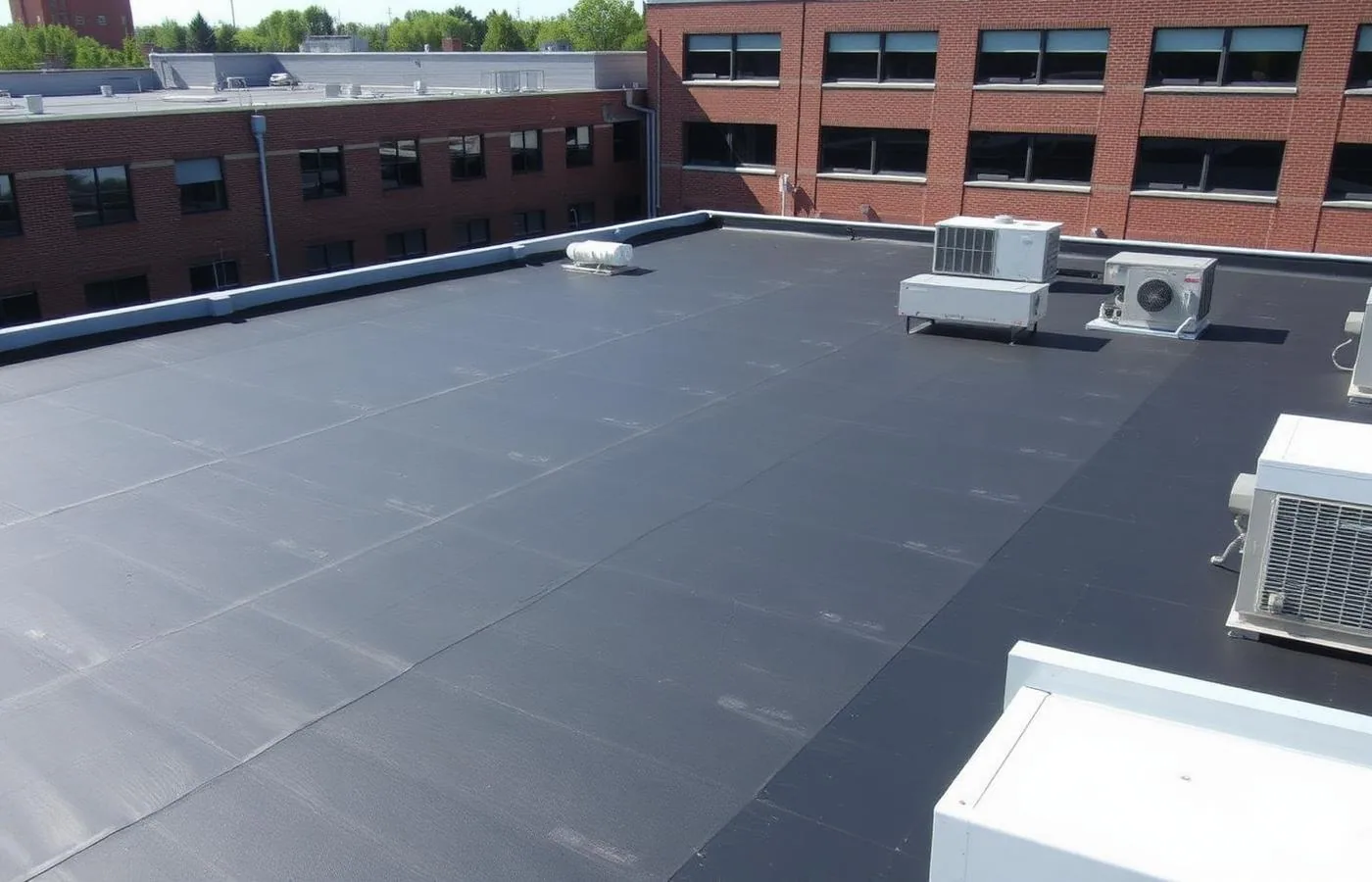
A landlord reports on the roof as an asset. An operator needs it as a working surface over inventory, so we add what affects operations: where the drains and overflows are in relation to racking, which bays sit under the weakest seams, how the sprinkler and lighting loads hang from the structure, and where foot traffic from service technicians is wearing the membrane. Each finding is tied to a photograph and a location so it can be read against the warehouse floor plan. The roof condition report then works two ways: as a basis for repair priorities inside the building and as a dated record of the roof's condition at the time the operator moved in, which becomes valuable if a lease dispute ever turns on what was already there. Where the operator ships for a manufacturing customer, the same record shows the customer how its parts and finished goods are protected overhead.
Know the roof over your stock before the next peak
Call Commercial Roofing Johnson City to schedule a walk of your distribution roofs. You will receive moisture findings, a dock-zone map and a repair sequence you can put in front of the building owner before any capital is committed.
What does one leak cost during peak season?
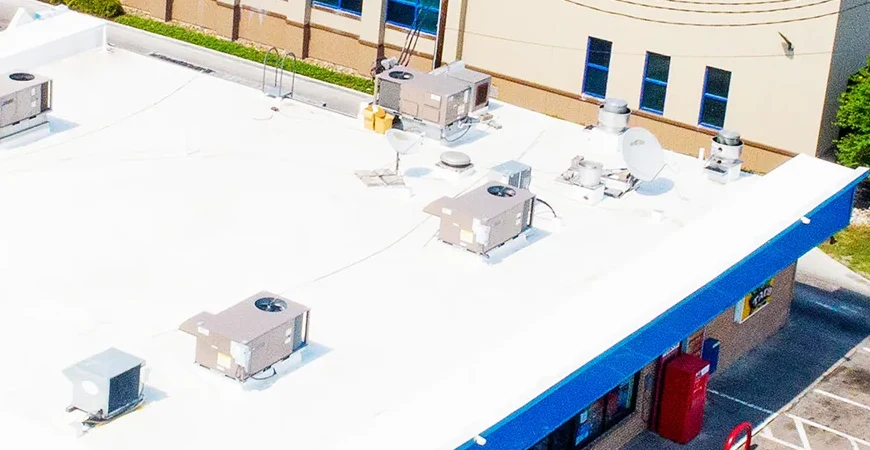
The roof repair is the small number. A leak above racking reaches product through sprinkler pipes and hanger rods as readily as through the open bay, and the damaged goods belong to someone else, which turns a maintenance item into a claim and, in a contract-logistics relationship, into a conversation about service levels. A closed aisle slows picking, a closed dock backs up trailers, and a rushed repair in the weeks of heaviest volume costs more than one planned in the quiet season. Moisture also keeps spreading through the insulation while the operator works around it, so the wet area is larger by the time the roof is finally opened. Spotting the wet strip over a dock line in autumn, with a moisture survey, costs far less than responding to it in December.
Which party carries the roof when the building is leased?
Lease language answers that, and it varies, so we do not interpret it; we make sure its terms can be applied to the facts. A common arrangement leaves structural and replacement items with the landlord and routine maintenance with the tenant, and the real argument starts when a repair crosses between the two. Our reports separate defects that come from age, from a single event or from tenant activity such as added equipment, and each repair is priced on its own. An operator can then submit a request to the landlord, or to the investment owner behind it, with a scope that is difficult to dispute. Where the lease is short, a restoration coating or targeted repairs may serve the term better than a replacement the operator will not live long enough to use.
How does roof work avoid the weeks an operator cannot give up?
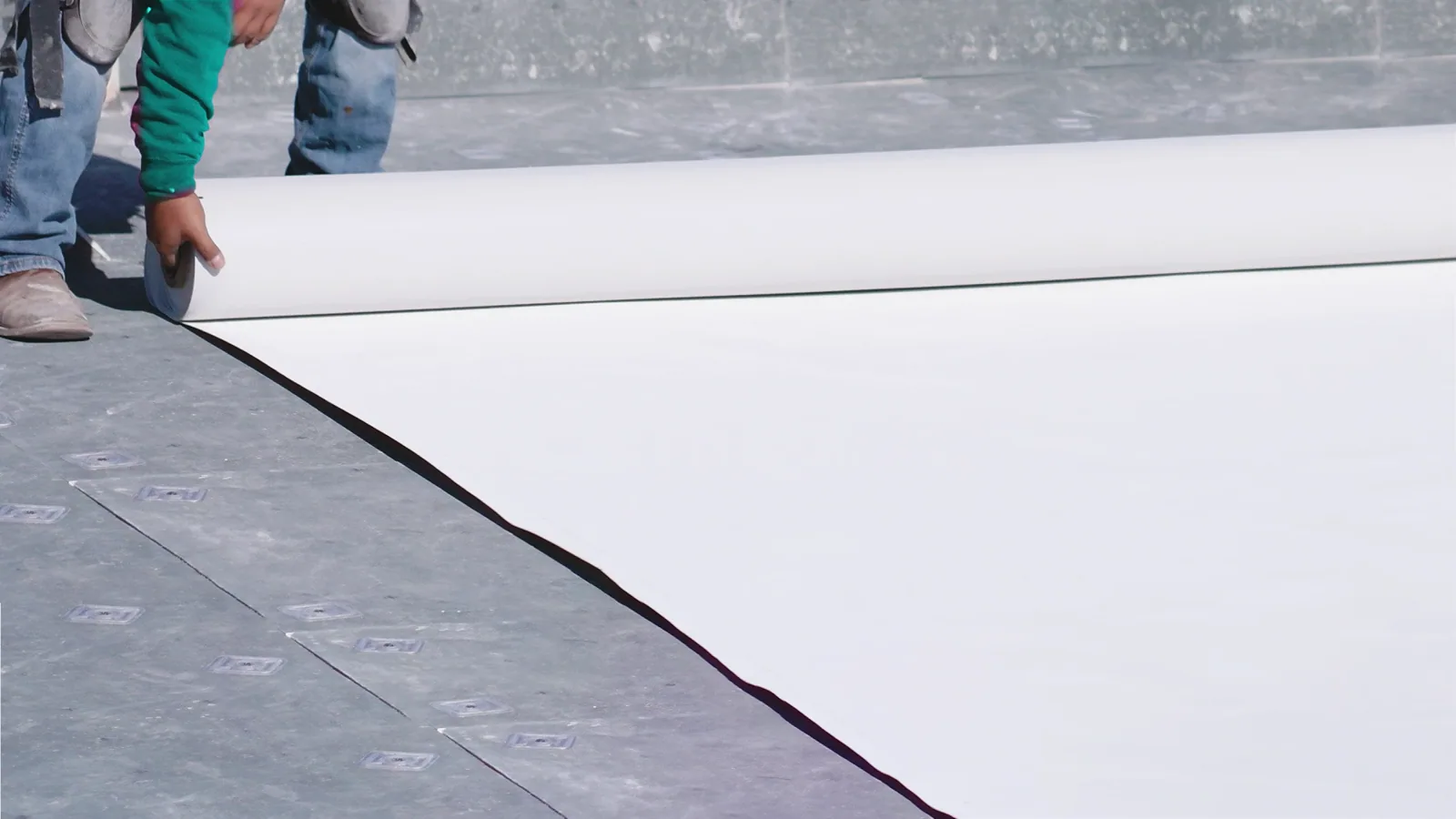
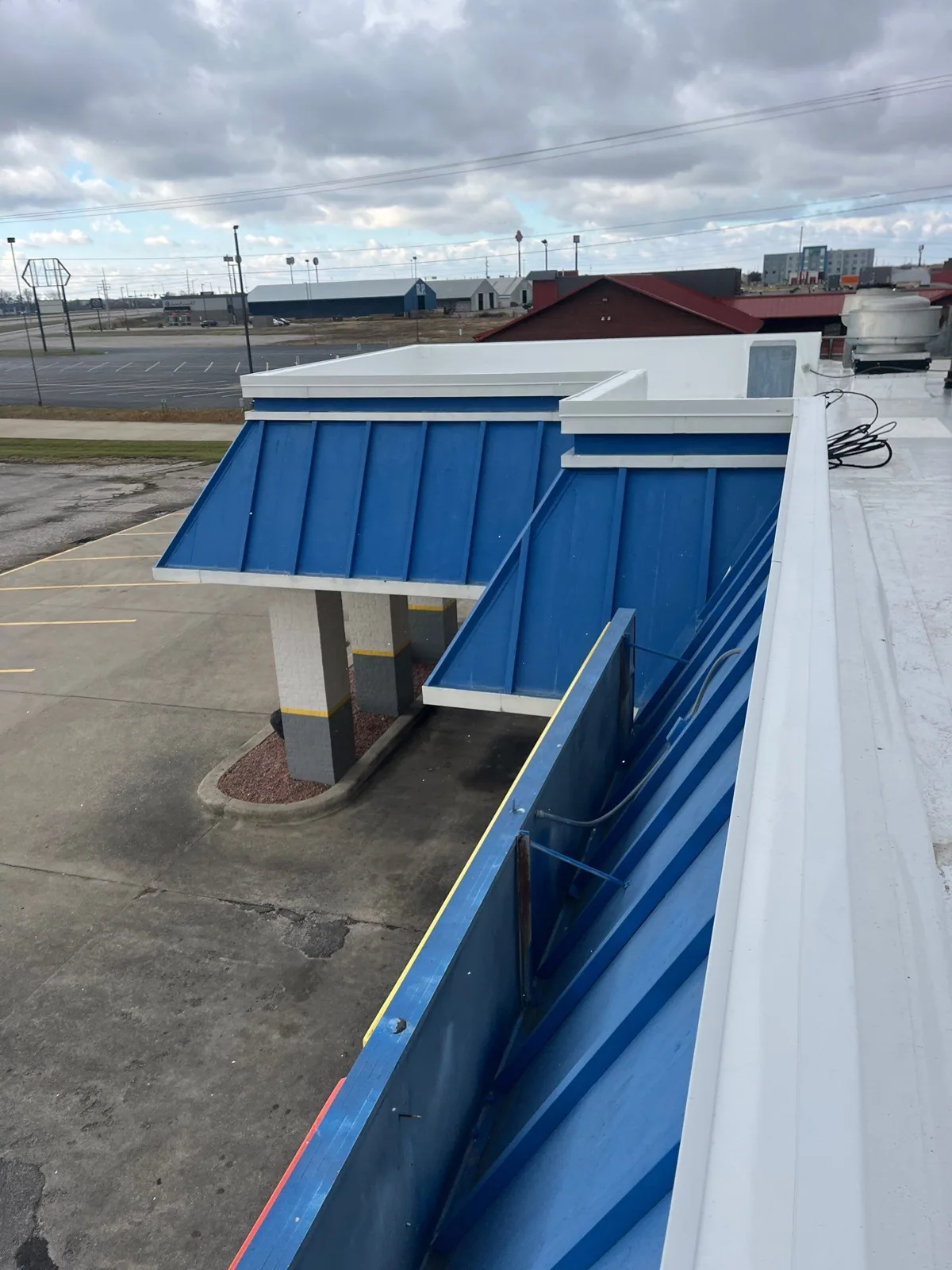
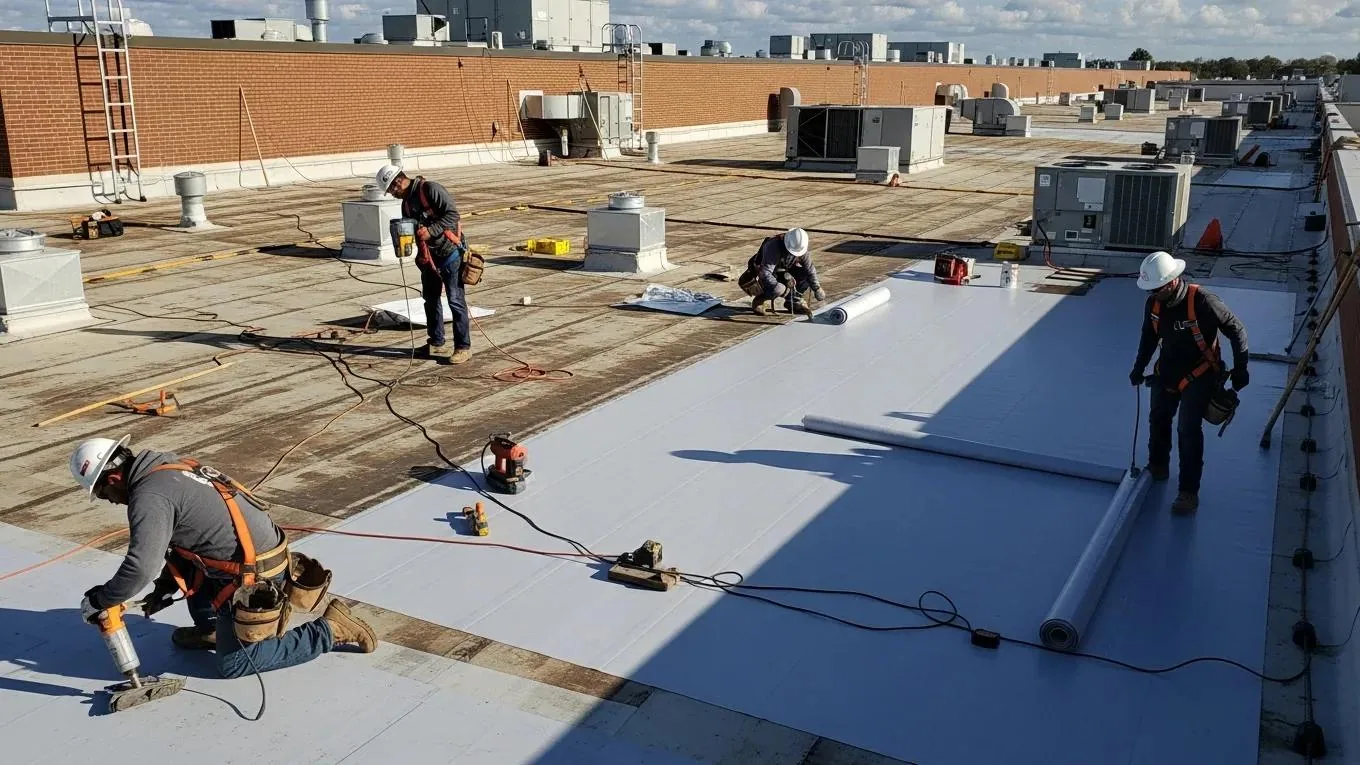
By starting with the operator's calendar of volume, not ours. Peak season, inventory counts and customer start-ups are marked first, and the roof is divided into dock zones that can be closed one at a time. Material is staged away from dock aprons and trailer lanes, fall protection is set up along the dock edge before anyone steps on the roof, and each day's work ends with the open area made watertight. Adhesive and weld work needs dry surfaces and workable temperatures, so in the Tri-Cities the easier months run from late spring into early autumn, leaving the winter for repairs and for the mechanically attached systems that tolerate cold. A planned phase takes more days on paper but fewer hours from the dock.
What do the I-26 and I-81 corridors ask of distribution roofs?
Interstate 26 and Interstate 81 meet just outside Gray, and the surface network of US 11E, 19W, 23 and 321 carries traffic through Johnson City alongside I-26, so trucks have more than one way in. Hurricane Helene in September 2024 closed I-26 when the flooded Nolichucky River destroyed part of the bridges at Erwin, and all lanes were not restored until August 2025. When routes fail, product sits in the building longer, and a leak over stock costs more than the repair bill suggests. Along US 11E in Greene County, Mosheim counts a Walmart distribution center and Brenntag Mid-South among its major employers. Johnson City itself began as the railroad hub Johnson's Depot, and Norfolk Southern still runs through the area. Mountain areas receive considerably more winter precipitation than the valley, and Mountain City sits at 2,418 feet, so an operator with a site there should plan for a heavier snow load on the roof.
Commercial Roofing Questions
What should an operator record about the roof before signing a lease?
The condition on the day of occupancy, in writing and with photographs. That means the membrane type, seam and flashing state, drain locations, any visible ponding or patching, and a moisture reading if the landlord permits one. A baseline of that kind lets both parties agree later on which defects were present at the start, and it protects the operator from being charged for wear that predates the lease.
Does cold storage change what a logistics roof needs?
Substantially, because the direction of vapor drive reverses. In a conditioned warehouse, moist air moves upward toward a cold deck in winter, while in a freezer or cooler the cold interior pulls moisture down from the warm summer side of the roof. The vapor retarder, insulation thickness and sealing at penetrations all have to suit that reversal, which is why a cold storage roof is designed for that reversal before an operator commits to a layout change.
How are new sprinkler lines and racking changes handled on the roof side?
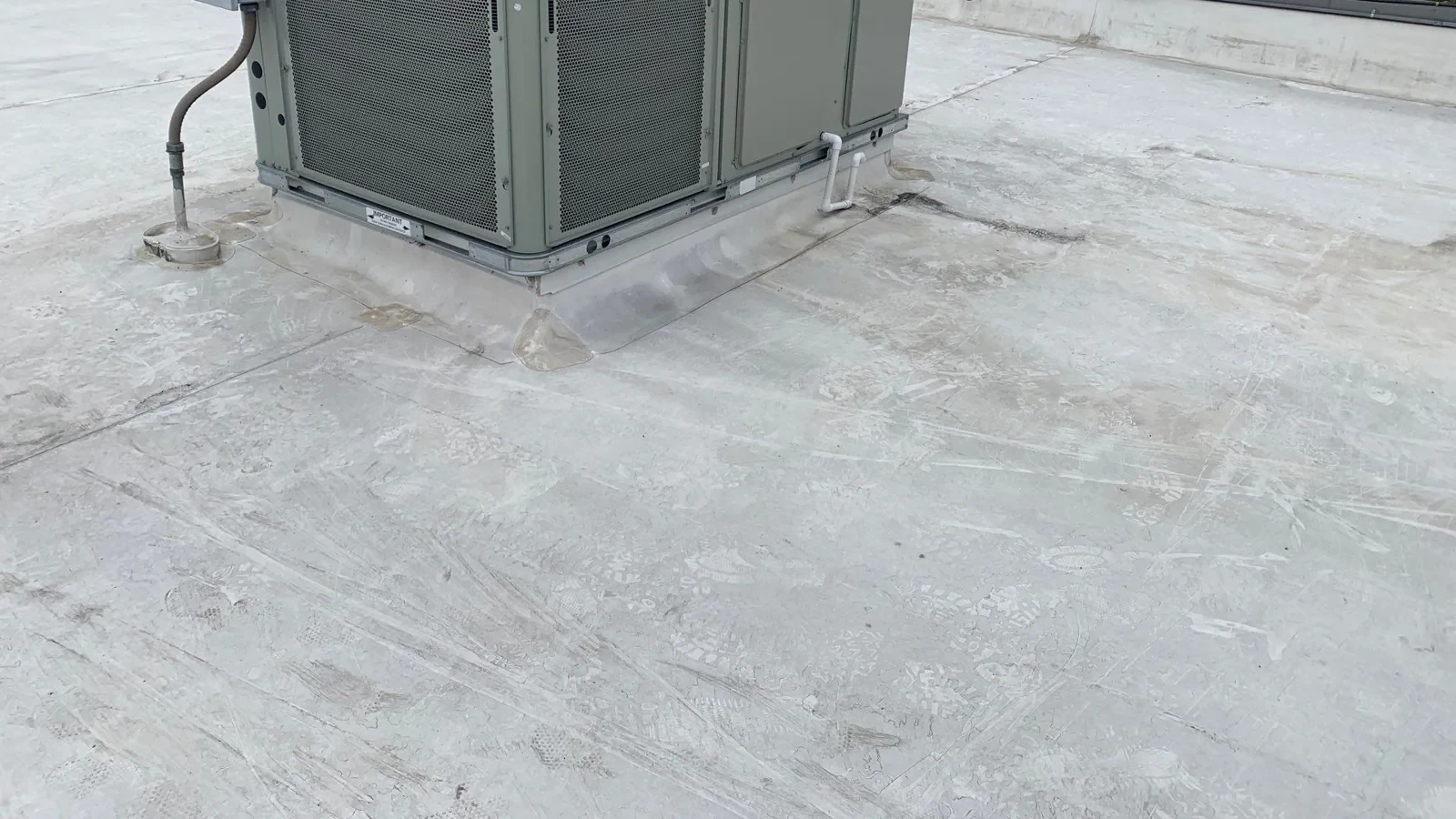
A change to the sprinkler system, the lighting or the rack layout can add load to the structure and new penetrations to the roof. We review the proposed changes before they are built, flag where a penetration should be flashed to the membrane's own details, and record the locations on the roof map. That prevents the common outcome in which a mechanical contractor cuts through the sheet and leaves the seal to chance.
What does an emergency repair above a loading dock involve?
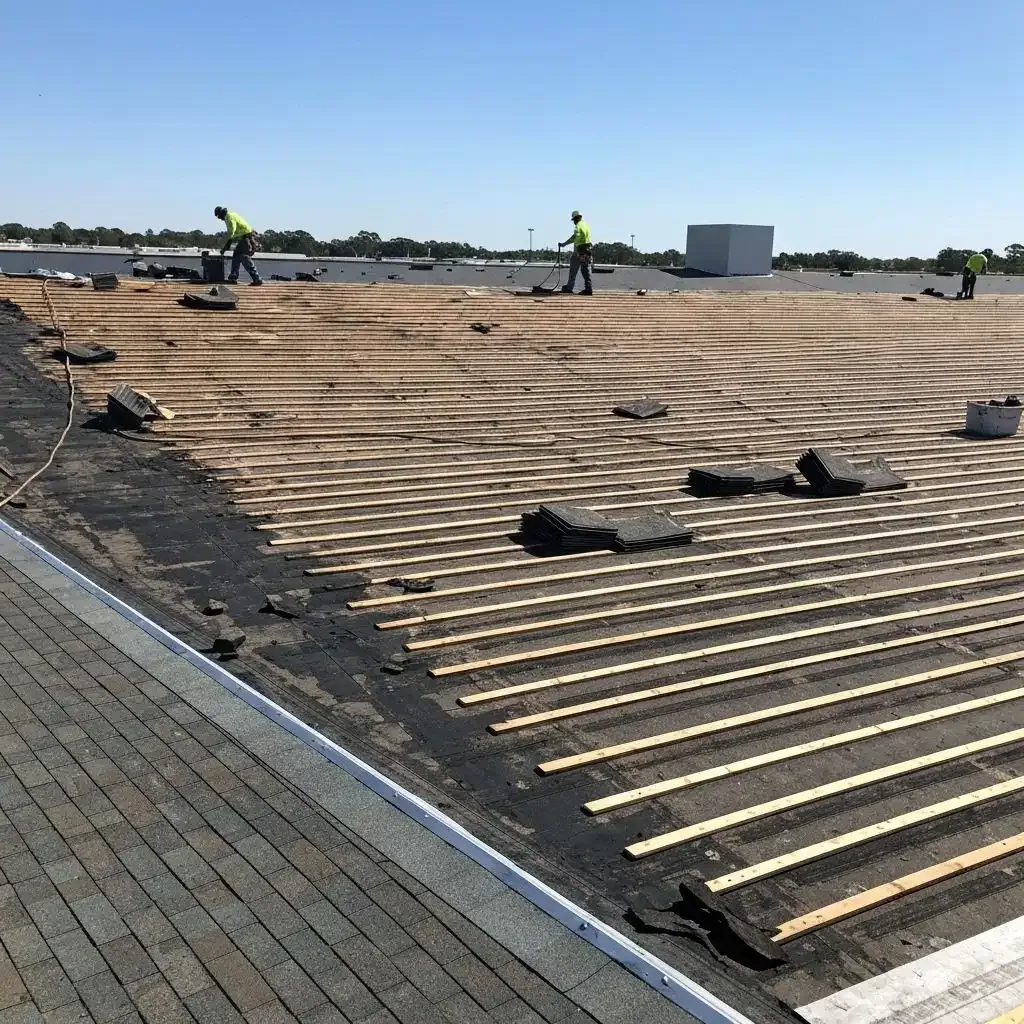
A crew places a temporary seal over the opening, such as a membrane patch or a layer of tarp secured to the structure, and protects the area below before they leave. The seal buys time for a proper emergency roof repair, which can be completed once the surface is dry and the extent of the wet insulation is known. Fall protection at the dock edge and traffic control for trailers are part of the first visit.
How can a roof plan work when a customer contract may end in a few years?
By matching the intervention to the shorter horizon. If the insulation is dry, a coating or a targeted repair program can carry the building through the contract term at a fraction of the cost of replacement, and the savings remain with the operator. If it is wet, the cheaper course may be to document the condition and ask the owner to fund replacement, since the operator would otherwise pay to improve an asset it does not hold.
Related Roofing Pages
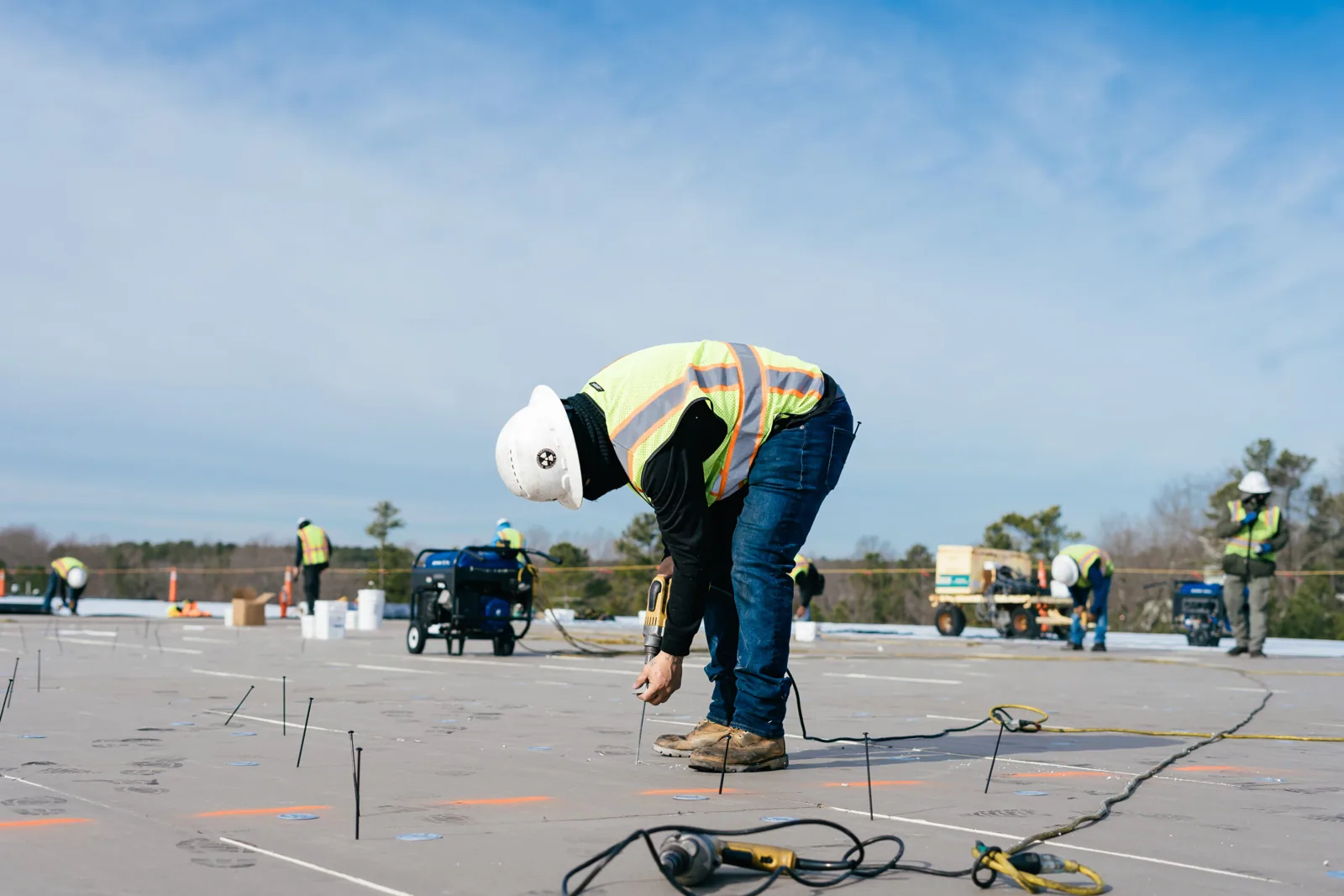
Roof Condition Reports
How the work is scoped, phased and documented on Tri-Cities roofs.
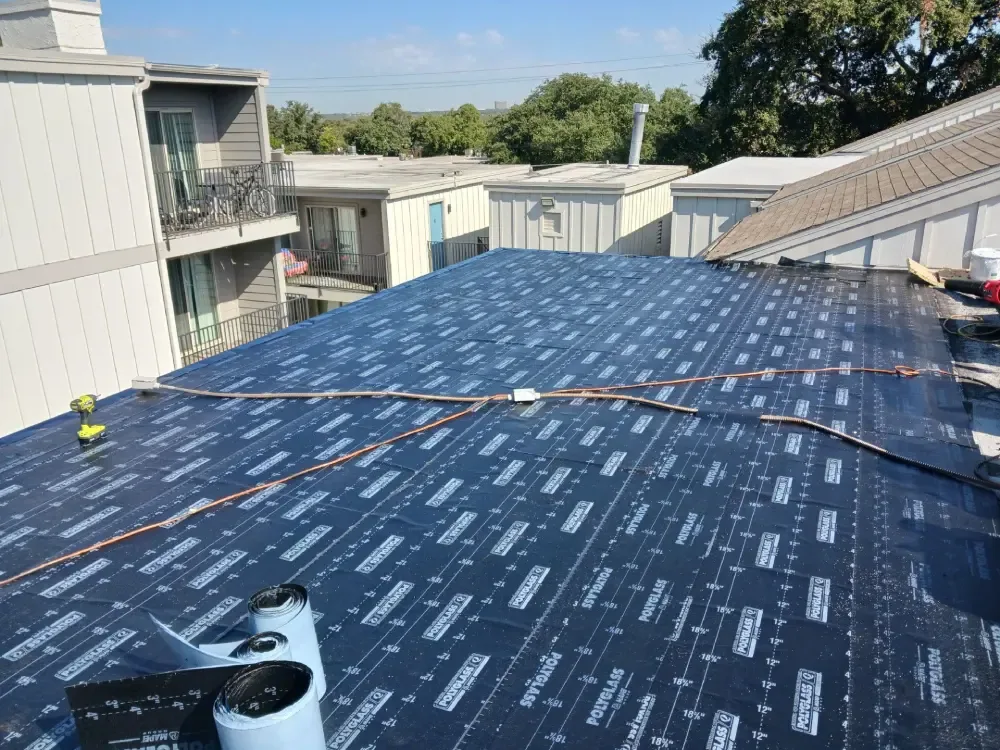
Manufacturing Companies
What we check, what we recommend and how the crew keeps the building running.
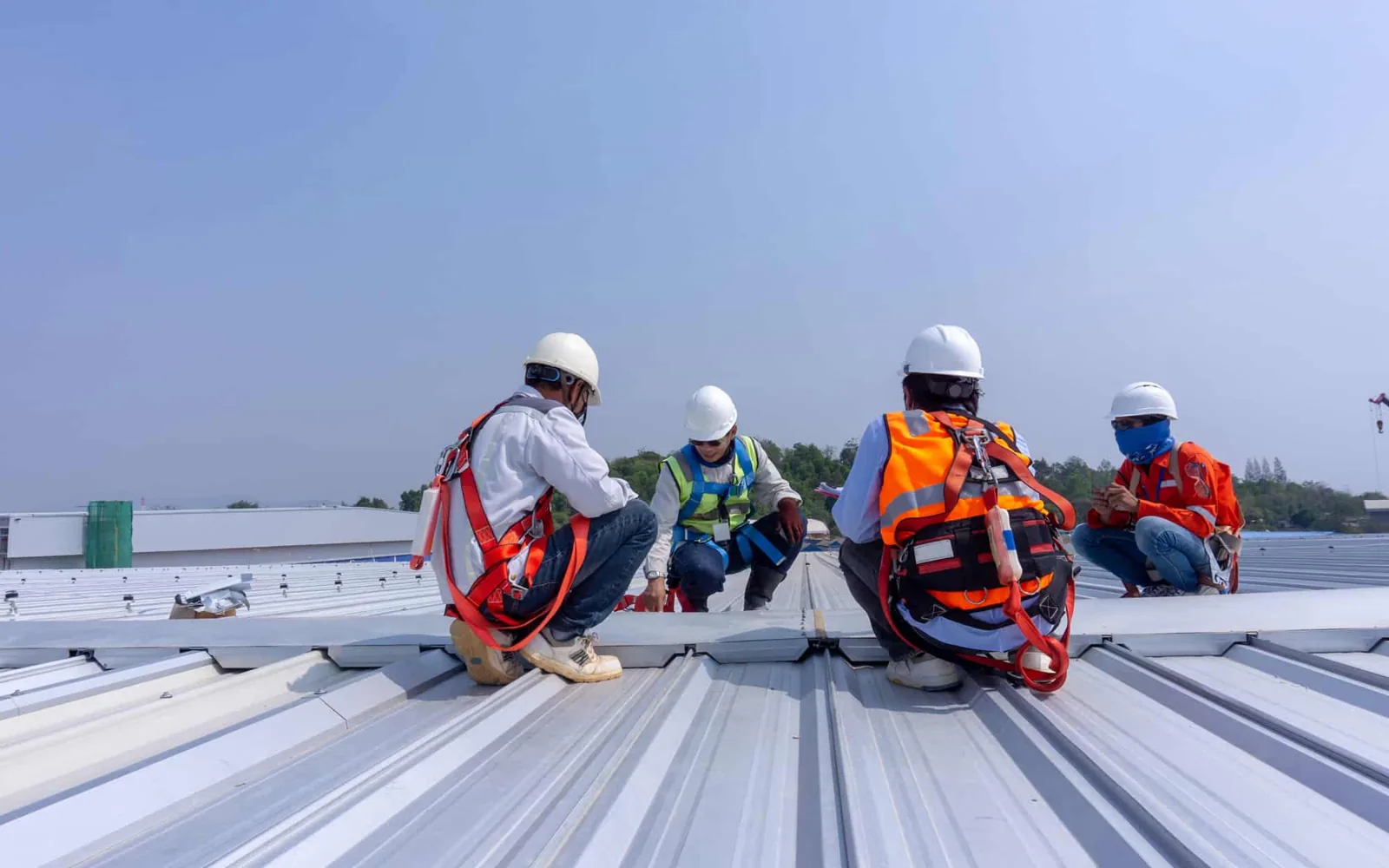
Infrared and Core-Cut Moisture Surveys
Conditions, options and next steps for commercial buildings in East Tennessee.