
Commercial Roofing in Downtown Johnson City, TN
A storefront building heated for customers all winter pushes warm, damp air up toward its roof, and wherever that air meets insulation or a deck chilled by a night near 25 degrees it turns back into water that never fell from the sky. Johnson City, TN averages winter lows around that mark, so the cycle repeats for months, wetting the underside of the assembly while the surface looks dry from the sidewalk. The cost arrives slowly: insulation that no longer resists heat flow, fasteners that rust through, and a stain on a tenant's ceiling that starts a conversation about rent. Downtown Johnson City pairs a historic commercial core with active retail, and slow wetting under the roofs of the older masonry buildings there is easy to miss and cheap to catch. We start with where the moisture sits, then work out whether the sensible capital move is a repair, a recover or a replacement.
What does an older masonry commercial core ask of its roofs?
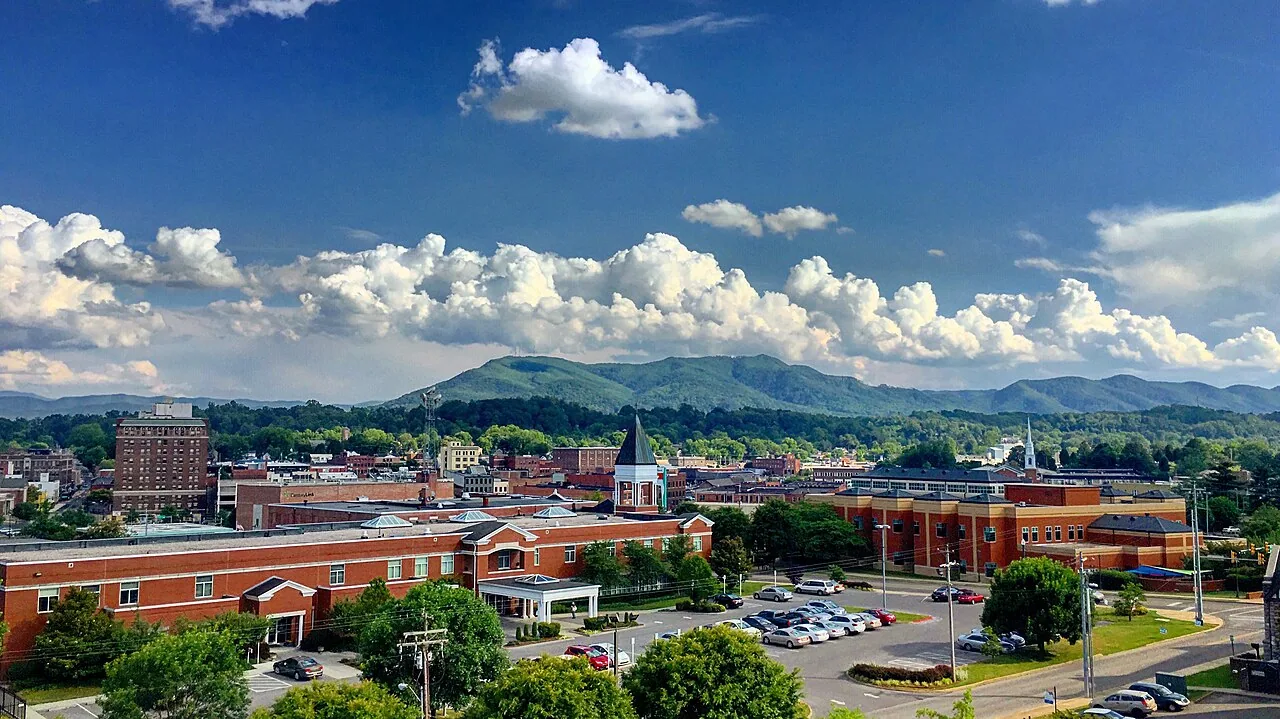
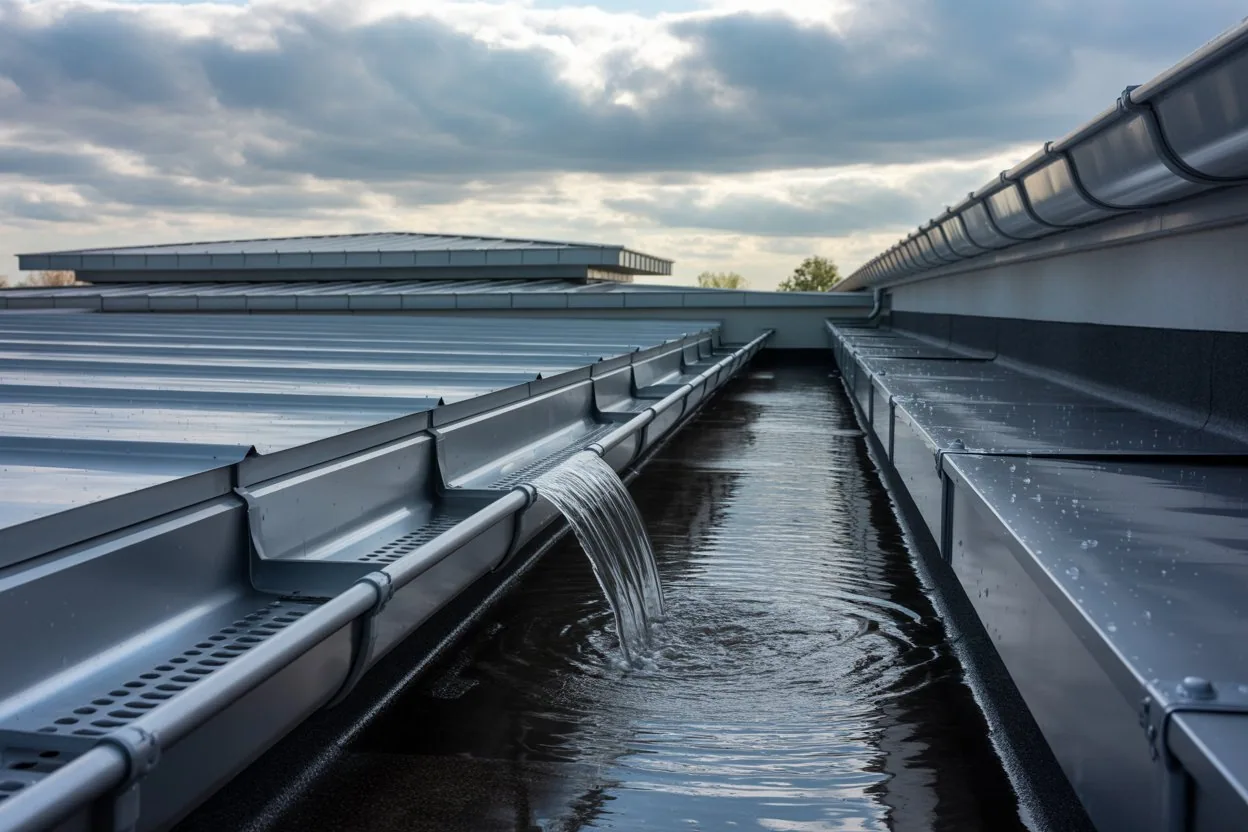
It asks first for sound joints where roof meets wall. Brick and mortar hold water and release it slowly, so wherever a membrane turns up a masonry wall, whether that wall rises as a parapet or stands as a side wall, the flashing at that joint takes the full swing of thermal cycling while the mortar behind it absorbs whatever escapes. Johnson City grew from the railroad hub once called Johnson's Depot, served by the Tweetsie and Clinchfield lines, with Norfolk Southern still running through the area, and a downtown that grew over time is a poor candidate for assumptions. We read each roof for its own layers and its own repairs rather than treating a block as one age. Founders Park with its farmer's market pavilion and the Tweetsie Trail are downtown public assets, and wherever people gather on foot, a loose cap or a sagging piece of edge metal and coping deserves attention before it comes down on its own.
Gather the condition data before committing capital
Call Commercial Roofing Johnson City to arrange a walk of your downtown roof. You will receive photographs, moisture findings and a ranked scope that you can weigh against next year's budget.
What do we check on a first walk across a downtown roof?
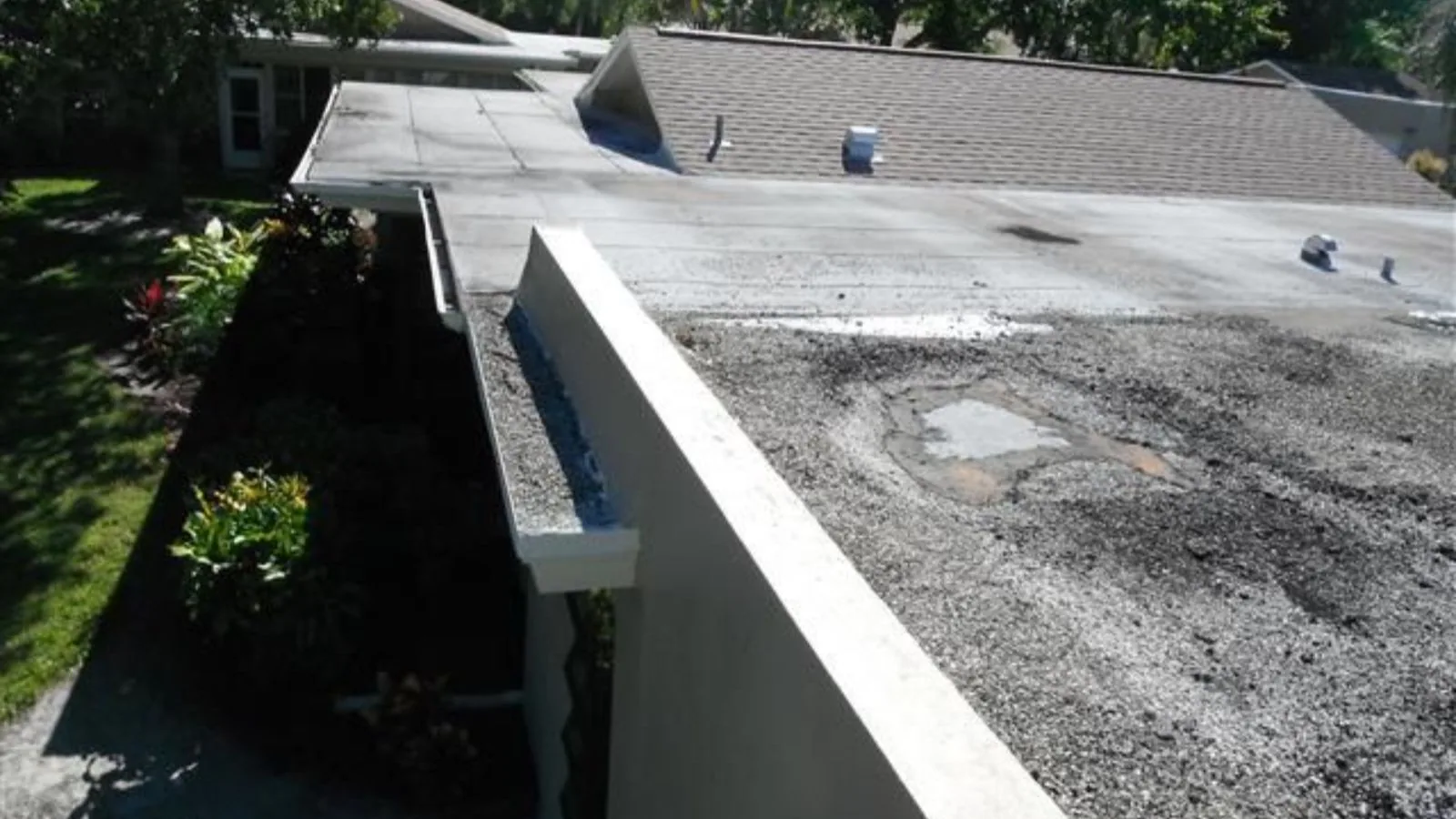
We begin at the walls, because on an older masonry building the roof edge is where water most often finds its way in. We look at cap joints and the sealant and mortar where membrane meets brick, then at scuppers and drains, since an outlet blocked with debris leaves water standing against a wall for days. Across the field we press on seams and old patches, look for blisters and ridges that suggest trapped moisture, and mark every vent, exhaust and rooftop unit that interrupts the membrane. Where the surface leaves a question, an infrared moisture survey maps wet insulation without cutting the roof, and a few core samples confirm what layers are underneath. A hands-on commercial roof inspection ends in a written report with photographs and a ranked list, so the owner can see which items belong to this year and which can wait.
Repair, recover or replace: how does an owner choose on an older storefront building?
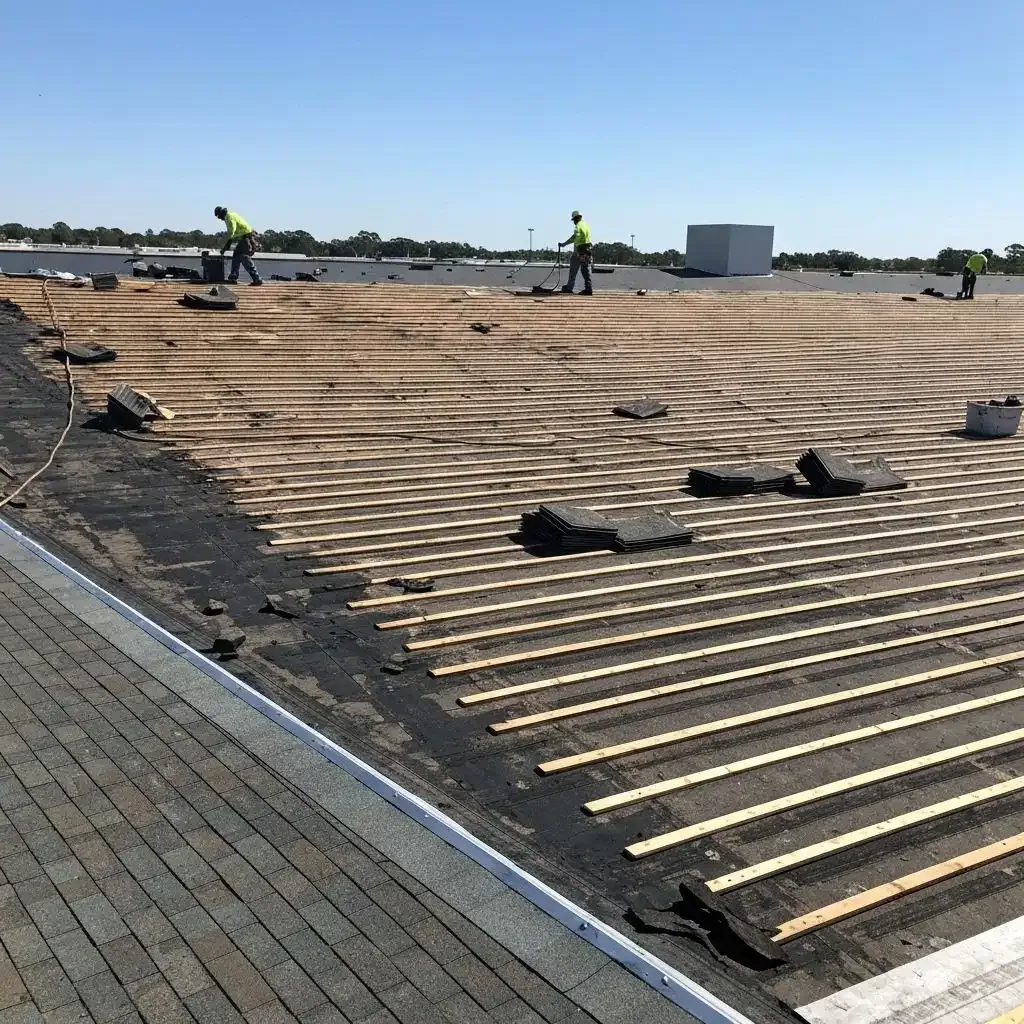
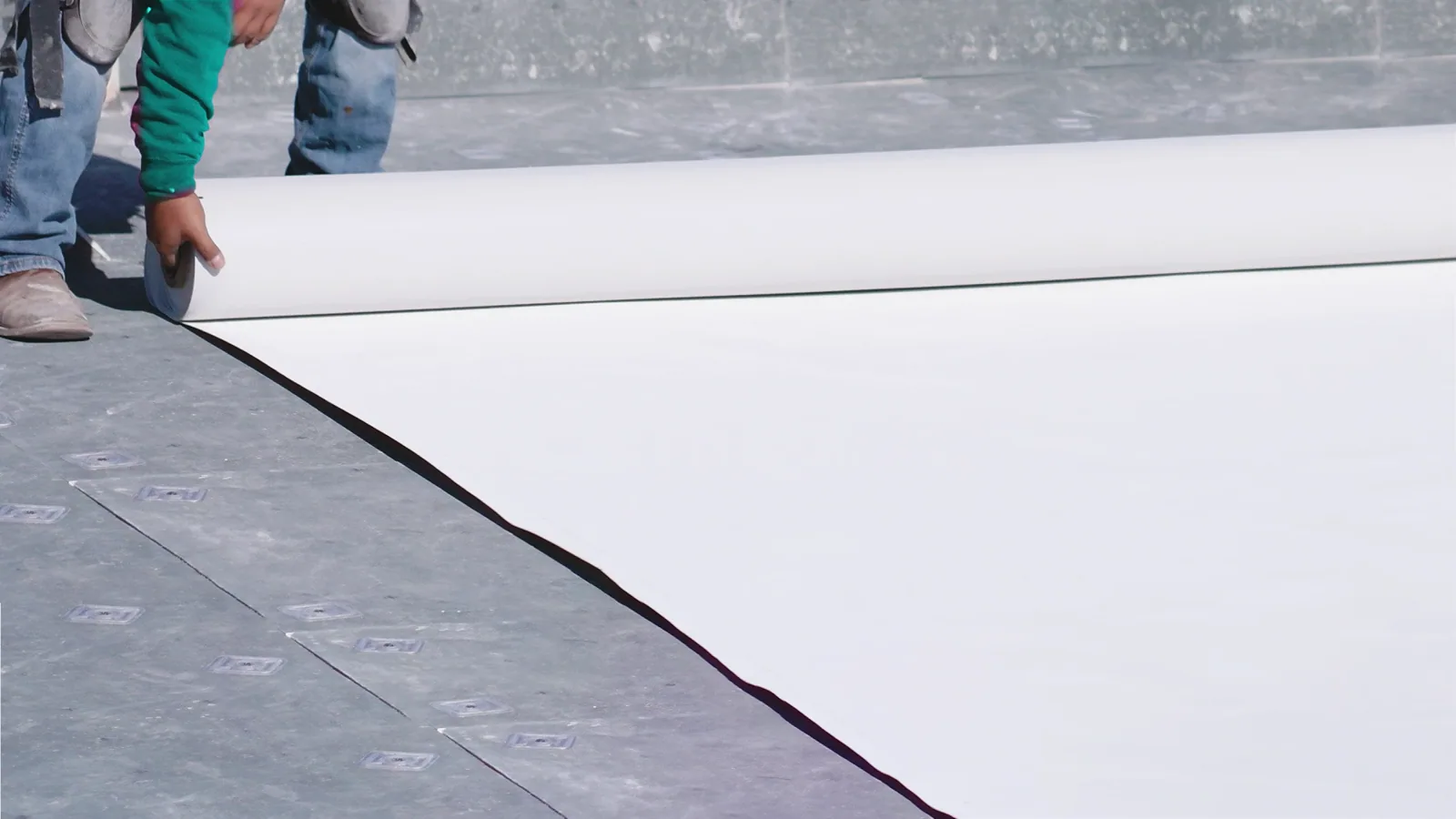
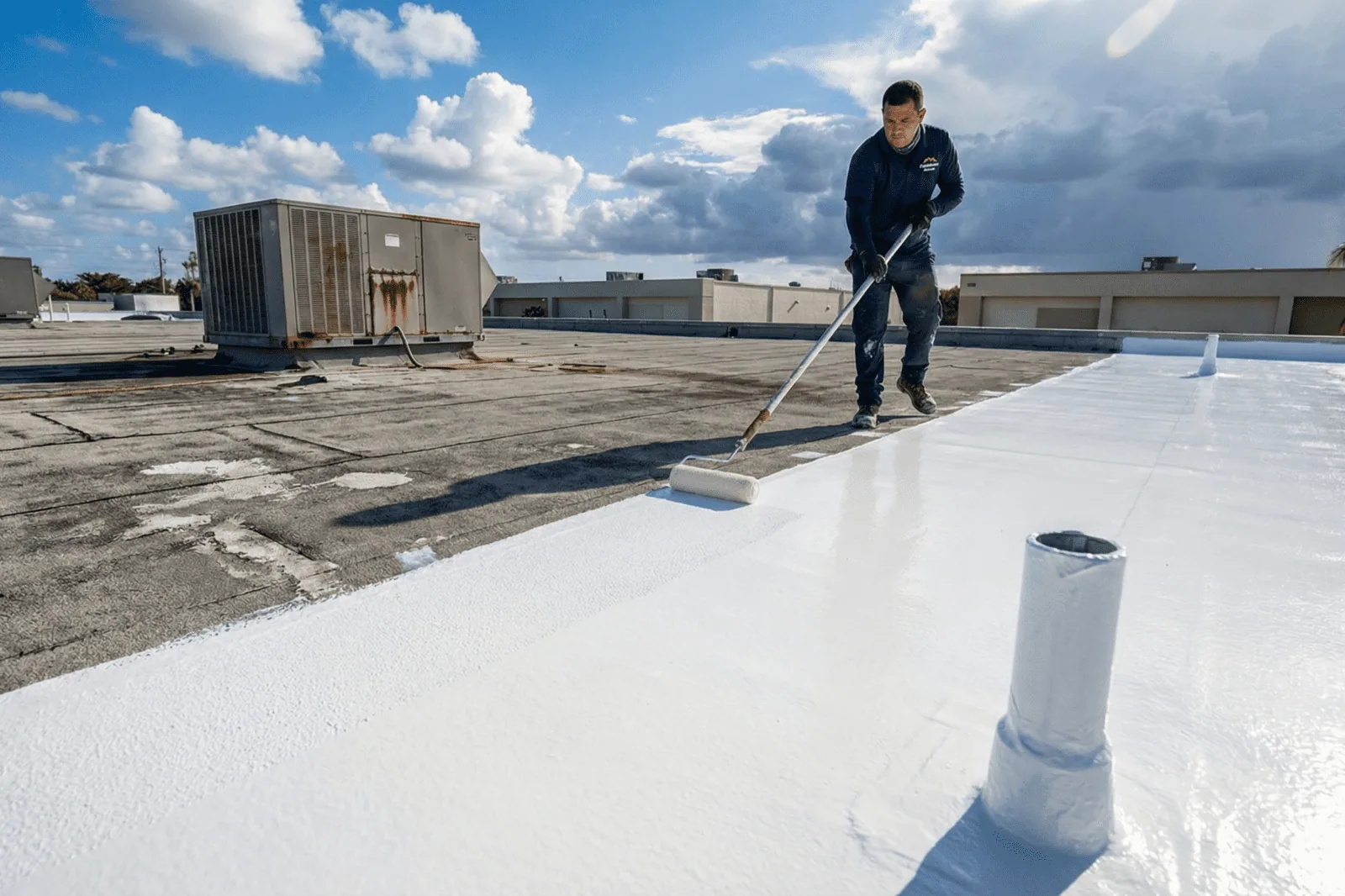
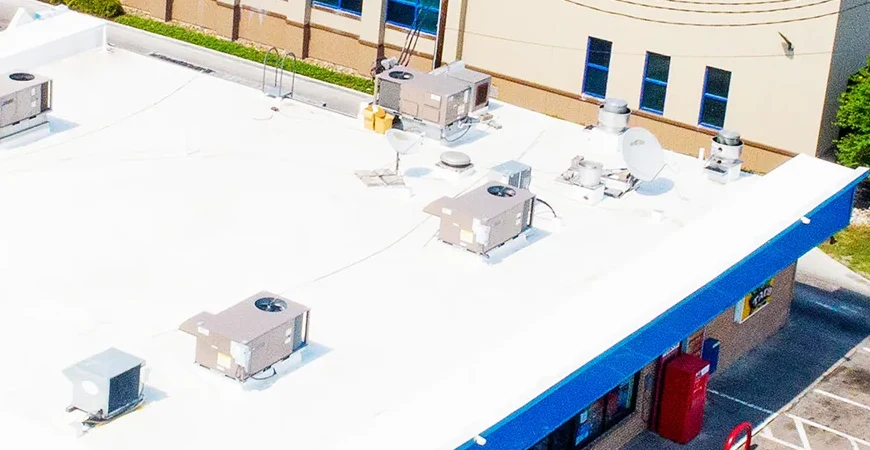
Choose by what the moisture map says about the insulation. If it is dry and the deck is sound, a targeted repair or a roof coating restoration can stretch service life for a modest outlay, and a roof recover adds a new membrane over the old one when the building can carry the weight. If the insulation is saturated, a recover seals the water in and the money is wasted; the assembly has to come off. A replacement also lets us correct slope toward the drains, rebuild flashings at masonry walls and settle insulation thickness against the energy code the city adopted in 2018. Johnson City also works from the 2018 existing building code for older structures, so we confirm the approach with the building official before material is ordered.
What does one more winter cost a roof nobody has measured?
The first cost is the one a tenant sees; the second is the one the owner pays. Wet insulation stops resisting heat, so heating bills climb while the deck corrodes above a ceiling that still looks fine. Water that freezes inside a lap or behind a flashing expands, and a gap the width of a hair becomes one a thumbnail fits into. Johnson City takes roughly 15.6 inches of snow in a year, and Tri-Cities Regional Airport in Blountville set its Christmas low record of -6F in 1983, so even a mild season gives the freeze-thaw cycle plenty of chances. A repair that would have taken a few hours of labor in autumn can become a section of tear-off by spring. Deferral is a fair decision when condition data supports it, and an expensive one when it rests on how the roof looks from the street.
How do retail hours and street access set the schedule?
A shop can lose a day of sales to a lift parked at its front entrance, so access is the first thing we plan: where materials stage, where a hoist can stand without closing a sidewalk or blocking a delivery door, and which work is loud enough to hold until the store is closed. Reroofing an occupied building goes in sections, with each section made watertight before the crew leaves, because weather can turn quickly. Adhesives and welded seams perform best between spring and early autumn, so an owner planning a replacement does well to collect readings and photographs in the cold months, then reserve the first mild stretch of spring instead of forcing the job into a cold week. For the day a ceiling does fail, emergency response runs around the clock, holidays included, though a planned job costs less than a rescued one. A mall and retail hub such as the North Johnson City mall area works to a different schedule than a street of storefronts and needs a different plan.
At a campus, place roof access and tenant notices against the academic calendar; East Tennessee State University work needs that same planning.
Commercial Roofing Questions
How can a downtown owner tell whether a roof can be recovered instead of torn off?
Moisture readings and core samples answer it. If the insulation under the old membrane tests dry and the deck holds fasteners, a new membrane can go over it. If readings show wet insulation, adding another layer only buries the problem, and the older assemblies come off down to the deck.
Why does a parapet change the repair on an older masonry building?
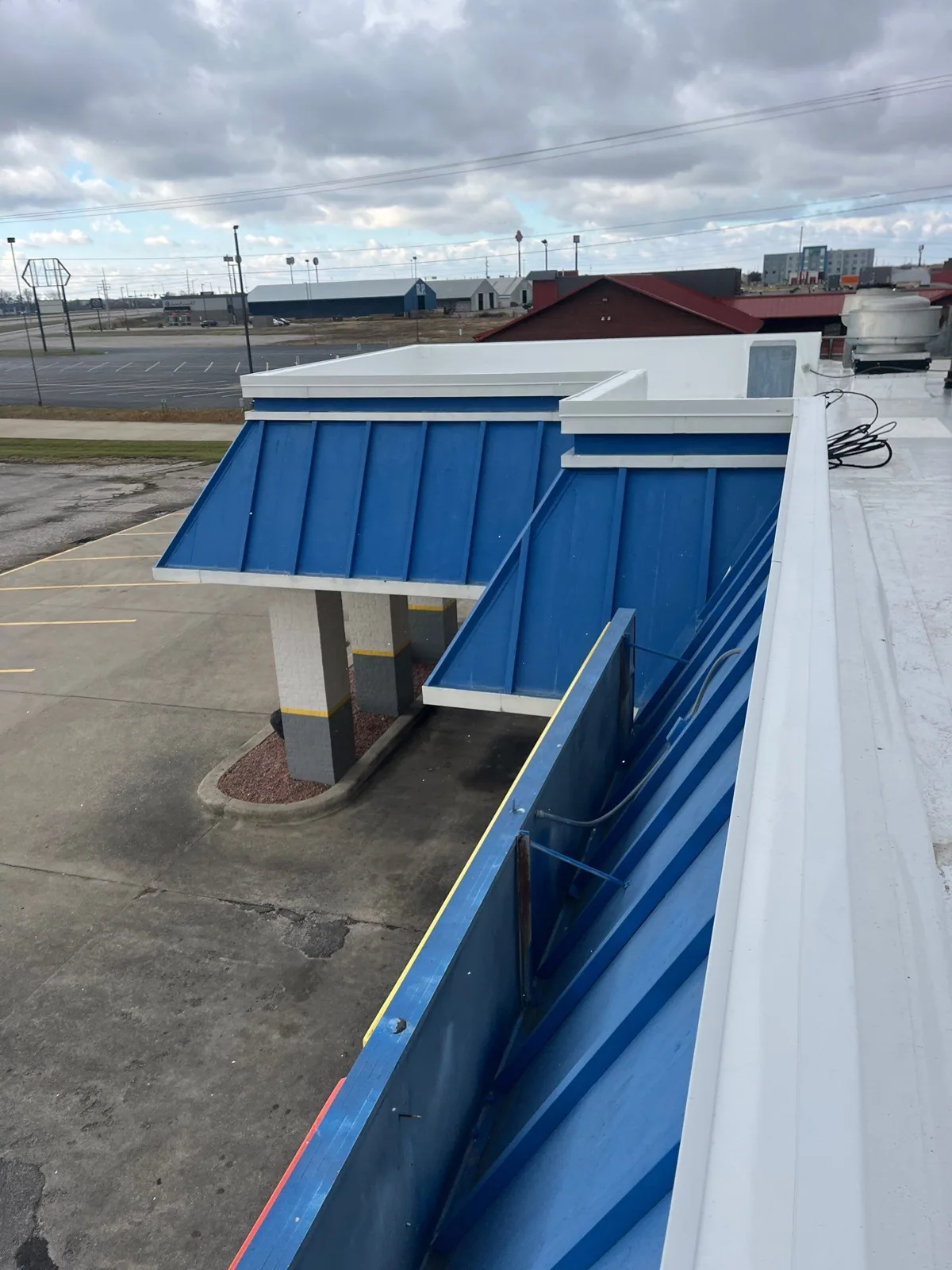
Because the wall becomes part of the roof system. Water can enter at the cap, through cracked mortar or behind the flashing, and then travel down inside the wall instead of dripping straight through the ceiling. We check the wall top and the flashing termination as carefully as the membrane field.
What pushes the price of a downtown reroof up or down?
Tear-off depth, edge details and access lead the list. A roof with several old layers costs more to strip, a long run of masonry flashing costs more than a bare field, and a site where equipment cannot park near the building adds hauling and hoisting time. The membrane chosen matters less than those three.
Should a roof be checked after a hard freeze even if nothing is leaking?
Yes, in older buildings especially, because a seam or flashing can open during a freeze and show nothing indoors for weeks. A walk after the thaw catches opened laps and cracked sealant while the repair is still small, and it gives the owner dated photographs for the roof file.
What does an owner receive that a phone call about a leak does not provide?
A written condition report with photographs, moisture findings and a ranked scope. Instead of a single patch estimate, the owner sees every defect on the roof, the likely remaining service life and the cost of repair, restoration and replacement set side by side, which is the material a capital budget needs.
Related Roofing Pages
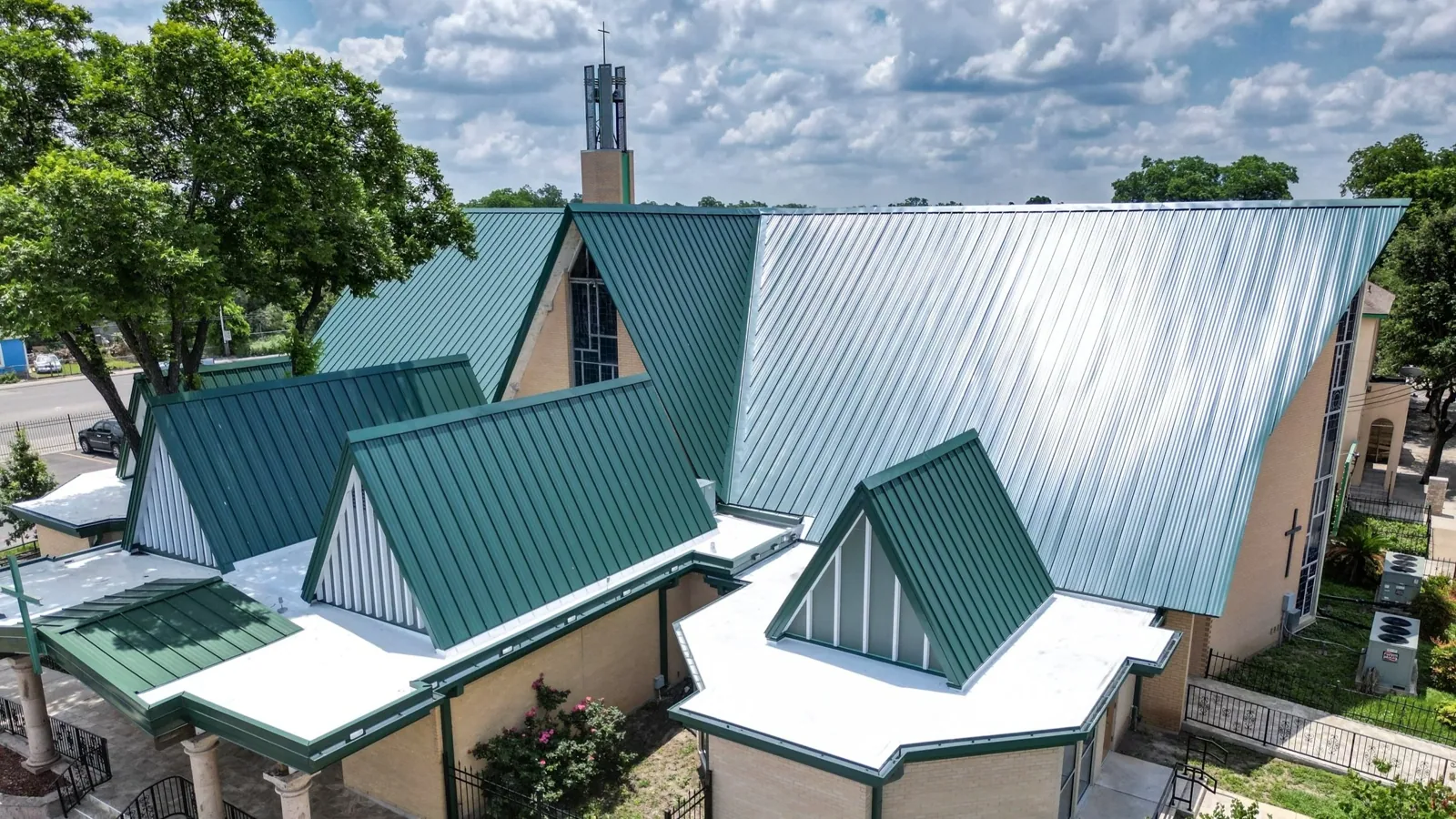
Edge Metal, Coping and Gutters
How the work is scoped, phased and documented on Tri-Cities roofs.
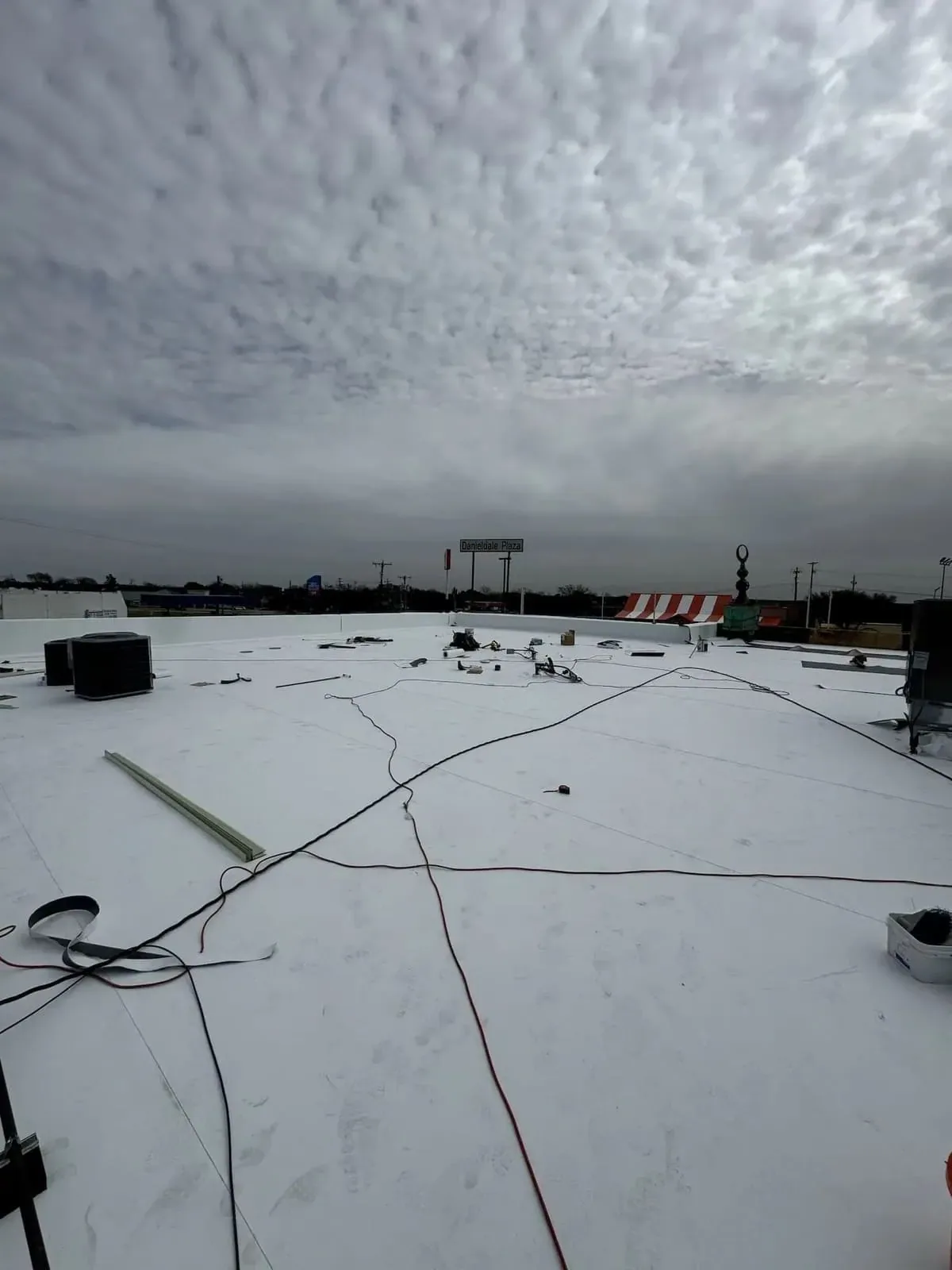
Infrared and Core-Cut Moisture Surveys
What we check, what we recommend and how the crew keeps the building running.
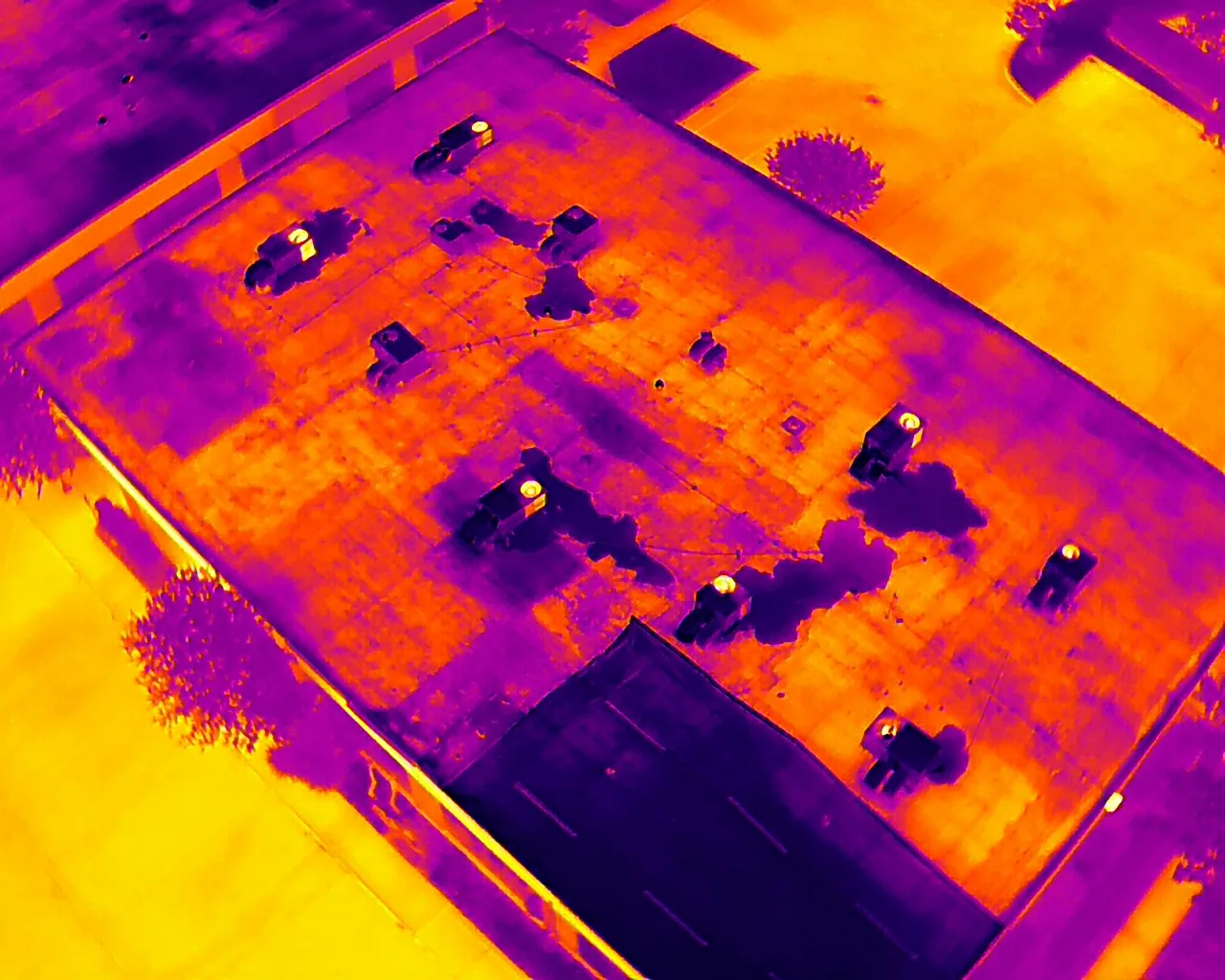
Commercial Roof Inspections
Conditions, options and next steps for commercial buildings in East Tennessee.