
Preventive Roof Maintenance in Johnson City, TN
Sealant at a flashing termination, the pitch pocket around a conduit and the lap of a base flashing do not fail on any particular date. They stiffen by degrees, and each freeze-thaw cycle in Johnson City, TN, opens the joint a hair wider than the last thaw closed it. For two or three winters nothing shows below. Then meltwater begins to travel under the flashing, wets the insulation at the perimeter and starts to shorten the service life of the whole assembly. A scheduled maintenance program exists to catch that joint while the repair is an hour of cleaning and resealing, long before it becomes a wet-insulation removal that has to be written into a capital budget.

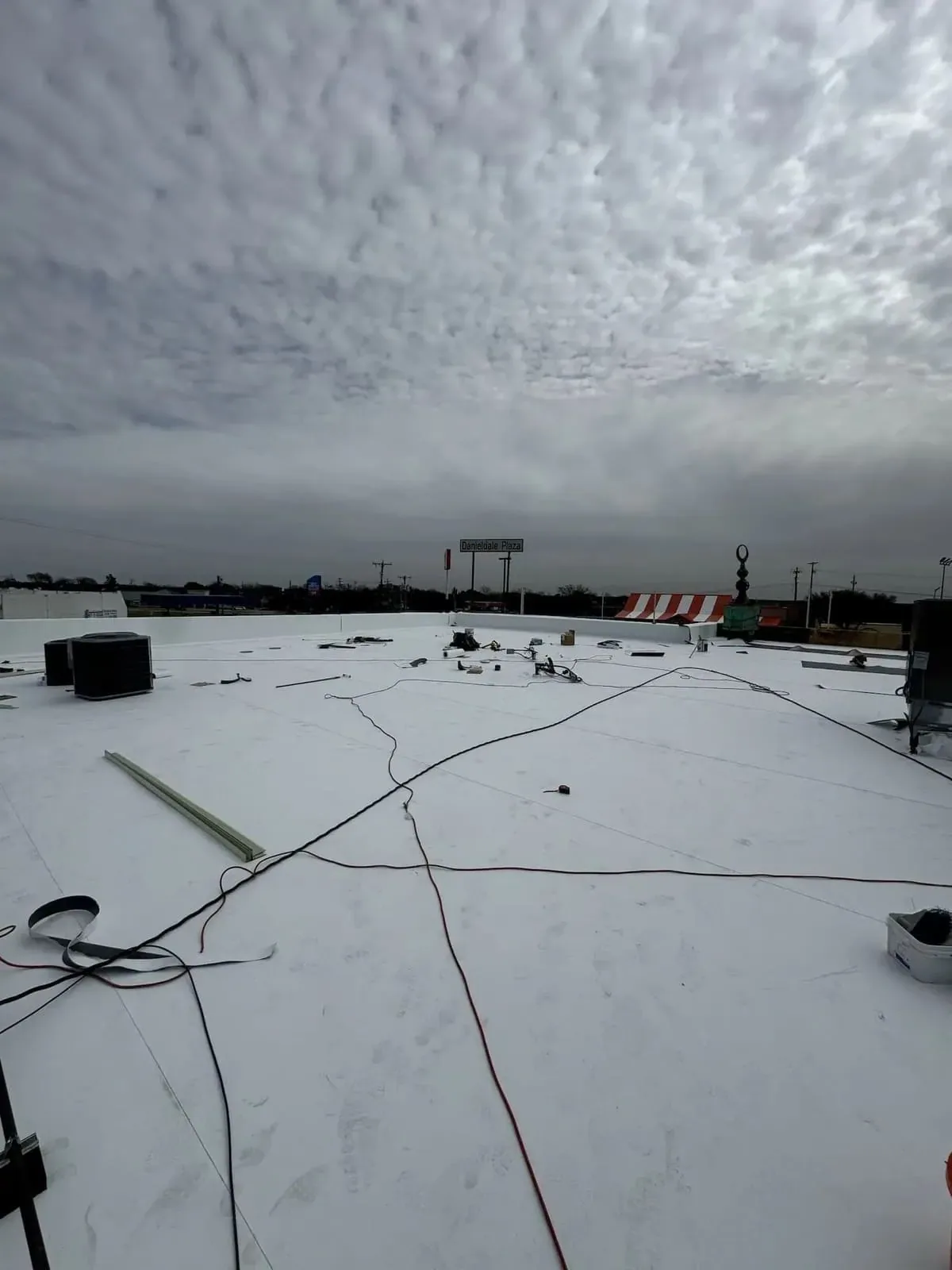
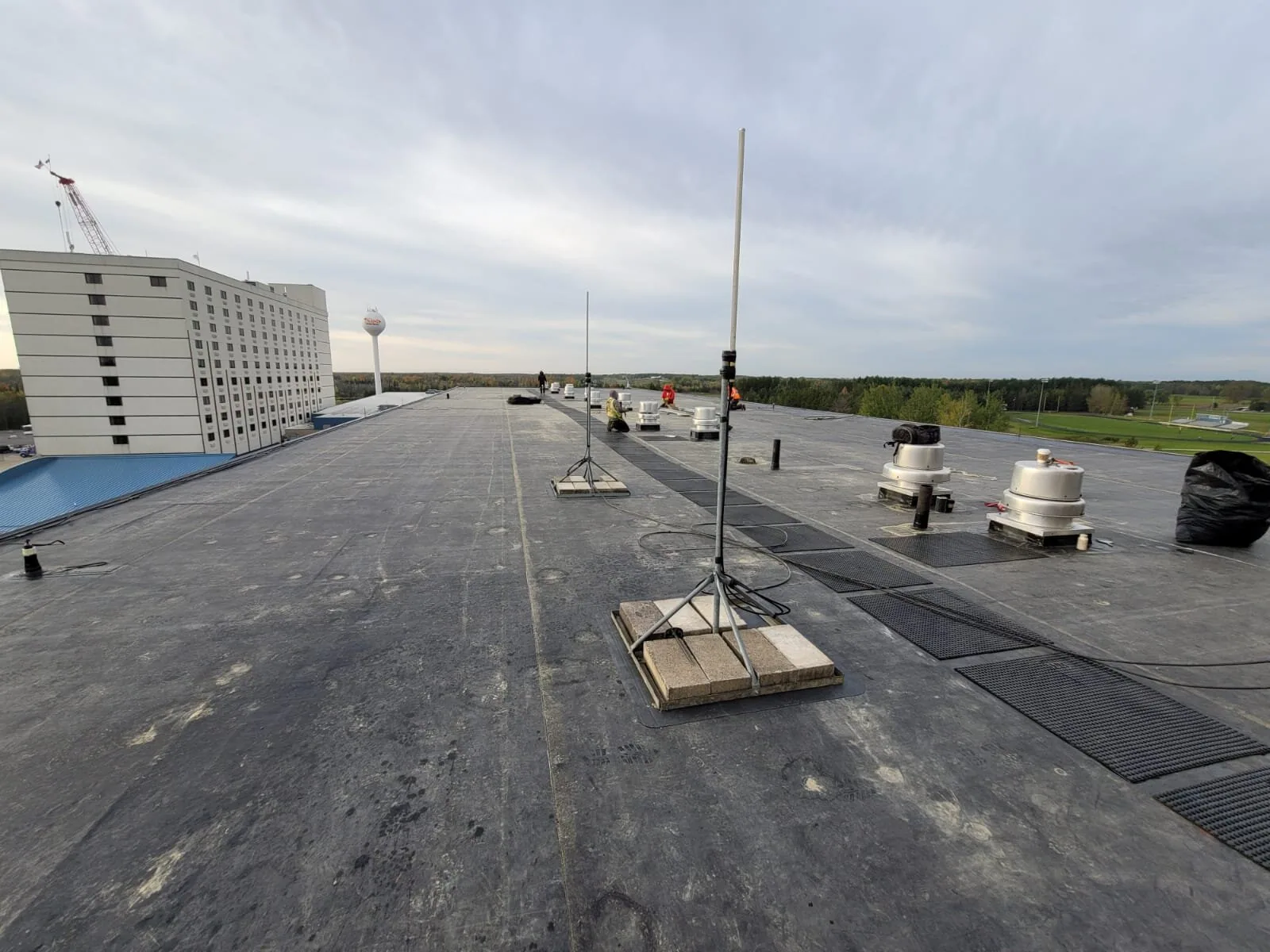
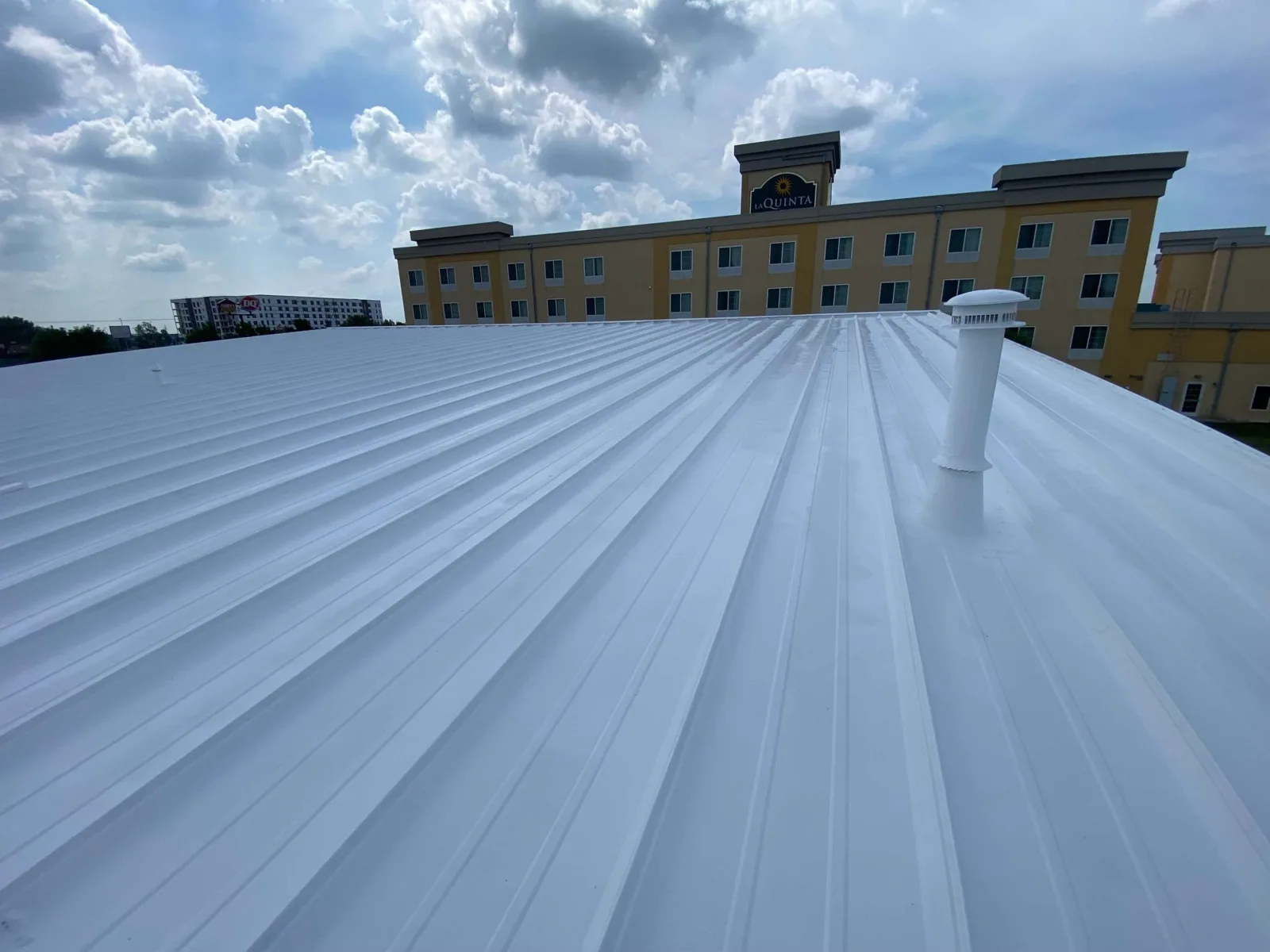
What wears out between one walk and the next?
Four things wear on a low-slope roof between visits, and none of them announces itself. Drains and scuppers collect leaf litter and grit until the sump holds a shallow pool after every rain, and that pool adds weight, grows algae and gives ice a place to form. Sealants and mastics lose elasticity under ultraviolet exposure and under the swing between summer highs near 86F and winter lows that average about 25F. Fasteners and edge metal work a little looser with every windy day, until a strong gust finds them.
The reason to find these early is arithmetic rather than caution. A resealed termination or a cleared drain is a small labor item. The same defect left alone through a few winters becomes saturated insulation, a stained ceiling and a replacement window that moves up by years. Condition data gathered at every visit shows which trend is real, so an owner can see whether the roof is aging at the rate everyone assumed or faster than.
Put the first maintenance visit on the calendar
Call Commercial Roofing Johnson City to arrange a first walk of the roof. You will receive photographs, a ranked list of findings and a visit schedule you can plan capital around.
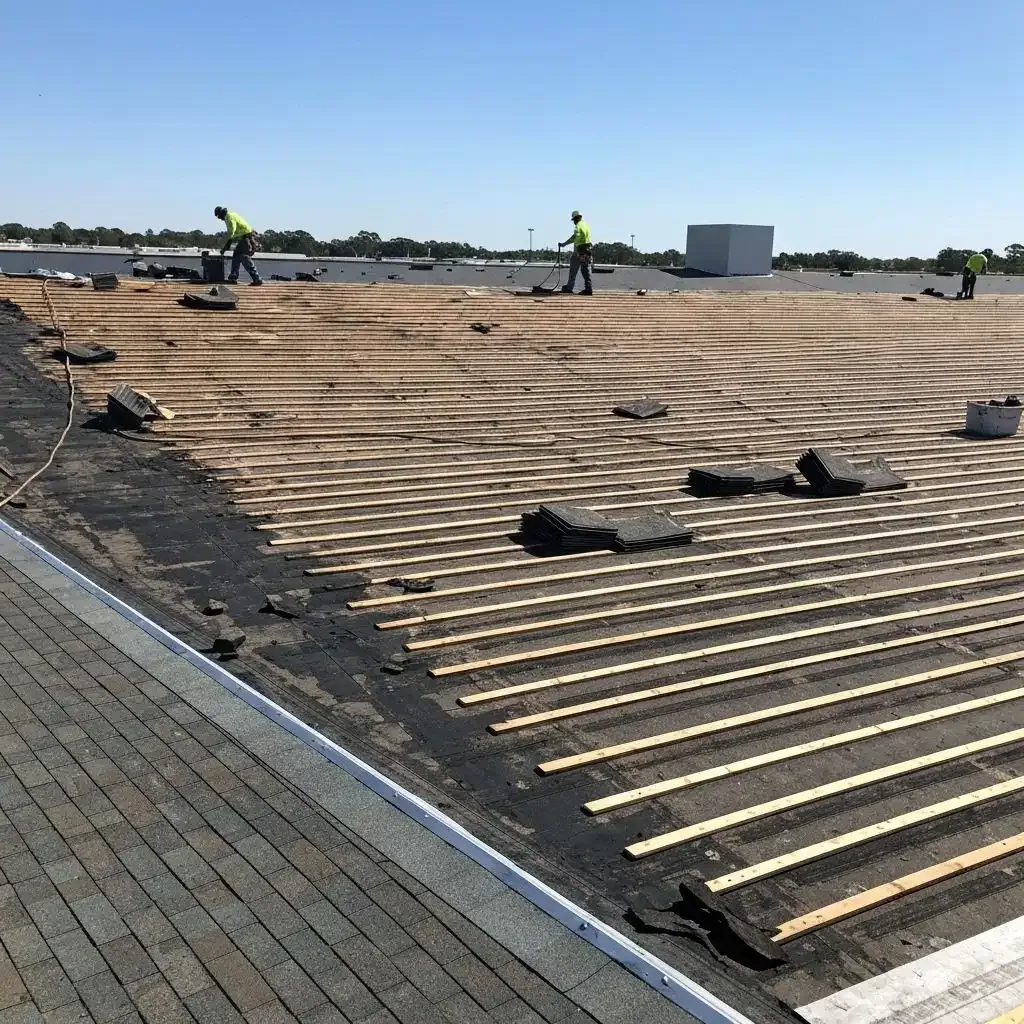
What does a maintenance visit actually look at?
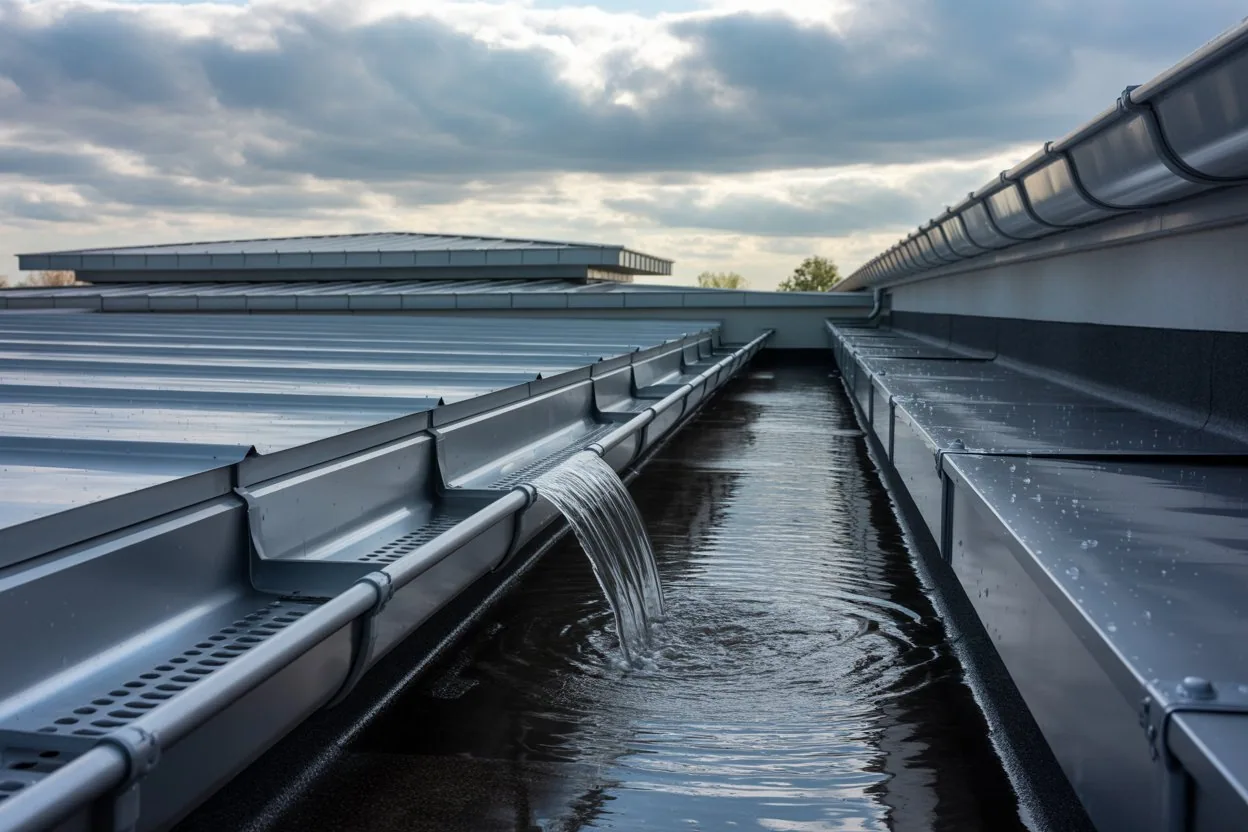
A visit starts at the drains, because the way water leaves the roof tells us how the rest of it is behaving. We clear each sump, check strainers and clamp rings, and look for areas that are still wet a day after rain. Then we walk the field of the membrane, reading seams, blisters, splits and punctures, and we trace every wall, curb and pipe penetration where one flashing meets another surface. Everything is photographed and tied to a position on the roof plan, so the next visit can be compared with the last instead of judged from memory.
Small repairs are made while we are up there when conditions allow: resealing a termination, replacing a cracked pipe boot, patching a scuff before it opens into a split. Anything larger is written up with a photograph and a recommended timing. If a pattern suggests water below the membrane, we propose an infrared moisture survey rather than guessing, since a thermal scan costs far less than opening the roof at random. The record that results also helps when a manufacturer reviews a warranty, because most membrane warranties expect the owner to show the roof was looked after.
Which months of the year does a Johnson City roof need a visit?
Two visits a year suit most buildings, and the calendar matters more than the count. A late-autumn visit comes after the leaves are down and before the first hard freeze, so drains are open when meltwater has to leave the roof and any sealant that will not survive the winter is replaced while it can still cure. A spring visit comes after the thaw, when the winter's damage is readable: opened laps, lifted edge metal, and ponding where ice sat on a weak drain. The Tri-Cities average roughly 46 inches of rain and nearly 12 inches of snow each year, making fall drain clearing and post-thaw inspections useful parts of a roof maintenance calendar.
A third visit after a named storm or an unusually heavy rain is worth scheduling for any roof with a history of ponding or flashing trouble. The flooding along the Nolichucky River during Hurricane Helene in September 2024 was a reminder that the region can receive far more water than an ordinary shower, and the drain that was half blocked going into that kind of event is the one that overflows. Two or three years of records also tell an owner whether the replacement window is approaching.

How does a scheduled program compare with repairing only after a leak?
Repair-on-call looks cheaper on a spreadsheet because it spends nothing in a quiet year. The cost arrives differently. A leak call comes in with water already inside, and by the time a ceiling tile stains, the insulation near the entry point may have been wet for a season. The repair is larger, and the weather sets its schedule. A program front-loads small, predictable costs and moves the large ones, such as a partial tear-off or a full replacement, to a date the owner chooses.
A program also changes what the roof can still do for the owner. A maintained membrane that reaches the end of its expected service life with dry insulation may be a candidate for roof coating restoration or an overlay, and both cost less than a tear-off. A neglected roof with wet insulation rules those options out. Owners who run several buildings can also compare records across properties, which is where multi-site roof programs become practical.
What do campus buildings and industrial plants need from a program?
Buildings with long histories reward a maintenance record, because whoever manages the roof next year needs to know what was patched, replaced or coated, and where. The Mountain Home VA campus is a National Historic Landmark District of Beaux Arts buildings that opened in 1904, with many of the original buildings still in use, and a campus like that is better served by a continuous roof asset management file than by a stack of unrelated invoices. On a university campus such as East Tennessee State University, with students in the buildings below, visits are timed to the academic calendar so that noise and access do not collide with class schedules.
Industrial buildings call for a different emphasis. In the Washington County Industrial Park near Telford, plants such as the 300,000 square foot ebm-papst fan plant and the renovated Sungwoo Hitech automotive plant run production under their roofs, so the priorities are equipment curbs, drains and early warning of moisture. Each visit feeds a written roof condition report that a plant manager can forward to a finance team.
Commercial Roofing Questions
What should a maintenance record contain to be useful years later?
Dated photographs tied to positions on a roof plan, a list of what was cleaned, sealed or repaired on each visit, any moisture readings that were taken, and a ranked list of deferred items with a recommended timing.
Can maintenance stretch a roof that is already near the end of its life?
Up to a point. Clearing drains, resealing flashing and patching punctures slow the damage and can move a replacement by a season or two, but none of that dries insulation that is already saturated. A moisture survey early in the program separates a roof that still has years in it from one that is only being kept presentable.
What drives the price of a program for an owner with several buildings?
Roof area, the count of penetrations and curbs, how difficult the access is, how many visits a year are scheduled and how much minor repair is built into each one. Price is quoted on those quantities after the roofs have been walked.
Does a maintenance program help when a manufacturer reviews a warranty claim?
It can. Reviewers generally look for evidence that the owner kept drains clear, repaired damage promptly and did not let unrelated trades puncture the membrane. Dated visit reports with photographs answer those questions directly. The program does not change what a warranty covers, but it ends the argument about neglect.
Who responds if the roof opens up between scheduled visits?
A post-storm walk is part of a sensible program, and our crews answer calls at any hour if a roof has been opened by wind, a fallen limb or a failed panel. Once the building is dry, the findings go into the same visit record, so the emergency work and the permanent repair are documented together.
Related Roofing Pages
Infrared and Core-Cut Moisture Surveys
How the work is scoped, phased and documented on Tri-Cities roofs.
Roof Coating and Restoration
What we check, what we recommend and how the crew keeps the building running.
Multi-Site Roof Programs
Conditions, options and next steps for commercial buildings in East Tennessee.