Industries We Serve
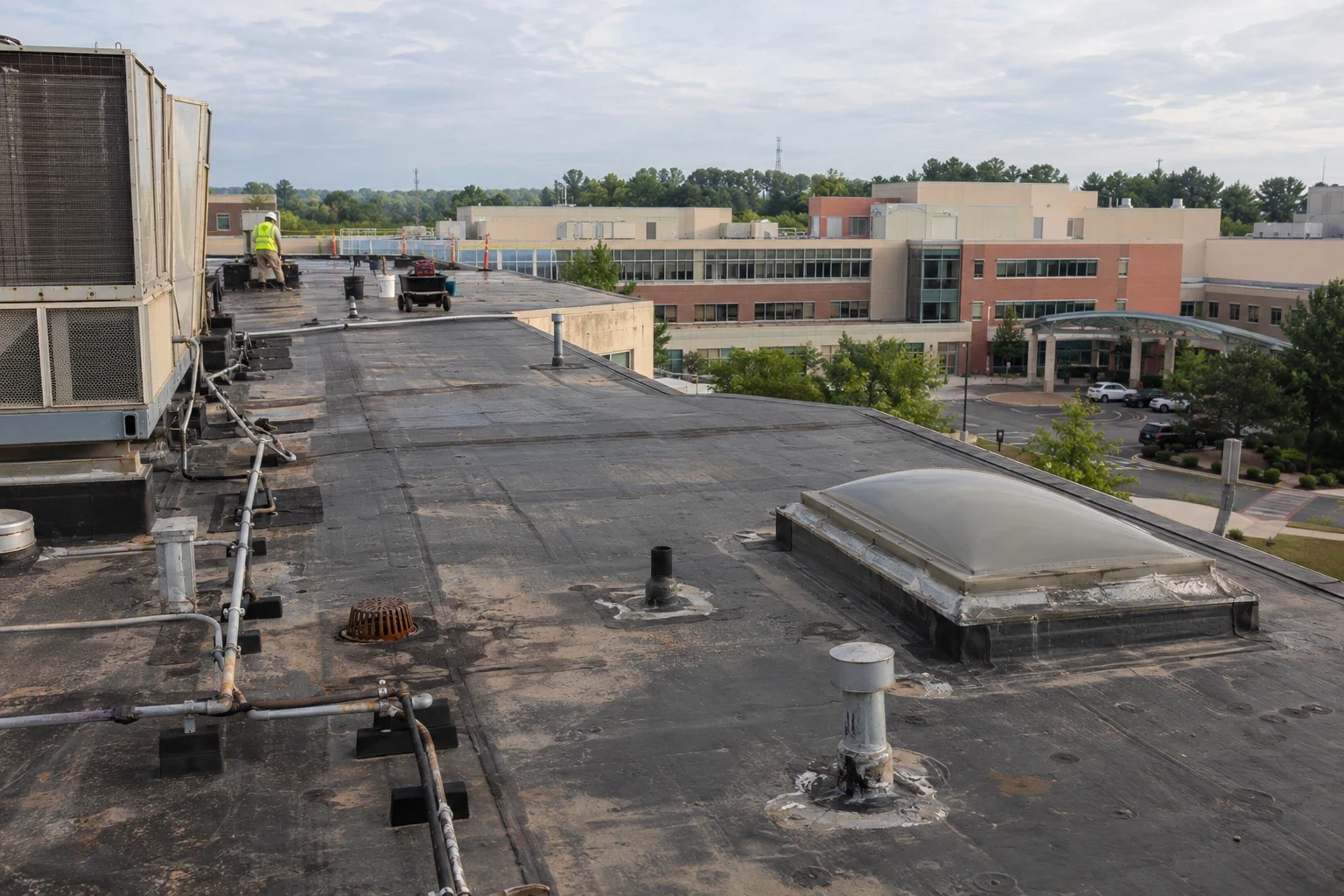
A coping cap that has loosened by a quarter of an inch lets water run behind the metal and onto the edge of the membrane, and the damage that follows lands on the ledger of whoever owns, leases or maintains the building. That split explains why roofing decisions differ so much from one kind of owner to the next. A landlord who passes repair costs through to tenants, a hospital system that cannot close a floor, a district working to a school calendar and a plant manager protecting a production line all face the same physics in Johnson City, TN, and each needs the roof problem framed in terms of the budget and the risk they actually carry.
Who pays when water gets in?
For property management companies and real estate investors, the roof is both a physical asset and a line in a lease. Wet insulation raises heating loads, a stained suite becomes a rent conversation, and a deferred replacement surfaces in due diligence when the building is sold. We write findings as condition data with photographs and a ranked scope, so a manager can defend a repair to an owner and an investor can price a deferral before closing instead of discovering it afterward. Owners with several buildings across the Tri-Cities gain the most from a multi-site roof program that tracks every roof on a single schedule.
How do institutions plan differently from investors?
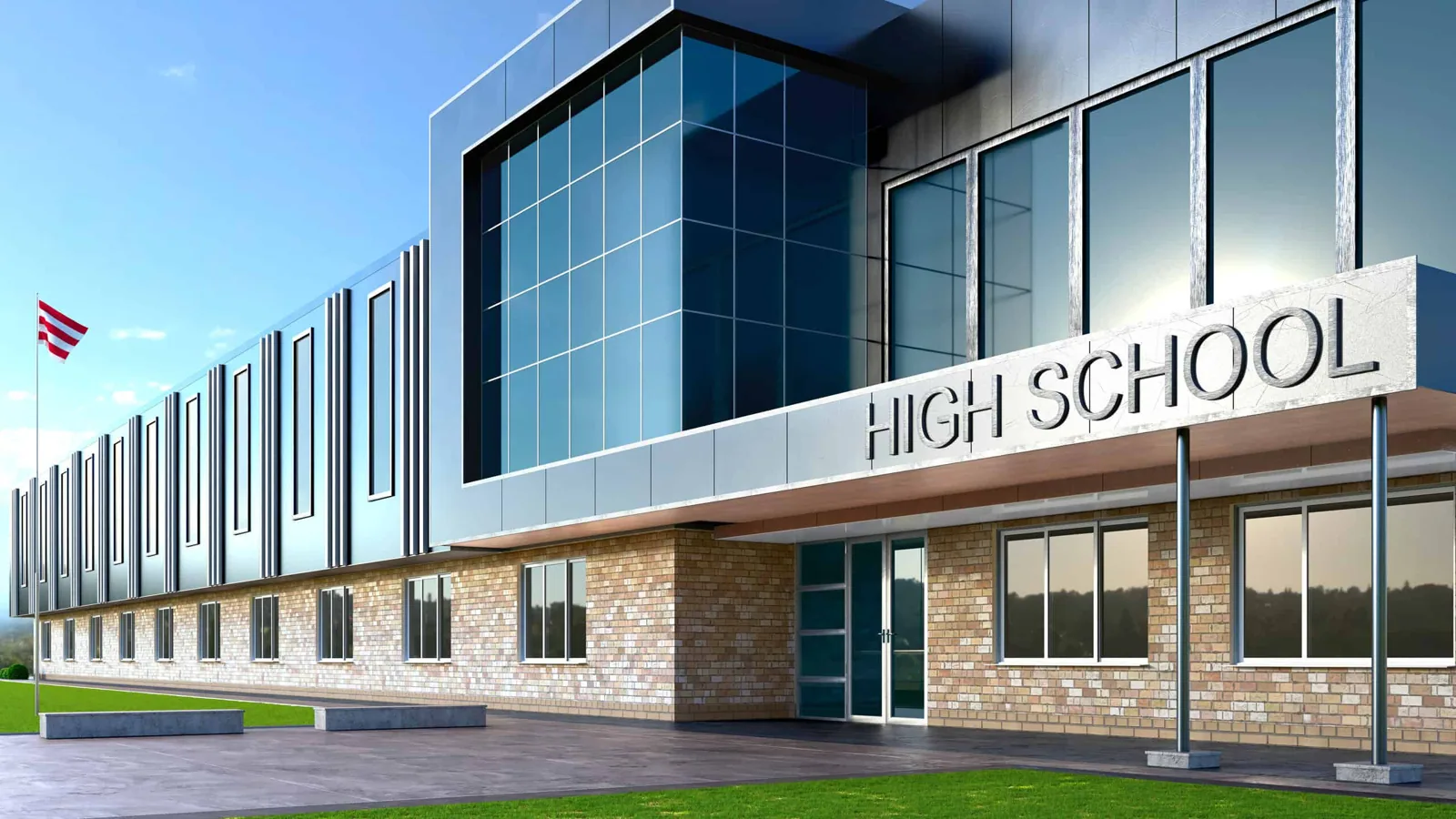
Institutions think in fiscal years and capital cycles. Healthcare systems such as Ballad Health, headquartered in Johnson City and operating 20 hospitals across four states, need infection control, protected air intakes and no interruption to patient areas. School districts, Washington County Schools among them with about 1,275 employees, are tied to a summer window and a public budget process, and cities, counties and public agencies work through procurement rules and long asset lists. For each of them the useful deliverable is a documented condition and a priority ranking that survives a board meeting.
What do plants, depots and chains ask of a roof?
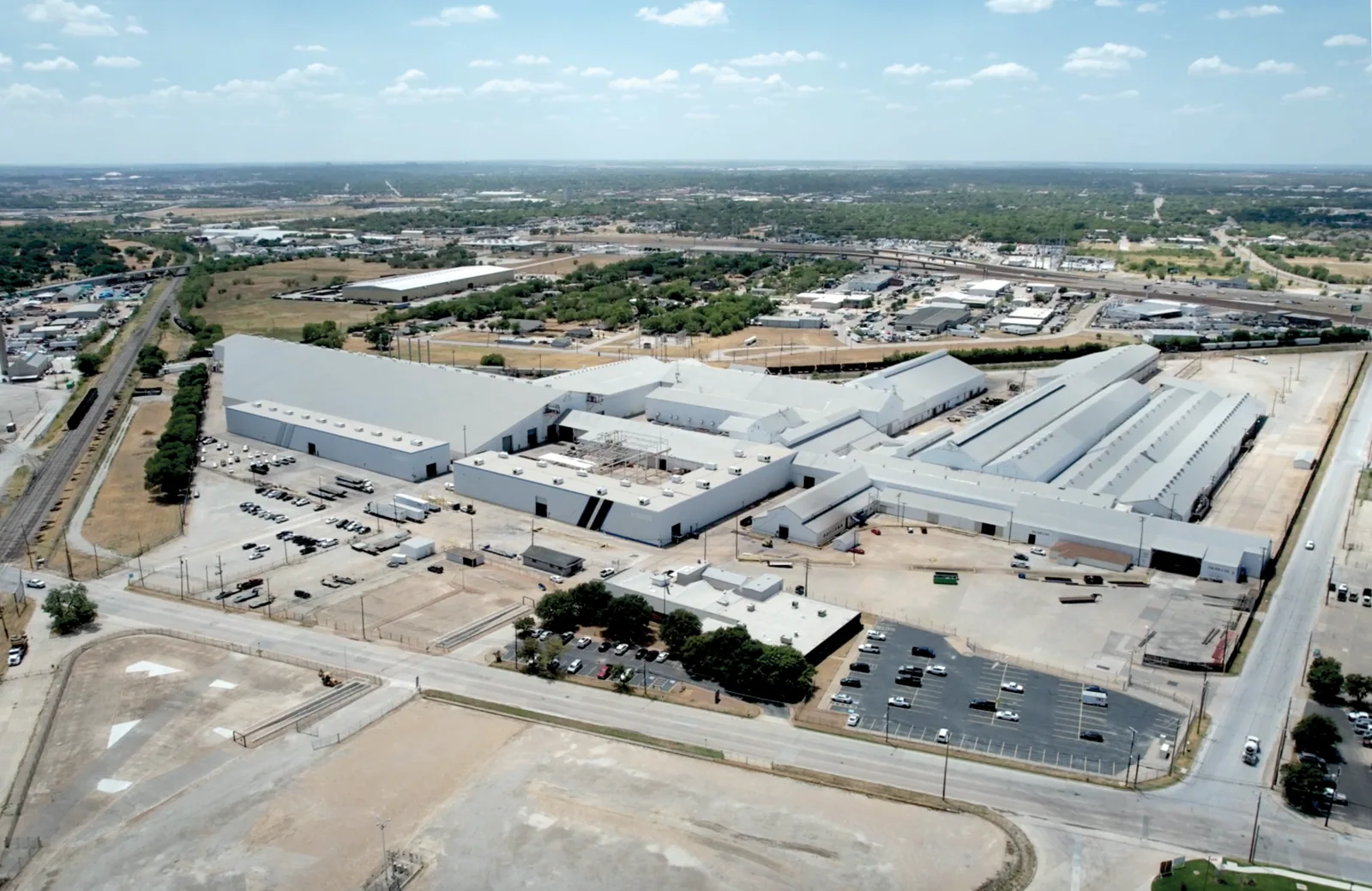
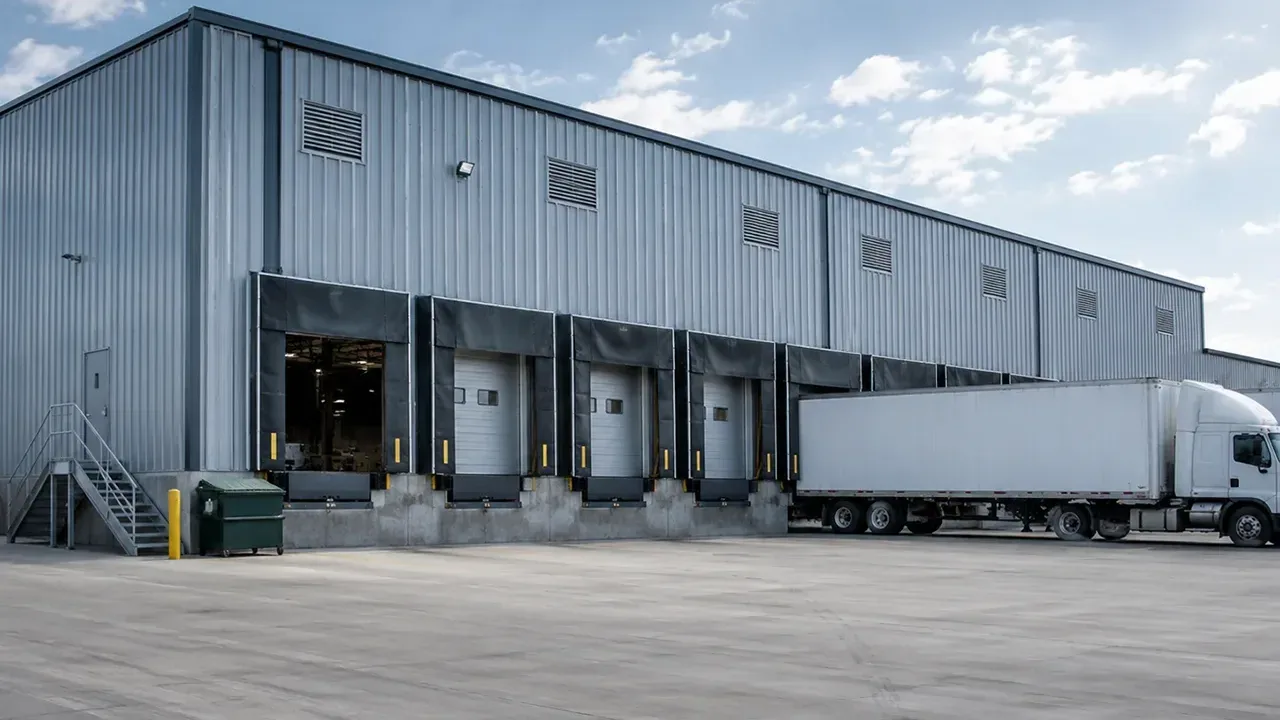
Manufacturers protect a production line, and at the Washington County Industrial Park, with its ebm-papst fan plant and the Sungwoo Hitech automotive building, a leak over equipment costs production before it costs roofing. Operators in logistics and 3PL lose heat through dock doors every winter, which drives condensation onto the underside of the deck. Retail and restaurant chains want the same detail answered the same way at every location, and hospitality groups ask the same of their hotels, where guest-room ceilings sit directly below the membrane.
What do contractors and adjusters need to see?
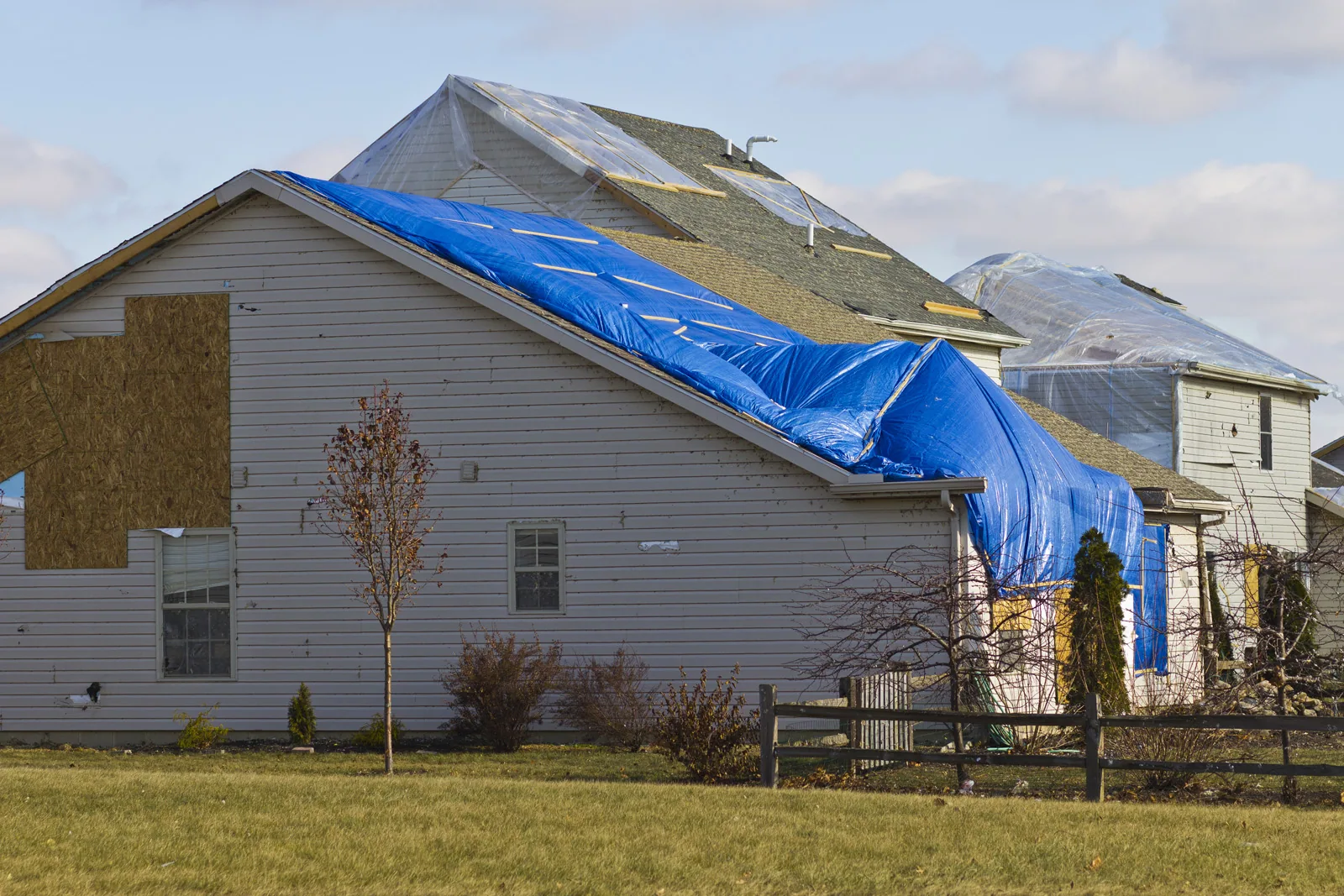
General contractors need a roofing subcontractor who protects a finished membrane from the trades that follow it onto the roof and who holds the project schedule. Insurance adjusters and restoration contractors need the opposite of a sales pitch: dated photographs, a written account of what the storm damaged and what predated it, and moisture mapping that shows how far water traveled. The weather here runs from tornadoes (ten on record in Washington County, with three on April 27, 2011) to the heavy rain of Hurricane Helene in September 2024, so separating storm damage from age and wear is careful work.
Commercial Roofing Questions
Who should be named in the roof records when a building has a landlord and several tenants?
The owner, since the roof belongs to the structure, with each tenant's rooftop equipment listed as a separate item. Records that show who installed every unit and curb shorten later leak disputes.
How should a roofing scope be written for a school board or city council?
It reads well to a board when it shows condition, priority and reasoning in plain terms, with photographs of each roof area and a clear line between work that cannot wait and work that can move to the next budget year.
Who should receive condition reports?
Name the owner’s facilities lead and the person who approves capital work. We can include property managers and tenants who need roof access details.
How do you scope work for a public board?
We document observed conditions, priorities and the reason for each recommendation so the board can review the same evidence.
Bring the roof question your budget has to answer
Call Commercial Roofing Johnson City with the building, the owner structure and the decision in front of you. We will gather the condition data first, so the number you take to approval rests on the roof itself.
Call 555-555-5555