
Roofing Subcontractor for General Contractors in Johnson City, TN
A new membrane is a finished surface for about one day. After that it becomes a work platform: crane mats, pallets of rooftop units, ladder feet, conduit runs and a steady line of other trades in work boots. Under the sheet, the insulation boards compress wherever those loads land, and a board crushed beneath a loaded pallet leaves a shallow dish that holds water long after the rain ends. In Johnson City, TN, where the year brings roughly 45 inches of precipitation and winter lows near 25F, that dish freezes, thaws and works at the seams above it.
The general contractor who scheduled everything around dry-in meets that damage at turnover, as a ponding complaint and a warranty dispute. It is preventable when the roofing scope, the protection plan and the sequence with other trades are set before the first roll goes down.
What happens to a roof between dry-in and turnover?
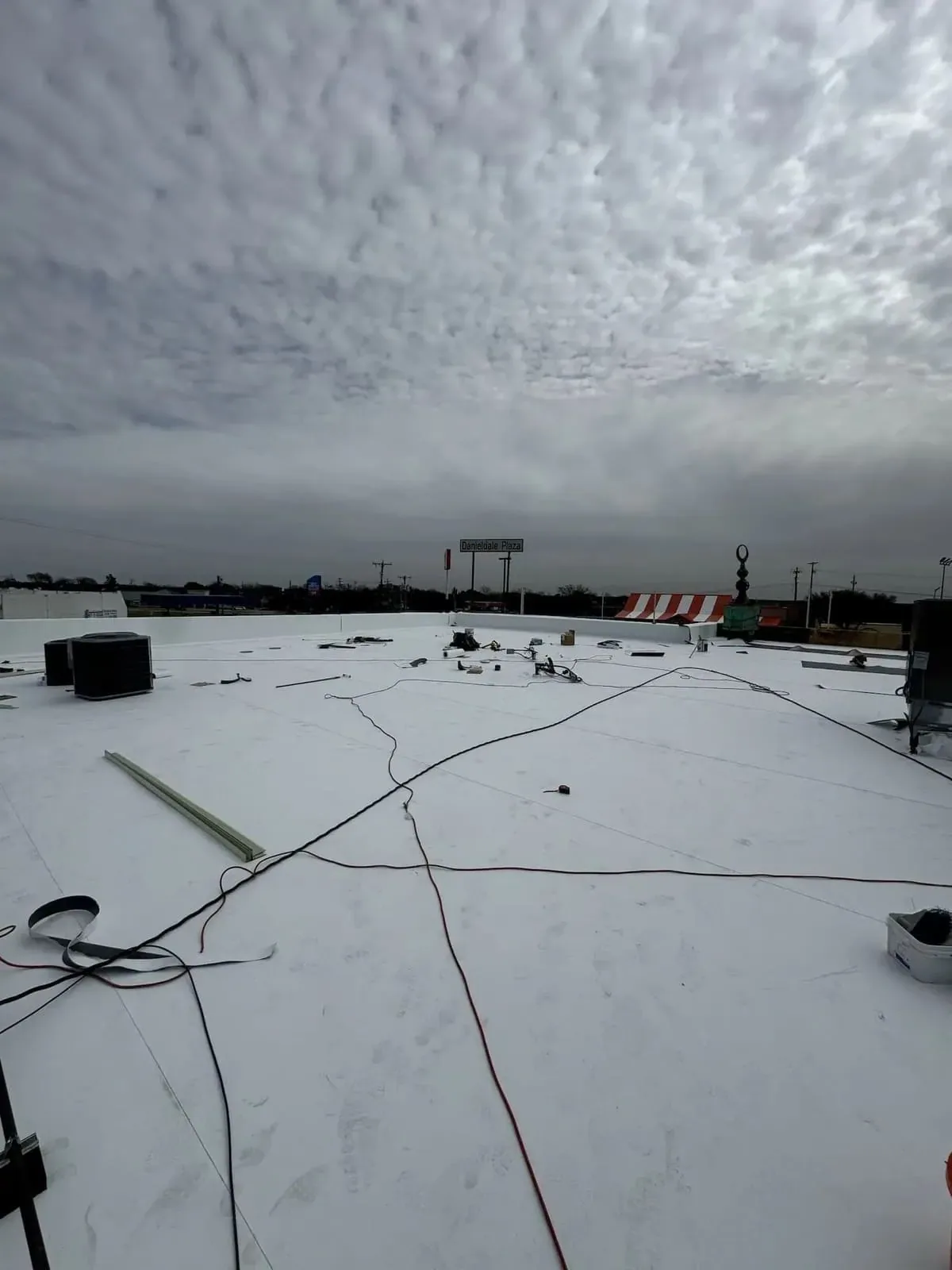
Three things happen once the membrane is down. The other trades arrive: mechanical contractors set units and run refrigerant lines, electricians trench conduit across the field, and the duct installer fastens supports into the deck. Each task adds a penetration the roofer never detailed or a load the insulation was not chosen to carry. Debris collects next, in the form of fasteners, cut-offs, mortar splatter, solvents and pipe dope, all of which can cut or chemically attack a single-ply sheet. And cold weather changes what is possible at flashings, because sealants and welds have working temperatures that a frozen January morning does not meet.
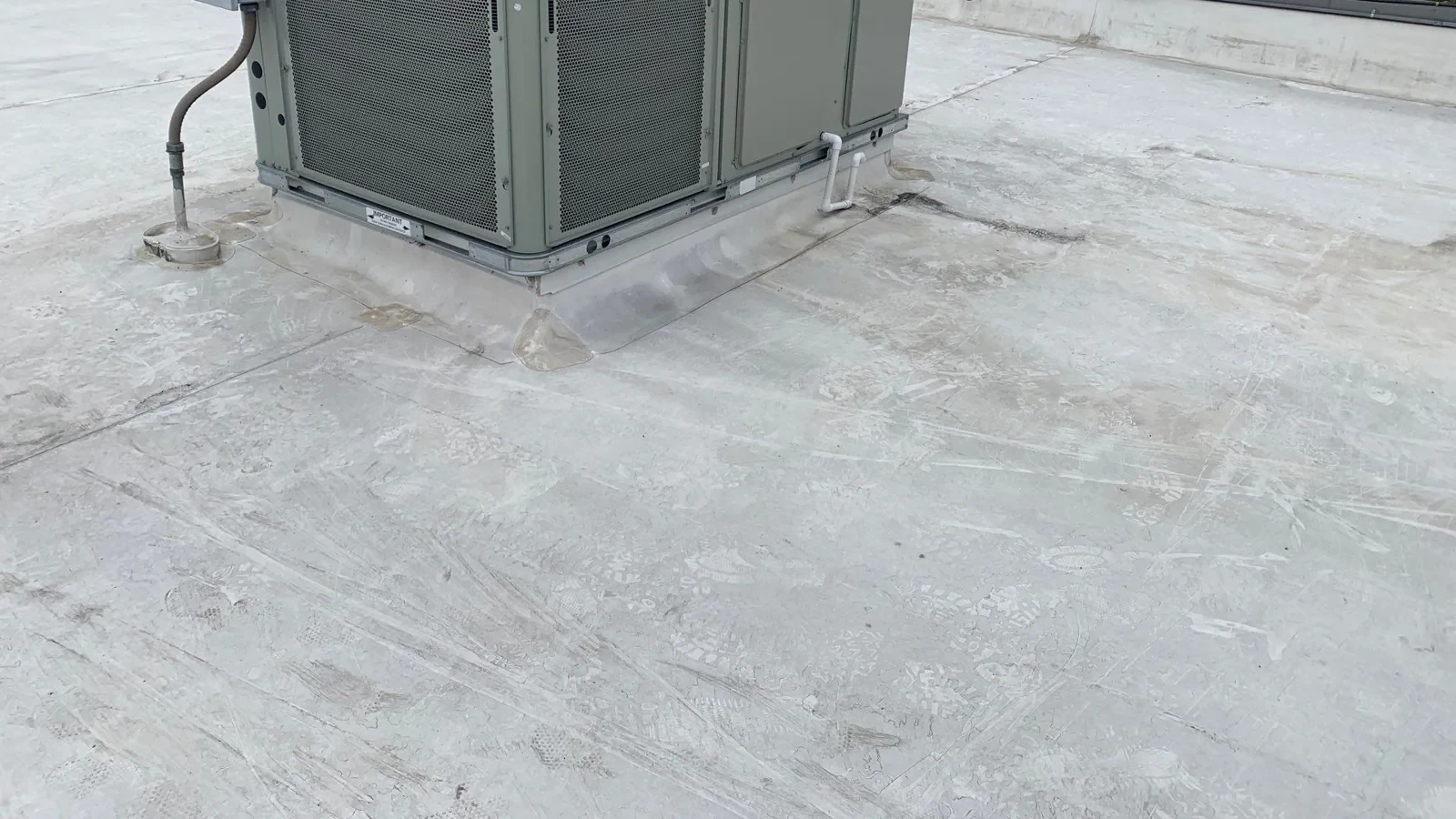
The answer is sequence and protection. Curbs and supports go onto the deck before the insulation, so rooftop equipment curbs and supports are flashed once rather than retrofitted into a finished roof. A cover board over the insulation spreads point loads and costs far less than a dished roof. Walk pads mark the routes other trades may use, and any late penetration is flashed the same day.
Send us the roof scope before it is bid
Give us the drawings, the schedule and the contact for the existing building, and we will return a roofing package with sequence, protection and closeout spelled out. Emergency response stays available around the clock if a leak interrupts the job.
Where does the roof sit on the critical path of a Tri-Cities project?
Dry-in releases everything that cannot be done in the rain: drywall, flooring, ceiling grids, finish electrical and mechanical commissioning. A roof that runs three weeks late can idle every interior trade behind it, which is why roofing duration matters more to a schedule than its share of the contract value. The Johnson City calendar adds constraints of its own. With 15.6 inches of snow in an average year, adhesives and primers lose their working windows, frost on a steel deck has to burn off before insulation is placed, and a deck that has absorbed meltwater has to dry before it is covered.
We plan the roof as a trade package with its own float. Long-lead items such as tapered insulation are released when submittals are approved, a weather-day allowance sits inside the duration, and the work is cut into areas so interior crews can start under finished sections while others stay open. Deliveries need float as well. Helene closed I-26 in September 2024, a reminder that a schedule assuming one road for every truck has no slack of its own.
What do we check on an existing roof before a contractor commits to a tie-in?
Renovation and addition work starts with an existing roof, and its condition sets the scope more than the new work does. A building that changes use, like the former SunTrust bank building where NN Inc. moved its headquarters, raises one question: how much of the old roof is worth keeping, and how much must be rebuilt where new work meets it. A moisture scan, a few cores and a look at parapet height, drain locations and deck type answer it, and they also separate roof defects from the interior damage that follows.
Johnson City adopted the 2018 existing building and energy conservation codes. For an alteration, the design team and local building official should confirm which provisions apply to the proposed scope before pricing is final. A due diligence roof survey records the existing assembly and helps keep that review tied to the actual roof.
Which local projects put a roofer and a general contractor on the same drawings?
Industrial work is the clearest case. The Washington County Industrial Park is home to the ebm-papst fan plant and to the former Alo Tennessee building that Sungwoo Hitech took over, while Koyo Corporation USA has expanded its factory floor in Washington County. An expansion at a plant like these has to meet an existing roof along a new wall, and manufacturers rarely stop production for a roof, so the tie-in is built in stages with temporary protection at each seam.
Institutional work has different limits. Johnson City Medical Center, a Level I trauma center on North State of Franklin Road, cannot go dark for a roof, so projects for healthcare systems run through infection control and phased sections. Work on the 366-acre main campus of East Tennessee State University falls naturally into the months when its roughly 13,700 students are away.
What does a late or disputed roof cost a general contractor?
Roof problems surface at the worst point in a project, after the owner has moved in. A ponding area, a leaking curb or a wet corridor ceiling arrives as a warranty claim against the general contractor, who must then coordinate a roofer, a mechanical sub and sometimes an insurer to establish whose work caused it. A manufacturer's warranty period often starts at substantial completion, so a defect found before closeout is fixed inside the coverage, while one found a year later must first be traced to a cause.
Our job is to make that trace short. Every roof section gets dated photographs during installation, moisture readings at completion and a closeout set that names each layer, and that file feeds the roof warranty management that follows turnover. Where a new roof replaces a failed one, commercial roof replacement is priced as a stand-alone package with its own tear-off, disposal and dry-in allowances, so it does not eat contingency meant for other trades.
Commercial Roofing Questions
Can the roof be priced as its own trade package from the drawings alone?
From drawings we can build a quantity takeoff and a range, but the number only firms up once we know what lies under the new membrane. On new construction the deck, slope and penetrations are on paper. On an addition or conversion we want the moisture scan and a few cores first, since a wet existing roof can enlarge the tear-off. Until then we carry the uncertain portion as a clearly labeled allowance.
Who protects the finished roof from the other trades?
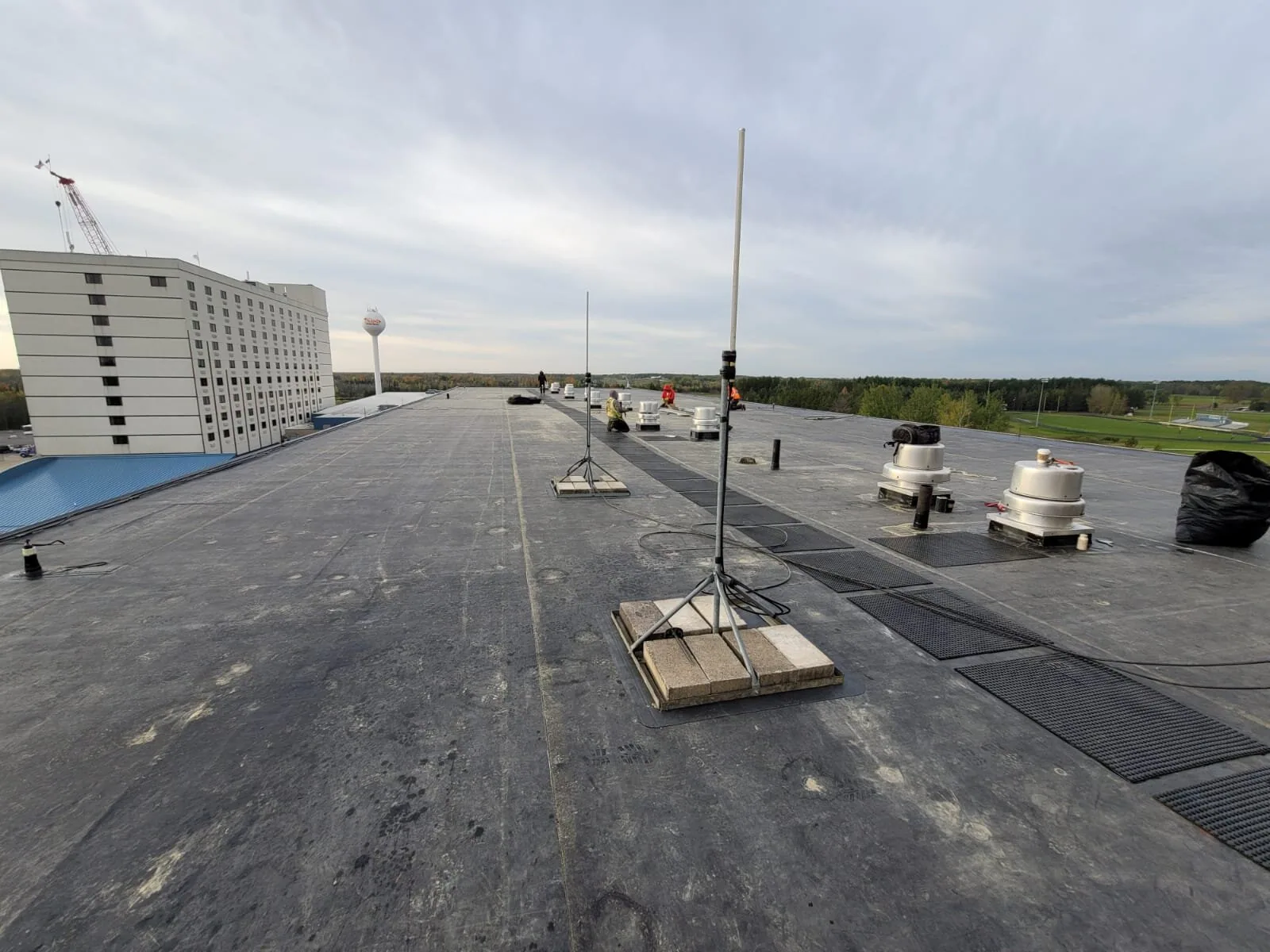
Protection is written into our scope: walk pads along agreed routes, boards under heavy staging and a rule that nothing sits on bare membrane. The general contractor enforces it, so we ask that the roof access plan be part of the pre-construction meeting. Damage found later is photographed against our completion record, which is what separates a trade's mistake from an installation defect.
What happens when a mechanical sub needs a new penetration after the roof is down?
We flash it the same day. The sub marks the location, we cut and flash it to the membrane manufacturer's detail, and the opening never sits unprotected overnight. A short written request for each added penetration keeps the record clear, and unannounced penetrations are the first place to look when a leak shows up in a ceiling weeks after turnover.
Can a roof go on in January?
Sometimes. A mechanically attached single-ply sheet can go down on a dry day above the manufacturer's minimum temperature, while adhesive-based systems lose their window sooner. Frost on the deck, wet insulation and snow are the reasons a crew stops. We would rather hold a section for a dry morning than seal moisture into an assembly that will not release it.
What does the owner receive at closeout?
The closeout set lists each layer by product, with dated photographs, moisture readings taken at completion and a roof plan that shows every penetration. A warranty inspection by the manufacturer, a later insurance claim or a sale of the building can all draw on that single file, which is why we assemble it as the work proceeds instead of reconstructing it afterward.
Related Roofing Pages
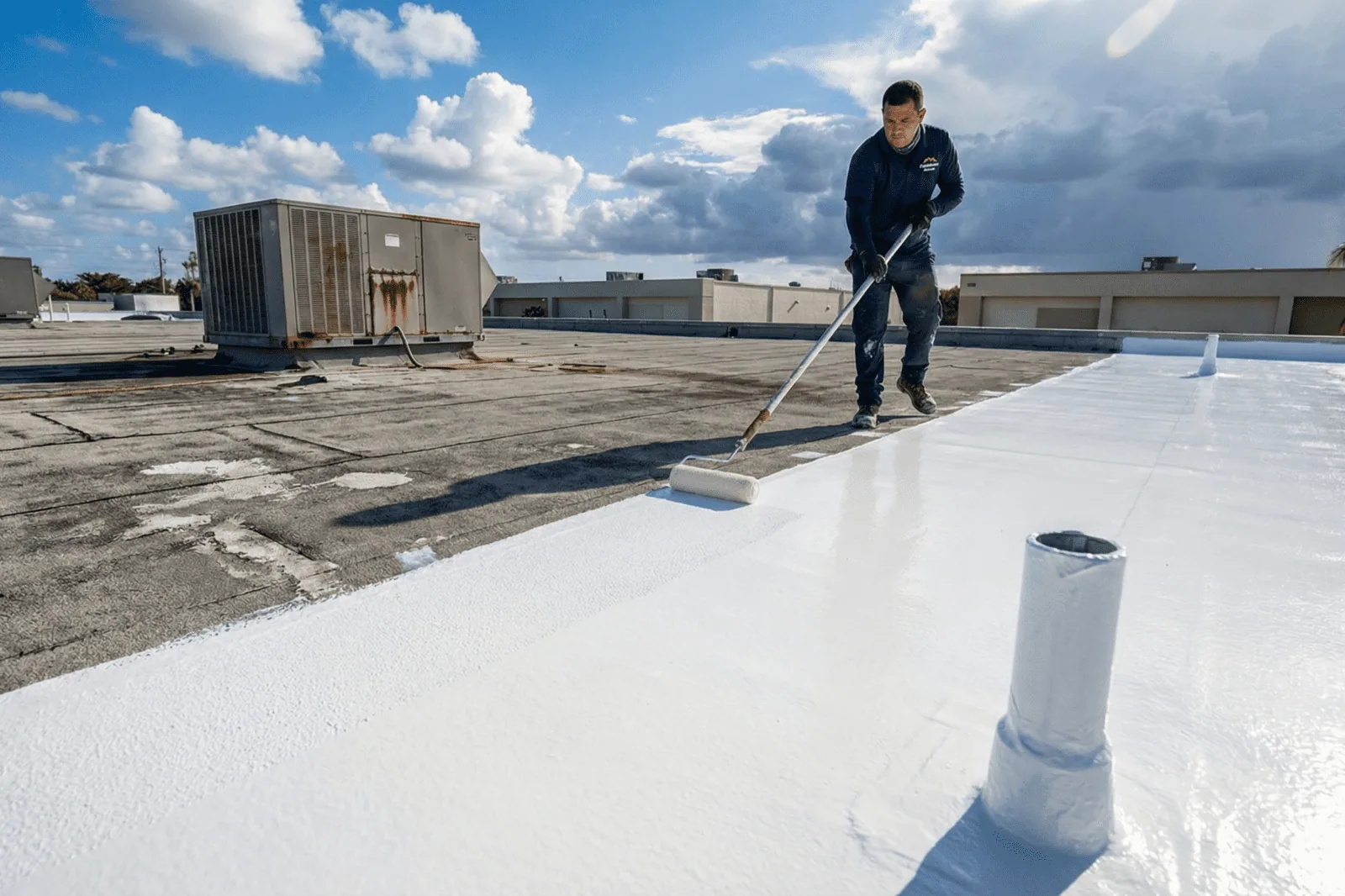
Rooftop Equipment Curbs and Supports
How the work is scoped, phased and documented on Tri-Cities roofs.
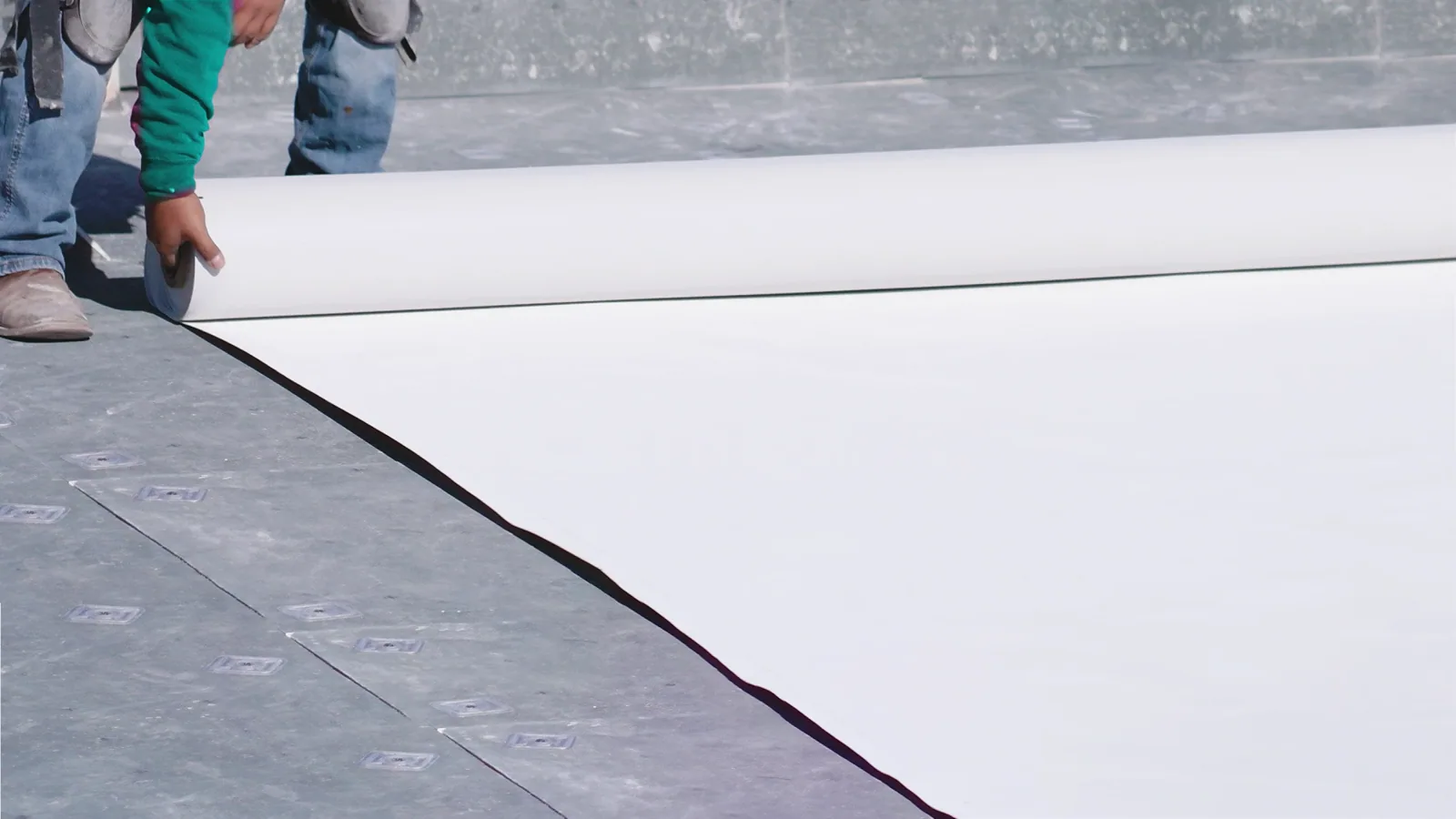
Roof Insulation, Tapered Systems and Cover Board
What we check, what we recommend and how the crew keeps the building running.
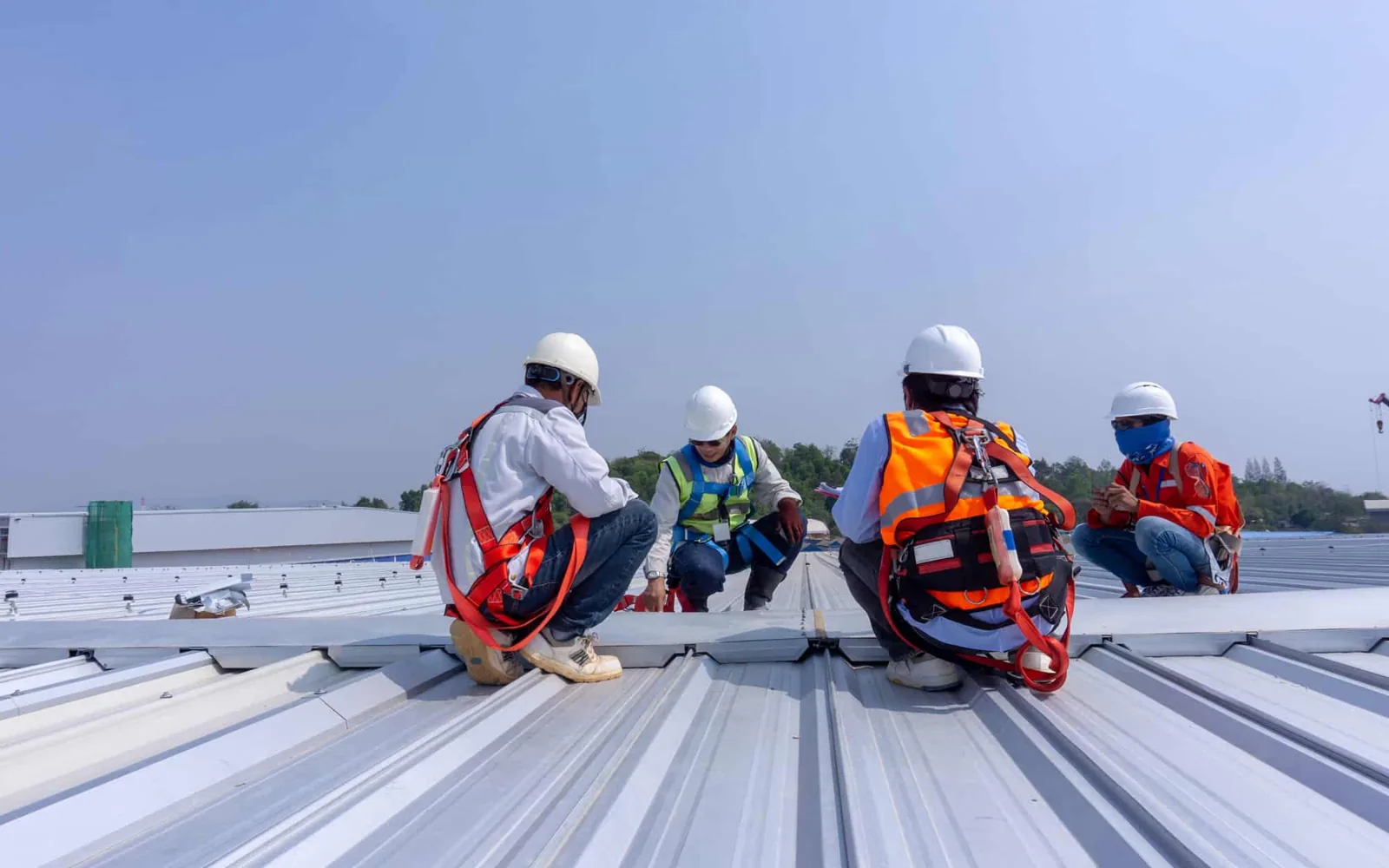
Due Diligence Roof Surveys
Conditions, options and next steps for commercial buildings in East Tennessee.