
Commercial Roofing in State of Franklin Corridor, Johnson City, TN
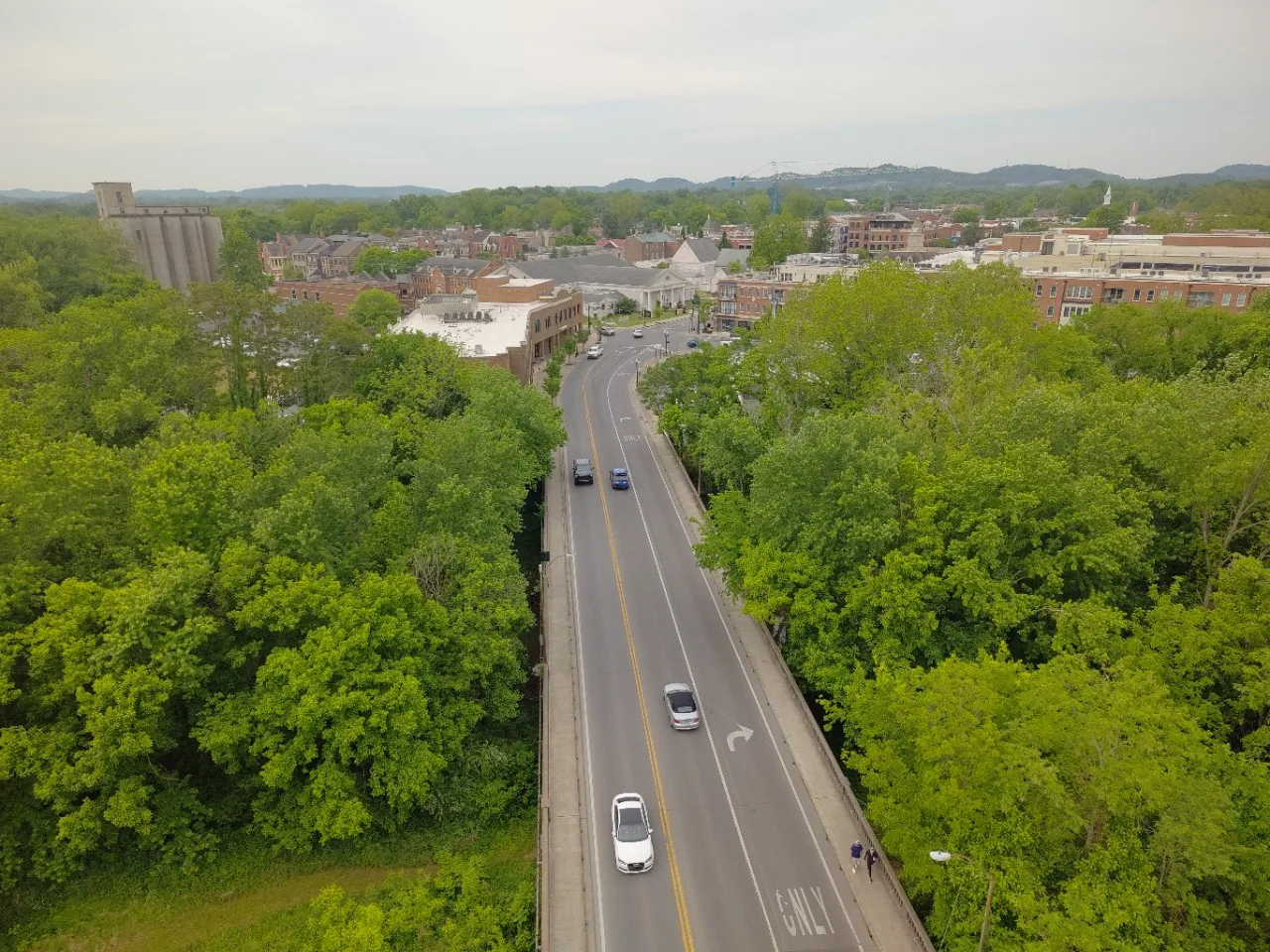
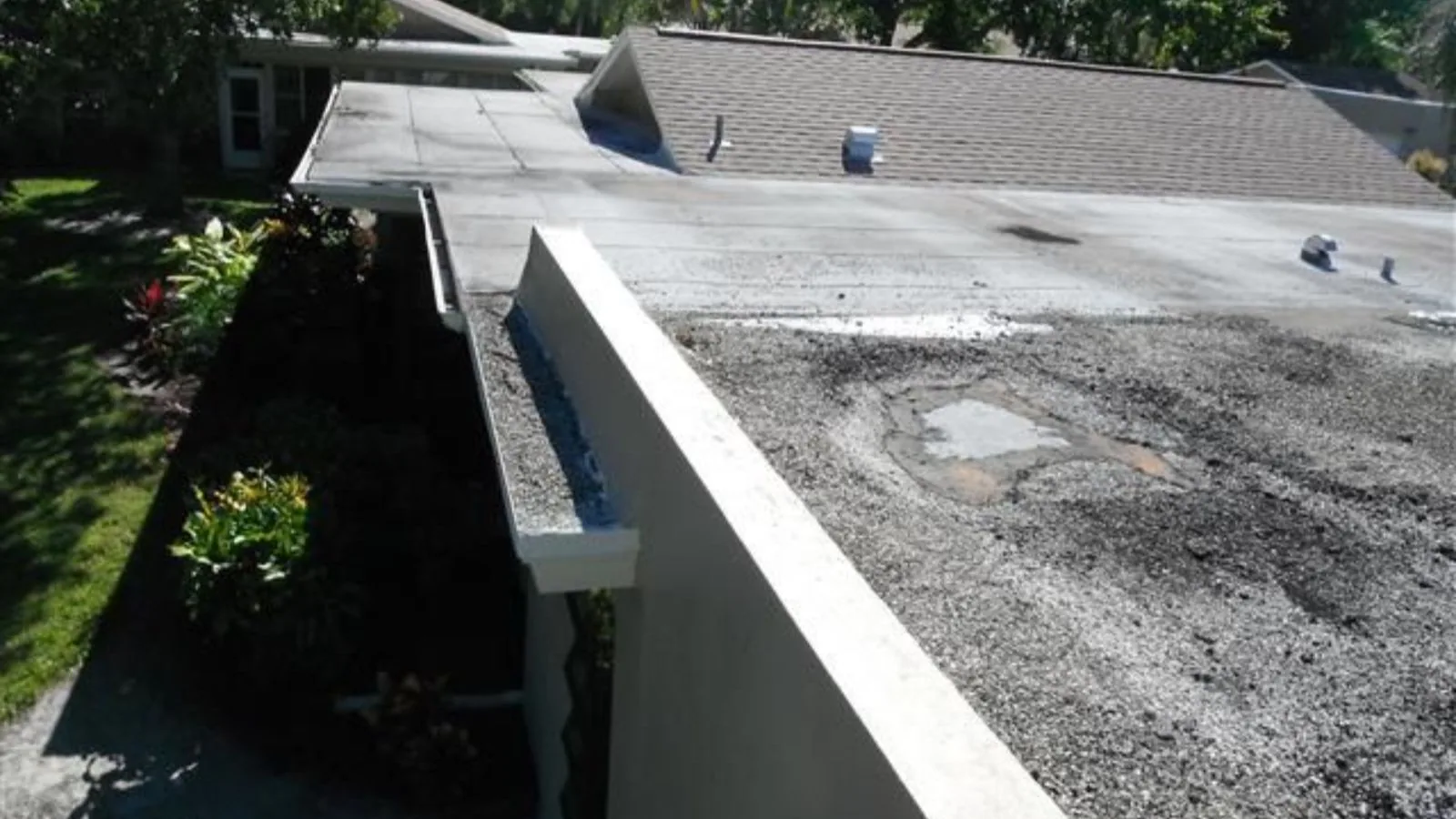
Warm indoor air can reach a cold roof deck, condense inside the assembly and leave insulation holding moisture long before a ceiling shows a stain. Along Johnson City’s State of Franklin Road corridor, that mechanism matters across offices, retail buildings and institutional properties with different schedules and roof systems. The City identifies the road as an investment corridor linking downtown with East Tennessee State University and related redevelopment. That plan gives the service area a broad geographic frame; the roof itself still needs a building-specific inspection. We check drainage, seams, flashings and equipment penetrations, then distinguish an active leak from aging that can be planned. The first report should help an owner choose a repair, restoration or replacement window using condition data rather than guesswork.
How do different buildings along the corridor change the inspection?
The first change is that no two buildings can be assumed alike. ETSU runs ten colleges and schools, including the Quillen and Gatton colleges of medicine and pharmacy, and it holds R2 research status, so its roofs across the corridor cannot be treated as one type. A roof over a building with laboratory or clinical occupied space may carry heavy exhaust and ventilation equipment, while a roof over a lecture hall may carry very little, and we check which is which before we recommend anything. With about 1,990 employees and roughly 13,700 students, a leak in a busy teaching building interrupts a great many people in a single day. The medical college is also tied to the teaching hospital in the Med-Tech corridor, where ETSU's medical institutions and Johnson City Medical Center sit along State of Franklin Road.
Give the corridor property a roof record it can plan from
Call Commercial Roofing Johnson City to arrange a condition survey of your building along State of Franklin Road. The report will record visible conditions and identify what should be repaired, monitored or priced as a larger project.
How does a corridor-wide condition record help?
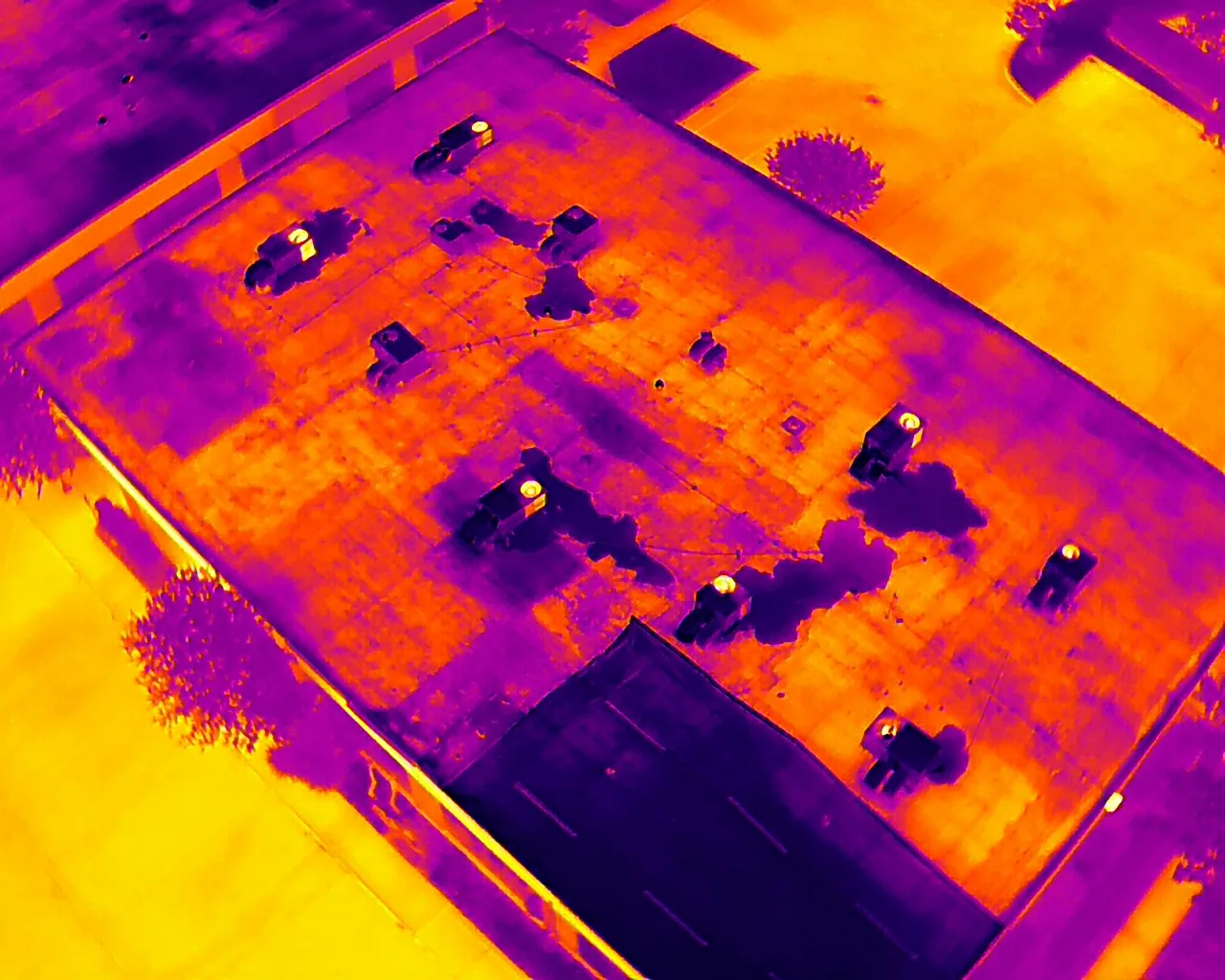
We walk every roof the same way and write down the same things. Each roof receives a rating for membrane condition, drainage, flashing and edge metal, penetrations and insulation moisture, recorded against photographs taken from fixed positions. A drone pass covers large or awkward roofs quickly, and an infrared moisture survey on selected buildings shows which sections hold wet insulation before a ceiling shows it. The ratings go into a single file that lets a facilities director compare a roof on one building to a roof on another, rank them by urgency and project when each reaches replacement. Kept current year after year, that file becomes a campus-wide roof asset management record, and it turns a stack of complaints into a plan.
How can work fit around occupied properties?
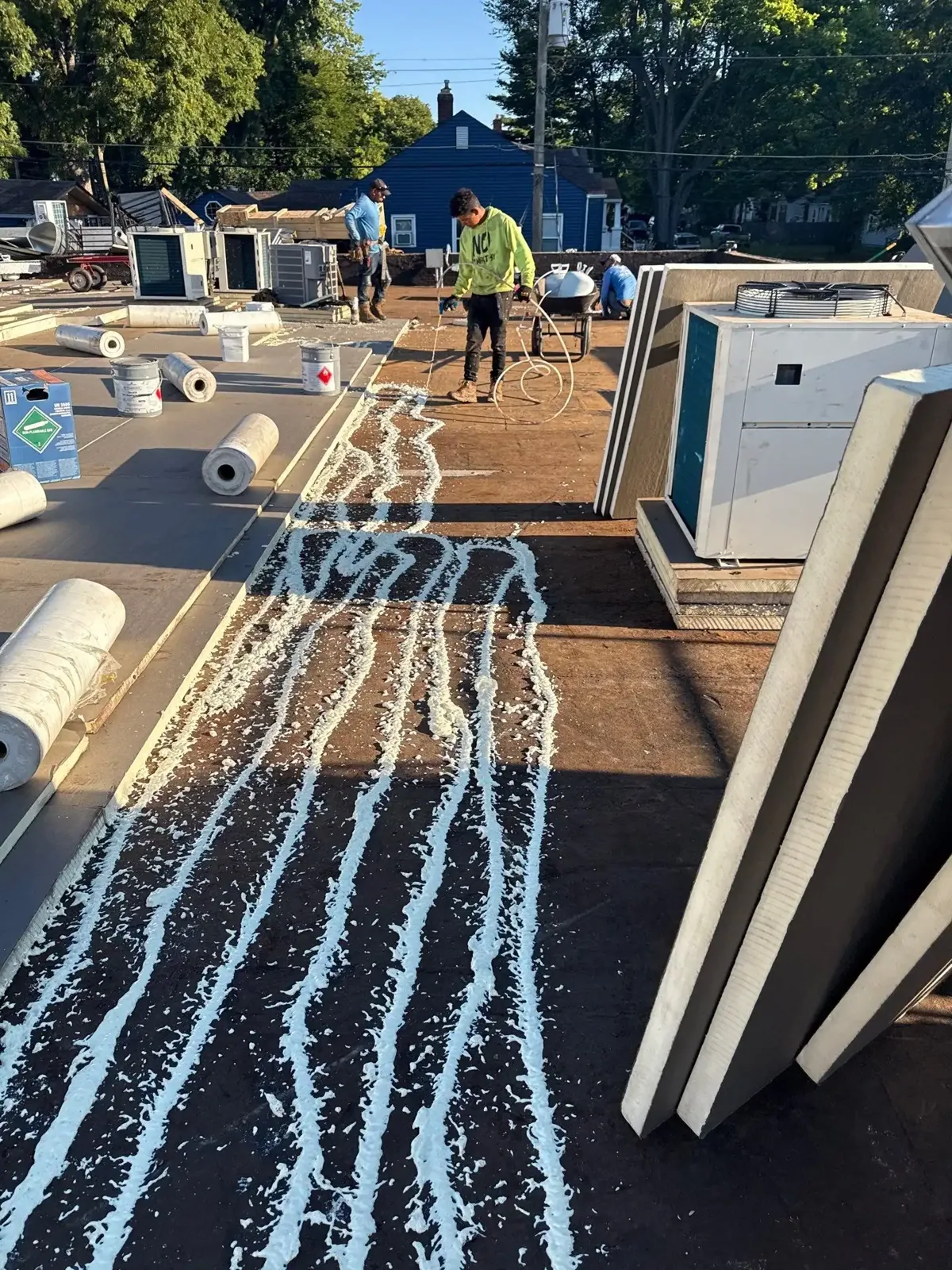
Summer is the obvious window, because fewer people are inside and noisy work disturbs fewer classes, but it is also the window every other project at an occupied property wants. Johnson City sees warm summers with highs around 86F, which suits adhesives, welded seams and coatings, while its winters bring snow, freezing nights and months when a half-finished tear-off is a liability. An owner who wants the work done between terms needs the survey finished by late winter, the scope drawn in spring and material ordered early enough that delivery does not slip into the term. Smaller repairs can happen year-round when conditions allow. On an occupied building we split a roof into sections, close each one before the day ends, and route crews and deliveries away from entrances during class changes.
Repair, restore or replace: what does each building need?
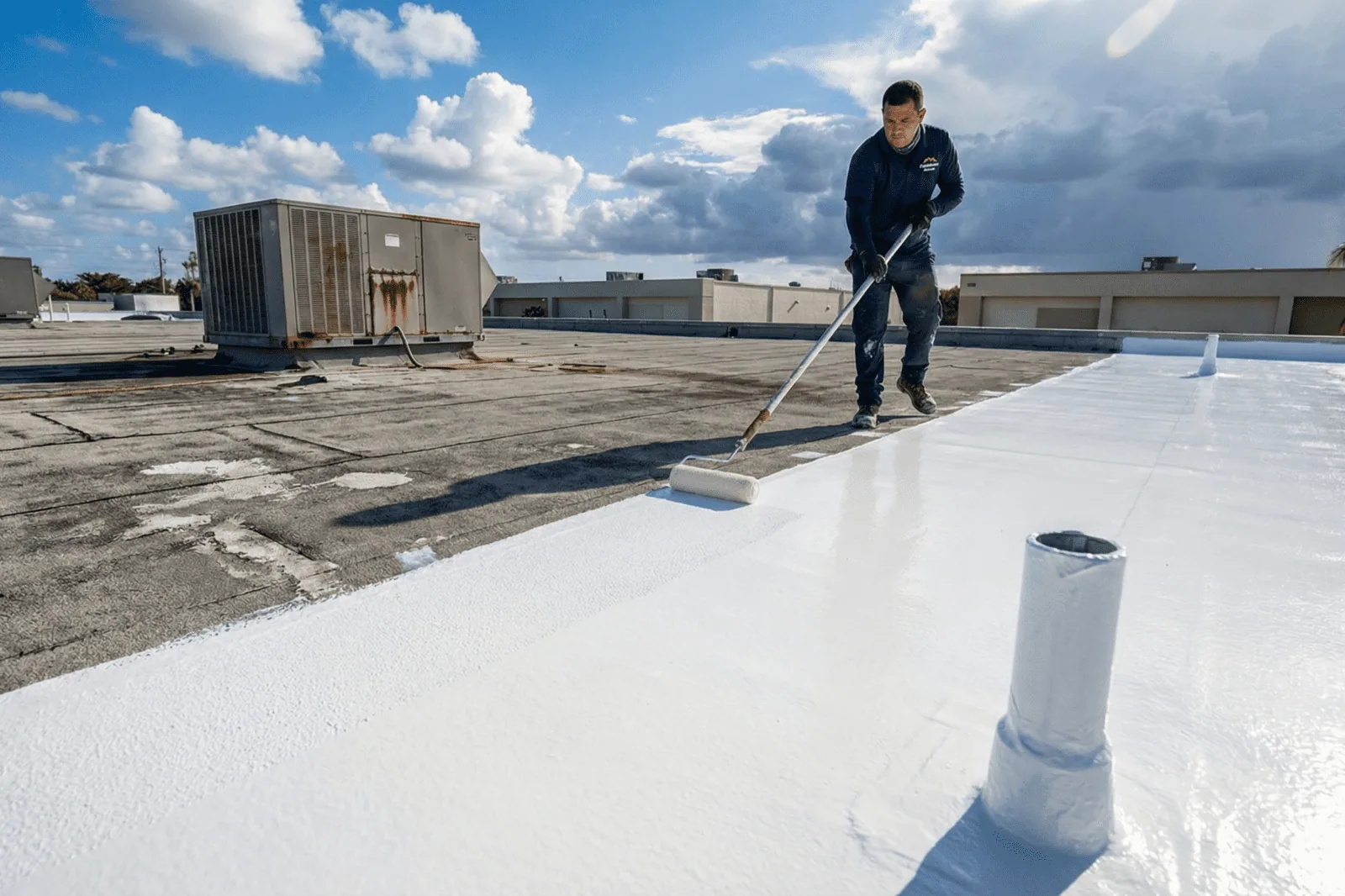
The decision rests on moisture, remaining life and the next ten years of the building. A roof with dry insulation and a membrane that still has service life is a candidate for repair or a restoration coating, which cost far less than a new roof and defer capital. A roof with wet insulation, a failing deck or several old repairs is usually past that point, and replacement gives the chance to correct drainage, bring insulation up to the energy code the city adopted in 2018, and prepare the surface for future rooftop equipment or solar. A building that may be renovated or demolished in a few years is a different case again, and a modest repair is often the sensible spend. We set the three options side by side with costs and expected life, so the choice is visible.
What does a delayed repair cost along the corridor?
The cost is rarely the ceiling tile. Water that reaches a classroom or lab can interrupt instruction, damage equipment or records and require relocating a class, and the facilities team loses time to cleanup and tracking down the source. Wet insulation also drives heating and cooling costs upward while it deteriorates the deck. Johnson City averages roughly 45 inches of precipitation a year, and the nearby mountains receive considerably more in winter, so these wet cycles come around every year. A campus that records its roof condition can defer a replacement on purpose, with a reason and a date, instead of deferring it by default. That difference shows up in the capital budget as predictability, and in the classroom as a ceiling that stays where it is.
For a separate occupied building, keep its access plan and roof condition record distinct; the downtown Johnson City route uses the same inspection method.
Why is the corridor a better service target than one institution?
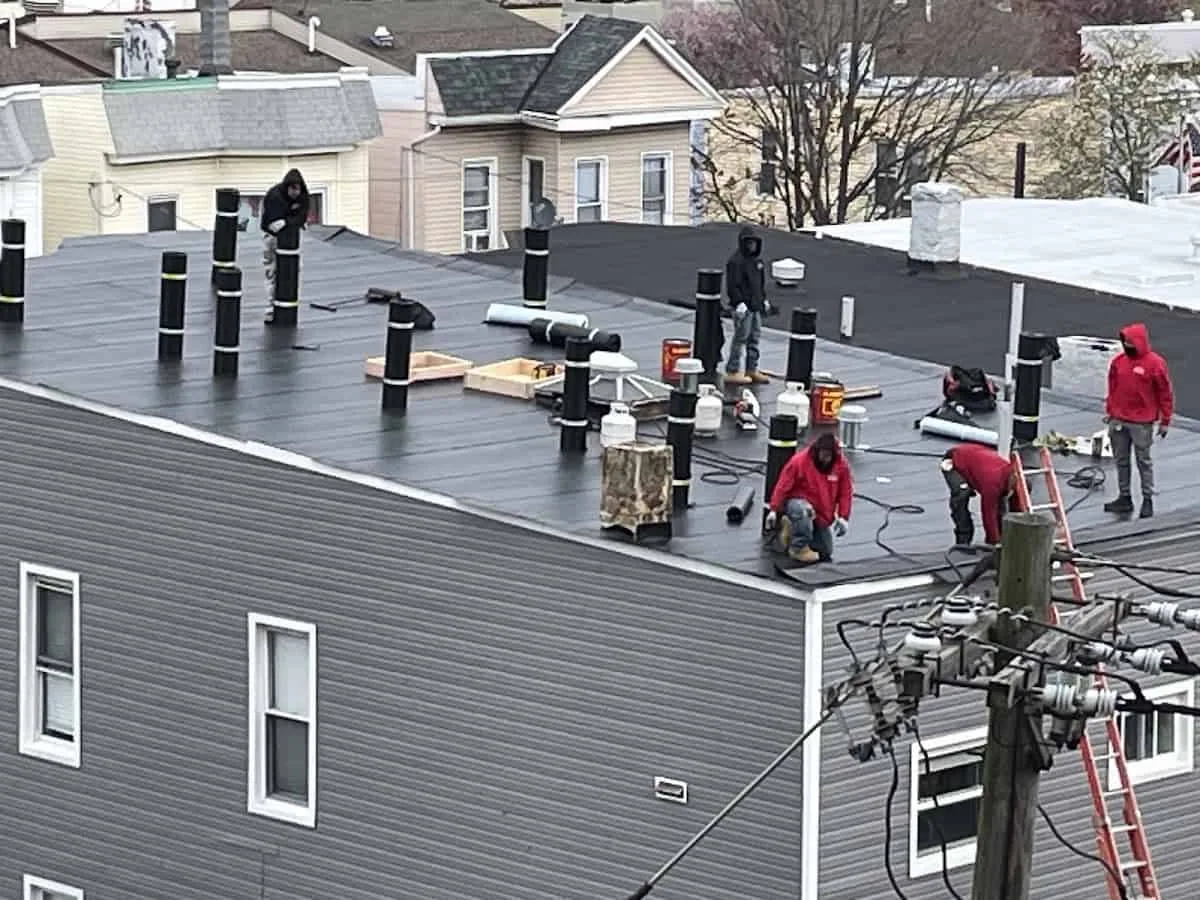
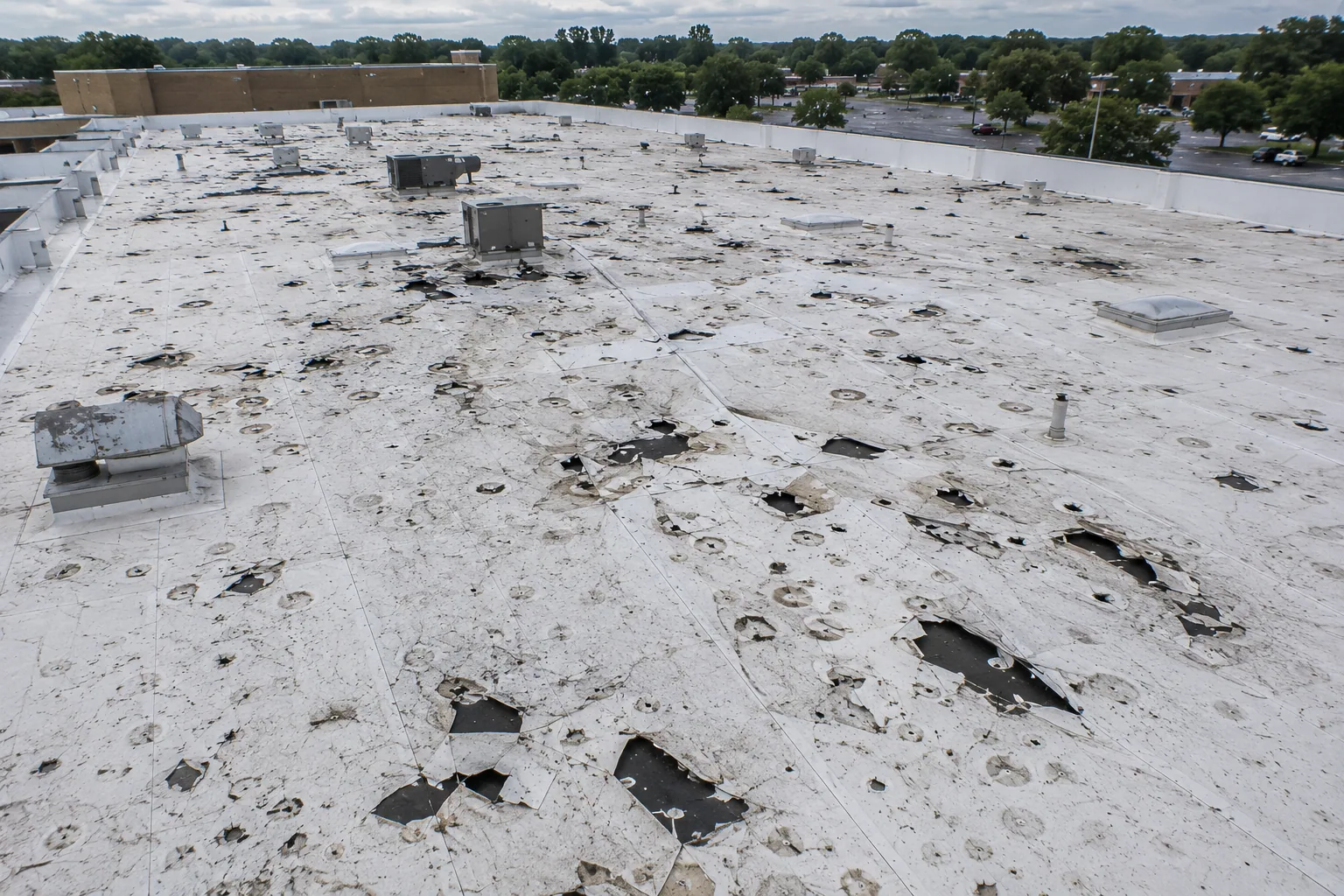
State of Franklin Road brings different property uses into the same local work area. Owners may be comparing offices, retail buildings and institutional roofs with separate schedules, while the same weather tests each assembly. A building owner may be comparing a small office, a retail property and a larger institutional roof on separate schedules, while the same local weather exposes each to freeze, thaw and heavy rain. The roof review stays property-specific: we record the membrane, seams, drainage, flashing, penetrations and any signs of wet insulation on the building under discussion. The surrounding area can help orient a property manager, while the condition of each roof still comes from an inspection. If the visit starts near ETSU, that is a landmark for orientation, not a claim that every job in the area is university work. A downtown Johnson City roof can be compared with one farther along the corridor without turning either building into a generic template.
Commercial Roofing Questions
When should an owner start planning a summer roof project?
Begin before the spring rush. A winter or early spring survey can reveal wet insulation, failing edges and long-lead materials while there is still time to compare repair, restoration and replacement. We then sequence the work around occupancy and weather instead of forcing every roof into the same short window.
Can nearby institutional and commercial roofs use one condition scale?
They can share the same inspection criteria while keeping separate records. We rate drainage, membrane, flashing, penetrations and moisture on each property, then compare urgency without assuming that a classroom, office and retail roof have the same assembly or risk.
Why inspect rooftop equipment and exhaust details carefully?
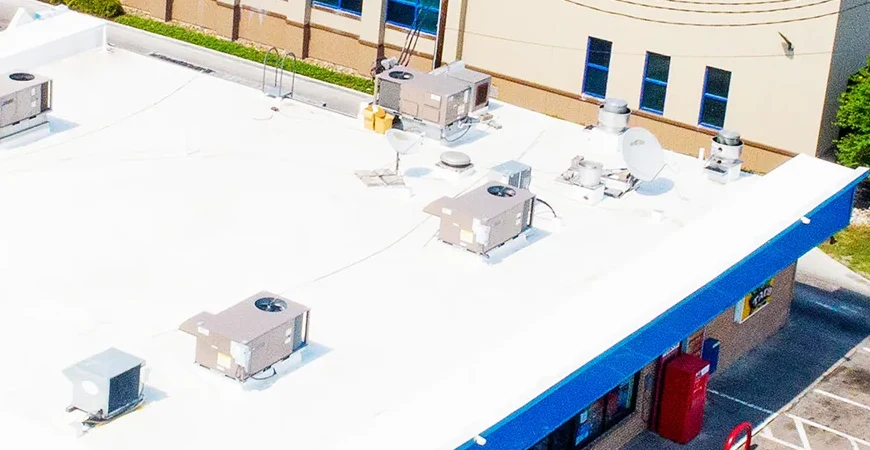
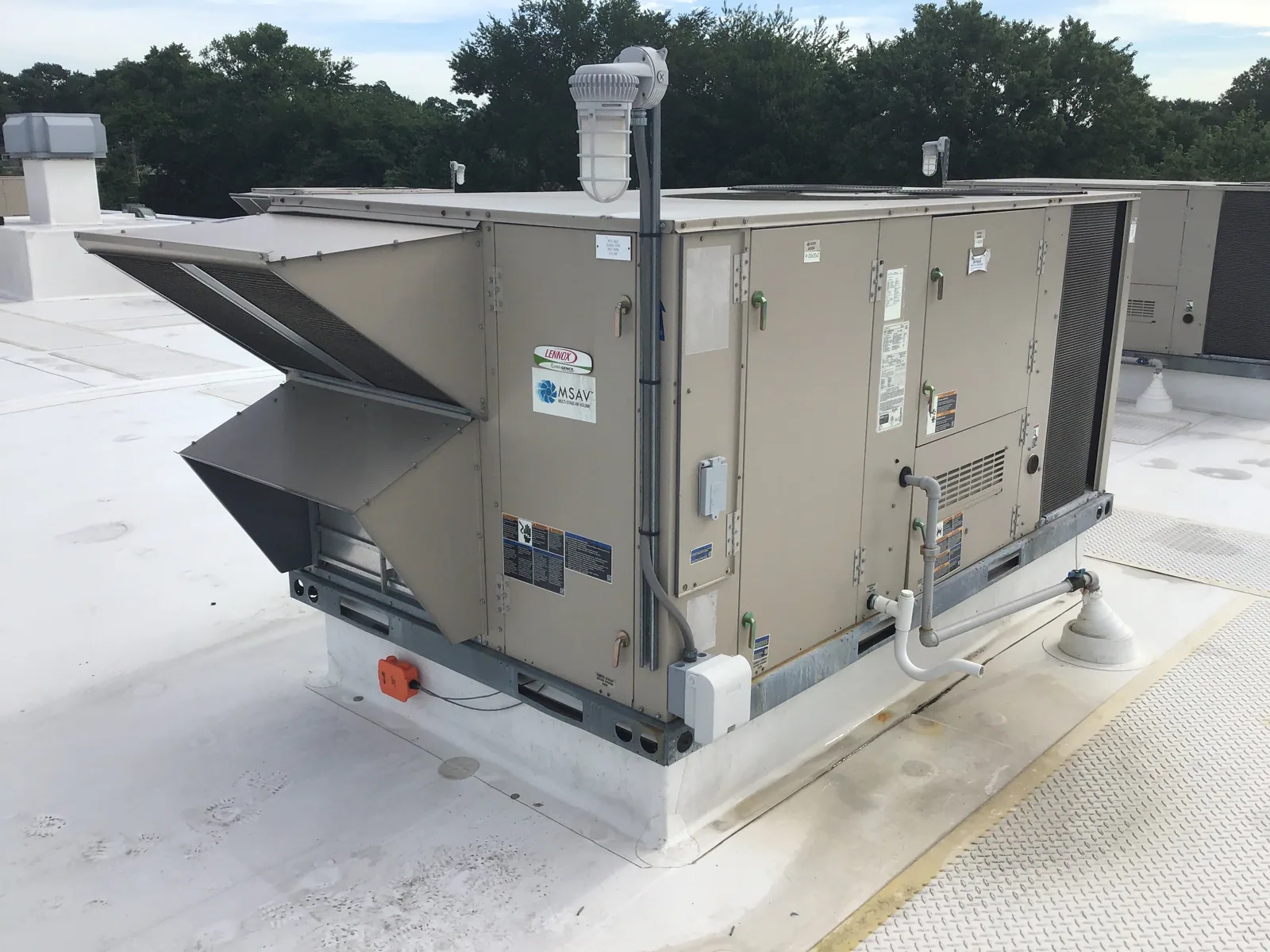
Every curb, duct and support breaks the roof plane. Loose counterflashing, open sealant or a poorly supported line can admit water even when the open membrane looks sound. We document each penetration and note whether nearby exhaust or service traffic may affect repair sequencing.
Will a repair affect an existing roof warranty?
It can, depending on the manufacturer’s terms and the type of work. Before touching a covered roof, we read the warranty and confirm which repair methods preserve its requirements. The proposal then distinguishes warranty-sensitive work from routine maintenance the owner can schedule independently.
How can several buildings be prioritized without treating them alike?
Use a consistent rating, then weigh each roof’s actual condition, use and consequence of a leak. A shared record makes comparisons easier, but the sequence should reflect which building has active water entry, wet insulation or a detail likely to fail next.
Related Roofing Pages
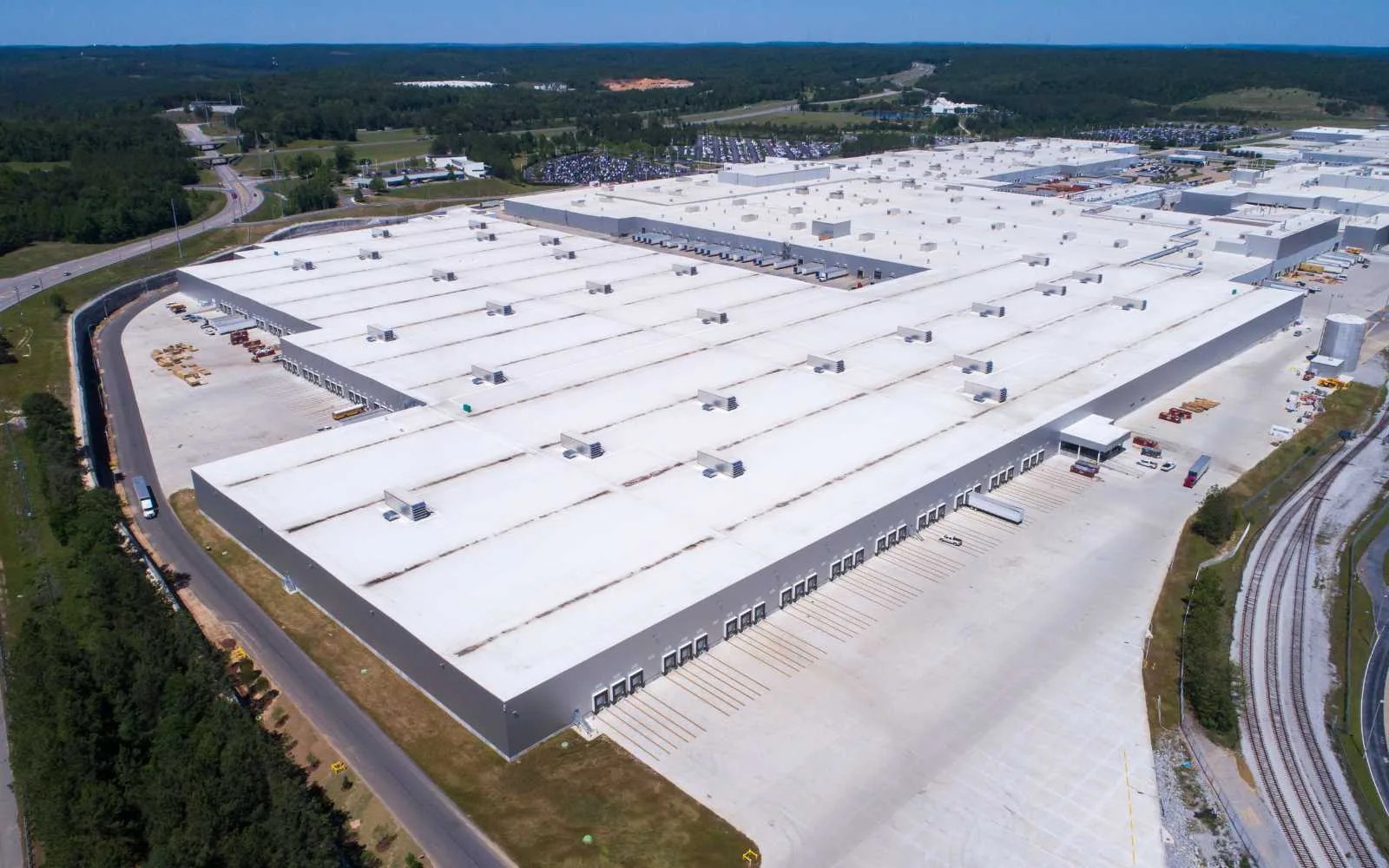
Med-Tech Corridor
How the work is scoped, phased and documented on Tri-Cities roofs.
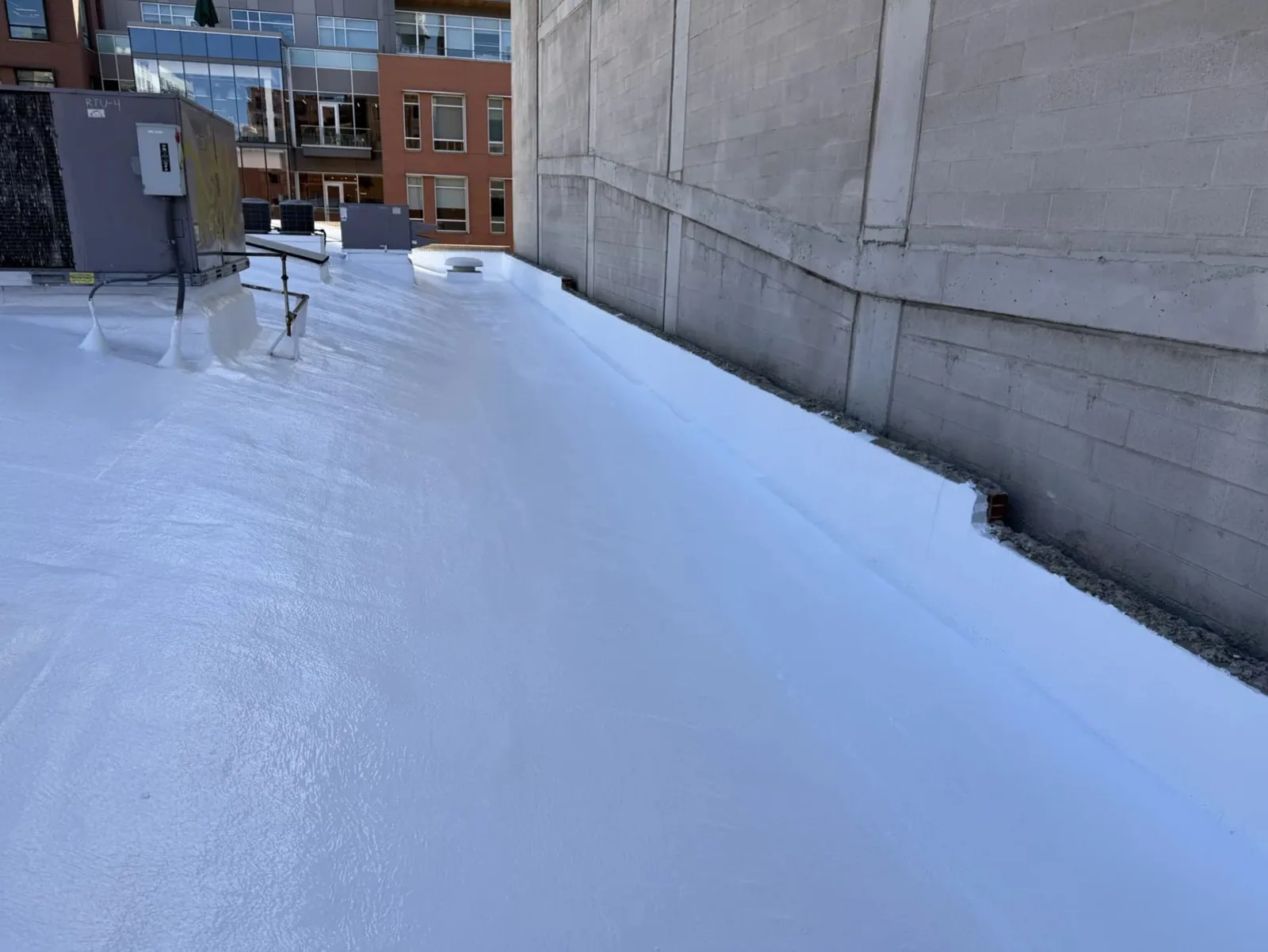
Drone Roof Inspections
What we check, what we recommend and how the crew keeps the building running.
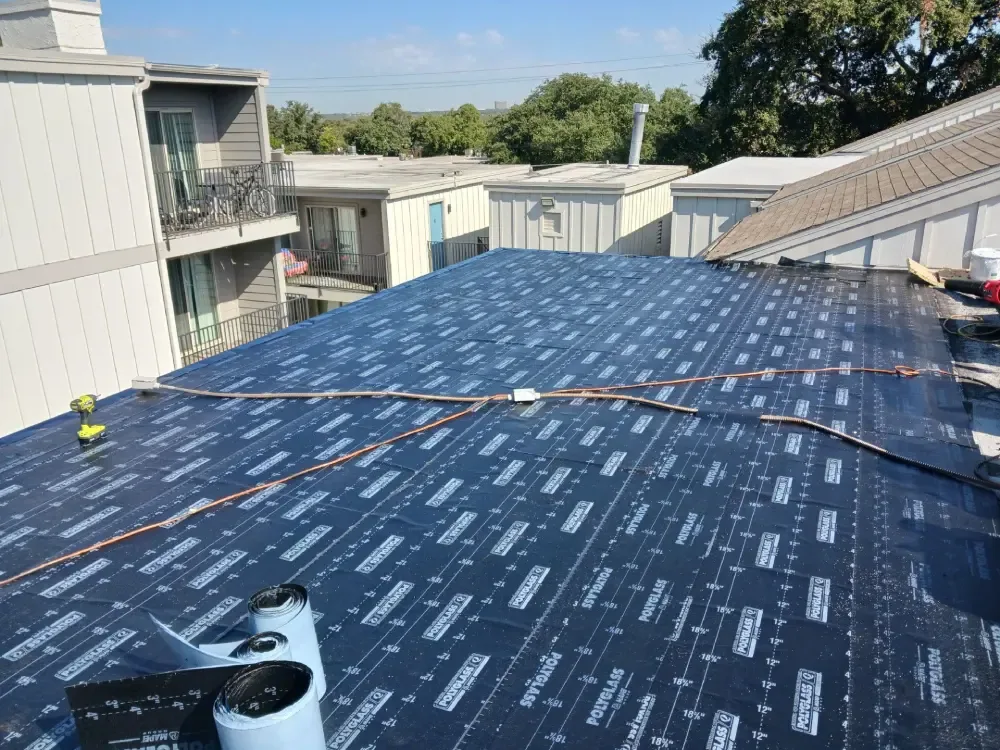
Infrared and Core-Cut Moisture Surveys
Conditions, options and next steps for commercial buildings in East Tennessee.