
Roofing for School Districts in Johnson City, TN
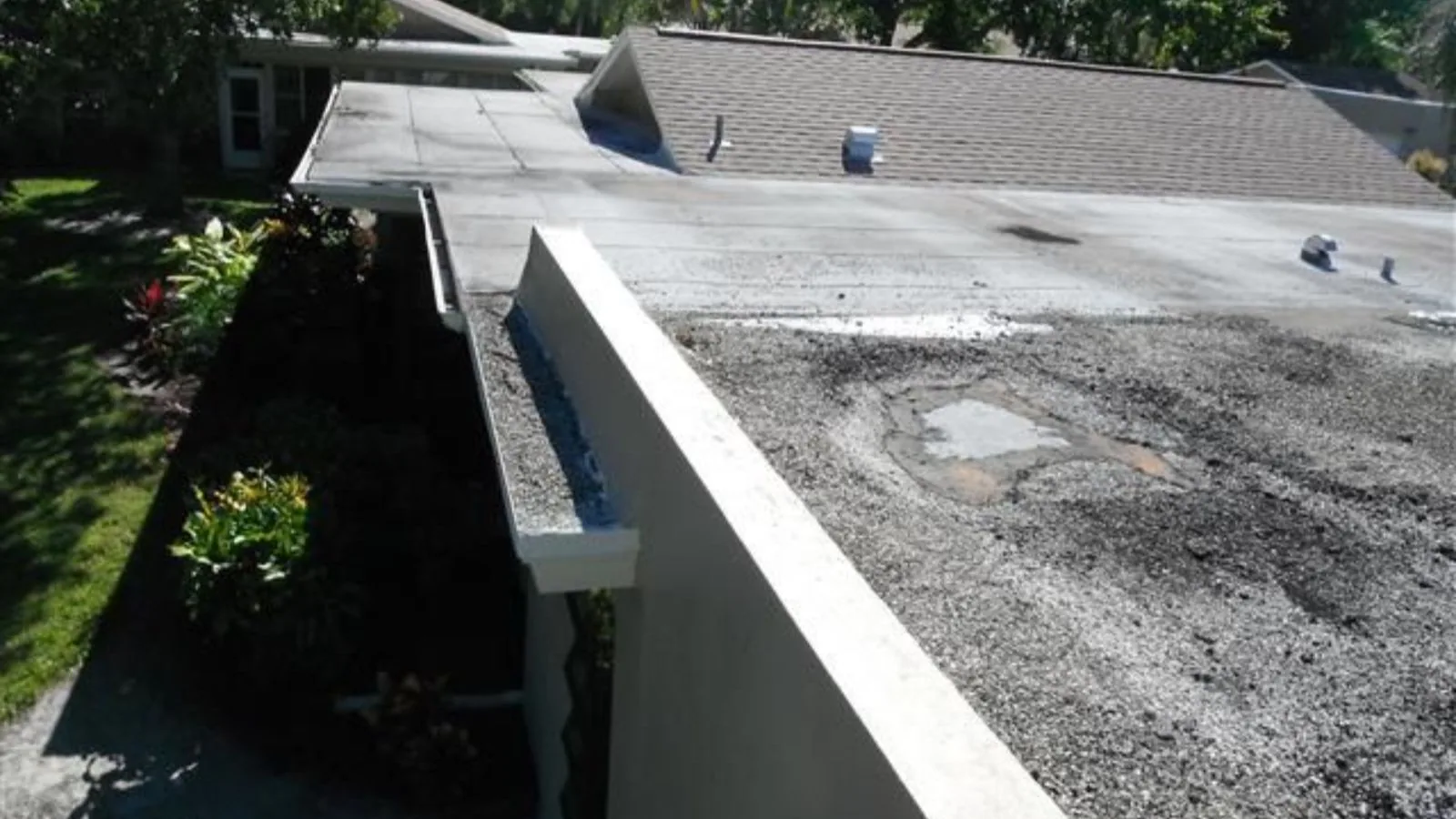
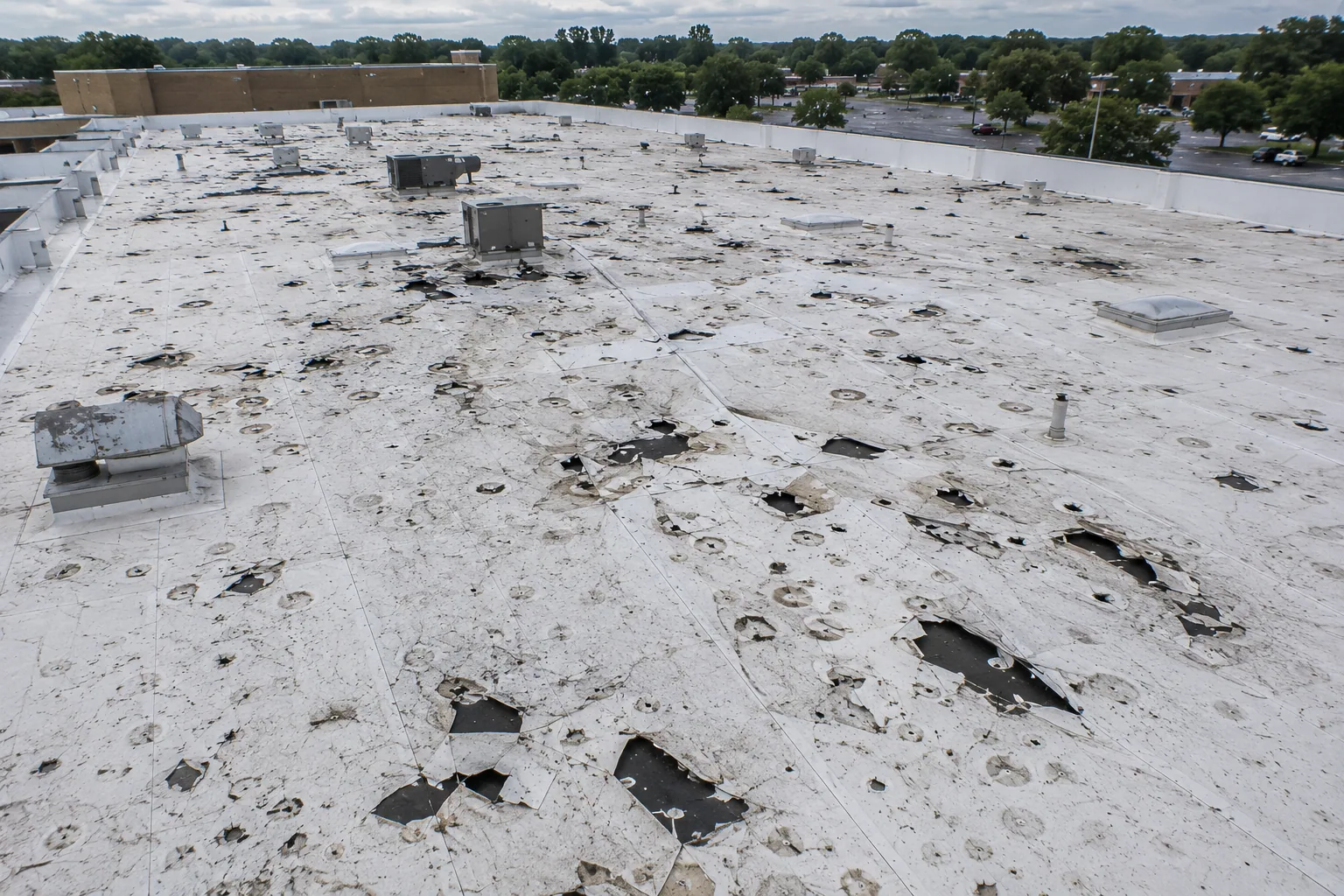
Leaves, seed pods and grit from the trees around a school settle into the low corners of a flat roof, and after every rain they hold a film of water against the membrane. In a Johnson City, TN winter that debris freezes into a plug at the drain, meltwater has nowhere to go, and the shallow pool becomes a load the deck was not sized to carry every day. The membrane under it spends weeks wet, its seams are tested by every freeze-thaw swing, and by spring the repair that would have cost a visit has become a section of wet insulation. A school district feels this as a surprise in a classroom, usually in the middle of the year, and usually at a time when the building cannot be vacated. Our work is to replace surprise with condition data that a board can read, rank and fund ahead of the failure.
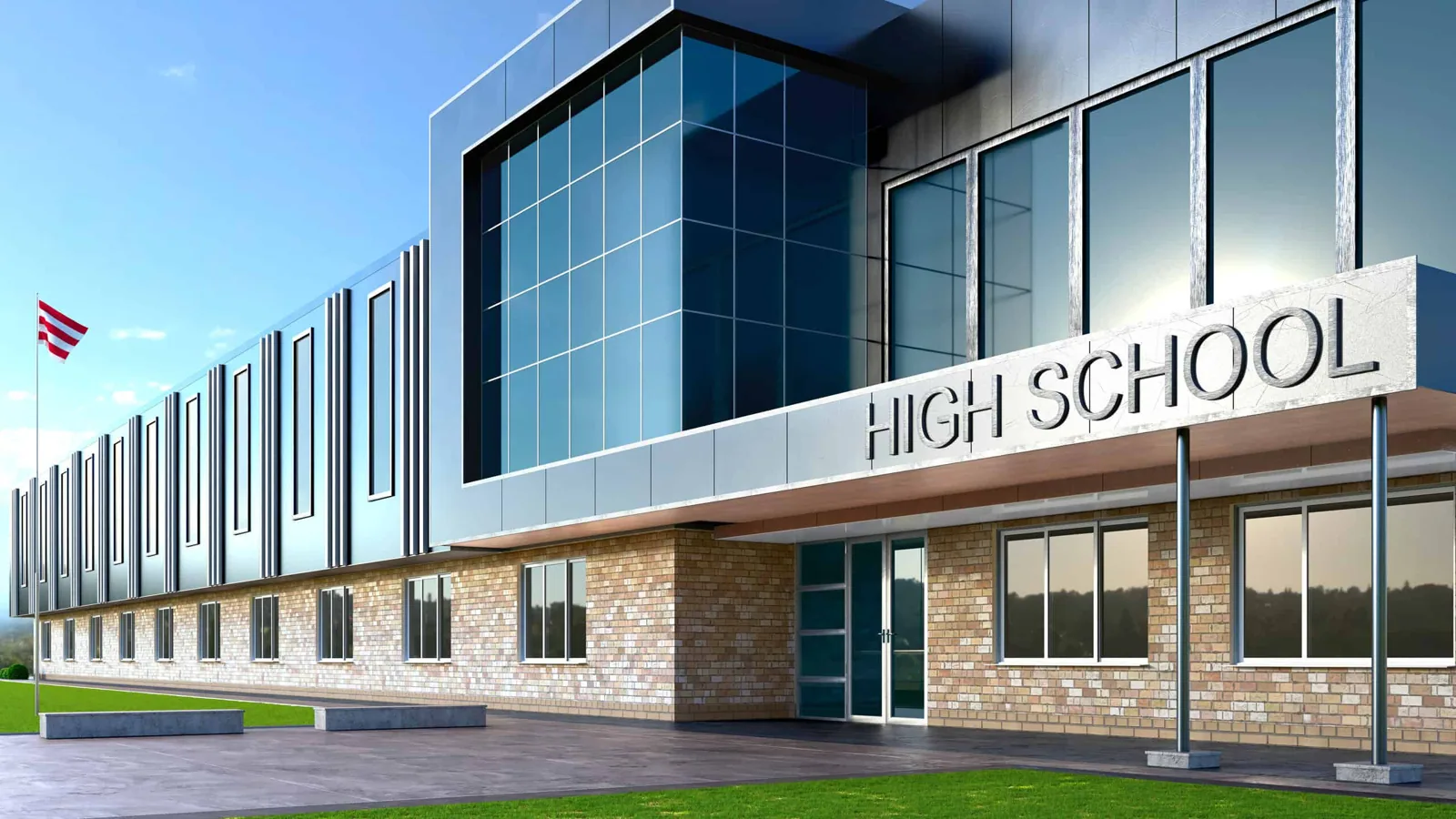
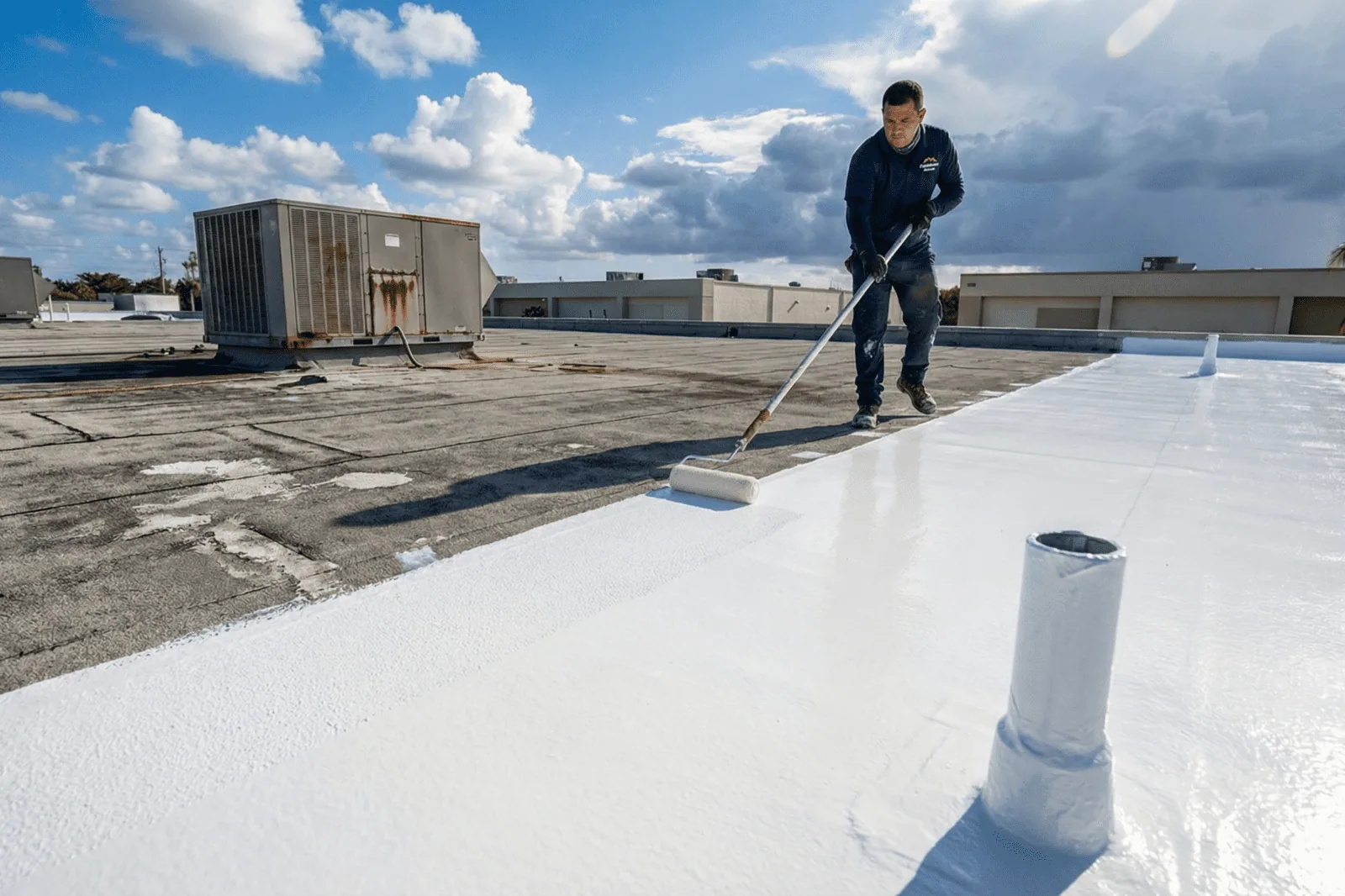
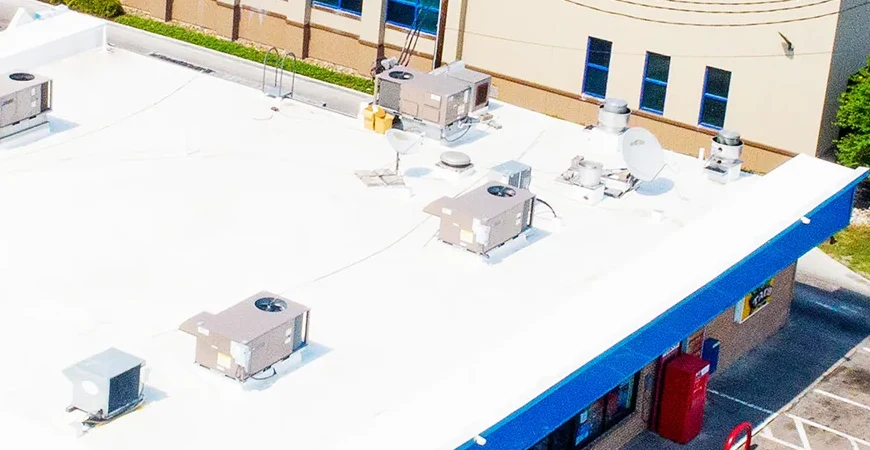
What happens to a roof over a building that sits empty all summer?
Less than a person would like, since no one is on the roof to see it. Air conditioning is set back, the building warms and fills with humid air, and the underside of the deck collects condensation that cannot dry out until the system runs again. Heat softens the membrane and its sealants through the afternoon, and thunderstorms test seams that nobody has walked since spring. A leak that opens in July may drip onto a floor that no one visits until the first week of August, by which time the insulation has been wet for weeks and the tile below has started to stain. Preventive visits timed to the summer closure catch these problems while the building is still empty and the repair can be done without disturbing a class.
Bring condition data to the board before the next budget cycle
Call Commercial Roofing Johnson City to arrange walks of your school roofs. You will receive moisture findings, a ranked scope and a summer-break schedule you can present to the board before any capital is committed.
How should a district rank roofs when every building has an advocate?
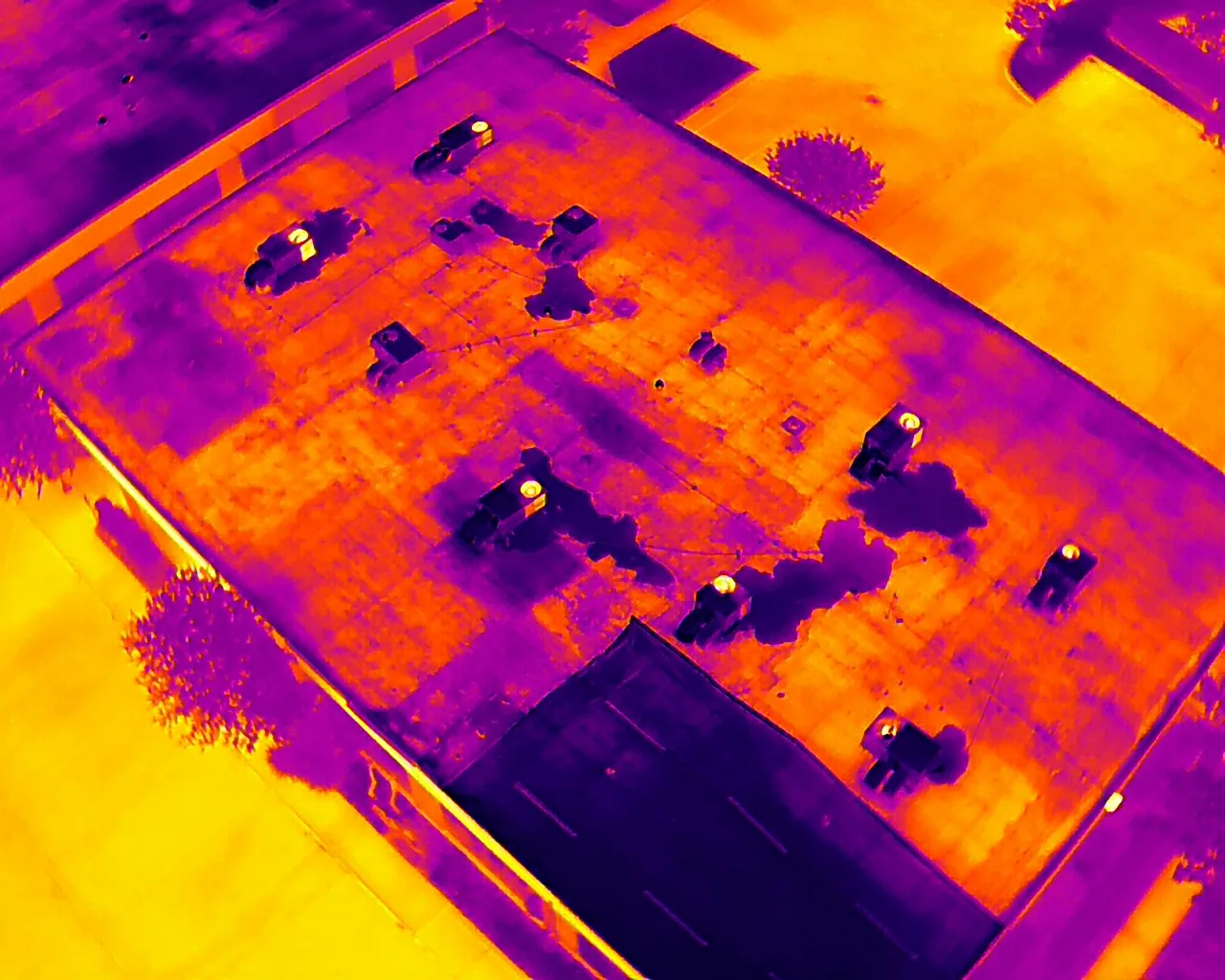
With the same measures for every roof, recorded in the same format. We note the roof's age if it is known, the membrane type, the state of seams, flashing and drainage, whether the insulation is dry, and whether a manufacturer's warranty is still in force. Gyms, auditoriums and classroom wings are scored separately because they fail differently, and the report adds the cost of leaving each one alone for another year. A board member who has to choose between a gym roof and a library roof can then see that the two differ in condition, not just in the volume of calls from the principal. Condition data of this kind also makes it practical to write a roof condition report that holds up when it is attached to a funding request.
What does a deferred roof do to a school's capital plan?
It moves the expense to a worse date. A roof that could have been scheduled for a summer under a planned appropriation fails in October instead, and the district pays for temporary protection, interior repairs, relocated classes and a rush on materials, all before the permanent work begins. Wet insulation raises heating loads while the deferral lasts, and the deck below corrodes from the top. Each of those costs sits outside the roofing line item, which makes deferral look cheaper than it is. When condition data shows a roof still dry, preventive roof maintenance can hold it for several more years and keep it off the emergency list; when the data shows moisture, the replacement window is closer than the budget assumed, and the board should hear that while there is time to plan for it.
How much of a reroof fits inside the summer break?
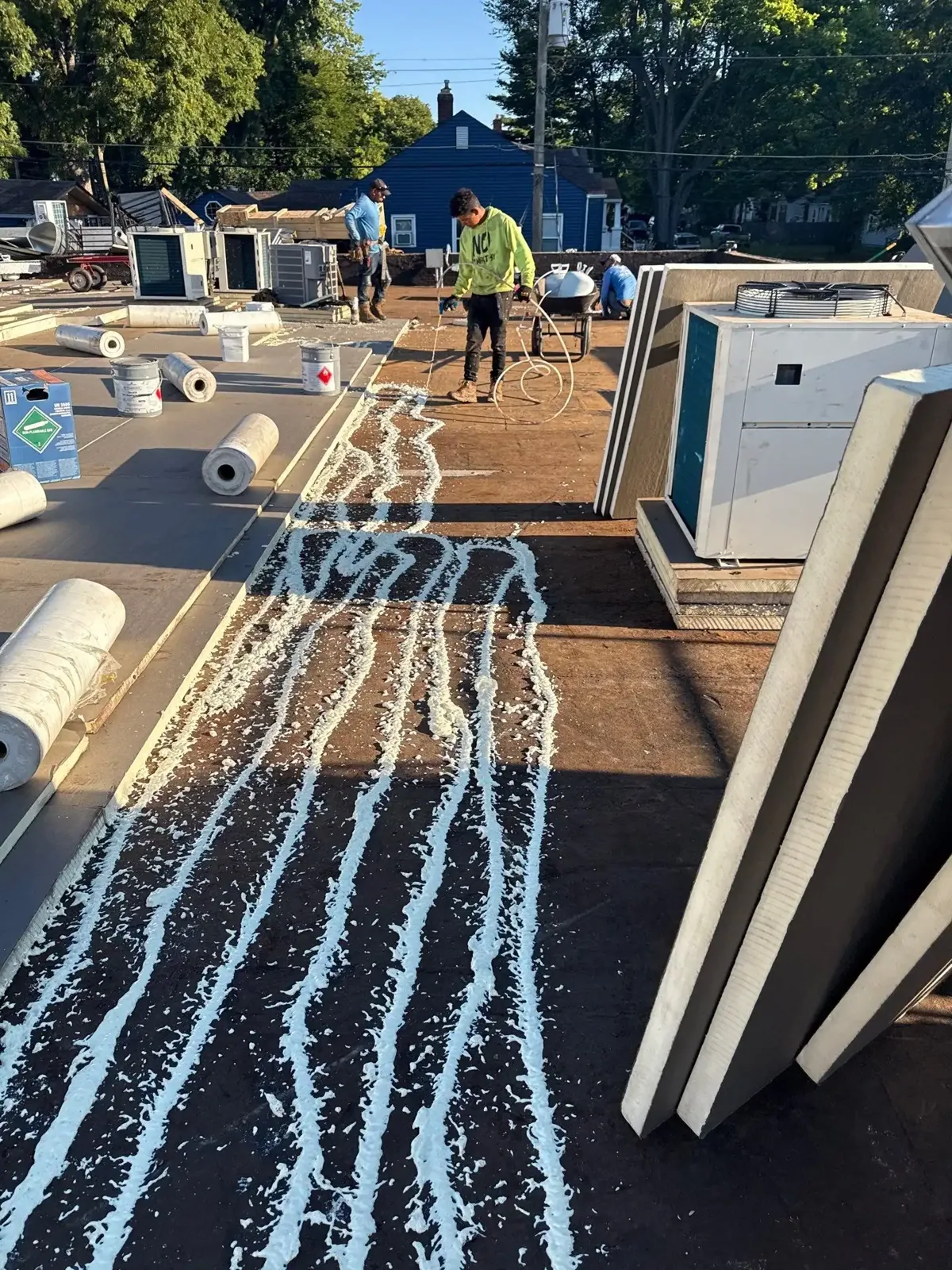
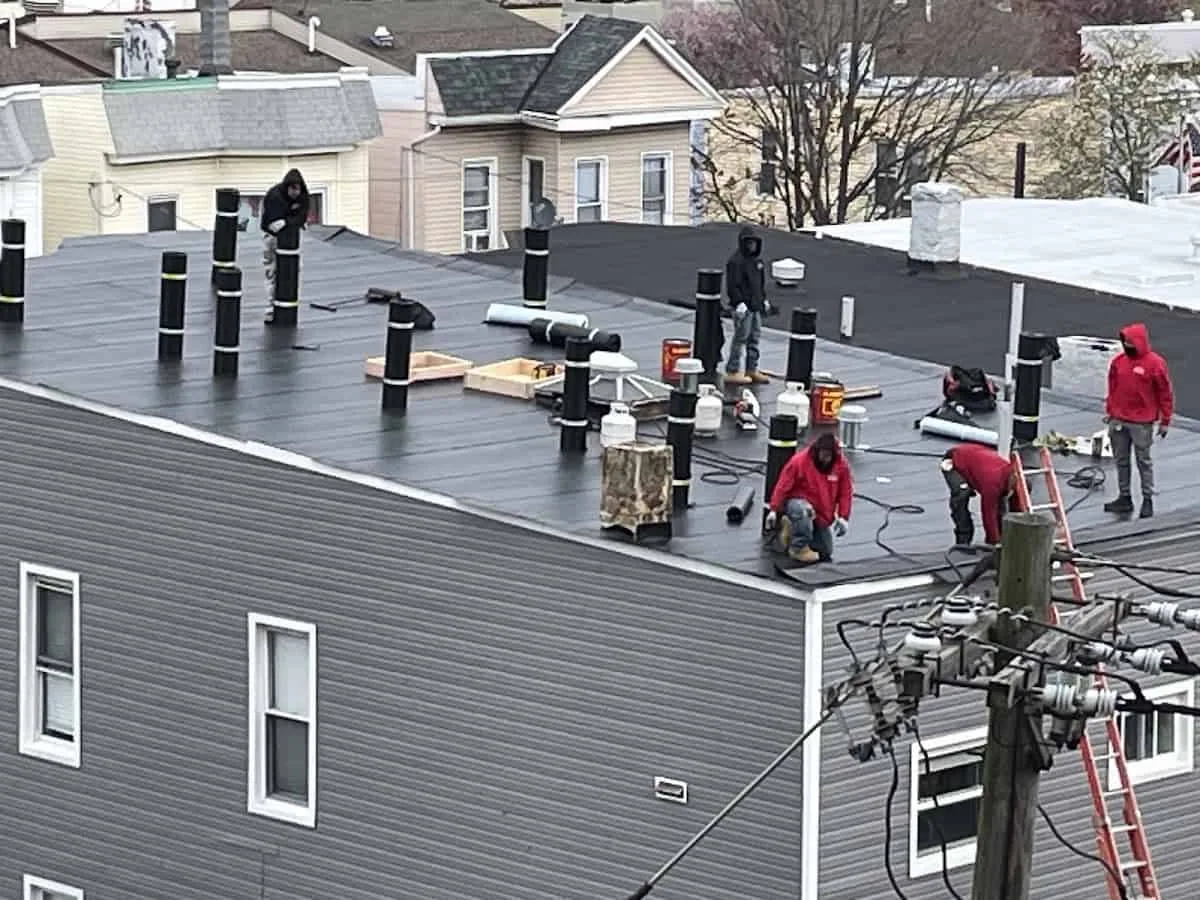
Less than a large roof needs. The usable window runs from the last day of school to the first day of the next year, and it shrinks when bids slip, materials arrive late or a rainy week stops adhesive work. For that reason the schedule begins in winter: the scope is written, the bid is let, material is ordered and the roof is divided into sections that can each be dried in before the crew leaves. Very large buildings are often phased over two summers, with the most failed sections first. Where work has to continue after classes resume, we keep staging, noise and foot traffic away from entrances, buses and play areas, and we fence the work zone before the first student arrives.
Which assemblies suit gyms, classroom wings and older additions?
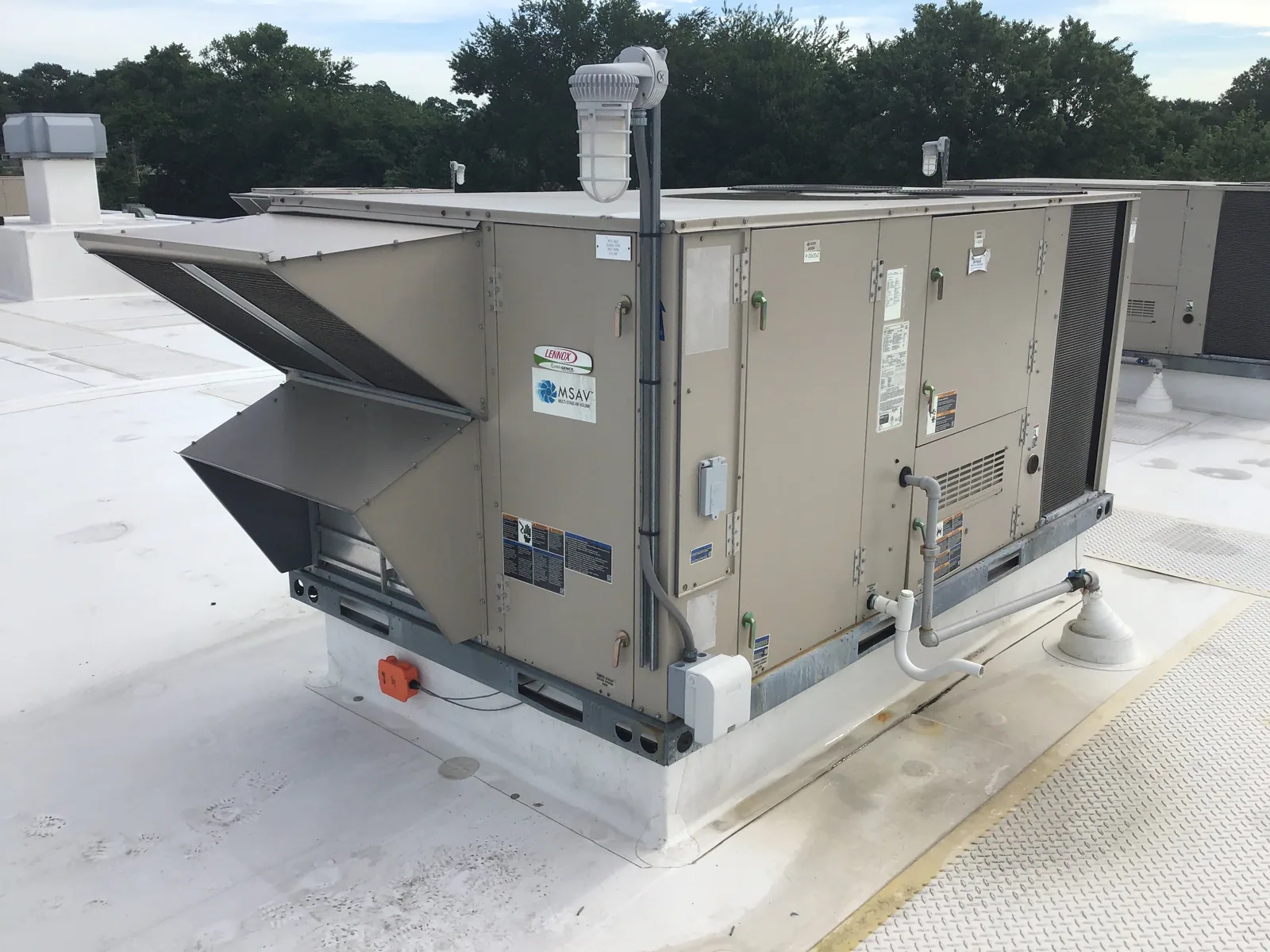
The gym usually has the longest spans and the highest interior, so condensation and wind uplift at the edges matter more there, and a standing seam metal roof or a well-attached single-ply sheet may be the better fit. Classroom wings with low slopes suit TPO or a similar single-ply sheet over a cover board. Additions built at different times often have different roofs that meet at tie-ins, and those joints deserve more attention than the field. A district with a standard roof for each building type spends less on parts and training, and it gets repairs done in a consistent way across buildings built in different decades.
What do Washington County school sites bring to the roof question?
Washington County Schools is among the largest employers in Johnson City, with about 1,275 employees, and the Gray area is served by Daniel Boone High School and by Ridgeview Elementary, which opened in 2008. A known opening date gives a district a starting point for service-life planning, though the roof's own age is something we confirm on the roof. In Limestone, David Crockett High School serves Washington County residents, and the town straddles the line into Greene County, where the Nolichucky River runs that Hurricane Helene sent to catastrophic flood levels in 2024. A school roof in that corner of the region should have its drains and low points recorded after a storm of that size. Roan Mountain, near 2,550 feet, and Mountain City, at 2,418, sit well above the valley, and any district building up there should plan for heavier snow. Districts that run bond-funded projects through a general contractor will find that the same condition data goes into the specification.
Commercial Roofing Questions
How is a roof project described so that it can be bid fairly?
With a written scope that states quantities, existing conditions and performance requirements, plus alternates for items that cannot be priced until the roof is opened, such as deck repair. Our condition report supplies the measurements and photographs that a specifier needs. Procurement rules vary by entity, as they do for any public agency, and are the district's to apply, so we focus on making the technical scope clear enough that every bidder is pricing the same roof.
Who may repair a school roof that is still under a manufacturer warranty?
The warranty itself names the conditions, and they differ from one manufacturer to the next. Some require the original installer or an approved contractor for repairs, and a patch applied by someone else can put coverage at risk. Before any contractor cuts into the membrane, including us, the district should read the repair terms and notify the manufacturer where required, and we keep a photographic record of the area before and after.
Do gym and auditorium roofs need different handling?
They do, because their interiors are tall and hard to inspect from below. A leak can run along a steel joist for a long distance before it drops, and the visible stain may be far from the opening. We search these roofs by the pattern of seams, curbs and skylights above and verify suspect areas with moisture scanning instead of trusting the position of a stain on the ceiling.
What is the safest response to a leak in the middle of the school year?
Protect the room first, then make the roof watertight with a temporary repair done outside school hours, so that students and staff are not working beneath an active crew. After that, the cause is identified and the permanent fix is scheduled for the next break. Round-the-clock response means a leak that cannot wait can have its temporary seal in place before the next school day.
Related Roofing Pages
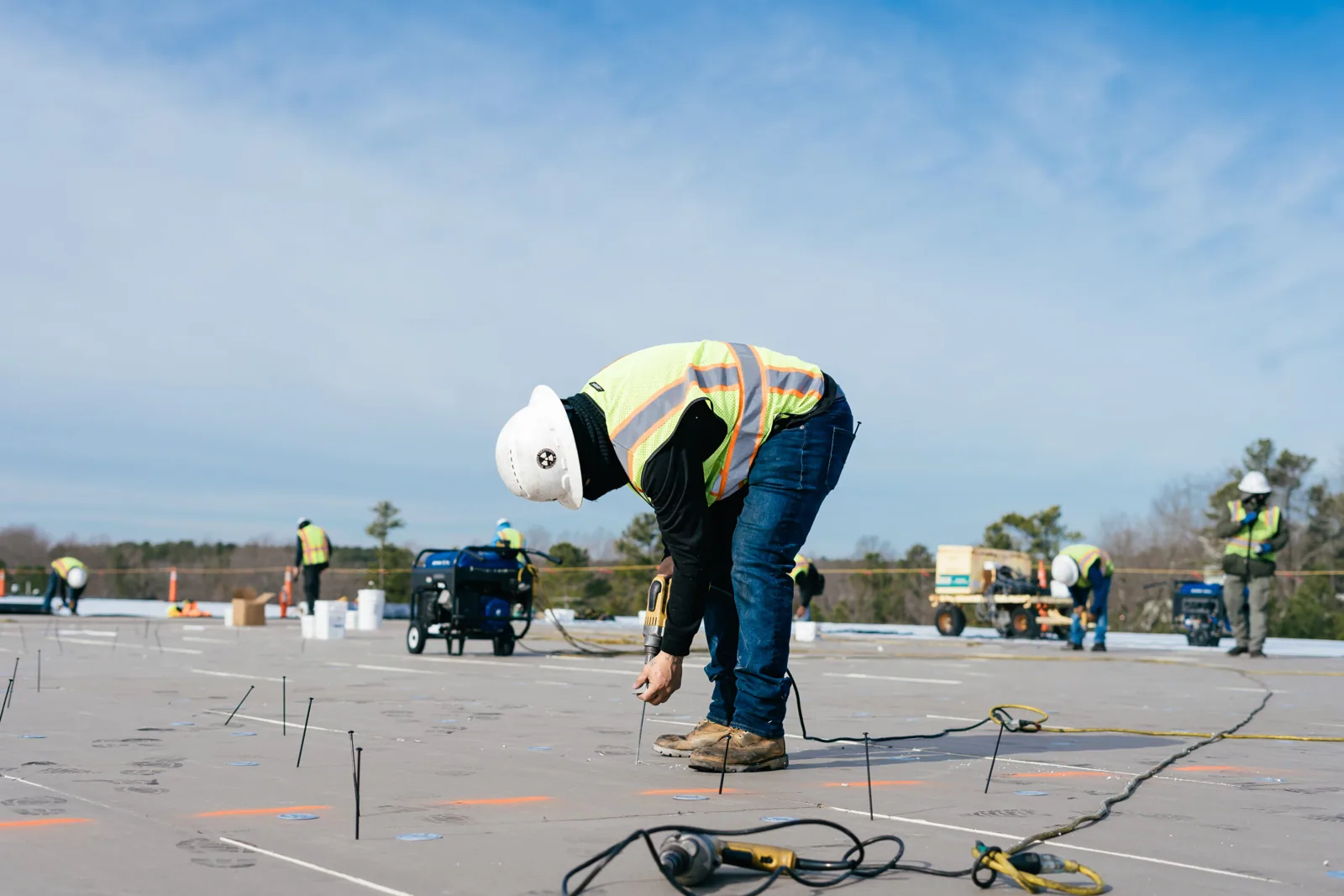
Roof Condition Reports
How the work is scoped, phased and documented on Tri-Cities roofs.
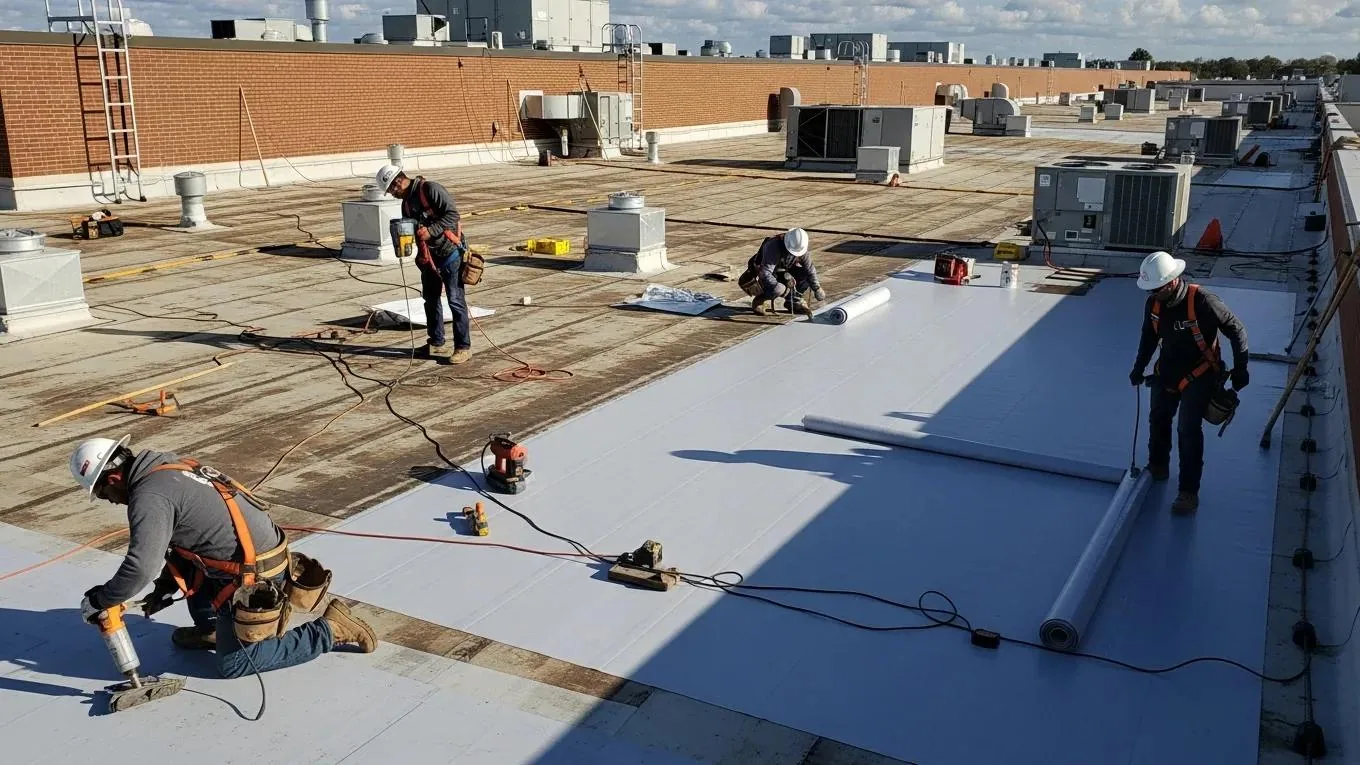
Preventive Roof Maintenance
What we check, what we recommend and how the crew keeps the building running.
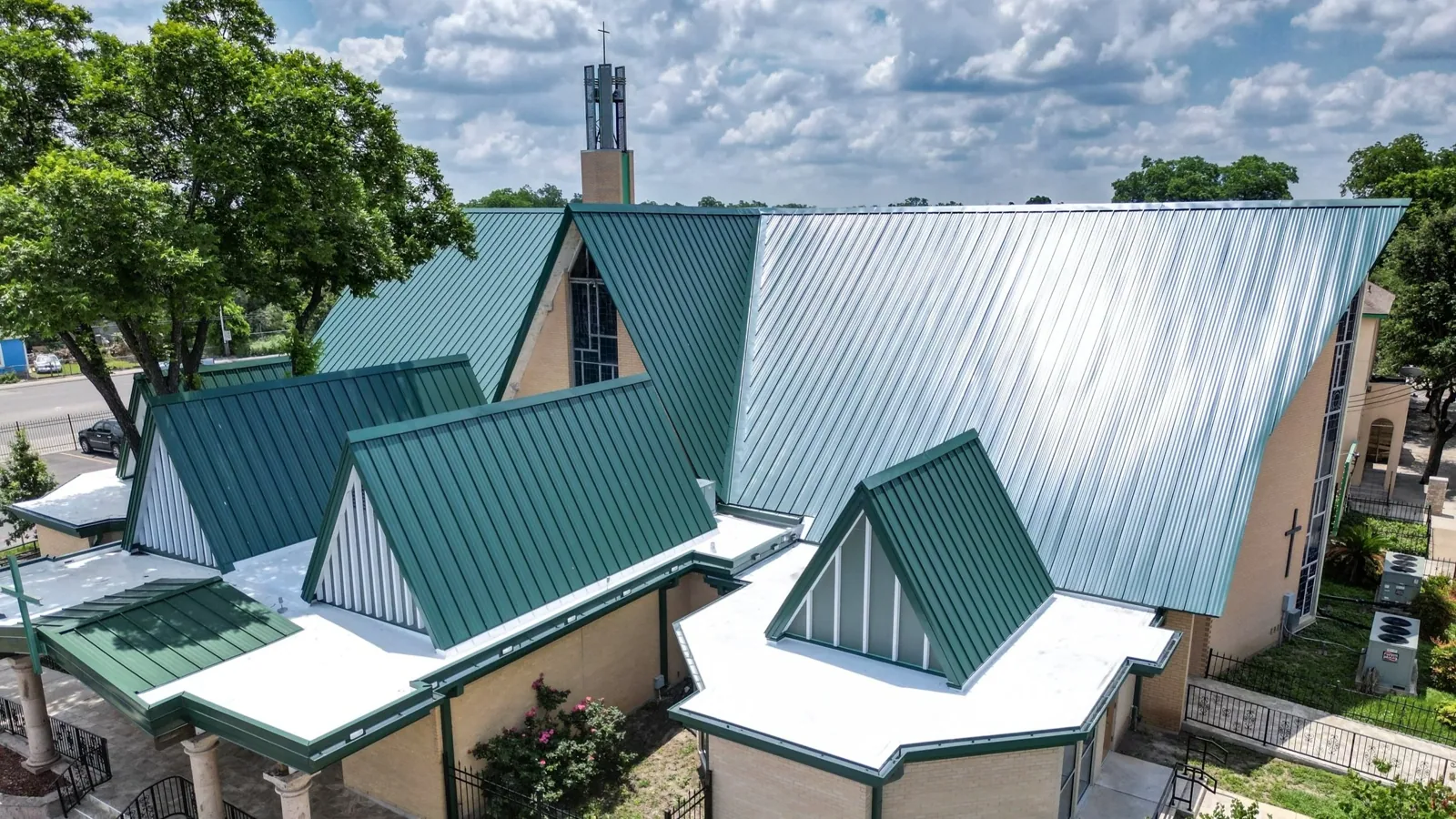
Standing Seam Metal Roofing
Conditions, options and next steps for commercial buildings in East Tennessee.