
Standing Seam Metal Roofing in Johnson City, TN
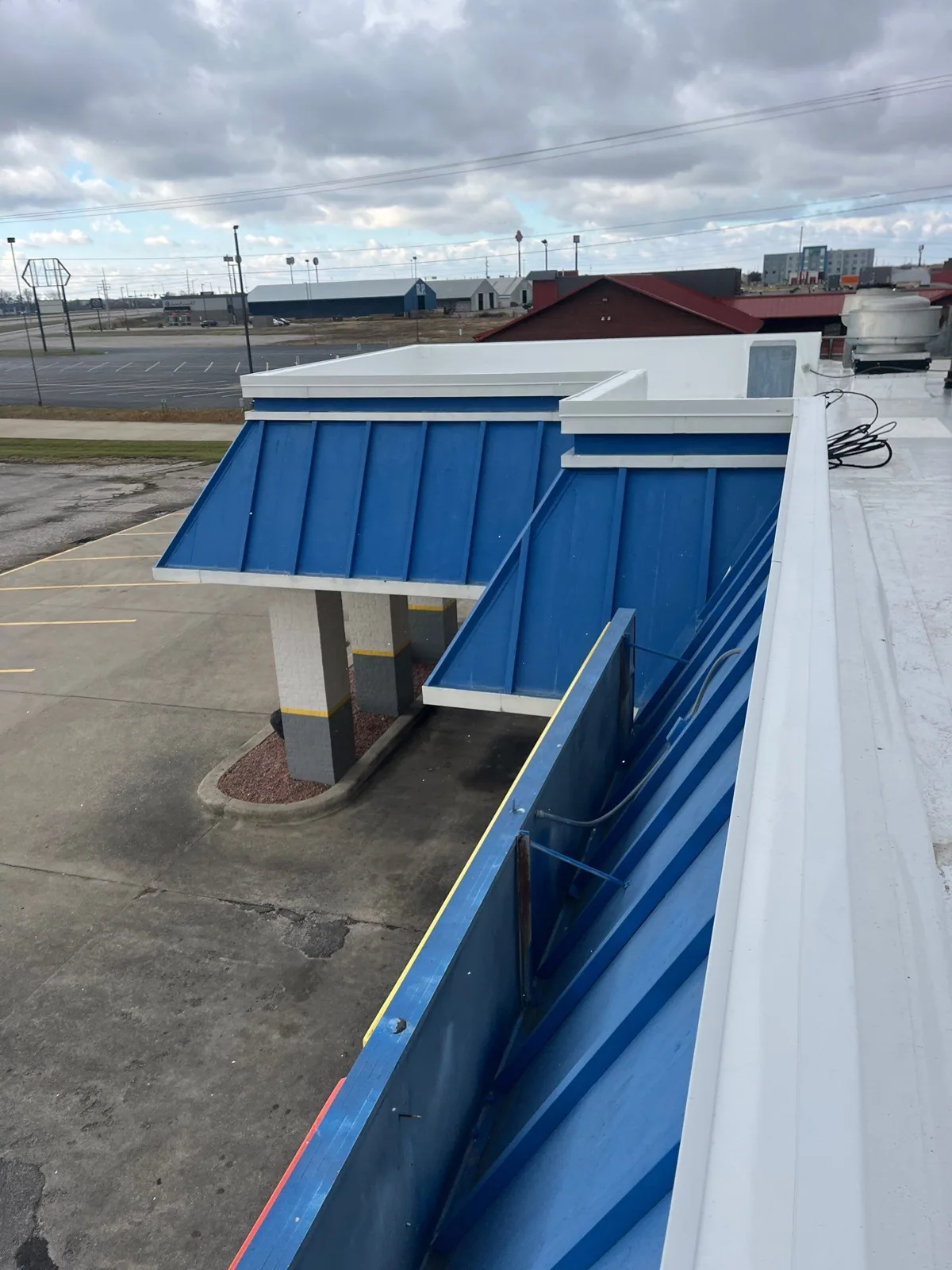
A standing seam panel is not screwed to the roof. It hangs from concealed clips that let it slide, and that sliding is the whole design. Over a Tri-Cities year the steel swings between hot summer surface temperatures and winter nights near the 25F average low that Johnson City records, and a long panel lengthens and shortens by a fraction of an inch or more as it goes. When the clips move freely, the roof absorbs that movement silently. When a trim piece, a sealant bead or an over-tightened fastener pins a panel in place, the stress goes into the seam and the fastener holes, and the building eventually finds out through a leak at the ridge or the eave. The economics follow that logic. A standing seam roof asks for more at installation than most systems and almost nothing afterward, provided nothing is blocking its movement, which is what a careful inspection exists to confirm.
How does a panel that is never screwed down stay on the building?
Each panel is held by clips fastened to the deck or purlins beneath its raised seam, and the next panel locks over the first so no fastener pierces the weathering surface. The seam is either snapped together or mechanically crimped by a seaming machine, and the crimped version resists wind uplift and wind-driven water better on lower slopes. The clip is the part that matters over time, because its height and its slot allow the panel to float while still holding the insulation in place. Pull-out at the clip is rare when the deck is sound, but corrosion in the substrate can loosen it. Condensation is the quiet hazard. Warm interior air reaching the underside of cold metal condenses, and water can collect on the underlayment or the insulation if vapor control is incomplete, so an assembly drawn for the dew point is as important as the panel itself.
Confirm the roof can still move before the snow arrives
Call Commercial Roofing Johnson City to have clips, seams, sealant and snow retention checked in a written visit. You will know what needs attention this autumn and what can wait for the next capital cycle.
Mechanically seamed or snap-lock: which seam suits which slope and exposure?
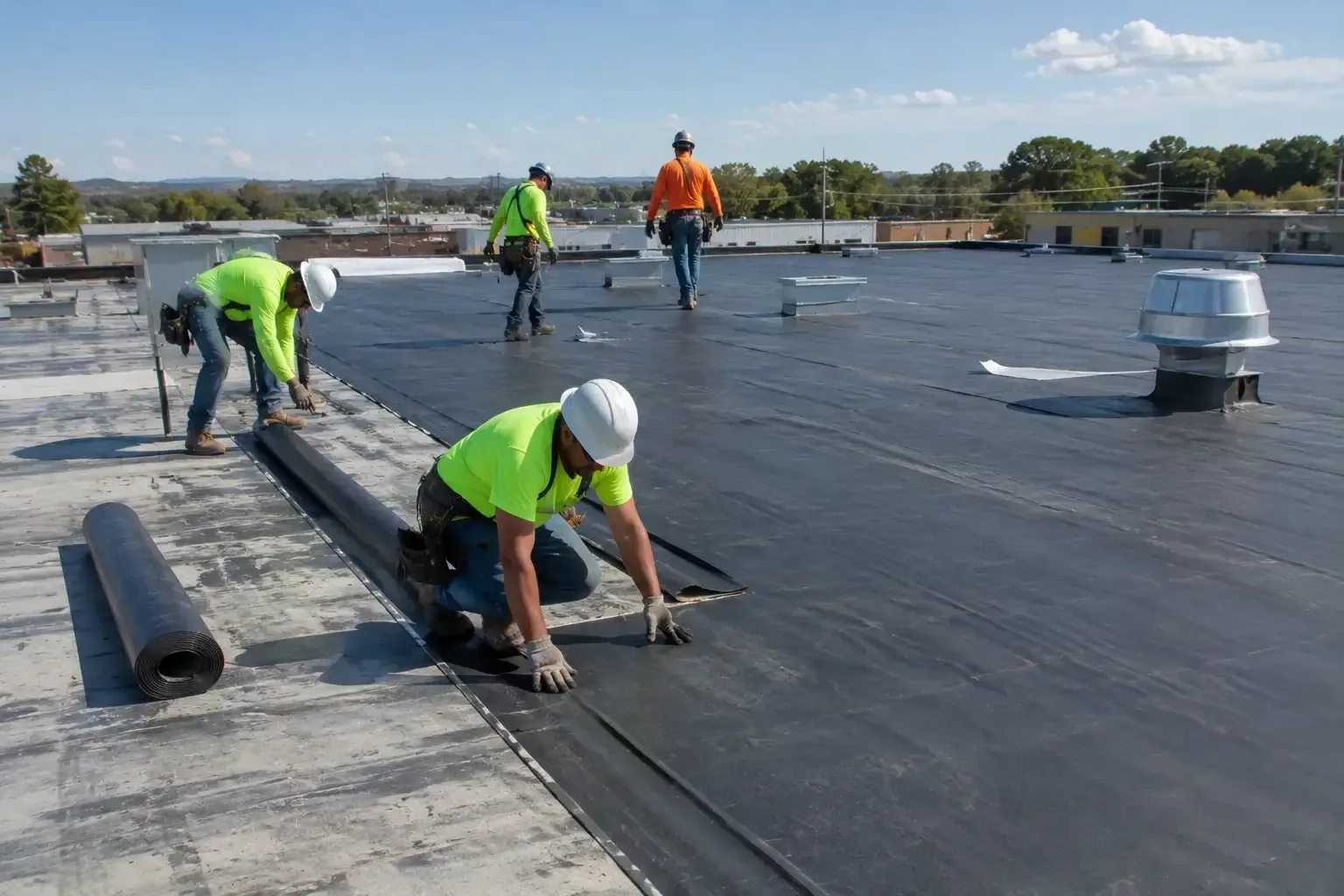
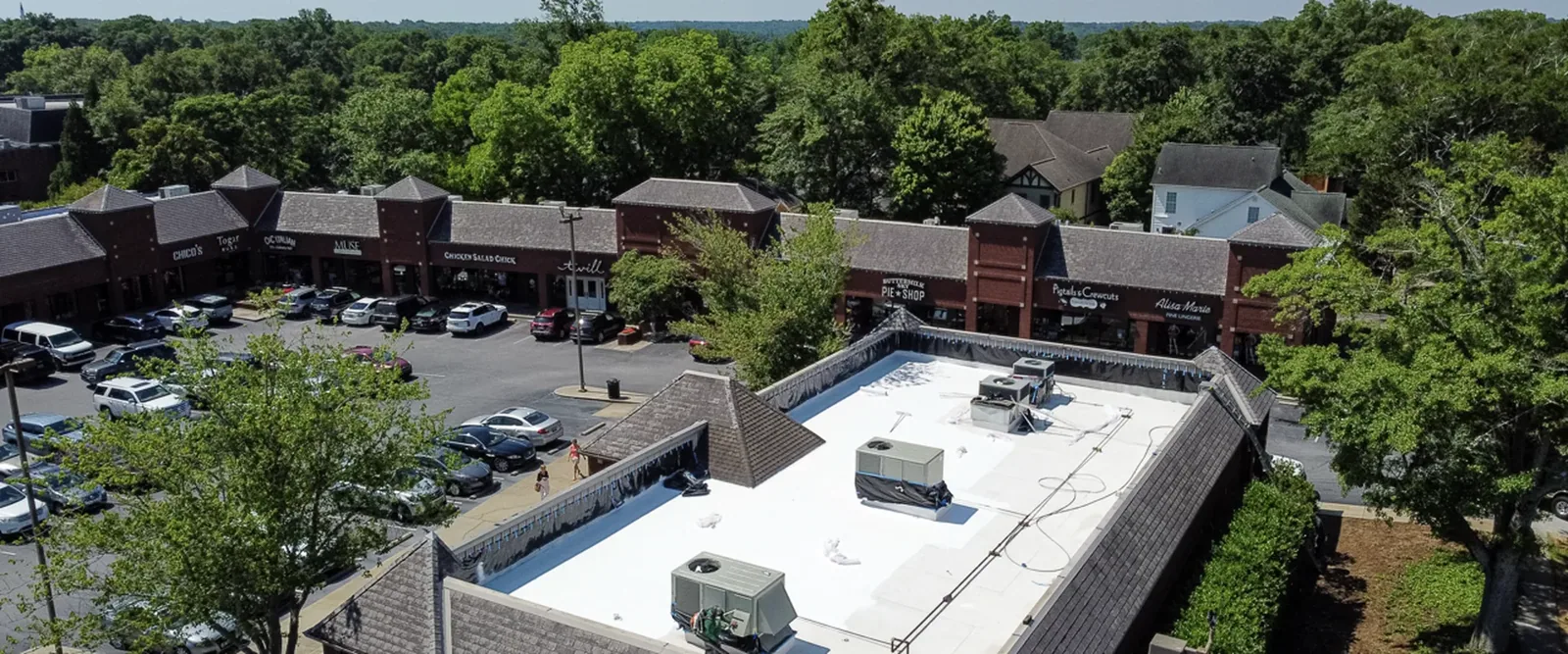
Mechanically seamed panels are closed with a seaming machine, which makes a tighter, more water-resistant joint suited to low slopes and heavy weather. Snap-lock panels engage by pressure and install faster, which suits steeper roofs with less wind-driven water exposure. Panel gauge, base metal, finish system and clip spacing all affect wind performance, and oil canning, the cosmetic rippling of a flat panel that shows mainly in raking light, does not usually indicate a failure. Standing seam is a poor fit for complicated geometry with many penetrations unless curbs and flashings are carefully designed. Where the existing roof is exposed-fastener metal and the owner wants a new surface without a tear-off, a metal roof retrofit can place standing seam over new framing. Owners with very low slopes may instead compare TPO roofing, which welds into a continuous membrane and handles drainage differently.
What do we check on an existing standing seam roof?
We walk the seams looking for open crimps, check the clips where a panel end meets trim, and examine every penetration curb for sealant that has aged out of its elasticity. Eave and ridge conditions matter, because that is where thermal movement ends and a pinned panel shows its stress. We look for finish chalking or scratches that expose bare metal, for corrosion where dissimilar metals touch, and for gutters or scuppers that cannot clear melting snow. If the building has snow guards, we verify that they are secure and sized for the slope, since a missing row turns a roof into a launch ramp for ice. A routine visit under a preventive roof maintenance program keeps those checks on the calendar, and the written findings let an asset manager plan sealant renewal and trim repair before they become leaks.
What does a pinned panel or a missing snow guard cost over a Tri-Cities winter?
Water behind a standing seam panel does not stay where it enters. It runs along the underlayment, wets the insulation, and refreezes at the eave where the roof meets a cold edge, building an ice ridge that backs meltwater under the lowest panels. Snow that slides free can damage gutters, equipment and vehicles, and it can injure people near entries, which turns a roof problem into a liability one. These losses grow with each storm. Replacing sealant, re-securing a trim piece or adding snow retention while the roof is dry is a modest project compared with replacing wet insulation and damaged edge metal. Once an ice ridge has formed, the work becomes snow and ice roof damage repair, and a small defect that went unchecked turns into a winter-long one; owners who budget for retention and edge details early avoid most.
Does a metal roof fit a winter schedule better than a membrane?
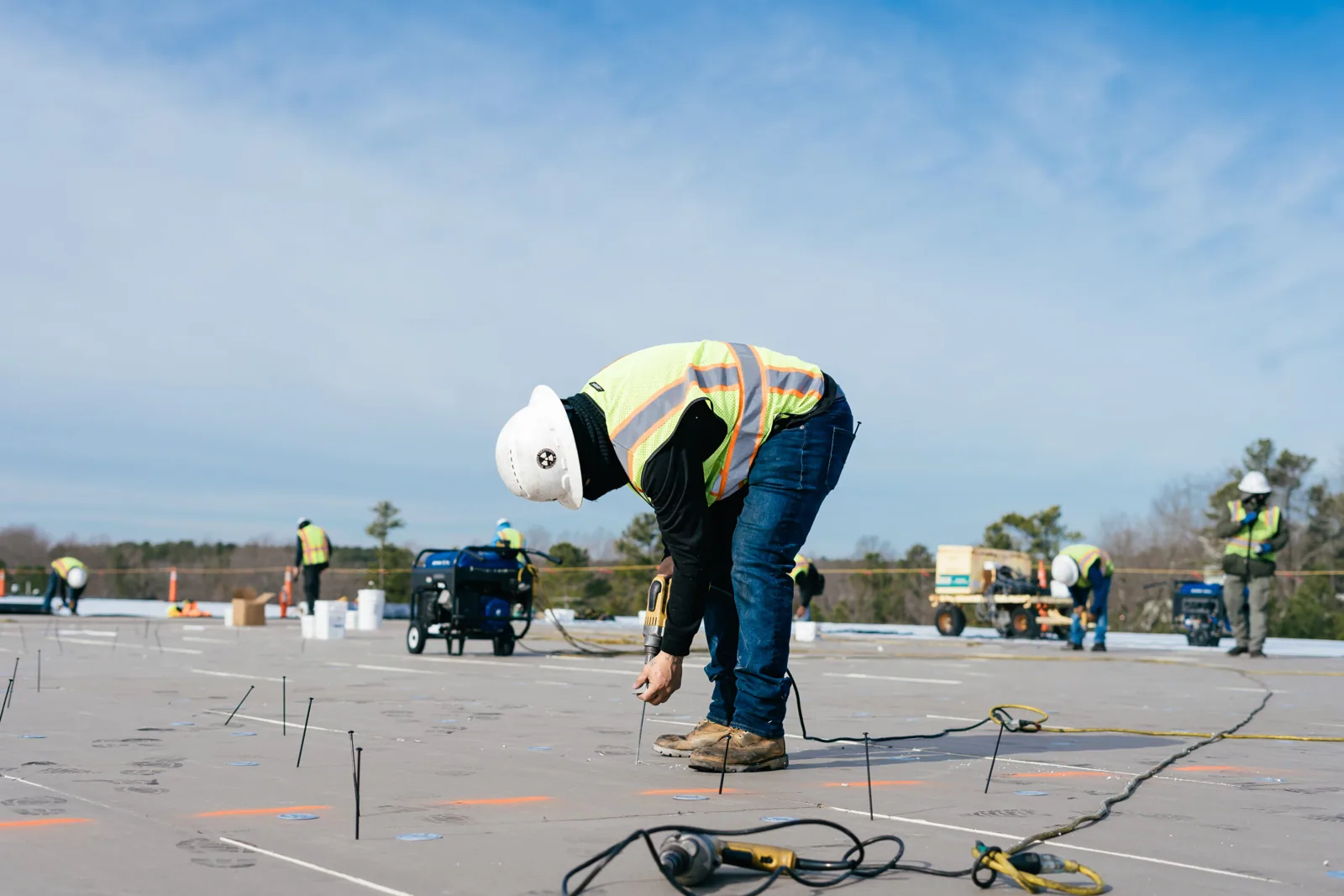
Partly. Panels are roll-formed from coil and do not depend on adhesives or welds, so installation tolerates cold better than a membrane does, but ice and frost make surfaces slick and demand fall protection, and sealants need minimum temperatures to cure. The longer lead time is the coil itself. Color, gauge and profile are ordered ahead, and an order placed in late summer can arrive before the hard freezes while one placed in December may not arrive until spring. On an occupied building, panels go on in sections with the old roof dried in beneath. If the project is a retrofit, framing and insulation go on first so the interior stays protected, and that sequence is settled with the owner before the first panel is lifted.
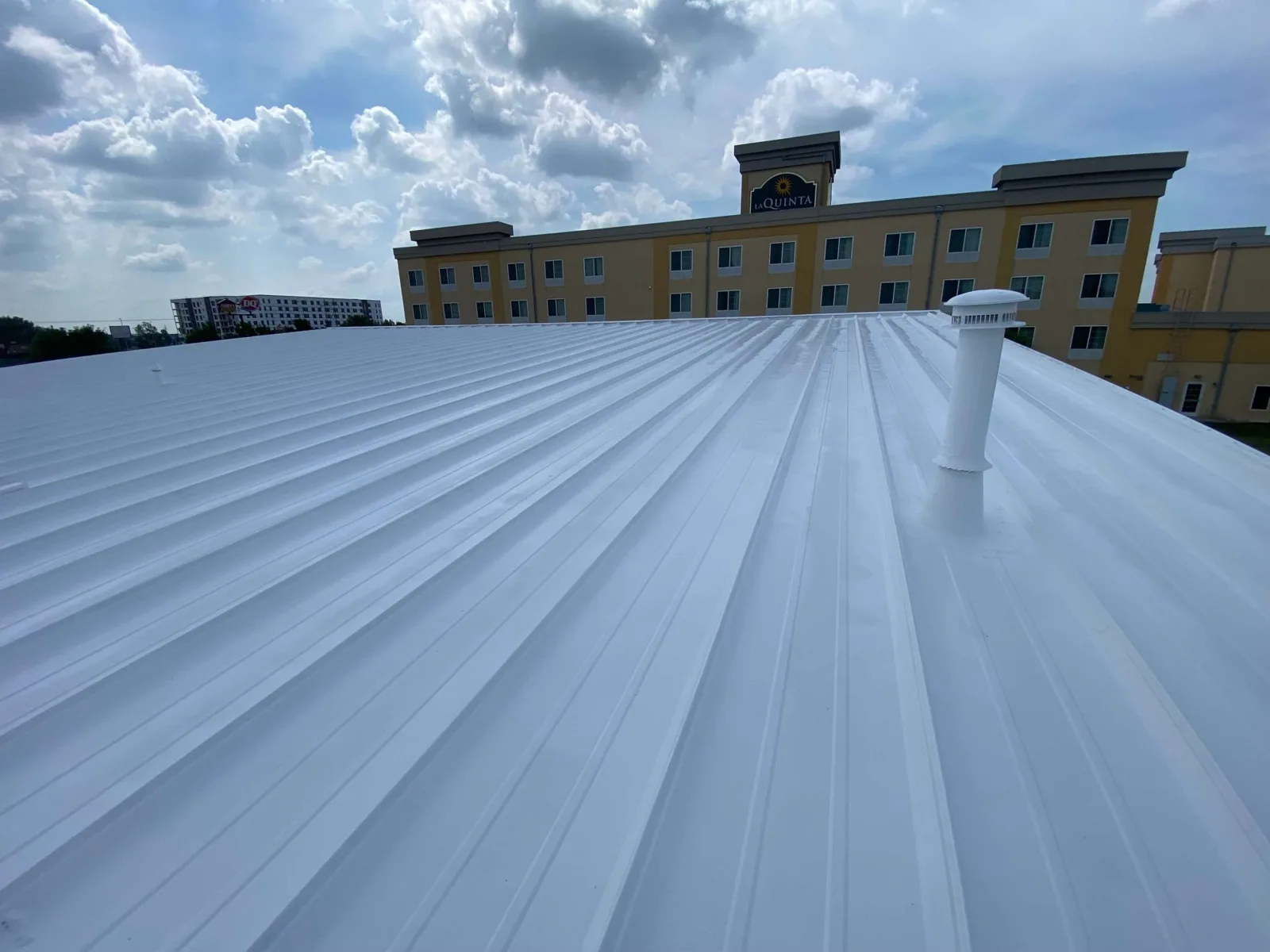
How do valley and mountain exposures change a metal roof in this region?
Johnson City sees roughly 15.6 inches of snowfall in a typical year, but mountain terrain in the region collects considerably more winter precipitation, and Roan Mountain, at about 2,550 feet, sits far above the valley floor. Retention and eave details that are adequate in Johnson City deserve a second look at that altitude. Foot traffic matters as well. A building with entries beneath its eaves should treat snow guards as a safety item, whether it stands on a retail strip or on a 366-acre campus such as East Tennessee State University. Gray has added new commercial establishments and retail chains since 2000, and on any new building there edge metal and gutters can be designed with snow in mind from the start.
Commercial Roofing Questions
Is oil canning a defect I should reject?
Oil canning is a visual waviness in flat metal, and it is usually cosmetic. Heavier gauge, striations in the panel and careful installation reduce it, but they cannot remove it entirely. It is worth discussing before the order is placed, since a panel that looks wavy in raking light can still be fully weathertight.
What maintenance does a standing seam roof actually need?
Mostly attention to the small parts. Sealant at penetrations and trim ages faster than the metal does, gutters and valleys need clearing before snow, and scratches that expose bare steel need touch-up before corrosion starts. A visit each spring and autumn is usually enough to keep those items from becoming leaks.
Will snow slide off a metal roof into my parking lot?
On a smooth panel with no retention, it will, and the slide can come all at once after a thaw. Snow guards hold the pack on the roof so it melts gradually, and their placement depends on slope, panel length and what lies below. Entries and walkways deserve guards first.
Why does the clip detail take such a large share of the quote?
Because clips set how the roof moves and how well it resists wind. Spacing, height and fastener type must suit the deck and the uplift loads, and insulation thickness changes the clip choice. A proposal that lists clips only as a line item has probably not worked through the assembly.
How low a slope can standing seam handle safely?
Mechanically seamed panels can be used on low slopes, provided the manufacturer's minimum is met and the seams are closed with a machine. Below that range, or where water will pond against seams, a membrane system usually serves better. Slope is checked at the structure, because a deck that sags will undercut the numbers on paper.
Related Roofing Pages
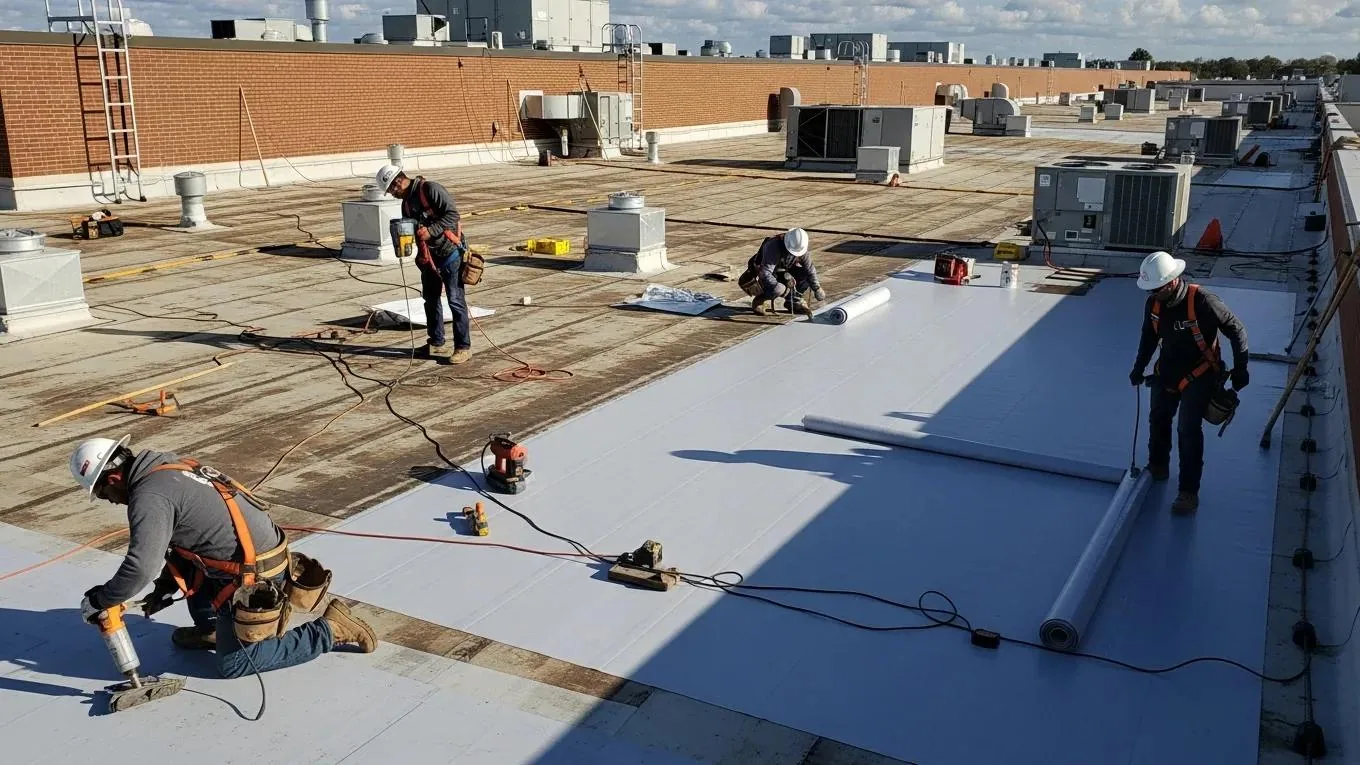
Metal Roof Retrofit and Restoration
How the work is scoped, phased and documented on Tri-Cities roofs.
TPO Roofing
What we check, what we recommend and how the crew keeps the building running.
Preventive Roof Maintenance
Conditions, options and next steps for commercial buildings in East Tennessee.