
Snow Load and Ice Dam Roof Damage Repair in Johnson City, TN
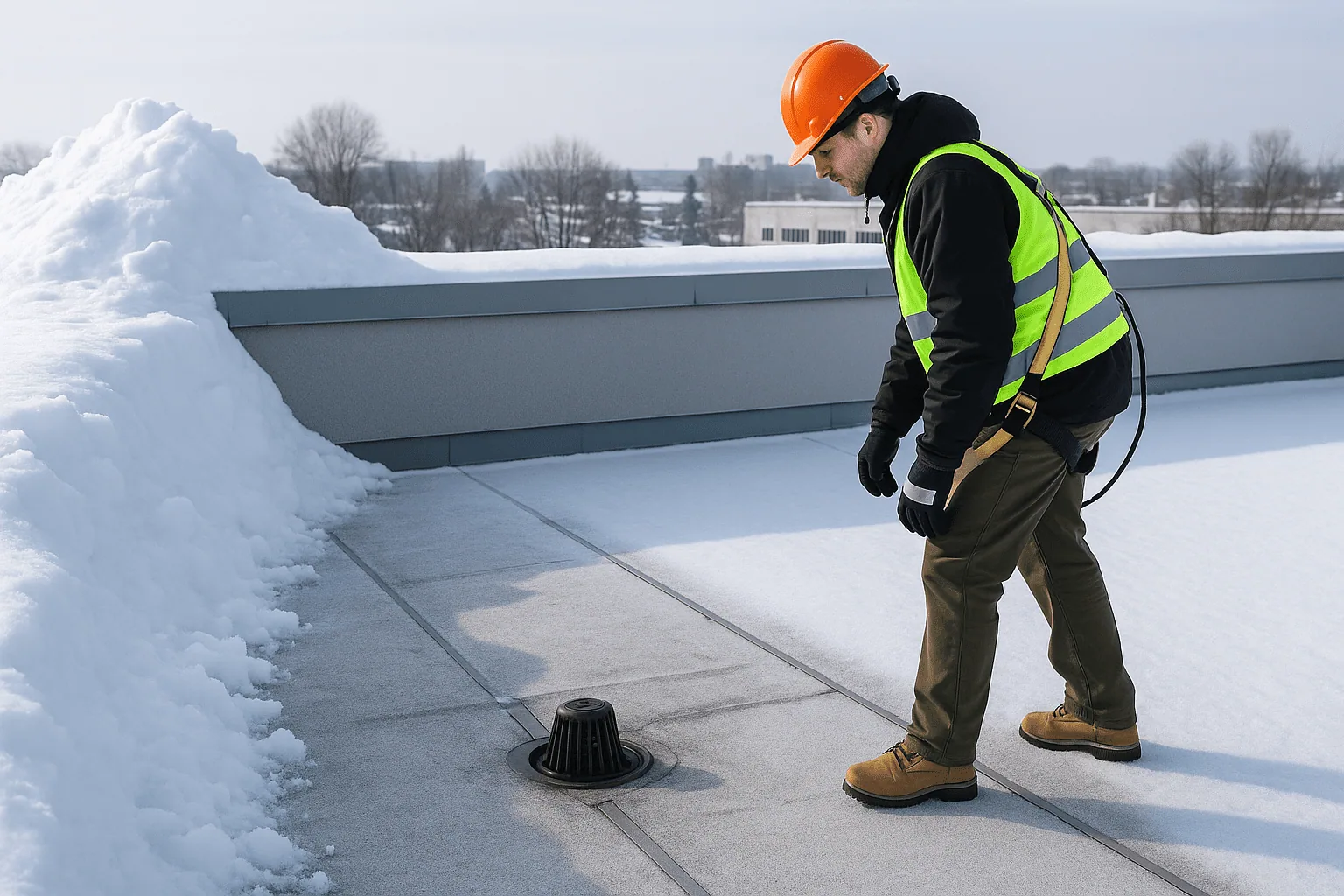
Snow does not land on a roof evenly, and it does not stay where it lands. Wind sweeps the exposed field and drops its load against the leeward side of a parapet or a rooftop unit, where a drift can run far deeper than the snow on open ground and carries the weight of wet, compacted ice instead of fresh powder. Beneath that drift the deck deflects, the insulation compresses, and a drain a few feet away may be buried and frozen. When the weather warms for a day, meltwater from the sunny side runs to the cold edge and refreezes, building a ridge of ice that backs water up under laps and flashings. In Johnson City, TN, the damage from one such winter often appears as a cluster of problems in the spring: a bowed deck, a split lap, a torn edge, a stained ceiling.

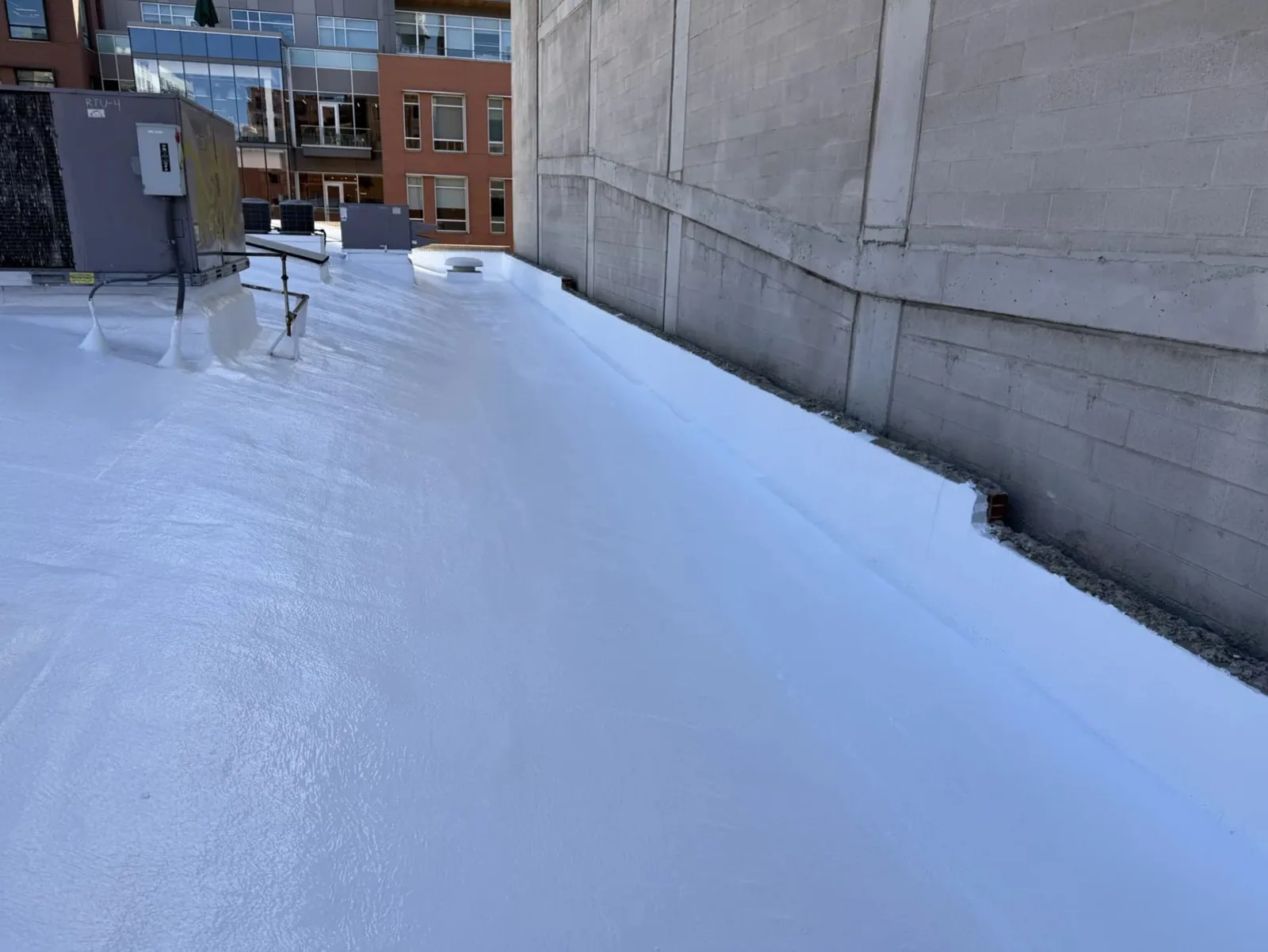
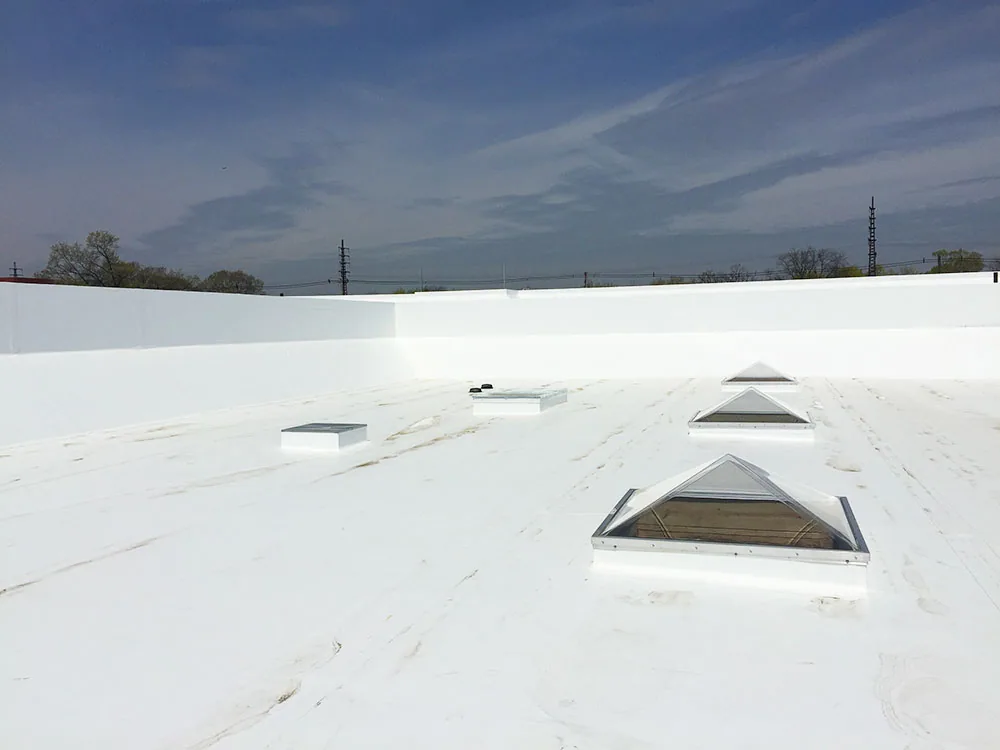
Why do drifts and ice dams hurt a roof that was sound in summer?
Two separate loads are at work. The first is structural. Snow adds weight, drifts concentrate it, and rain falling on snow multiplies it, because snow absorbs rain like a sponge and holds it. A deck designed for the code's ground snow load can carry it in a normal winter, but a roof already sagging or already ponded has less margin, and a drift at an upper-to-lower roof step can exceed the design assumption locally. The second load is hydraulic. Heat escaping from the building melts snow from below, the meltwater runs downslope until it meets a cold surface such as an eave, a scupper or a coping edge, and there it refreezes into a dam. Water pooled behind that dam is above the level the membrane laps were detailed to resist, and it finds every pinhole.
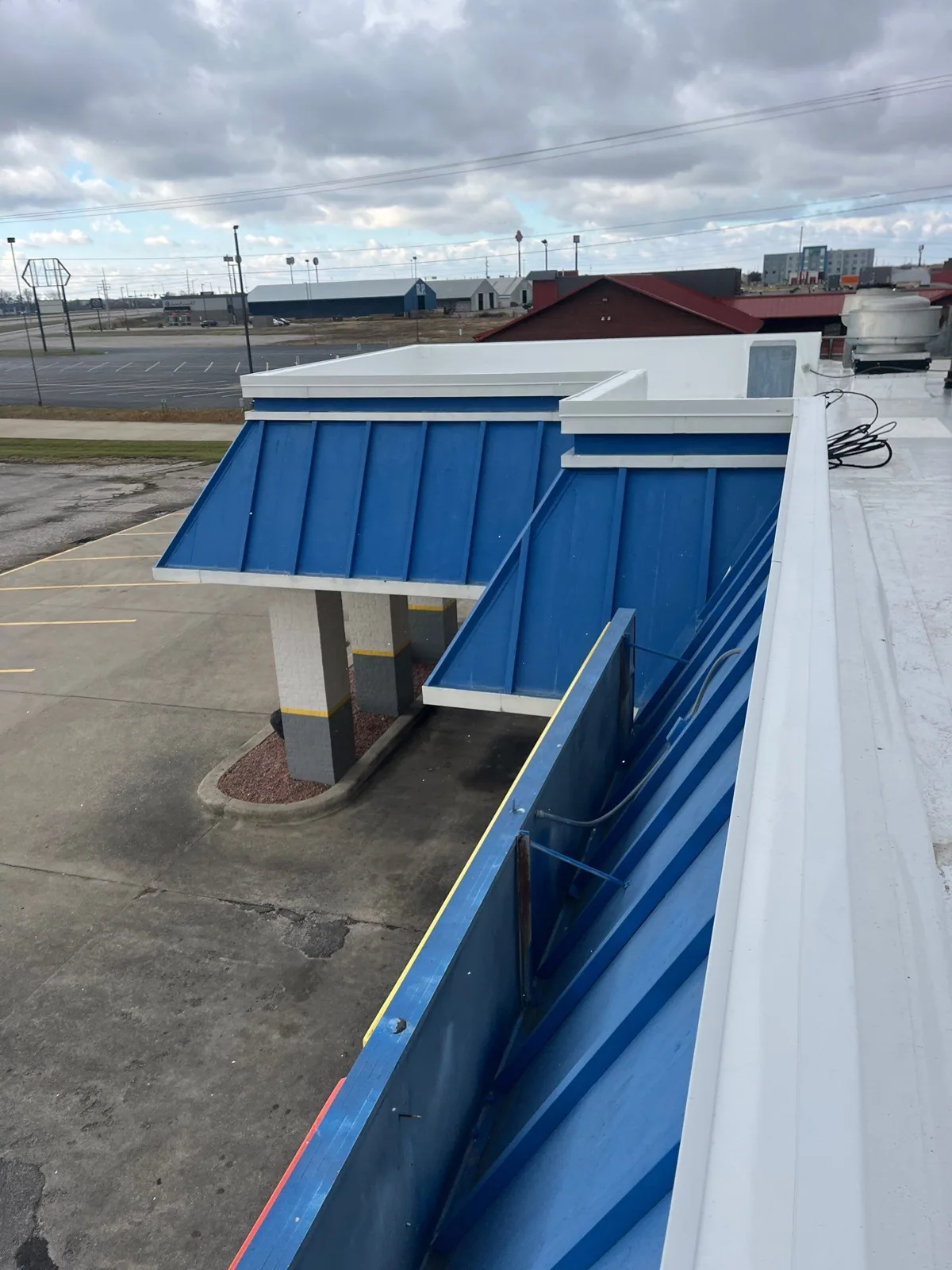
Metal roofs fail differently. A snow slab can shed from a standing seam panel all at once and tear off gutters, antennas or the edge trim below, or land on a lower roof or a walkway. Snow guards spread that release over the season, and where they are absent or sheared off the slide can bend panels, shear seams and break the line of edge metal.
Read the winter's damage while the evidence is fresh
A survey right after the thaw, with photographs, moisture readings and a check of every drift zone and drain, shows what the season cost your roof. Call us to arrange it and we will separate what needs repair now from what belongs in next year's budget.
What do we look at once the snow is gone?
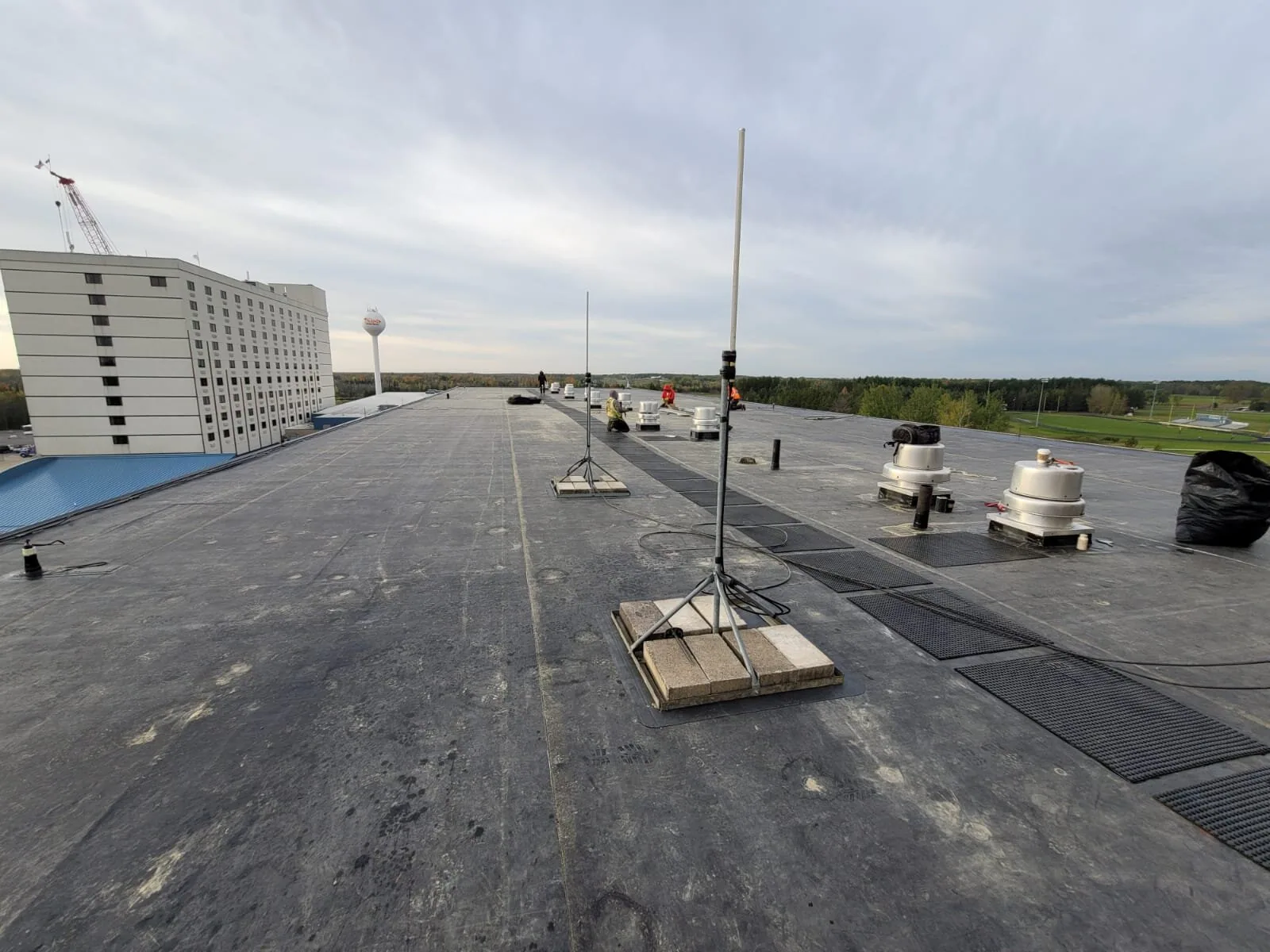
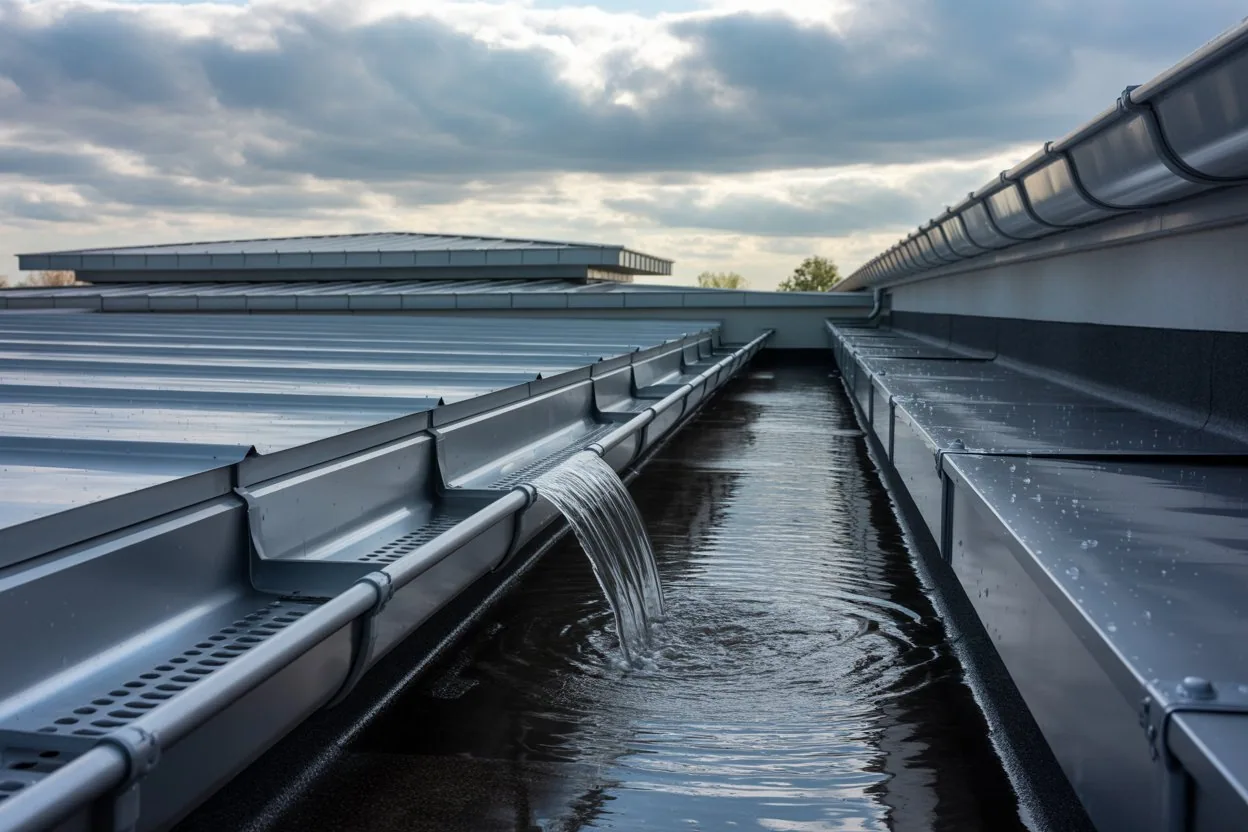
The first look is at the places where snow collected and where ice formed. Behind parapets and around rooftop equipment, we check for deck deflection, membrane wrinkles and laps that have lifted. At drains and scuppers, we check for cracks from ice expansion, displaced strainers and staining that shows where meltwater backed up. Along the edge we check coping joints, fascia and gutters for bending or separation, and on a metal roof we count snow guards and check each clip. Where the evidence points to moisture, we take readings and cut cores, since freezing water breaks down insulation from the inside. Photographs go against a plan, and the report separates a winter's damage from long-standing wear. The visit is much more useful after a thaw than during one, because meltwater paths are still visible, which is why we schedule it with preventive roof maintenance in mind.
Snow guards, drainage work, heat trace or structural review: which one fits?
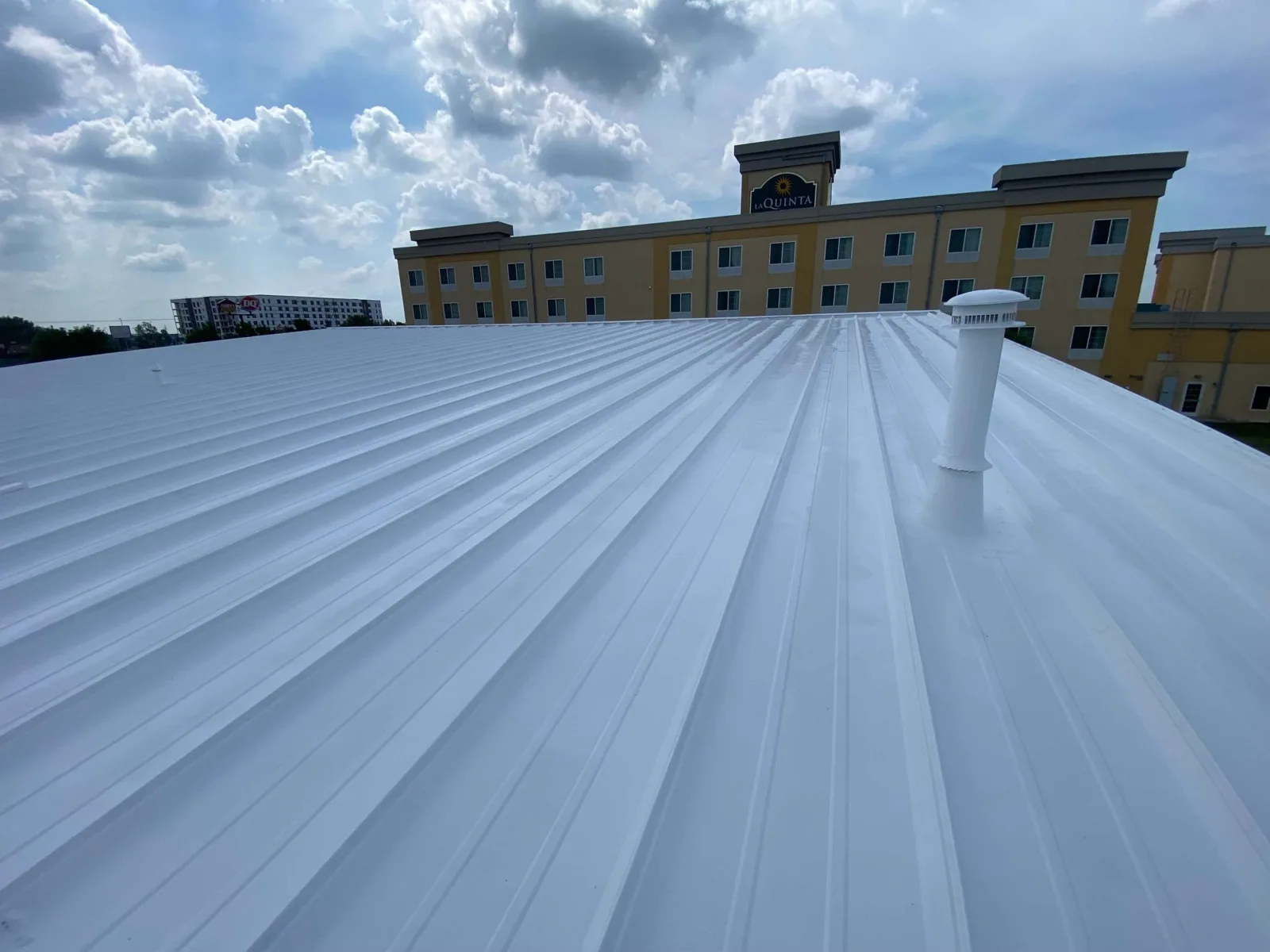
The correction should match the mechanism. Where snow slides from a metal roof onto something that matters, we add or replace snow guards on the standing seam roof in a pattern appropriate to the panel and slope. Where meltwater refreezes at a drain, the answer is usually a larger or better-placed drain, a drain body that sits in the warm part of the roof, and an overflow that does not freeze shut; drain and scupper work is the permanent cure, while heat trace is a stopgap. Where an edge is tearing, rebuilt coping and edge metal with continuous cleats resists the ice better than a repaired joint. If a deck has bowed beneath a drift, a structural engineer reviews it, and the roof is then rebuilt with tapered insulation to restore drainage. Owners who find the same drift damage every winter have a design question as much as a repair question.
What does one more winter of ice do to a roof edge?
Ice damage compounds. A torn edge admits meltwater, which freezes inside the insulation and widens the gap, and the next storm pries the edge metal a little further. A cracked drain body leaks into the building through the pipe chase and wets the drywall around it. A drift on a weakened deck deepens the dip that caused it. Each of these is a small repair in the spring and a large one a winter later, because the freeze-thaw cycle works on wet material far more aggressively than on dry. Repairs left until the following fall also meet a roof that has already been through two seasons of water in its insulation. When snow loading has torn a section open in the middle of winter, emergency roof repair dries the building in at any hour, and the permanent work follows when the weather allows.
How much snow does the Tri-Cities valley ask a roof to carry?
Johnson City averages roughly 15.6 inches of snow a year, while higher mountain communities receive considerably more winter precipitation. Elevation affects roof snow loads, but the building’s design, exposure and actual accumulation determine what a specific roof must carry. Height above the valley floor matters to a roof, because design snow loads rise with it. Mountain City (2,418 feet, the highest incorporated city in the state) and Roan Mountain (about 2,550 feet) sit far above the valley floor, and a building there carries a winter load that a valley building does not. A roof designed and repaired for Johnson City does not automatically suit those places.
The airport record shows how variable it is: ten Christmas Days since 1937 have brought measurable snow at Tri-Cities Regional Airport, including 8.7 inches in 1969, so a heavy load can arrive in a single storm even in the valley. After a storm like that, ponding water from blocked drains and melt behind drifts often becomes the second problem, and checking it early keeps one winter's damage from becoming two.
When a winter storm also lifts edge metal, document the wind-related failure separately using wind damage roof repair.
Commercial Roofing Questions
Which roof areas are most likely to carry a drift?
Any place where wind can drop its load: the leeward side of a parapet, the base of a taller wall, and the lee of rooftop units and screens. Lower roofs beside a taller building collect the most. Marking those zones on the roof plan lets the structure be checked where it actually matters.
Should snow be shoveled off a commercial roof?
Only with care, and rarely by the owner's own staff. Metal shovels and ice picks cut membranes, and workers on a snow-covered roof cannot see edges or openings. If a structural engineer calls for removal, crews use plastic tools, leave a layer of snow on the membrane and work from fall protection.
Do heat cables stop ice dams?
They keep a channel open through ice, which can protect a drain or a short eave, but they treat the symptom. The cause is heat escaping from the building and a poor drainage path, and fixing those removes the dam rather than melting a path through it.
How long does ice damage take to show up inside the building?
Often a season. Water moves slowly through insulation, so a breach made in January may not stain a ceiling until the first spring rain. A post-thaw survey with moisture readings finds the wet areas before the stain does.
Is a mountain-area building handled differently from one in town?
The loads and the weather are different, so the details are. Higher ground brings deeper and longer-lasting snow, more cycling of freeze and thaw, and often slower access in winter. Snow guards, edge details and drainage are sized and scheduled with that in mind.
Related Roofing Pages
Preventive Roof Maintenance
How the work is scoped, phased and documented on Tri-Cities roofs.
Standing Seam Metal Roofing
What we check, what we recommend and how the crew keeps the building running.
Roof Drains, Scuppers and Ponding Correction
Conditions, options and next steps for commercial buildings in East Tennessee.