
Commercial Roofing in Mountain City, TN
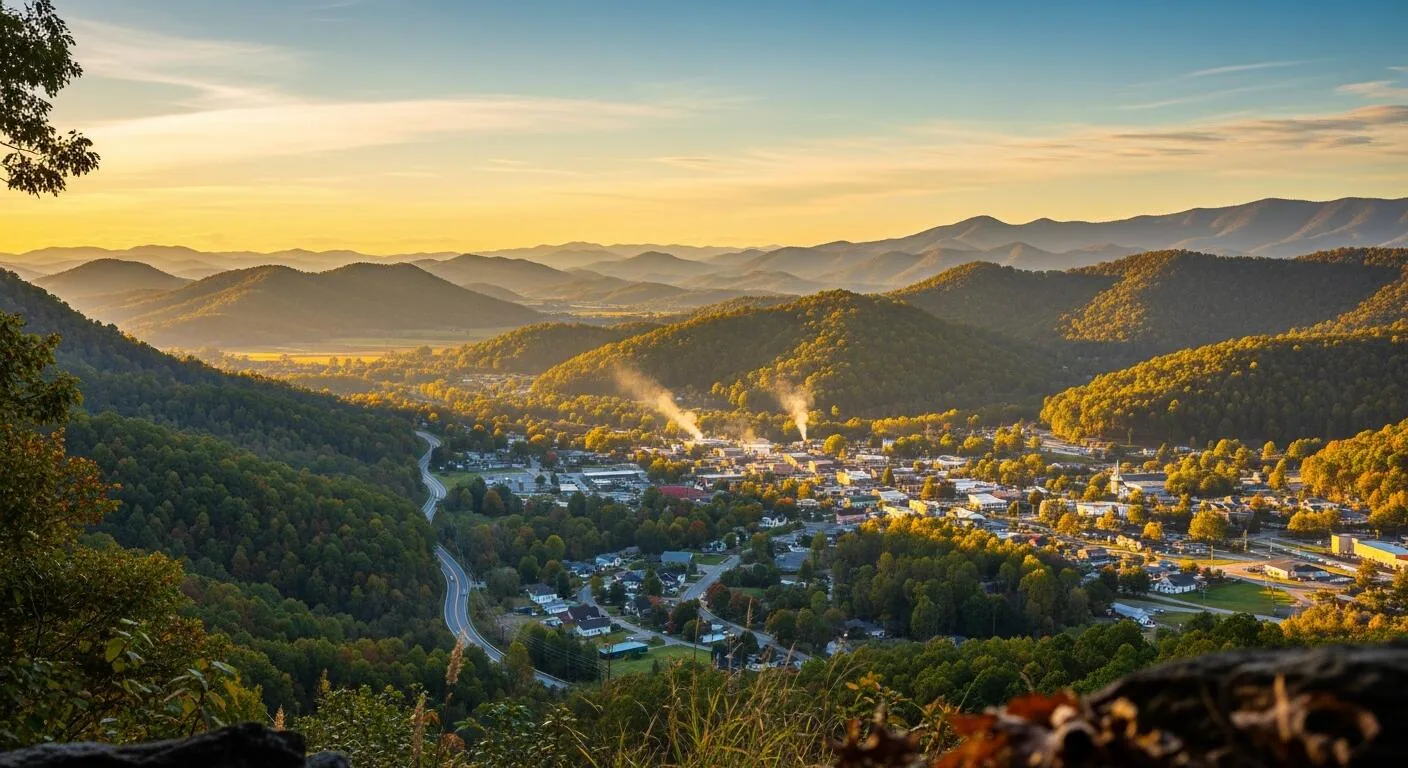
A single-ply membrane that bends easily on an October afternoon can turn stiff as card on a January morning, and stiffness is what cracks it. The sheet is asked to flex at every parapet base, every curb corner and every seam that crosses a fastener row, and each of those is a place where a brittle membrane splits rather than stretches. Mountain City, TN, the Johnson County seat and the highest incorporated city in Tennessee at 2,418 feet, has the North Carolina line about five miles to the east near Forge Mountain, so its commercial roofs spend longer in that brittle range than roofs on the valley floor. We look first at the details that bend, measure what the cold has already done to them, and then price a repair, a recover or a replacement against the years the roof has left.
How short is the roofing season in Mountain City?
Shorter than in the valley, and the shortness shapes every plan. Adhesives, primers, seam sealants and coatings need moderate, dry surfaces to cure, and a high town reaches the edge of that range earlier in autumn and later in spring. A seam welded or glued on a cold, damp morning can look finished and still fail in its first winter.
For that reason we schedule larger projects for the warmest, driest stretch and aim to get a building dried in well before the first hard freeze. Where a roof leaks in the cold months, the first job is a temporary repair that keeps water out, with the permanent fix held for a window that lets materials cure properly. Planning that fix before the cold season, with materials and access settled, is far cheaper than rushing it in January.
Gather the condition data before the first hard freeze
Call Commercial Roofing Johnson City to arrange a walk of your Mountain City roof. You will receive photographs, moisture findings and a ranked scope to weigh against your capital timing, and emergency calls are answered at any hour.
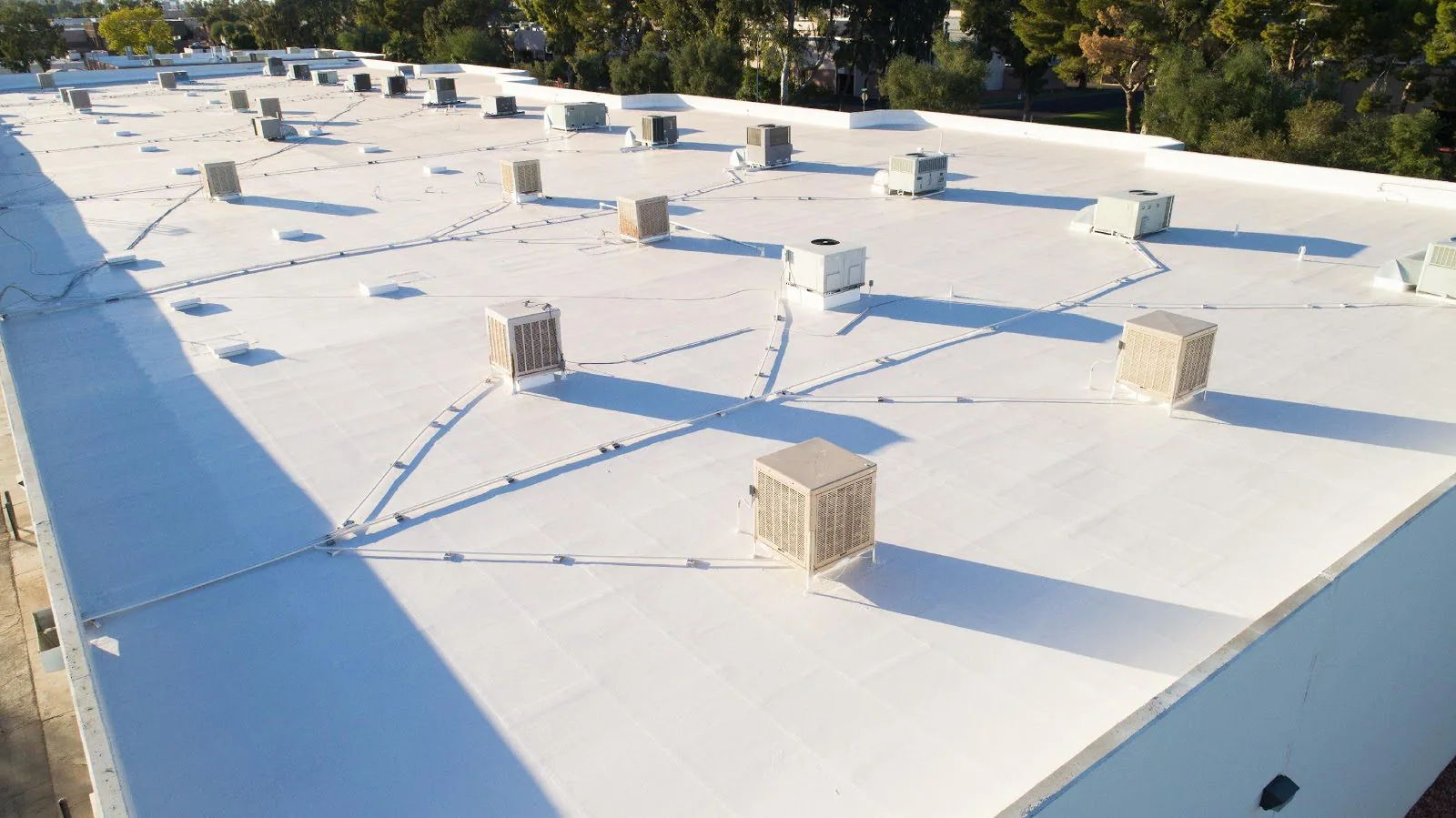
What does 2,418 feet do to the weather a roof must handle?
Mountain areas receive considerably more winter precipitation than the valley. Johnson City averages winter lows near 25F and about 15.6 inches of snow annually, and Tri-Cities Regional Airport has recorded measurable snow on ten Christmas days since 1937. At Mountain City's 2,418 feet, owners should plan for longer snow cover and more freeze-thaw at drains and edges.
For the roof, that means more days with snow on the surface, more freeze and thaw at drains and edges, and more load on the framing. Roan Mountain is another high-country community in the region, and the planning questions at the two are similar even though the buildings differ.
Which roof suits a building that spends its winters near freezing?
Each system answers cold differently. A standing seam metal roof has few exposed fasteners and sheds moisture, which suits a pitched building, but sliding snow must be controlled with guards over doors and walkways. A metal roof retrofit can cover an old low-slope roof without a tear-off and add pitch for drainage, provided the structure can carry it.
Where a membrane remains the right answer, a reinforced sheet formulated for cold flexibility and welded seams give the best chance of staying intact, and tapered insulation can speed drainage away from the edges. A roof coating can extend service life on a sound, dry substrate, but applying it late in the season risks poor cure. The choice is made from the building, its snow load and its moisture condition, never from the material alone.
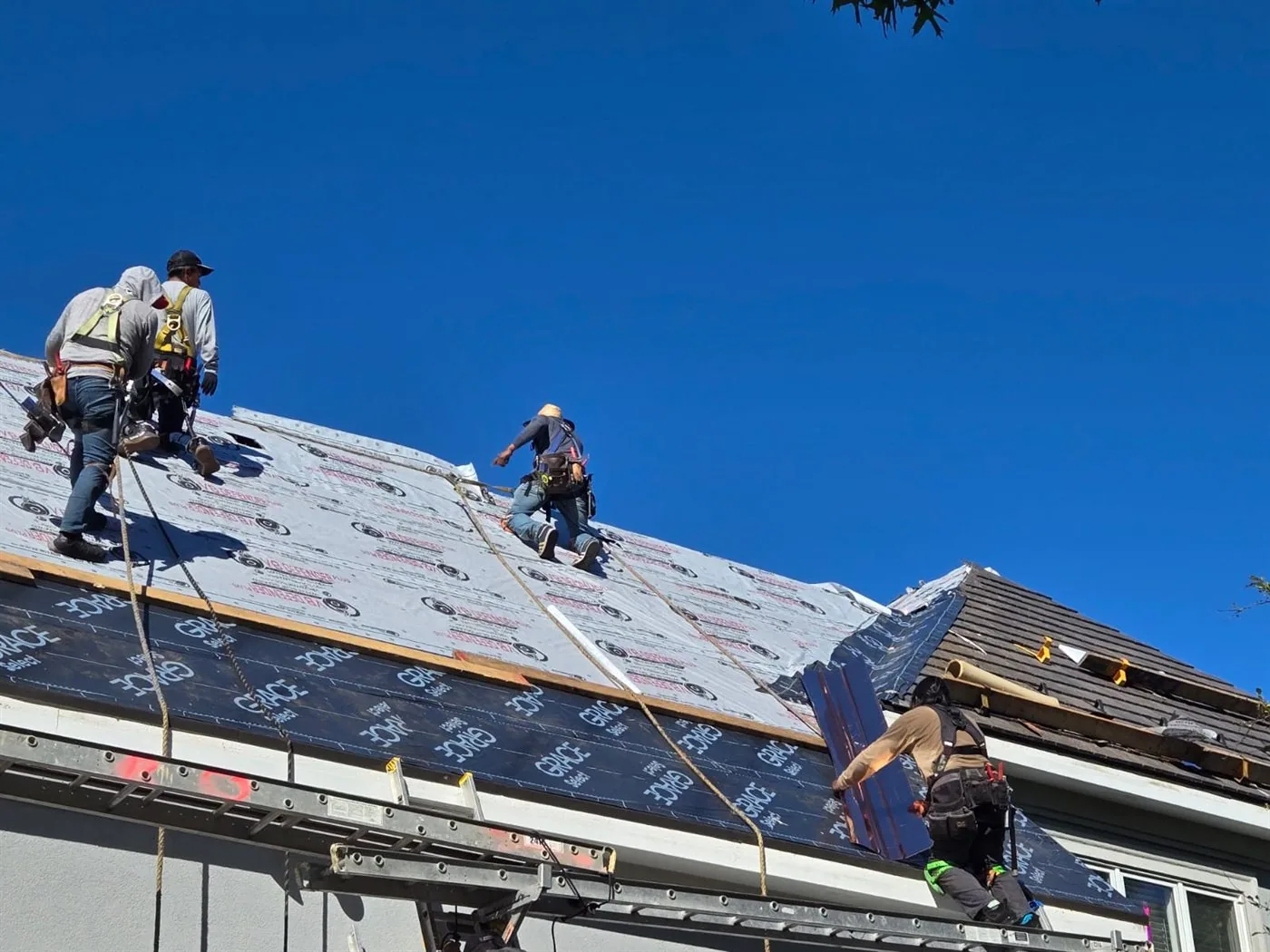
What does a winter of deferral cost on a high-country roof?
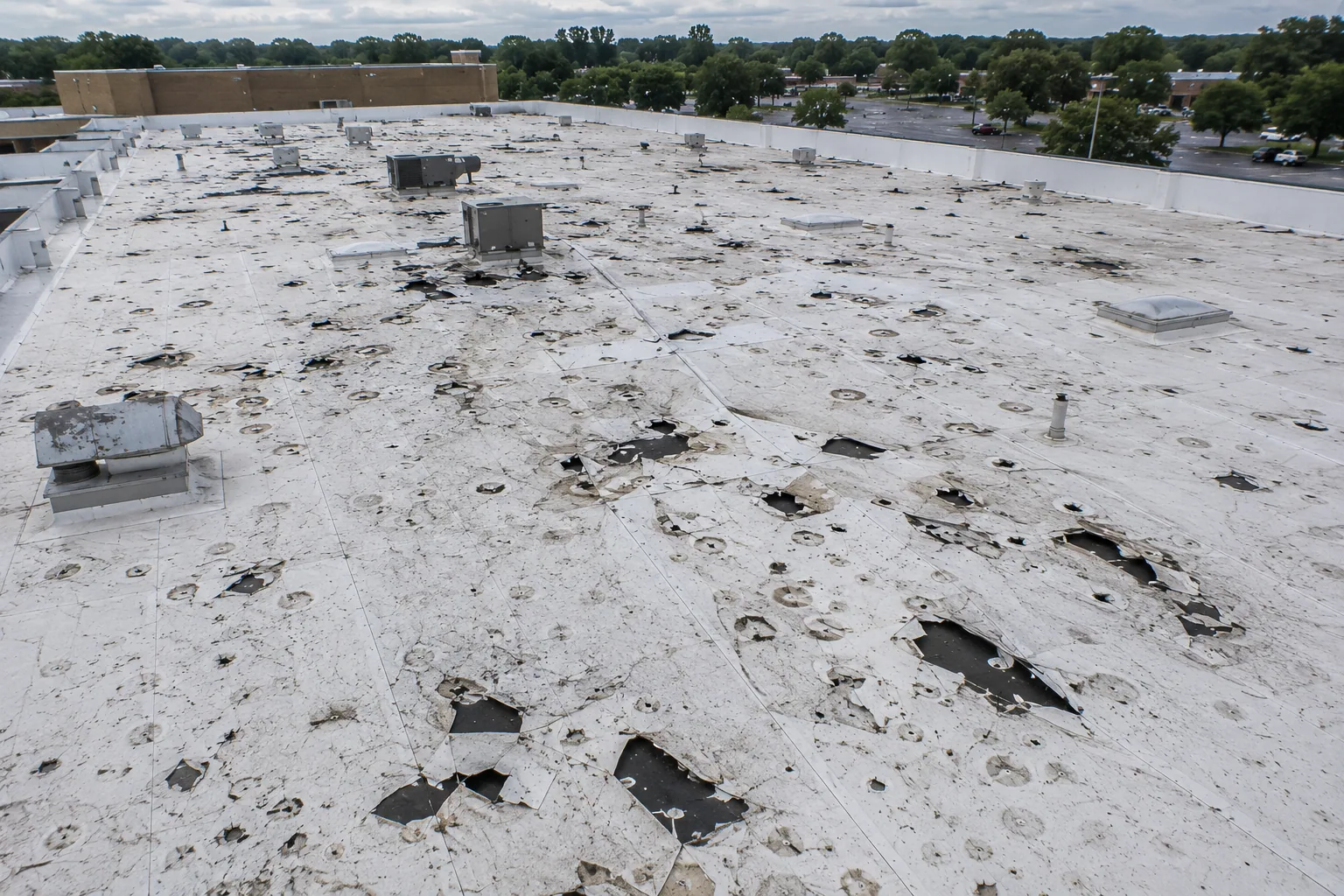
More than it does in the valley, because every thaw is a wetting event. Water that finds a cracked seam in November freezes in the insulation, widens the crack in the same cold snap and does the same again the following week. By March the insulation has taken on a season of moisture, the membrane is lifted along its seams, and the owner is looking at a larger repair that cannot be completed until the weather allows.
For the commercial and government buildings that serve a county seat, an interior leak also threatens equipment and records, which turns a roofing problem into an operations problem. A small cost in autumn, spent on sealing and clearing, is the best defense against a larger one in late winter, and when damage does happen, snow and ice roof damage repair starts with stopping the water and recording what the cold broke.
What does a first walk of a mountain-town roof look for?
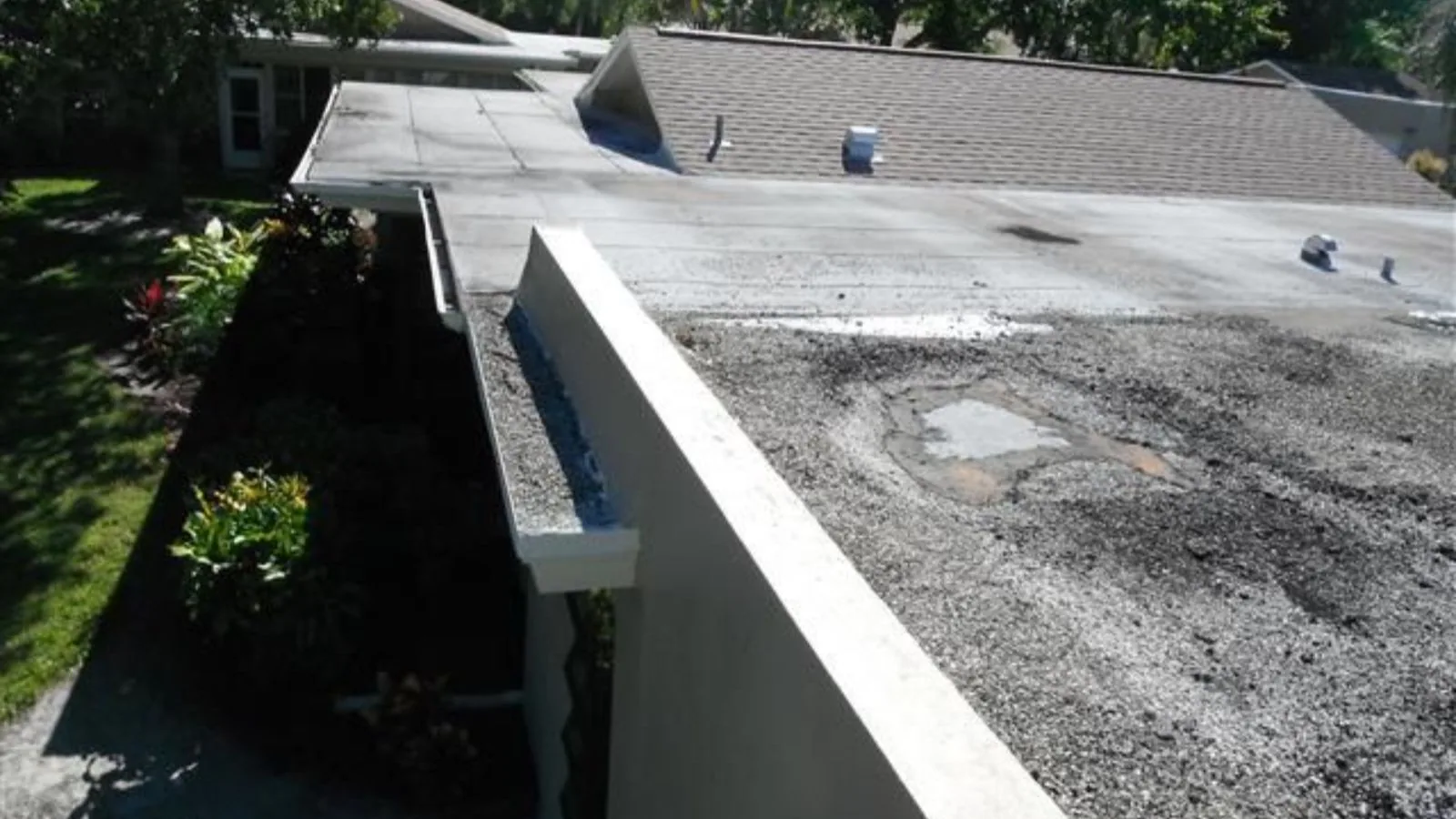
Cracks where the membrane bends, then the places where ice gathers. We examine each parapet base, curb corner and pipe boot for hairline splits, and check edge metal and gutters for bending and loose fasteners where sliding snow and ice have pulled at them. Drains are probed for ice and debris, and we note any low area where meltwater lingers.
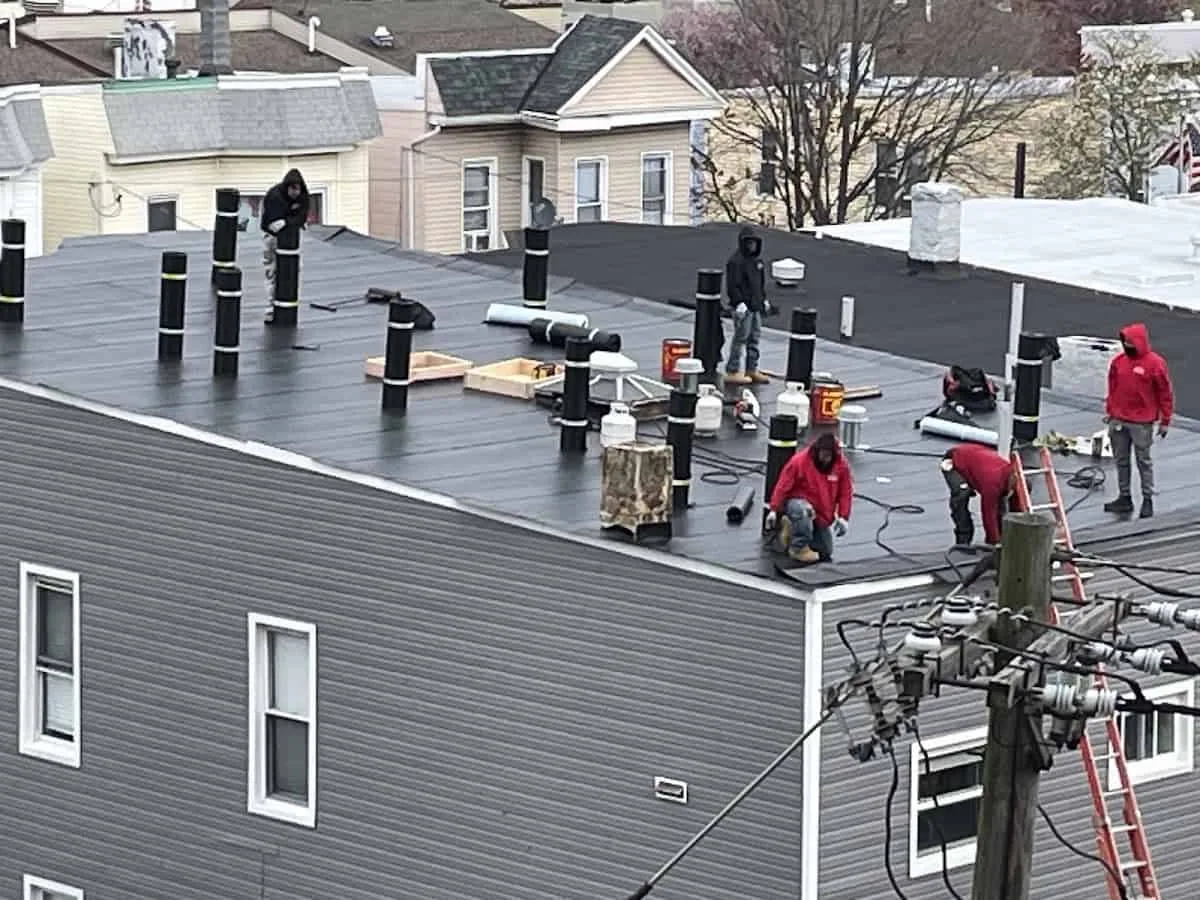
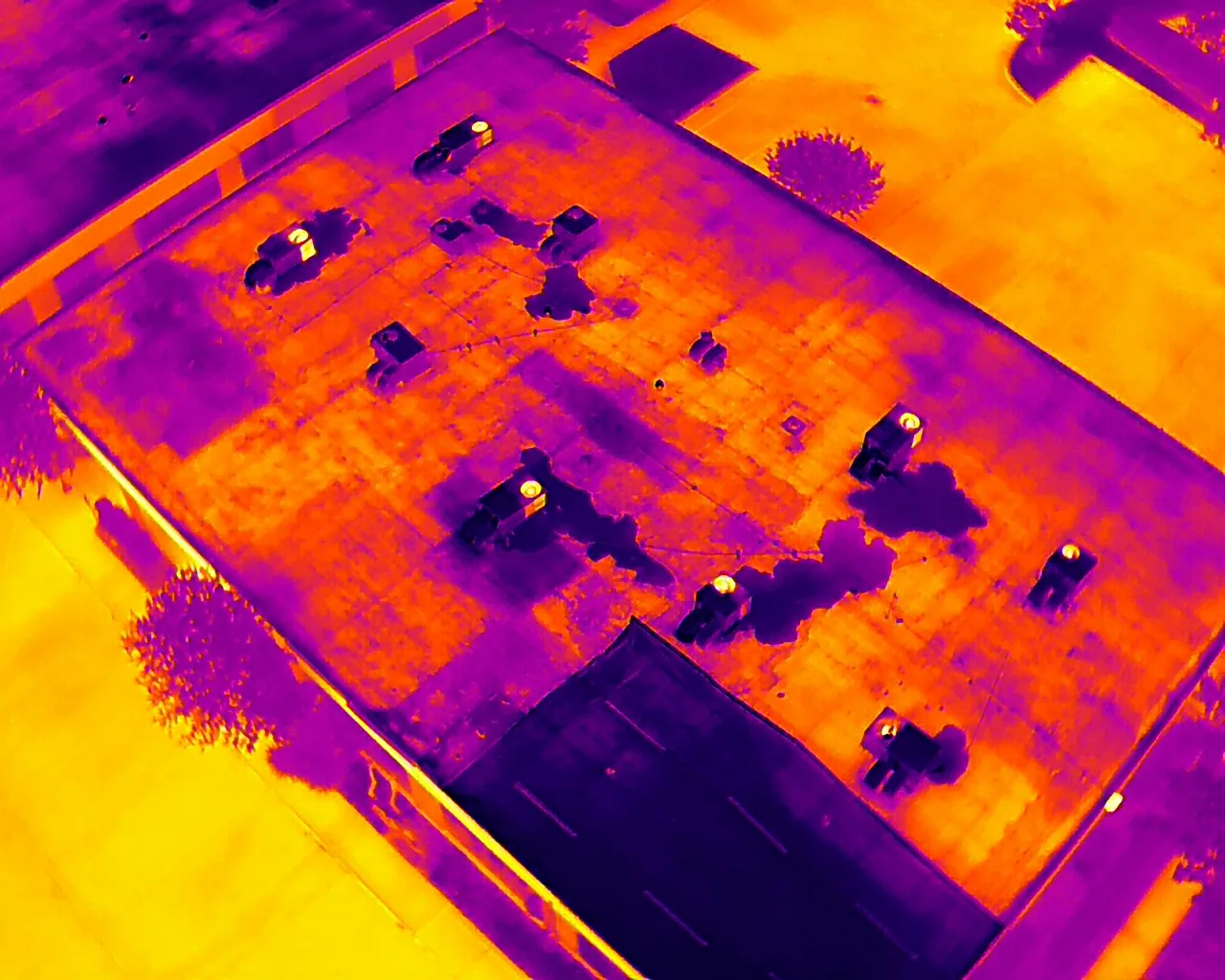
If the building has had leaks, a moisture reading tells us whether the insulation is wet. Our commercial roof inspection produces photographs, locations and a ranked list that a facility manager can set against the budget. When a roof fails in cold weather, emergency roof repair is available at any hour to stop the water until the permanent repair can be done.
Owners with another address can use one condition-report format while preserving site-specific findings for Elizabethton.
A roof in a colder, higher setting deserves a short pre-winter checklist. Confirm that outlets are clear, metal edges are secure, sealant repairs have cured and temporary materials are removed. Photograph vulnerable penetrations before snow limits access, then set an interior contact for reporting new stains or ceiling changes. This does not replace inspection after a severe event, but it gives the owner a clear baseline for deciding when a return visit is warranted.
Commercial Roofing Questions
Why do membranes crack in cold weather when they were fine in summer?
Polymer sheets lose flexibility as temperature drops, and the places that must bend, such as parapet bases and curb corners, take the strain. If the sheet has also aged and lost plasticizer or surface quality, the cold finishes the job. A reinforced membrane with properly formed corners and secured terminations resists this better.
How much extra snow load should an owner in Mountain City plan for?
The structure's design load comes from the building code and an engineer, and the city's height means the loading assumptions deserve a second look on older buildings. Johnson City's adopted codes include the 2018 International Building Code, and the local building official confirms which edition and which design snow load govern in Mountain City. Before adding weight with a recover or metal retrofit, confirm that the framing can carry it.
Can a leak in January wait until warm weather for repair?
A temporary fix cannot wait, but the permanent repair often must. Water needs to be stopped now with a patch or a sealant that holds in the cold, since uncontrolled leaks wet the insulation all winter. The lasting repair is then scheduled for the first dry, mild stretch.
What are the signs that ice is working on a roof edge?
Icicles along the eave, ice built up at gutters and scuppers, and staining below the edge all point to meltwater refreezing where the roof is coldest. Bent or pulled edge metal is the later sign. Clearing outlets before winter and improving insulation and air sealing near the edge reduce the effect.
Does a county seat building need anything special from a roofer?
Scheduling around public hours and protection for records and equipment. The work is staged so that offices below stay usable, openings are dried in daily, and the building is secured at day's end. The roof system itself is chosen on the same facts as any other commercial roof, snow load, moisture and budget.
Related Roofing Pages
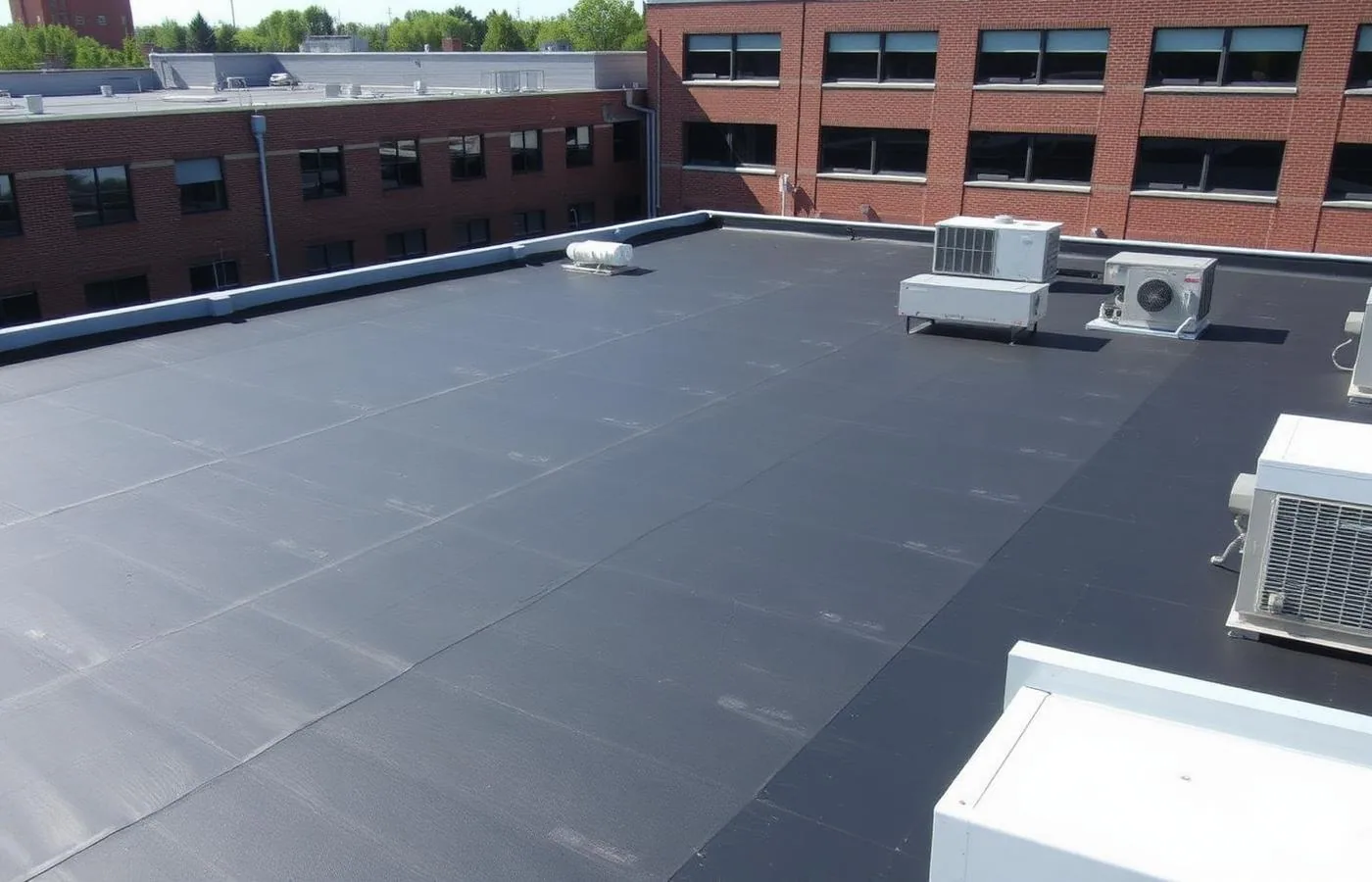
Roan Mountain
How the work is scoped, phased and documented on Tri-Cities roofs.
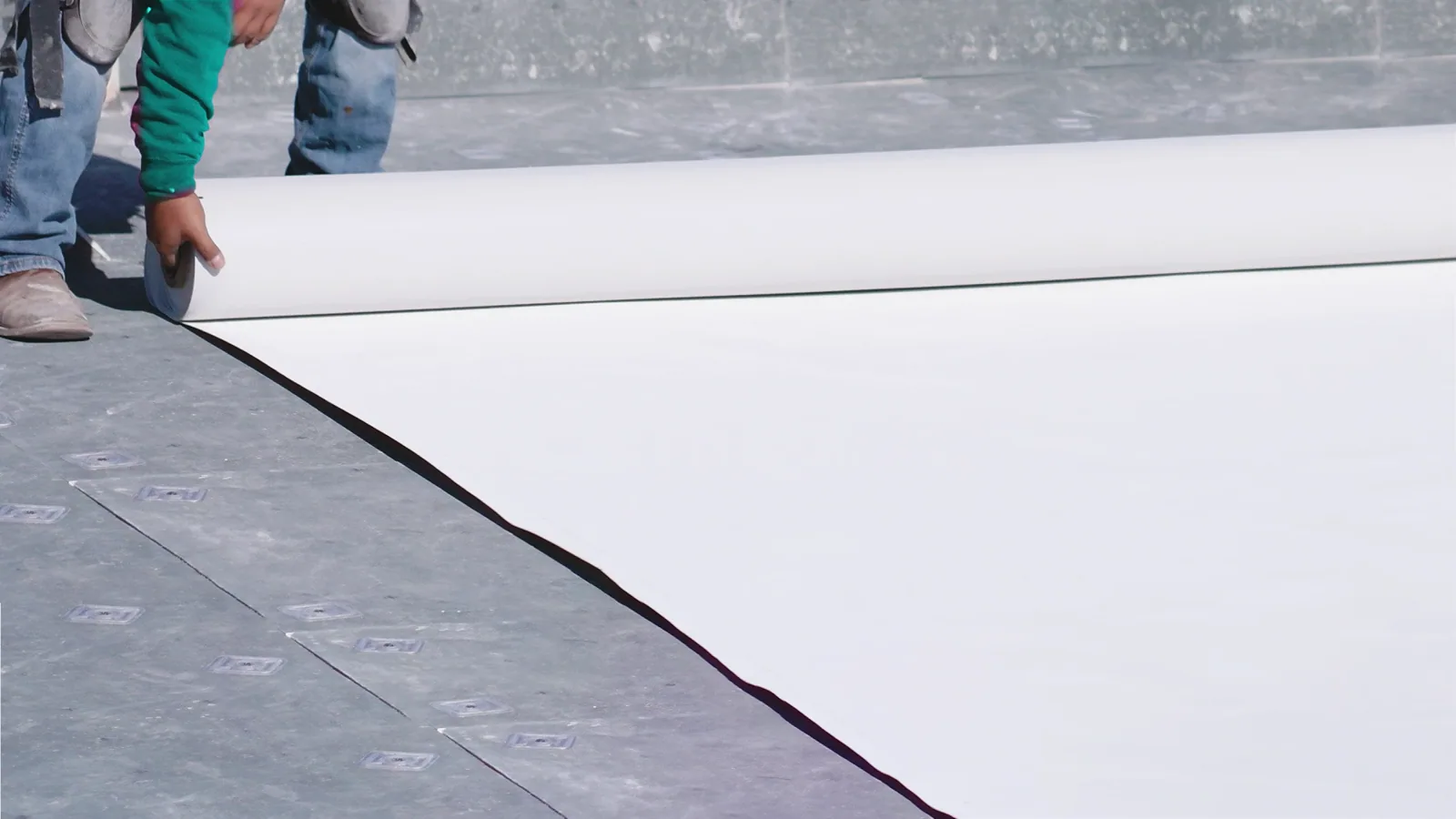
Standing Seam Metal Roofing
What we check, what we recommend and how the crew keeps the building running.
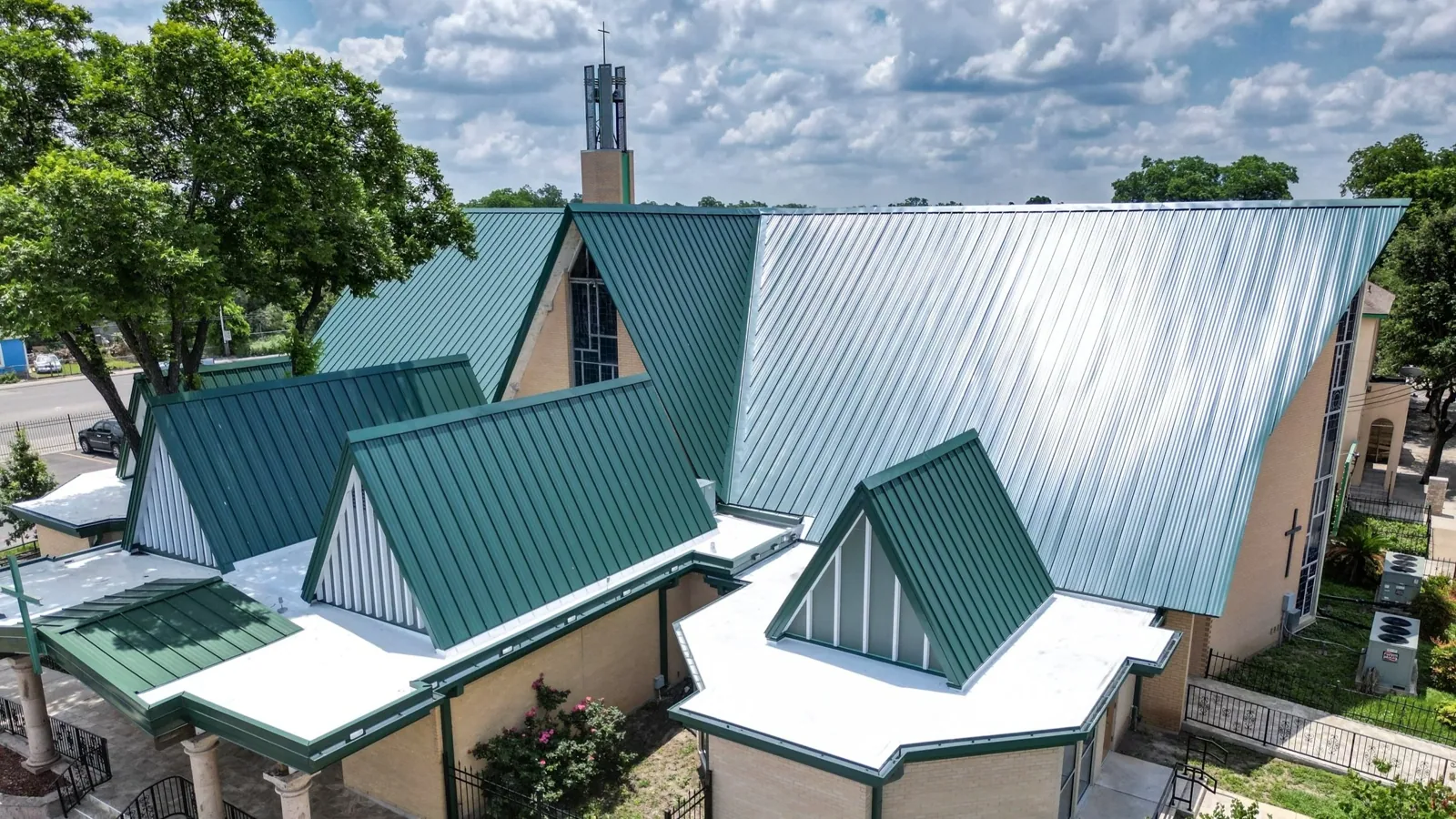
Metal Roof Retrofit and Restoration
Conditions, options and next steps for commercial buildings in East Tennessee.