
Roofing for Real Estate Investors and REITs in Johnson City, TN
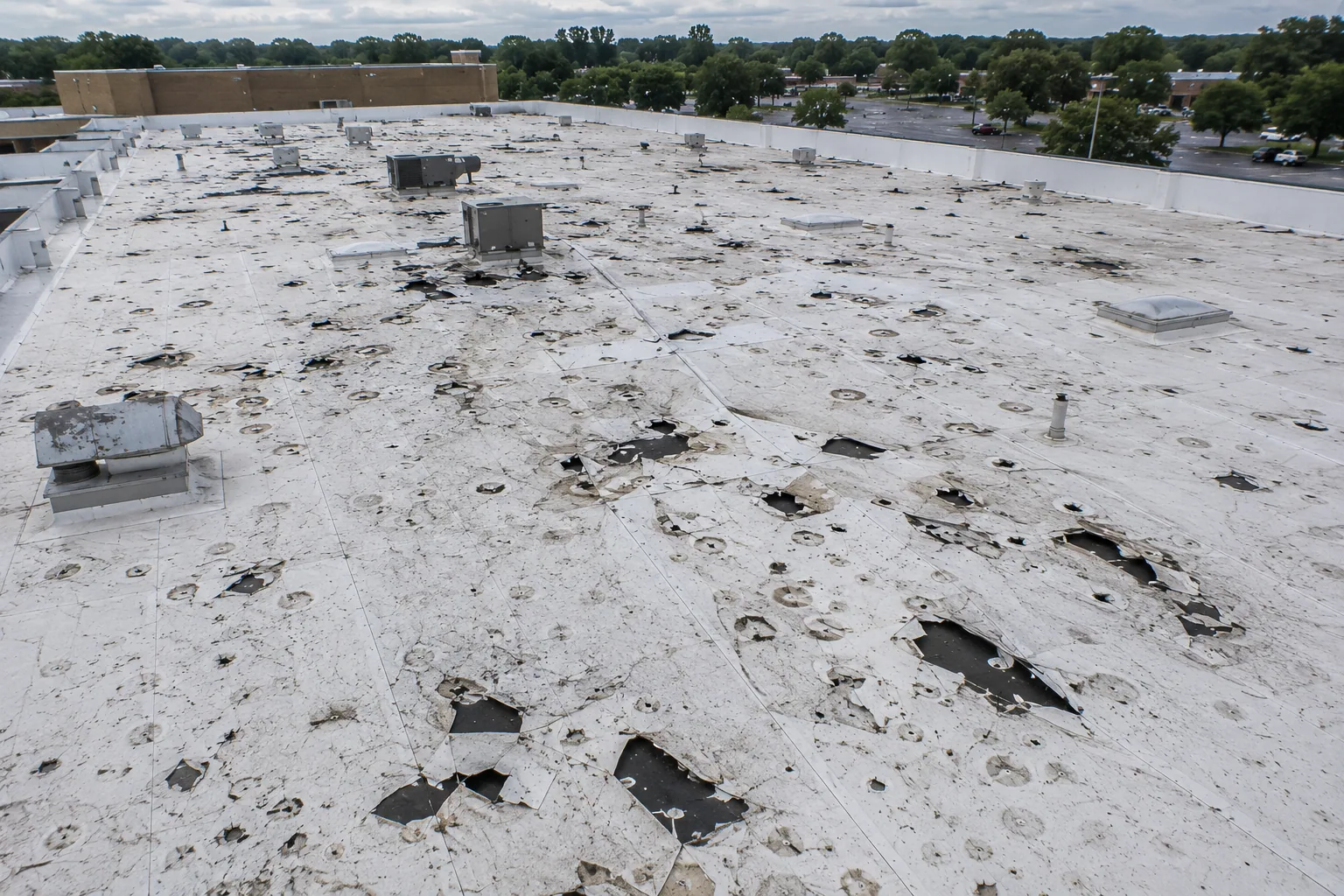
Insulation that has absorbed water stops behaving like insulation. Its cells fill, its resistance to heat flow drops, and in a Johnson City, TN winter the trapped moisture freezes into thin lenses that crush the board from the inside, then thaws and leaves a sponge that holds more water than it did before. None of that shows on a rent roll or in a pro forma, and a buyer walking the roof in a dry week sees a clean membrane over a failing assembly. A roof that looks sound but carries a heavy moisture load turns into a price adjustment at closing or a capital call two winters later, and whoever did not measure it pays. We write roof condition data in a form an investor can use: dated, located on the roof, and tied to a scope that an estimator can price.
What belongs in a roof reserve before a purchase closes?
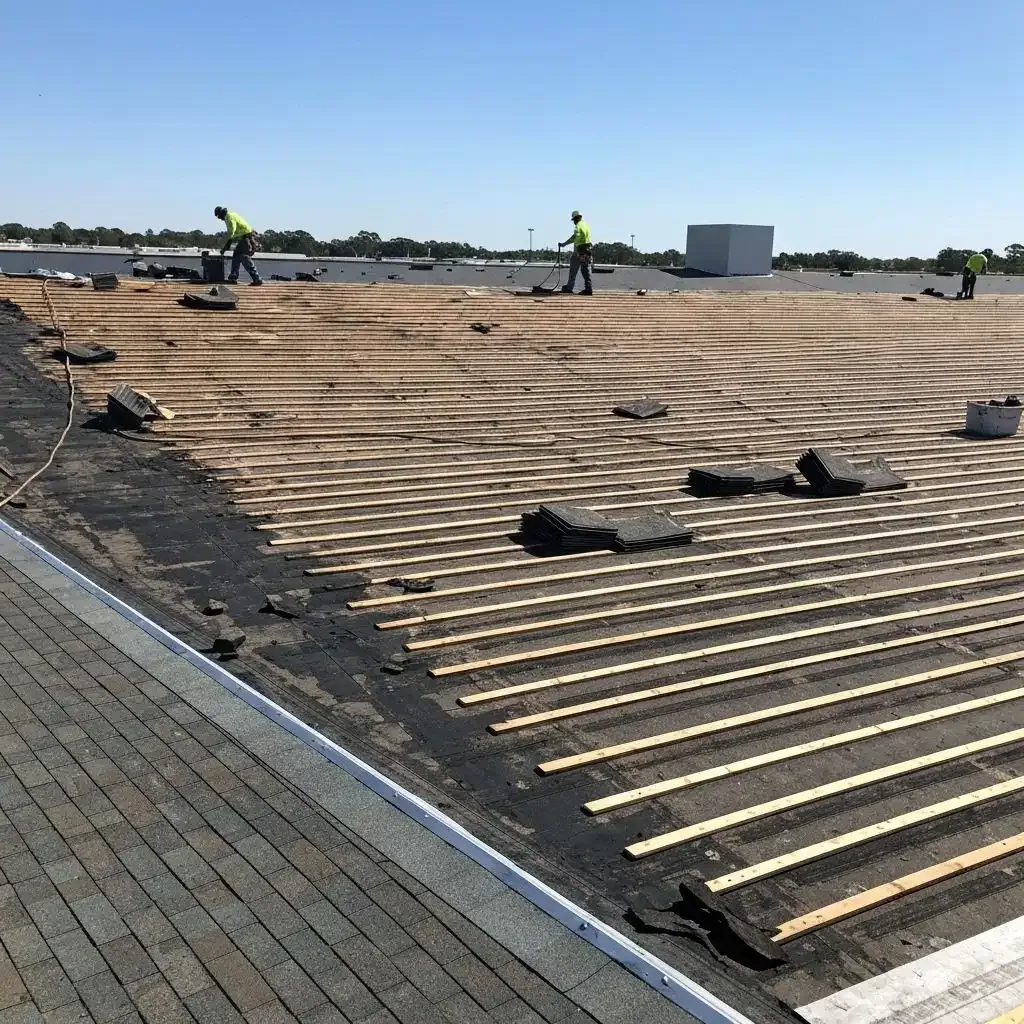
A reserve built from a rule of thumb is a guess about a roof nobody has measured. Before a number goes into the model we gather the paper that exists (roof plans, warranty terms, repair logs and any prior reports), then walk the roof, map low spots and drains, and run an infrared moisture survey with core cuts wherever the scan shows warm, wet-looking areas. Each core gives a direct reading of insulation moisture, layer count and deck condition at that point. The result is a ranked scope in three parts: repairs needed within the first year, items that can wait a few seasons, and an estimated replacement window with its drivers explained. A due diligence roof survey exists to produce that finding, and it lets the reserve reflect the building instead of the seller's opinion of it.
Put measured roof data into the model before the next decision
Call Commercial Roofing Johnson City to schedule a survey of the roofs in your holdings. You will receive moisture findings, a dated photograph record and a priced replacement window you can carry into a purchase, a refinancing or a sale.
Which findings should reprice a deal and which are routine?
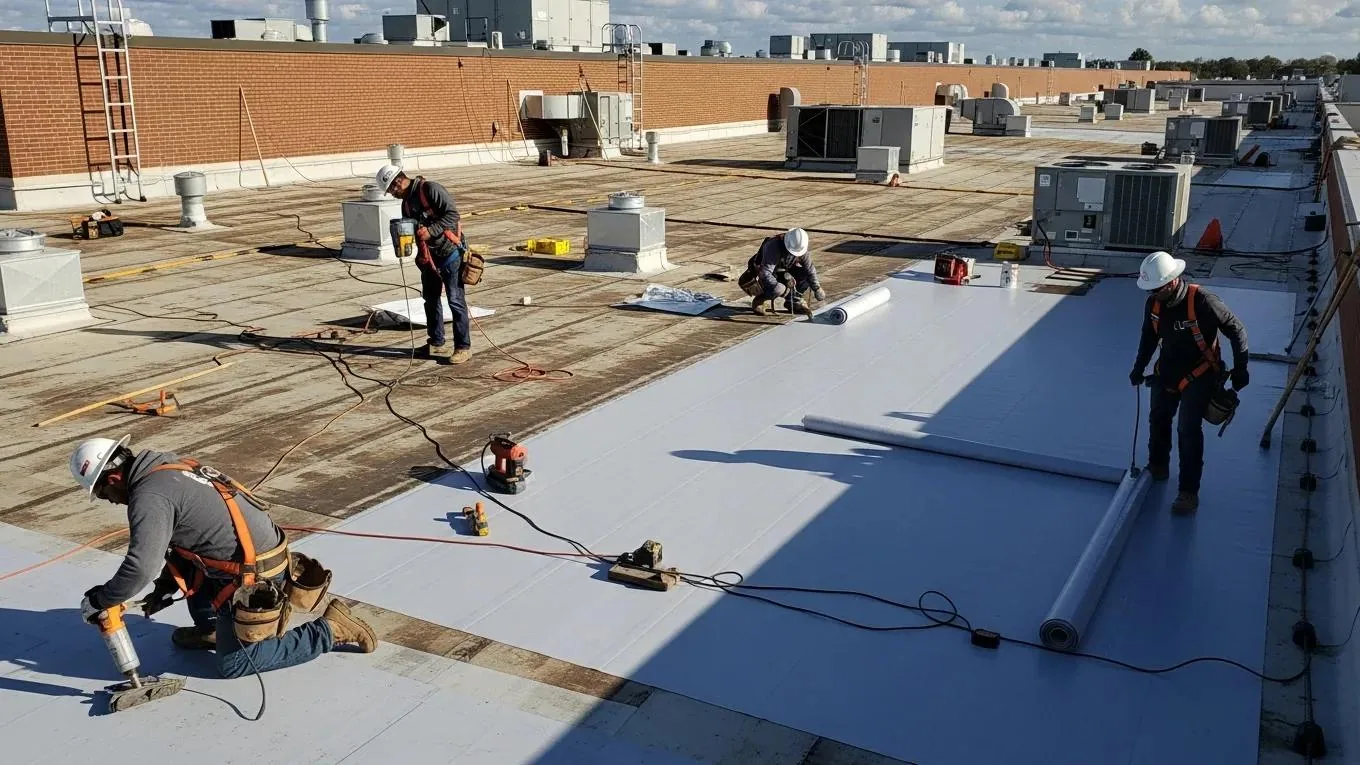
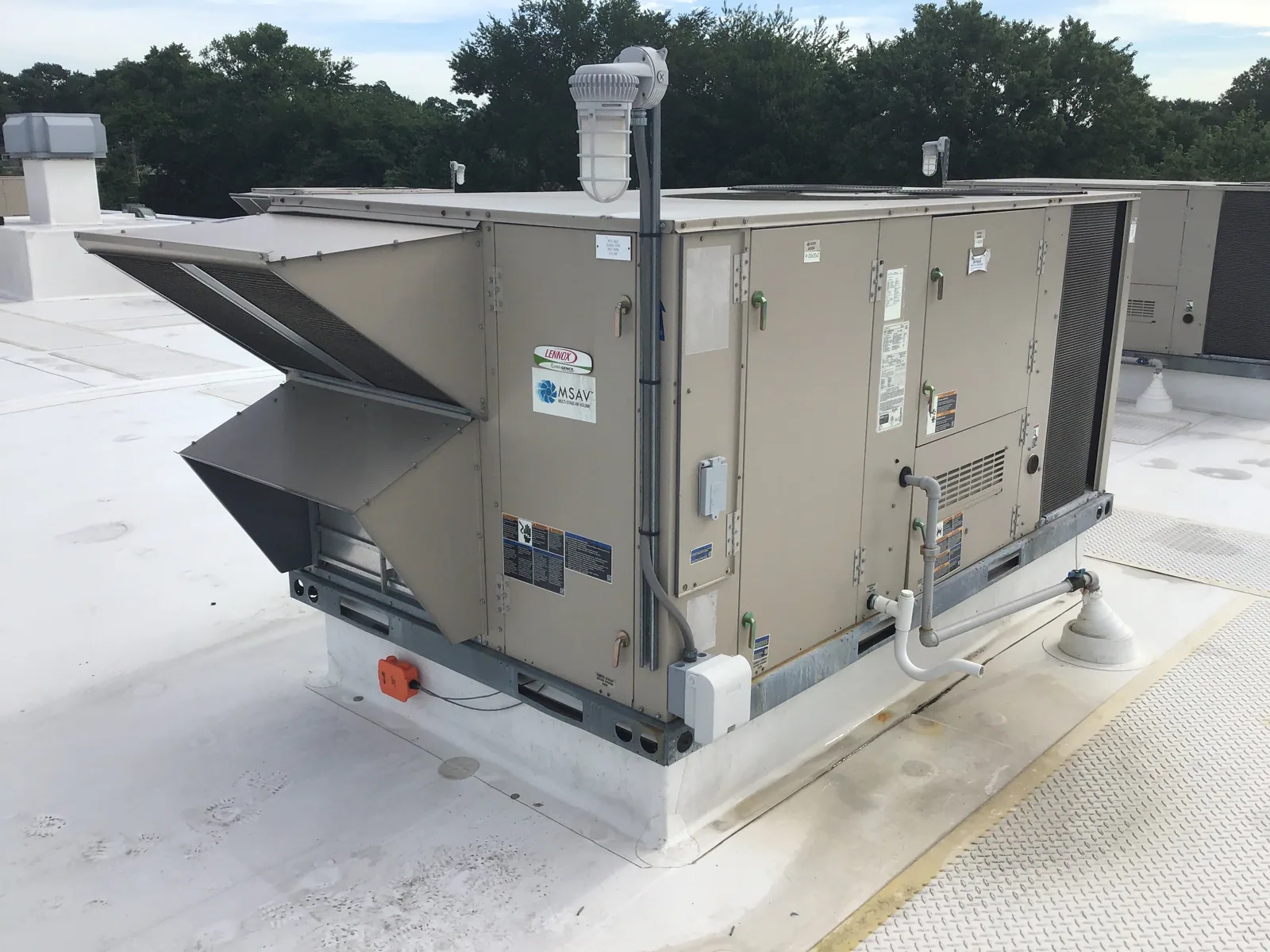
Most roofs have defects, and most defects are routine: a lifted flashing corner, a drain without a strainer, a seam that needs a cap strip. Those belong in the first-year repair budget and rarely change the bid. The findings that should move a price are the ones that enlarge the scope: wet insulation across a large share of the area, a deck that has corroded or deflected, two layers of roofing already in place so that a recover is no longer possible, or a drainage path that leaves water on the roof for days. Under the 2018 International Existing Building Code that the city has adopted, the number of layers that can be covered is limited, so a roof that fails the layer test must be torn off rather than recovered. The difference between those two paths is large enough to belong in negotiation, and we state it plainly so that nobody finds it after the deed has been recorded.
How does remaining service life change a hold-period plan?
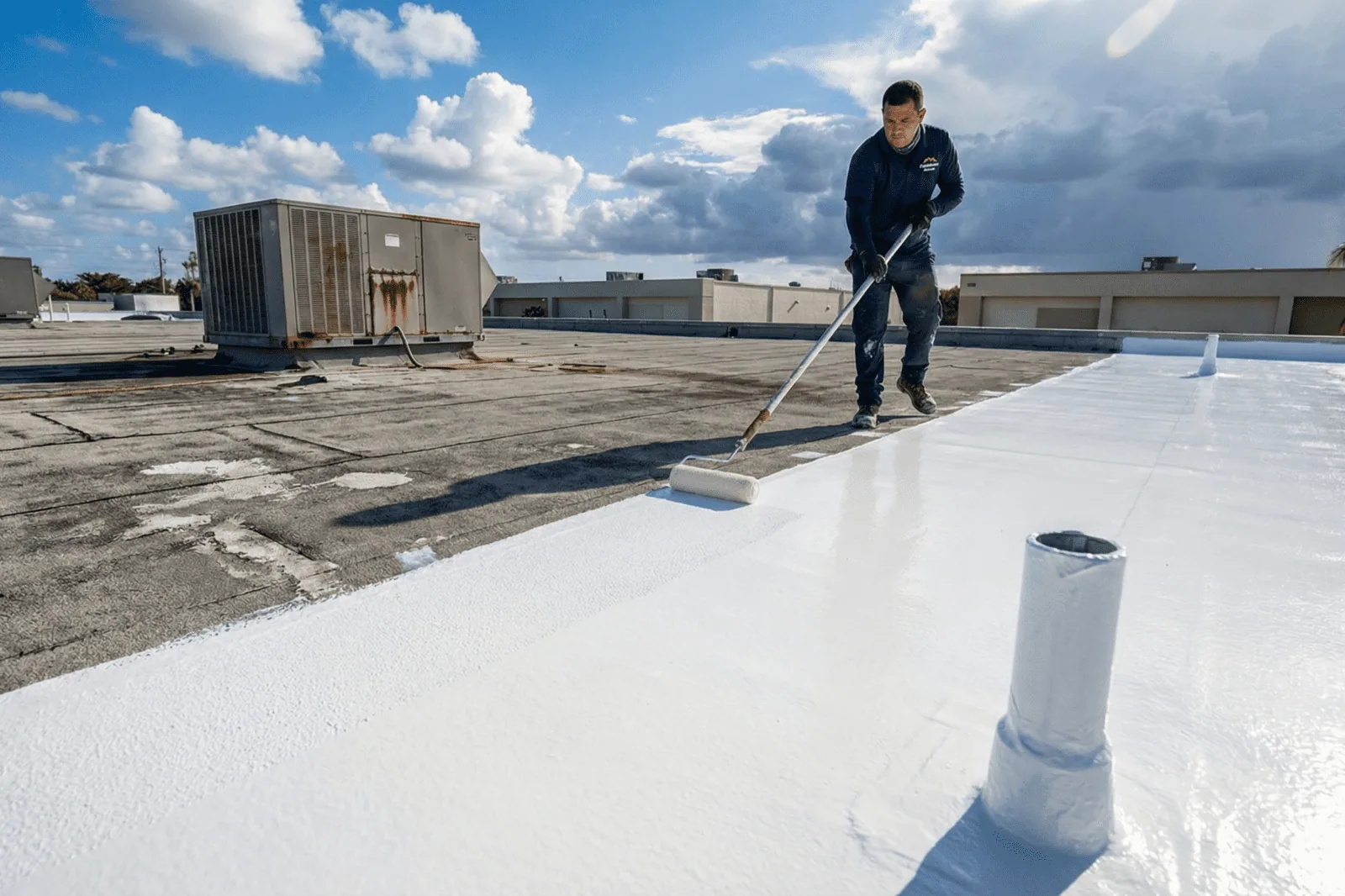
A roof with three good years left on a five-year hold forces a choice that the pro forma rarely names. The owner can replace early and sell with a fresh assembly, restore the surface with a restoration coating to carry the building to exit, or sell as is and accept a buyer's discount for the replacement window that now sits inside the buyer's own hold. Each path has a different lifecycle cost, and the cheapest one usually depends on whether the insulation is dry. Wet insulation removes the coating option, because a coating cannot dry out what is trapped beneath it. Dry insulation keeps every option open, which is why moisture data collected early has value out of proportion to its cost. Our job is to place the roof on that timeline with evidence, so the owner is choosing among priced options and not reacting to a failure.
How do Tri-Cities assets differ from one another on the roof?
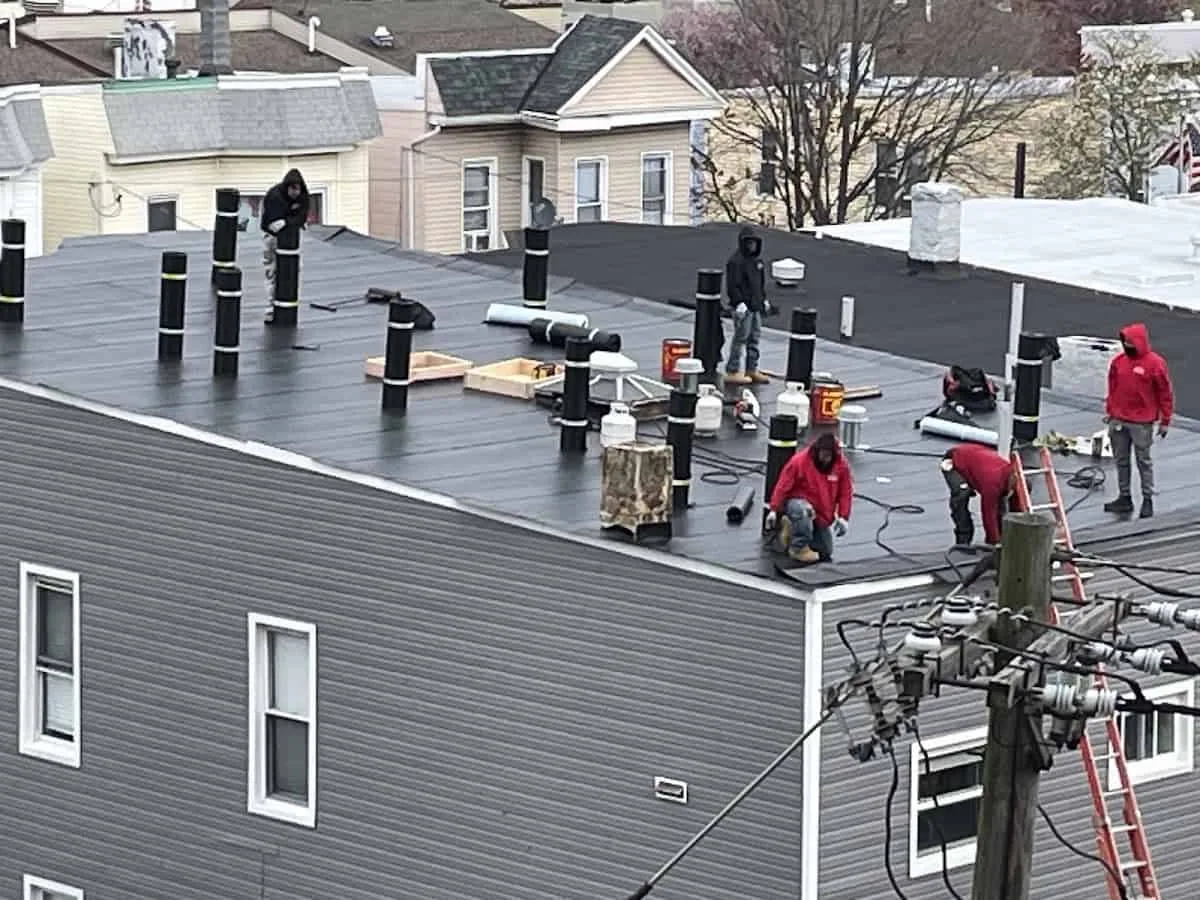
The Mall at Johnson City opened in 1971 and holds 534,873 square feet over two enclosed floors, with five major tenants and 2,885 parking spaces, and an investor looking at an asset of that kind is dealing with many tenants whose interests differ and a roof whose condition has to be established before anyone prices the building. Industrial assets behave differently. The Washington County Industrial Park is where Sungwoo Hitech renovated the old Alo Tennessee building, 380,000 square feet, and anyone who puts an existing building to a new use takes the roof along with the walls. The ebm-papst plant there was a $37 million investment, the largest in Washington County since 2011, and when that much capital sits inside a building, a leak costs more than the repair that would have stopped it. Across the Tri-Cities combined statistical area, home to about 514,899 residents in 2020, the question for an investor is rarely whether a roof is old and almost always whether it has been measured.
How should work be phased across several assets so cash is spent once?
The sensible order follows the data, not the calendar. Roofs with wet insulation or failing drainage come first because their cost rises every winter. Roofs that are dry but close to the end of service life come next, ideally timed to a refinancing or a lease expiration when access is easiest. Roofs with years of life left receive preventive maintenance and drop out of the capital queue. When the owner also manages buildings through a property management company, we align the schedule with that manager's tenant notices and budget cycle so that a single plan carries through both. Work on occupied space is planned around tenants, and the staging of cranes, material and dumpsters is agreed in advance with whoever controls the parking field.
Industrial tenants need a roof scope coordinated with production hours; the same scheduling constraint applies to manufacturing facilities.
Commercial Roofing Questions
Can a second roof layer be added to a building under contract?
Only if the existing roof passes tests on layer count, moisture and deck condition. The 2018 existing building code adopted in Johnson City does not allow a recover over a roof that is wet or already carries two applications of roofing, so the core cuts and the layer count have to come first. If the roof passes, a recover can save weeks and a great deal of disposal expense. If it fails, the scope becomes a tear-off, and that difference deserves attention before the price is set.
What does a lender's engineer look for in a roof report?
Dated photographs, a clear statement of remaining service life, and a repair estimate separated into immediate and deferred items. Lenders want to see that the borrower has measured the problem and has the funds in hand, so a report that shows moisture readings, drain locations and a scope in priority order will be received more easily than a general statement that the roof is in fair condition.
Does a coating make sense for an asset that will be sold within a few years?
Often yes, provided the insulation under the membrane is dry and the sheet is still bonded. A coating restores reflectivity, seals minor seams and defers a tear-off by a number of years at a modest share of replacement cost. A buyer can see the coating and the moisture data behind it, which supports a price more readily than a roof of unknown condition. It is a poor choice over saturated insulation or ponding areas.
How should a seller present a roof that was repaired during the hold?
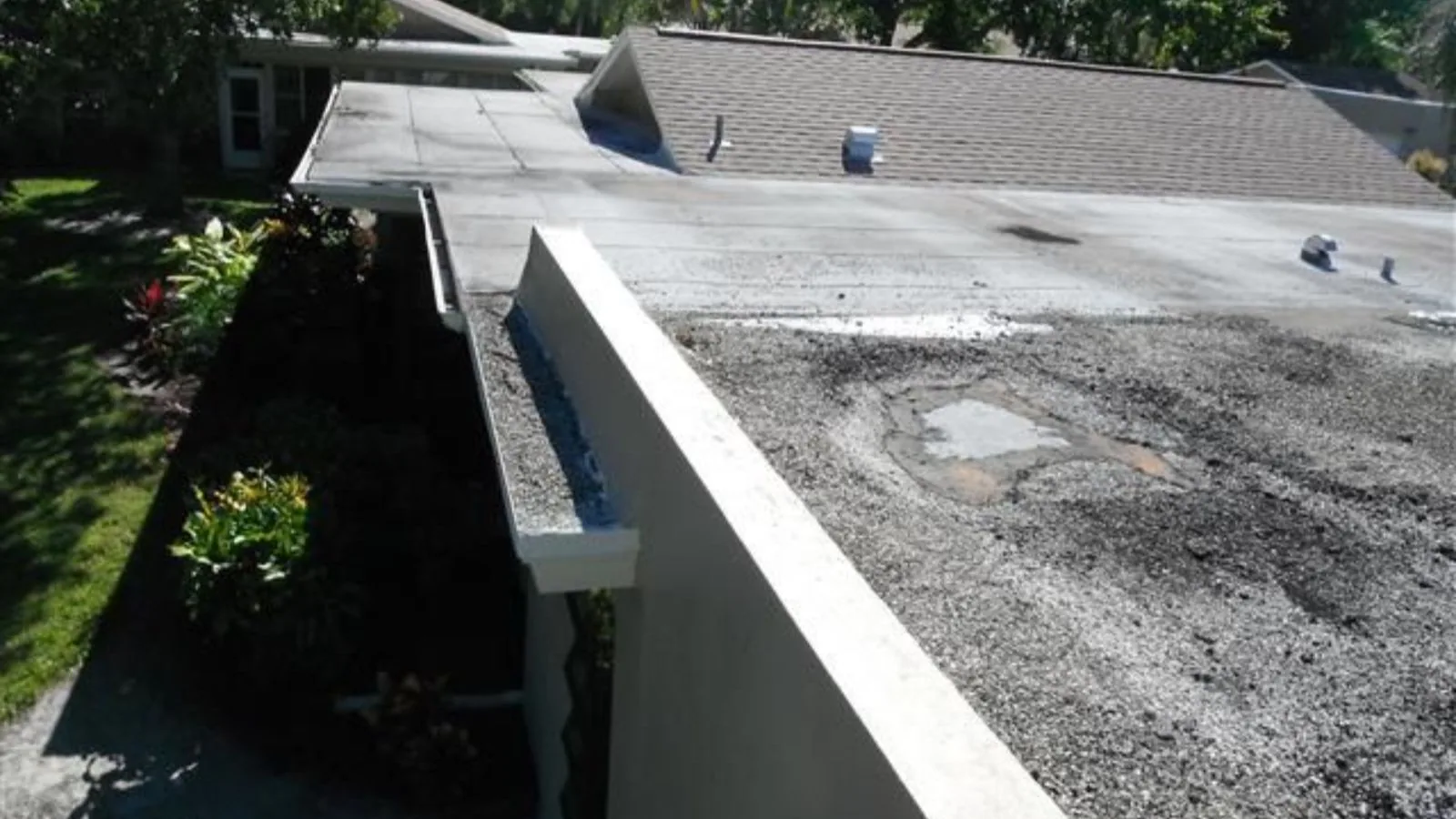
With the repair record in hand: where the work was done, what failed, which materials went in and whether the area has been dry since. Patches that were documented read as maintenance, while patches that cannot be located read as hidden defects. We keep a map and a photograph set for every visit so that the file a seller hands over answers the buyer's questions before they are asked.
What happens to the roof file after a regional storm like Helene?
It becomes the baseline against which damage is measured. After a regional event on the scale of Hurricane Helene, which sent the Nolichucky River to catastrophic levels in September 2024 and closed I-26, an owner who files a roof claim has to show an insurer what the roof looked like before and what changed. A dated record with photographs makes that comparison direct, and our roof insurance claim assistance builds the post-event report on top of it.
Related Roofing Pages

Infrared and Core-Cut Moisture Surveys
How the work is scoped, phased and documented on Tri-Cities roofs.
Due Diligence Roof Surveys
What we check, what we recommend and how the crew keeps the building running.
Roof Coating and Restoration
Conditions, options and next steps for commercial buildings in East Tennessee.