
Infrared and Core-Cut Moisture Surveys in Johnson City, TN
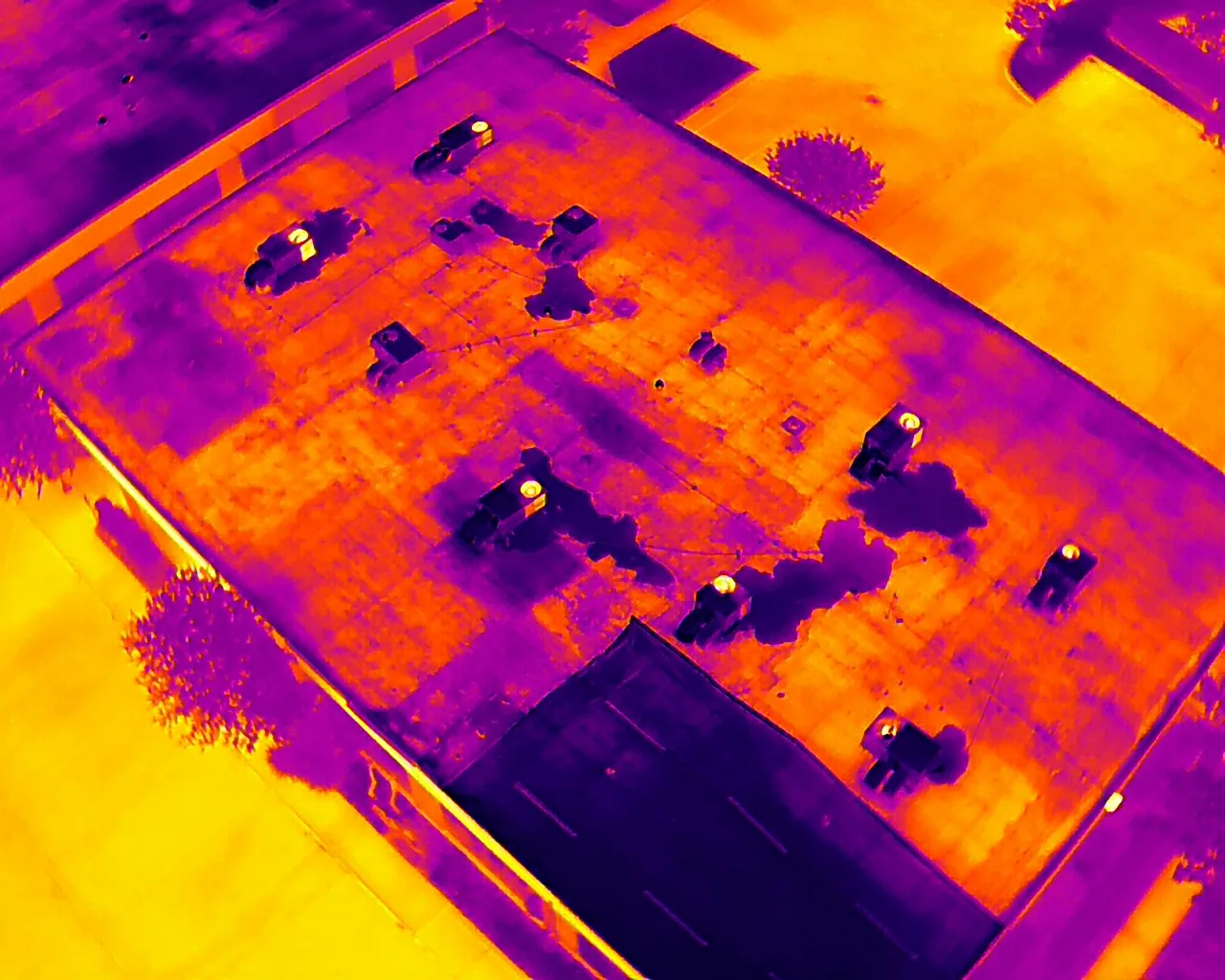
Wet insulation holds heat longer than dry insulation, and that single difference is what an infrared camera reads. After a sunny day, a roof gives back its stored warmth as the evening cools, and the areas saturated with water release it more slowly, so they glow warmer on the thermal image while dry areas fade. The result is a map of moisture that cannot be seen from above and often cannot be felt from the surface. For an owner, the map answers the question that decides everything else about the roof: how much of this assembly is still doing its job. A roof with a small, localized wet area can be repaired and kept. A roof with water spread across the field is a candidate for replacement. In Johnson City, TN, where freeze-thaw cycling pushes water into any opening, the survey is the cheapest way to know which situation you are in.
How does a thermal scan find water that nobody can see?
The scan depends on a temperature difference that develops over a few hours. Insulation soaked with water has more thermal mass than dry board, so it absorbs and retains heat differently, and after the sun goes down the contrast between wet and dry areas becomes strong enough to photograph. The conditions must be right. We want a dry roof surface, a day with solid sun beforehand, a clear sky and light wind in the evening, and no snow, ice or standing water. Roofs with ballast, heavy dirt or reflective coatings may need extra care in reading the image. The camera produces a set of images that we map to a plan of the roof, marking each suspected area with its approximate size. Those marks are hypotheses. We confirm them on the roof before anyone relies on them.
Measure the moisture before you commit the budget
Call Commercial Roofing Johnson City to schedule a thermal scan and core samples. You will receive a map of the wet and dry areas and a plain recommendation on repair, recover or replacement.
Why does the scan need core cuts to back it up?
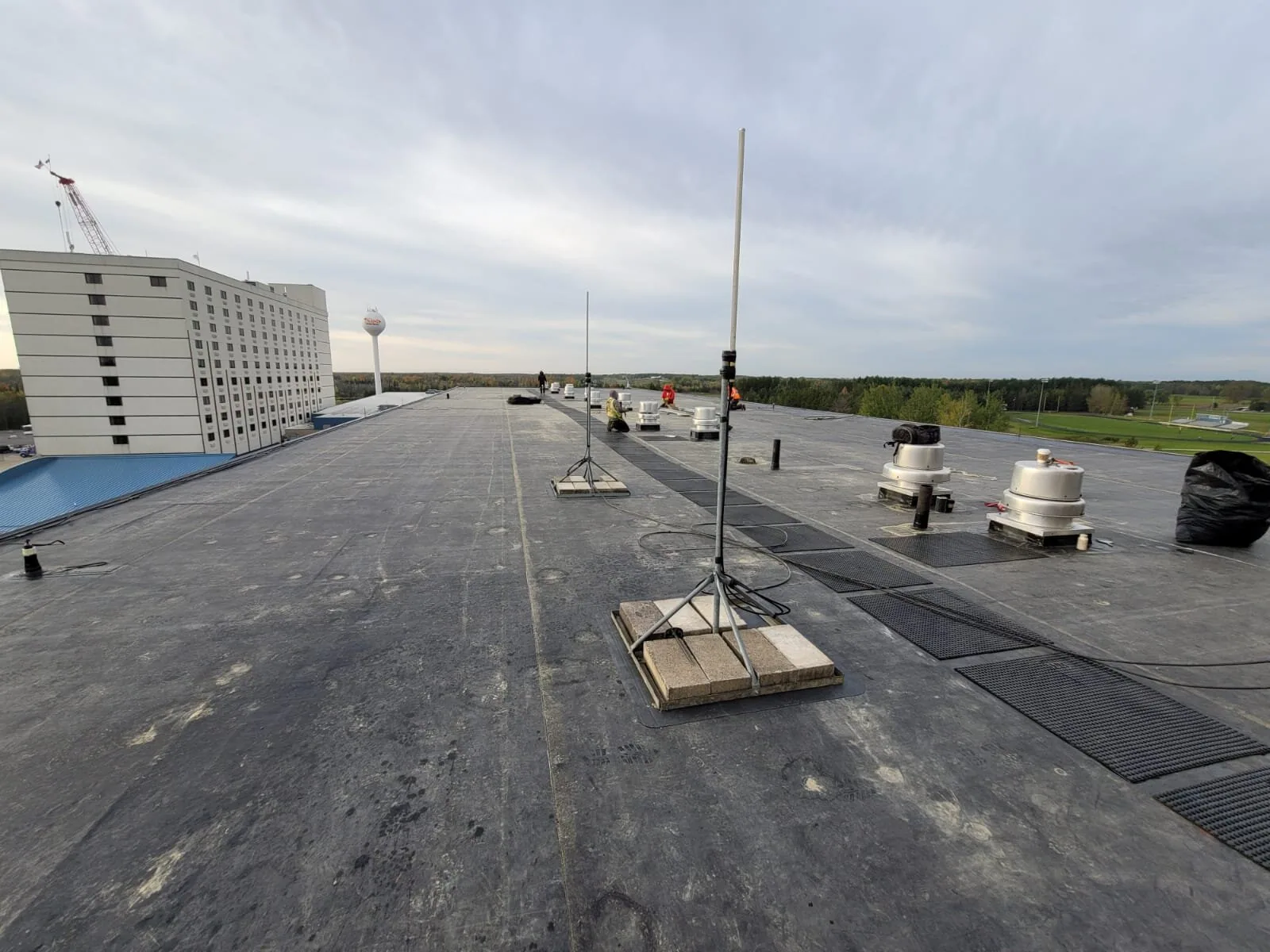
An infrared image shows a temperature pattern, and several things other than water can cause one. Thicker insulation, a different material under the membrane, a drain sump or a section of old membrane can all look warm or cool. A core cut settles the question. We remove a small plug through the membrane and insulation at selected locations, usually a mix of areas the scan flagged as wet and areas it flagged as dry, then measure the moisture and record the layers: membrane, insulation type and thickness, cover board and deck. The core also tells us about the roof's makeup, which matters for any repair or recover. Every cut is sealed and flashed immediately, so the roof is left tight. Together, the scan and the cores give a confirmed picture instead of an educated guess.
What does the moisture map tell an owner to do?
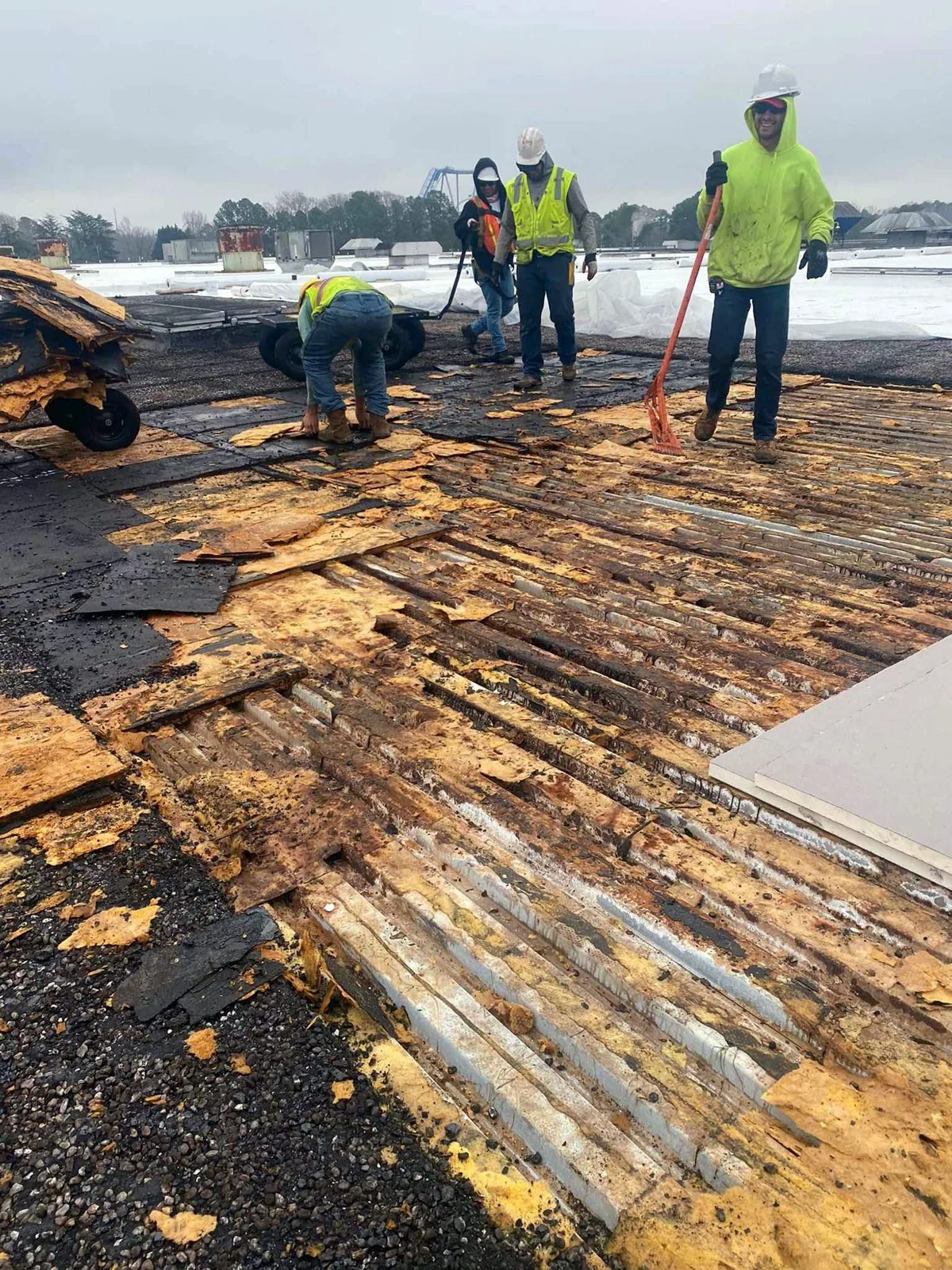
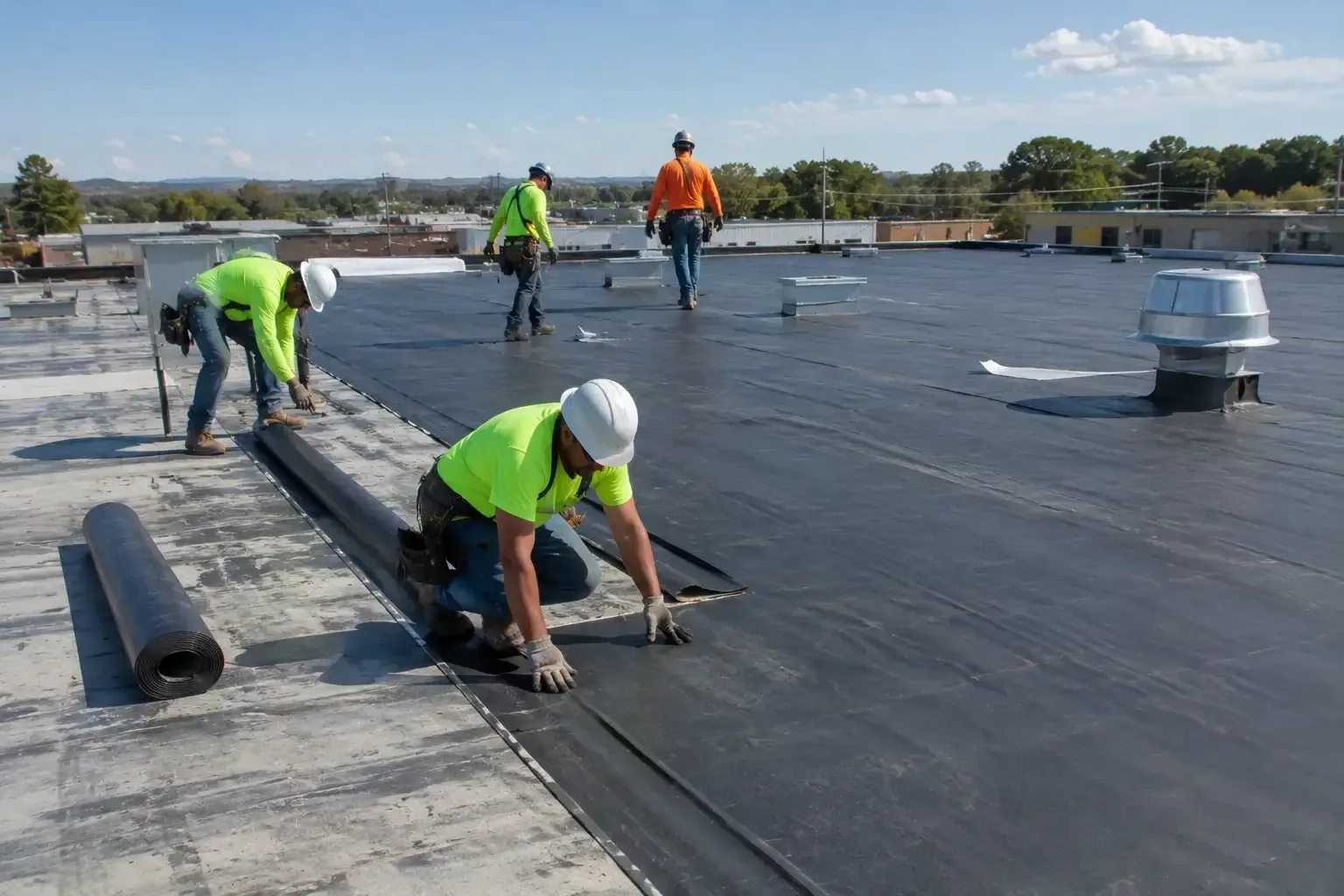
The map narrows the options to the ones the data supports. When the wet insulation is confined to areas around a few details, the plan is a targeted cut-out of the wet material and a repair, sometimes starting with commercial roof leak repair to stop the entry. When the readings are dry across the roof and the membrane is aging, the result may support a roof recover or overlay, since an overlay requires dry insulation. When the wet area is widespread, replacement is the sound choice, and the survey supplies the scope: how much insulation has to be removed, where the deck needs inspection and what can be saved. In that case, the next step is commercial roof replacement, planned and priced from the actual conditions.
What does it cost an owner to skip the survey?
Skipping it moves the uncertainty to the budget. An owner who replaces a roof that was still serviceable spends capital years early, and an owner who patches a roof that is saturated spends repair money on a roof that will have to be replaced anyway. Both mistakes are expensive, and both are avoided by knowing the moisture condition. A survey is a small fraction of the cost of a tear-off, and it also protects against surprises during the work, since the scope of wet insulation is known in advance. Owners who track their roofs across a portfolio often fold surveys into roof capital planning, so that each building's replacement window is set by measured condition instead of age.
When in the year does a survey work in Johnson City?
Because roofs here take water in through winter freeze-thaw openings and carry it quietly through the cold months, a spring survey often shows the cumulative result of the season, and a fall survey shows what has to be dried or removed before the next one begins. The best windows are the dry stretches of late spring, summer and early fall, when the roof is free of snow and ice and has enough sun to charge the contrast. Winter surveys are possible on clear, dry days but are less reliable, and the record at Tri-Cities Regional Airport shows measurable snow on ten Christmases since 1937, so a clear day cannot be counted on; we will say when conditions are not good enough to produce a result you can trust. A roof with a leak history, a membrane in its second half of life, or a pending sale or refinancing is a good candidate. Healthcare and institutional buildings along the Med-Tech corridor deserve particular attention, since hospital roofing carries operational risk when water gets in. For large buildings, we can pair the scan with a drone roof inspection to image the whole roof quickly.
The scan is a screening map, so the final scope should show how the suspected wet areas were confirmed. We compare thermal patterns with roof geometry, drain locations and interior conditions, then take selective cores where the temperature contrast warrants it. A core reveals the actual layer sequence and moisture condition at that point. If the scan and core disagree, we expand the sample before pricing removal; that small verification step can prevent both unnecessary tear-off and a repair that leaves wet insulation in place.
Large roofs at the Washington County Industrial Park need a grid that relates each thermal reading to a roof bay and drain. That makes core checks selective and keeps a moisture map useful to plant maintenance staff planning repairs around production.
Commercial Roofing Questions
What decides whether my roof needs a moisture survey?
History and age decide it. A roof with past leaks, ponding, soft spots underfoot or a membrane past the middle of its life is a good candidate. Buildings about to be sold, refinanced or recovered should be surveyed too, because the moisture condition affects value and options.
Is infrared alone reliable enough?
Infrared is excellent at finding where to look, but it can be misled by other temperature differences. Core samples at selected points confirm the readings and reveal the roof's layers, so we combine the two.
Do the core cuts damage the roof?
Each core is a small plug that is sealed and flashed on the same visit with materials matched to the roof. Done properly, the cuts leave no weak point, and the information gained is far more valuable than the minor disturbance.
What decides how long the survey takes?
The scan itself is performed in the evening and the core work in the daylight, and a typical roof can be completed within a day or two. Roof size, access and the weather stretch that: larger or multi-level buildings take longer, and a weather delay moves the evening scan to the next suitable day.
Can I use the findings with an insurer, lender or buyer?
The written report can be shared as it stands. It includes the thermal images, the moisture map, the core logs and a summary of recommendations, so a third party can see how the conclusions were reached. Whether it satisfies a particular lender or carrier is their determination.
Related Roofing Pages
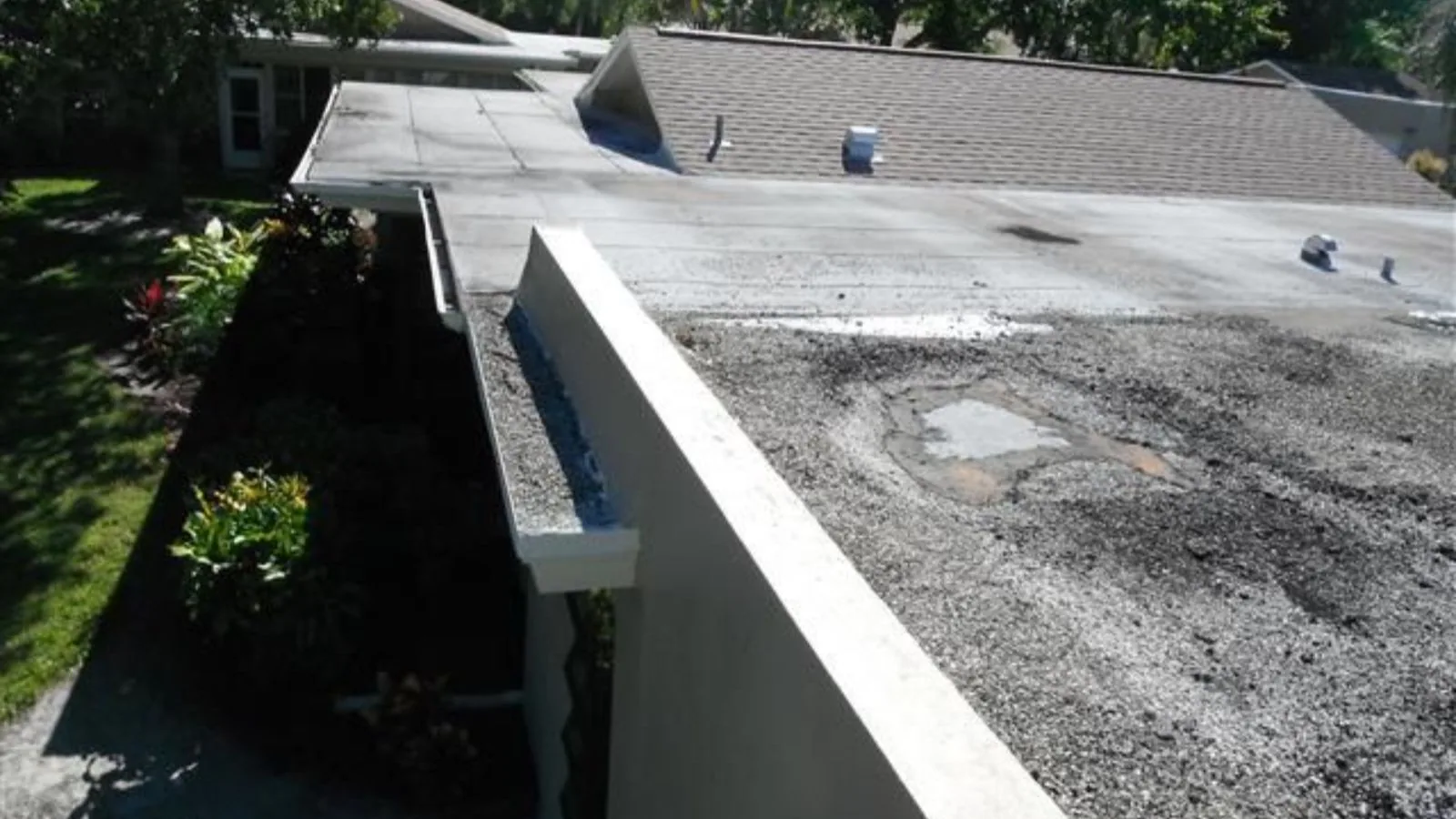
Commercial Roof Leak Repair
How the work is scoped, phased and documented on Tri-Cities roofs.
Roof Recover and Overlay Systems
What we check, what we recommend and how the crew keeps the building running.
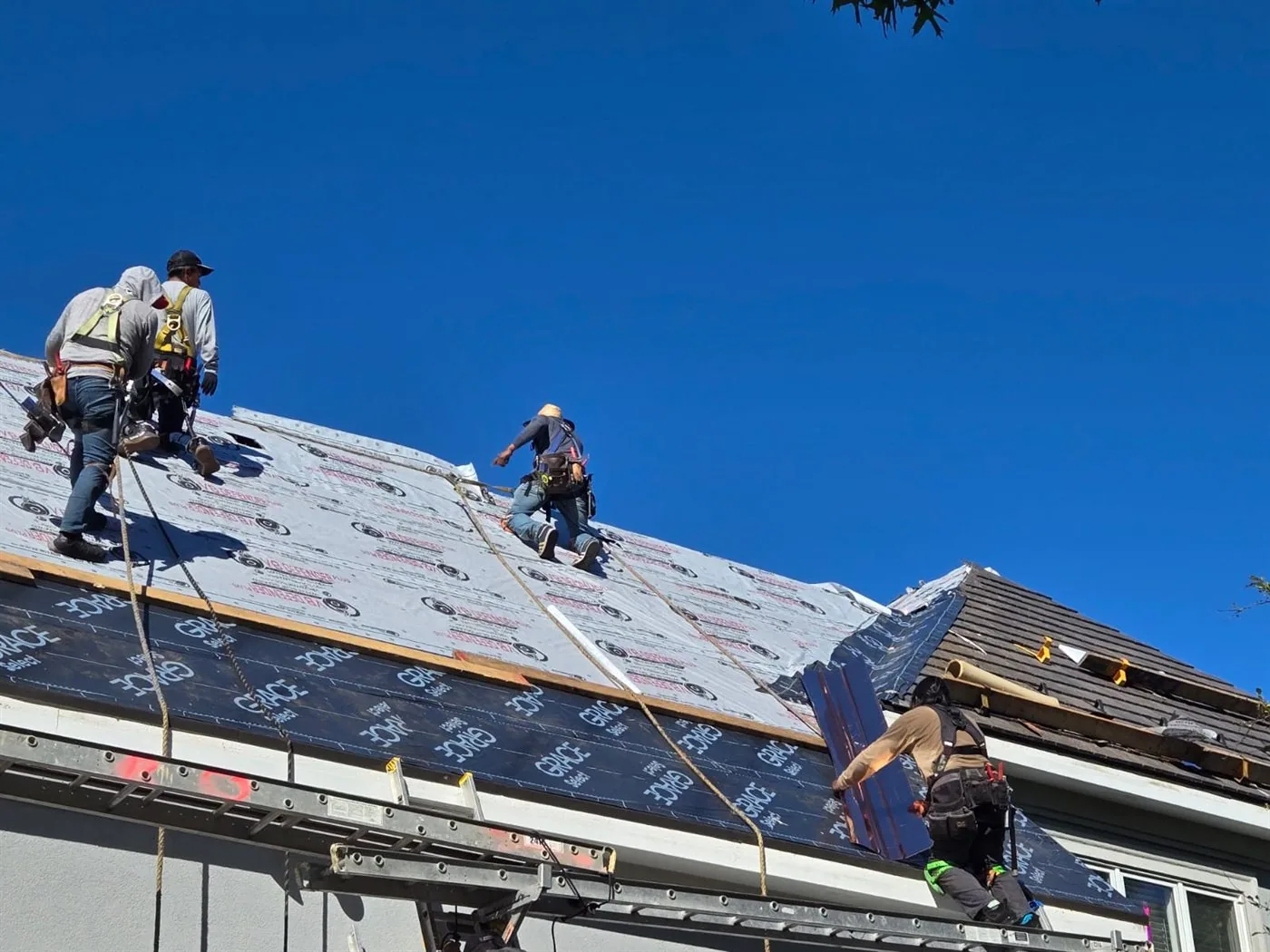
Commercial Roof Replacement
Conditions, options and next steps for commercial buildings in East Tennessee.