
Commercial Roofing in Gray, TN
Where a membrane turns up a wall, two materials that expand at different rates are held together by a bead of sealant and a strip of termination metal, and that joint is asked to move each time the temperature crosses freezing. Johnson City, TN records winter lows averaging about 25F and about 15.6 inches of snow a year, so a wall flashing in the Gray area goes through a great many small cycles before spring. Each cycle opens the joint a hair, admits a little meltwater, and pushes the gap wider when that water freezes. Gray’s commercial growth has added retail chains and other establishments since 2000, bringing a mix of wall and roof details to maintain. A roof at the start of that trouble is rarely failing outright. It is collecting small defects along its edges, and the owner who finds them in a scheduled walk pays for sealant and flashing work instead of a wet-insulation replacement.
What does a roof near the I-81 and I-26 junction have to withstand?
Gray's position beside the I-81 and I-26 junction makes access and drainage planning part of a roof visit. State routes 36 and 354 connect local traffic with US 11E and US 321, while the area's public schools and the Gray Fossil Site museum bring distinct building uses into the local mix. Hurricane Helene caused catastrophic flooding along the Nolichucky and closed I-26 in September 2024. That regional disruption is a reason to check each property's roof outlets and overflow paths before heavy rain, while confirming a safe route for crews and deliveries. A roof inspection should trace water from each drain to its discharge point and document any low spots or blocked paths. We start with the drain and scupper layout, then look for ponding water that can prolong membrane exposure after a storm.
Put condition data behind the next roof decision in Gray
Call Commercial Roofing Johnson City to arrange a walk of your roof and, where the symptoms call for it, a moisture reading. You will have photographs, locations and a ranked scope to weigh before any capital is committed, and an emergency call is answered at any hour.
What do we look at first on a first walk in Gray?
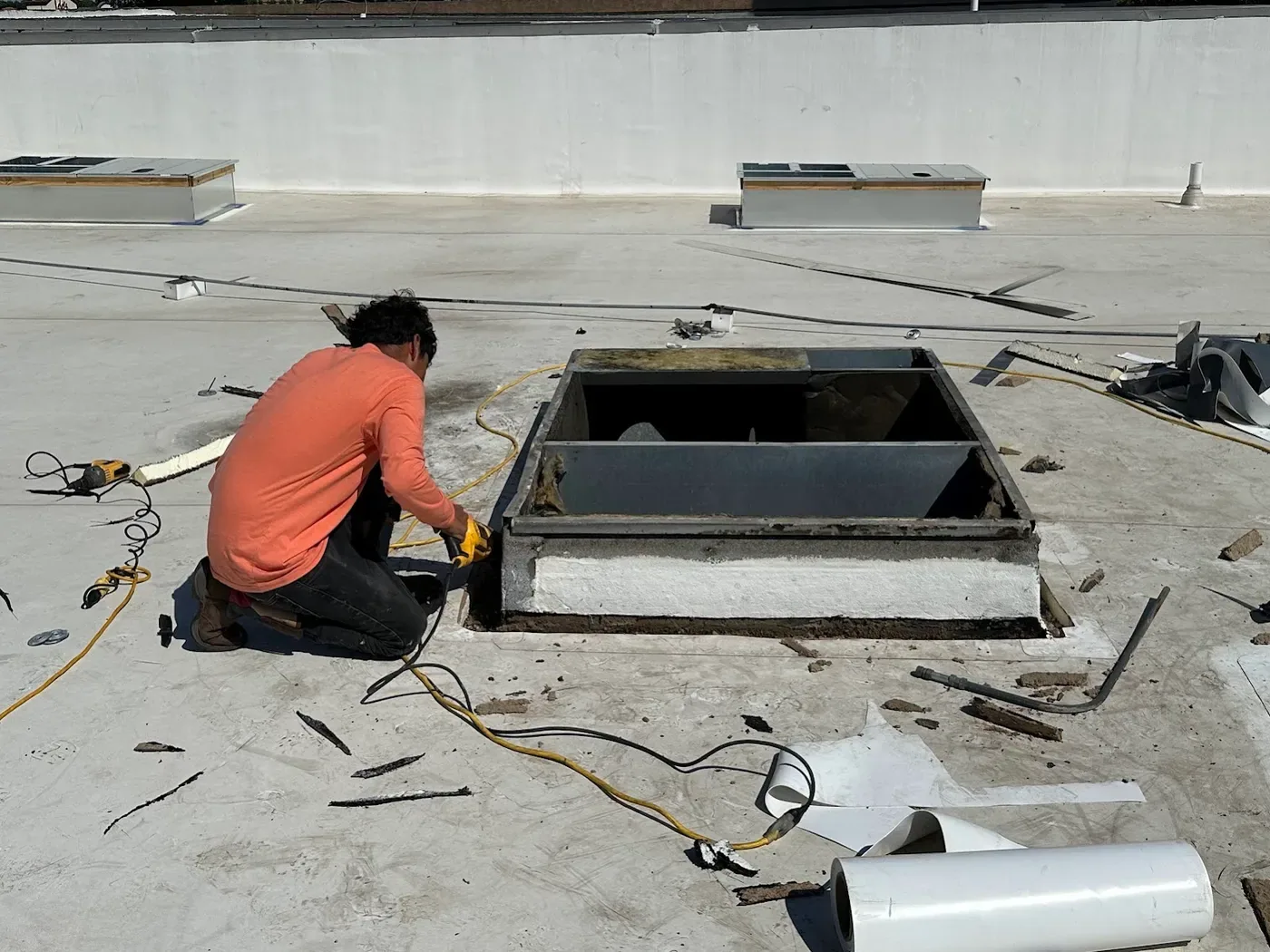
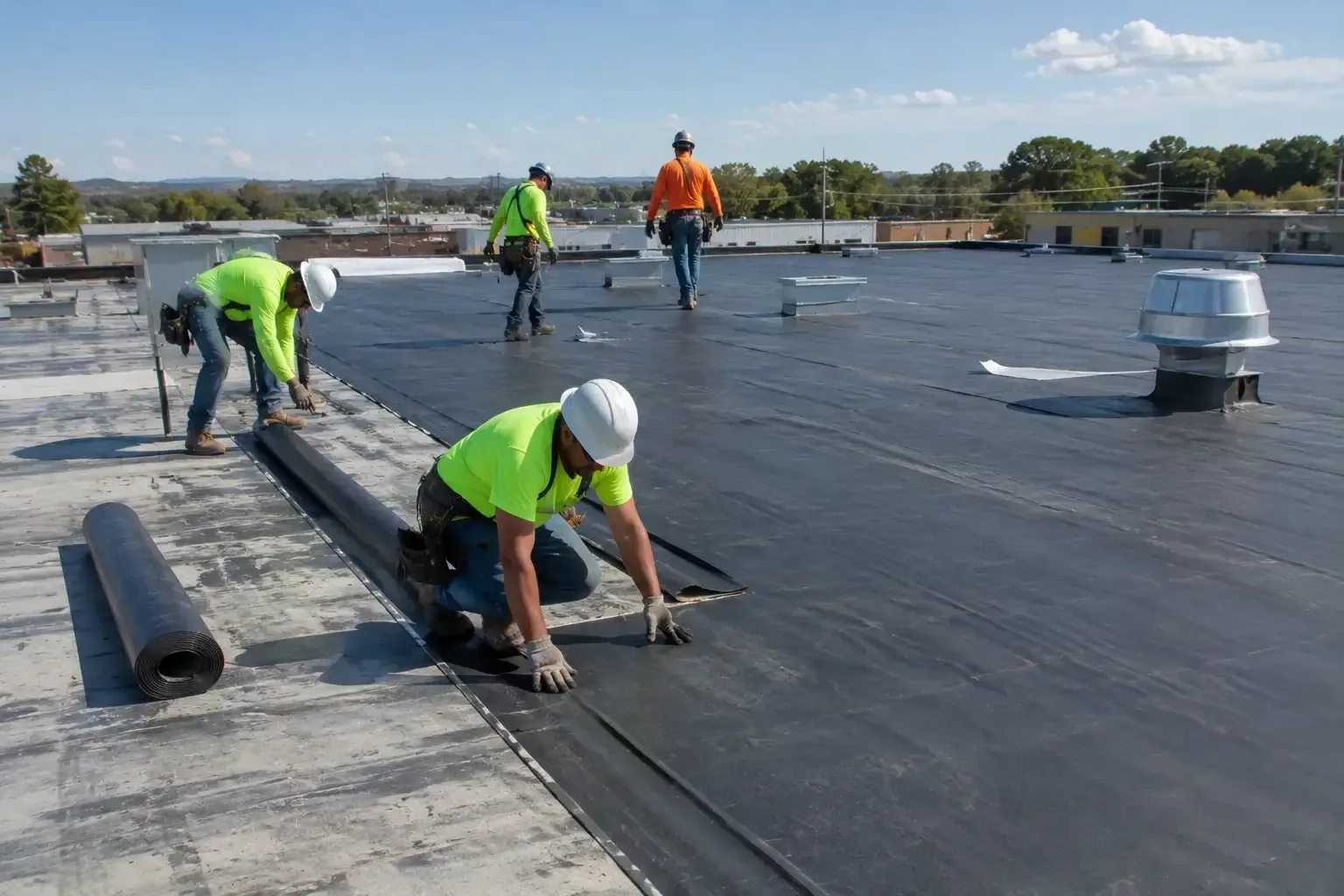
Edges and penetrations, in that order, because they hold most of the early failures. We follow the perimeter and inspect the coping, the termination bars, and every place a pipe, vent or rooftop unit pierces the field. Then we press along the membrane with a gloved hand, since a soft or spongy feel suggests insulation that has absorbed water. A hands-on commercial roof inspection with photographs gives the owner a ranked list, and where the symptoms warrant it an infrared moisture survey maps the wet areas that cannot be seen. On a newer building the findings are usually modest and cheap: a lifted seam, a cracked sealant joint, a clogged drain. We would rather record those on a calm October afternoon than meet them as a ceiling stain in January, when access is poor and the repair has to wait for a dry day.
When does repair, coating or a new membrane make sense?
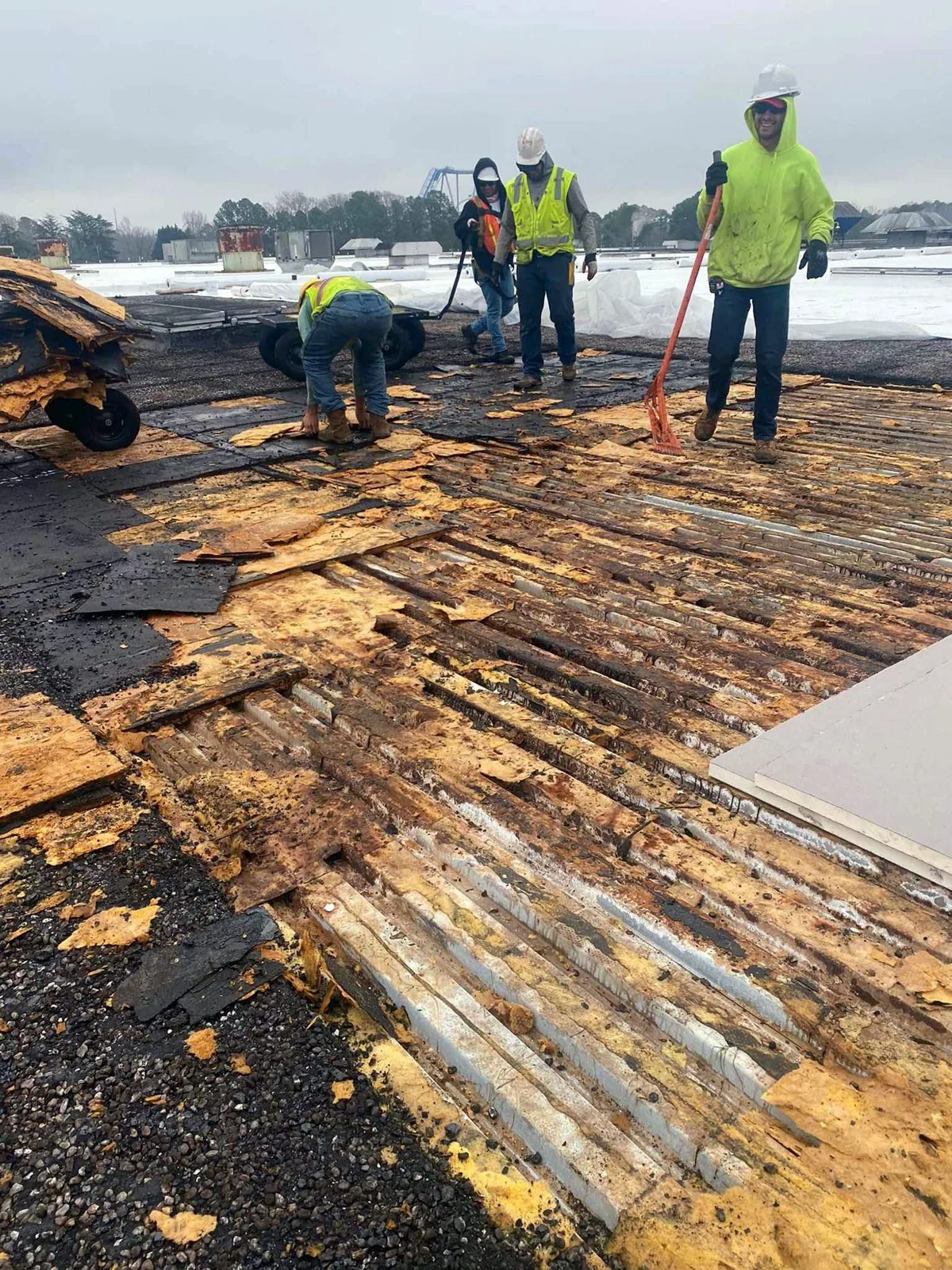
The answer follows the insulation. If the insulation under the membrane is dry and the deck is sound, targeted commercial roof repair keeps the replacement window open for years, and a restoration coating can extend a membrane that is still well attached. If water has reached the insulation, those options lose their footing, because a coating over wet board seals moisture in. At that point the choice is a recover over dry areas with the wet sections removed, or a full replacement with a new single-ply system such as TPO. Layer limits and other requirements follow the code adopted by the property's jurisdiction. Before pricing a recover in Gray, we identify the local review authority and confirm which requirements apply to the planned scope. The price follows the condition under the membrane more than the area on top of it.
What does waiting through another winter cost a retail or school roof?
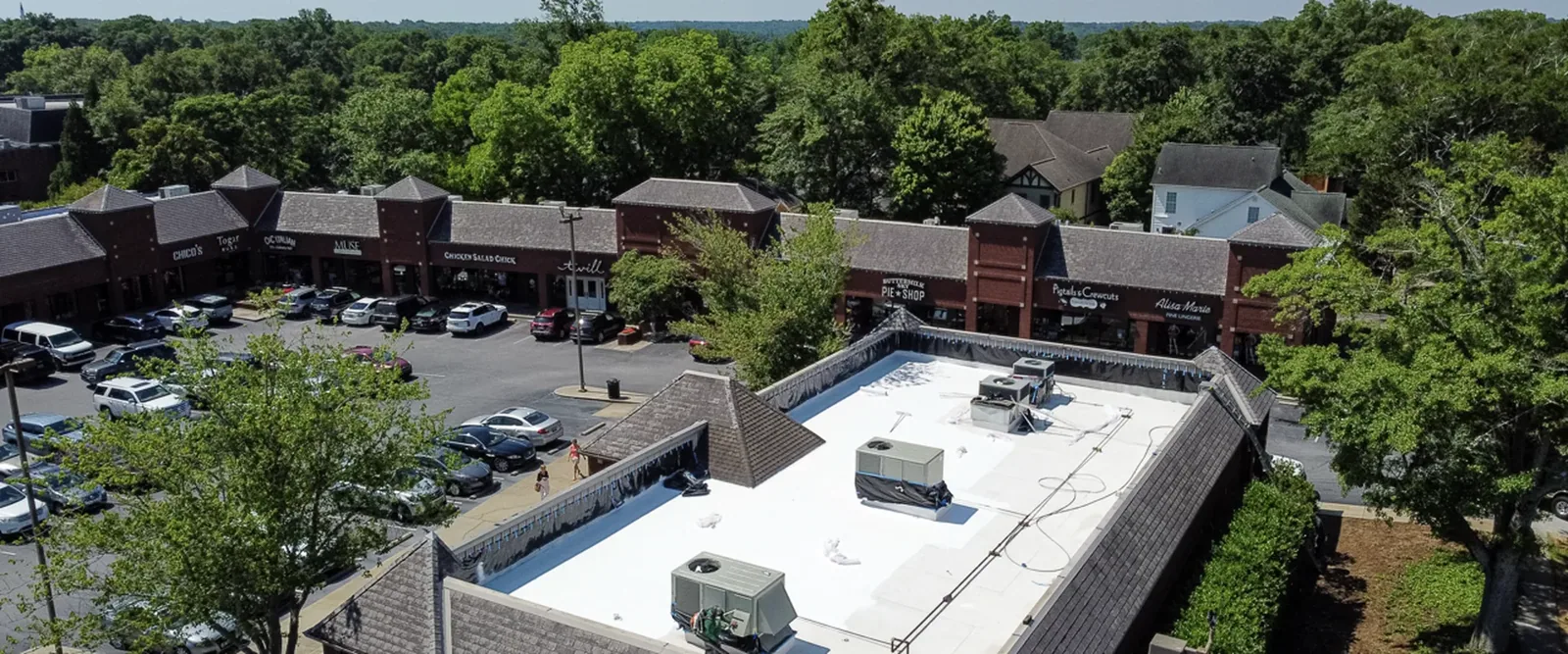
A small opening costs little in October and a great deal by March. Water that enters a seam spreads sideways through the insulation, freezes, expands, and loosens the next fastener or lap, so the wet area grows faster than the leak that started it. Retail tenants see it first as stained tile over stock or a sales floor, and the owner sees it as a lease conversation. A school building has a different pressure: the public schools serving Gray, among them Daniel Boone High School and Ridgeview Elementary, run on an academic calendar, and a roof that fails mid-term turns a repair into a room closure. Visitor buildings such as the museum at the Gray Fossil Site, which opened in 2007, carry the same exposure to interruption. In every case, deferral turns a scheduled expense into a forced one, and a forced expense is priced by the weather rather than by the owner.
How is roof work sequenced on a building that stays open?
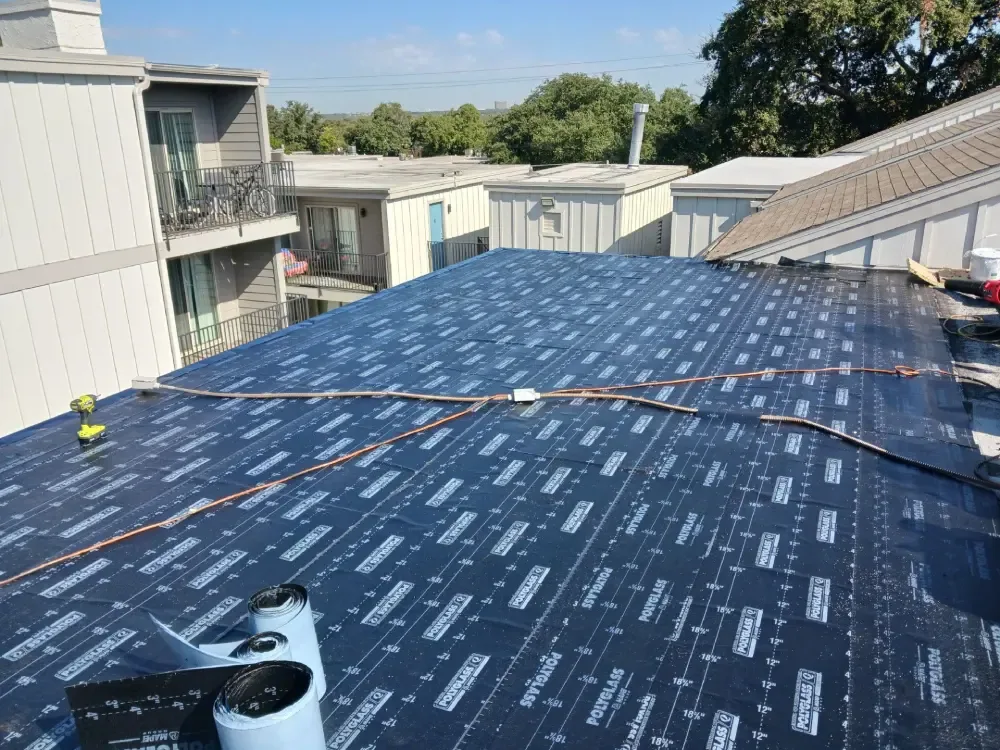
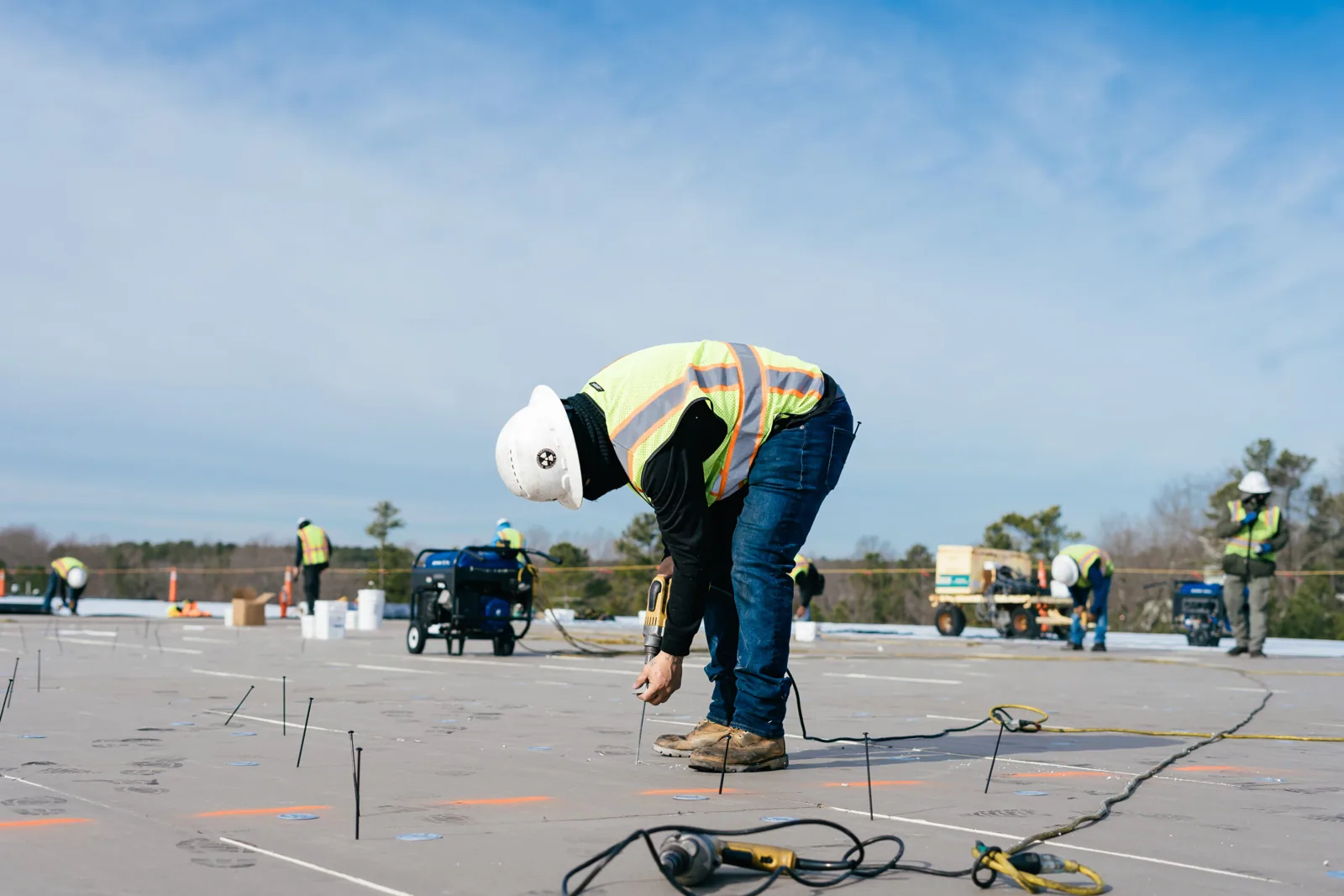
Section by section, with the interior protected before any membrane is opened. We stage material away from entrances and customer parking, close each day's tie-in before the crew leaves, and keep the open area small enough that a pop-up shower costs an hour rather than a ceiling. Single-ply welds and adhesives want a dry, workable surface, so spring through early fall is the easy calendar in the Tri-Cities, and school work gravitates to summer break. Winter repair is possible with mechanically attached systems and temporary details when the forecast cooperates. A plan for reroofing an occupied building names the noise hours, the delivery route and the areas to keep clear, so the store or school can operate around it. Owners in Gray who also manage property near Boones Creek or in Jonesborough can sequence several roofs in one season instead of reacting to each.
Commercial Roofing Questions
How do I know whether a roof in Gray can take a recover instead of a tear-off?
Dry insulation, a sound deck and a limited number of existing layers make it possible. A moisture survey separates the dry areas from the wet ones, and the wet sections come out before the new sheet goes over the rest. Layer count is one item in evaluating a recover, and the code adopted by the jurisdiction sets applicable limits. Before pricing a Gray project, we confirm the local review authority and the requirements for the planned scope.
Who bears the cost when a leak damages a tenant's stock?
Lease language sets that line, and it varies from one retail building to the next. What we supply is the written record: photographs of the opening, its location, the date we found it, and our reading of how long water had been entering. Owners and tenants can then discuss responsibility from the same set of facts.
Should the roof over a school or public building be handled differently?
Yes, in sequence rather than in quality. Public buildings usually take their major roof work in the summer months, so the planning, survey and material ordering happen earlier in the year, and smaller repairs are slotted around class time. The survey that guides a capital request is the same kind we perform on any commercial roof, with photographs an administrator can attach to a budget file.
Why do sealants and curb flashings fail before the membrane does?
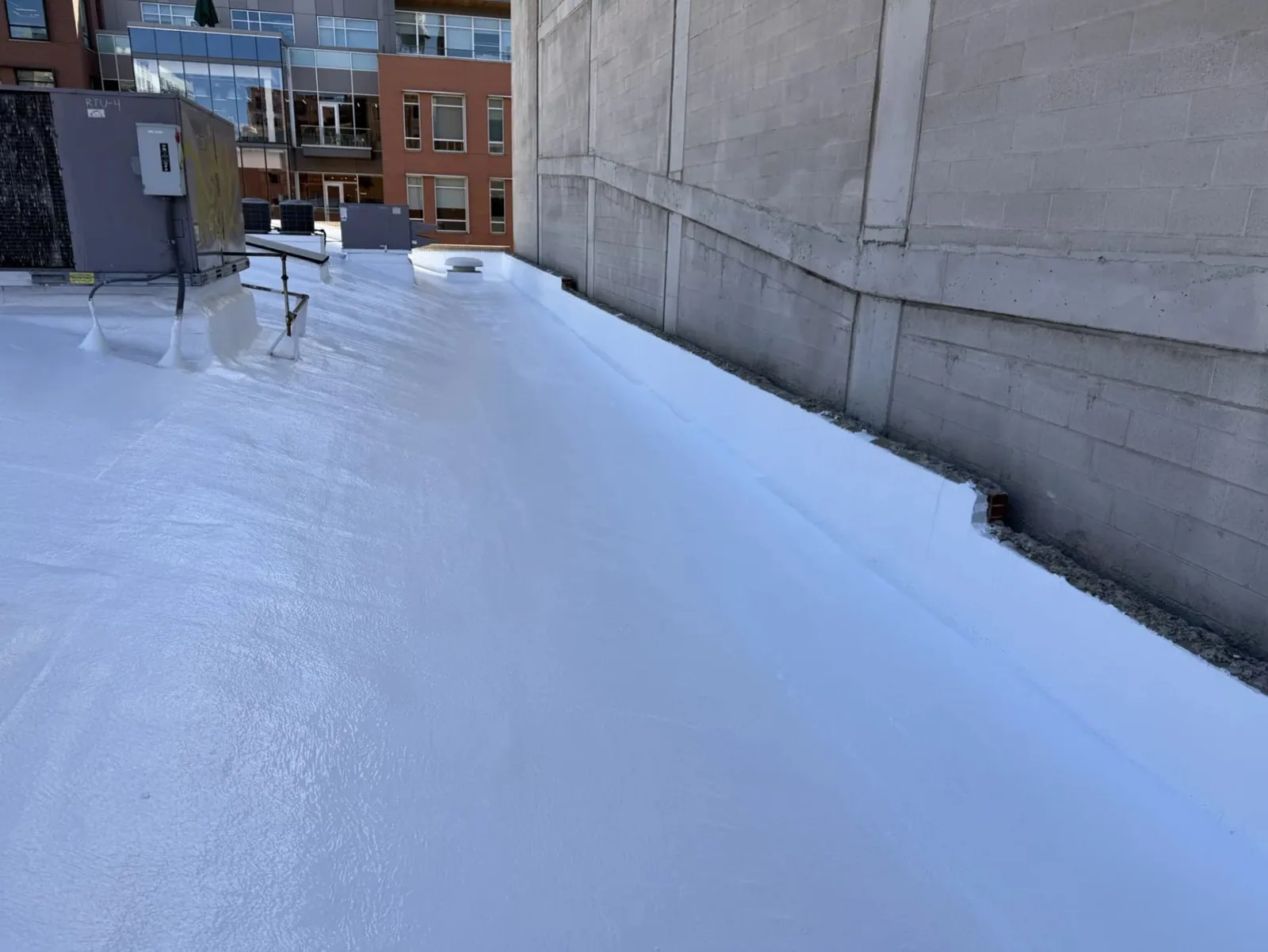
They sit at the movement joints. A field of membrane moves as one sheet, but a curb, a pipe boot or a wall termination holds two materials that expand differently, so the sealant between them is stretched every freeze and thaw. Over a few seasons it hardens, cracks and pulls away, which is why we check details first and the open field second.
What should a property manager do after a stain appears following a hard rain?
Photograph the stain, write down the date and the weather, and keep the area clear of stock or equipment. Then arrange a walk of the roof above it. The stain marks where water left the assembly, which can be some distance from where it entered, so a repair at the stain alone often misses the real opening.
Related Roofing Pages
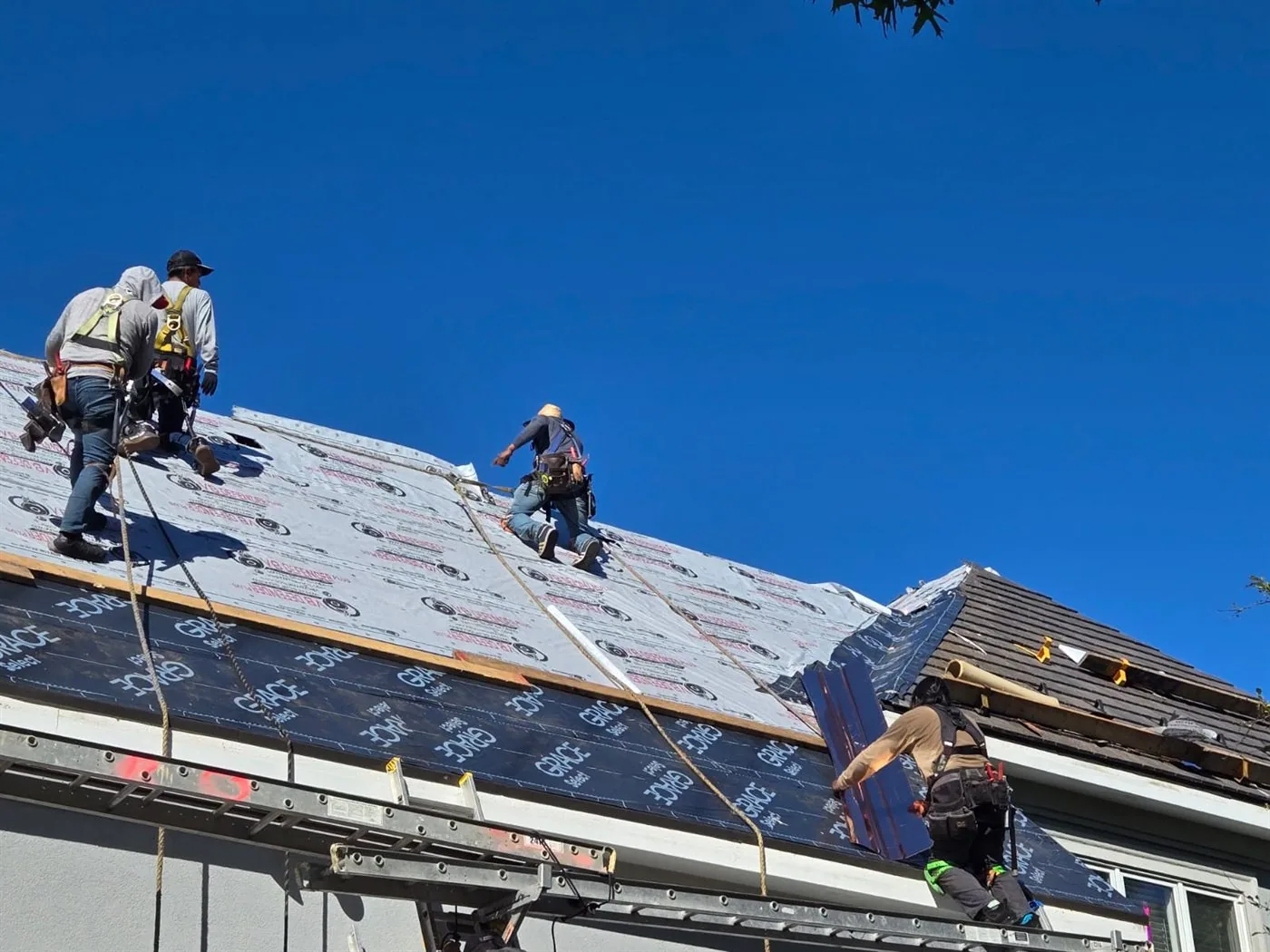
Roof Drains, Scuppers and Ponding Correction
How the work is scoped, phased and documented on Tri-Cities roofs.
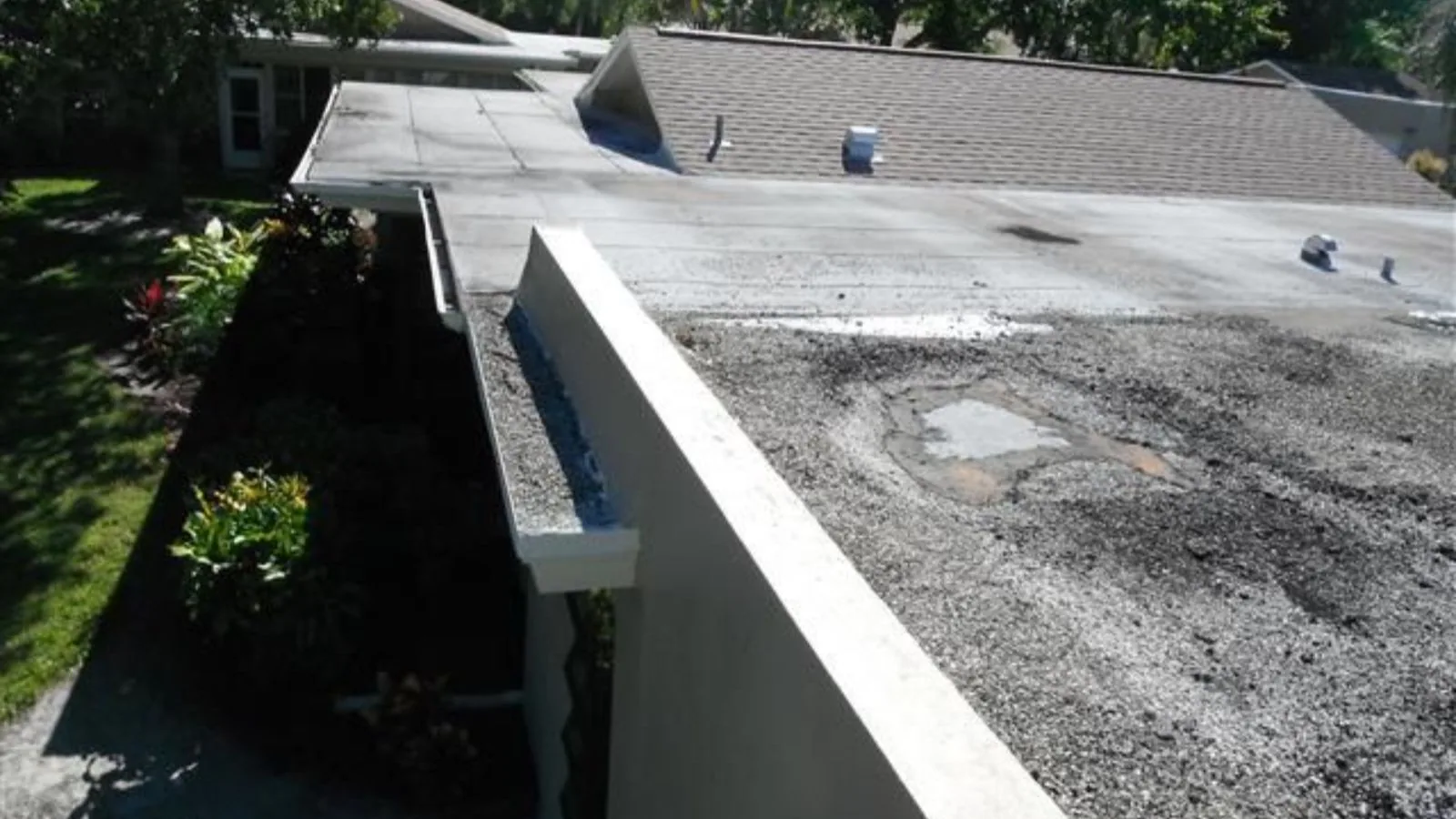
Ponding Water Roof Repair
What we check, what we recommend and how the crew keeps the building running.
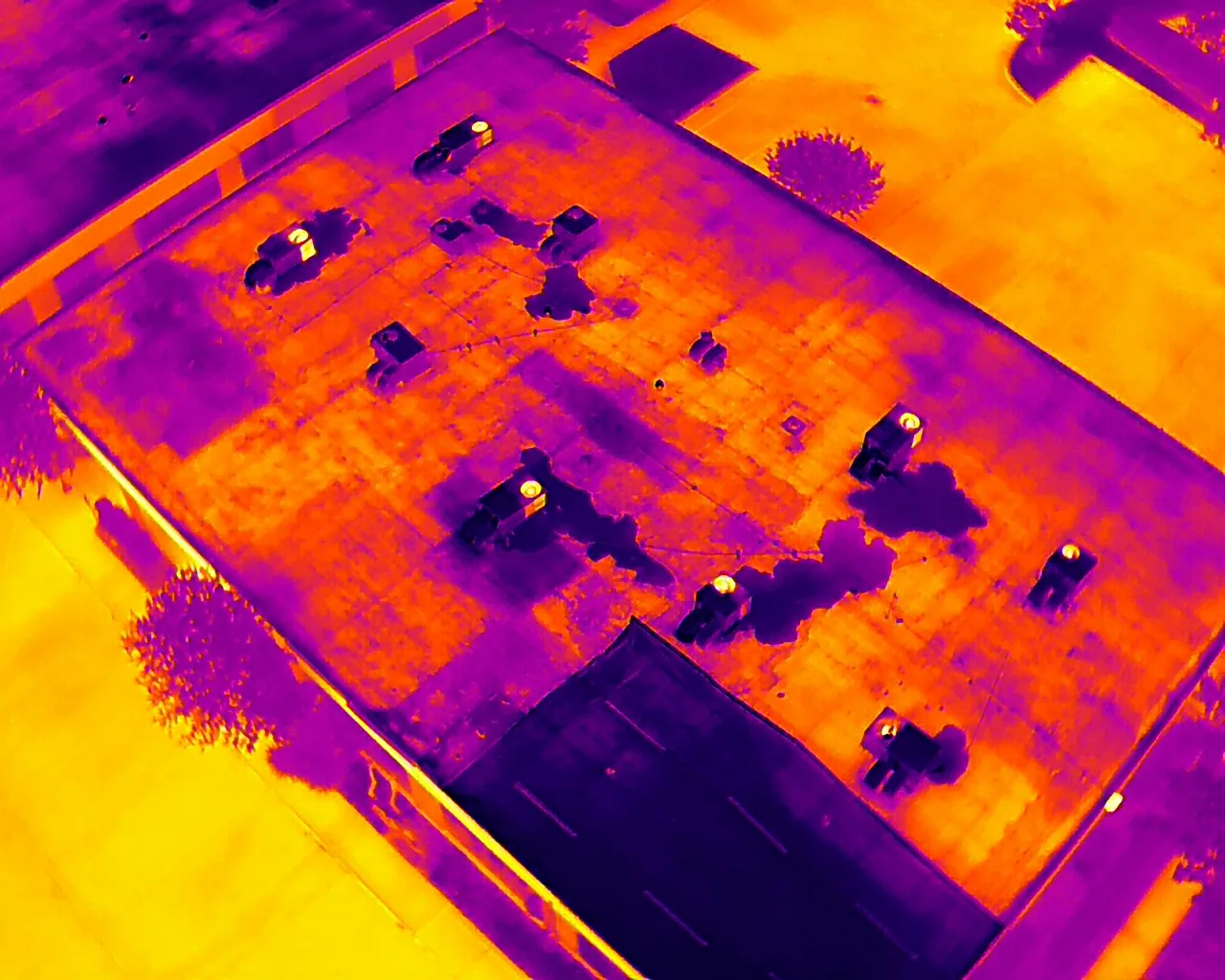
Commercial Roof Inspections
Conditions, options and next steps for commercial buildings in East Tennessee.