
Commercial Roofing in Kingsport, TN
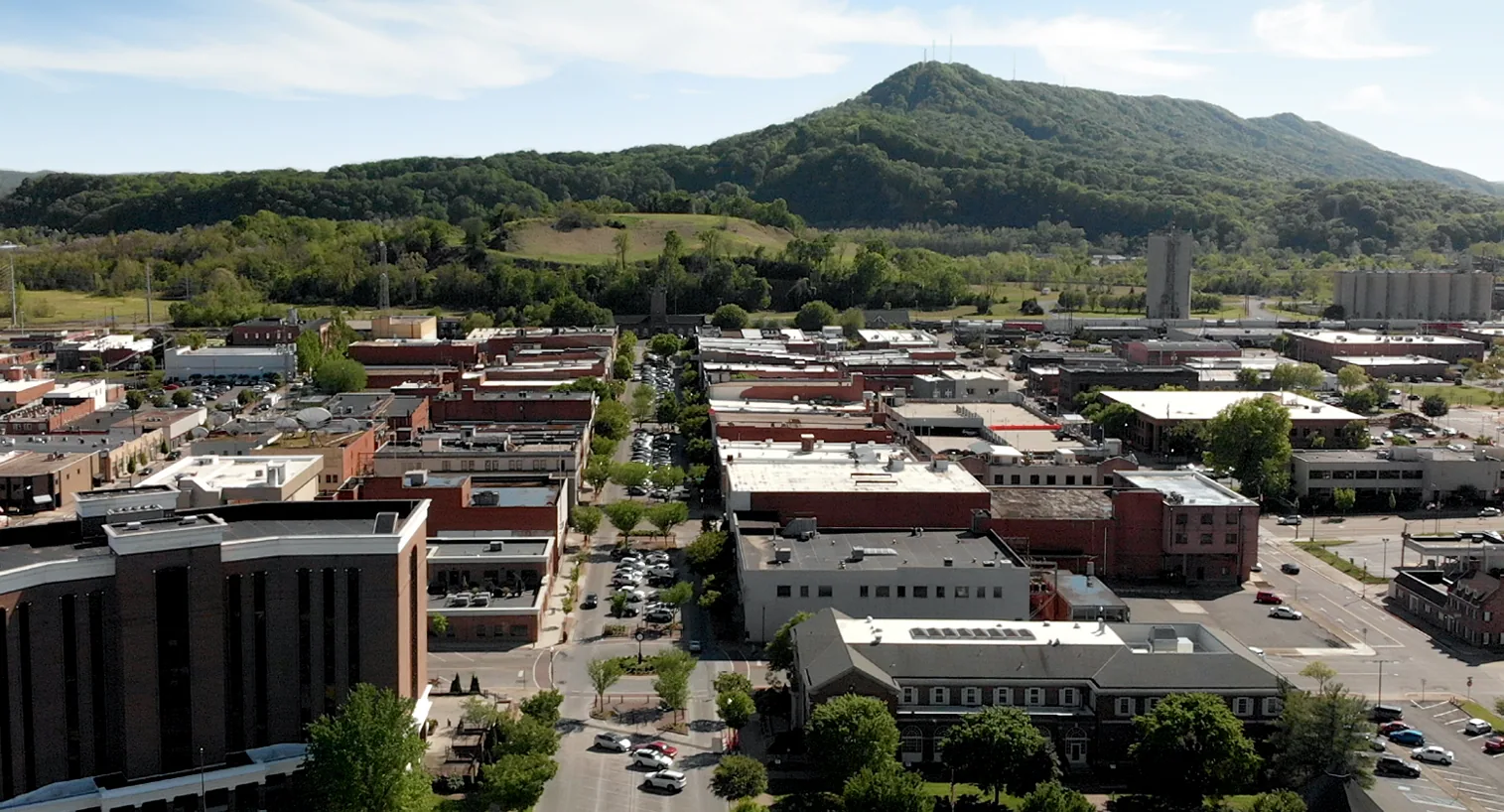
Each freeze-thaw cycle pulls at a seam, edge or wall transition until a small gap lets water reach the insulation below. Across Kingsport, the citywide service area includes commercial districts, public buildings and multiple industrial parks rather than one employer’s property. The City identifies parks such as Brookside, Aerospace, Kingsport Regional Service and Northeast Tennessee Business Park, where roof assemblies and operating needs vary. A manufacturing roof may carry process exhausts and service curbs; a shop or office may have fewer penetrations but more sensitive interior hours. We inspect the building in front of us, map its drainage and defects, and explain whether the next sensible step is repair, restoration or capital planning. The owner receives condition data tied to that roof, with any nearby operation treated separately.
What changes between industrial parks and city commercial buildings?
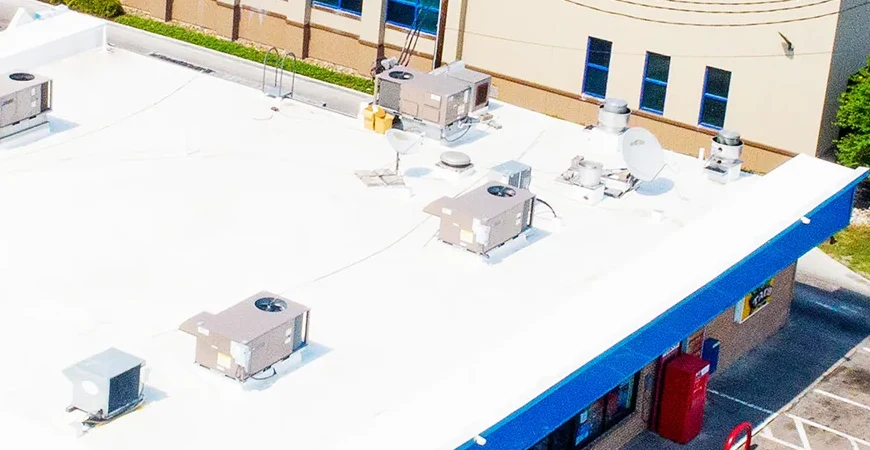
The roof’s use and assembly matter more than the building’s label. A manufacturing property may send warm, humid air toward a cold deck and carry a dense field of curbs, exhausts and service lines. A retail or office building can have fewer penetrations but more occupants below, making leak tracing and work hours central to the plan. Across Kingsport, owners may be responsible for one building or a group in separate districts. We ask what the roof has already done: where water collects, which areas have been patched, whether insulation feels soft, and whether equipment work crosses the same paths each month. No two inspections assume the same membrane or deck. The report separates what we saw from what still needs testing, so the repair scope follows the roof instead of a general description of the property.
Build a citywide roof priority list
Call Commercial Roofing Johnson City to survey your Kingsport property. A condition record can help you compare repair, restoration and replacement paths across buildings without assuming they share the same roof or urgency.
How do we turn a roof walk into a useful maintenance record?
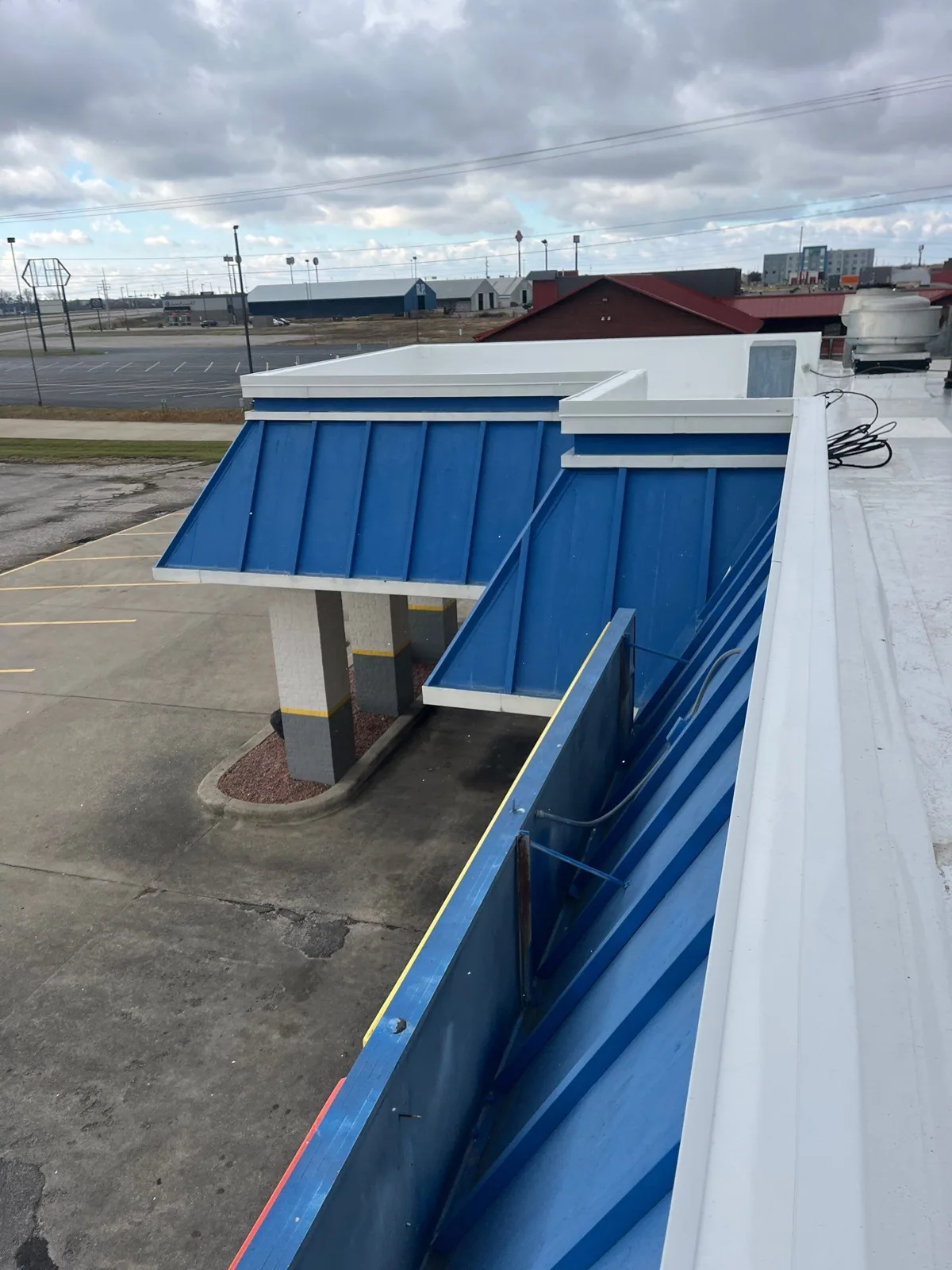
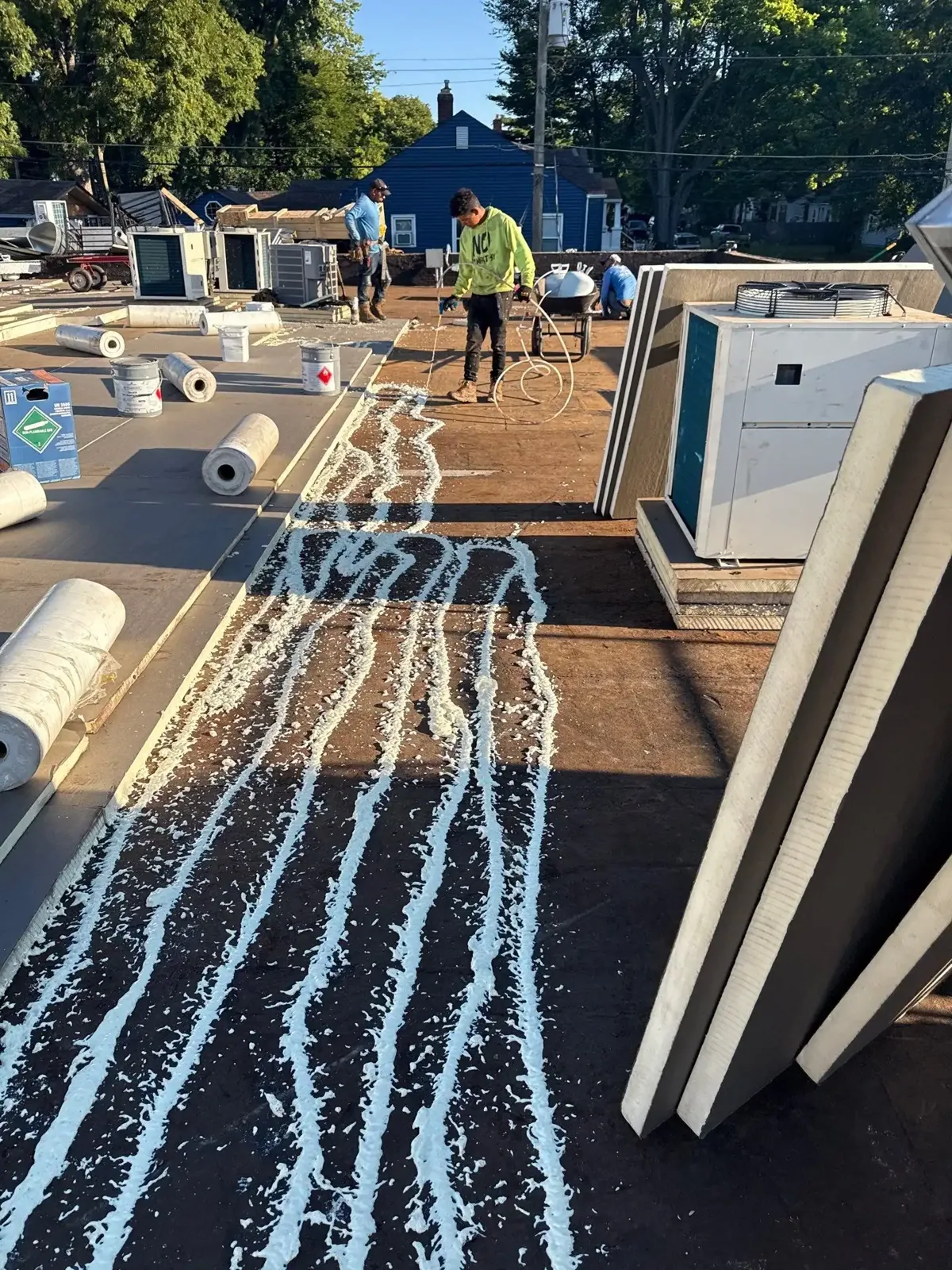
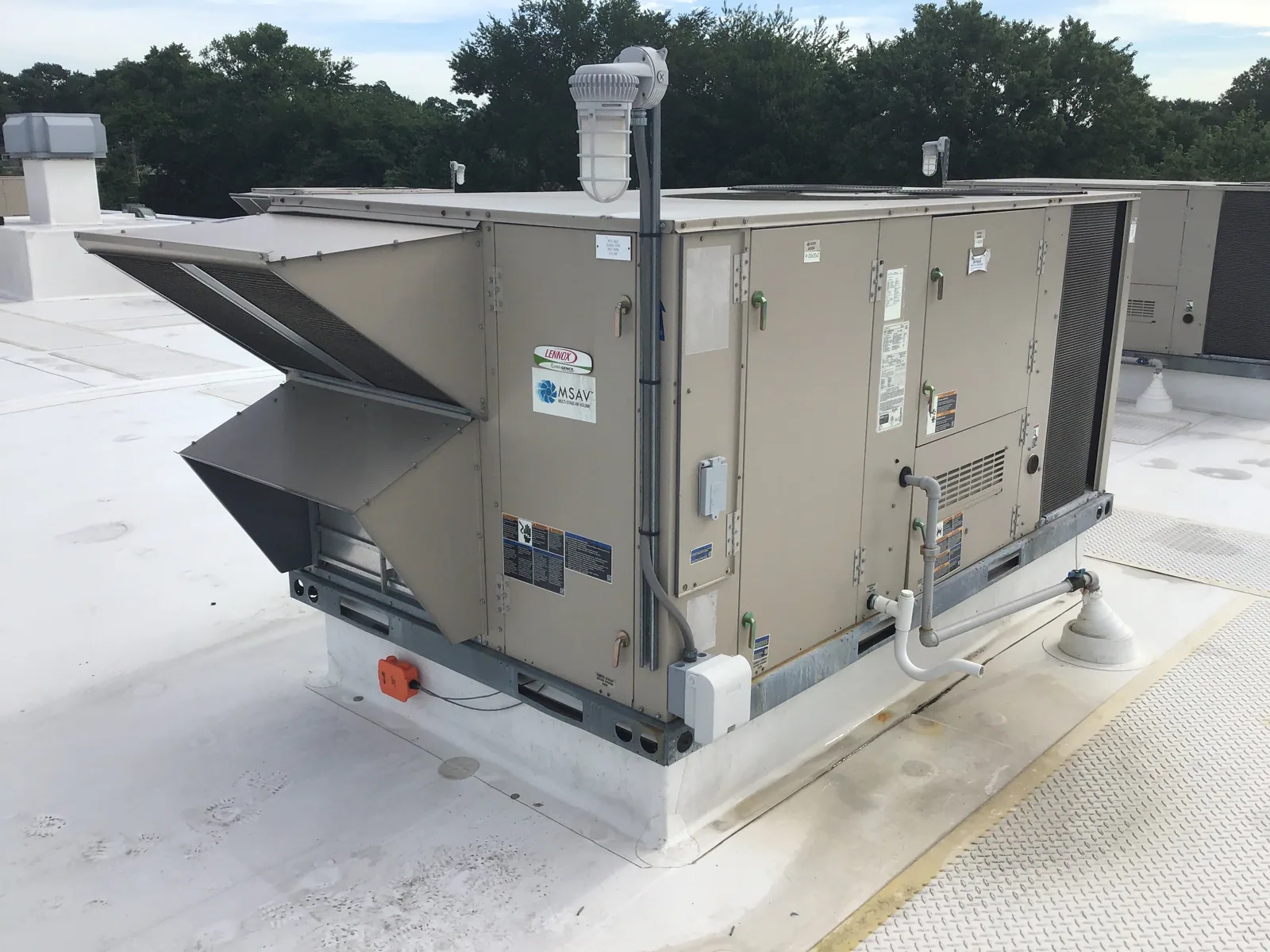
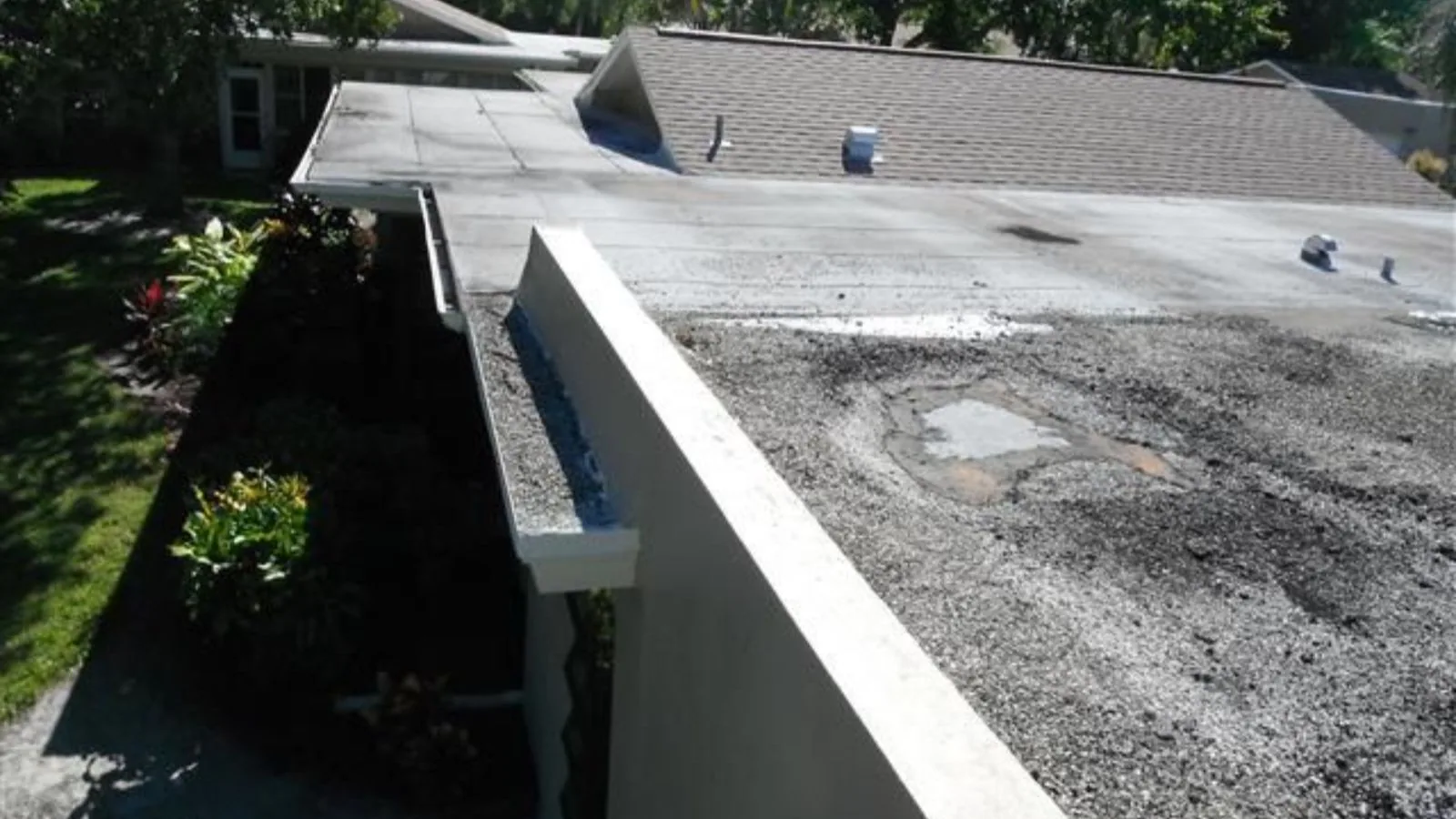
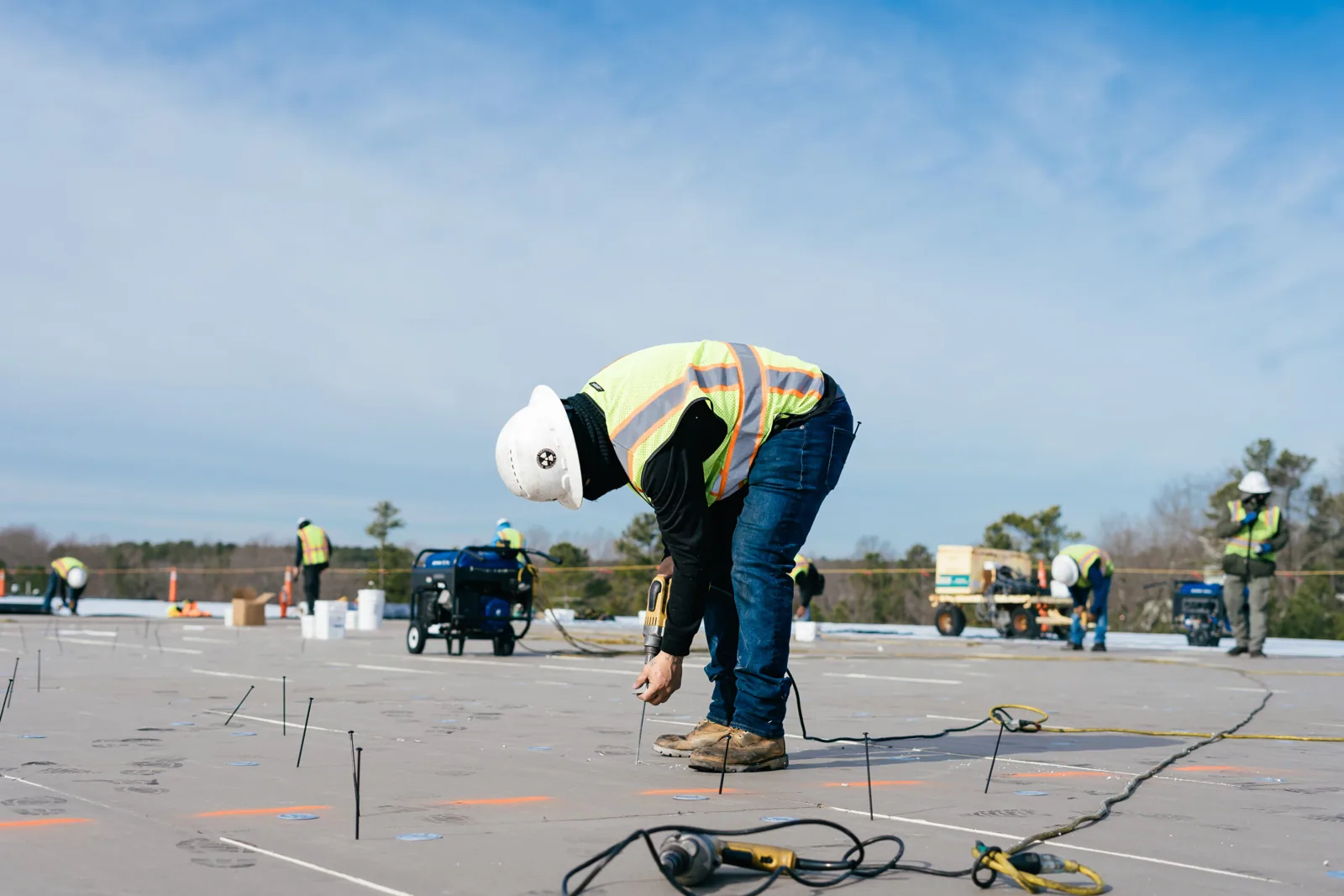
We start at drains and scuppers, follow the flow toward the low points, then check seams, wall flashings, penetrations, edge metal and rooftop equipment. Photographs tie each observation to a location on the roof; moisture testing helps distinguish a surface blemish from insulation that has begun to hold water. A useful condition report records what is urgent, what can be monitored, and what should be priced as a capital project. On larger properties, a moisture survey can help map wet areas before a repair opens the assembly. We also ask who owns the equipment curb, what access is available and whether work can be staged without interrupting production or customer access. Those details keep the findings practical for a facility manager and explain why one section ranks ahead of another.
How should owners schedule work across active sites?
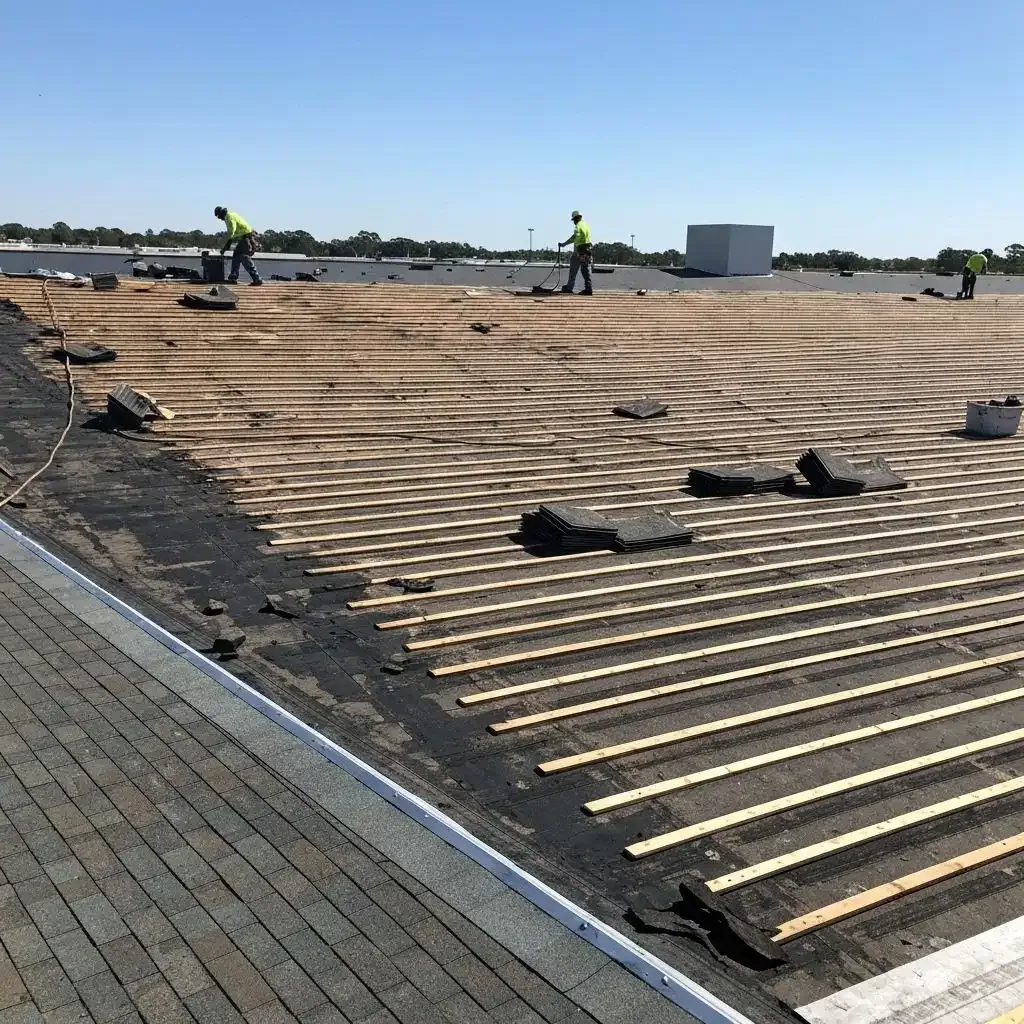
Weather, occupancy and access determine the sequence. A repair may fit between rain events, while a recover or tear-off needs a reliable dry-in plan and enough room to stage materials. We confirm delivery paths, lift placement, safety rules and any hours when noise would disrupt building use. At a property with production or public traffic, the work area can be divided into sections, with each exposed area closed before the crew leaves. That approach limits the time the deck is open and gives the manager a clear daily boundary. A multi-building owner can coordinate surveys first, then schedule roofs according to condition rather than using one calendar date for every asset. The same records support an occupied-building reroof when people need to stay inside while work proceeds overhead.
Repair, restore or replace: what does the inspection support?
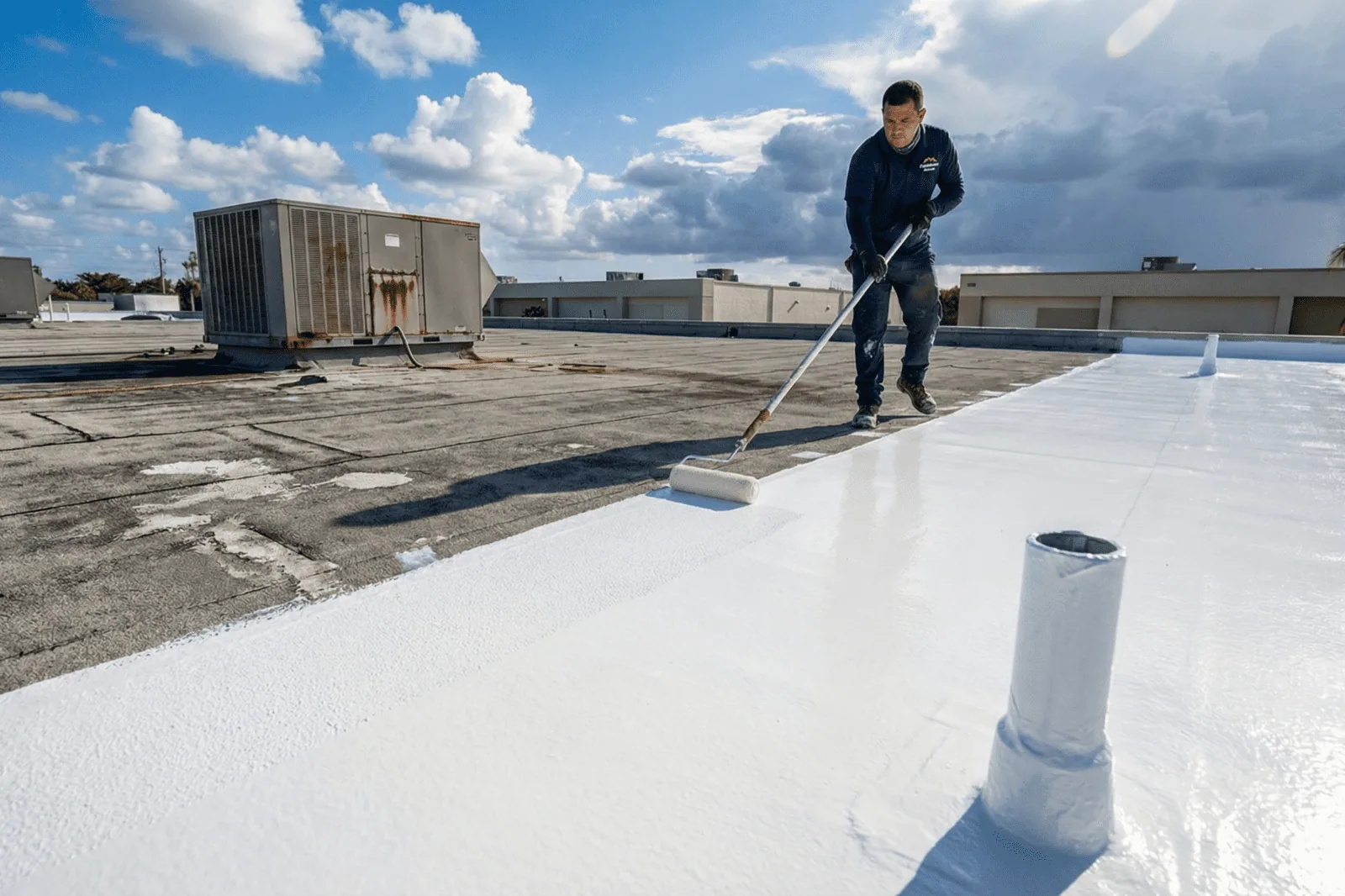
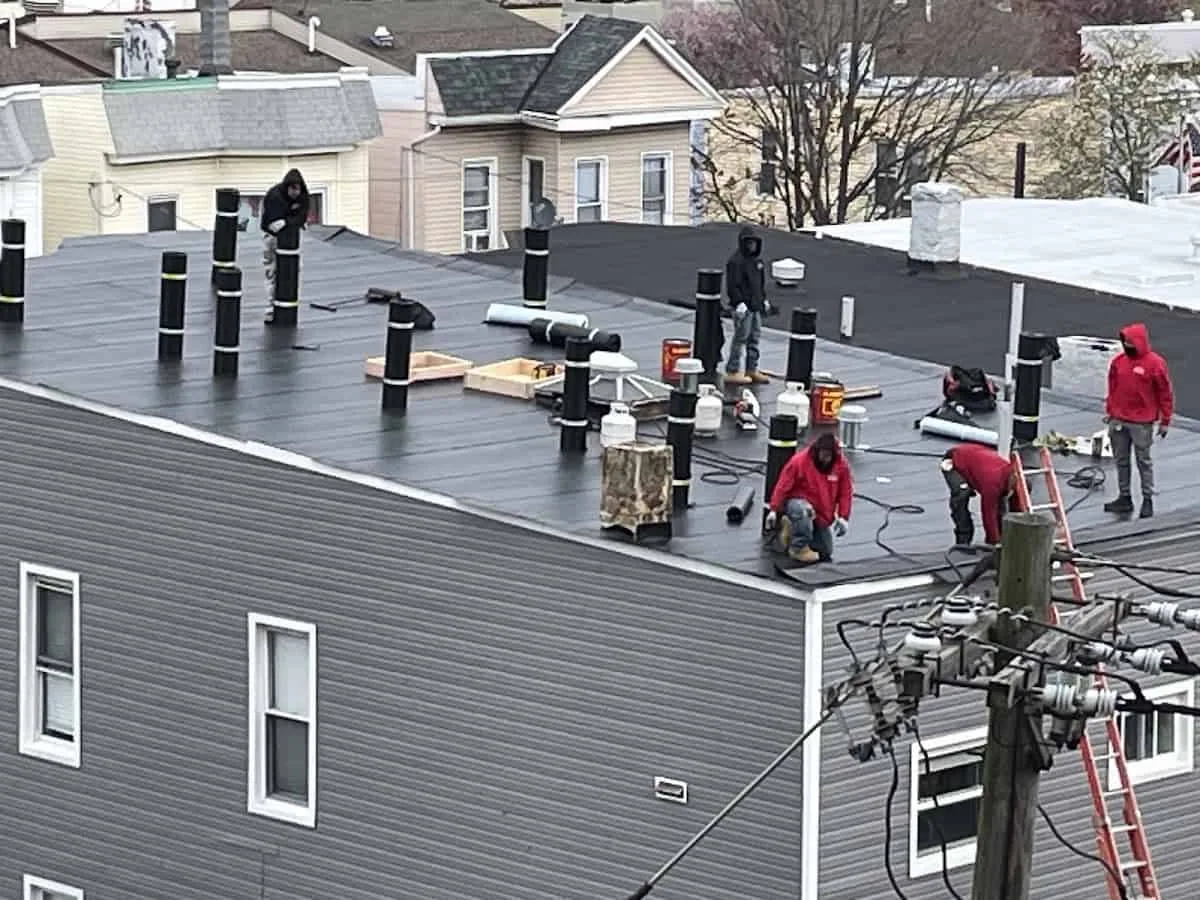
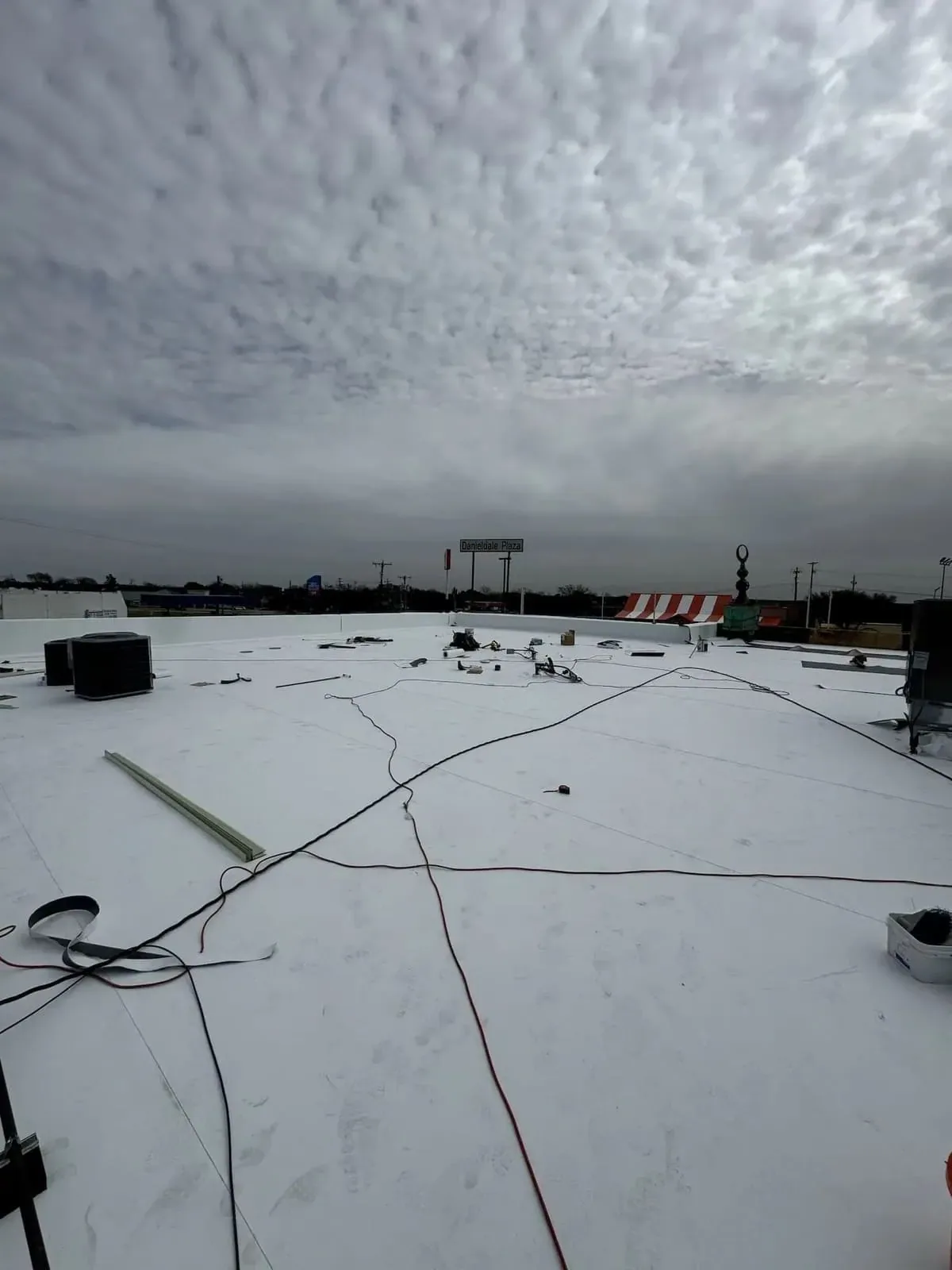
A targeted repair can be sensible when the field membrane remains stable and the problem sits at a seam, flashing or penetration. A restoration system may extend service on a dry, sound assembly, but it will not correct wet insulation or a failing deck. Replacement becomes more relevant when damage is widespread, repairs recur across the same areas, or the existing layers cannot support another system. We compare those paths using the roof’s condition, remaining service life and operating demands. A TPO system may suit one building’s requirements; a coating or another assembly may fit a different roof. The proposal should show the limits of each option, the work involved and what maintenance remains afterward, without promising that one material is right for every Kingsport property.
What does deferred maintenance do to a citywide roof portfolio?
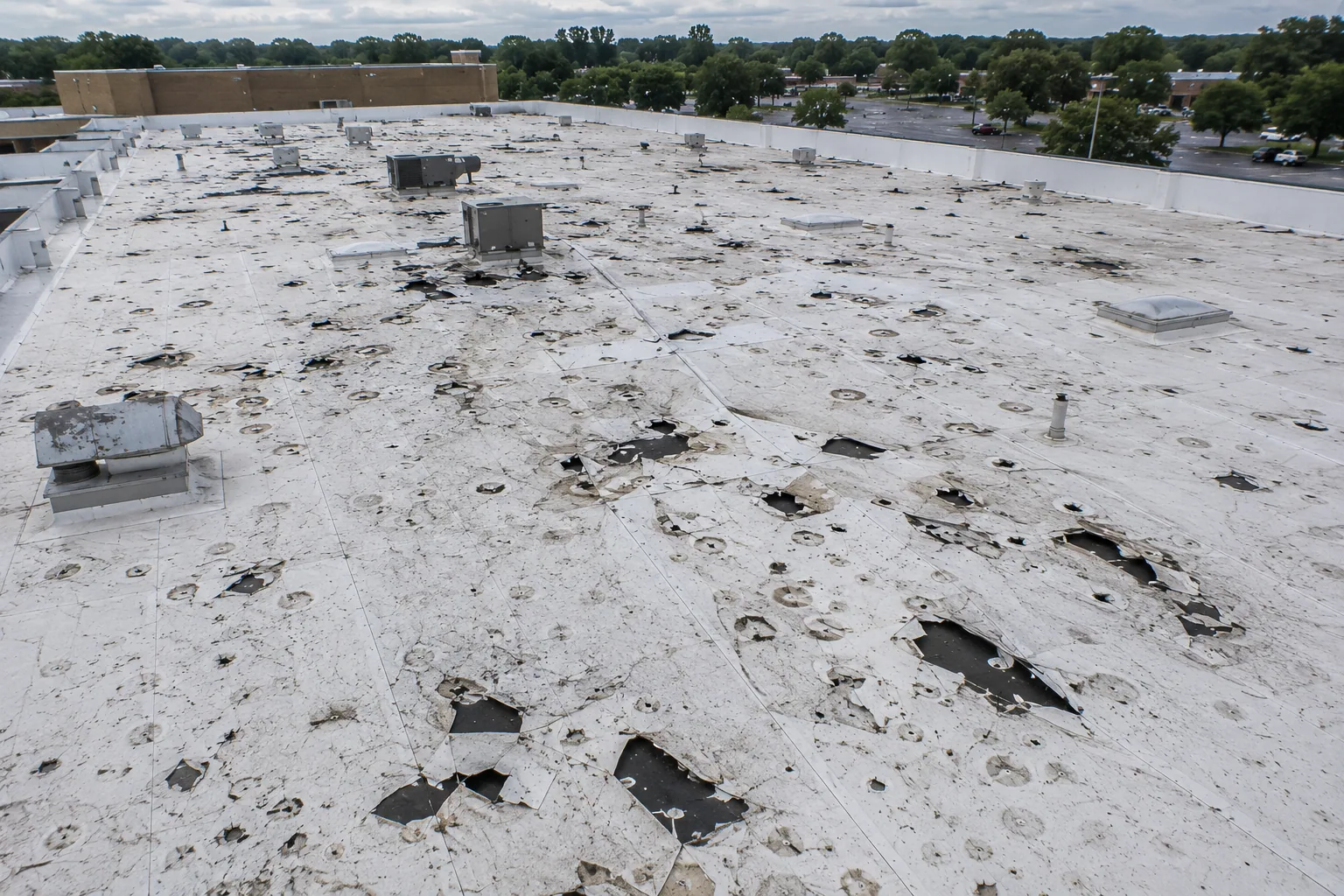
Water rarely stays above the stain where it first appears. It can travel through insulation, follow a deck flute and surface in an occupied room some distance from the opening. Delay also narrows the owner’s choices: a dry assembly may still accept a small repair, while saturated insulation can require removal and more interior protection. Across a portfolio, a shared rating helps compare roofs, but the sequence should reflect each building’s actual risk and use. We note active leakage, ponding, edge movement and prior repairs, then identify what should be handled now and what should be rechecked on a later visit. The wider city includes places such as Bristol and Church Hill; a building in Kingsport still receives its own condition record and work plan.
How can a property manager prepare a roof plan for the next budget cycle?
A useful capital plan begins with evidence that a finance team can compare. The report should state which defects are active, which areas have moisture below the surface, and what work remains optional. It should also identify assumptions: a concealed deck condition may require opening a test area, while an infrared scan can suggest moisture that needs confirmation. We separate those next steps from the base repair scope so a manager can see the difference between known work and possible work. On a multi-building portfolio, the same rating scale helps the owner compare condition, yet the likely consequence of a leak still varies by use. A wet area over a stockroom may have different urgency than one above electrical equipment or a customer-facing room. The budget should show repair, restoration and replacement paths where each is technically reasonable, along with maintenance needs after completion. That record gives the owner a reasoned sequence for future seasons and a starting point for the next inspection, rather than a list of roof problems that cannot be prioritized.
Where an owner already has service records, we compare them with the roof rather than treating a past invoice as proof that a defect is fixed. A recurring leak may point to a missed transition or a larger moisture pattern. That distinction affects both the immediate work order and the long-range replacement reserve.
Commercial Roofing Questions
How do Kingsport’s industrial parks affect a roofing plan?
They make it important to confirm the actual use and access rules at each building. A plant roof may have process equipment and service traffic; another property may have fewer penetrations and tighter occupant-hour limits. We tailor the inspection to the roof in front of us.
Can one survey cover several buildings?
Yes. We can use a consistent inspection scale across a portfolio, then report each roof separately. That lets an owner compare urgency while keeping the membrane, drainage, repairs and moisture findings tied to the right building.
When is a coating a poor fit?
When insulation is wet, the substrate is unstable or water cannot drain, a coating can hide rather than solve the problem. We check the existing assembly first and explain whether repair, restoration or replacement matches its condition.
What belongs in a commercial roof condition report?
Photographs, observed defects, drainage notes, moisture findings, access limits and a prioritized next step. If a condition needs further testing, the report should say so instead of presenting an assumption as a confirmed defect.
Can work proceed while a building remains open?
Often, if access and weather allow. The crew can phase the work, protect exposed areas at the end of each shift and coordinate noisy steps with the facility manager. We confirm those constraints before the schedule is set.
Related Roofing Pages
Roof Condition Reports
How the work is scoped, phased and documented on Tri-Cities roofs.
Infrared and Core-Cut Moisture Surveys
What we check, what we recommend and how the crew keeps the building running.
Occupied Building Reroofing
Conditions, options and next steps for commercial buildings in East Tennessee.