
Commercial Roofing in Church Hill, TN
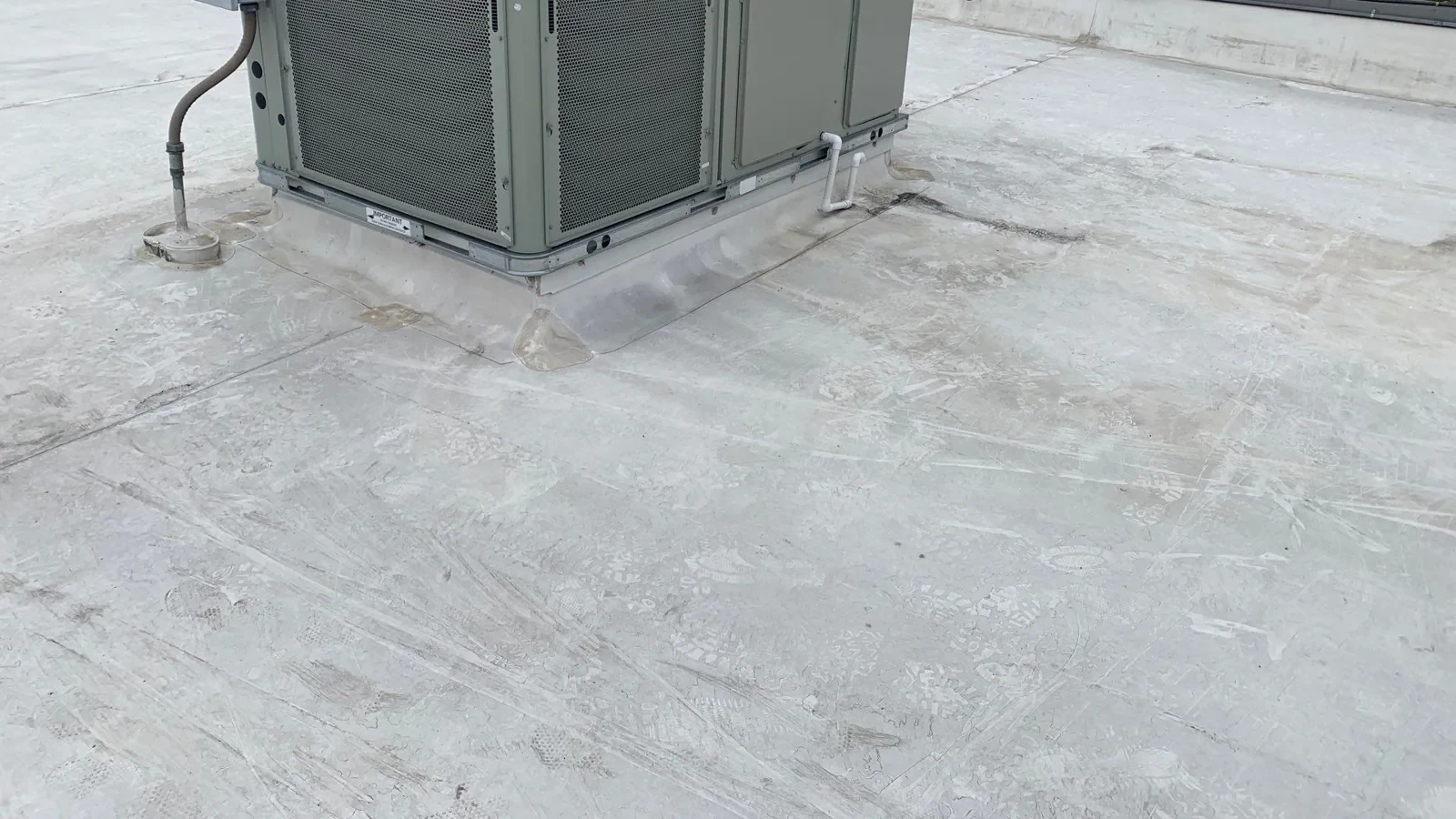
A bead of sealant is the least expensive component on a commercial roof and the one asked to do the most. It spans the joint between a metal collar and a membrane, a flange and a wall, a pipe and its boot, and it has to stay flexible through every summer afternoon and every freezing night, each of which tries to pull that joint apart. After a few seasons of ultraviolet light and thermal cycling the bead hardens, shrinks and lets go of one side, and the gap it leaves is small enough to miss from a ladder. Church Hill, TN is Hawkins County's largest municipality located entirely within the county, with 6,998 residents on 9.85 square miles, and a commercial roof there with a dozen penetrations has a dozen of those joints. The owner pays for the one that fails in wet insulation, not in sealant.
Why does a bead of sealant fail before the membrane it protects?
Because it carries the movement that the rest of the roof avoids. A metal collar around a pipe warms and cools faster than the membrane glued to it, and the sealant between them stretches and compresses with every swing. Sunlight cooks the surface of the bead, solvents leave it, and it stiffens until it can no longer follow the metal. The first sign is a hairline at the edge, then a gap where the bead has pulled from one side, and rain runs straight into that gap and down the pipe. A bead that cracks in July stays open all winter, and the freeze that follows widens it.
The same story applies to pitch pockets, curb counterflashings and the sealed edges of skylight frames. Regional normals of about 46 inches of rain and 11.9 inches of snow a year across the Tri-Cities hand each of those joints plenty of water to test it with. A resealed detail costs a visit with a tube. A detail that has leaked for a season costs a flashing repair and a patch of wet insulation to chase.
Count the details before one of them counts against you
Call Commercial Roofing Johnson City to schedule a penetration count and condition walk of a roof in Church Hill, TN. You will have a numbered plan, photographs and a ranked scope, and emergency response runs around the clock.
Should an owner reseal, rebuild the flashing or replace the penetration?
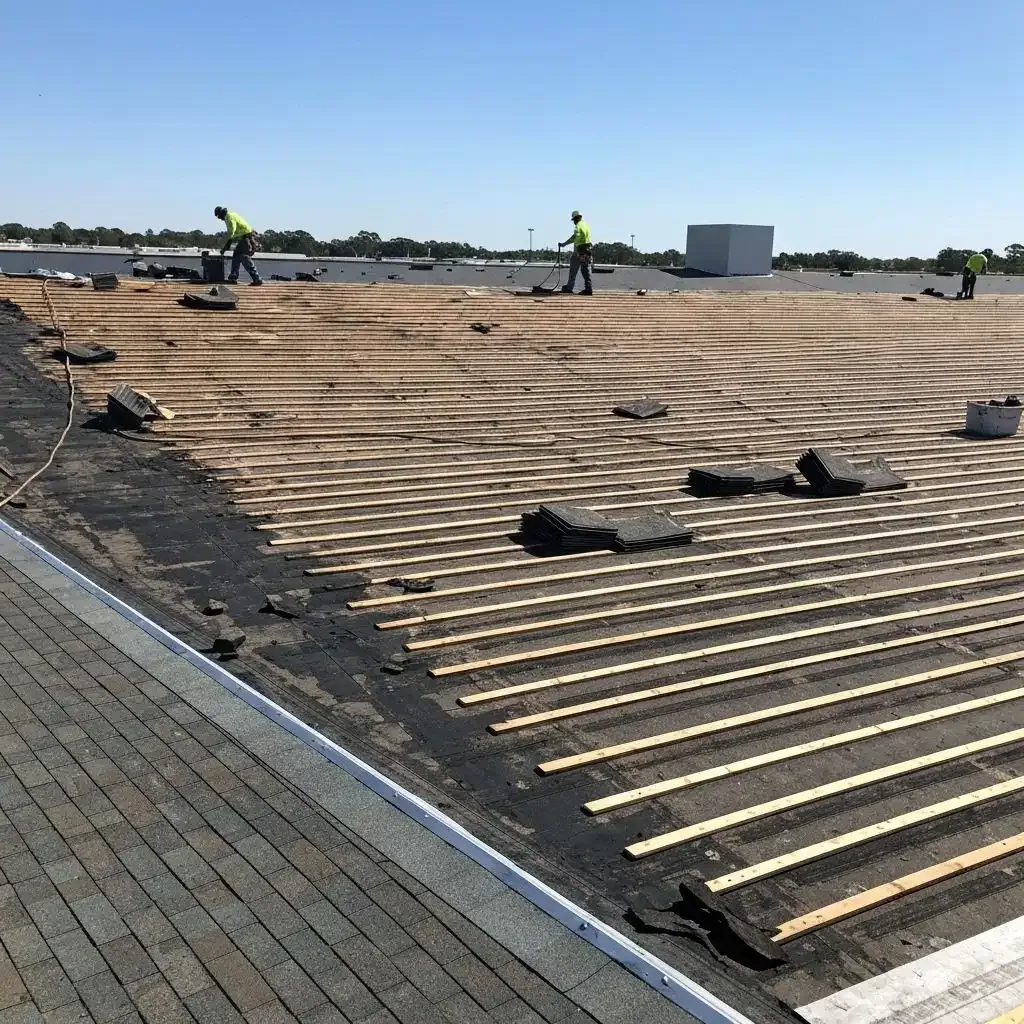
The condition of the metal and the membrane underneath decides it. A penetration whose collar is sound and whose membrane is still bonded can be cleaned, primed and resealed, and the new sealant should be tooled into a joint wide enough to flex, since a thin bead over a hairline fails again soon. A boot split by sun, or a collar rusted through, calls for a replacement boot or a rebuilt flashing, with the membrane around it cut back to sound material and welded or adhered fresh. Where a roof carries many pipes and conduits, rails or pedestals can reduce the number of penetrations and take load off the membrane.
When most of a roof's details are failing, the arithmetic changes. Repeated visits begin to cost more than a planned replacement of the field and its details together, though a recover may serve where the insulation is still dry.
What does a Hawkins County town on rolling ground ask of a roof?
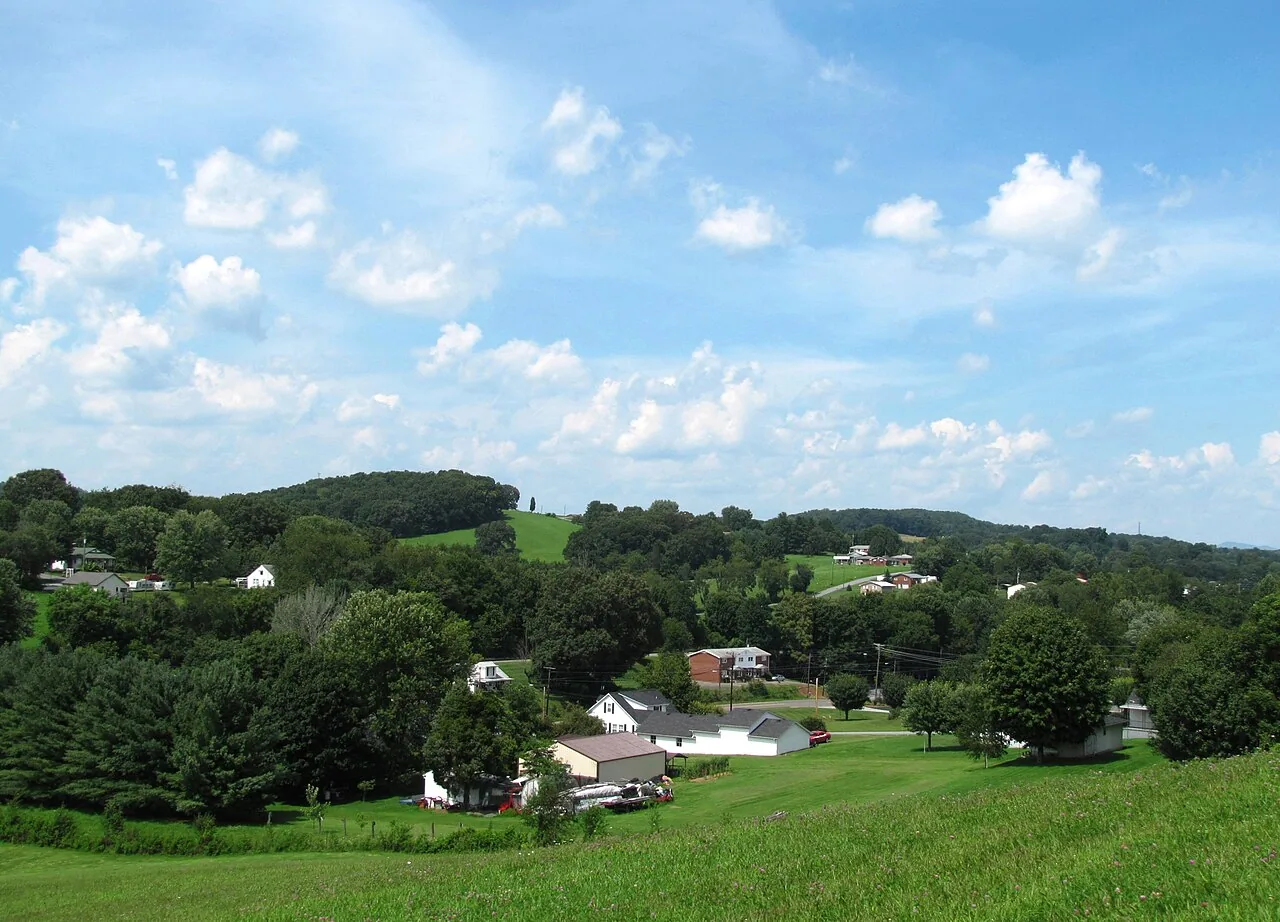
Church Hill is part of the Kingsport-Bristol metro and sits on rolling hills overlooking the Holston River valley, with US 11W linking it to Rogersville and the Tri-Cities and State Route 346 intersecting nearby. A roof on sloping ground sees runoff, ice and sun differently from one on a flat valley floor, and a building that stands apart from its neighbors has less shelter from the wind. Where a building stands exposed, we look harder at perimeter edge metal, copings and fastener patterns, since the edge is where moving air does its work first.
Neighbors matter for planning. Mount Carmel borders the town and Rogersville lies along US 11W, so an owner with buildings in more than one of these places can often run a single survey route and a single maintenance calendar, which keeps details from being checked in one town and forgotten in the next.

What do we count and test on a roof with many penetrations?
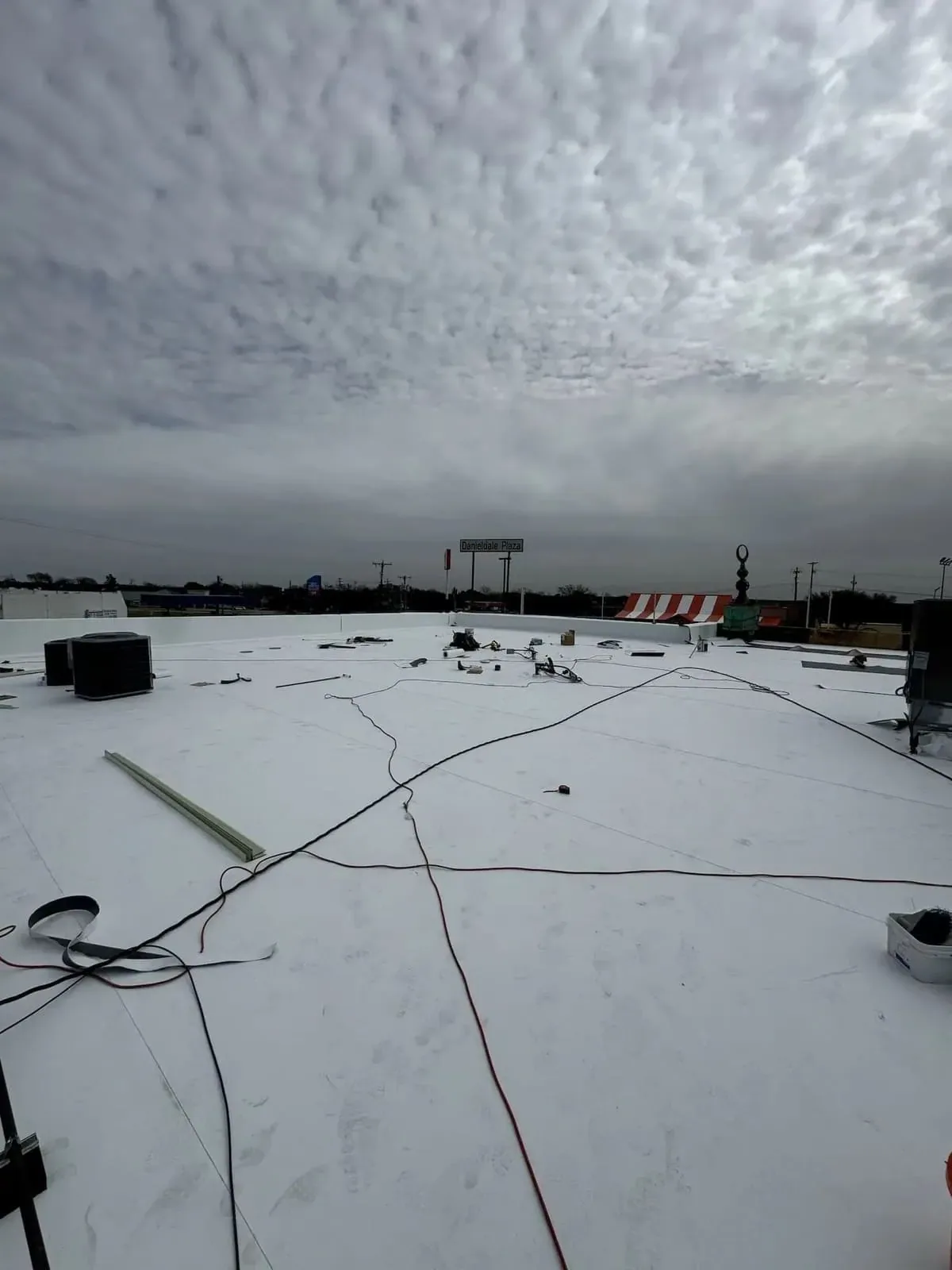
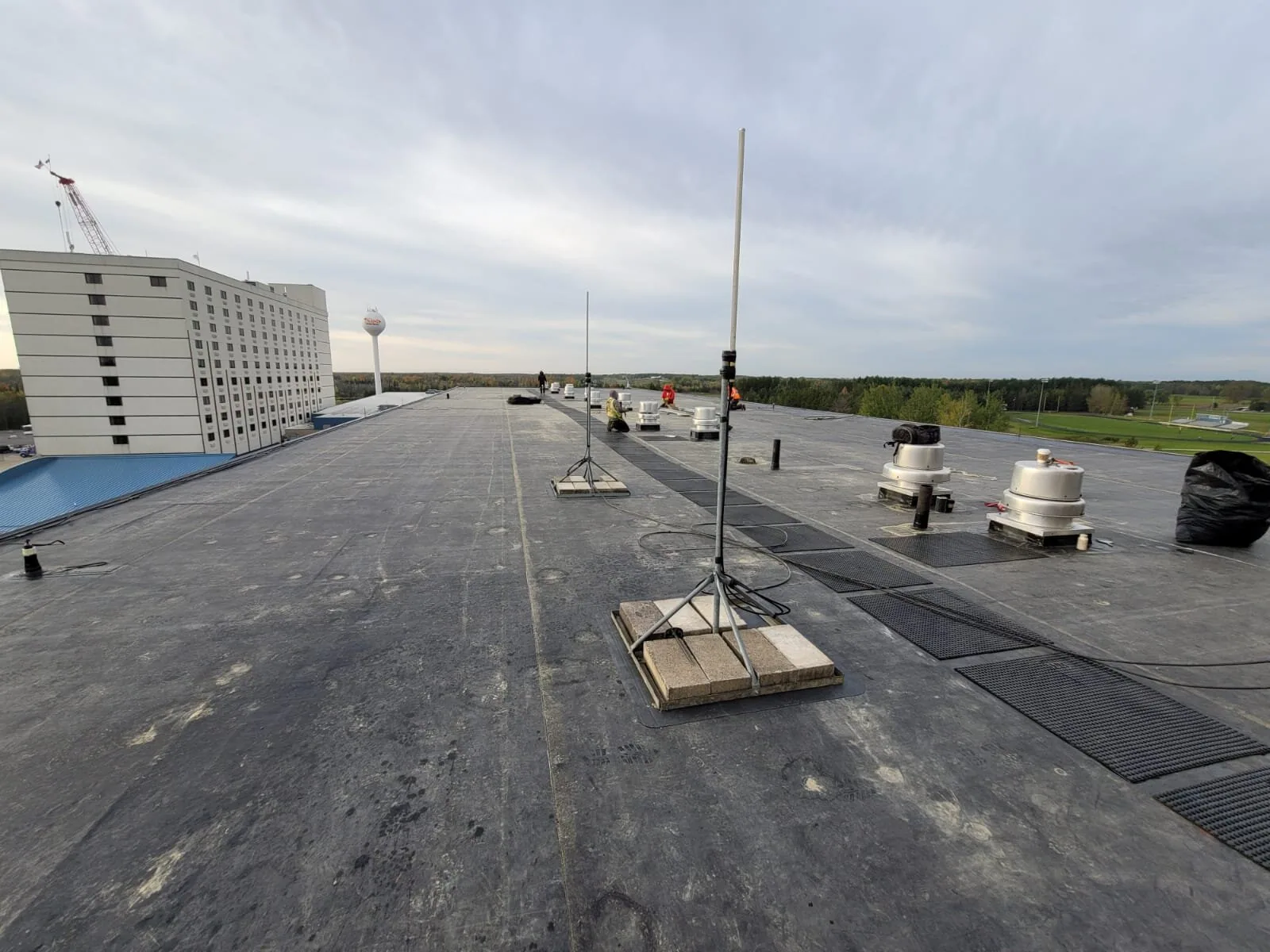
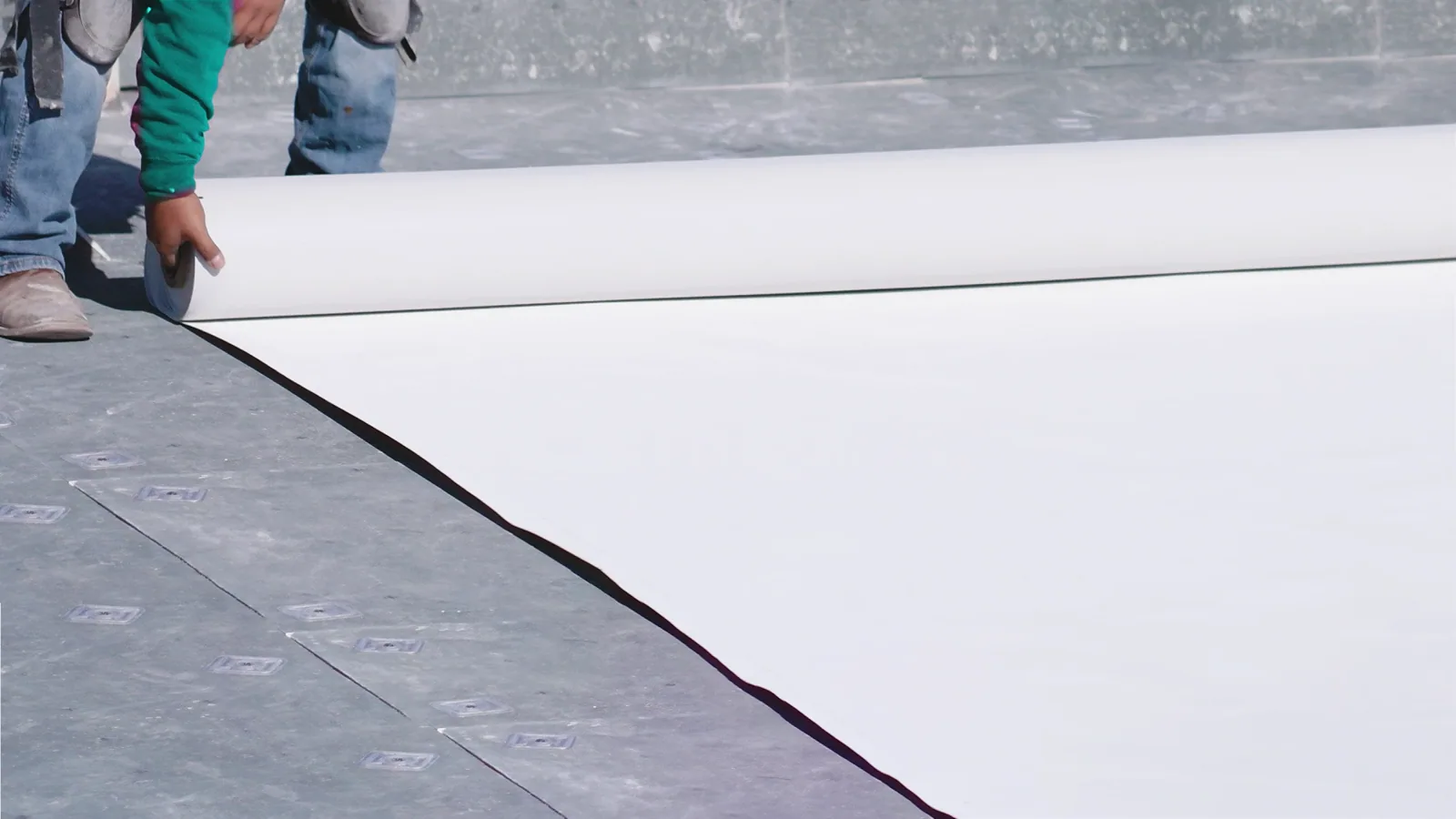
We start with a count, because the number of penetrations sets the maintenance load before anything else does. Every pipe, vent, conduit, curb, skylight and drain gets a number on a plan and a photograph, and we note what each one is flashed with: a boot, a pitch pocket, a metal collar with sealant, a prefabricated curb flashing. Then we test them by touch and by eye. A boot that cracks when pressed, a bead that peels away like tape, a collar that rocks and a counterflashing with a gap behind it each go on the list. The plan gives the owner a roof map that the next visit can be checked against item by item.
Our preventive maintenance visits repeat that count and reseal the weak details as they appear, which is how an owner keeps detail failures from becoming insulation failures. Where the count shows a roof carrying a lot of old repairs, we add a moisture survey before recommending anything larger.
When is the right season to reseal, and when to rebuild?
Sealant likes mild, dry weather. Cold stiffens it and makes it hard to tool, rain and morning dew interrupt the bond, and midsummer heat can make a fresh bead slump. The shoulder seasons in Northeast Tennessee, late spring and early autumn, give the most reliable window, and a crew can reseal every detail on a modest roof in a day or two. The test is whether the surfaces are dry and the forecast holds through the cure. A leak in January is stopped with a temporary seal and made permanent in April.
Rebuilding flashings is different work with different timing. The membrane has to be cleaned, cut back and welded or adhered, which wants dry surfaces and moderate temperatures, and on an occupied building the plan is to open one detail at a time and close it before the shift ends. We schedule it against the owner's budget year, and many owners find it practical to reseal now and place the rebuild in next year's capital line.
Commercial Roofing Questions
How many penetrations are too many for one roof?
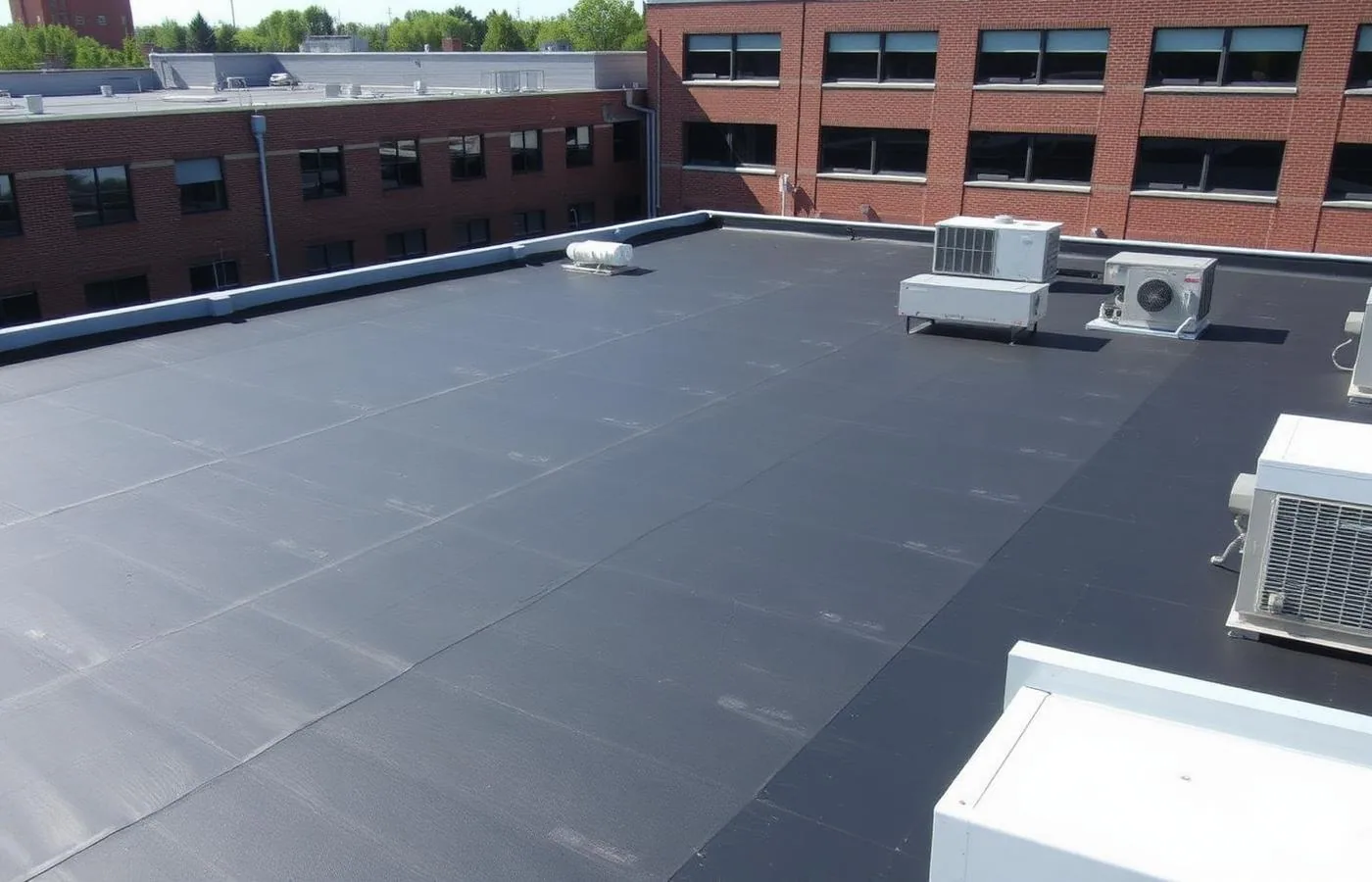
There is no fixed count. The question is whether each one is flashed well and whether they cluster. Many small penetrations in one area concentrate risk, and combining them on a single curb or rail often costs less than maintaining each separately for years.
Why do pipe boots crack after only a few seasons?
Rubber and plastic boots weather in sunlight. They harden, shrink and split at the base, where the pipe flexes. A boot on an exposed, sunny roof ages faster than one in shade, and a split boot should be replaced rather than taped, since tape fails at the first freeze.
Can sealant alone repair a flashing that has pulled loose?
Sometimes for a season, rarely for good. Sealant bridges a small gap, but a flashing that has pulled from its substrate needs refastening or replacing with the termination re-secured. Sealant laid over a moving joint only covers the problem for a while.
What should an owner record before reporting a leak?
The date, the weather and photographs of the ceiling. Stains often sit away from the opening, so those notes help us begin at the right detail instead of the nearest one. If a hatch or ladder gives safe access, a photograph of the penetrations above the area helps too.
Do metal roofs share the sealant problem?
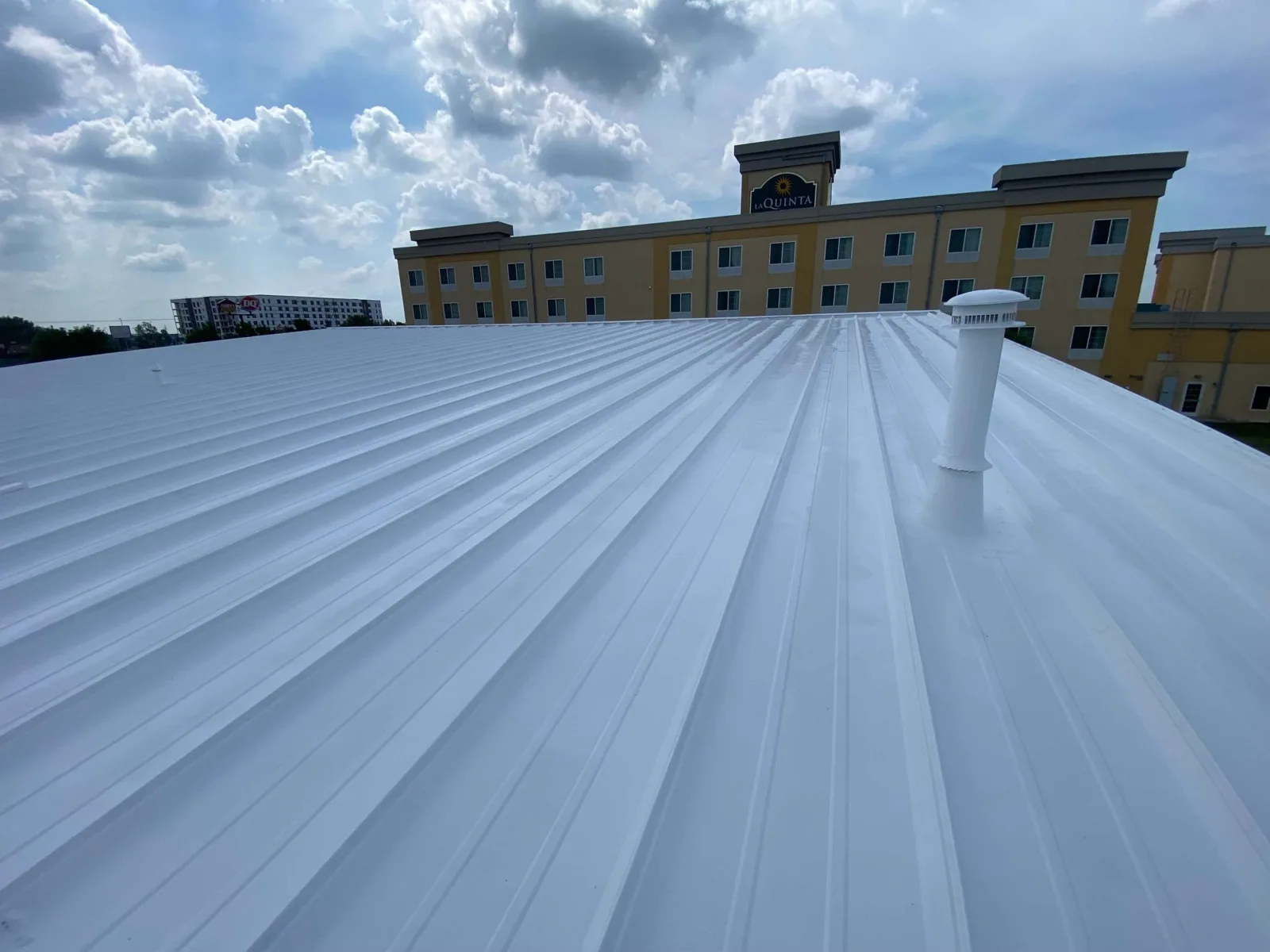
They share it in a different place. Exposed-fastener panels depend on gaskets and sealant at every screw and lap, while standing seam panels use clips and seamed ribs and keep most of their sealant at penetrations and trim.
Related Roofing Pages
Failed Flashing Repair
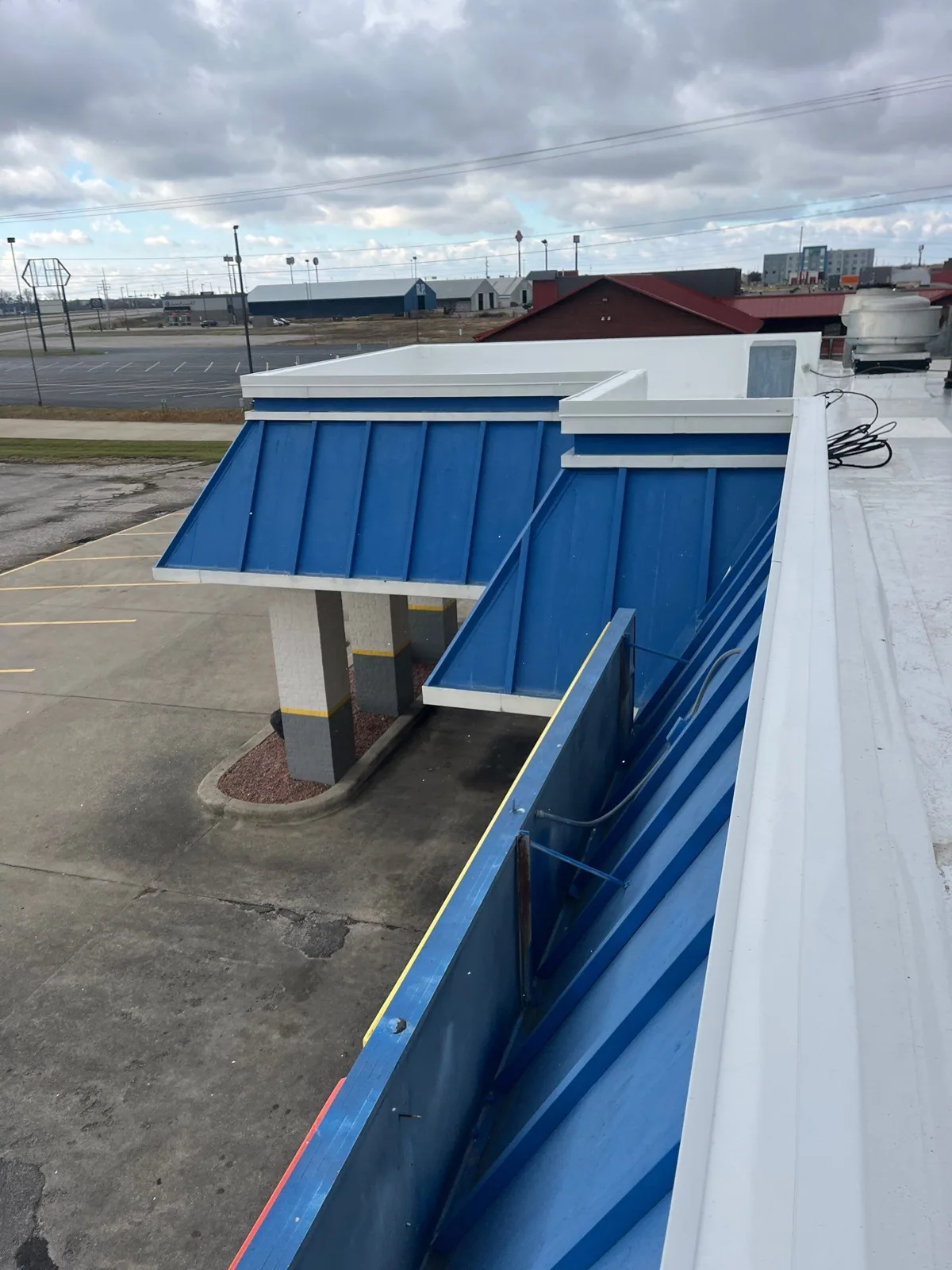
How the work is scoped, phased and documented on Tri-Cities roofs.
Skylight and Penetration Flashing
What we check, what we recommend and how the crew keeps the building running.

Commercial Roof Replacement
Conditions, options and next steps for commercial buildings in East Tennessee.