
Skylight and Penetration Flashing in Johnson City, TN
A skylight frame, a pipe sleeve and a mechanical curb each expand and contract at their own rate, and none of them moves in step with the membrane that is flashed to it. Over a winter of freeze-thaw cycling the membrane tugs on the flashing, the flashing tugs on its termination, and the sealant at the top of that termination, the cheapest part of the detail, is the first thing to give. In Johnson City, TN, where winter lows average about 25F, that sequence repeats with every freeze and thaw until a hairline opens above a ceiling. Penetrations are a small share of a roof's area and a disproportionate share of the places water gets in, which is why they deserve their own inspection and their own line in the repair budget.
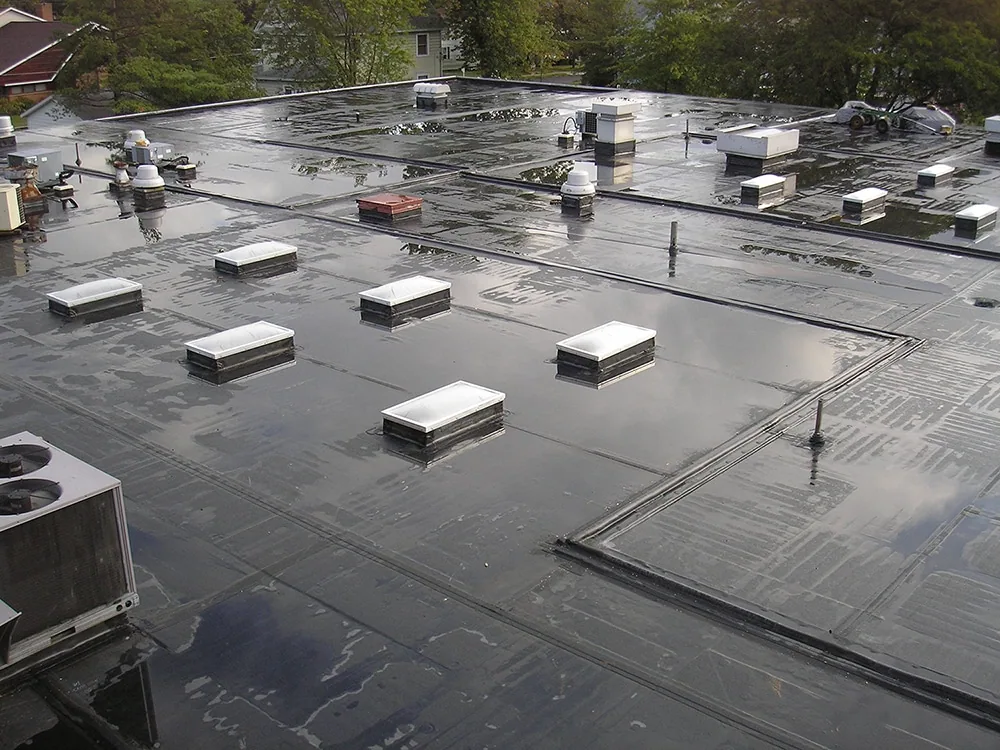
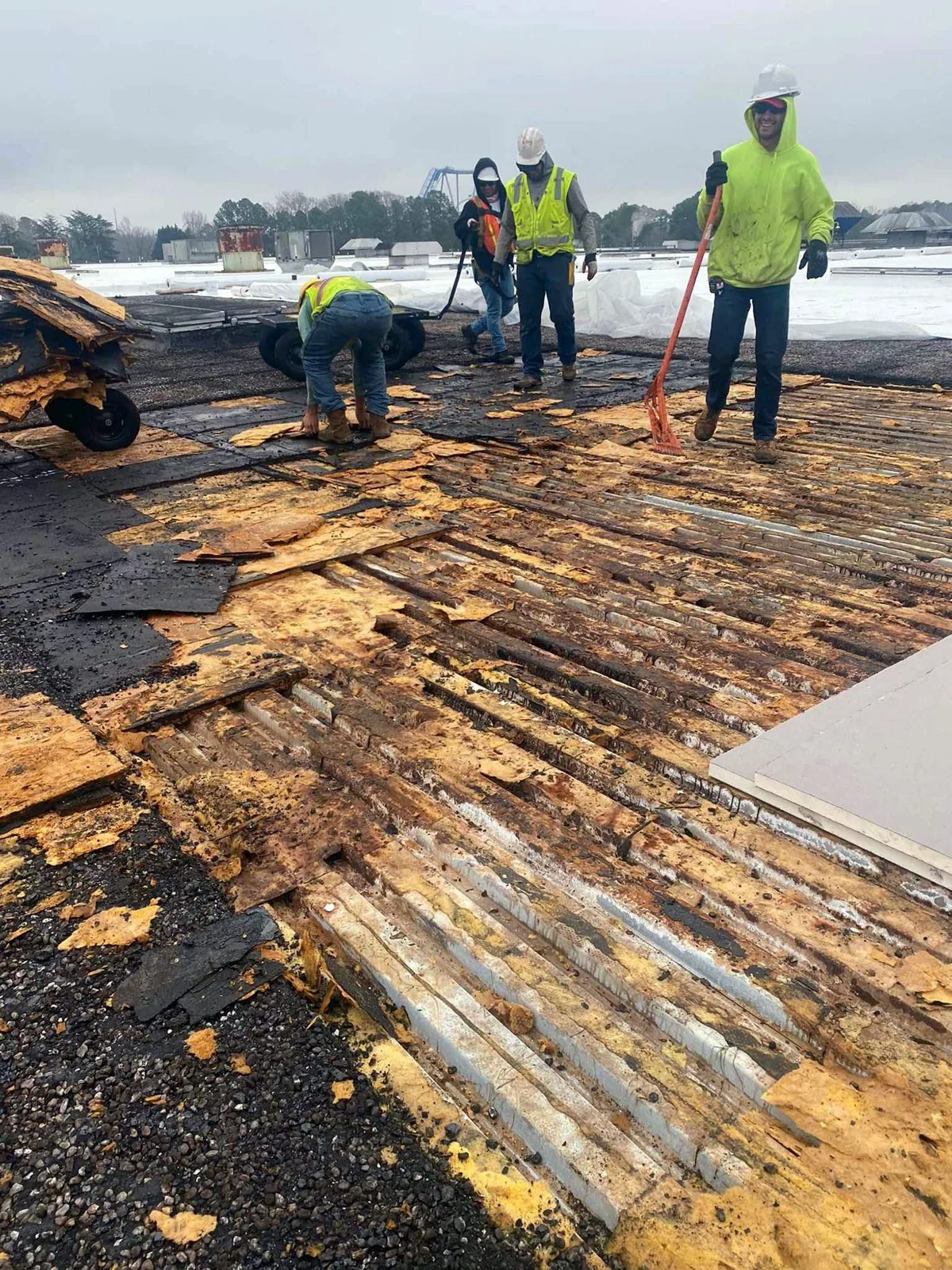
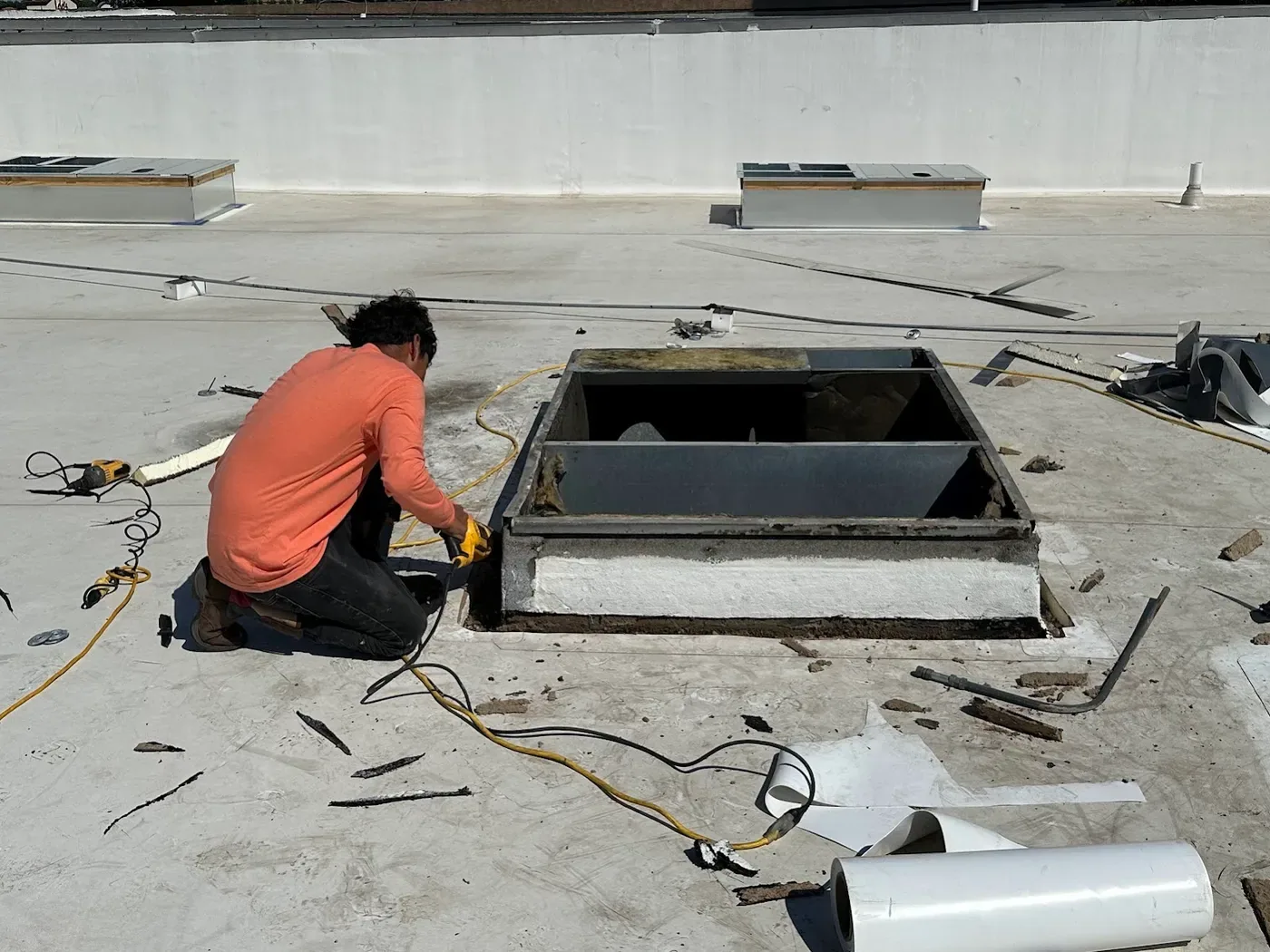
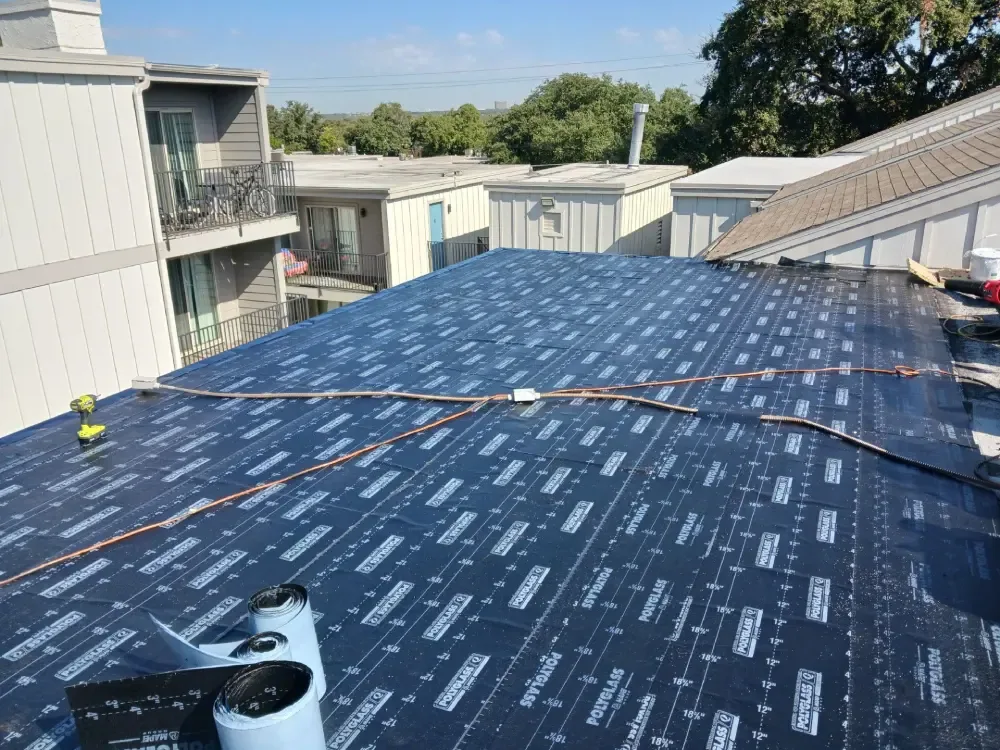
What moves at a curb that the flashing was never told about?
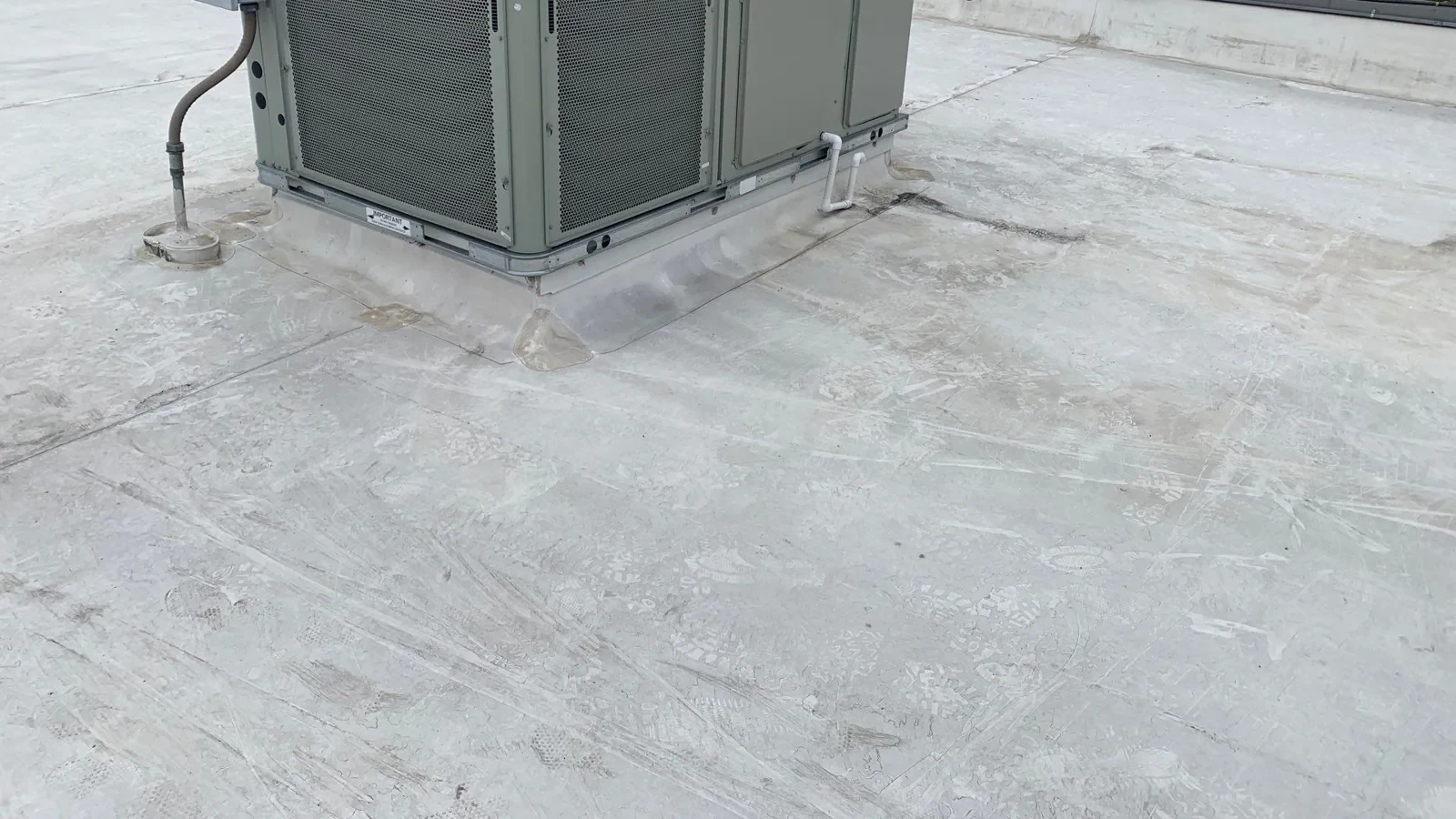
A curb carries the weight and the vibration of the equipment on it, and it grows and shrinks with the temperature of the building envelope. The membrane flashing wraps up the curb face and is fastened at the top beneath a counterflashing or a termination bar, so every movement of the curb works on that termination. Over a few seasons the sealant dries, the fasteners back out slightly, and the top edge of the flashing opens just enough to admit wind-driven rain. Meltwater then runs down behind the flashing, wets the curb insulation and the top of the deck, and travels along the flutes to a ceiling that may sit twenty feet from the curb.
Pipe penetrations fail in simpler ways. Rubber boots craze and split under ultraviolet light, and a boot that fit snugly on a warm day shrinks away from its pipe in a cold snap like the -6F Christmas low recorded at Tri-Cities Regional Airport in 1983. Pitch pockets filled with sealant shrink and crack, and water pools in them. Skylight domes yellow and craze, their gaskets harden, and a dome weakened by years of sun is also a fall-through hazard, which is why guards or screens belong on any skylight that people might step toward.
Have every opening on the roof checked in one visit
Call Commercial Roofing Johnson City to have each skylight, curb and pipe photographed and tested. You will receive a ranked list of what to reseal, replace or remove.
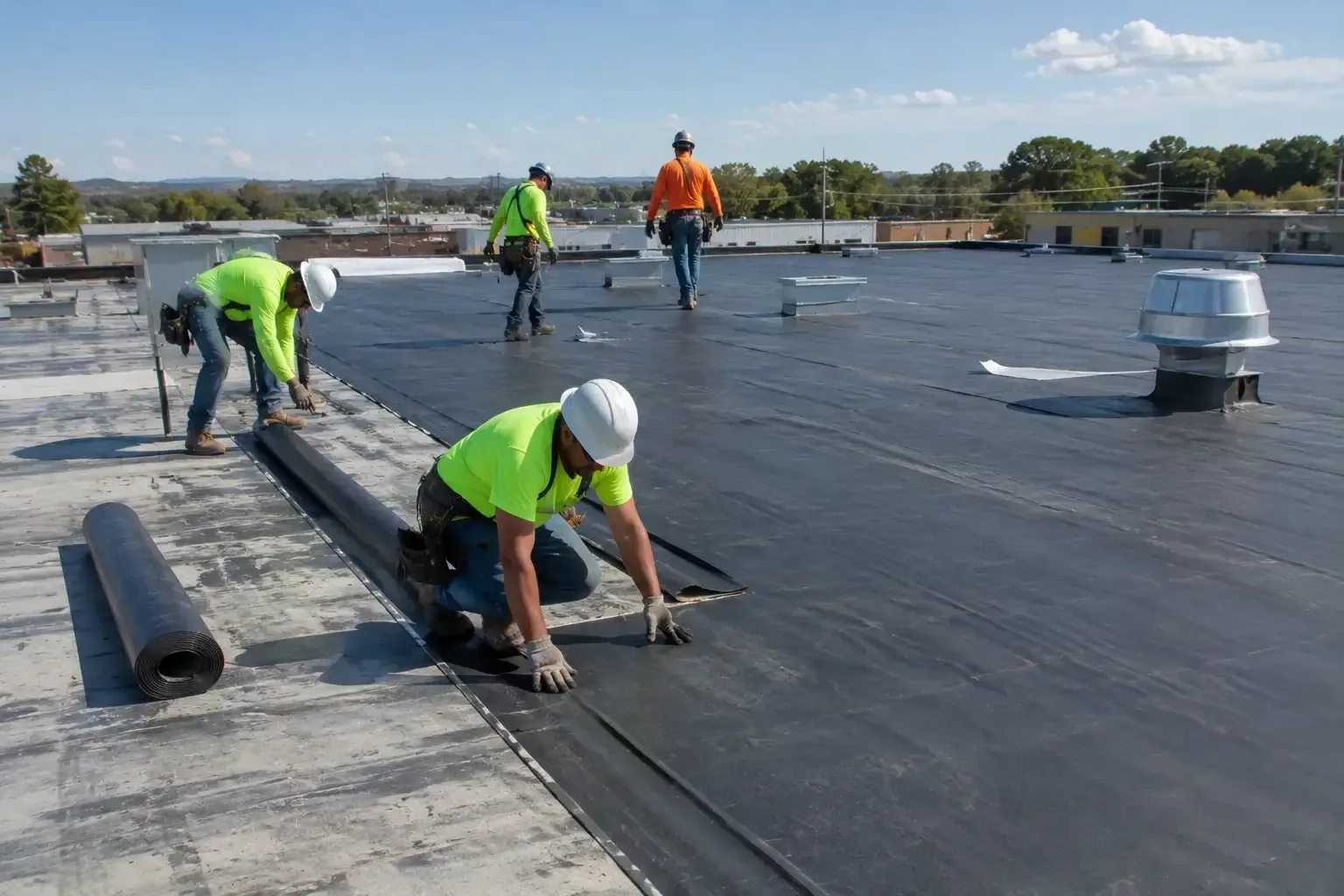
How do you tell a flashing leak from condensation at a skylight?
The two look alike from below and need opposite repairs. A flashing leak appears after rain or snowmelt, runs in a line from the curb or the frame, and stains the ceiling around the opening. Condensation appears on cold, dry days, forms on the underside of the glazing and drips onto the same spot each morning. It means warm, humid interior air is reaching a surface colder than its dew point, and the answer is a better thermal break, a double-glazed unit or a vapor seal at the curb, not more sealant on the outside. We read the pattern against the weather, check the curb insulation with a moisture meter and, when the pattern is unclear, flood-test the flashing in sections while someone watches below. That tells the owner whether the money belongs in flashing, in glazing or in the building's humidity control.
Repair, re-flash or replace: what fits each penetration?
A sound flashing with a failed termination is repaired. The old sealant is cut out, the surface is cleaned, and a termination bar and fresh sealant go back with a lap of new membrane over the top. A flashing that has shrunk, split or been poorly detailed is replaced, using the membrane type already on the roof so that welds or adhesives bond cleanly, or a liquid-applied flashing resin where the shape is too complex for a cut sheet. Pitch pockets are replaced with prefabricated boots or welded flashings instead of being refilled, because refilled sealant fails again within a few seasons. When the entry point is not obvious, we trace the roof leak first, and once it ends at a flashing, the failed flashing is rebuilt rather than resealed.
Skylights present a choice of their own. A unit with sound glazing but failed curb flashing is re-flashed to a taller, insulated curb. A unit with crazed domes, cracked glazing or failed gaskets is replaced, and the replacement is the moment to consider a more efficient unit, since the 2018 International Energy Conservation Code that Johnson City has adopted sets thermal performance requirements for new fenestration. Some owners remove a skylight altogether, framing and decking over the opening and roofing it as part of the field, which eliminates a penetration for good but changes the light inside.
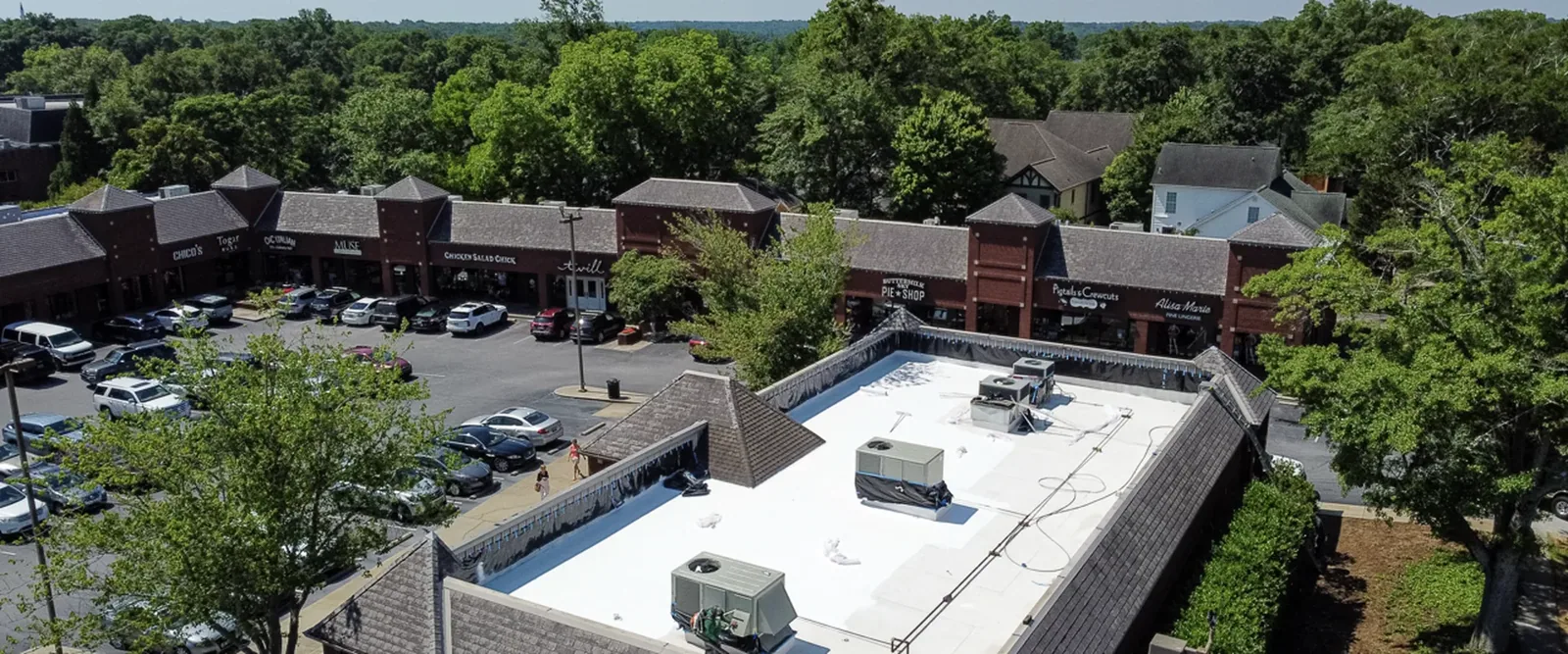

What does a failed boot cost compared with the ceiling under it?
A pipe boot or a sealant bead is a small purchase and a few minutes of labor. The water that enters through it travels, wets insulation along the deck, soaks acoustic tile and eventually reaches whatever sits below: inventory, equipment, finishes. The insulation around a penetration is often where saturation starts, and a saturated patch around a curb tends to widen each winter as freezing breaks down the board. The decision then moves from a service call to a section of tear-off, and sometimes to a replacement window years ahead of the plan. Walking every penetration twice a year, as part of preventive roof maintenance, is the cheapest control available, and an infrared moisture survey shows whether a stain is a single entry point or a widening footprint.
Which Johnson City buildings carry the most penetrations?
Hospitals and teaching buildings top any list, because ventilation, exhaust, medical gas and plumbing vents all leave through the roof. Johnson City Medical Center, a Level I trauma center and teaching hospital in the Med-Tech corridor, and the medical and pharmacy colleges at East Tennessee State University are places where a failed penetration would show first as a stained ceiling in a patient or teaching area. Work above that kind of space is staged to keep dust and noise away from occupied rooms and to leave the building watertight at the end of every day, and the curbs and supports under rooftop equipment get the same planning.
Retail and grocery roofs carry a different set: condensers, exhaust fans and vent stacks sprouting across the field, with steady foot traffic from service technicians. Around the Boones Creek exit on I-26, where Food City and Ingles sit, and across the North Johnson City retail hub, a tenant change or equipment swap can add or move a penetration, and unreported work by mechanical trades is a frequent source of damage. A roof access log and a flashing check after each equipment change keep the record honest. Wind-driven rain in an event like Hurricane Helene tests every opening on a roof at once.
Commercial Roofing Questions
Why does the same skylight leak only during certain storms?
Wind direction and rain intensity change which side of the curb is wetted. A leak at one corner after a storm from a particular direction points to a flashing lap facing that way, a step in the membrane or a shrunken corner. Writing down the weather at each leak helps us find it.
Can a skylight dome be coated instead of replaced?
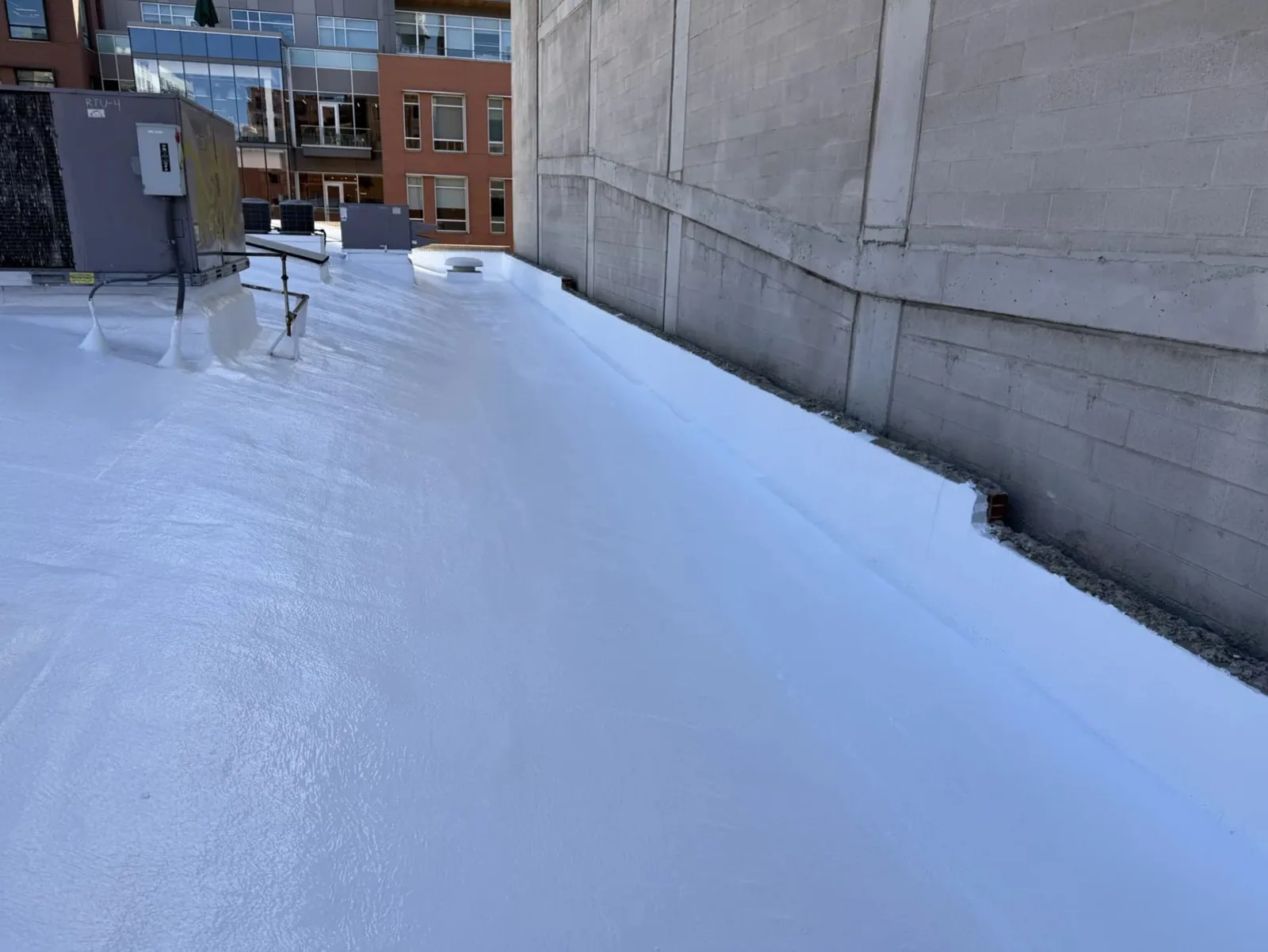
Coating a dome is a stopgap that hides crazing and rarely stops condensation. The glazing's real problem is ultraviolet exposure and thermal cycling, and replacing the dome or the unit cures it. A coating on the roof surface around the curb is a different matter and can be part of a restoration.
What decides whether a penetration should be re-flashed or removed?
Whether the equipment or opening is still needed decides it. Abandoned vents, capped lines and old exhaust curbs can be cut out and the deck patched, which removes a leak path for good. Active penetrations are re-flashed.
Who pays when another trade damages the flashing?
The cost belongs to whoever caused the damage, but the roof owner usually has to show who was up there and when. A roof access log, photographs before and after mechanical work and a flashing check at handover make that easy to support.
Do skylights need guards even if the dome looks fine?
A dome that looks fine can still fail under a person's weight, since sun and cold weaken acrylic and polycarbonate from within. Guards, screens or marked barriers reduce the fall-through risk for anyone servicing equipment nearby.
Related Roofing Pages
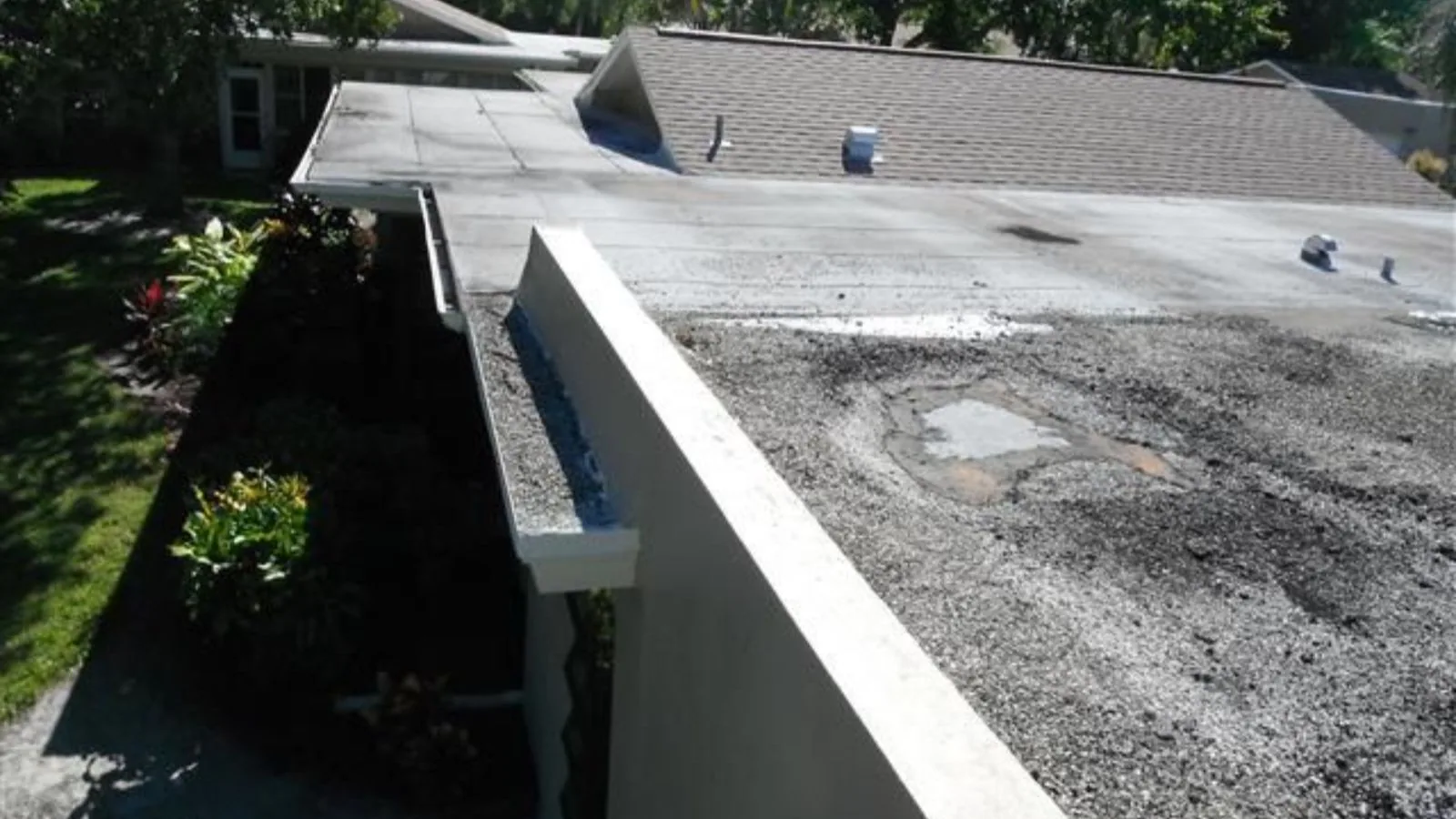
Commercial Roof Leak Repair
How the work is scoped, phased and documented on Tri-Cities roofs.
Failed Flashing Repair
What we check, what we recommend and how the crew keeps the building running.
Preventive Roof Maintenance
Conditions, options and next steps for commercial buildings in East Tennessee.