
Commercial Roof Leak Repair in Johnson City, TN
Water that drips from a ceiling tile has usually traveled a long way to get there. It enters at a flashing or a seam, runs along the top of the insulation or down a steel flute to the nearest low point, and only then finds a joint it can fall through, which may be thirty feet from the opening in the roof. That is why the stain is a poor map and why the first patch so often fails. In a cold-season climate like the Tri-Cities, meltwater and rain follow the same hidden paths, and every freeze widens whatever gap started the trouble. Stopping a leak for good means finding the entry point, learning how far the water has spread through the assembly, and repairing both. We treat each leak as a data point about the roof, and we trace it before we touch it.
Where is the water actually getting in?
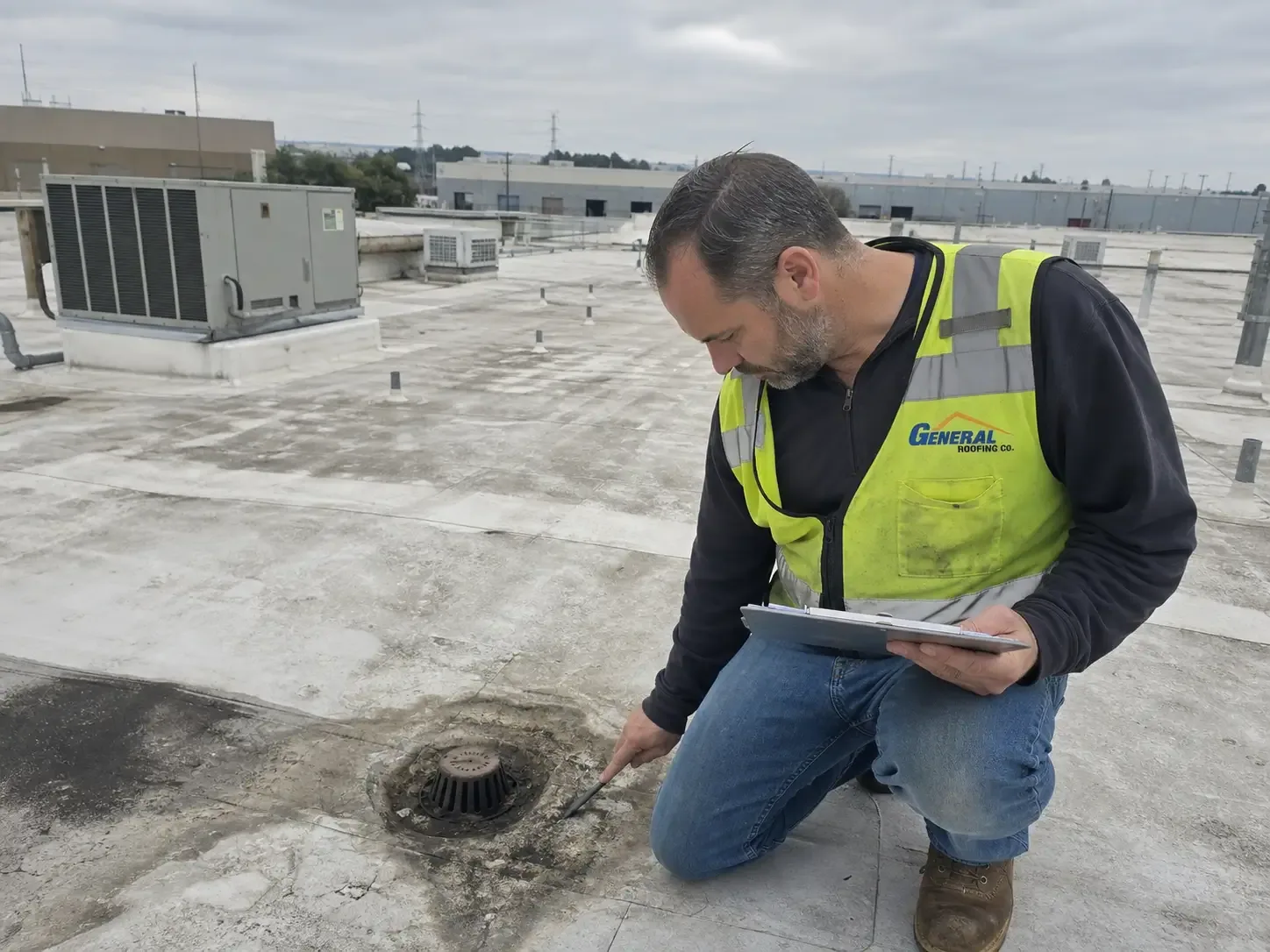
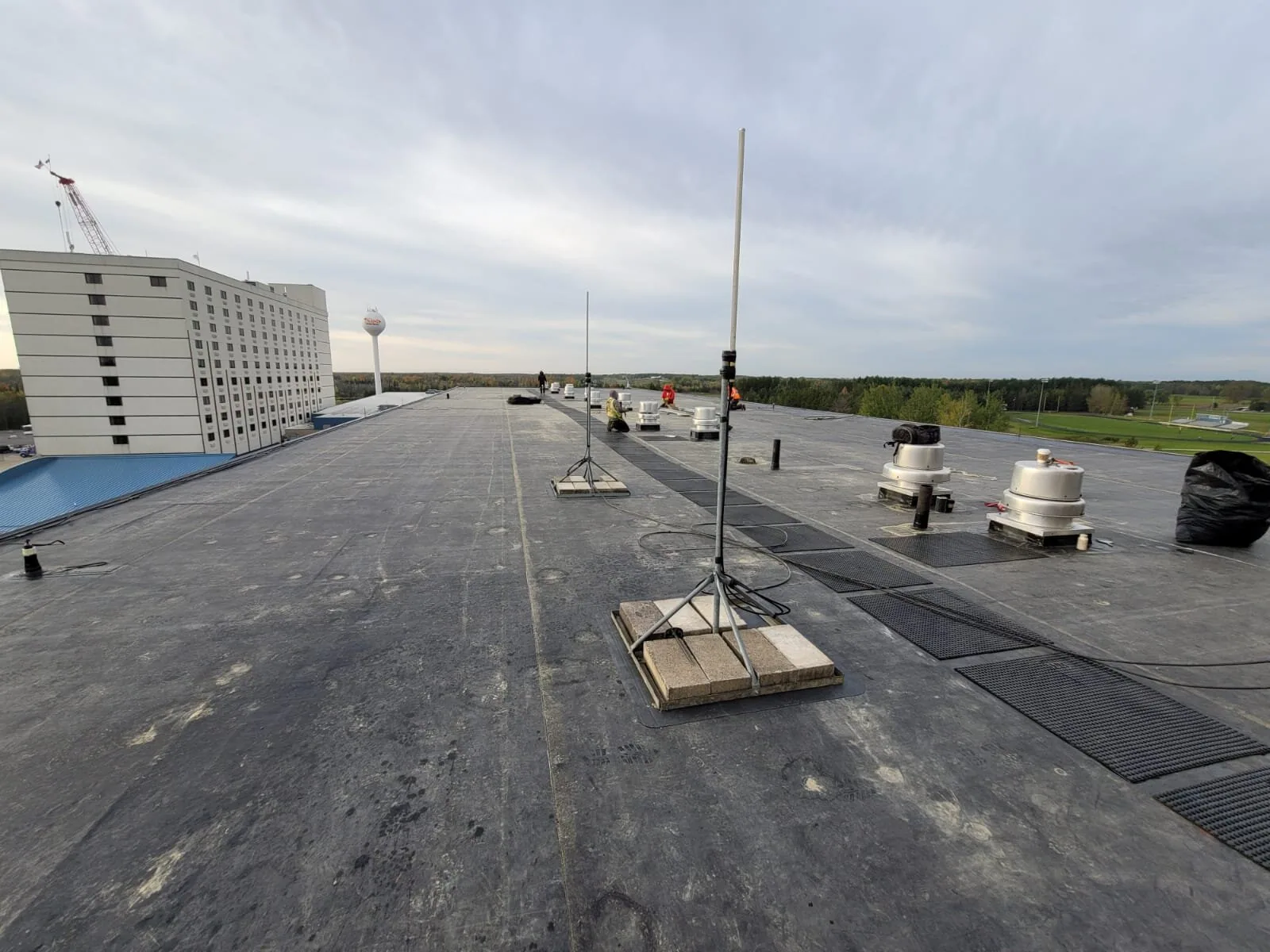
The search starts inside. We map the ceiling stains, check the deck underside where it is accessible, and note the direction of any staining on walls and columns, since water that follows a wall tells us the entry is at or above that wall. On the roof, we examine the details before the field, because most leaks start at transitions: curbs, pipe penetrations, drains, skylights, parapet bases and the places where one roofing material meets another. When the entry point is not obvious, we use an infrared moisture survey to show where wet insulation is concentrated, which points back toward the source. On single-ply roofs, electronic leak detection and controlled water testing can isolate a pinhole or a failed seam. The goal is a confirmed entry point, not a likely candidate.
Trace the leak before it spreads through the insulation
Call Commercial Roofing Johnson City to have the entry point found, the wet area mapped and the repair made. You will get a written explanation of what failed and what was done.
Why does a leak come back after a repair that looked complete?
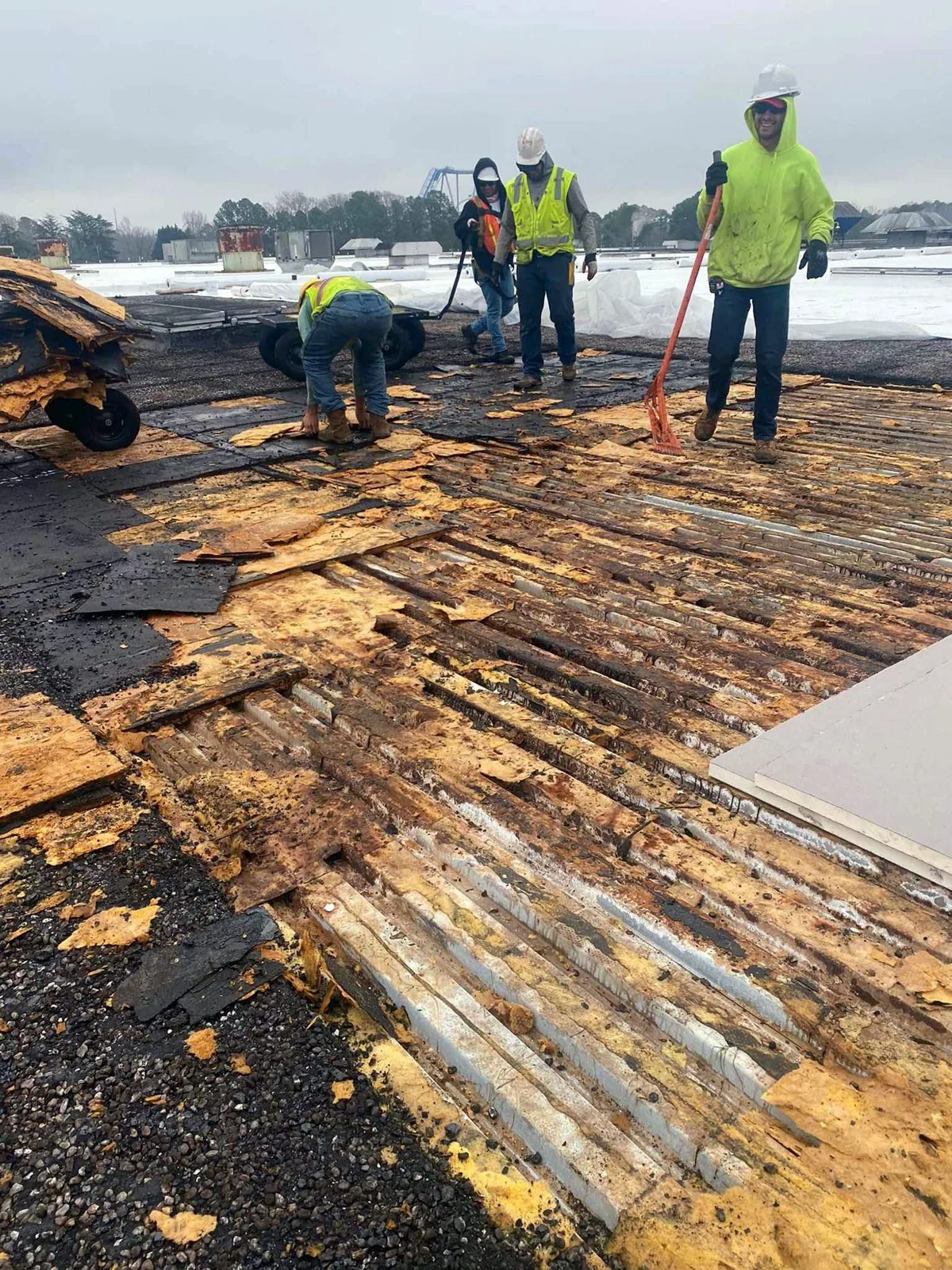
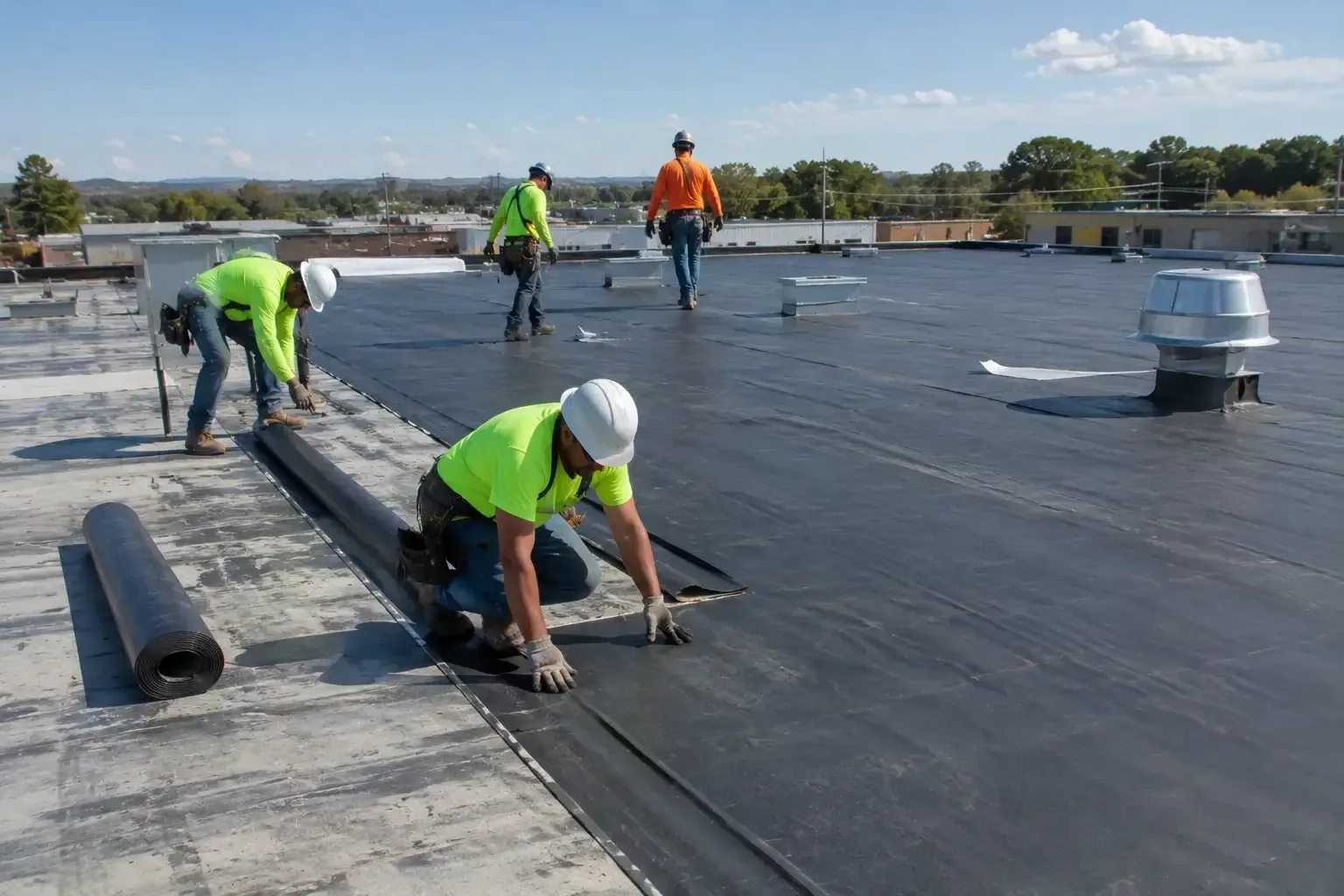
Three reasons account for most repeat leaks. The first is a second entry point nobody found, because the first patch stopped the most visible drip while a nearby seam kept feeding the same wet area. The second is trapped moisture. Once insulation has taken on water it releases it slowly, and the stain on the ceiling can keep appearing for weeks after the roof is tight, which looks like a failed repair but is not. The third is a repair made without addressing the cause, such as sealing around a pipe that is moving, or coating a flashing that has pulled loose. We confirm that the repair addressed the true cause and check the wet insulation, then recommend either drying in place, cutting out and replacing the wet material, or leaving it under observation, depending on how much has taken on water.
Which parts of a flat roof leak most often?
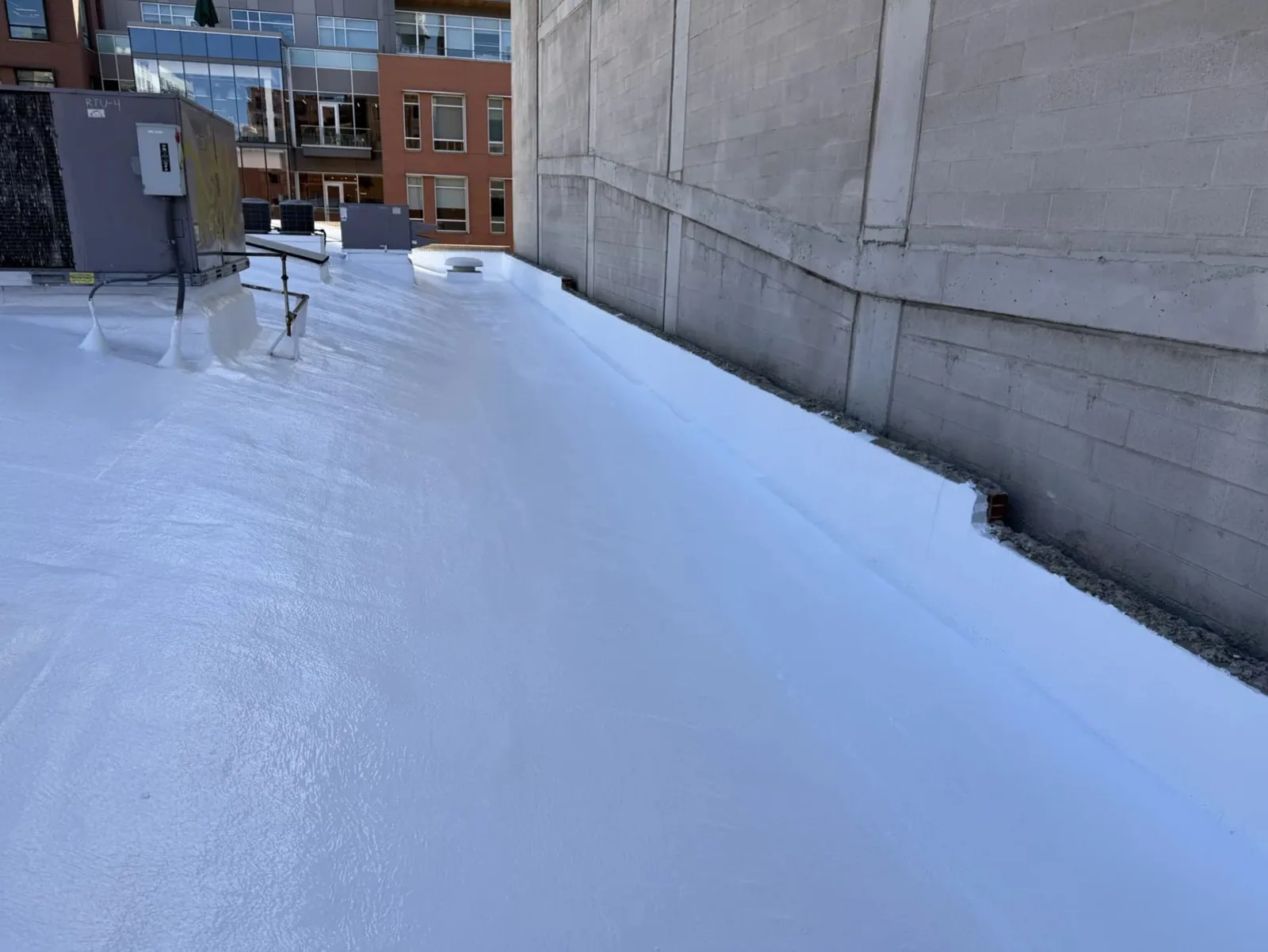
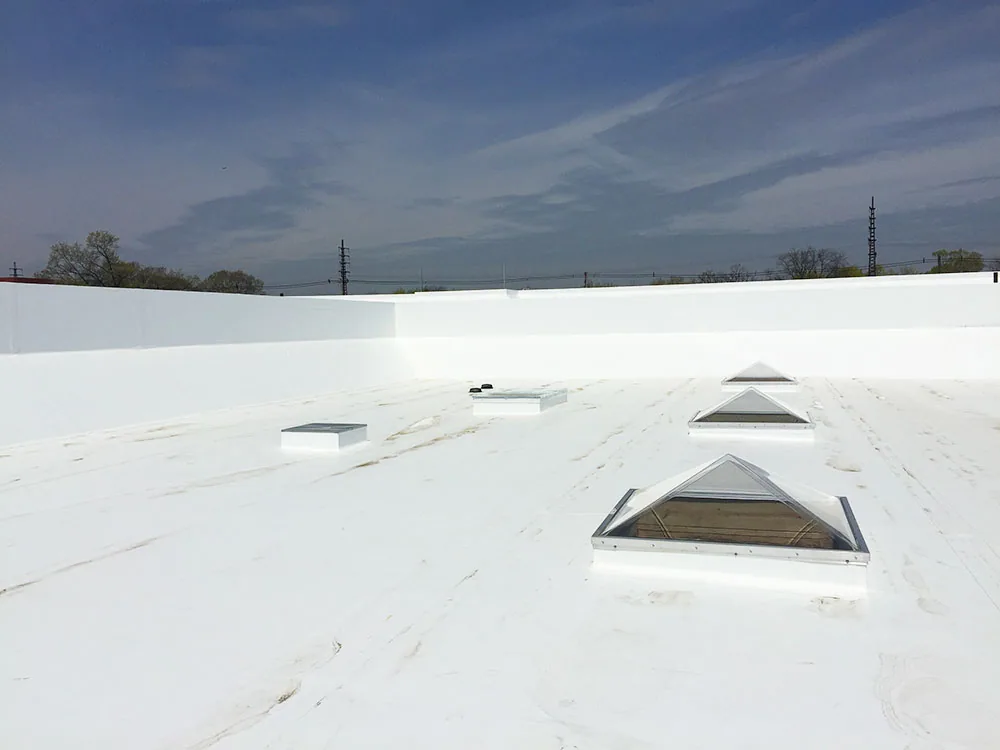
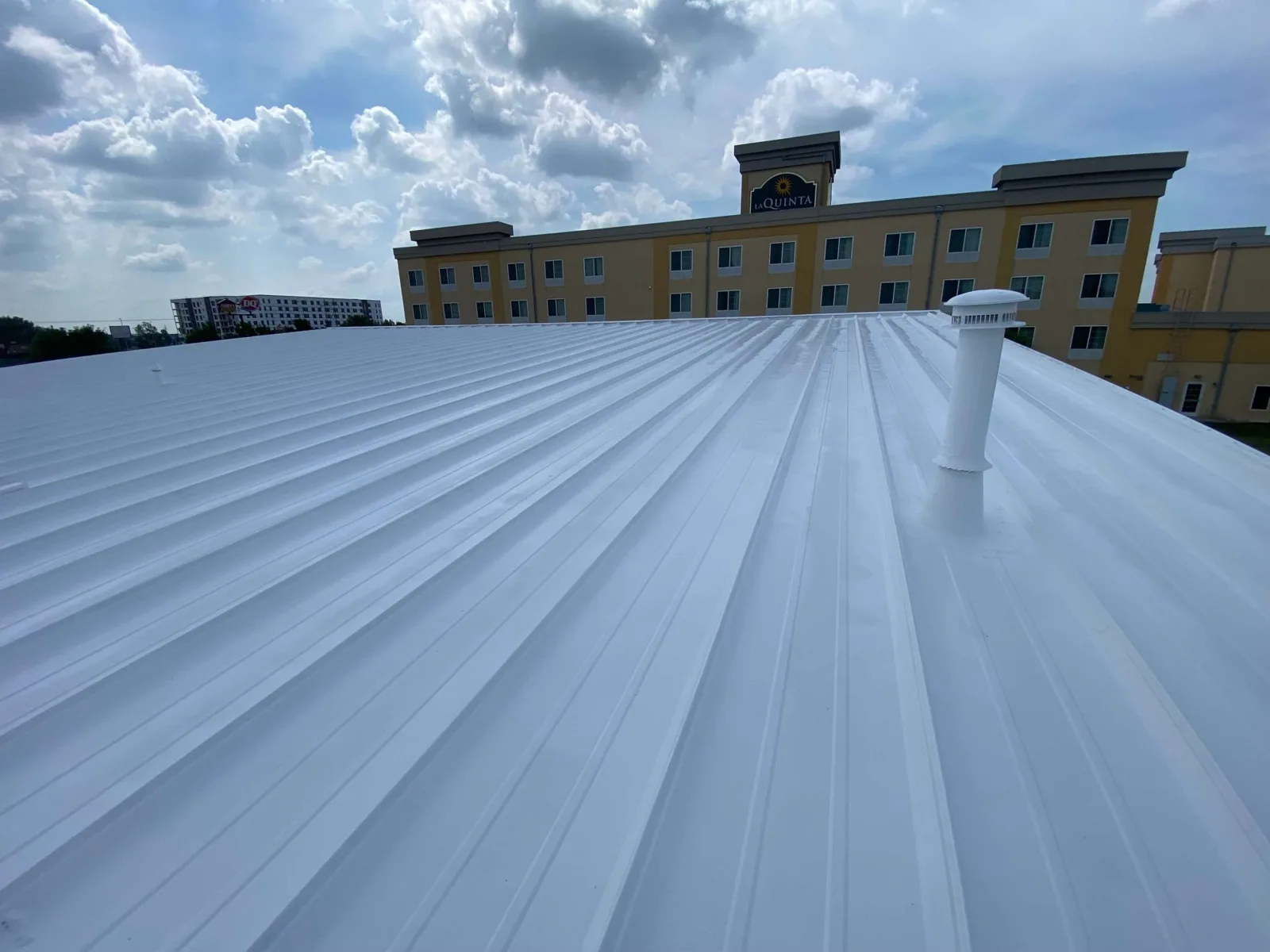
On low-slope commercial roofs the same few places account for most calls. Penetrations for plumbing, exhaust and conduit depend on a boot or flashing collar that ages faster than the membrane around it, so skylight and penetration flashing is the first place we look. Drains and scuppers clog with leaves and debris, hold water against the membrane and overflow at the edges, which is why roof drain and scupper work is a leak repair as much as a drainage repair. Areas of ponding water accelerate seam wear and UV breakdown. Parapet walls, coping joints and edge metal let water behind the flashing when sealant fails. Mechanical equipment curbs, which are cut into the roof and often modified, are a frequent culprit on buildings with years of added units.
What does it cost to chase a leak one ceiling tile at a time?
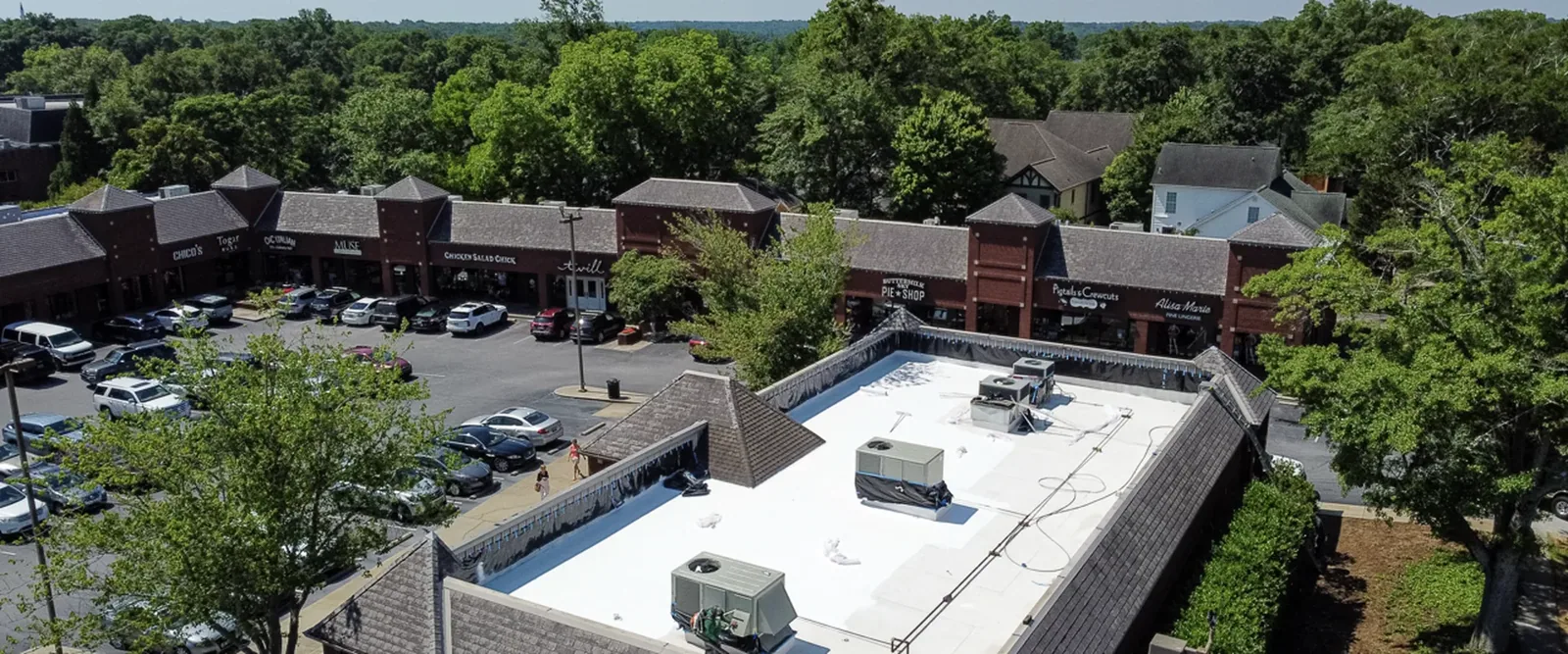
The ceiling tile is the cheapest part of the bill. A leak that is patched but not traced keeps wetting the insulation, which loses insulating value and adds weight, corrodes steel decking and fasteners, and grows mold in the cavity above the tile. Interior damage follows: drywall, carpeting, stored goods, electronics and, in buildings with sensitive operations, downtime. Each repeat call also costs a site visit and an interruption for the facility team. The economical path is to trace once, repair the entry point, and decide with data whether the insulation can dry or has to be replaced. If the survey shows that the wet area has grown beyond what spot repairs can handle, the numbers may point to planned commercial roof repair across a wider area, or to a larger decision about the roof as a whole.
How does Tri-Cities weather change where leaks appear?
Johnson City averages roughly 45 inches of precipitation a year, and an event like Hurricane Helene, whose flooding reached Northeast Tennessee in September 2024, tests every drain and scupper on a roof at once. A drain that is slow on an ordinary day backs up in a downpour, and water finds the lowest flashing. In winter, freeze-thaw movement opens seams and sealant joints that were tight in September, and meltwater from a snowfall can reach details that rain never does. Facilities with high stakes have the least tolerance for this. Johnson City Medical Center and the other medical and university institutions of the Med-Tech corridor need a leak found and closed with minimal disruption, and a roof that is actively taking on water may need emergency roof repair to dry it in first.
Inside the building, note when the water appears and what is operating overhead. A drip that starts with rain points toward an exterior opening; moisture that follows heavy cooling or kitchen use may involve condensation or a discharge line. The distinction changes the repair. We trace the path from the ceiling mark to the roof detail and test the surrounding assembly before sealing anything, so a patch addresses the entry instead of merely hiding its exit.
Commercial Roofing Questions
How can a leak show up so far from the place the water got in?
Water travels along the top of the deck, between insulation boards and down steel flutes until it reaches a joint or fastener it can pass through. That is why we trace from the interior and the roof together, and why a patch placed directly above a stain is often wrong.
What decides whether wet insulation has to be removed?
The moisture map and the extent of the wetting decide it. Small, isolated wet areas near a failed detail can sometimes be dried after the entry is sealed. Insulation that is saturated, compressed or already corroding the deck underneath has to be cut out and replaced. We use infrared readings and cores to separate the two.
How quickly can a leak be stopped, and what decides it?
A temporary seal can usually be made quickly once we are on the roof. A permanent repair needs a dry surface and appropriate temperatures for the materials, so weather and access set the pace on that part. If the weather prevents a lasting fix, we make the temporary seal and schedule the permanent repair for the first suitable window.
What should I document before you arrive?
Note when each stain appeared, what the weather was doing, and whether the leak occurs only with wind-driven rain or also with snowmelt. Photos of the interior and any equipment that sits above the leak help us narrow the search before we start.
Does a leak repair help with an insurance claim?
A written trace, dated photographs and a clear description of the cause help support a claim, particularly when the leak followed a storm. Coverage depends on your policy, so we provide records and let your adjuster make that determination. When a storm is involved, roof insurance claim assistance adds the measurements and scope an adjuster expects.
Related Roofing Pages

Infrared and Core-Cut Moisture Surveys
How the work is scoped, phased and documented on Tri-Cities roofs.
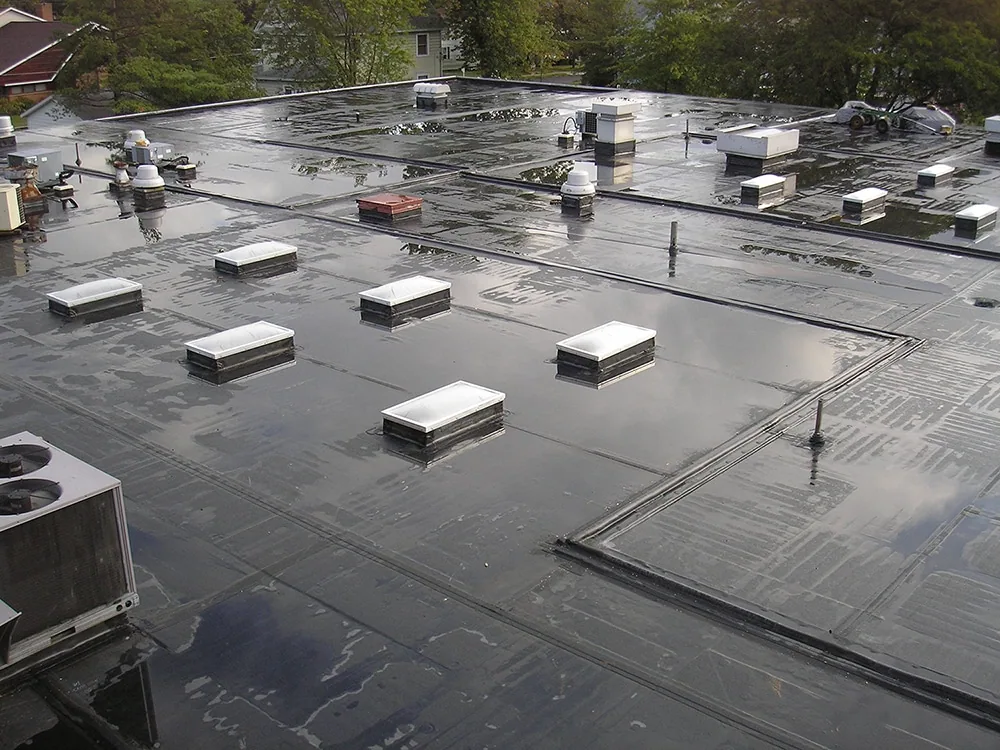
Skylight and Penetration Flashing
What we check, what we recommend and how the crew keeps the building running.
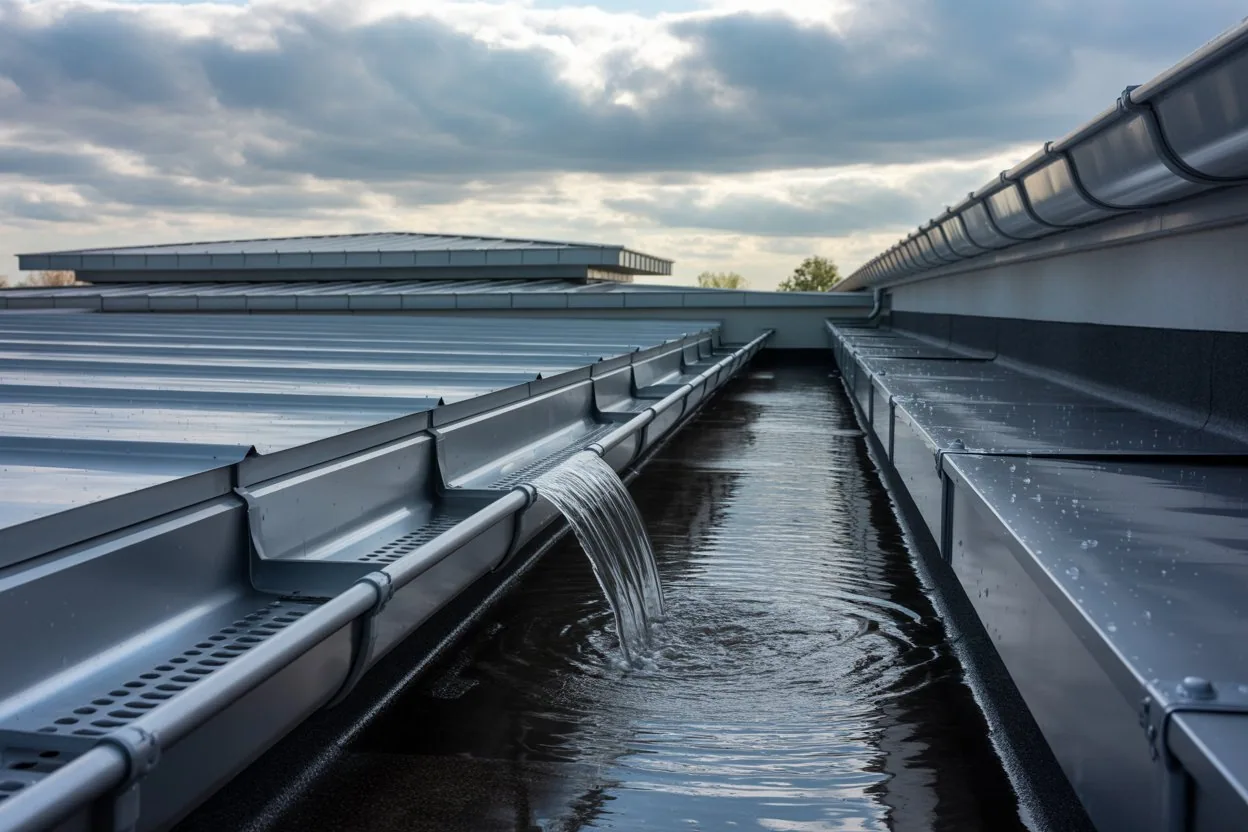
Roof Drains, Scuppers and Ponding Correction
Conditions, options and next steps for commercial buildings in East Tennessee.