
Commercial Roof Replacement in Johnson City, TN
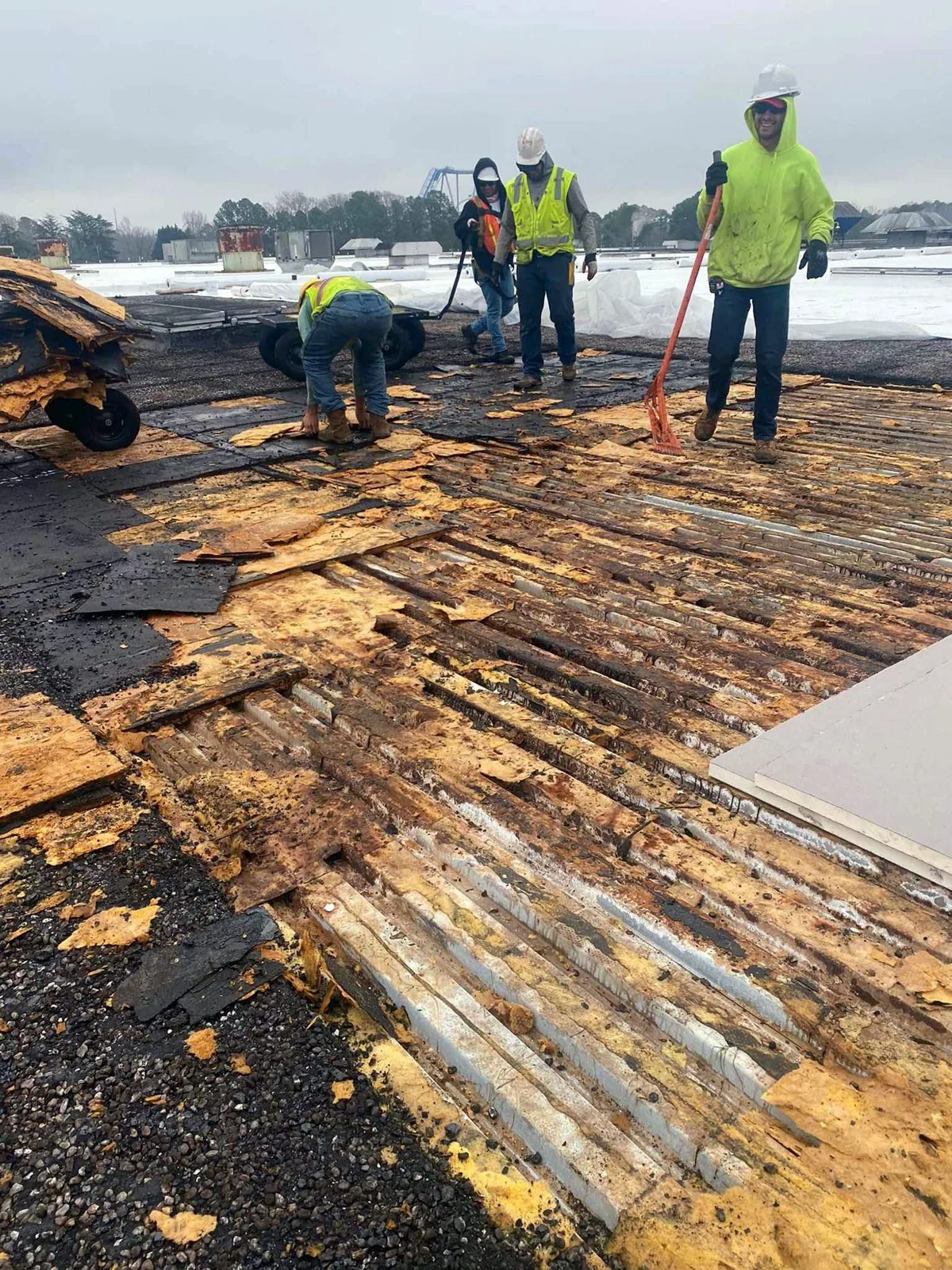
Insulation that has been saturated through two or three Tri-Cities winters weighs more than the deck was sized to carry, insulates far less than it did on the day it was installed, and holds the membrane above it in a cycle of expansion and contraction that no seam was built to survive. When a roof reaches that condition, replacement stops being a preference and becomes arithmetic. Every season of deferral adds wet insulation, a larger area to tear out, and a deck closer to the point where steel flutes corrode or wood softens. A full tear-off removes the failed assembly down to the substrate, corrects the drainage path, and installs a new system whose service life you can plan against. In Johnson City, TN, that plan should start with condition data rather than a bid request, because the best replacement window is the one an owner chooses, not the one a ceiling leak chooses for them.
How do you know a roof has moved past repair?
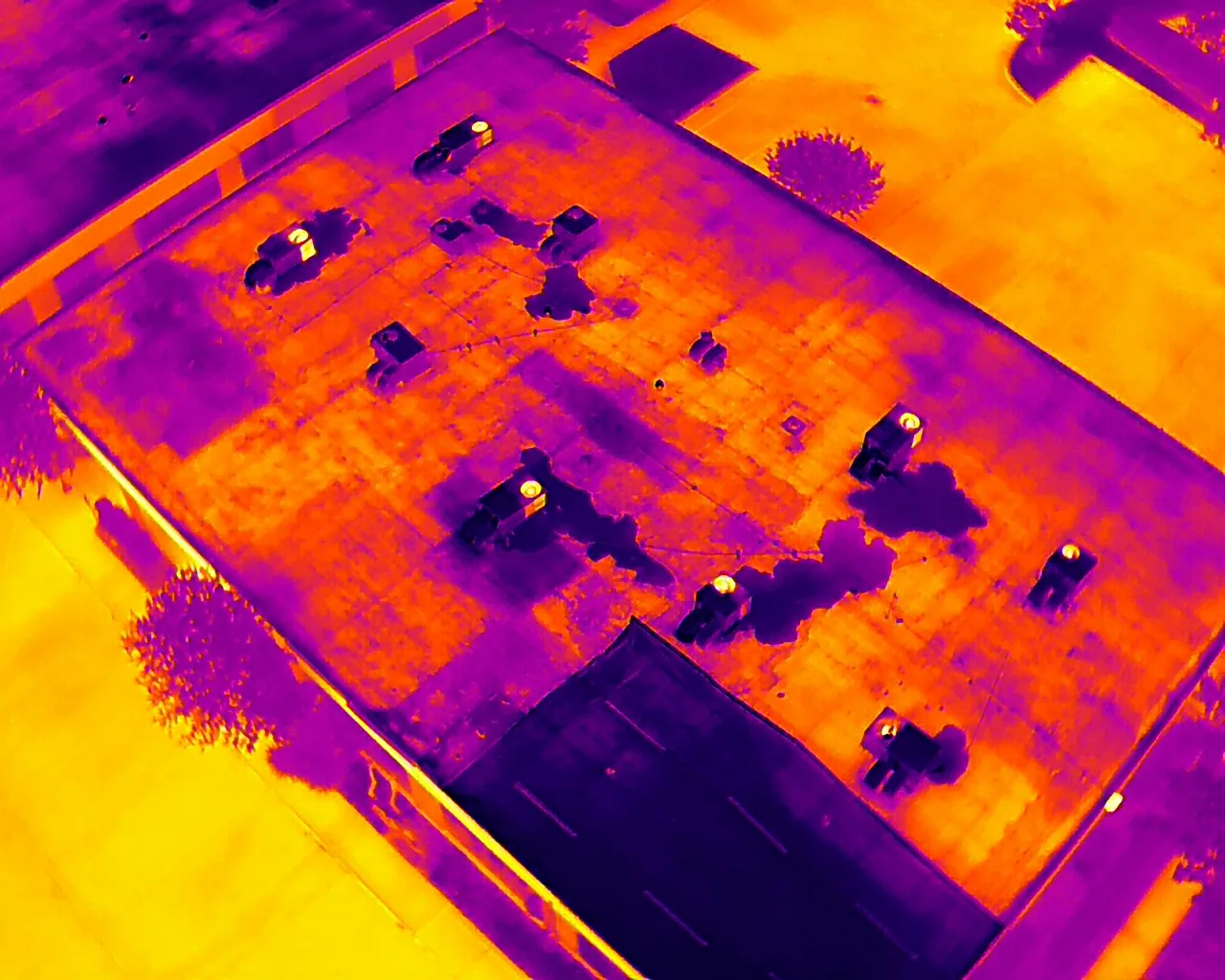
Age alone rarely settles it. A relatively young membrane over saturated insulation is a worse candidate for continued service than an older one over a dry assembly, so we look for the signs that repair dollars have stopped buying service life. Seams that reopen after being sealed, field membrane that has shrunk and pulled flashing away from curbs, blisters and ridges that follow the insulation joints, and core samples that come up wet all point the same direction. We pair a hands-on commercial roof inspection with an infrared moisture survey to map where the water actually sits. When the wet area is spread across most of the roof, patching it is paying to hold water in place, and a string of recent repairs that adds up to a large fraction of replacement cost is usually a deferred replacement wearing a different line item.
Gather the roof's condition data before you commit capital
Call Commercial Roofing Johnson City to have the roof walked, scanned and sampled. You will leave with a written picture of what is wet, what is sound and when replacement becomes the better use of the budget.
What does it cost to keep postponing a replacement?
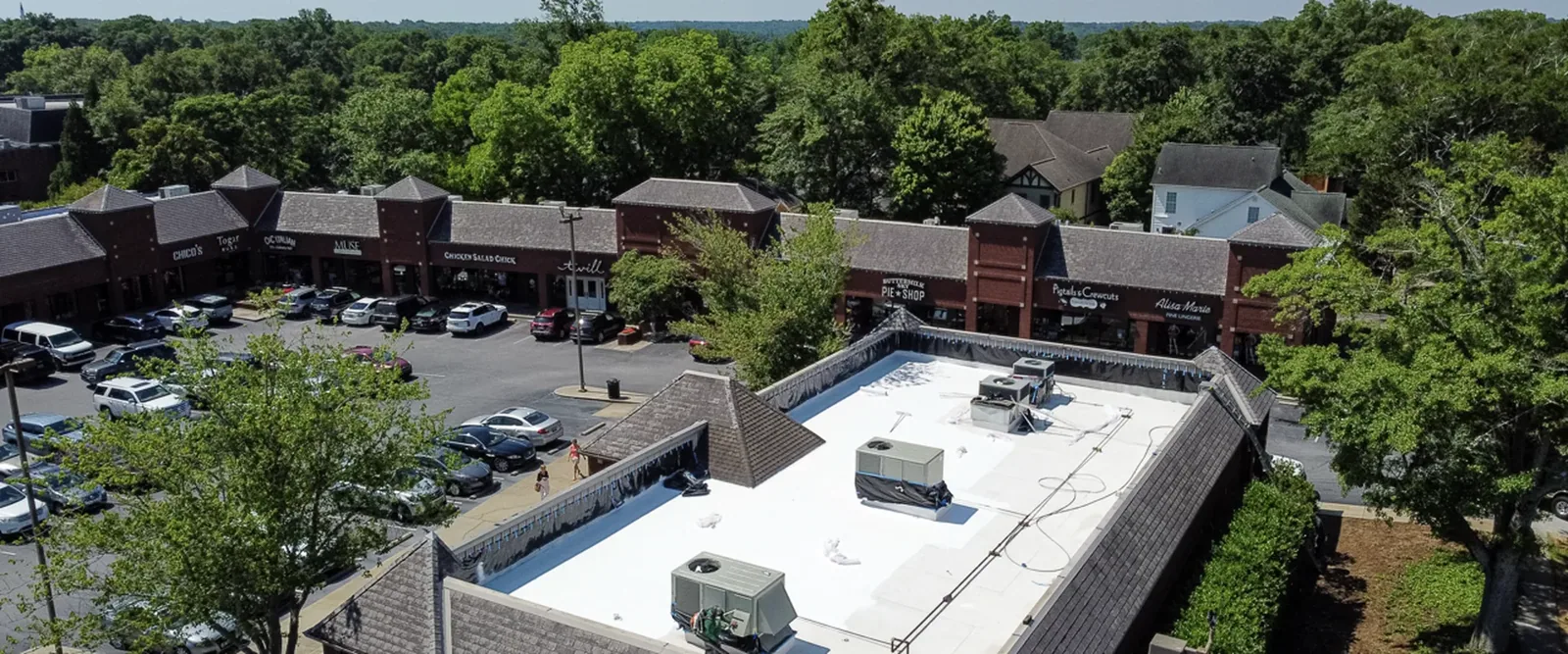
The expense of waiting is rarely the leak itself. It is the slow growth of everything the leak touches. Wet insulation has to be removed rather than reused, so the tear-off scope grows each year the roof stays in service. Fasteners corrode in a saturated assembly, and a deck that has been wet long enough may need partial replacement before any new insulation can be attached. Interior damage follows the same curve: ceiling tile, drywall, stored product and electrical equipment all belong to the same bill. A roof that fails in January also forces a decision in the worst working weather, while a planned calendar lets you buy materials, sequence tenants and set the budget a year ahead.
Which system should replace the one that is up there now?
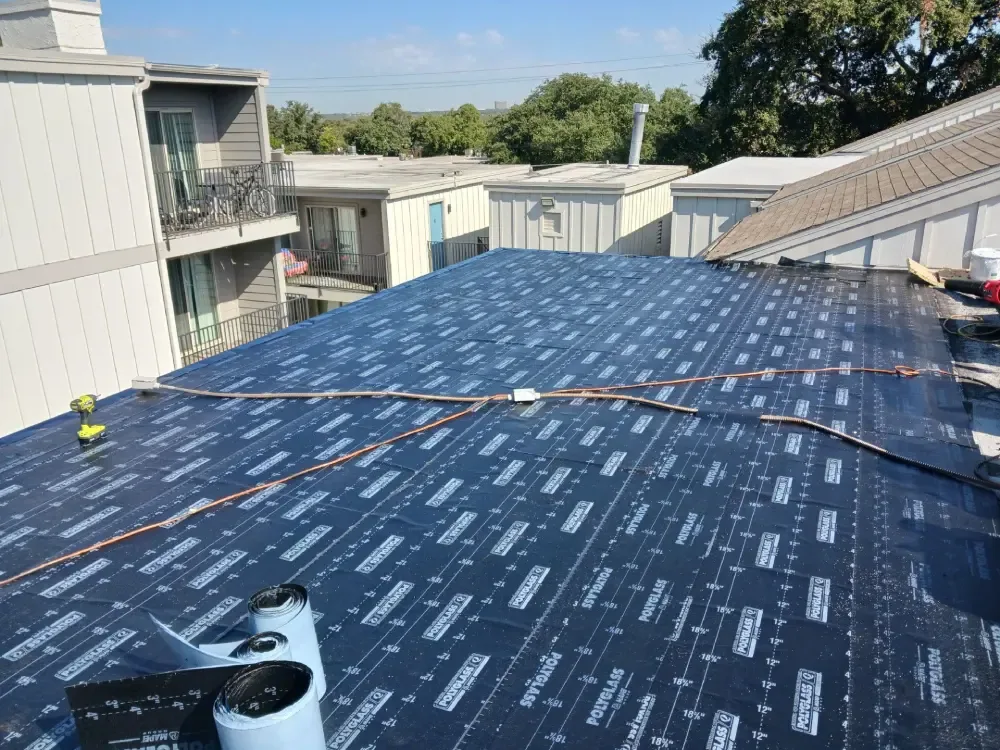
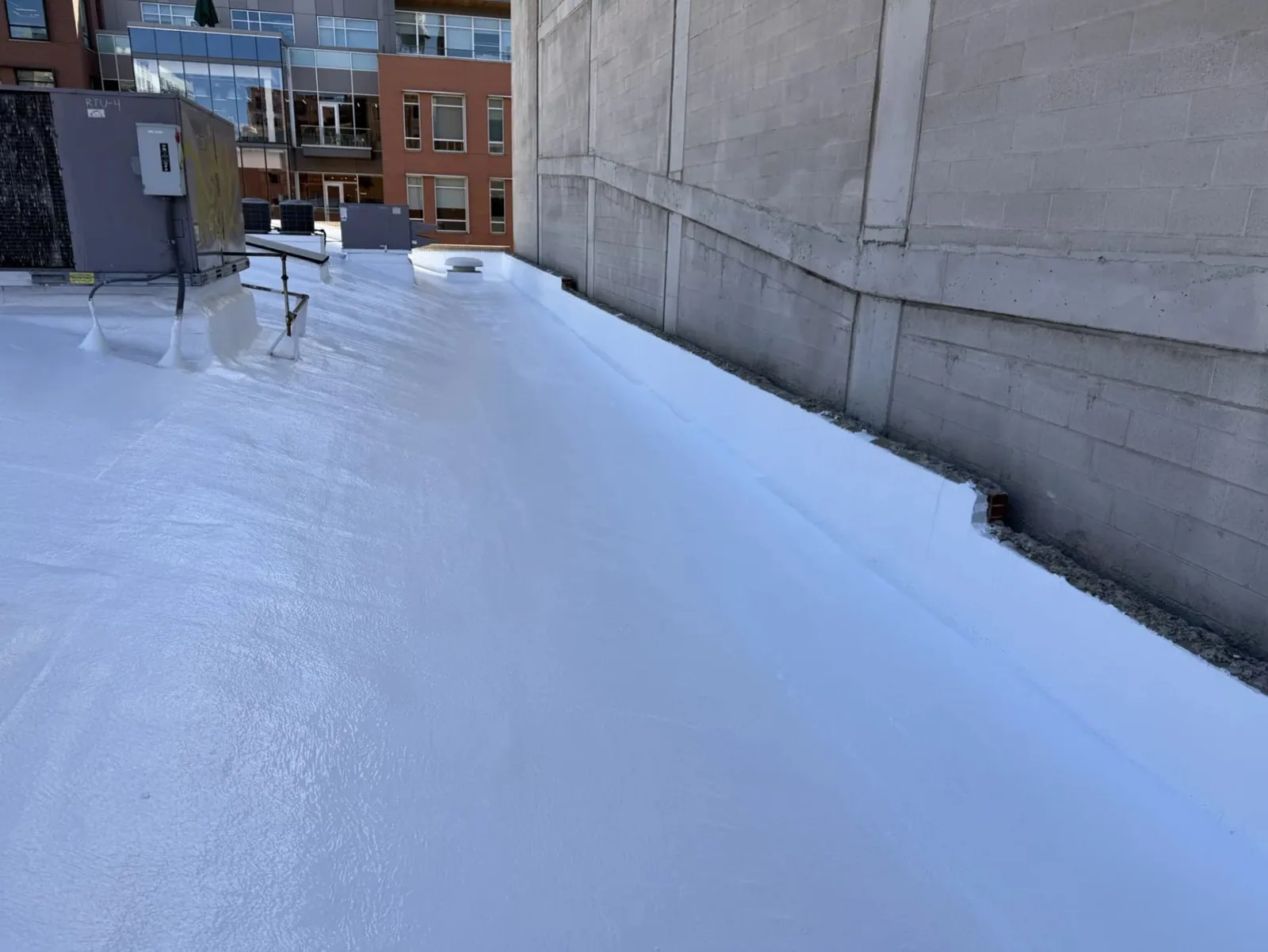
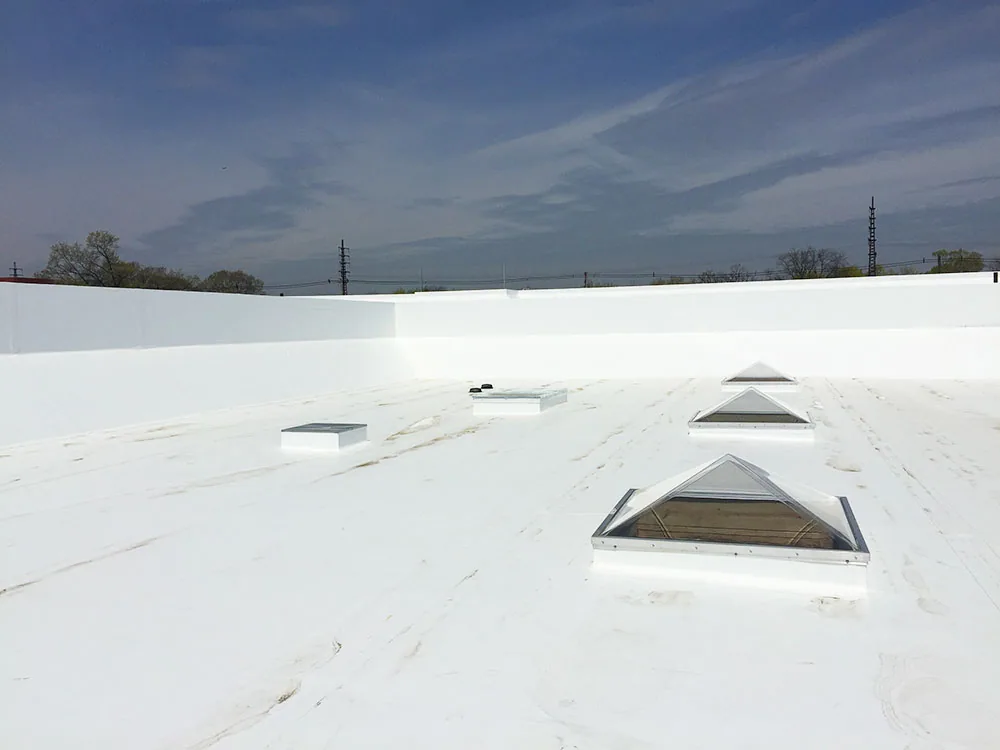
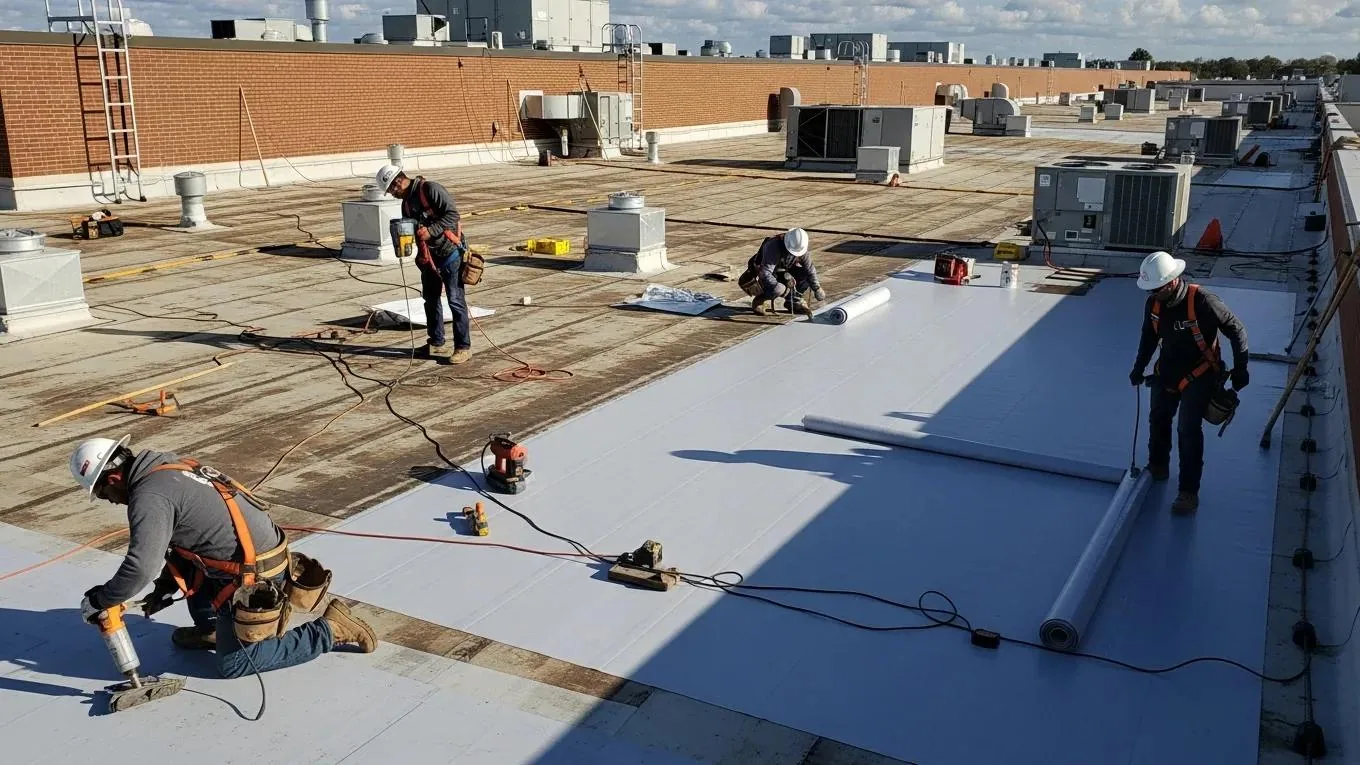
The answer depends on the building more than the brochure. A single-ply membrane such as TPO roofing is a common choice for flat and low-slope roofs because it is reflective, heat-welded at the seams and straightforward to repair later. PVC and KEE suit roofs exposed to grease, chemicals or heavy rooftop traffic. EPDM and modified bitumen remain practical where an owner values a familiar repair path. Where the structure and slope allow, standing seam metal roofing trades a higher first cost for a long service life and a better shed of snow. Whichever membrane is chosen, the insulation and cover board matter as much as the surface. Johnson City adopted a 2018 energy code; have the design team verify which provisions apply to the proposed replacement assembly.
How is a tear-off phased on a building that stays open?
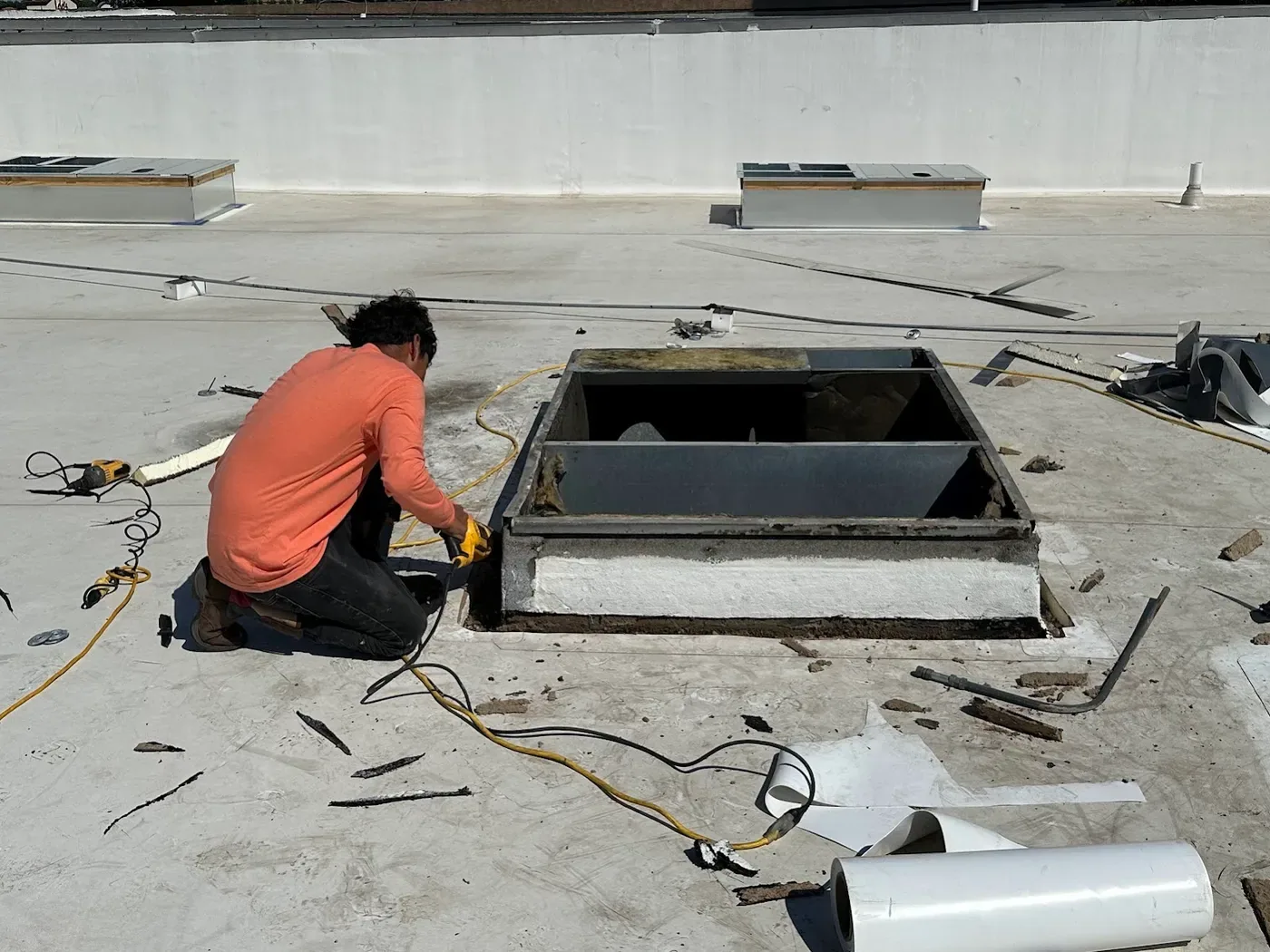
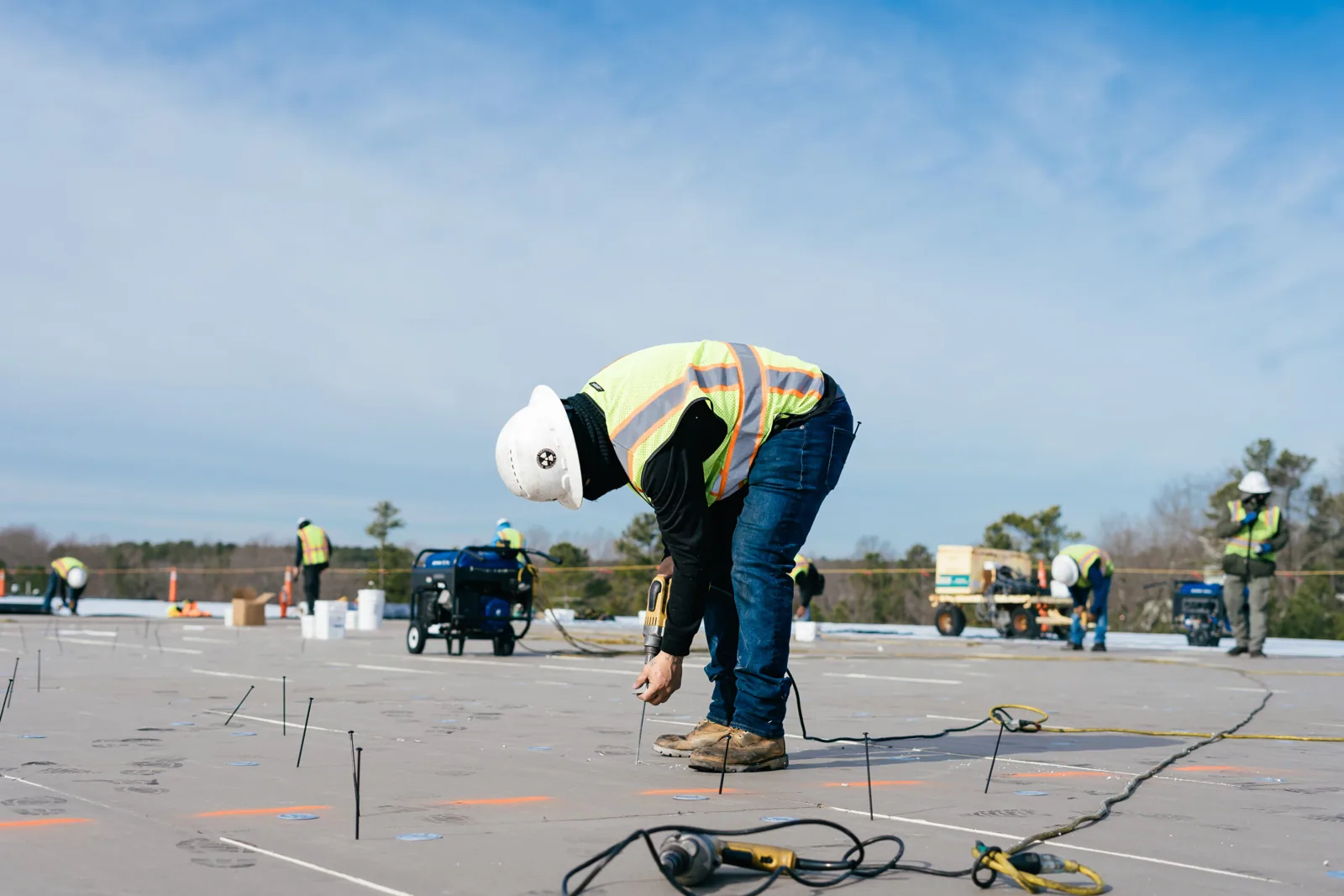
Most commercial buildings cannot close for a reroof, so the work is sequenced to keep the interior dry and the occupants working. We remove only the area we can dry in by the end of the shift, tie new membrane into the existing edge with a temporary seal, and stage debris chutes and hoisting away from entrances and loading docks. Rooftop equipment is lifted or shut down in coordination with the building engineer instead of being surprised by a crane. On roofs above patient care, classrooms or production lines, noise and dust control is part of the schedule, not an afterthought. Drains, curbs, penetrations and parapet transitions take more labor than the field membrane, so we walk them before the tear-off starts. On a tenant-heavy property the same sequence has to settle access routes, work hours and notice to the people below, which is the routine of occupied building reroofing.
What should a Johnson City owner weigh before setting the window?
Johnson City sees winter lows that average about 25F and roughly 15.6 inches of snow a year, and the freeze-thaw swings in a valley-and-ridge climate work on every lap, flashing and drain sump. The Nolichucky River reached catastrophic flood levels during Hurricane Helene in September 2024, a reason to confirm that drainage paths and scuppers are sized and clear before a new roof goes down. Building stock matters too. The State of Franklin Road medical corridor and the Mountain Home VA campus are older institutional building stock, where the roof has to be read for what is actually on it, while a 300,000 square foot plant such as ebm-papst in the Washington County Industrial Park raises the question of how to phase a tear-off around the work inside. Johnson City adopted 2018 building and existing-building codes, so the design team should confirm which requirements apply to the planned replacement scope. If the replacement has to fit a multi-year budget, roof capital planning turns condition data into a sequence of buildings and years. A recover over an existing roof may fit when the assembly allows.
Commercial Roofing Questions
Can my roof be recovered, or does it have to be torn off?
Start with moisture. A recover is only sound when the insulation below the old membrane is dry, the deck is solid and the proposed scope meets the requirements that apply to the property. Wet insulation under a new membrane keeps sagging, losing insulating value and blistering the surface, so we confirm dryness with an infrared scan and core samples before anyone prices an overlay. If the survey finds saturated areas across a large share of the roof, tear-off is the right answer, and we will show the readings that support it.
How long does a commercial roof replacement take?
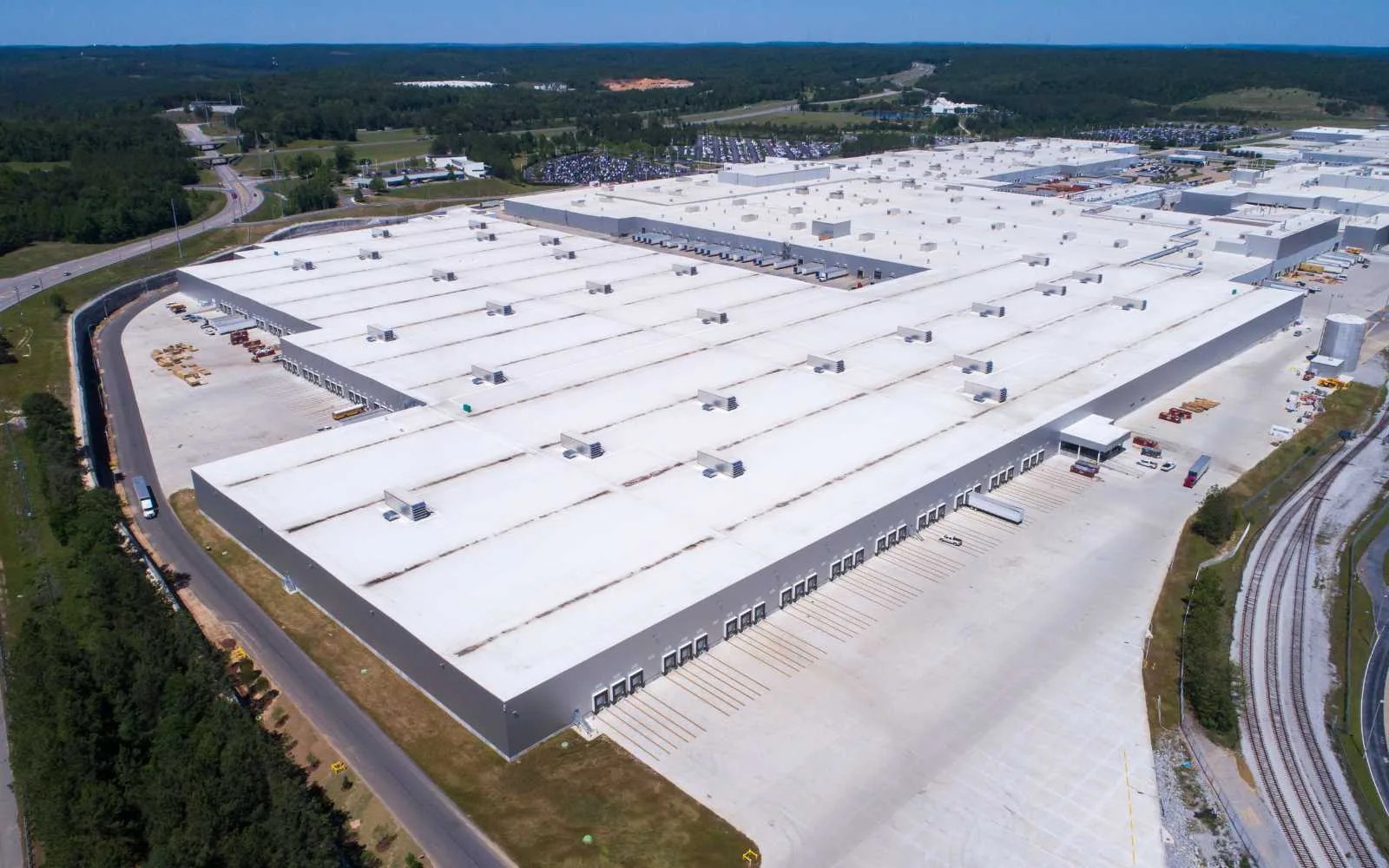
A large, open warehouse roof moves quickly because the field is mostly uninterrupted membrane, while a smaller roof with many curbs, drains, skylights and parapet walls can take longer than its size suggests. Weather windows matter in the Tri-Cities, because insulation cannot be installed on a wet or frozen surface, and equipment lead times for new curbs or drains can add days. We give a sequence and a realistic range after the roof has been walked, not before.
What drives the cost of a commercial roof replacement?
The membrane choice, the thickness and type of insulation, any cover board, the amount of wet material that has to be removed, deck repairs, edge metal and the number of penetrations all move the price in different directions. Access, hoisting distance and work-hour restrictions on an occupied building add labor. Because those variables differ on every building, we write the scope line by line so you can compare bids on the same assembly rather than on a single lump figure.
Do I need to move my tenants or shut down operations during a reroof?
Usually not, and the deciding factor is how the work is staged. Because we tear off and dry in the same day, the interior stays protected, and noisy or dusty tasks can be scheduled around your busiest hours. Facilities with sensitive operations, such as clinics, labs and food production, call for a short planning meeting with the building engineer before the first day. That meeting sets access routes, equipment shutdowns and notification for the people who work beneath the roof.
Should the roof be replaced this year or next?
If the survey shows wet insulation confined to a few areas and the membrane still has usable life, a targeted repair and a planned replacement a year or two out can be the cheaper path. If the wet area is widespread or leaks keep returning after repairs, waiting only enlarges the scope. We lay out both paths with condition data so the replacement date can be written into a capital budget instead of being forced by a failure.
Related Roofing Pages
Commercial Roof Inspections
How the work is scoped, phased and documented on Tri-Cities roofs.
Infrared and Core-Cut Moisture Surveys
What we check, what we recommend and how the crew keeps the building running.
TPO Roofing
Conditions, options and next steps for commercial buildings in East Tennessee.