
Roofing for Property Management Companies in Johnson City, TN
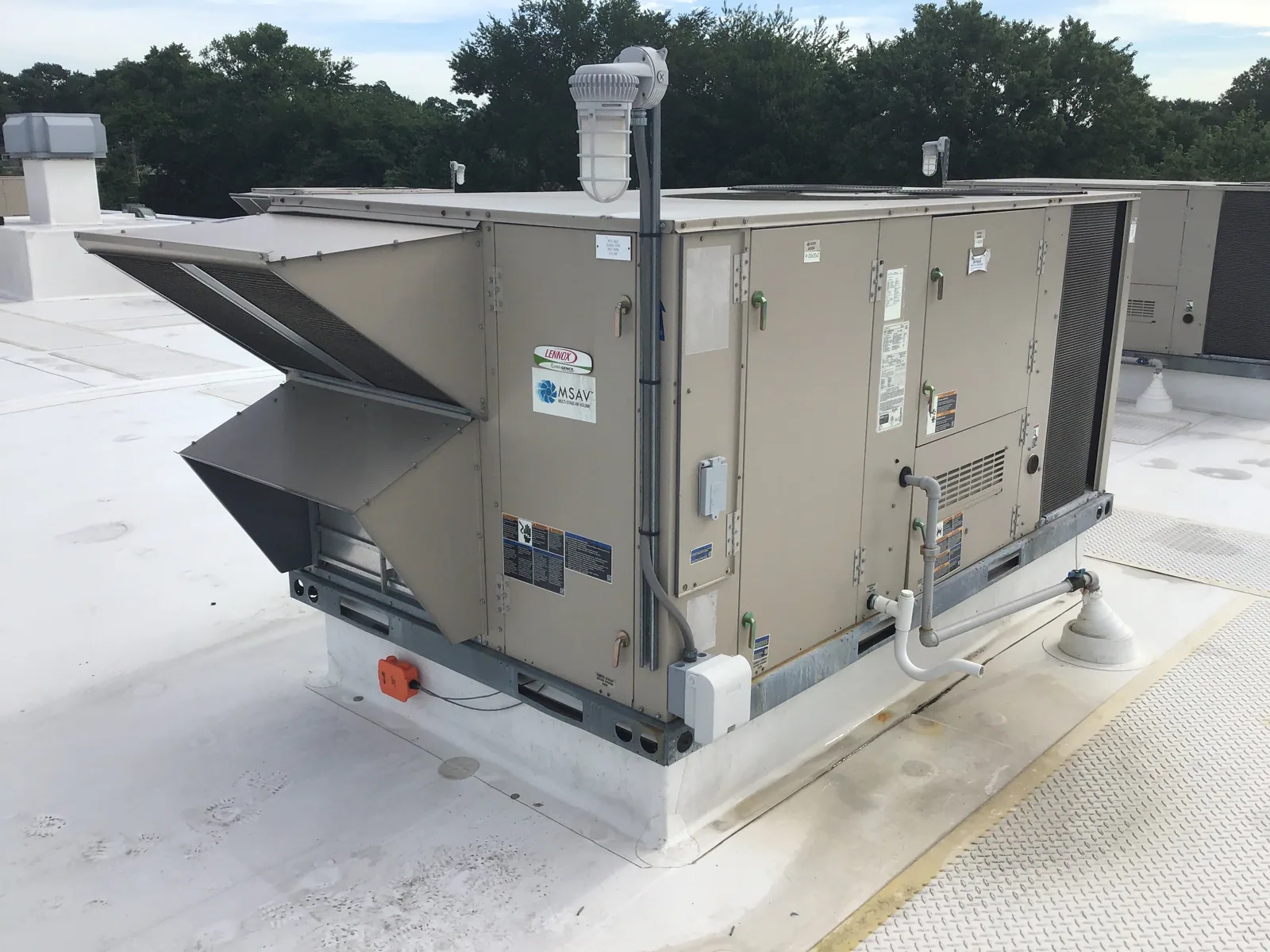
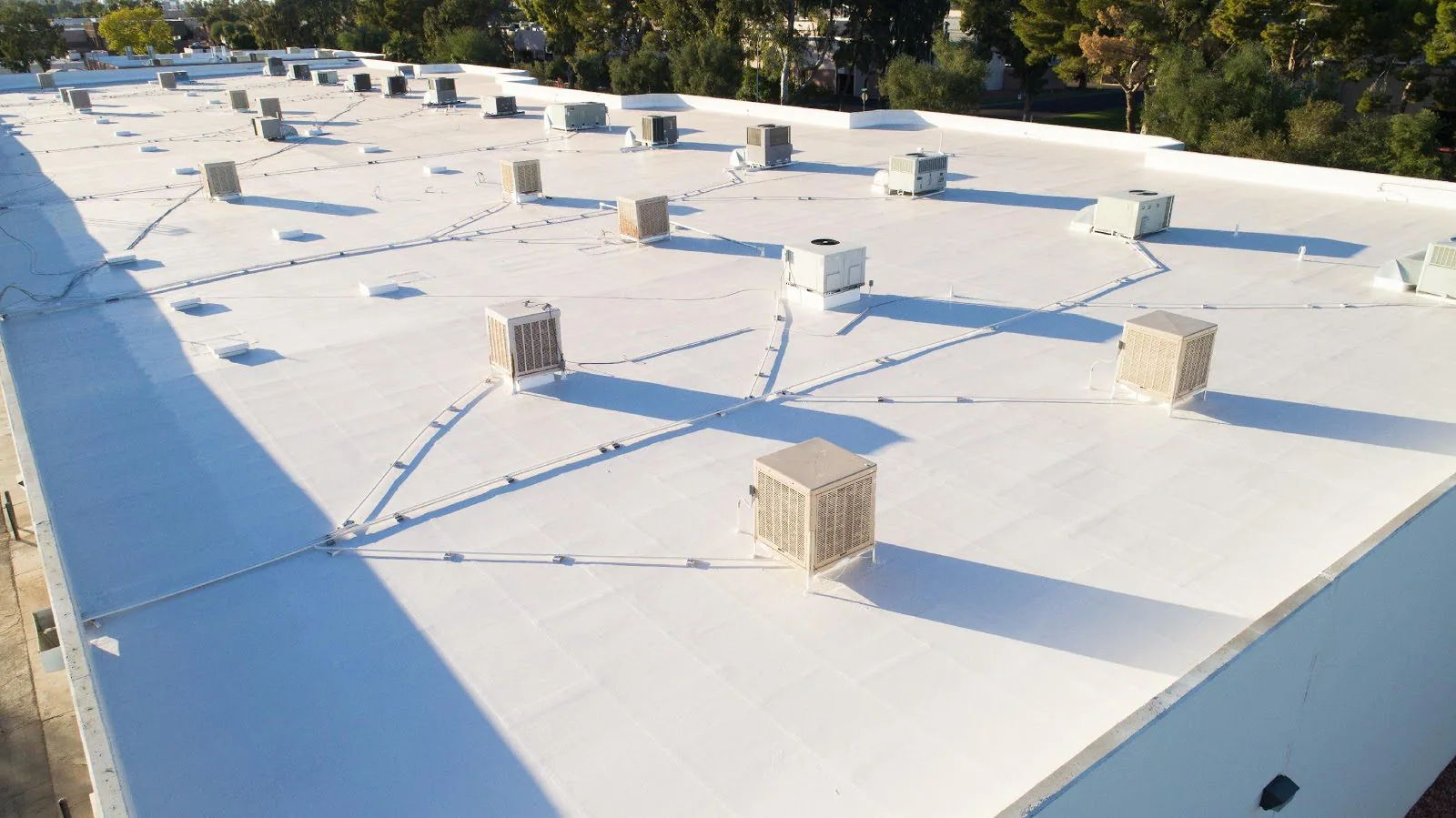
A rooftop unit that cools a tenant suite all summer also makes water, and the condensate line that carries it away often ends a few inches above the membrane. Over a season the discharge etches a dark, algae-stained patch, and in a Johnson City, TN winter, where lows average about 25F and freeze-thaw cycling runs for months, that patch glazes over at night and softens by noon. The sheet beneath it ages faster than the rest of the field, the technicians who service the unit compress the insulation beside it with every visit, and the first sign shows up as a ceiling tile in a suite whose lease renewal is next quarter. A manager responsible for many buildings meets this pattern over and over, in different forms, on different roofs. Our job is to turn those scattered symptoms into condition data that can be ranked, budgeted and acted on in order.
Which small faults repeat from one building to the next?
Four details account for most of what a manager sees across a set of buildings: rooftop equipment curbs with their condensate lines, the pipe and conduit penetrations that tenants add over the years, drains and scuppers that fill with leaves and grit, and the edge metal where the membrane turns up a wall. Each is a point where thermal cycling asks a flexible sheet to pull against something rigid, so each opens a little more every winter. A tenant who installs a satellite dish, a kitchen fan or a split system leaves another fastener in the field that nobody mapped, and the next property manager inherits it. We look for those additions first on every walk, because a failed sealant joint costs very little today and a great deal once a season of meltwater has reached the insulation under it.
Gather the condition data before the next budget meeting
Call Commercial Roofing Johnson City to schedule walks of the roofs you manage. You will receive photographed findings, a ranked list and a spending sequence you can take to your owners before any capital is committed.
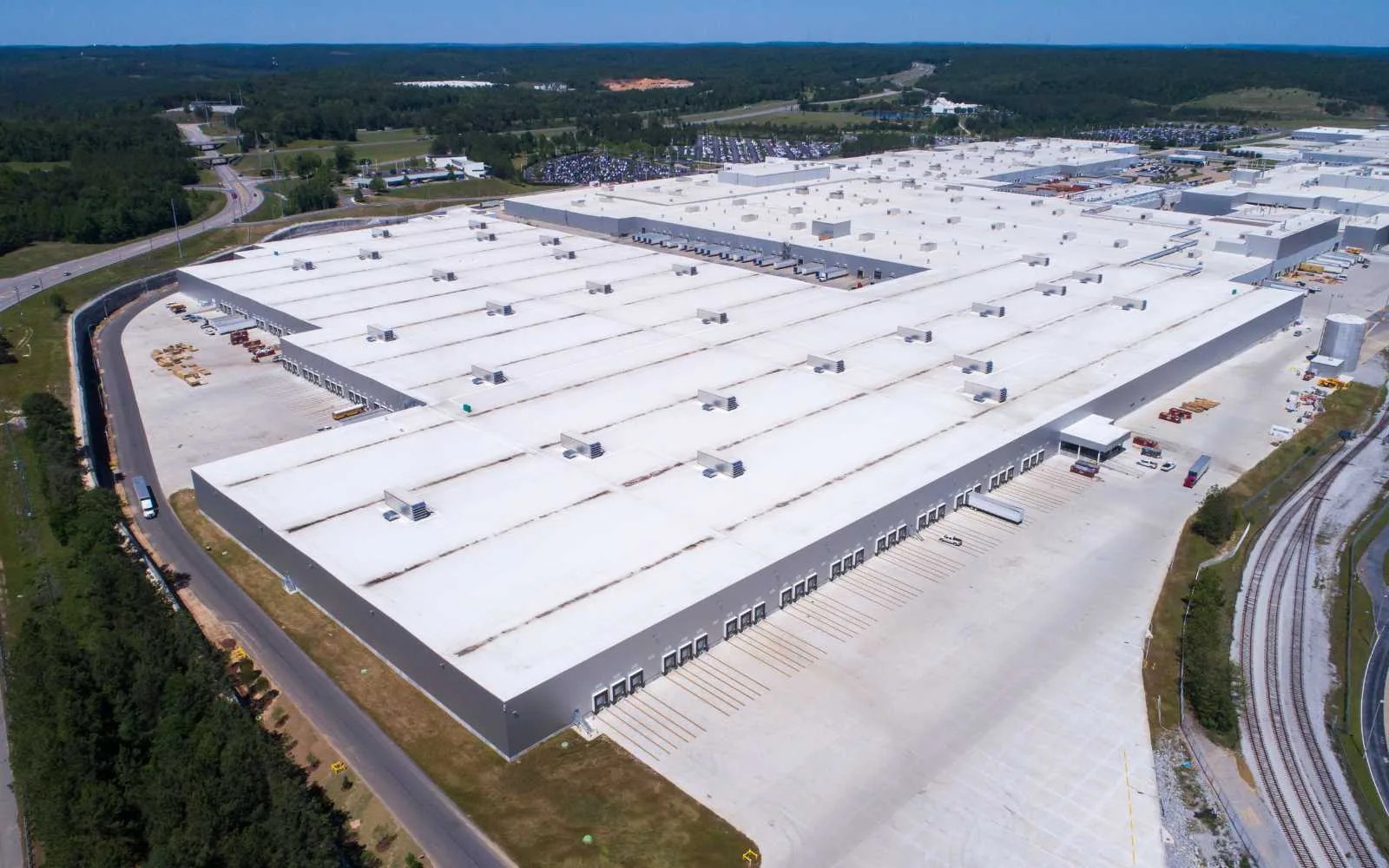
How do you compare roofs that were built in different eras?
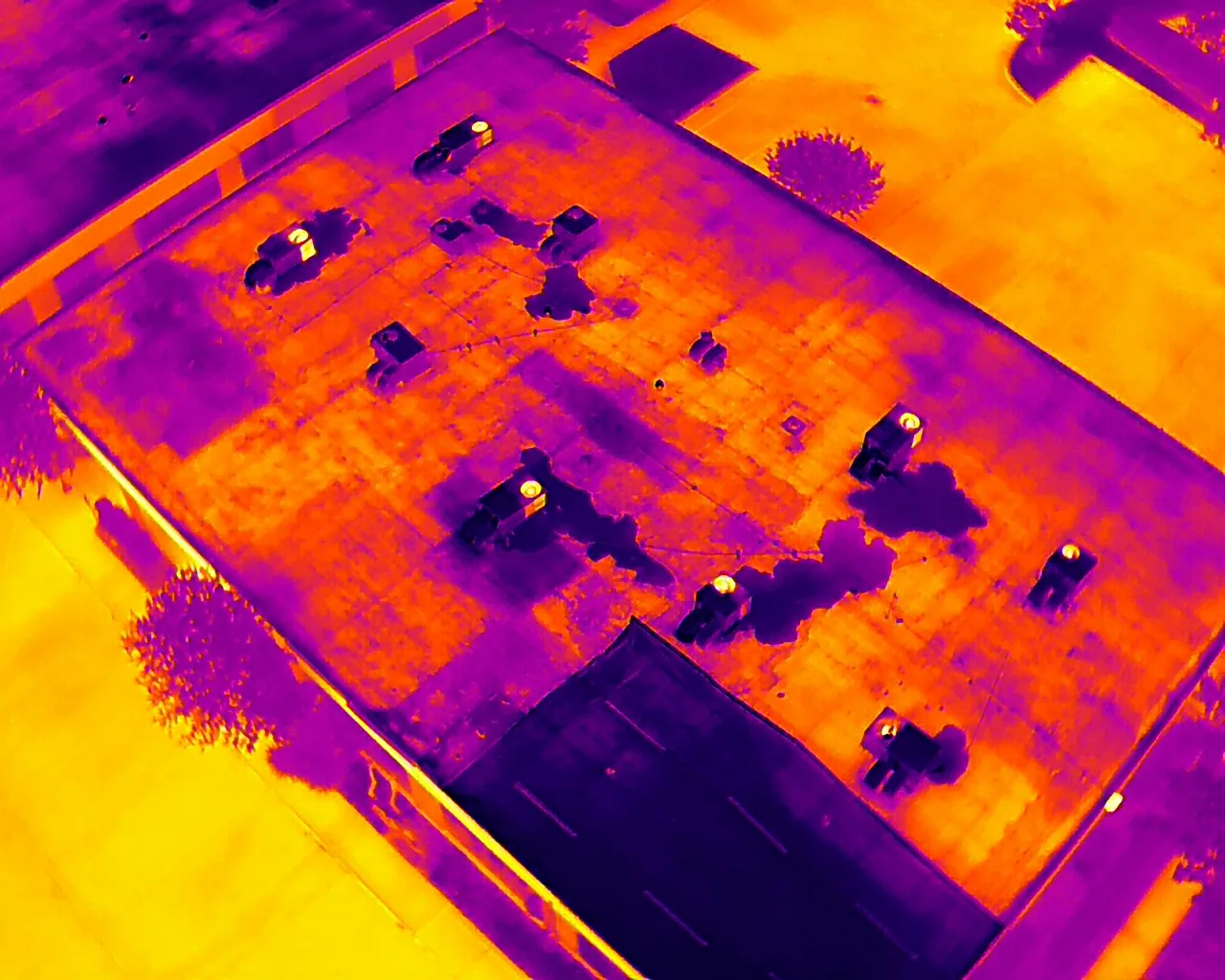
A portfolio rarely holds one kind of roof. A masonry building downtown, a strip center with a single-ply sheet and a newer office pad each need a different reading, so we rate them on a common scale instead of by age. For every roof we record the membrane type and surface condition, the state of seams and flashing, the drainage path and any ponding, the count of existing layers, and whether the insulation is dry, using an infrared moisture survey where the walk gives reason to look closer. What comes back is a ranked set of roofs, each with a remaining service life range, a photographed defect list and a rough order of spending. A manager can then defend the sequence of the budget to an owner, because every line points to evidence on a specific roof and not to a building's age or a vendor's opinion.
What does a deferred roof do to a lease renewal?
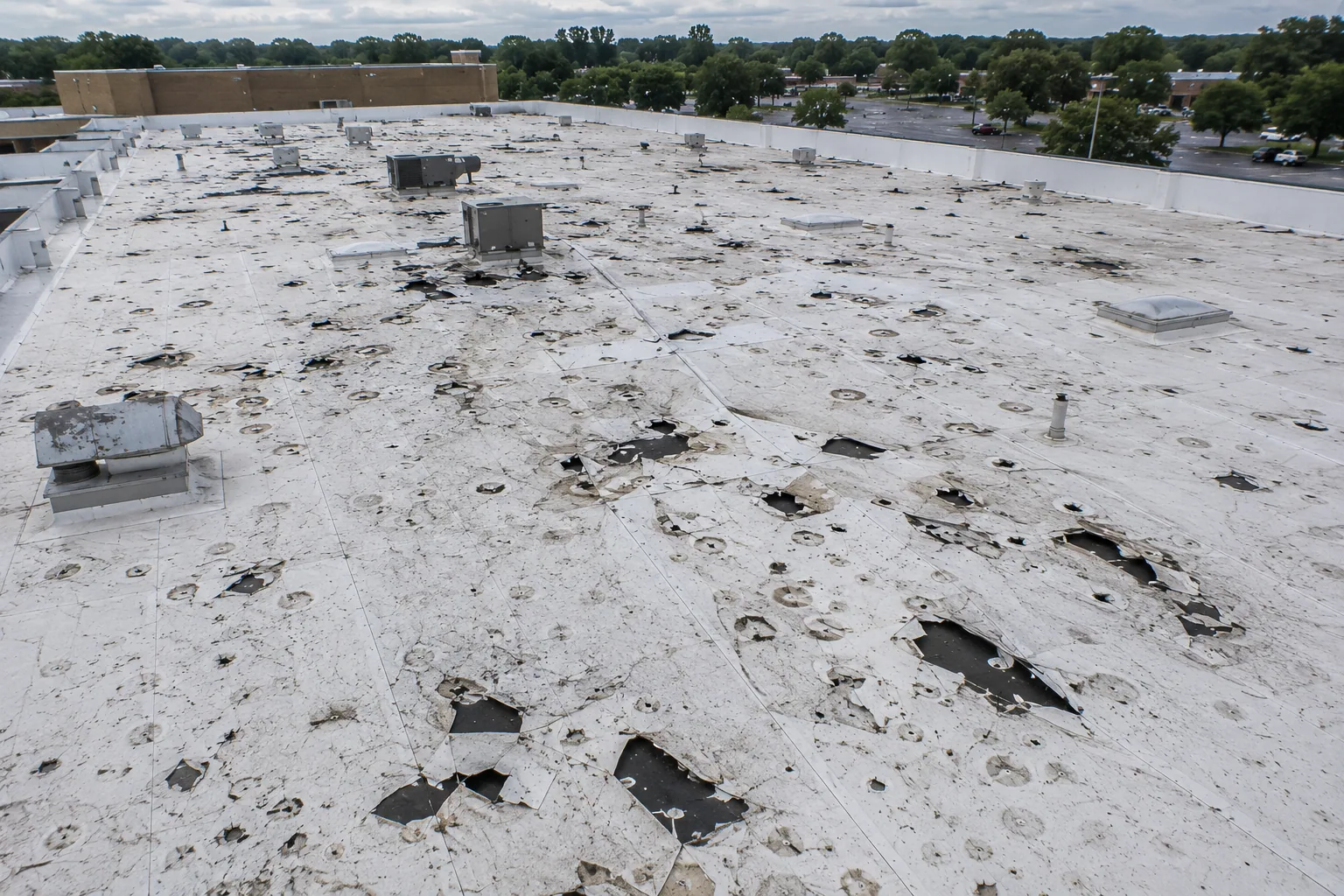
Water reaches the tenant before it reaches the budget. A stain over a suite brings a service call, an interior repair, sometimes a rent concession, and now and then a tenant who chooses not to renew, and the cost of that vacancy can exceed the repair that would have prevented it. Meanwhile the wet insulation above the stain keeps taking on moisture load and loses much of its thermal value, so utility costs rise for whoever pays them, and the deck below begins to corrode from the top. A line that began as an operating repair drifts toward a capital replacement, and it arrives at a moment the reserve account did not choose. Acting while the assembly is still dry reverses that drift: the repair costs the repair and nothing else.
Repair, restore or replace: how should a manager sort the roofs?
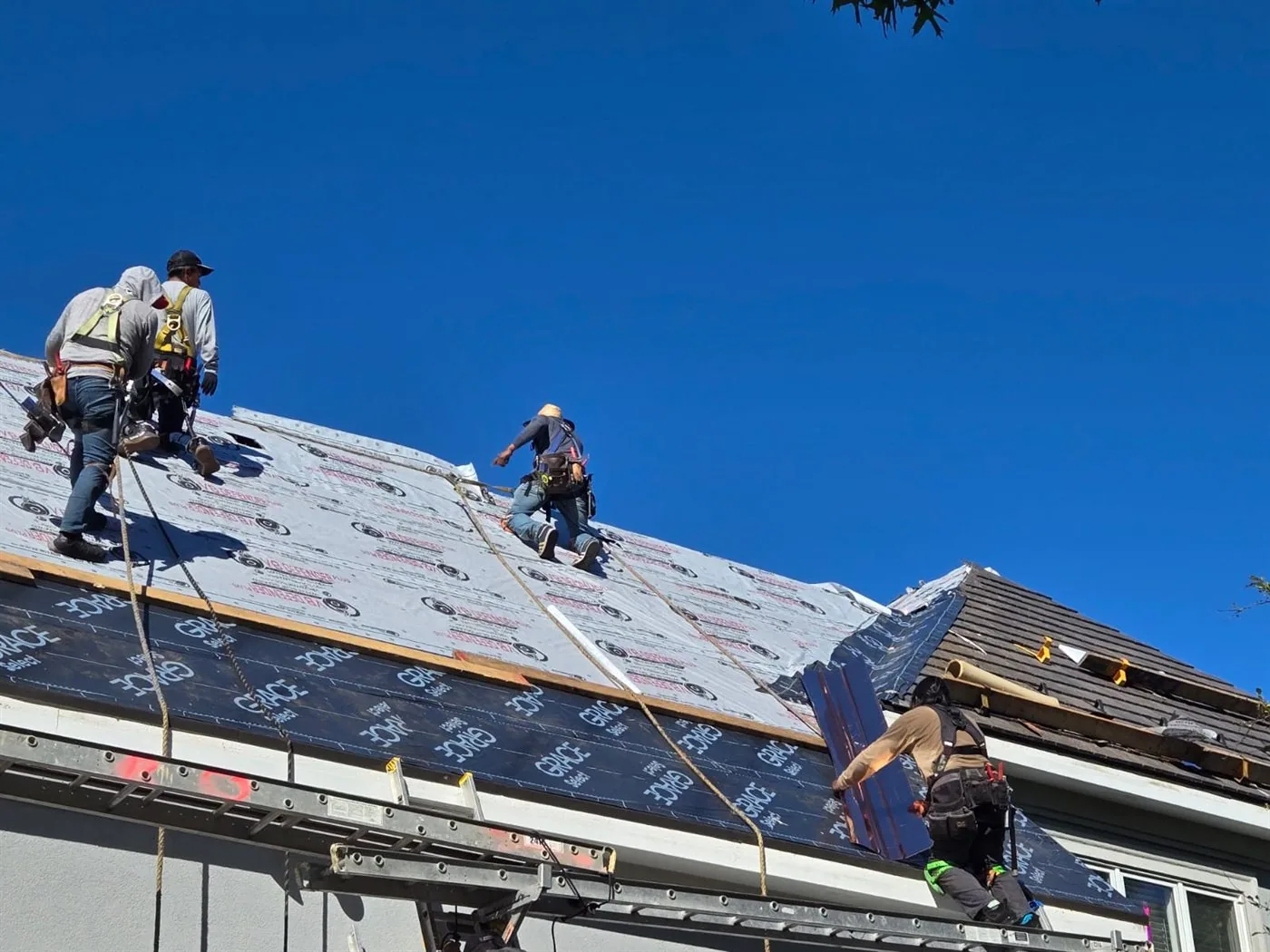
We sort roofs into three groups. Roofs with dry insulation and sound seams are candidates for preventive maintenance on a fixed schedule, which keeps small faults from compounding. Roofs with a worn surface over a dry assembly often suit a restoration coating, which extends service life at a fraction of replacement cost and fits the shorter horizon of a building that may be sold. Roofs with wet insulation across a large area, repeated seam failure or a corroding deck belong in the replacement group, and the useful question for those is when, not whether. Placing each roof in a group turns a budget conversation about emergencies into a schedule, and it gives the owner a reason to fund roof capital planning a year ahead instead of a week after a loss.
What do downtown masonry blocks and newer retail pads each ask of a roof?
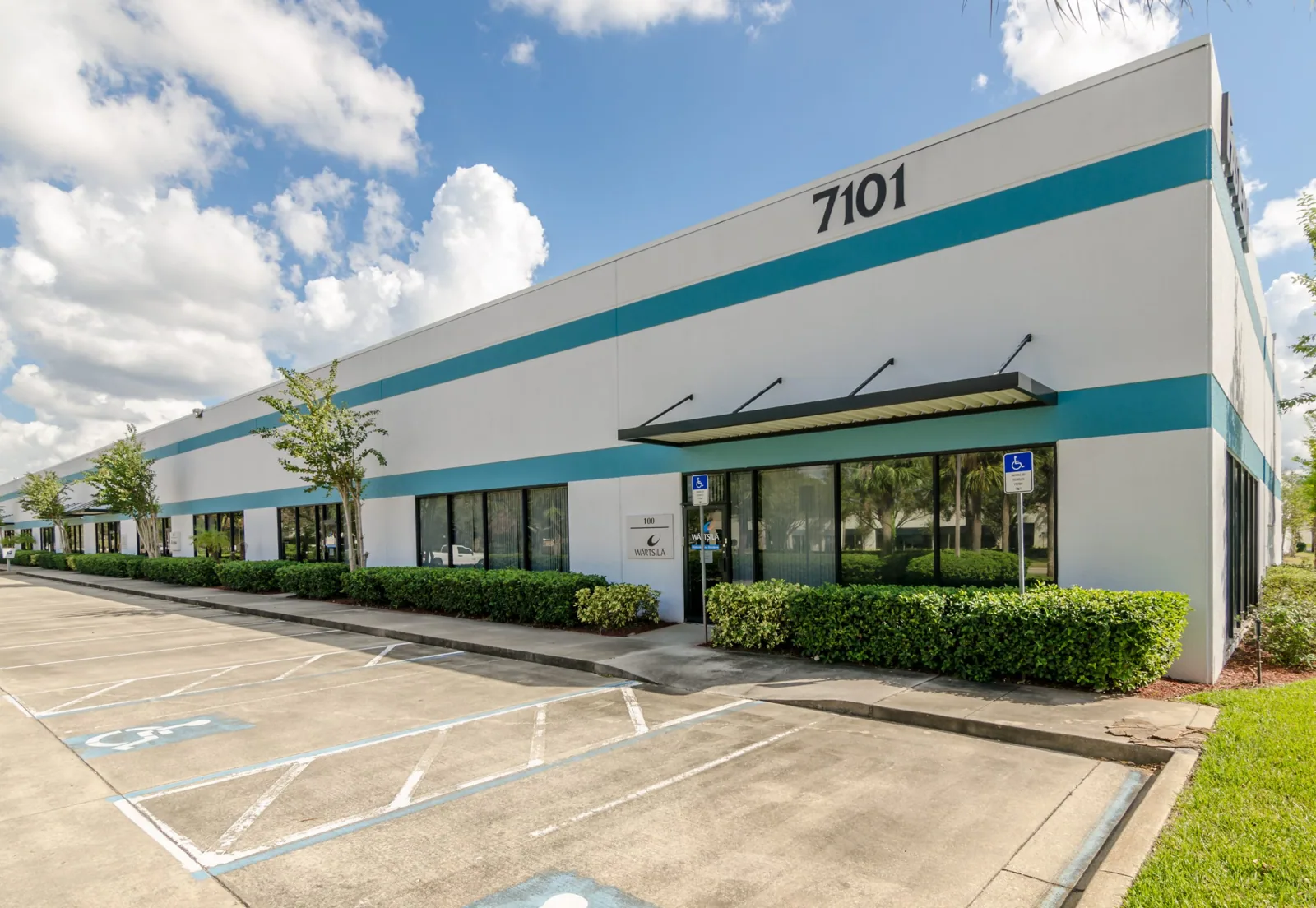
The historic commercial core of downtown Johnson City is full of older masonry, and where those buildings carry parapet walls the coping joint is the first place we check, since open joints let freezing water into the wall and the roof edge together. Retail activity gathers in North Johnson City and around Johnson City Crossings, and grocers sit near the Boones Creek exit of I-26. In multi-tenant retail buildings the questions turn to tenant improvements, added units and long runs of roof that more than one lease depends on. The city has adopted the 2018 International Existing Building Code along with the 2018 energy code, so a reroof is checked against how many layers are already in place and what insulation the new assembly must carry. We confirm that position before a scope is priced, which matters most to investment owners who hold older and newer assets under one entity and need each reroof to survive a lender's review.
For a property manager serving hotels, the roof schedule has to account for room inventory and guest access, as it does for hospitality groups.
Commercial Roofing Questions
Can one roof program cover buildings spread from Johnson City to Kingsport?
A single schedule can, because the walk, the photographed report and the ranking method stay the same from roof to roof, even though the findings differ. Kingsport buildings and those on the Boones Creek side face the same kind of winter, but exposure differs from one site to the next, so we adjust the visit calendar by building while keeping one scale for comparing condition. A manager receives one set of records instead of a folder for each vendor, which makes the multi-site roof program easier to audit.
How should repair and replacement be separated for common-area charges?
Lease language and the owner's reserve policy split that line, and neither of those is ours to interpret, so the useful thing we can provide is a clean record. We itemize repair work against replacement work, tie each item to a photograph and a location, and label which defects are age-related and which came from a single event. Whoever reads the lease then has facts to apply, and the argument over what the roof needed does not have to be repeated each year.
Do tenant-installed units put a roof warranty at risk?
They can. Manufacturer warranties usually specify who may work on the membrane and how penetrations must be flashed, and an unflashed curb or a fastener driven through the sheet by a mechanical contractor may count as a violation. We recommend that any new unit goes through a roof-access approval that names an installer for the flashing, and we document the condition of the area before and after so that coverage questions have a record to rely on.
What notice does a tenant need before a crew works above a suite?
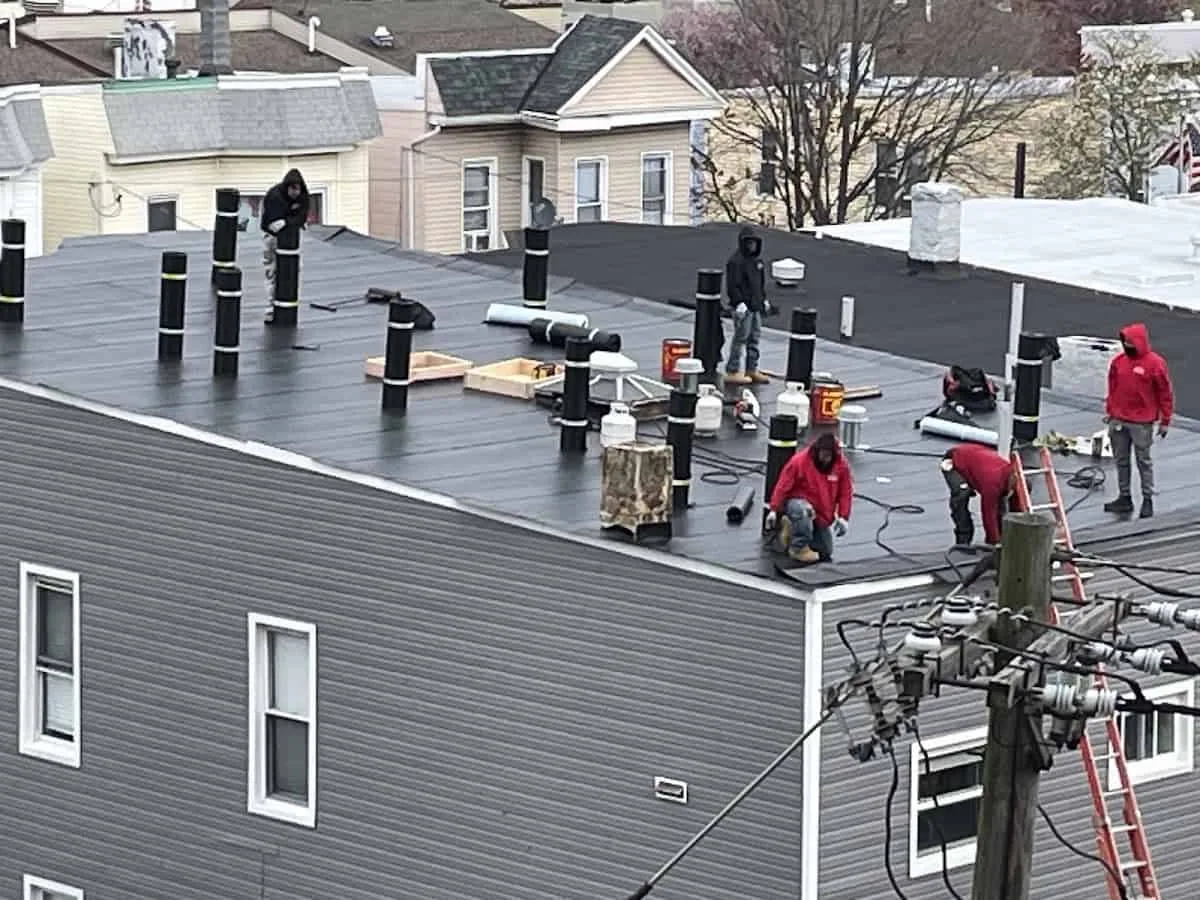
Enough time to move anything sensitive and to plan around noise, which for most suites means a written notice with dates, the hours of heaviest work and a phone number that reaches a person on site. Quiet tasks such as seam inspection can be scheduled around the tenant, while tear-off and fastener work are scheduled to the least disruptive part of the day. We prepare the notice text so the manager is not drafting it from scratch.
What record helps when a building changes hands?
A written roof condition report with photographs, the moisture findings, the layer count and a remaining service life range for each roof is the document buyers and lenders look for. It is most useful when it is dated and tied to roof locations, because it shows which items were known at the time of sale. A manager who keeps these records current can answer a buyer's questions in a day instead of commissioning a rushed survey during a contract window.
Related Roofing Pages

Infrared and Core-Cut Moisture Surveys
How the work is scoped, phased and documented on Tri-Cities roofs.
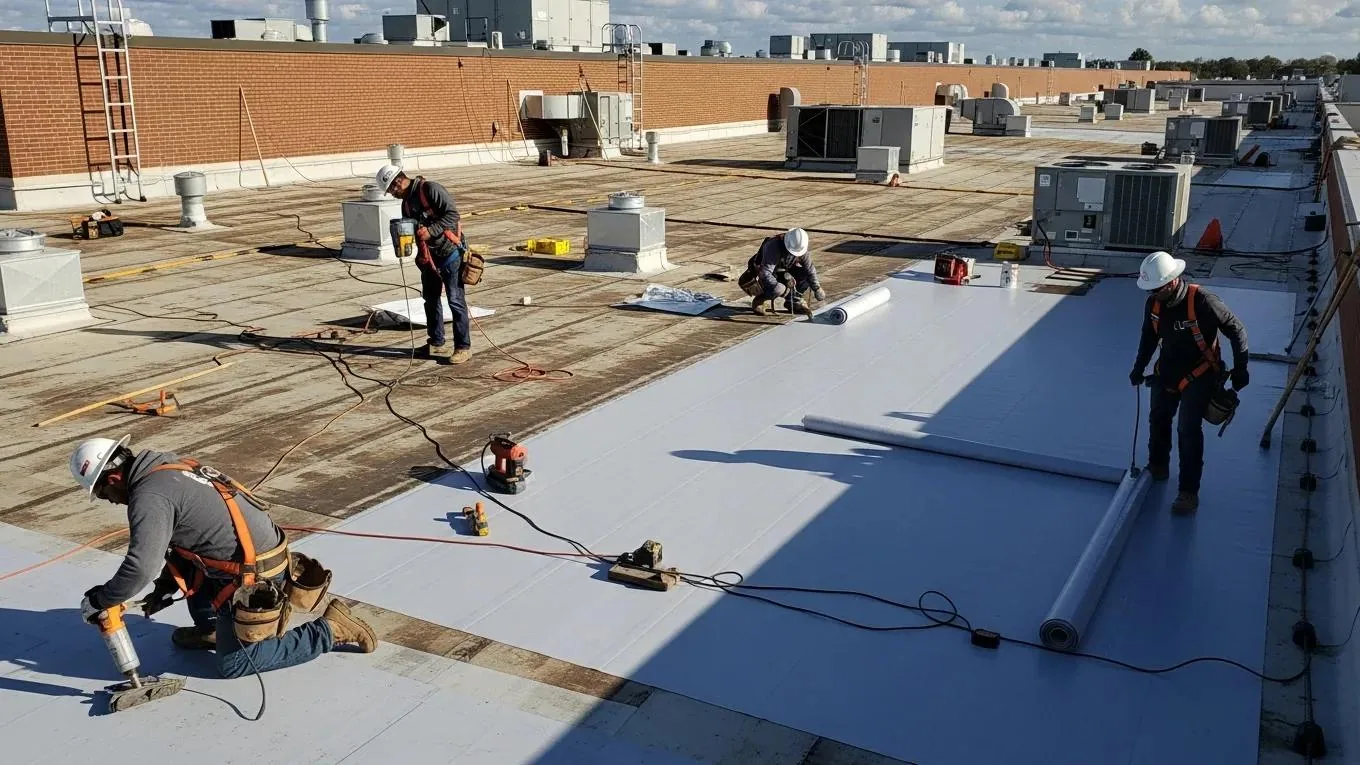
Preventive Roof Maintenance
What we check, what we recommend and how the crew keeps the building running.
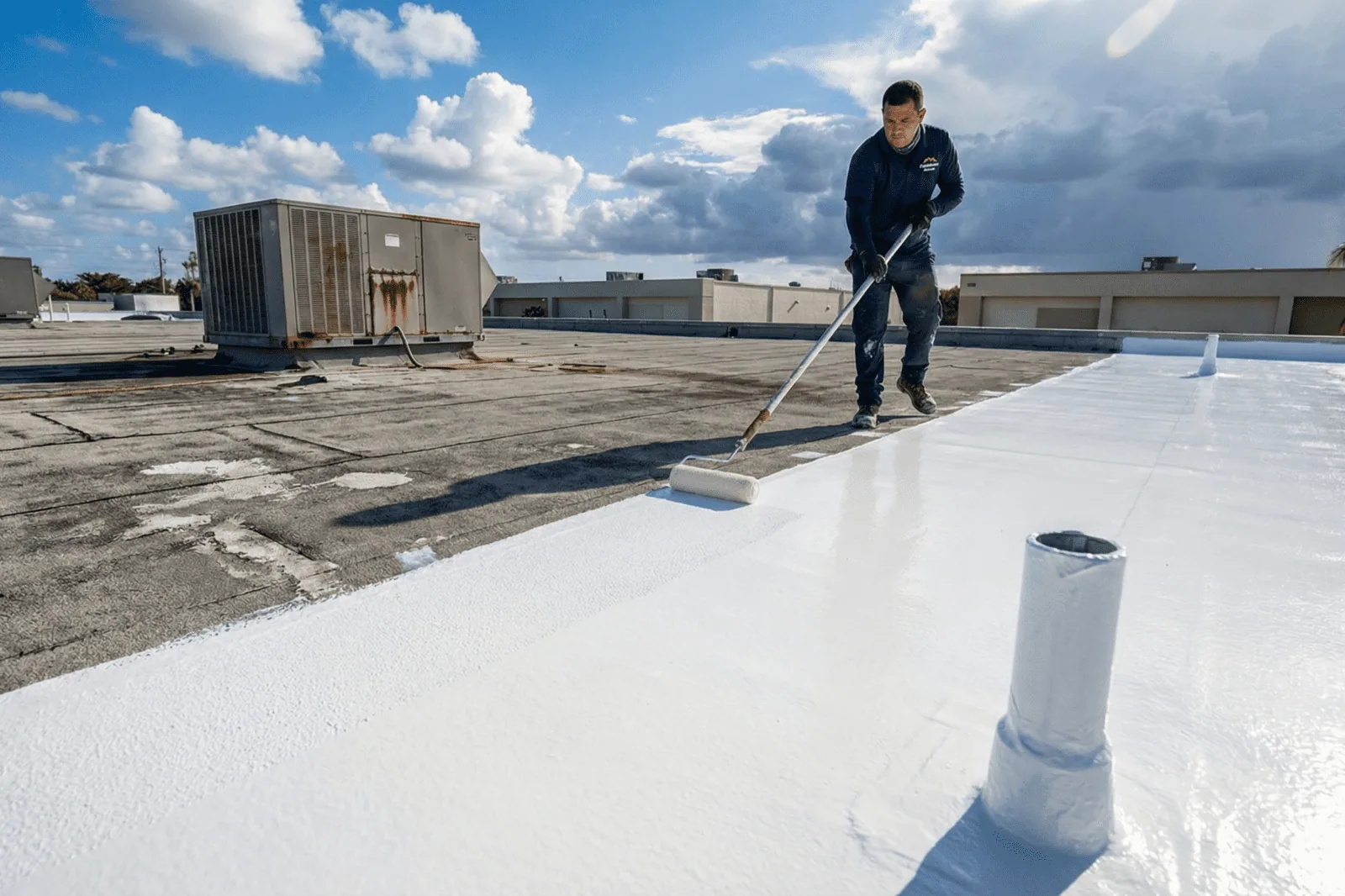
Roof Coating and Restoration
Conditions, options and next steps for commercial buildings in East Tennessee.