About Commercial Roofing Johnson City
Commercial roofing for the Tri-Cities
A roof is built in layers, and the only moment anyone sees the deck, the vapor control, the insulation and the membrane together is the day they are uncovered. After that, the owner has to rely on what was recorded. That idea explains how Commercial Roofing Johnson City works: every roof is treated as an assembly whose condition can be measured, written down and compared from one year to the next, and our effort goes into the decisions that condition data supports. We repair, replace, recover, restore, coat, inspect and maintain low-slope and metal commercial roofs for owners in Johnson City, TN and across the Tri-Cities, and we answer emergency calls at any hour, holidays included.
What does the work actually include?
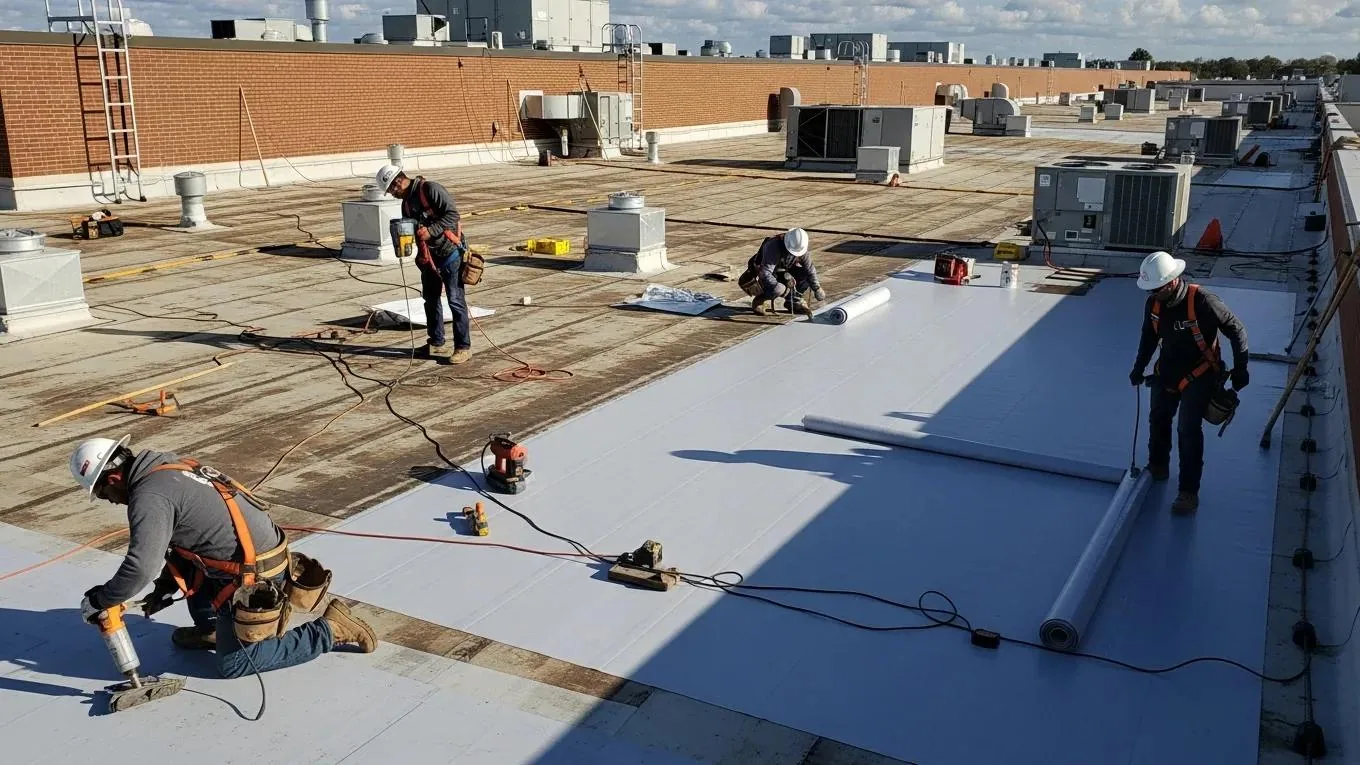
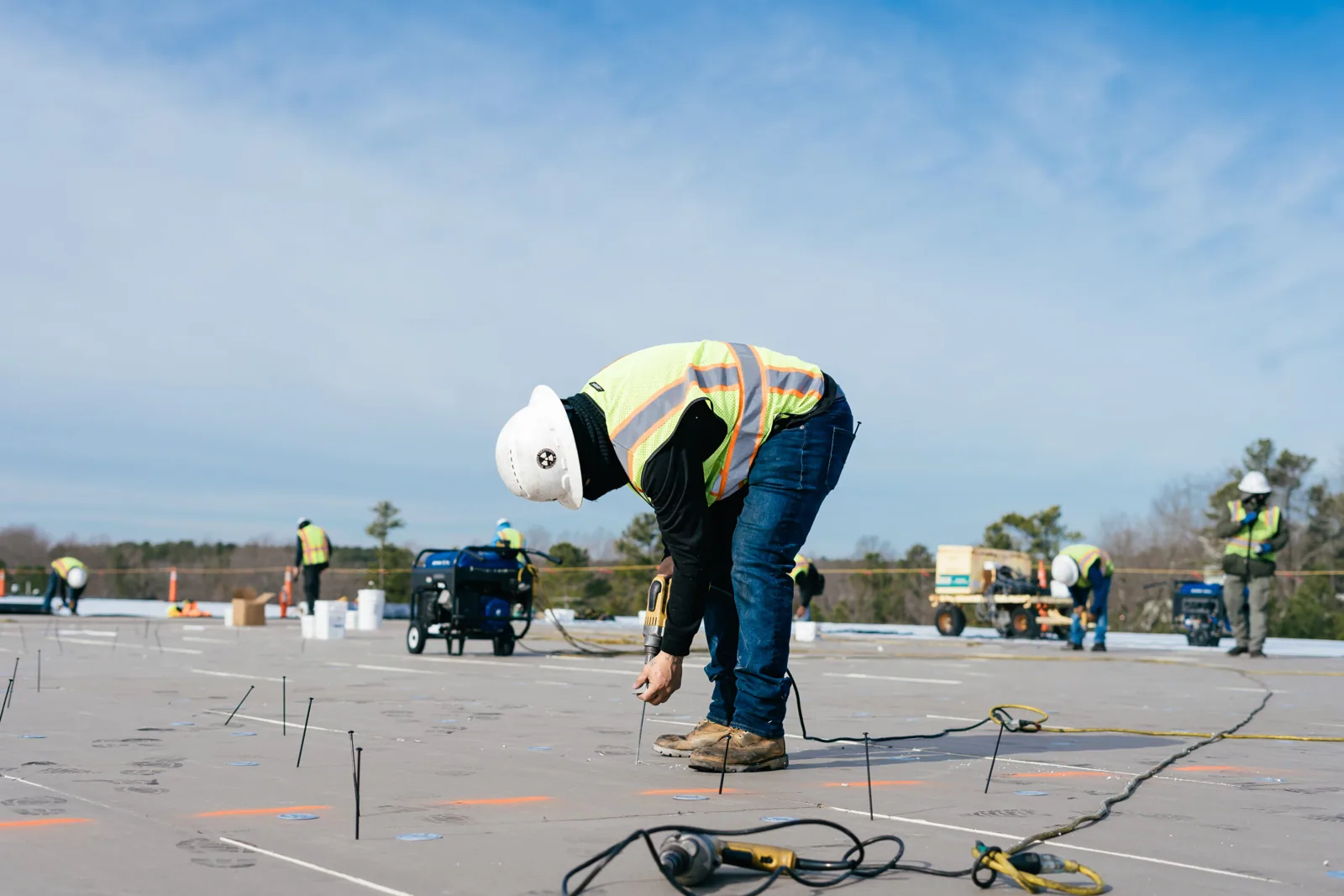
The work falls into four kinds of effort. The first is finding out what is on the roof: a hands-on roof inspection, a drone survey where the roof is large or awkward to walk, and an infrared and core-cut moisture survey where the insulation is in doubt. The second is keeping a sound roof sound through preventive maintenance: clearing drains, resealing terminations and correcting small defects before winter does it for us. The third is repair, restoration and coating. The fourth is recovering and replacement, across the roof systems that dominate commercial buildings: TPO, PVC, EPDM, KEE, modified bitumen, built-up, standing seam and retrofit metal, spray foam, and silicone and acrylic coatings. After storms, insurance documentation supports the owner with photographs and a written scope that separates new damage from old wear.
How does a job move from first call to finished roof?
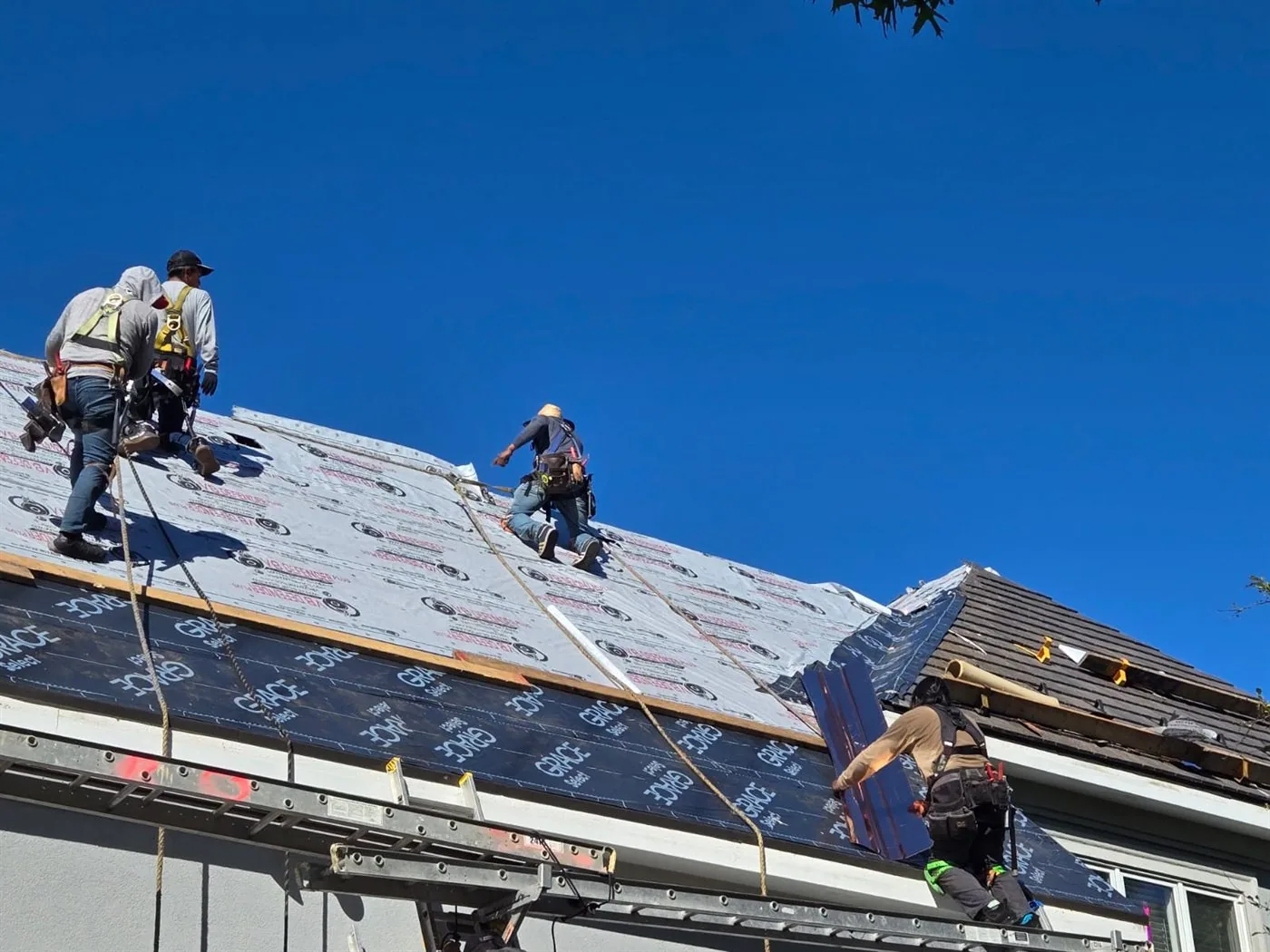
It starts with a conversation about the building: what sits under the roof, what the leak looks like, who occupies the space and which decisions are waiting. A walk follows, with photographs, measurements and notes on membrane, flashing, edge metal, drainage and penetrations. Where moisture is suspected, a survey maps the wet insulation. The owner then receives written condition findings and a ranked list of work, each item marked as repair, restore or replace, with the reason beside it. From there the owner chooses: act now, plan the work into a capital budget through roof capital planning, or monitor and look again. Once work is approved, scheduling follows the building's calendar, including tenant hours, deliveries, school terms and clinical schedules, and every day ends with the roof dried in. The record of what was installed stays with the owner for later maintenance.
What does care between projects look like?
Between projects, a roof needs attention on a schedule set by its age and exposure. A maintenance visit clears drain baskets and scupper throats, removes debris from valleys and from behind equipment, checks sealant at terminations and penetrations, looks over seams and edge metal, and photographs whatever changed since the last visit. In the Tri-Cities such a visit makes the most sense in autumn, after leaf fall and before the freezing weather, and again in spring, once the ice and snow have gone and their effects can be seen. Small defects found on those visits cost little to correct, and the photographs build the dated record that later planning relies on.
Which buildings and owners does the work serve?
The buildings are the ones that carry low-slope and metal roofs: warehouses and distribution centers, manufacturing plants, offices, medical offices and hospitals, schools and universities, shopping centers and big-box stores, hotels, apartments, churches and government buildings. The owners range from property managers and investors to health systems, school districts, public agencies, manufacturers, retail chains and general contractors who need a roofing subcontractor. Each group asks something different of the same roof. A landlord wants a defensible repair, a hospital wants no disruption, a district wants a plan that fits a board calendar, and a plant wants its production protected. Knowing which of those questions the owner is really asking is part of the job, which is why we start by listening to the owners and operators who carry the budget.
Why do Tri-Cities weather and buildings shape the work?
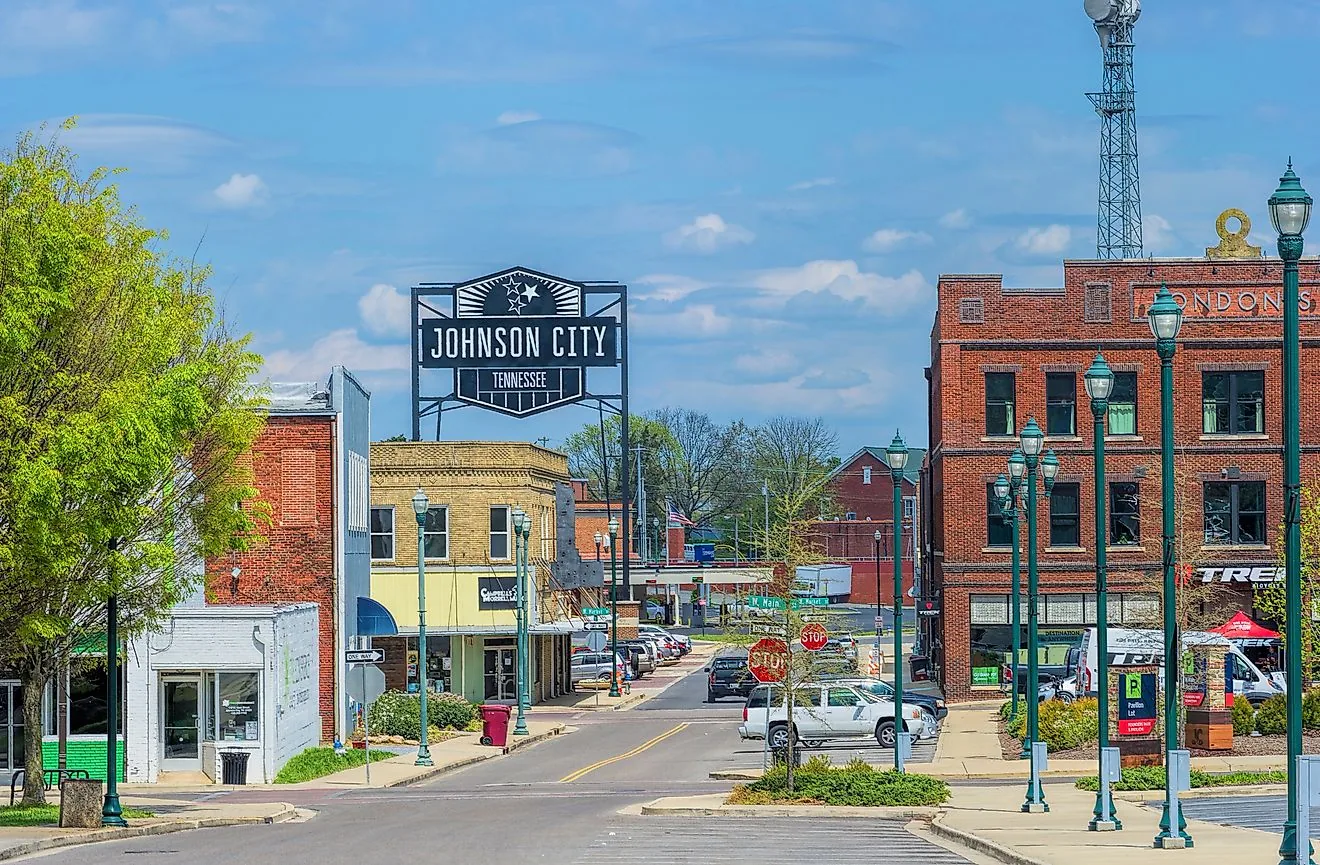
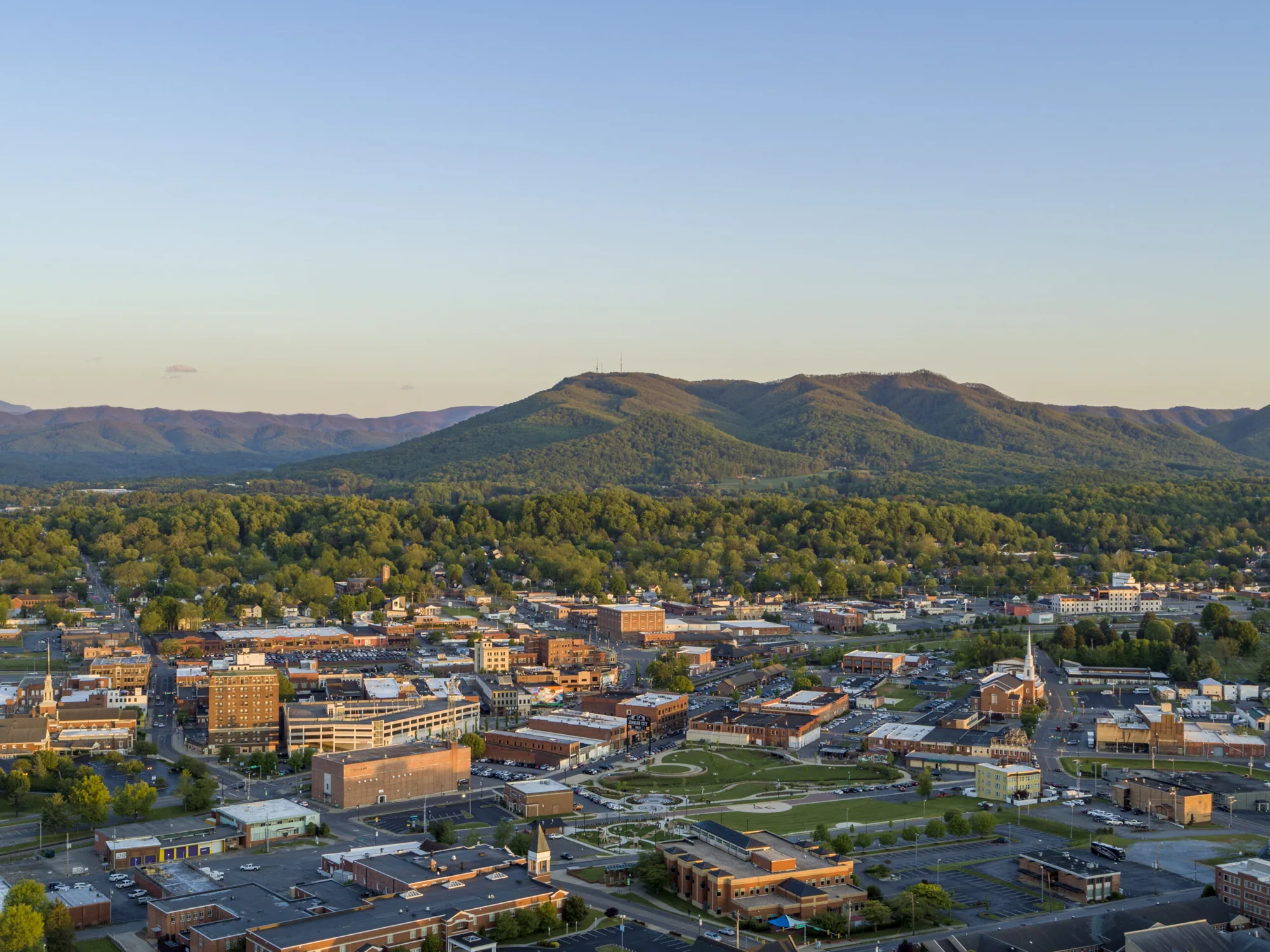
Johnson City sees about 45 inches of precipitation and roughly 15.6 inches of snow a year, with winter lows averaging near 25F, so freeze-thaw cycling, ponding and ice are constant companions of the roof. Higher communities such as Roan Mountain and Mountain City receive considerably more winter precipitation than the valley, so roof access, drainage and snow-load planning should reflect the building’s elevation and actual conditions. Heavy rain is the other pressure. When Hurricane Helene arrived in September 2024, the Nolichucky River flooded at Embreeville and I-26 closed, a reminder that drainage capacity, flashing heights and access routes all deserve attention before the next storm. Tornadoes are rare in Washington County, with ten on record, but three of them struck on April 27, 2011.
The city's building stock is varied. The Med-Tech corridor along State of Franklin Road pairs Johnson City Medical Center with East Tennessee State University, the second largest employer in the city, and each of those institutions runs roofs with different tolerances for disruption. The Mountain Home VA campus keeps many original Beaux Arts buildings in use. The Mall at Johnson City is part of the retail hub of North Johnson City. Industrial plants such as the ebm-papst fan facility and the Sungwoo Hitech automotive building stand in the Washington County Industrial Park. A roof program that fits one of these will not fit the next, so the plan is written for the building in front of us.
What does around-the-clock emergency response involve?
Roofs open up at all hours: a limb comes down, a section of membrane lifts, a drain backs up in the middle of a storm. Emergency roof repair runs around the clock, all week and on holidays, and its first aim is to stop water entering the building through tarping, temporary patching or removal of standing water, with photographs taken before anything is covered. Permanent repair follows when the weather and the moisture findings allow, and those same photographs support an insurance claim.
How are occupied and federal buildings handled?
Many commercial buildings stay open while the roof is replaced. Occupied building reroofing means sequencing tear-off away from air intakes, protecting interiors, keeping access clear and drying in each section daily. On federal property the work follows base access and escort procedures, badging and mission schedules, along with roofing specifications written to the Unified Facilities Criteria. The region includes the Mountain Home VA campus, the Johnson City National Guard Armory on Don May Drive and, in Kingsport, the Holston Army Ammunition Plant, and military installation roofing is planned around the requirements of each site.
Commercial Roofing Questions
What does a first visit to a roof include?
A walk of the whole roof with photographs, notes on every membrane seam, flashing and drain, and measurements where the findings need them. Moisture surveys are added when the insulation is in question, and the owner receives the results in writing.
Does the company install every kind of commercial low-slope roof?
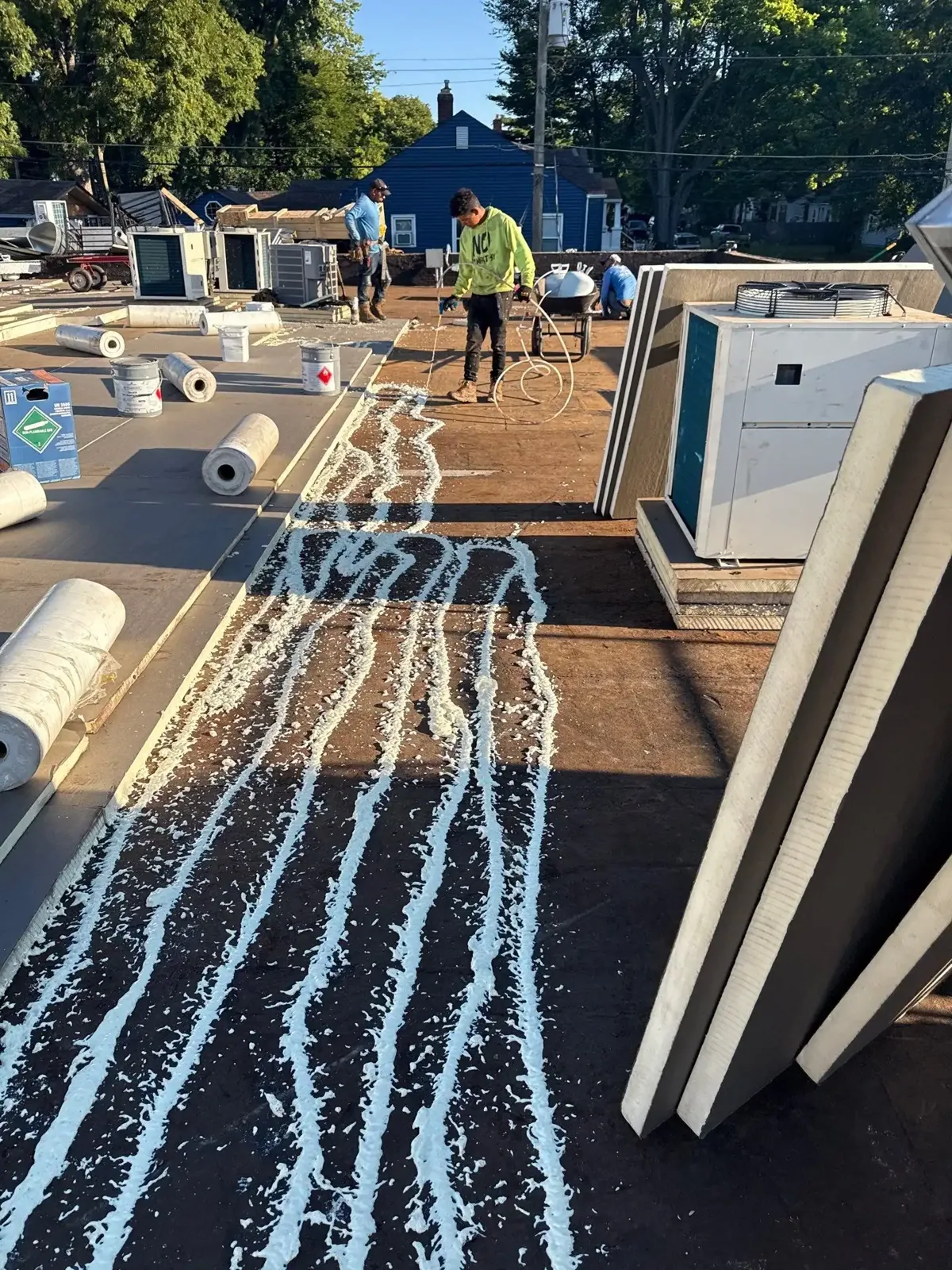
The work spans single-ply, asphalt-based, metal, spray foam and coating systems. Which one fits depends on traffic, equipment, slope, interior moisture and how long the owner plans to hold the building, so the recommendation follows the roof.
What drives the cost of a roof project?
Area, deck condition, how much insulation is wet, access, the number of penetrations, tear-off depth and the limits that the building sets on schedule and noise. Condition data narrows those unknowns before capital is committed.
What records arrive after closeout?
The closeout file includes photographs, a written scope of completed work, warranty documents when applicable and maintenance findings for the next budget review.
Begin with what the roof can tell you
Call Commercial Roofing Johnson City to schedule a walk of your roofs. You will receive photographs, findings and a ranked list of work, so the next decision rests on condition data, not on the last leak.
Call 555-555-5555 or email [email protected].