
Commercial Roofing in Elizabethton, TN
Wet snow is heavy, and it does not settle evenly across a flat roof. Wind piles it against parapets, rooftop units and the tall wall of the next building, and those drifts sit on one part of the deck while the rest carries almost nothing. When the sun comes out the thin areas melt first, the water runs toward a drain or scupper that may be packed with the same snow, and the cycle of melt and refreeze begins at the exact places where the roof is already working hardest. Elizabethton is the seat of Carter County, which lies entirely within the Blue Ridge Mountains, and the city is reached from Johnson City, TN by I-26 in about 8 miles; a flat roof there faces that cycle whenever snow falls. The cost of ignoring it shows up as sagging boards, split laps at the walls and wet insulation that no one has measured. We evaluate commercial and industrial roofs in Elizabethton with snow behavior in mind, because where it piles tells us where a roof will fail.
Where does the weight of snow actually end up on a low-slope roof?
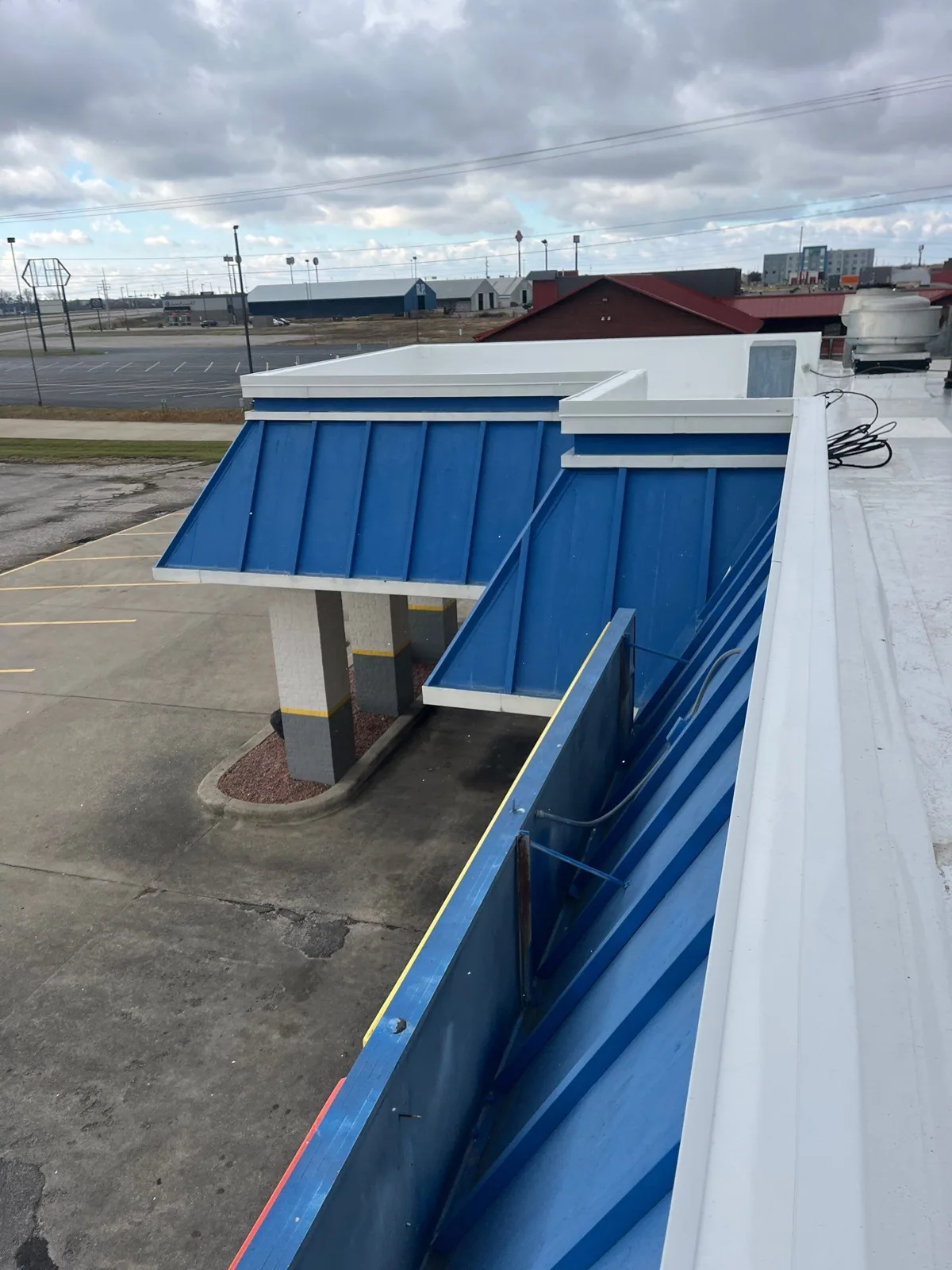
It ends up where the wind and the geometry put it. A drift grows on the downwind side of anything that sticks up, so a roof with several rooftop units and a tall parapet carries uneven loads that a drawing of uniform snow does not show. Meltwater from the thin areas then runs under and around the drift, finds a seam or flashing that has opened slightly, and refreezes overnight. Johnson City averages roughly 15.6 inches of snow a year, and mountain areas receive considerably more winter precipitation than the valley. Carter County lies entirely within the Blue Ridge Mountains, so on an Elizabethton roof the exposure and the geometry of the building matter more than any one average. We look at deck deflection near drift zones, at the condition of laps beside equipment, and at whether the snow and ice damage already visible is cosmetic or structural.
Read the roof before the next heavy snow does
Call Commercial Roofing Johnson City to arrange a walk of your Elizabethton roof. You will receive photographs, moisture findings and a ranked scope for your capital planning.
What do an industrial-park city and a downtown district ask of their roofs?
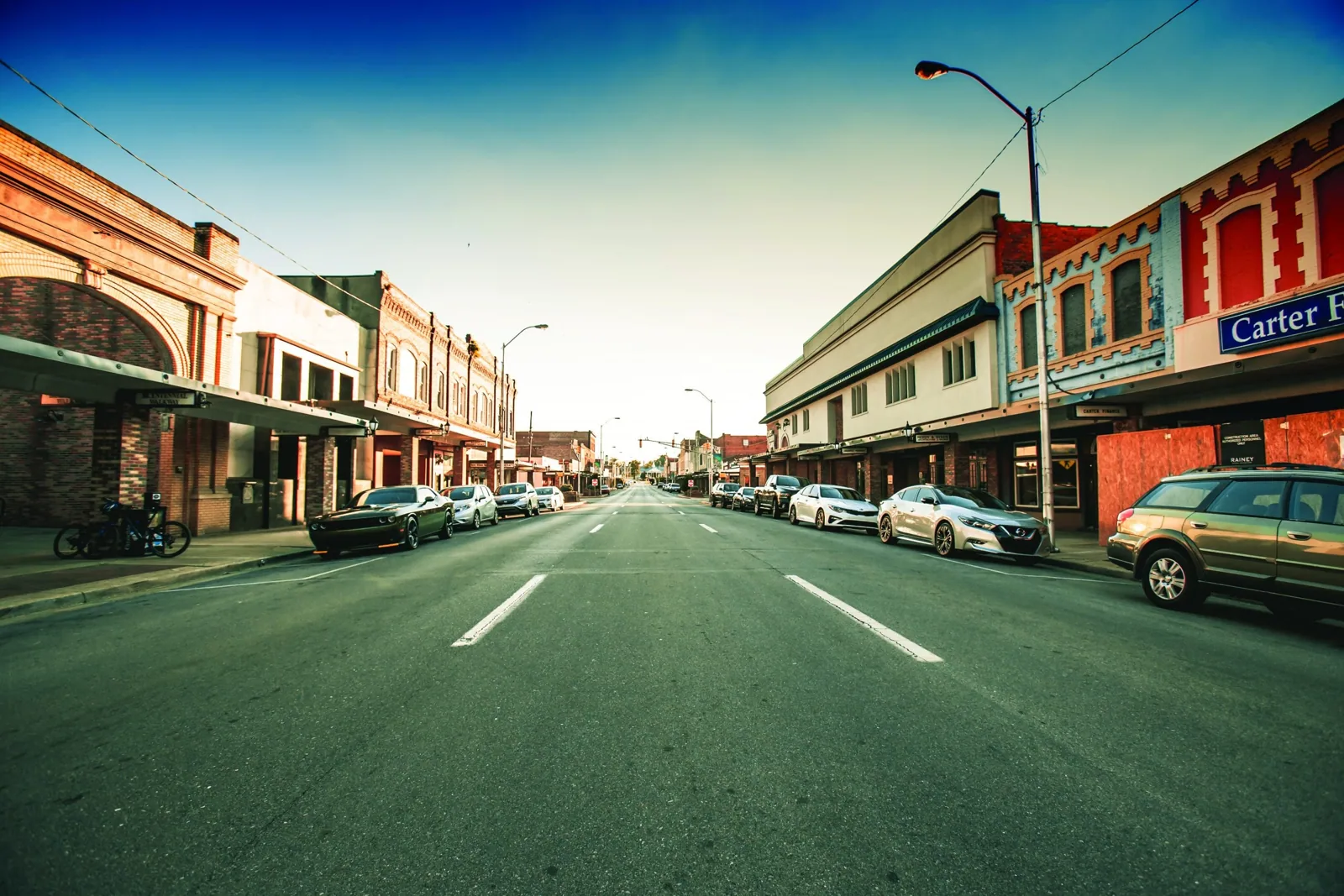
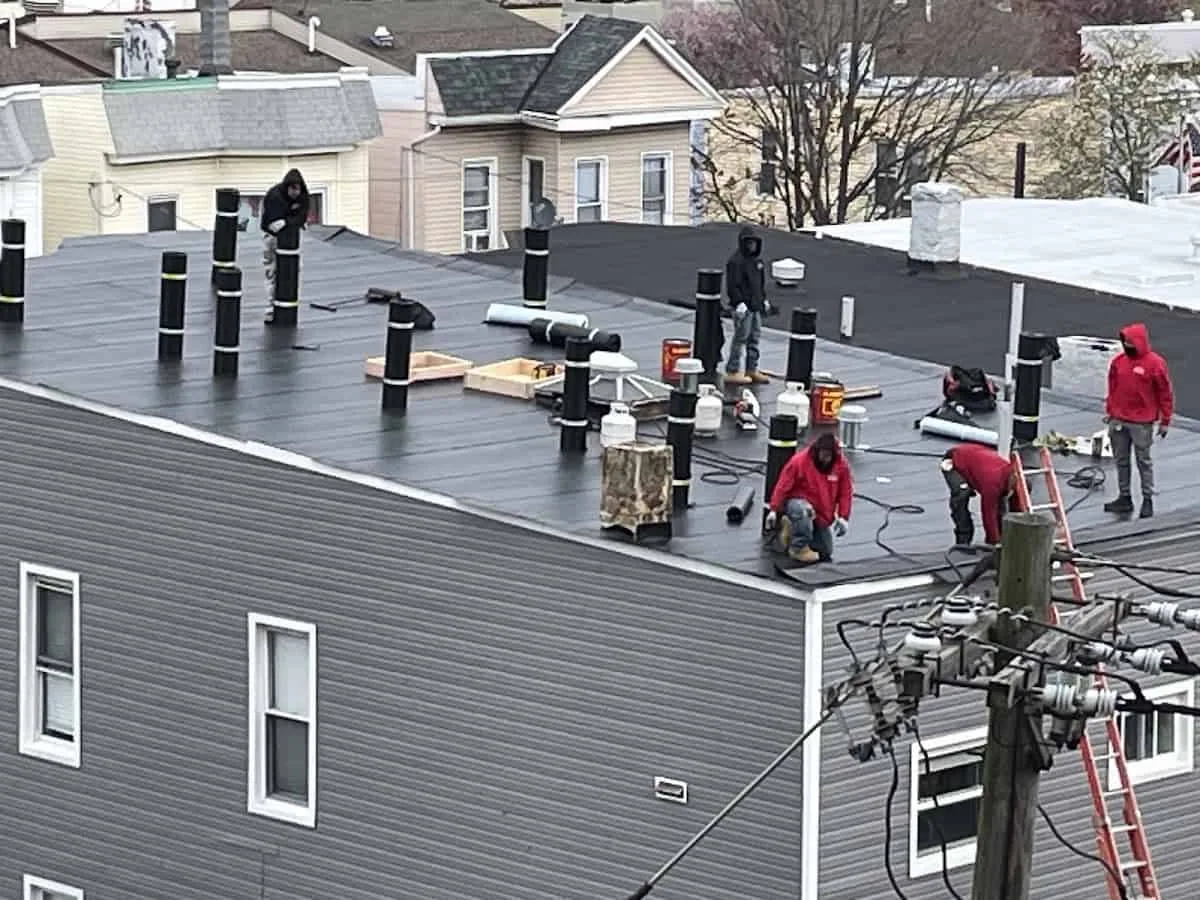
They ask for different things, and the first walk is where we learn which. Elizabethton's economy grew from two large rayon plants established on the Watauga River in the late 1920s, since closed, and the city continues to develop industrial parks. On an industrial-park building the questions are whether the drains work in snow and whether the seams stay closed, because a warehouse roof or a plant roof is judged by what happens over the production and storage below it. Downtown, where the 1882 covered bridge crosses the Doe River, the roof meets a district people walk through, so edge metal, debris and access are planned with foot traffic in mind. In either place the age and system of a roof are read from its layers, its repairs and its moisture, not from the street, and an owner who is buying or repurposing an older industrial building does well to commission a due diligence roof survey before the closing date.
What do we check first on a roof in a mountain county?
We start where snow collects: the downwind side of equipment, the roof edge beside any taller wall, valleys and the low corners. At each we look for sagging boards, splits in the membrane at the wall, torn flashing and standing water that persists after a thaw. Drains and scuppers get cleared and flow-tested, since a packed outlet turns melt into a pond. Then the field: seams, patches, blisters and the places where a rooftop unit's curb meets the membrane. Where the surface leaves doubt, a moisture survey and a few cores establish what the insulation holds. The product is a hands-on commercial roof inspection report with photographs, deflection notes where we find them and a ranked scope, so the owner knows which items belong to the next capital cycle and which are urgent.
Recover, restore or replace: how does an industrial owner weigh it?
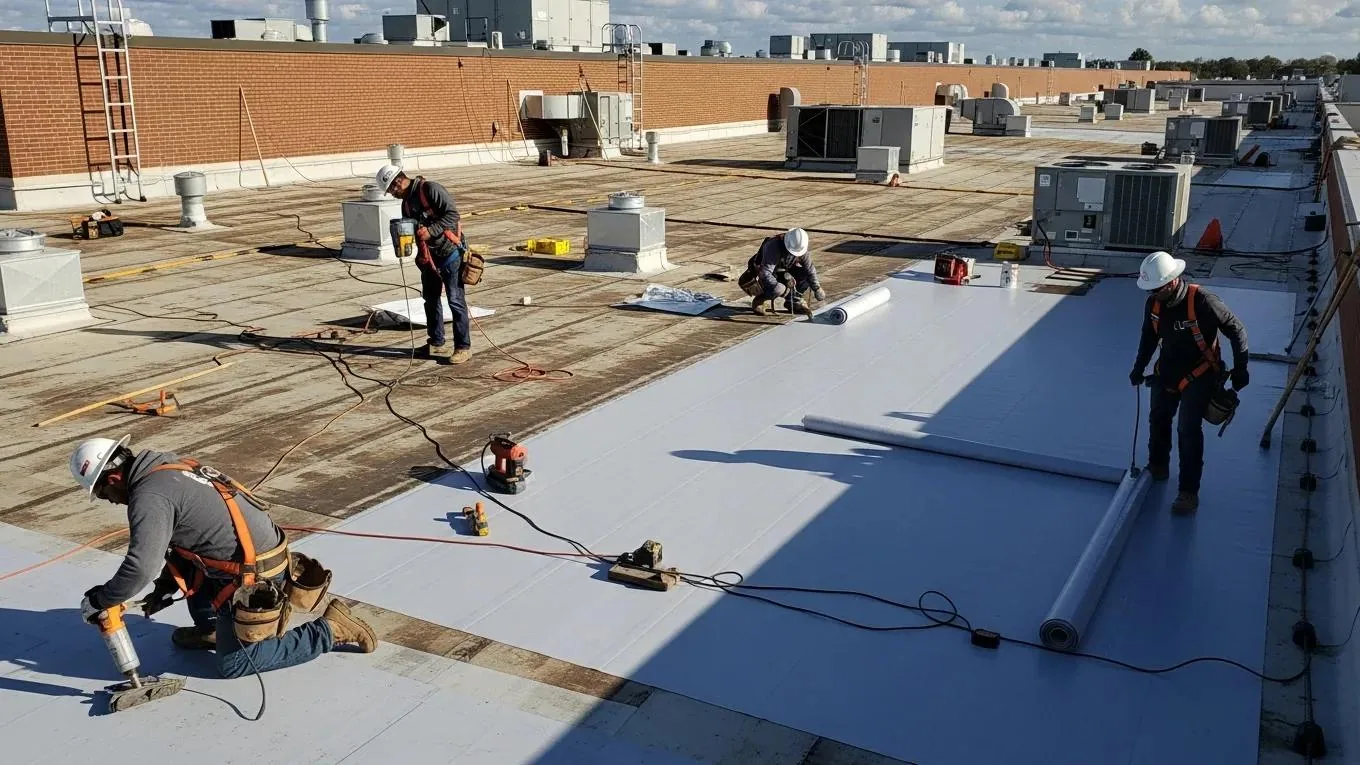
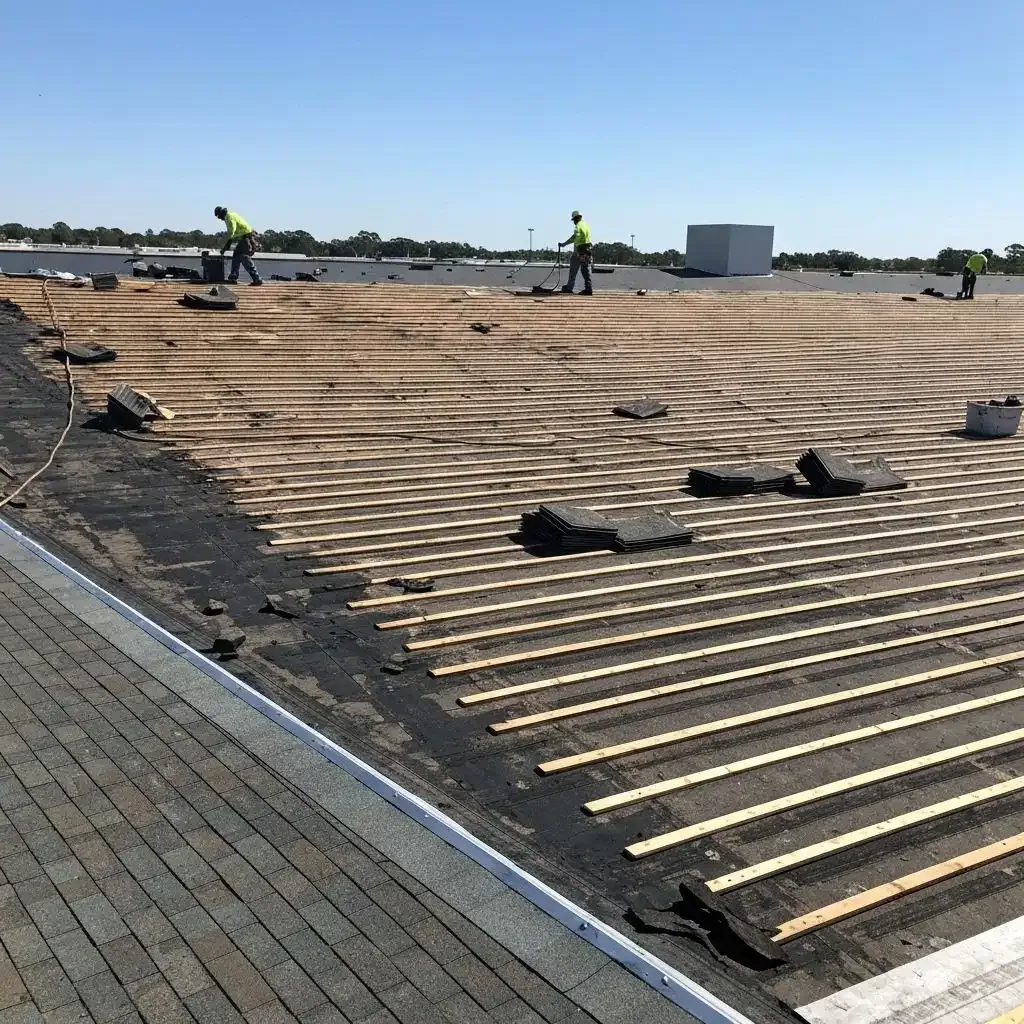
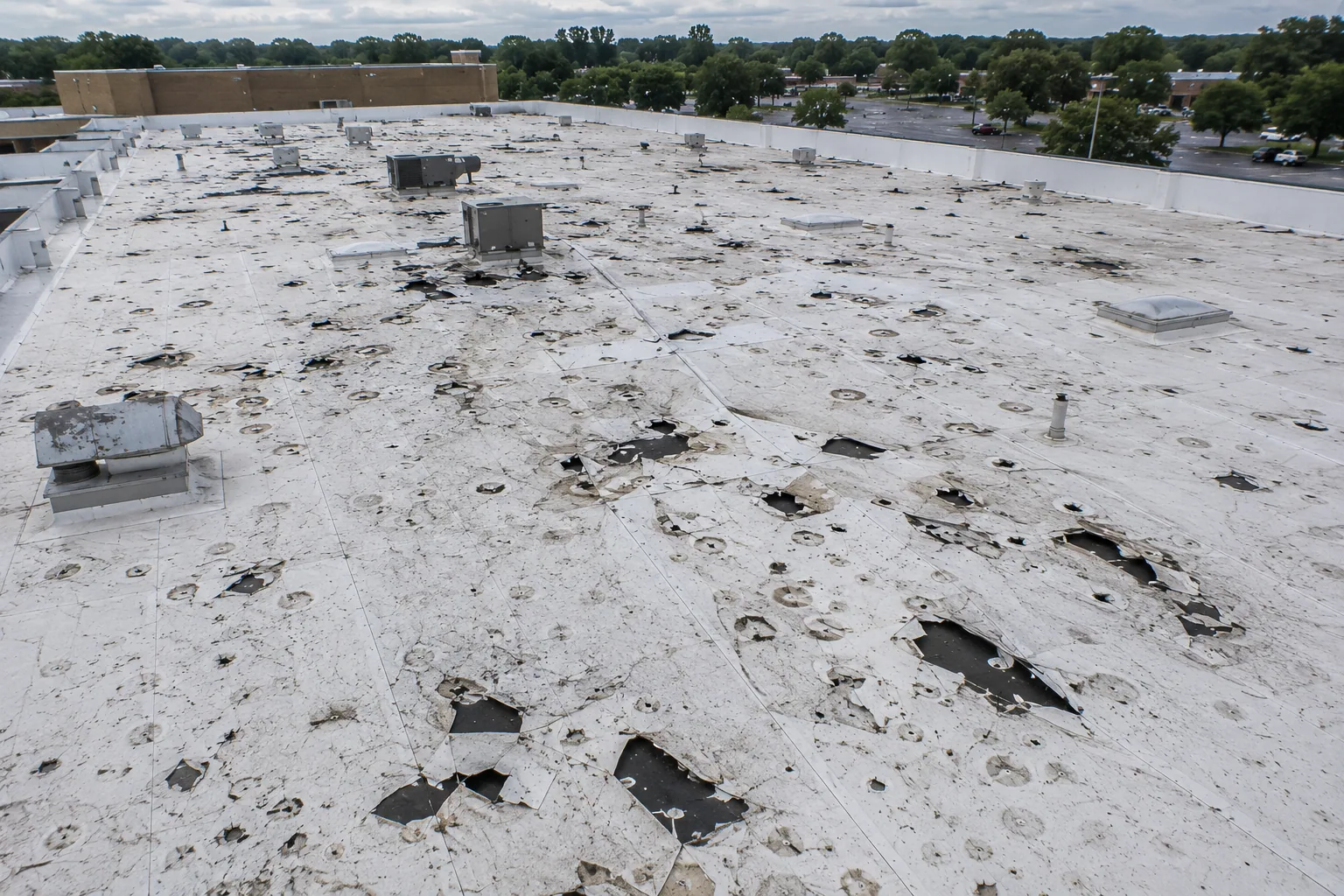
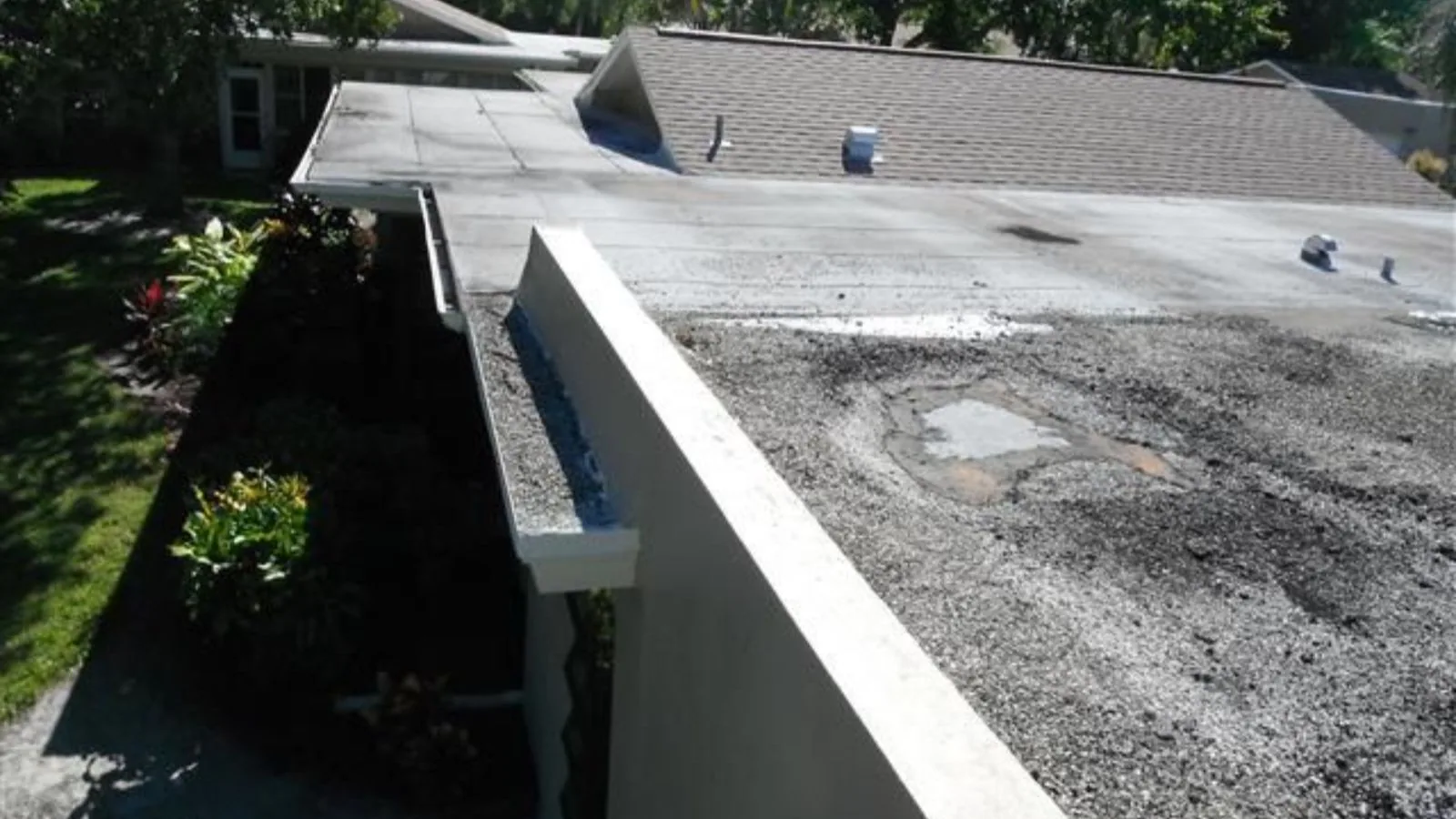
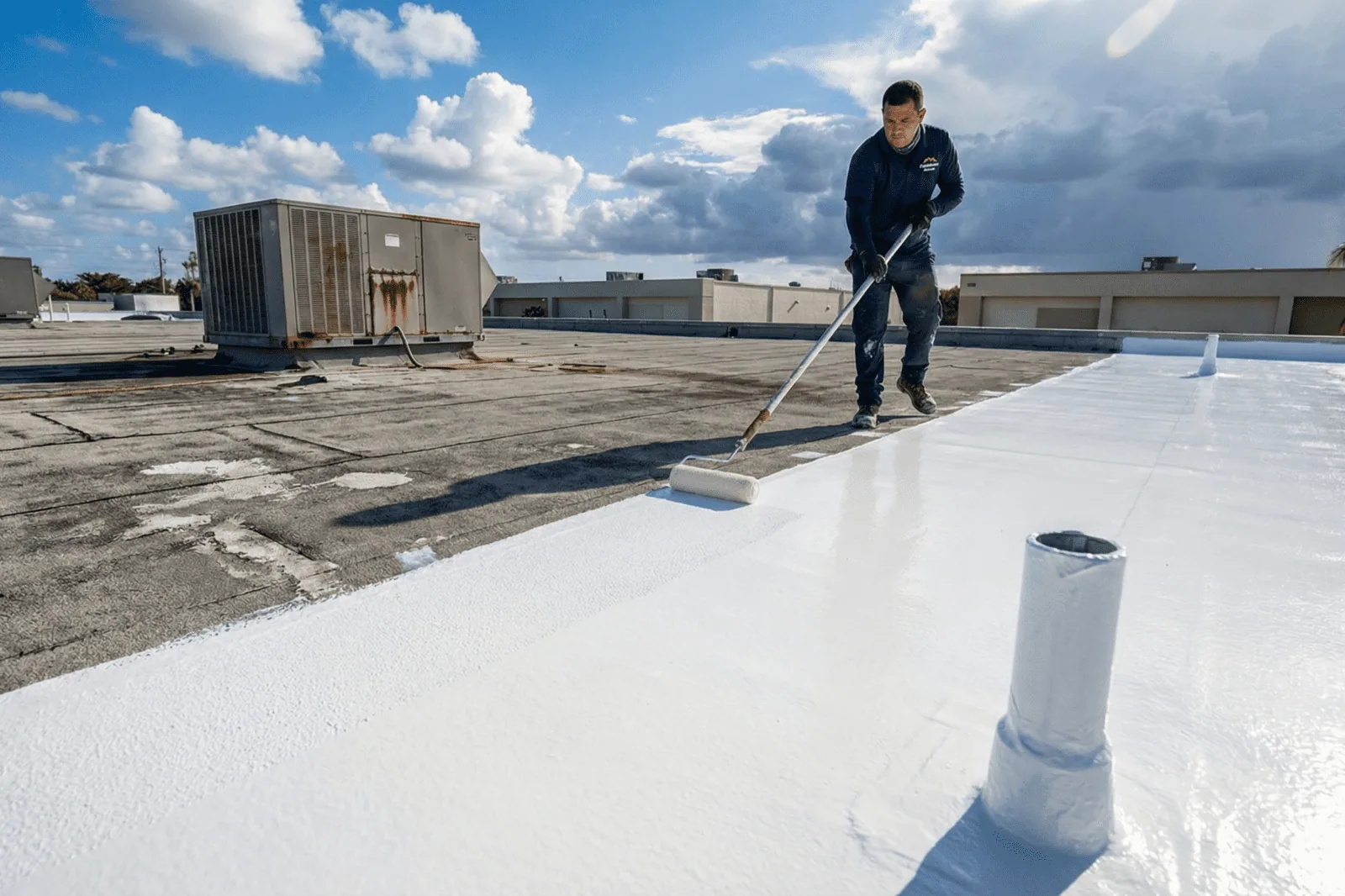
The weight of the existing assembly and the state of its insulation come first. If readings show dry insulation and the deck is sound, a roof recover adds new membrane over the old without a tear-off, which cuts disposal and keeps the building running, provided the structure can take another layer in a snow county. If the water is widespread, the old system comes off and a replacement can bring slope, drain capacity and insulation up to the energy code that applies. Johnson City has adopted the 2018 ICC codes, and an Elizabethton project falls under whatever code its own jurisdiction has adopted, which we confirm before the scope is priced. Cost follows the structure of the roof: tear-off depth, deck repair, equipment curbs to rebuild and the quantity of drains all move the number more than the footprint alone, and the moisture map shows where those items sit.
How is a roof scheduled around production, shipping and winter?
Around the plant first and the calendar second. A working building has loading hours, shifts and areas that cannot tolerate dust or noise, so we map the roof into sections that can be made watertight before the day ends and plan material staging away from dock traffic. Welded seams and adhesives want dry weather and moderate temperatures, which points planned replacement toward spring through early autumn, and a winter of condition data lets the owner commit capital with the next warm window in mind. If a roof gives way in a January storm, we respond day or night, holidays too, and dry in what we can until the weather permits permanent work. Owners with buildings near Watauga or Hampton can have those roofs read on the same visit schedule, so one cycle of condition data covers more than one site.
Commercial Roofing Questions
How do we know whether snow load is a risk for a particular flat roof?
The structure and the drift pattern set the answer, and neither shows from the ground. We look for deflection near equipment and walls, then compare the deck type and its spans with what the building carries. If anything looks stressed, the owner gets a recommendation to involve a structural engineer before more weight, insulation or a recover goes on.
What changes when a county sits entirely in the mountains?
Mountain areas receive considerably more winter precipitation than the valley, and snow tends to linger on shaded roofs. That means more freeze-thaw cycles on seams, more meltwater at the drains and a longer period of risk in each season. The plan accounts for it by weighting drainage and edge details more heavily.
Why does a repair at a wall flashing hold in summer and fail by February?
Because the wall and the membrane move at different rates, and the freeze exposes any gap the heat concealed. A flashing sealed with caulk alone usually has too little give for a mountain winter. Rebuilding the joint with a mechanically supported termination and a flexible seal lasts through the cycles.
Is it worth surveying an older industrial building before a purchase closes?
It is, since the roof is among the larger capital items a buyer inherits and its condition is rarely obvious from the lot. A survey with moisture readings and cores gives the buyer a number to negotiate with and a replacement window to plan around. We can organize that survey for an owner or a buyer's lender.
What does a written roof report give a manager that a phone estimate does not?
Photographs, moisture findings and a ranked scope, all tied to the actual roof. A phone estimate prices a guess; a report prices what we found, and it can be attached to a capital request without further explanation.
Related Roofing Pages
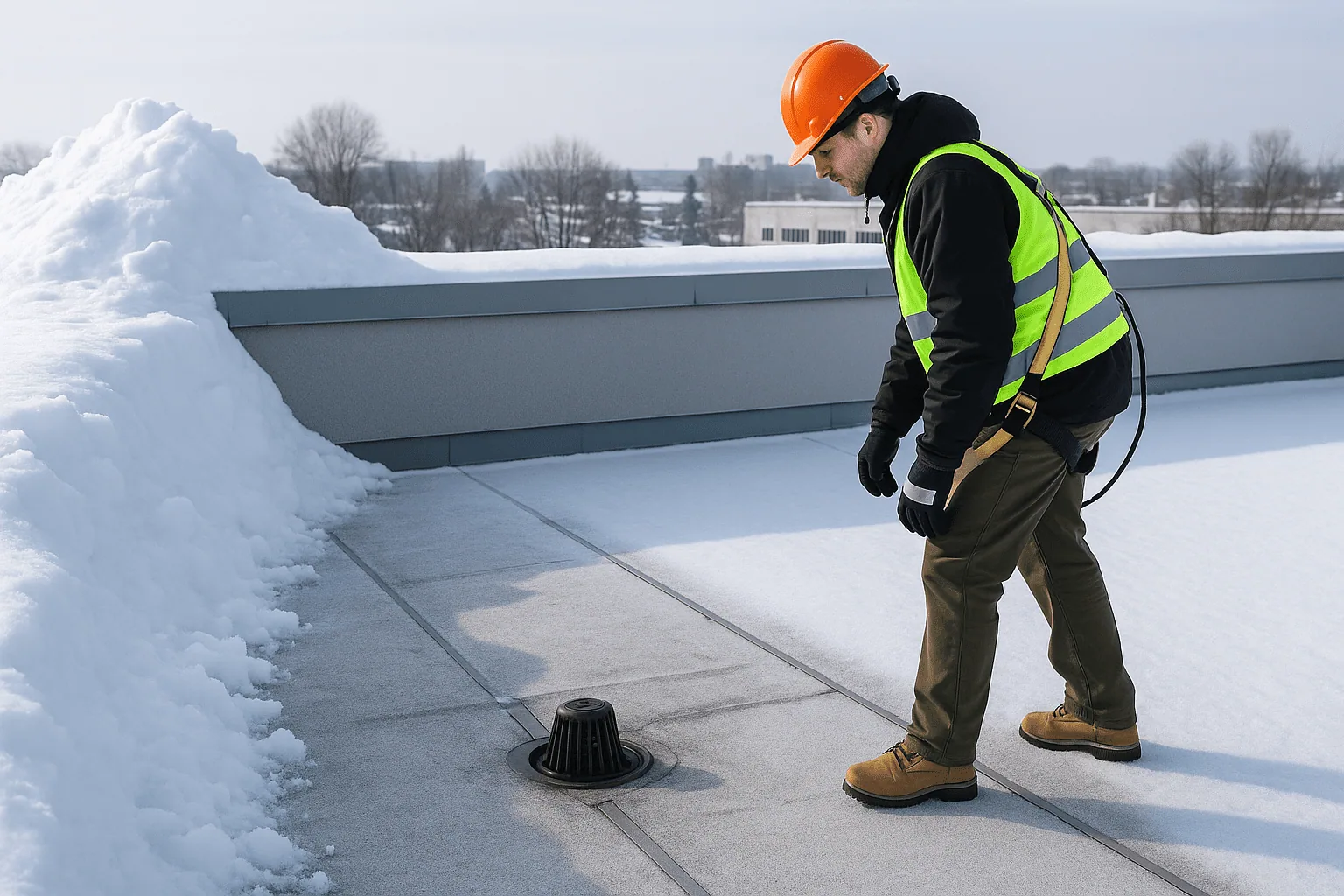
Snow Load and Ice Dam Roof Damage Repair
How the work is scoped, phased and documented on Tri-Cities roofs.
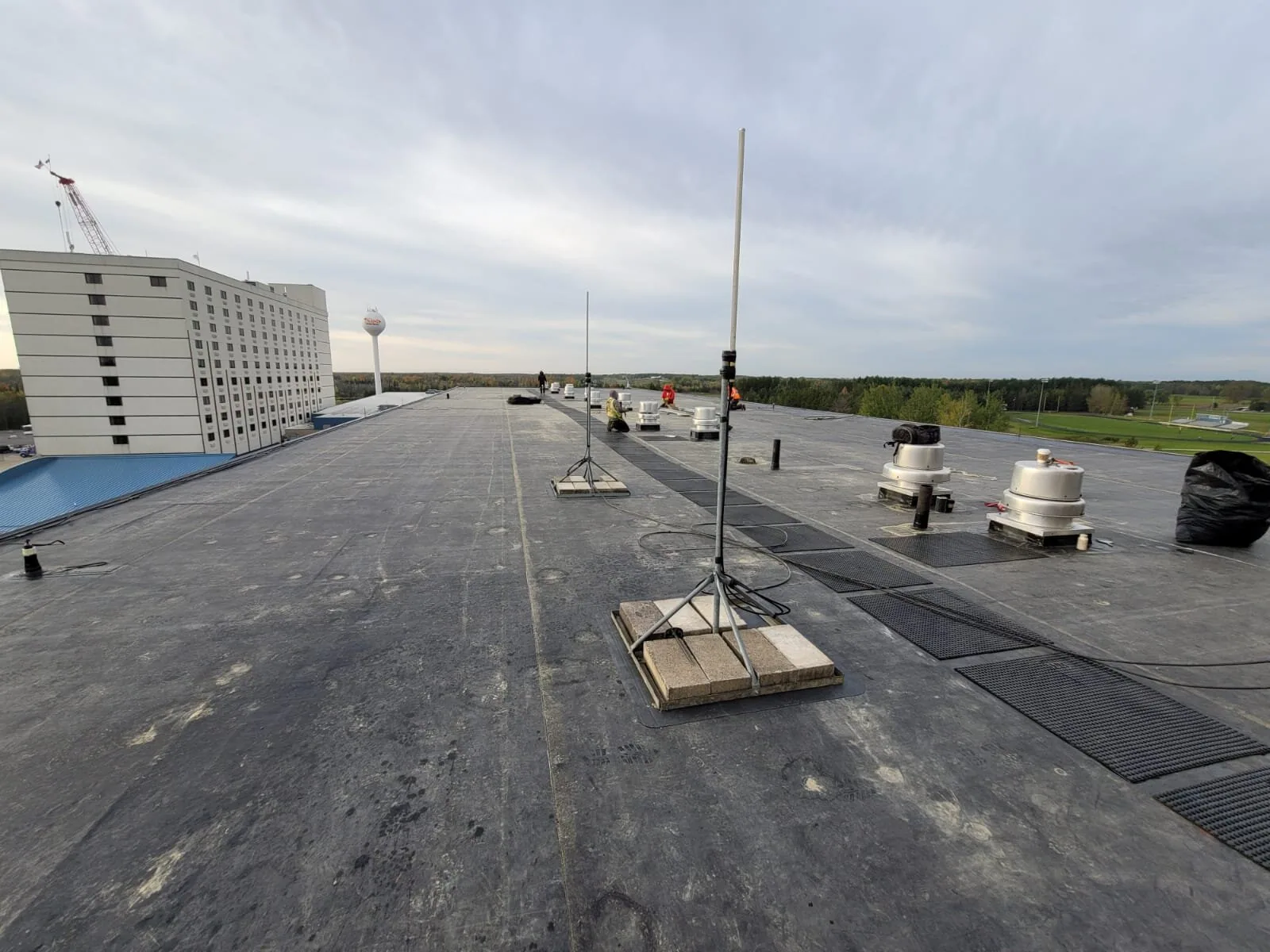
Warehouse Roofing
What we check, what we recommend and how the crew keeps the building running.
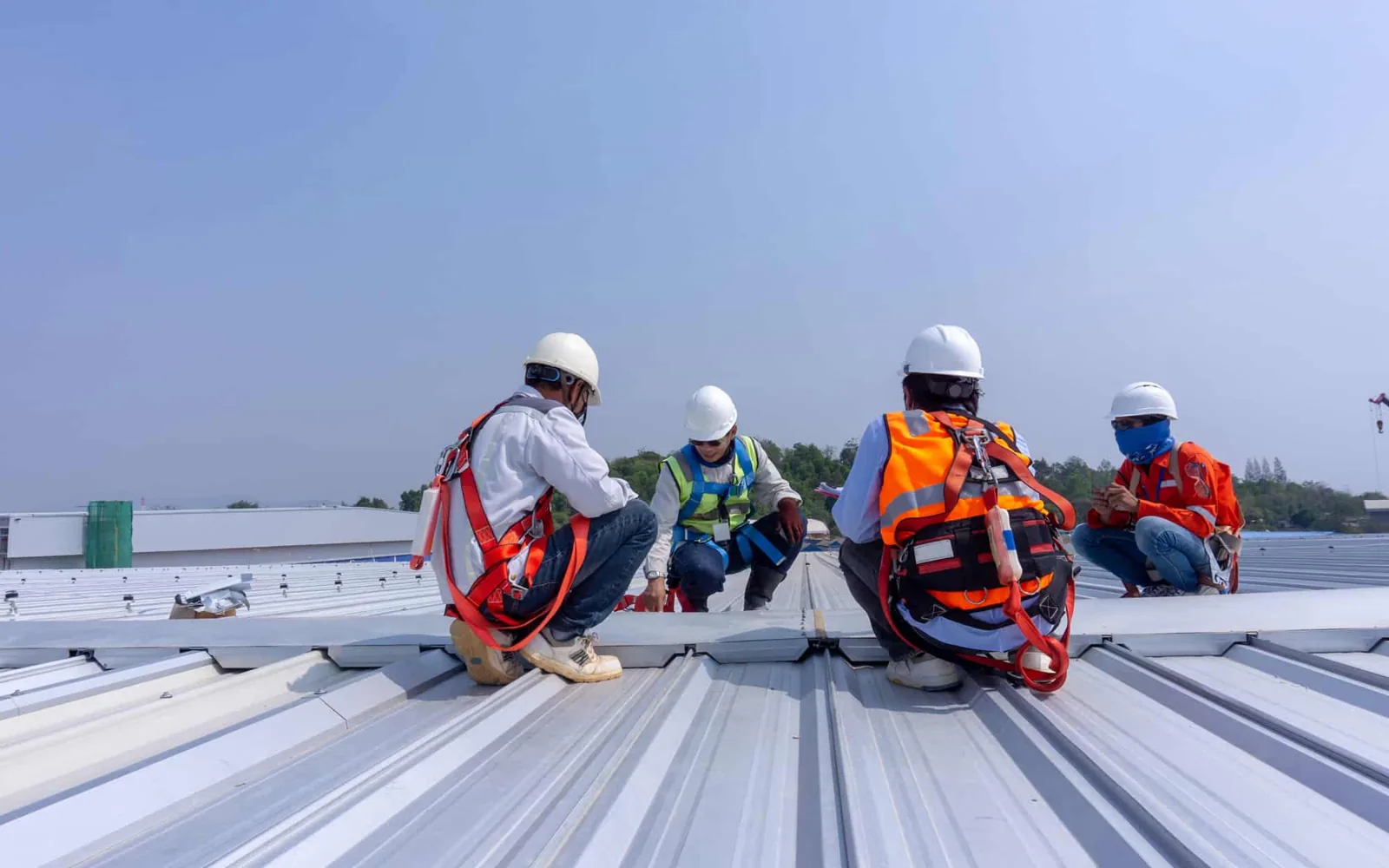
Due Diligence Roof Surveys
Conditions, options and next steps for commercial buildings in East Tennessee.