
Commercial Roofing in Hampton, TN
Grease does not wash off a roof in the rain. A kitchen exhaust fan settles a fine film of cooking oil on the membrane beside it, the film holds dirt and moisture against the surface, and in winter the same patch freezes and thaws again and again while softening the very material that is supposed to keep water out. In Hampton, a Carter County community of 2,030 residents whose economy leans on visitors to the Cherokee National Forest and the Appalachian Trail, any lodging, restaurant or shop that serves those visitors puts its income under its roof. A leak in a guest room or a dining room costs more than the repair, because it takes space out of service during the weeks that matter. We look at commercial roofs in Hampton with that exposure in mind, matching the membrane to what actually sits on top of it, and we plan the work so a roof problem is solved in the quiet weeks and not in the full ones.
What do kitchen exhausts and mountain winters do to a membrane together?
Each one makes the other worse. Oil and grease swell and soften some single-ply membranes, especially where exhaust discharge lands at the same spot week after week, and a softened surface is easier to puncture, harder to weld in repair and quicker to take on water at its seams. Then winter adds its own work: lows that average near 25F in Johnson City, repeated freezing and thawing at the seams, and snow that sits on the parts of a roof sheltered from the sun. Grease also collects at drains and in low areas, where it holds leaves and standing water against the surface. The practical result is that a restaurant roof and an office roof of the same age can be in very different condition. When we find the pattern, we check the exhaust discharge, add grease containment where it is missing and, if the membrane has been compromised, consider KEE roofing, a system made for grease exposure.
Plan the roof work for the quiet weeks
Call Commercial Roofing Johnson City to arrange a walk of your Hampton roof. You will receive photographs, condition findings and a ranked scope that fits your slow season.
How does a valley ringed by mountains change a roof's winter?
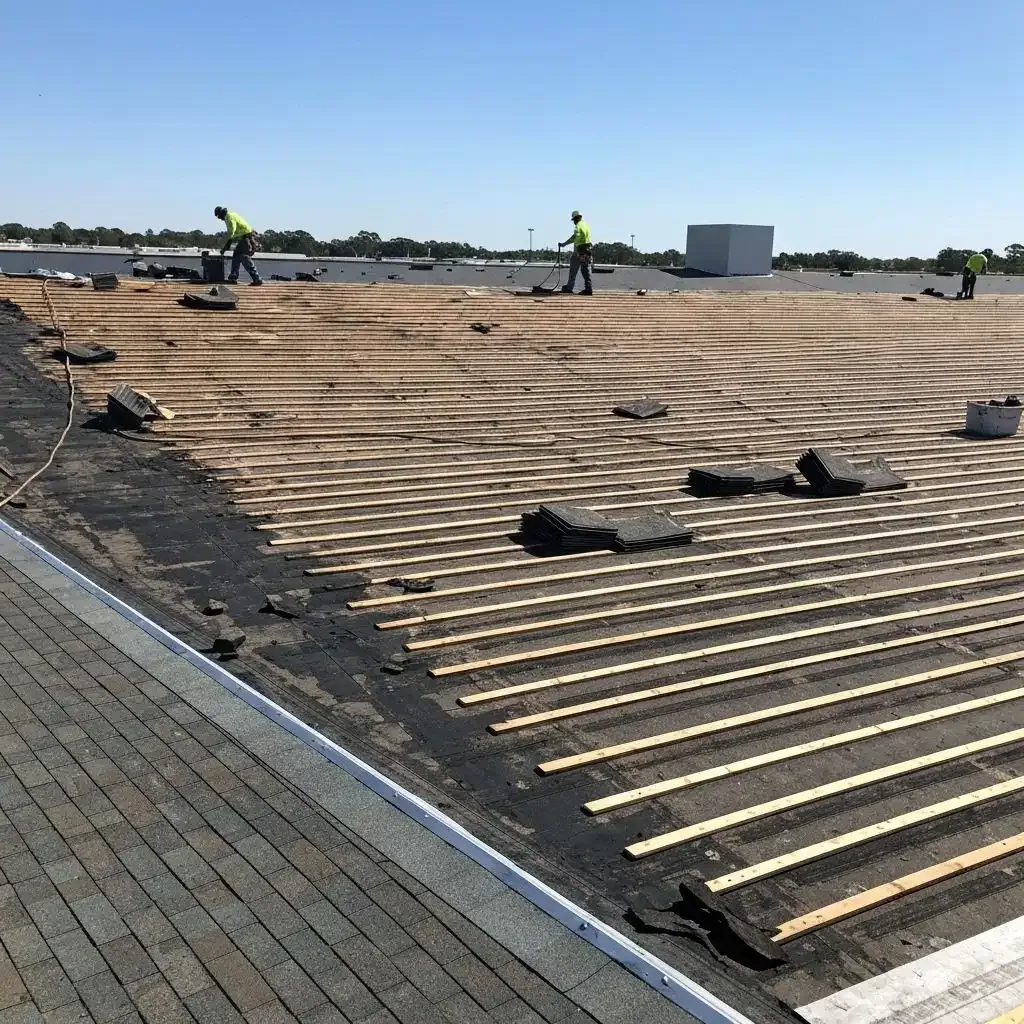
Hampton sits in a valley surrounded by the Unaka Mountains, a few miles southeast of Elizabethton, near Watauga Lake and Dennis Cove, with US 321 and US 19E serving the community. A roof in a valley with high ground on every side loses its direct sun earlier in the afternoon than one on open land, and the shaded half of the roof holds snow and ice longer than the sunny half. That unevenness is where thermal cycling does its damage: one side thaws and sends water across the roof while the other side is still frozen and blocks the outlet. The Tri-Cities average about 11.9 inches of snow a year while mountain areas receive considerably more winter precipitation, and a Carter County community such as Roan Mountain, up near 2,550 feet, shows how high the surrounding ground can climb. We read each Hampton roof by its slope, its shade and its drains.
What do we check first on the roof of a lodging or food-service building?
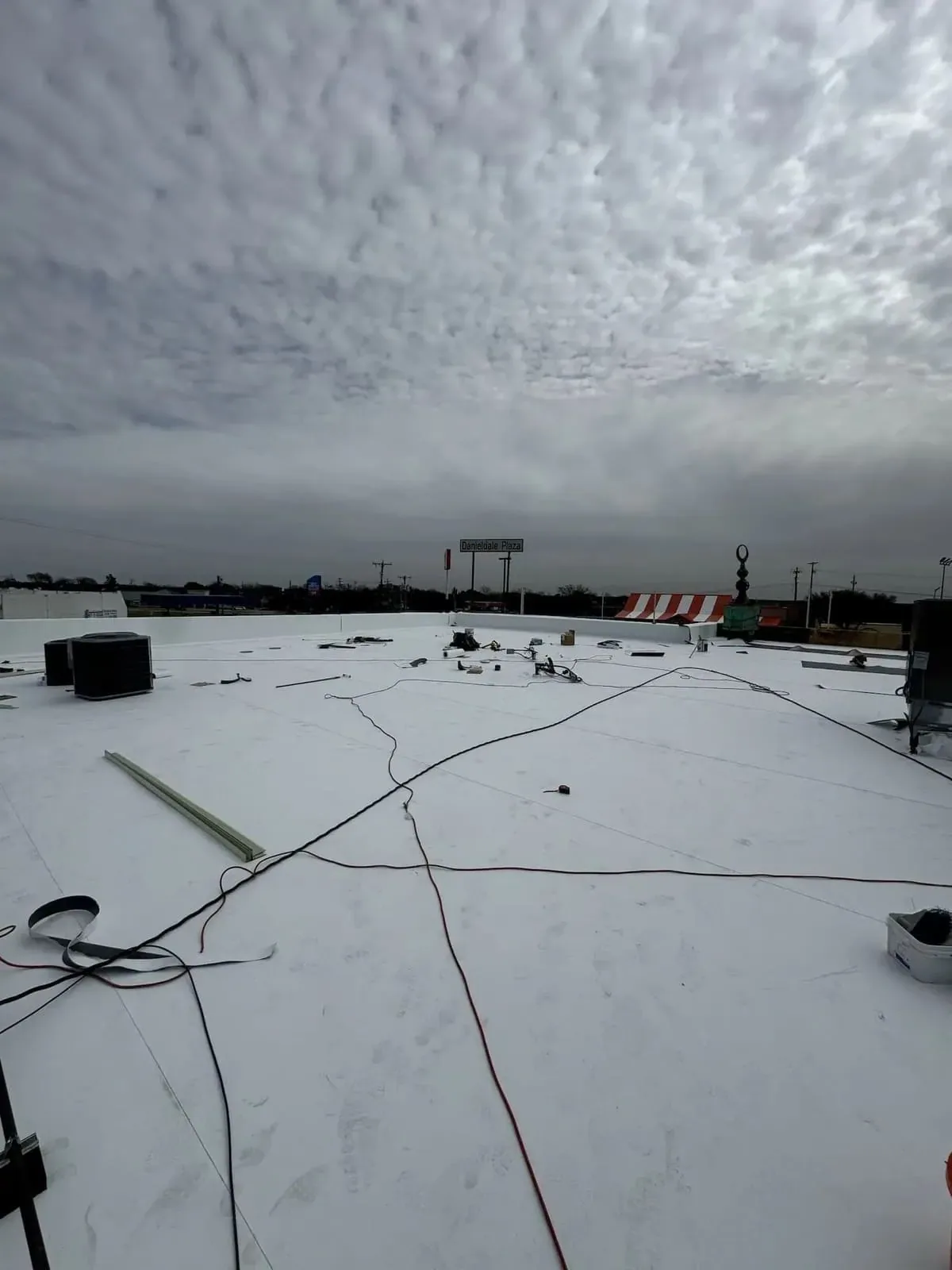
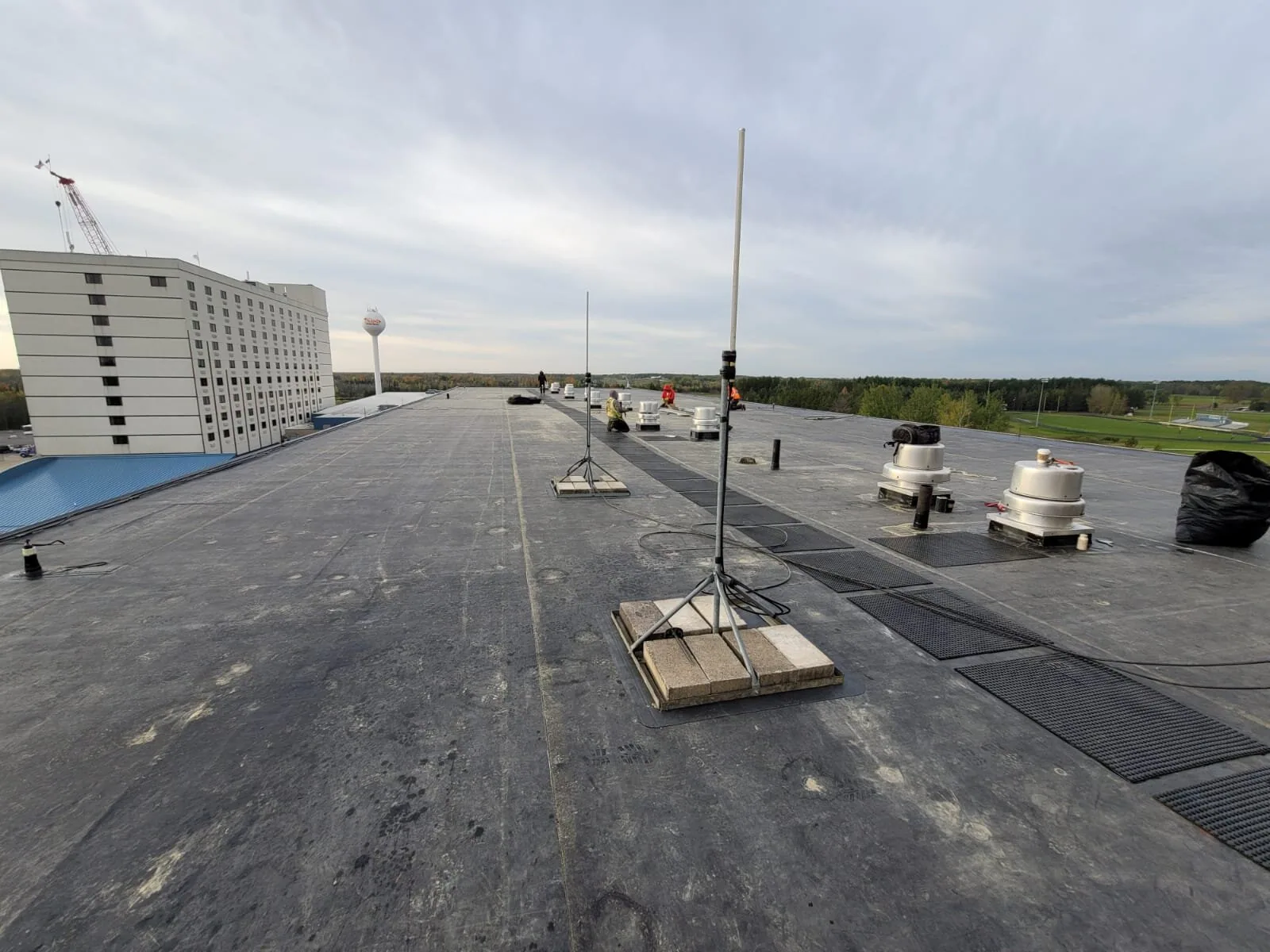
We begin around the exhausts and the drains, since those are the places grease and debris collect. We examine the membrane near each fan for swelling, softness or staining, then the seams and flashings at the curb. Low corners and the shaded side of the roof get extra attention for standing water, algae and moss, which keep the surface wet and wear it faster. Where a building has guest rooms or dining areas below, we map moisture with an infrared survey when stains appear, so one ceiling tile is matched to one defect. The owner receives a commercial roof inspection report with photographs and a ranked scope that separates urgent items, such as an open seam above a room that guests use, from the items that can wait for the off-season.

Which membrane holds up to grease, cold and shade?
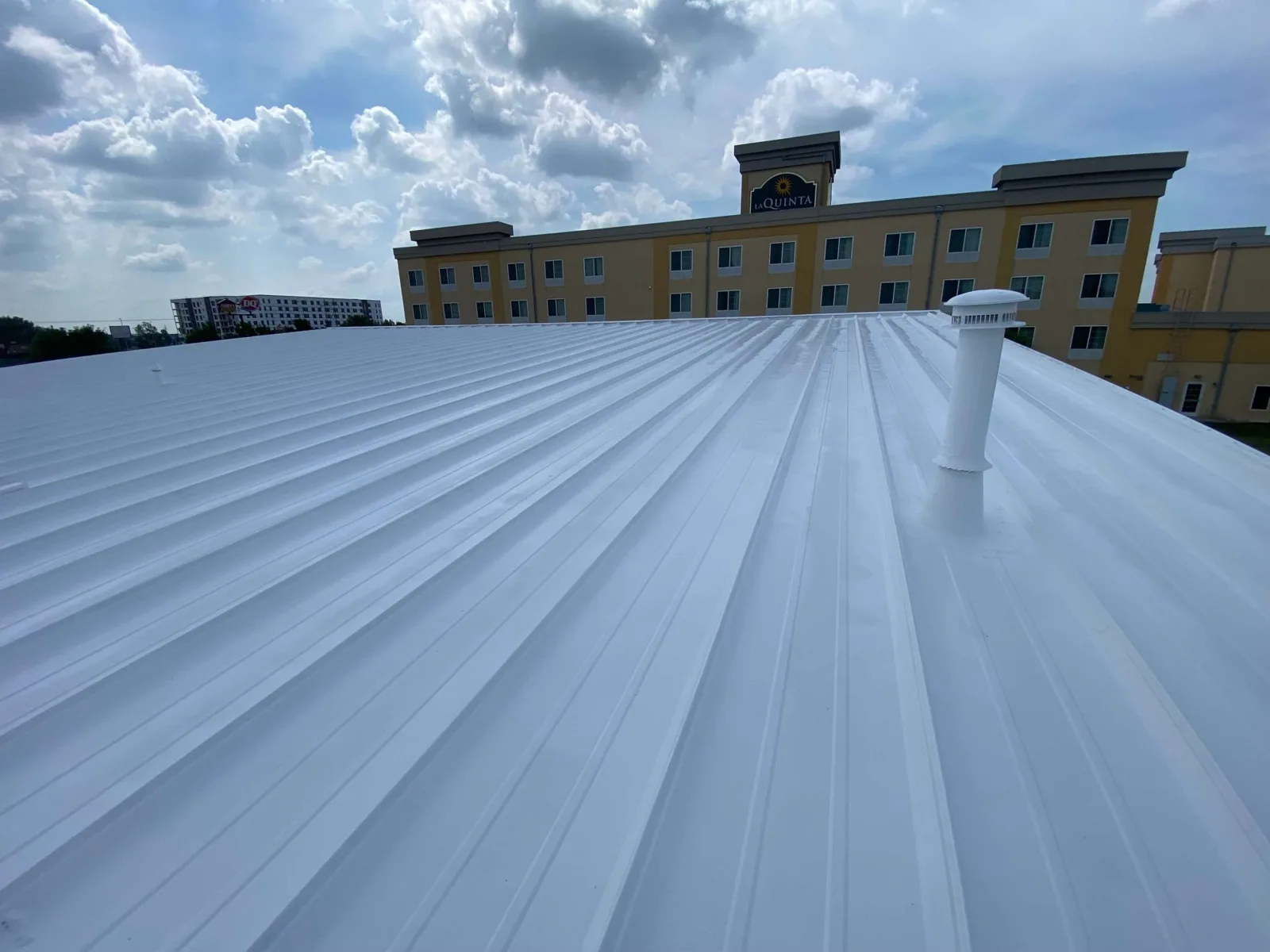
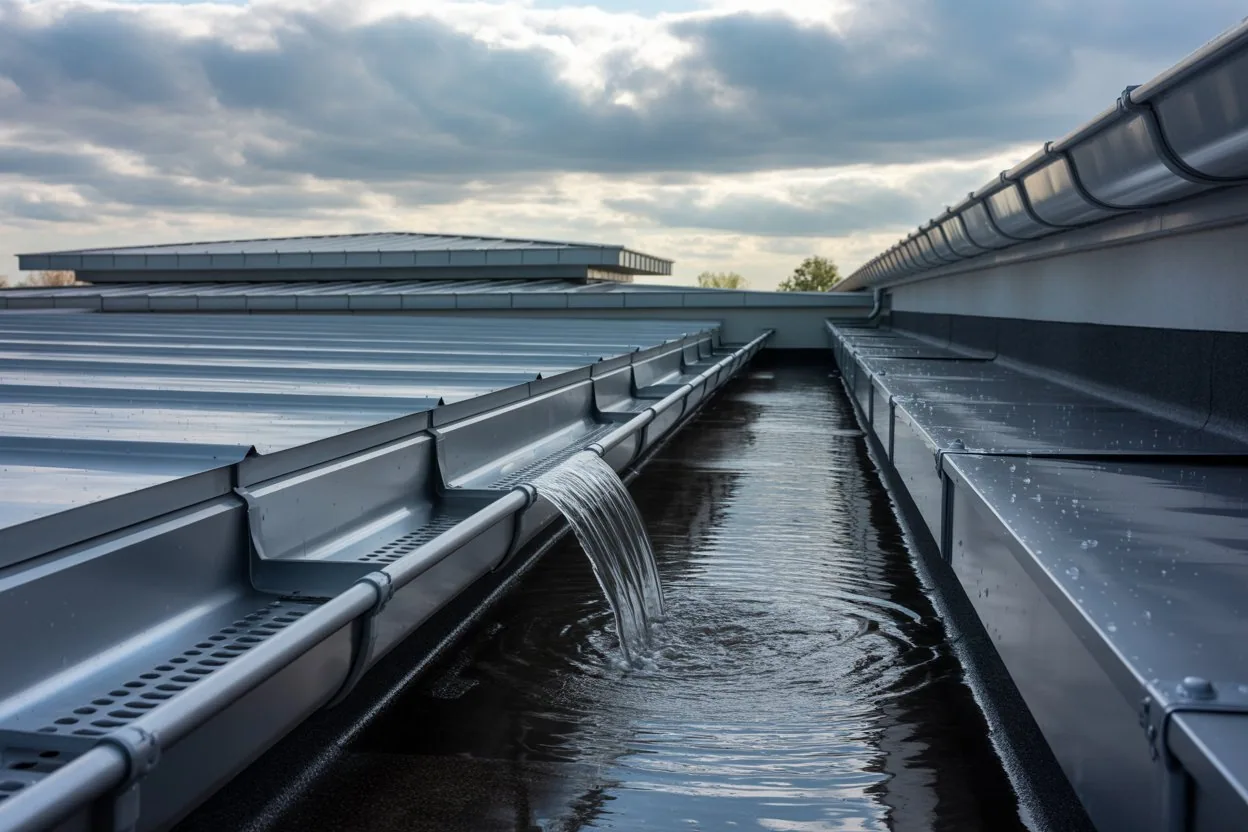
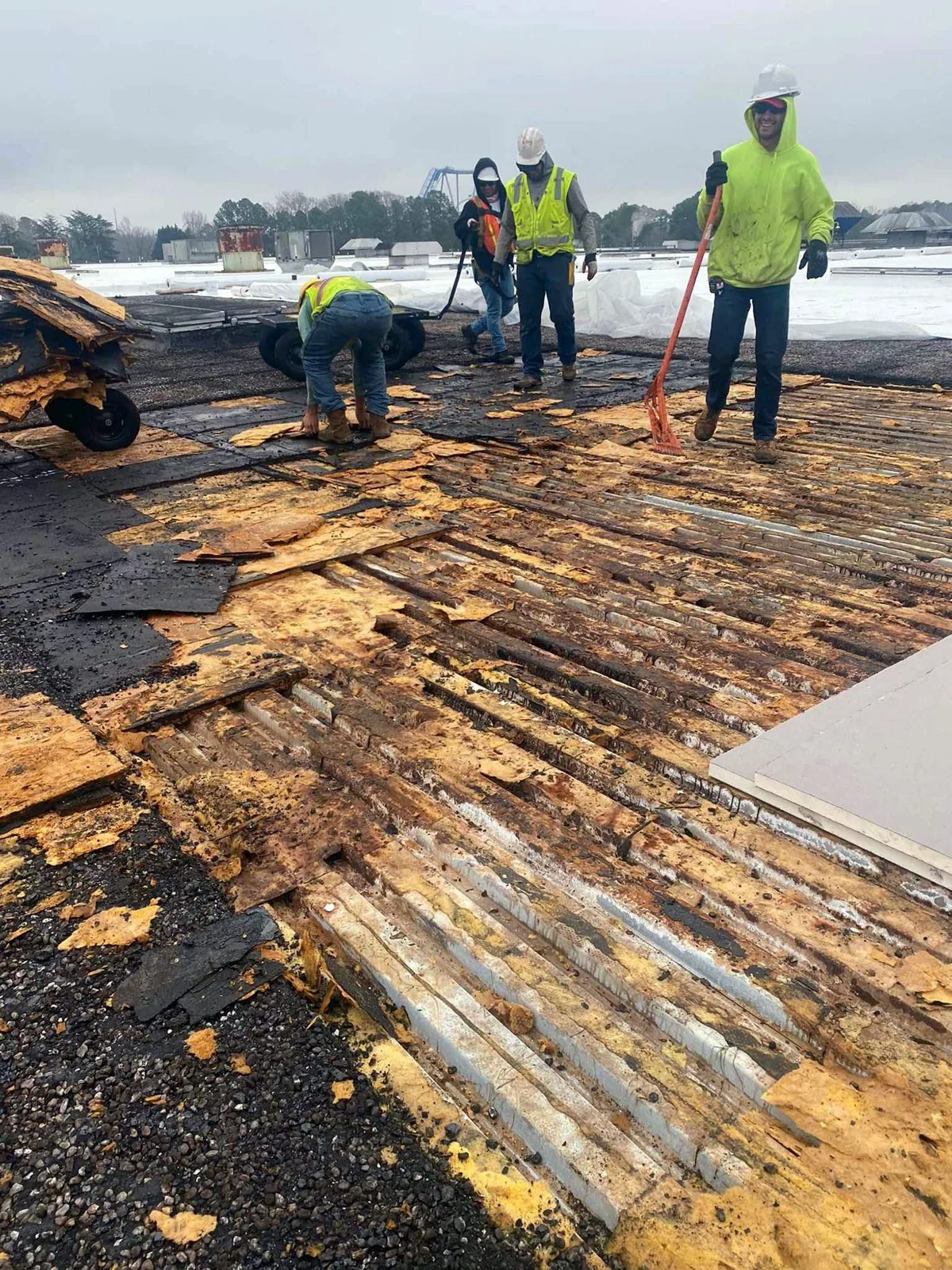
The answer begins with what lands on the roof. Where a kitchen discharges onto the surface, a grease-resistant system such as PVC roofing or its KEE-modified relative handles the exposure better than a membrane that absorbs oil. Where the roof is mostly shaded and cold, a heat-welded seam gives a continuous waterproof joint that does not rely on an adhesive curing in weather it will not get. If the existing roof is sound apart from one grease-stained area, a localized replacement of that membrane with a compatible system can be cheaper than a full tear-off. If the insulation is wet, a recover would trap the water, so the roof comes off to the deck. Cost follows the layers: tear-off depth, deck repair, curbs to rebuild and the number of penetrations all move the price, and the written scope shows each one.
How is roof work scheduled around visitor seasons and winter weather?
The owner knows the quiet weeks better than we do, so the schedule starts there. If a building depends on seasonal guests, we plan the heaviest work, such as hotel roofing replacement or major tear-off at a restaurant, for the slow stretch and finish each section watertight before the crew leaves. Welded seams and adhesives need dry, moderate weather, so spring and early autumn are the best windows, and winter is the time to gather condition data for them. When a roof fails in a hard freeze, a crew can be on it at any hour, holidays included, to protect the interior and the insulation first, and permanent work follows when the weather allows. A restaurant roof that is checked each autumn costs less than one repaired in a rush the week of a full house.
Commercial Roofing Questions
Can grease damage be repaired, or does the whole membrane have to come off?
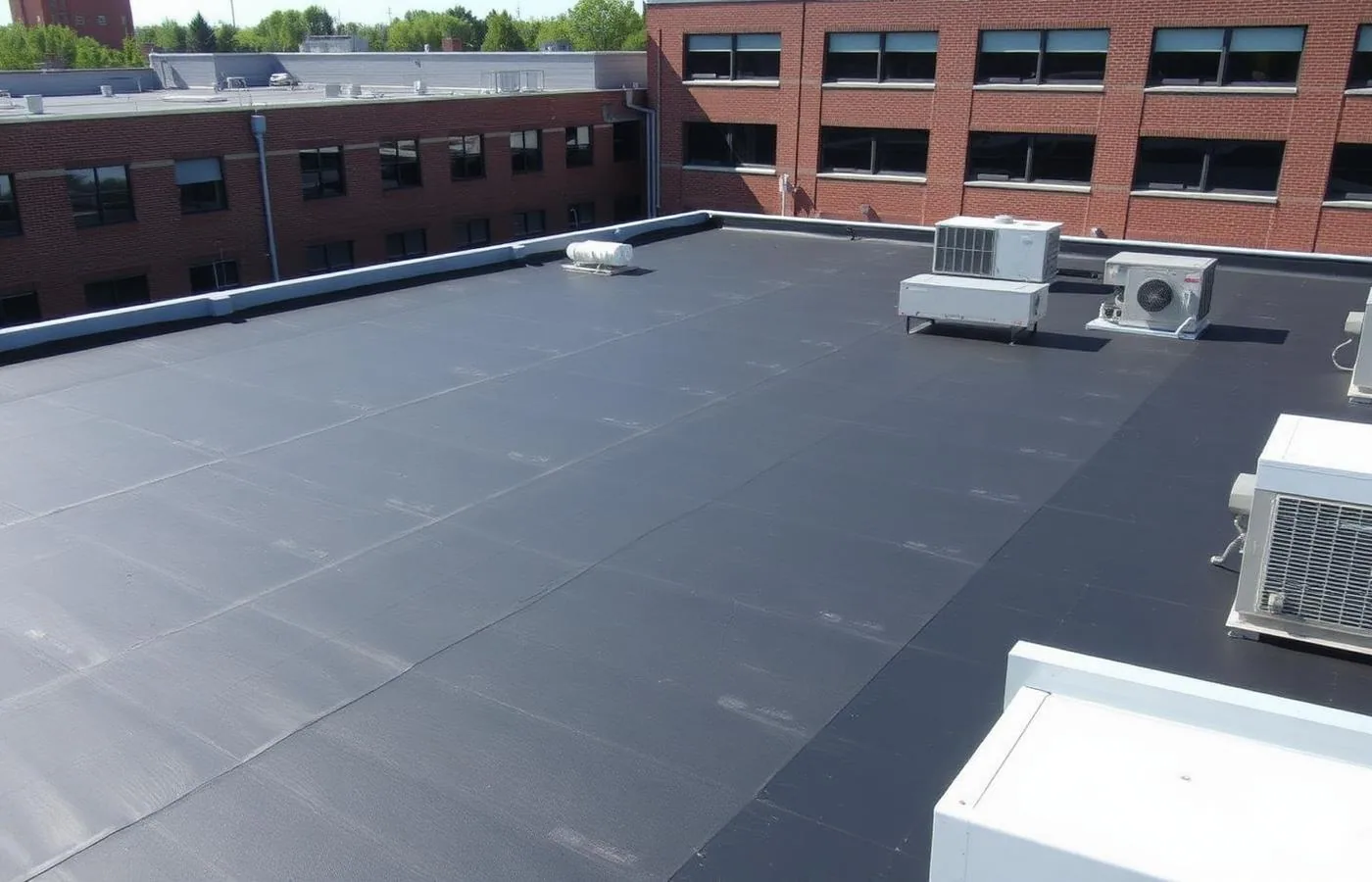
Limited damage can often be cut out and replaced with a compatible membrane, as long as the surrounding material is still sound and welds cleanly. Widespread softening or swelling means the membrane has lost its strength, and a localized fix will only move the failure. A close read of the surface and a few cores tell us which case applies.
What stops grease from reaching the roof in the first place?
Containment at the exhaust fan, with a tray or filter system that captures the discharge, plus a routine cleaning schedule on the hood and duct. Pairing that with a protective pad or a grease-resistant membrane at the discharge point cuts the exposure. Those items are inexpensive relative to repeated membrane repair.
Why do shaded roofs fail in different places than sunny ones?
Shade holds moisture, snow and ice, so the damage collects at drains, laps and the north-facing edges. A sunny roof is more likely to suffer from heat and UV, while a shaded one is more likely to suffer from wetting and freezing. Our walk looks for the pattern that matches the exposure.
How should a seasonal business budget for a roof it cannot close?
Treat the roof as a capital item on a multi-year plan, using the moisture and condition data to place the work in a slow period. A phased scope, with the worst section first, spreads cost without leaving a failing area for later. We write the phases so each one can stand on its own.
What should be confirmed before a Hampton reroof is scheduled?
Confirm which local office reviews the proposed work and whether the project needs a permit or other review before materials are ordered. That early check helps keep the scope, code requirements and schedule aligned with the property's jurisdiction.
Related Roofing Pages
KEE Roofing
How the work is scoped, phased and documented on Tri-Cities roofs.
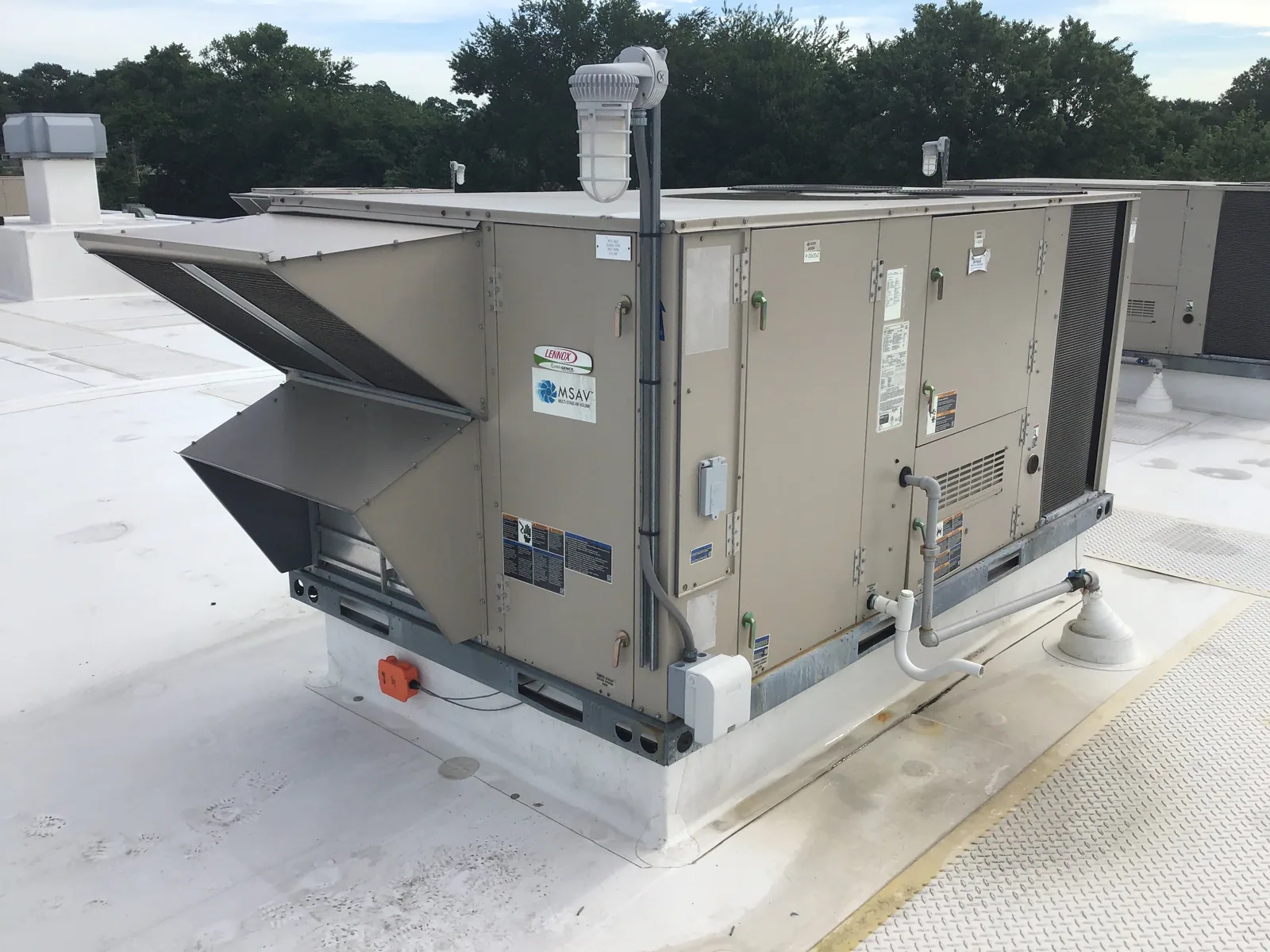
Elizabethton
What we check, what we recommend and how the crew keeps the building running.
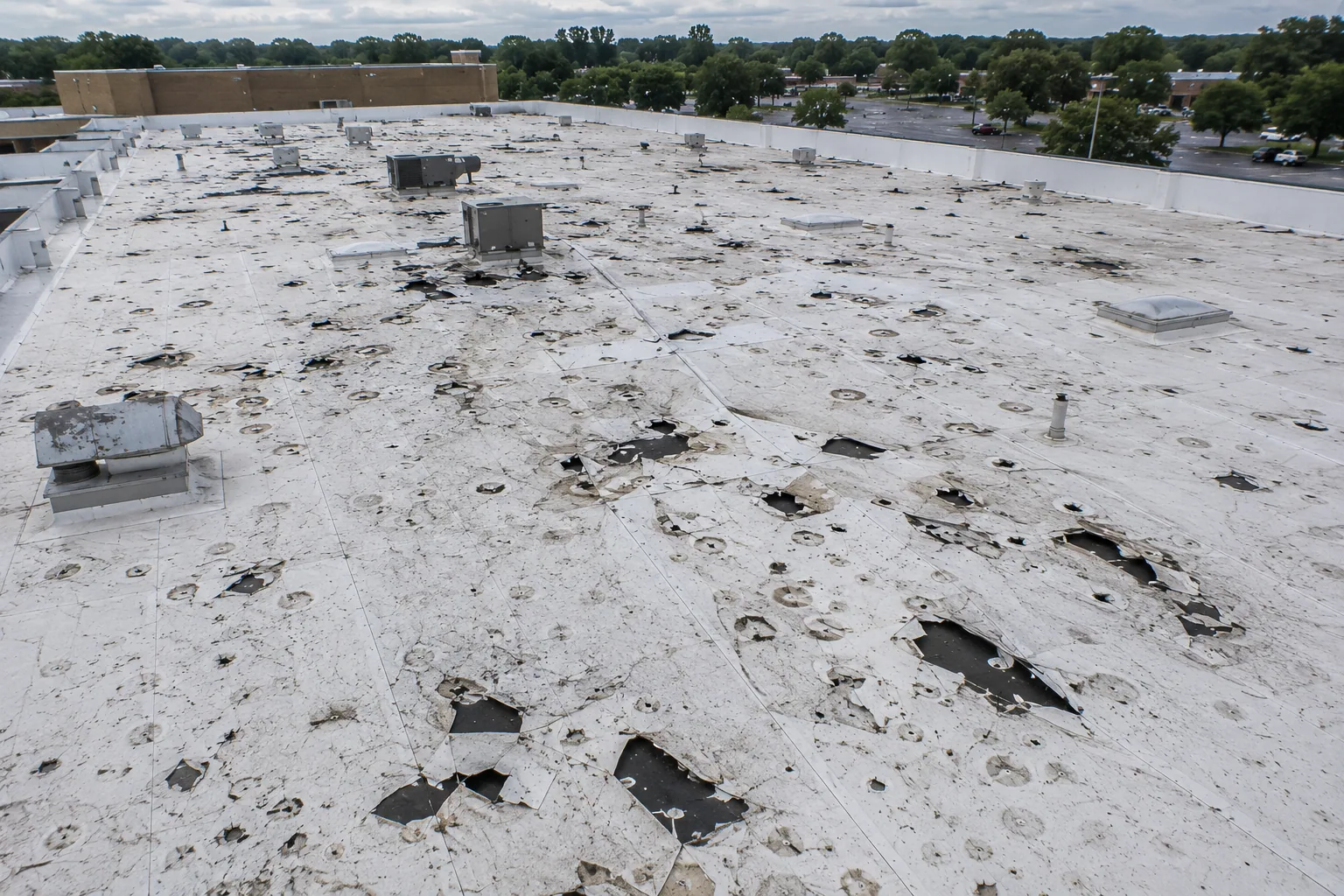
Roan Mountain
Conditions, options and next steps for commercial buildings in East Tennessee.