Restaurant Roofing in Johnson City, TN
Grease leaves a kitchen through the exhaust fan as a fine mist, settles on the roof around the curb, and works into the membrane a little more with every service day. Some sheets swell and soften under that exposure, seams lose their grip, and the first sign is usually a stain on the dining room ceiling in the middle of a Friday lunch. The cause sits in the weeks and months before it: fat in the sheet, a flashing that lifted a hair at the curb, and a freeze-thaw winter that pulled the weak spot open. A restaurant in Johnson City, TN has a cost beyond the repair, because a dining room with a leak cannot seat guests and a kitchen with a leak may have to stop cooking. We start by learning what the exhaust leaves behind, since the membrane must be chosen for the grease it will actually meet.
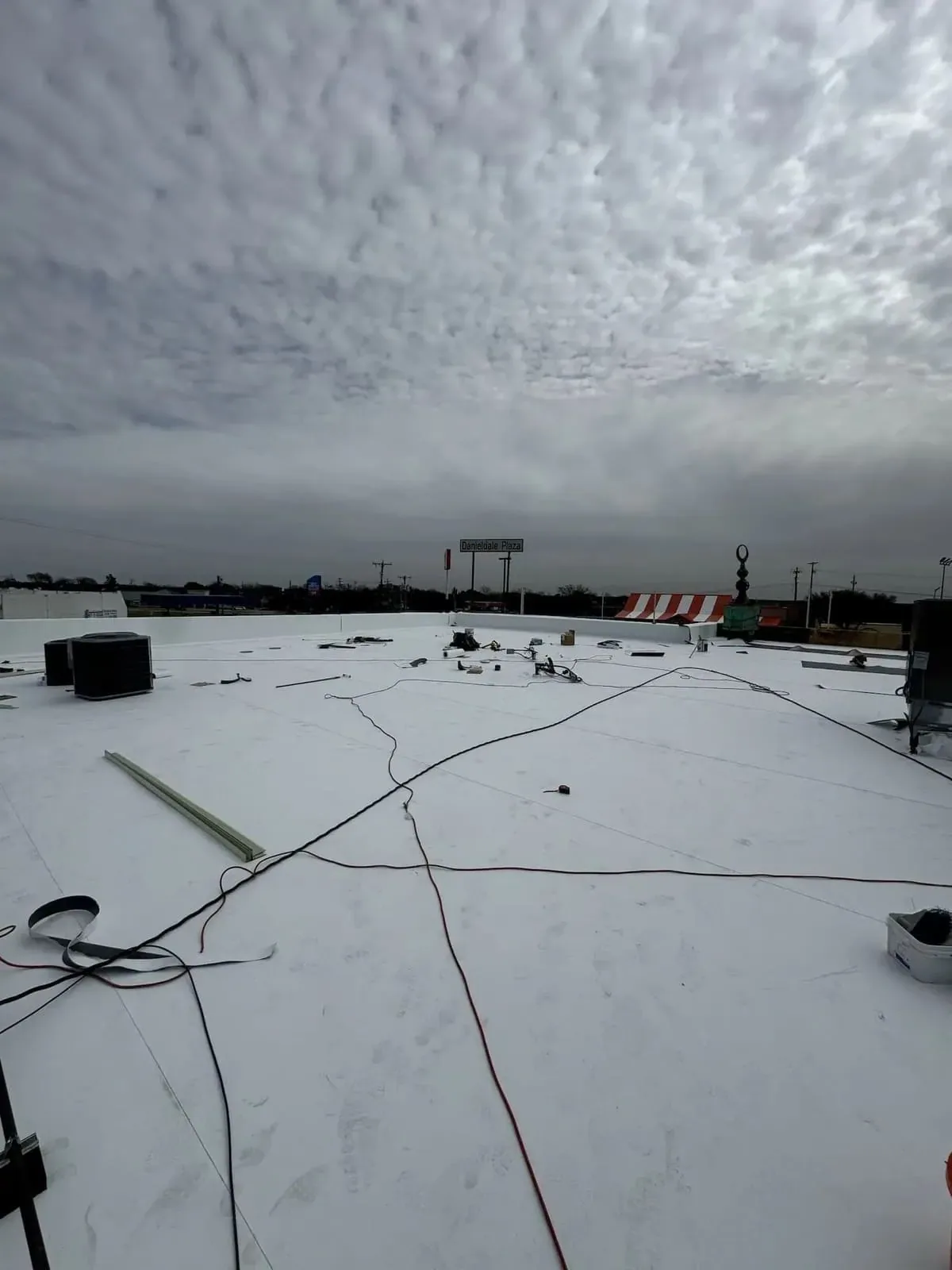
What does kitchen exhaust do to a roof, and how is it contained?
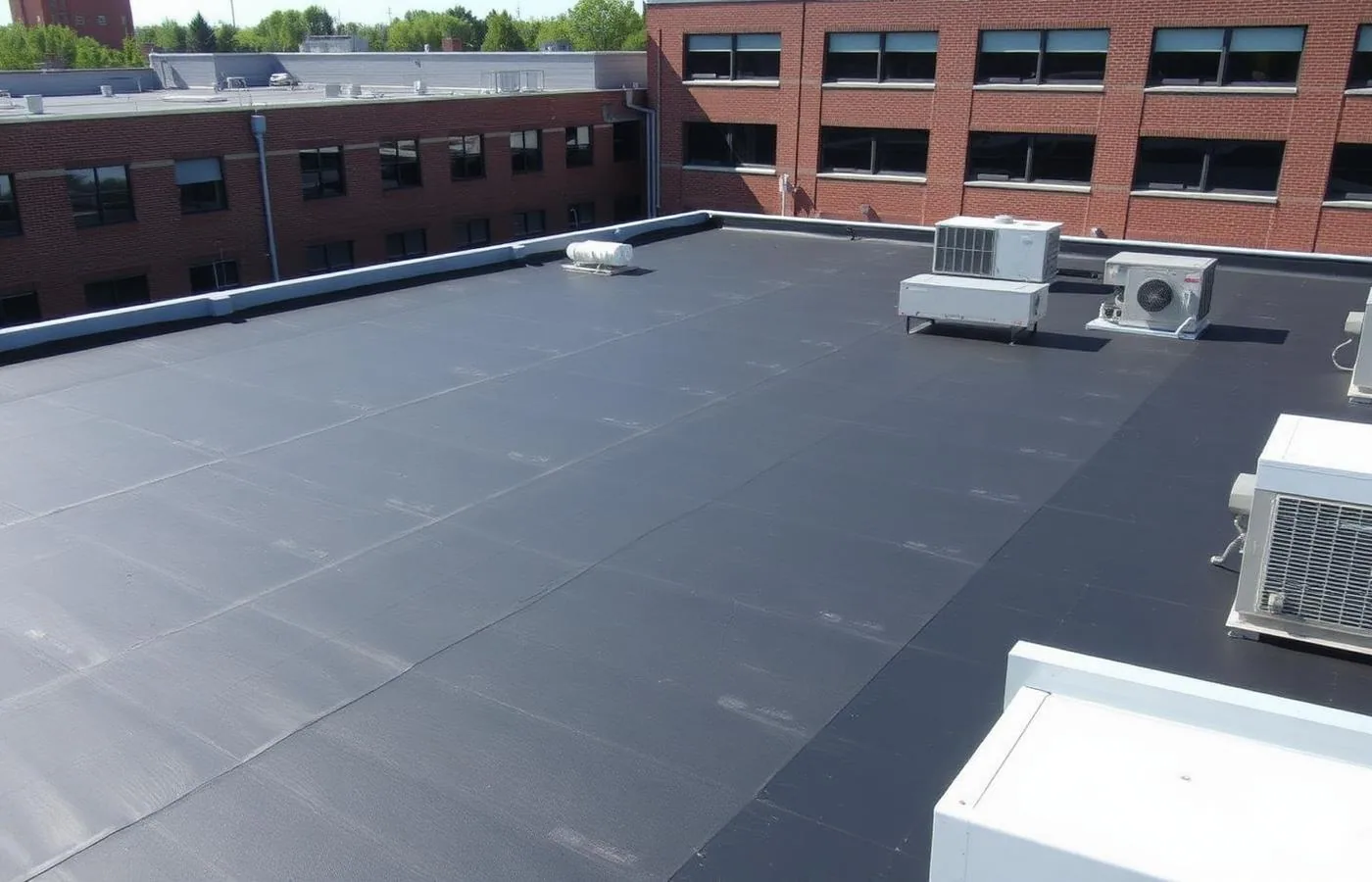
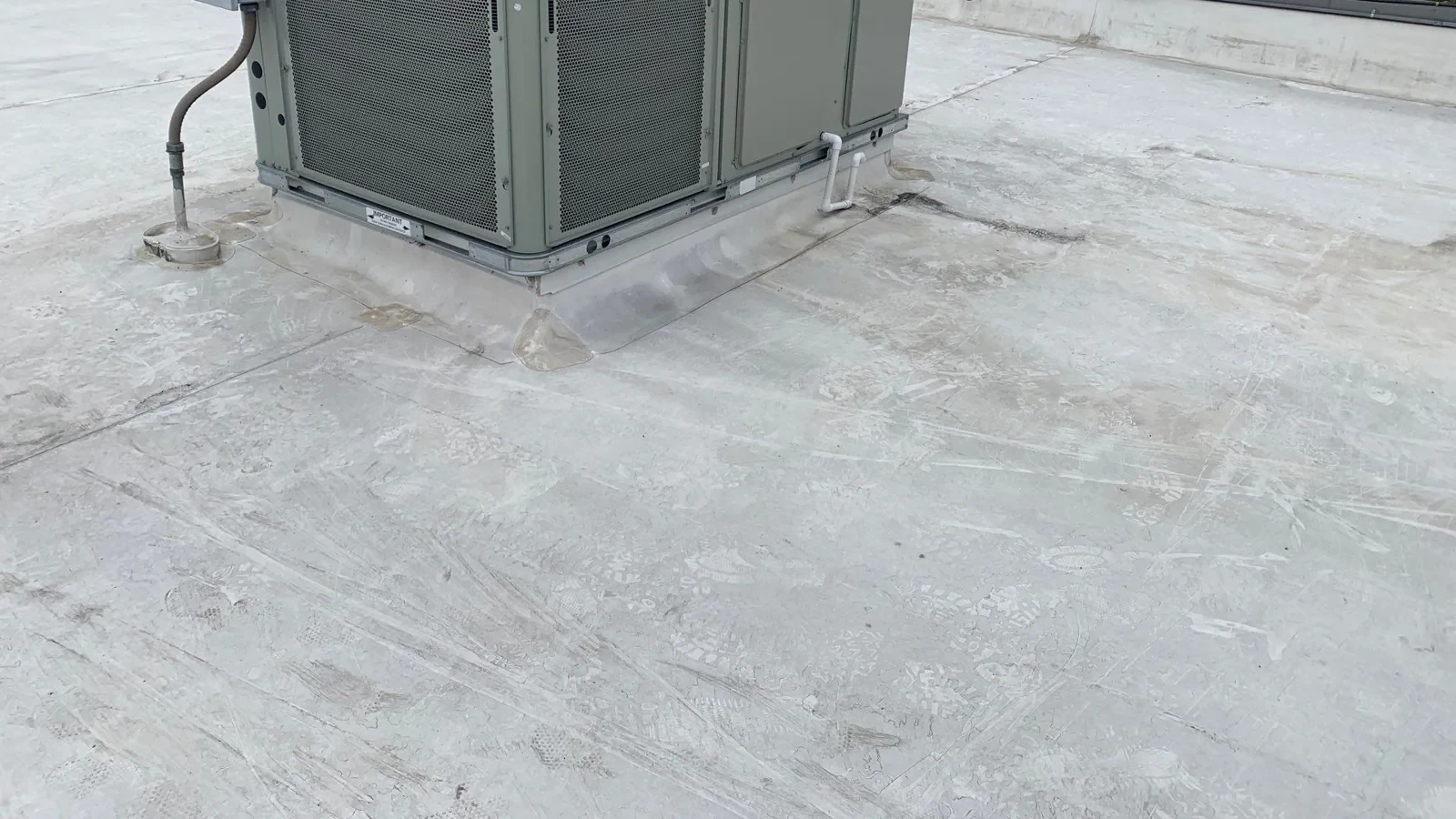
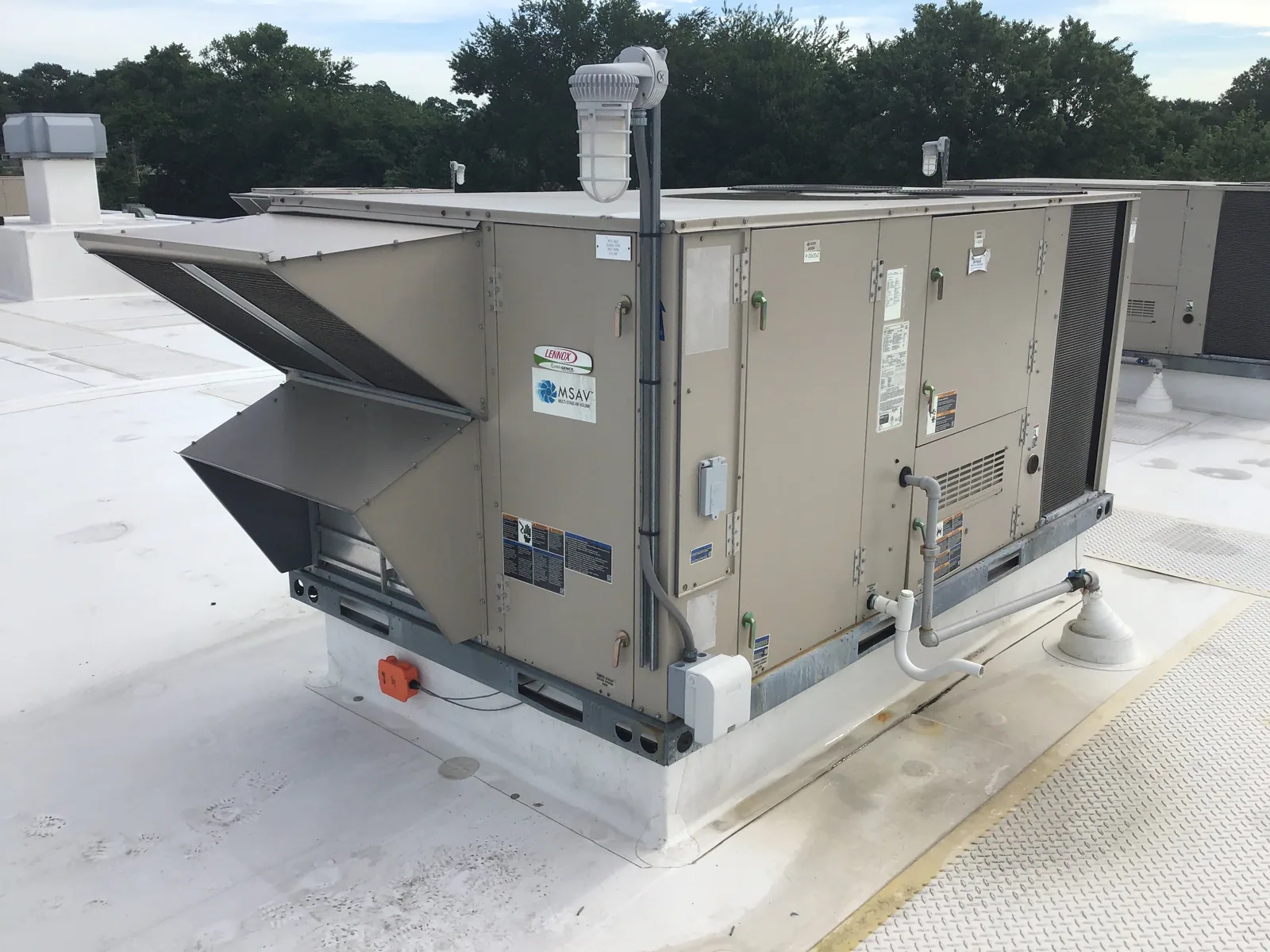
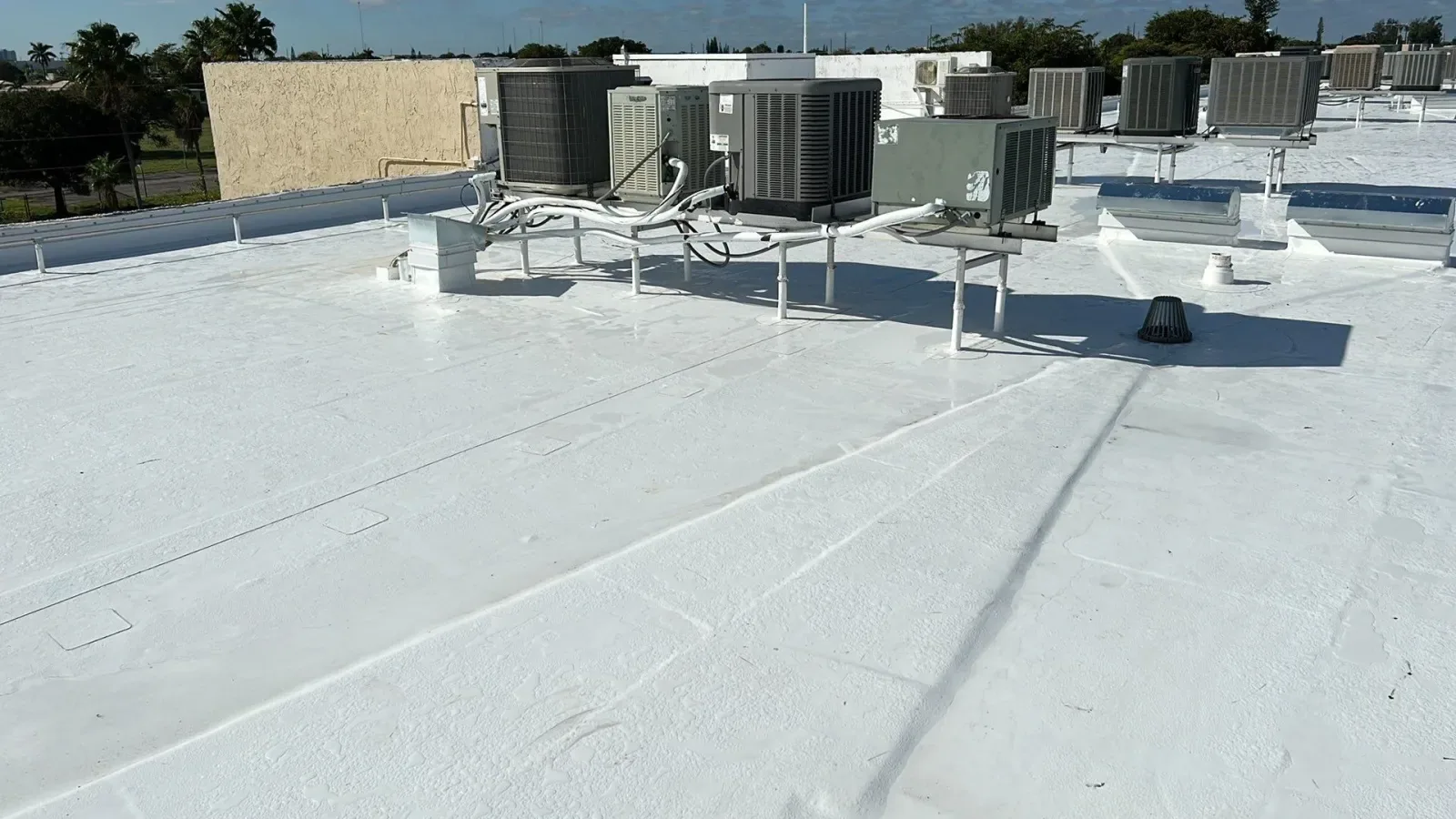
Fats and oils in the vapor condense on the cooler surfaces of the roof, coating the membrane, the curb and the walk path. On EPDM and on some TPO sheets that coating softens the material and shortens its life, while PVC and KEE are formulated to resist it far better. Grease also collects in the debris around the fan and runs toward the nearest drain, where it clogs the strainer and holds water on the roof. The remedy begins at the source, with a grease containment pan or absorbent system under the fan outlet and a cleaning routine tied to the kitchen's own schedule. Where grease reaches a roof that holds an old membrane, we clean the surface properly before any repair, because an adhesive cannot grip a greasy sheet. A fire that starts in a hood duct can also reach the roof, so we inspect for charring and have a plan ready for fire damage roof repair if it comes.
Learn what your exhaust is doing to the roof
Call Commercial Roofing Johnson City and we will walk the roof around your fans, scan for wet insulation and write up the membrane and repair plan that suits your kitchen. You can then schedule it for the slowest week.
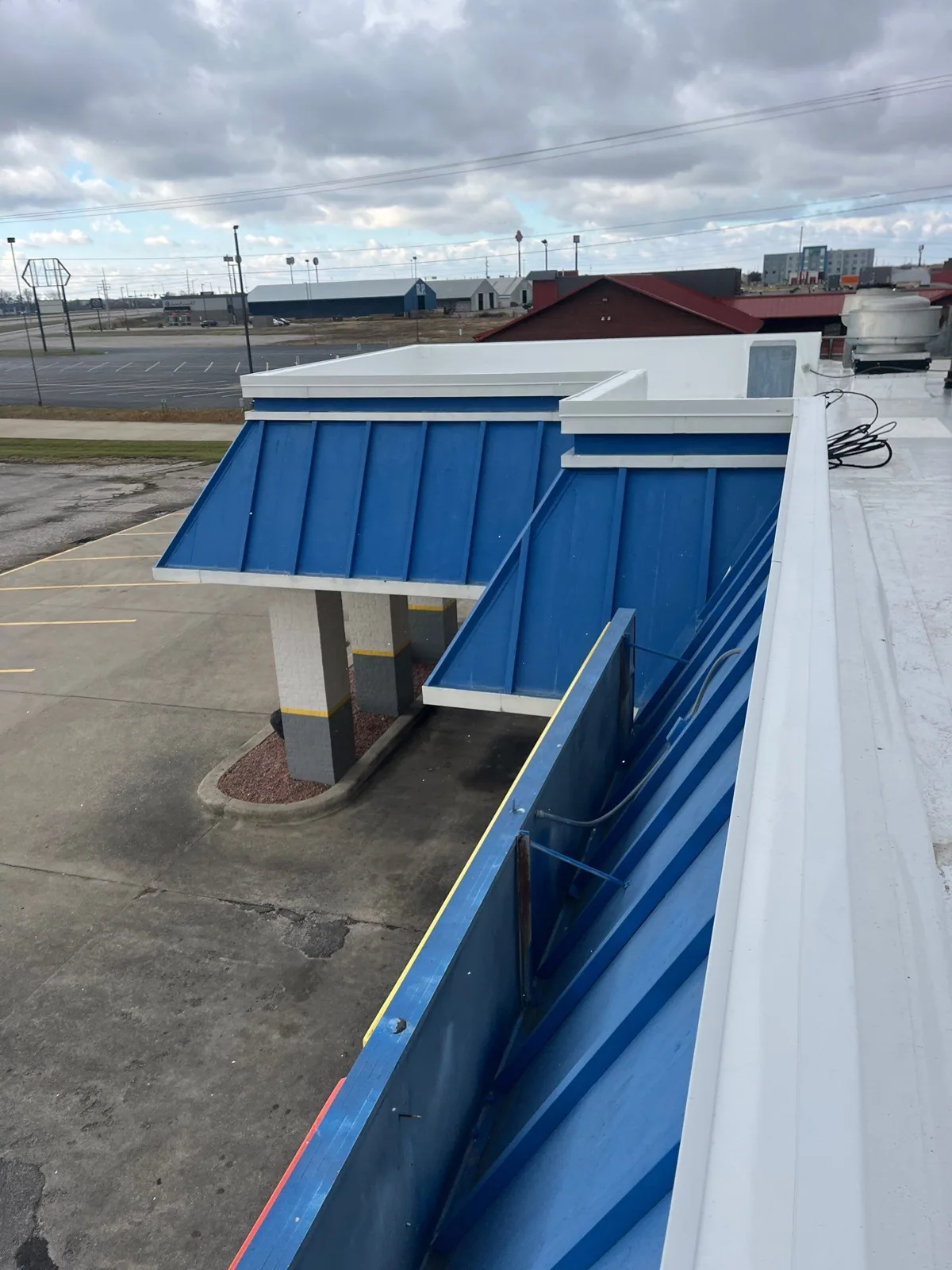
Which roof system suits a building with a commercial kitchen?
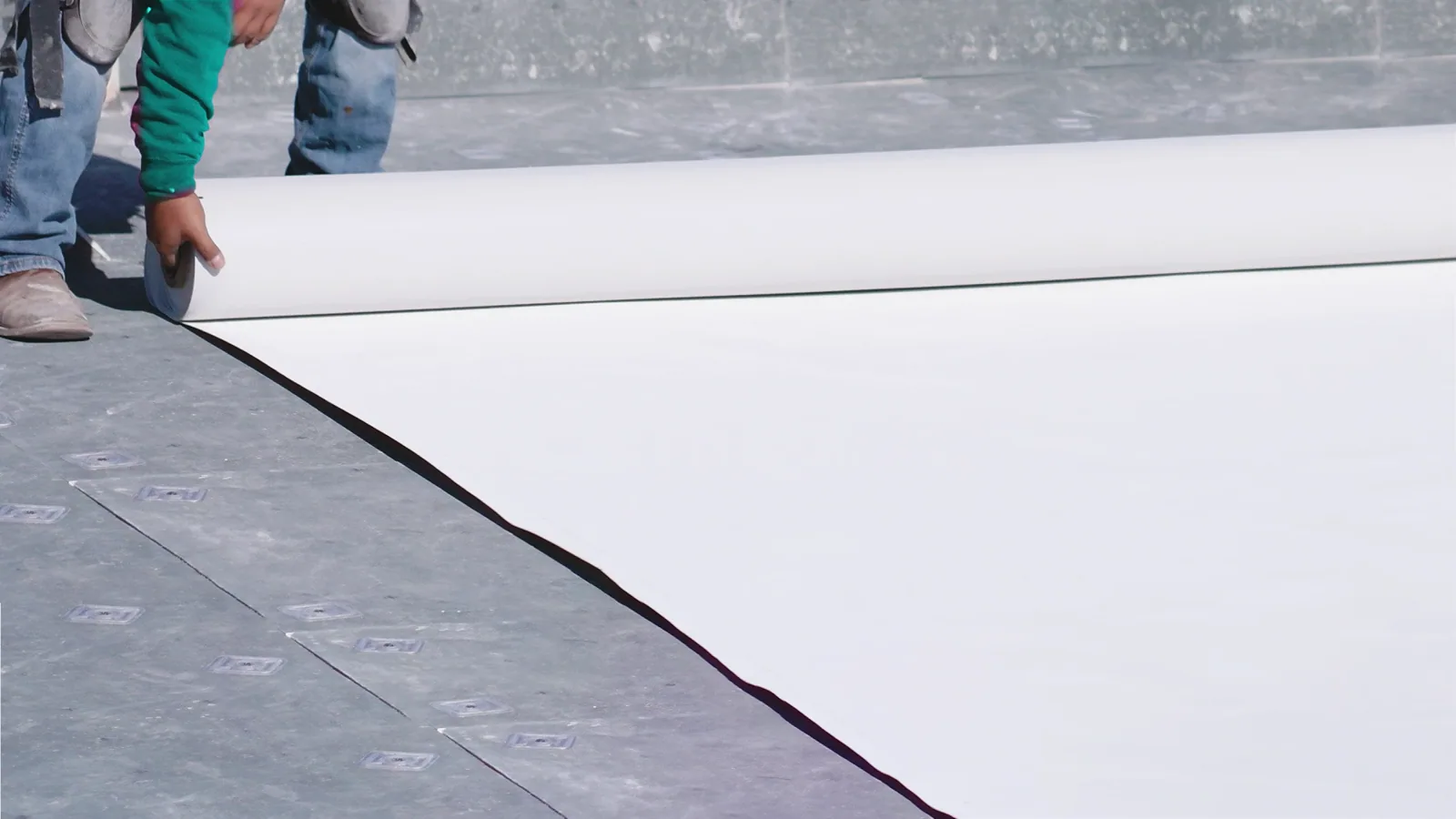
The choice follows the exhaust. For heavy frying, a PVC roofing sheet or a KEE roofing membrane gives the best resistance to fats, with seams that are heat-welded into a continuous surface. For lighter cooking, a thick TPO can serve with regular cleaning, and a modified bitumen cap sheet may serve where the roof sees more foot traffic than grease. EPDM is rarely a good fit near a kitchen vent. Where a building has hot-work restrictions because of its use or its neighbors, we choose methods that avoid an open flame, such as welded single-ply or cold-applied adhesives. The decision also depends on the age and moisture of the roof beneath, which is why we scan before we specify, and why a recover over a wet, greasy surface is almost never wise.
What does a closed dining room cost next to the roof work above it?
Even a short closure costs more than the repair, because lost covers, spoiled prep and paid staff arrive together, and a restaurant has no way to store a night of sales. A drip over a service line, a bar or the pass can force the same shutdown in the busiest hour. Water in the roof insulation also raises the cooling load on a kitchen that already runs hot, and a ceiling that sags or grows mold can bring a health inspection. A restaurant owner who waits for the visible leak pays at the most expensive moment, in the middle of service, and pays for an emergency response and a hurried repair. A planned fix, scheduled for the slowest part of the week, costs a fraction of that, and it can be paired with a coating or a membrane upgrade if the survey supports it.
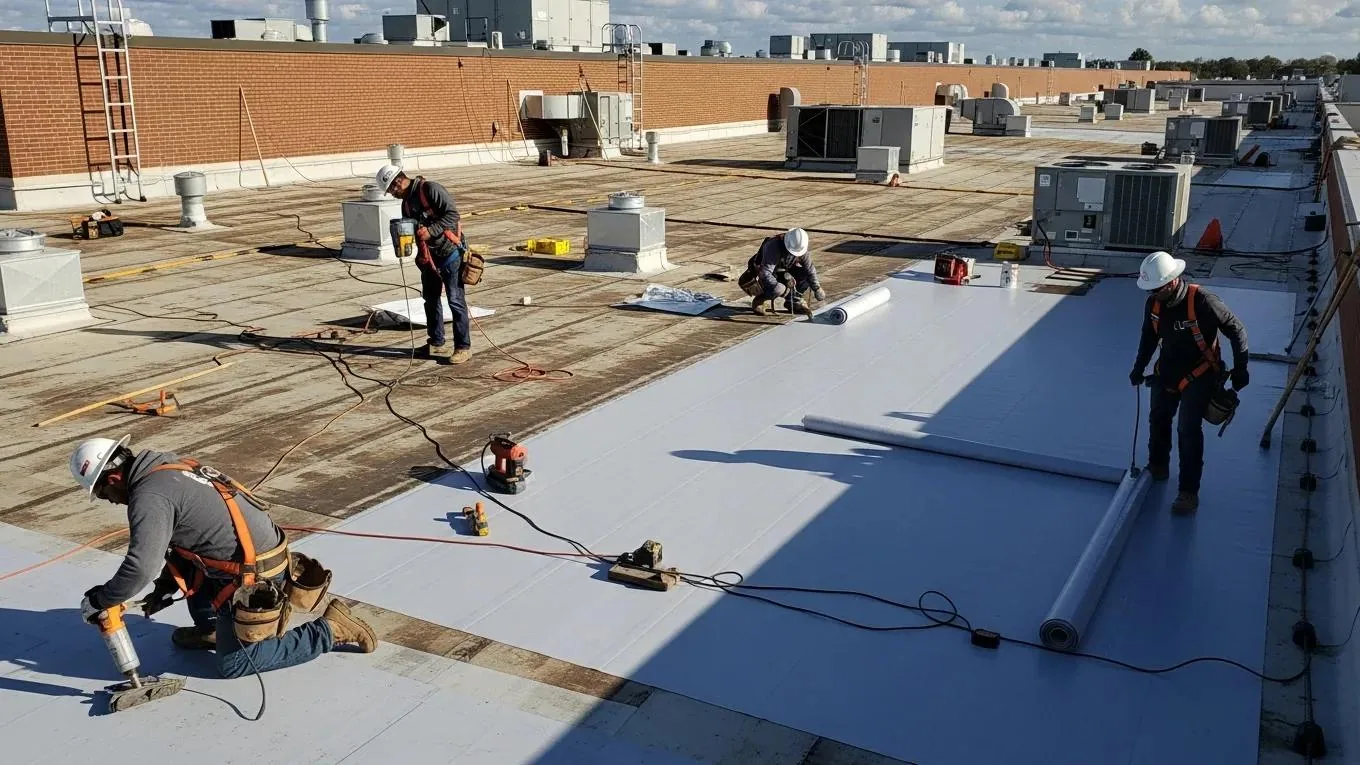
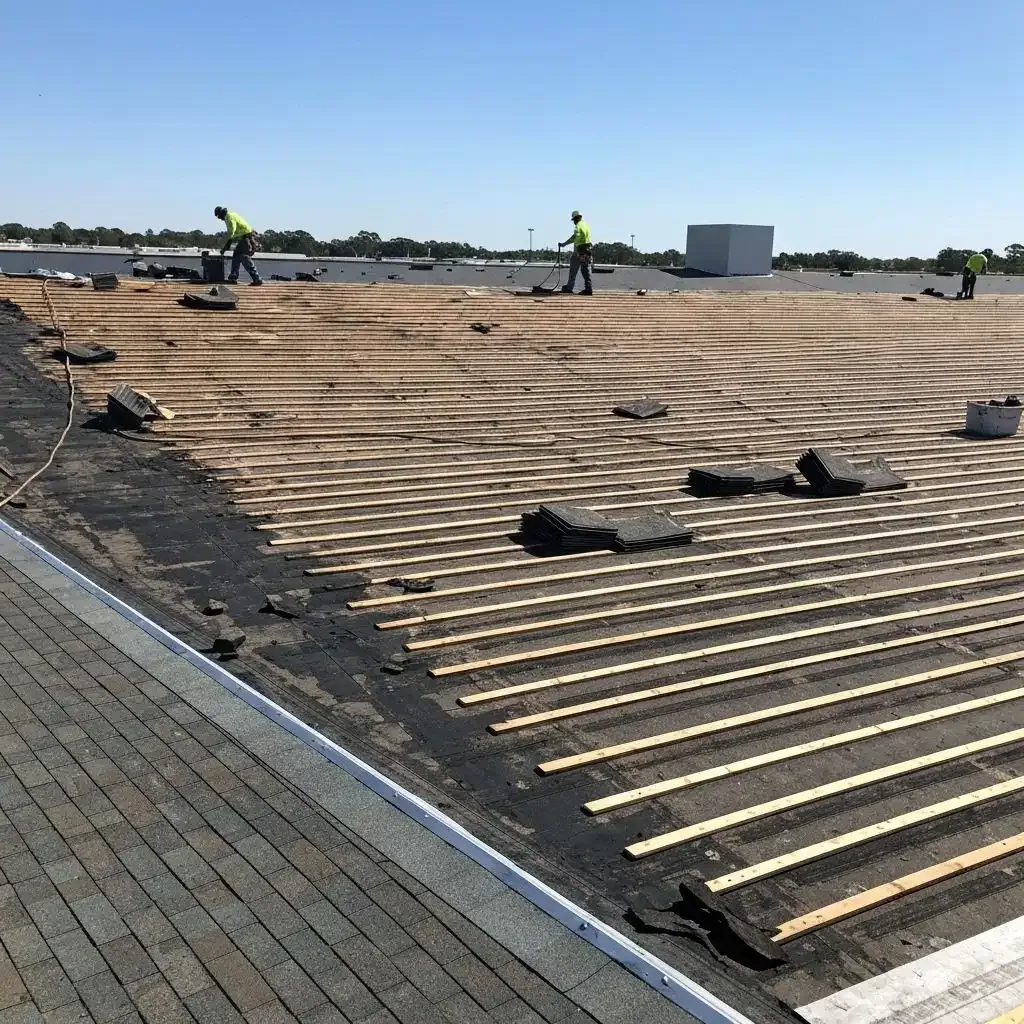
When is the right week to work above a restaurant?
When the dining room is quiet and the weather is dry. Tear-off and welding go best in the early morning, before prep crews arrive, and hot adhesives or primers are kept away from the intake of the make-up air unit. We coordinate with the kitchen so that hood fans can be turned off for the minutes when a curb is lifted and restarted when the flashing is sealed. Seasonal rhythms matter too. Jonesborough hosts the National Storytelling Festival each October, and a restaurant there is at its busiest when the roof can least spare a crew, so we plan around those weeks. A leak does not wait for a convenient date, so if a storm opens the roof our crews respond at any hour and dry in the area before the next service.
What do restaurants downtown, in Jonesborough and along the retail corridors share on the roof?
Downtown Johnson City has a historic commercial core, with older masonry buildings, active retail, Founders Park, its farmer's market pavilion and the Tweetsie Trail drawing people on foot. A restaurant in one of those older buildings gets a survey of the roof it actually has, parapets and drains included, before anything is specified. Jonesborough, founded in 1779 and centered on the Andrew Johnson Highway (US 321 and US 11E), draws visitors for heritage tourism, so a restaurant there works to a visitor calendar as well as a weather one. In the retail hub around Johnson City Crossings, a restaurant space in a multi-tenant building shares its roof with the neighbors, so the lease and the repair history both matter. Snowfall of about 15.6 inches a year, followed by freezing nights, tests the flashings. A grocery store roof shares the grease and rooftop-equipment problems, a shopping center roof shares the landlord and tenant split, and a group of locations can be handled as a retail and restaurant chain program.
What does a restaurant roof survey record?
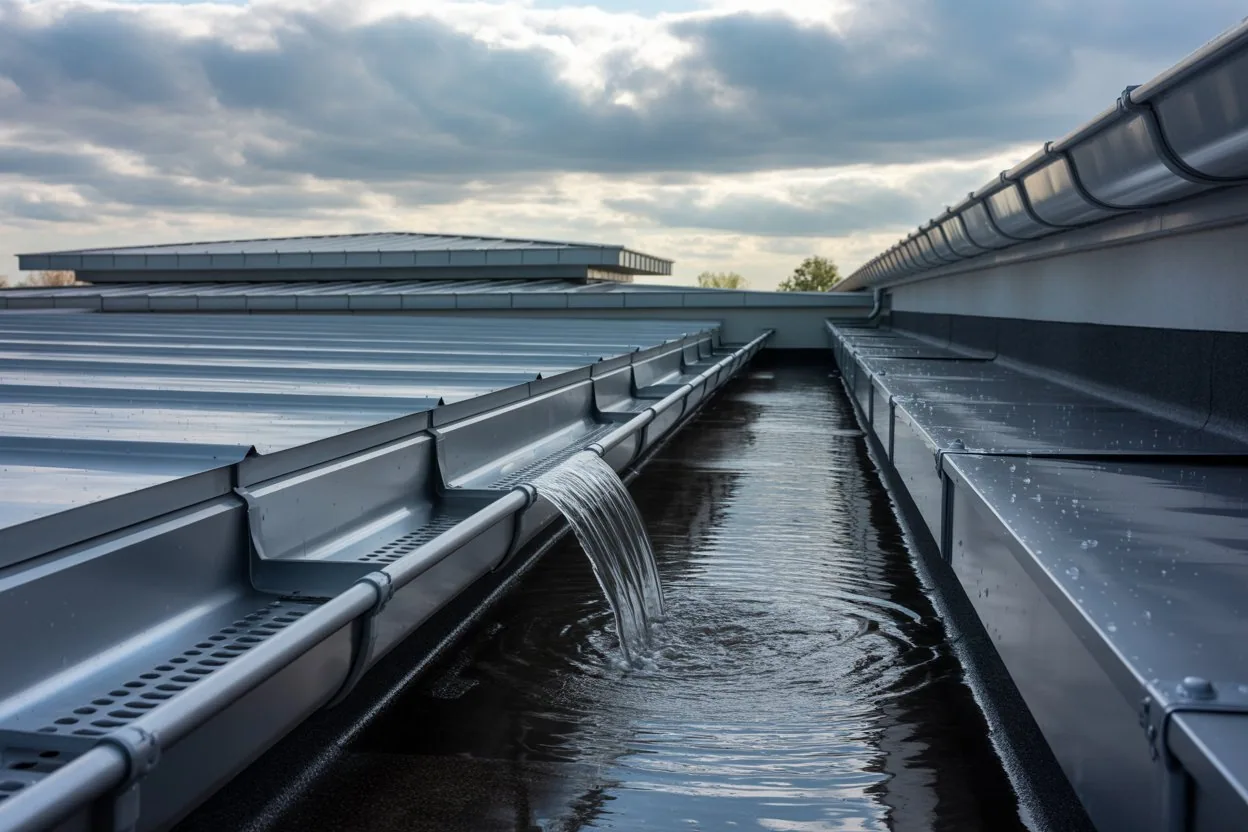
It records the roof the way a kitchen manager would want it explained. We walk the area around each exhaust fan and measure how far the grease has spread, probe the seams near the curb, and check the drains for fat and debris. Infrared imaging after sunset shows where the insulation is wet, and the written report ties each finding to a spot on the roof plan, with photographs and a ranked list of repairs. If the restaurant leases its space, the report also sorts findings into those the landlord must handle and those that belong to the tenant, which makes the next conversation shorter. A roof walked this way usually shows a handful of small problems that can be repaired during a slow week, and it leaves the owner with a record to bring to the next negotiation.
Commercial Roofing Questions
How do we keep grease off the roof around the exhaust fan?
A containment pan or absorbent system under the outlet catches most of what falls, and cleaning it on the same cycle as the hood keeps it effective. We also install a grease-resistant walk pad around the fan and clear the area when we service the drains.
Who is responsible for the roof when the restaurant leases its space?
Lease language settles it, and many leases split the roof between landlord and tenant by cause. We document the condition and the likely source of each defect, so that the parties can argue from photographs instead of memory.
What happens to the hood and make-up air during roof work?
We schedule shutdowns with the kitchen for the short windows when a curb is lifted, protect the air intakes from fumes, and restart the equipment only after the flashing is sealed. Most of the day the kitchen keeps its normal operation.
Is a recover a good choice over a greasy membrane?
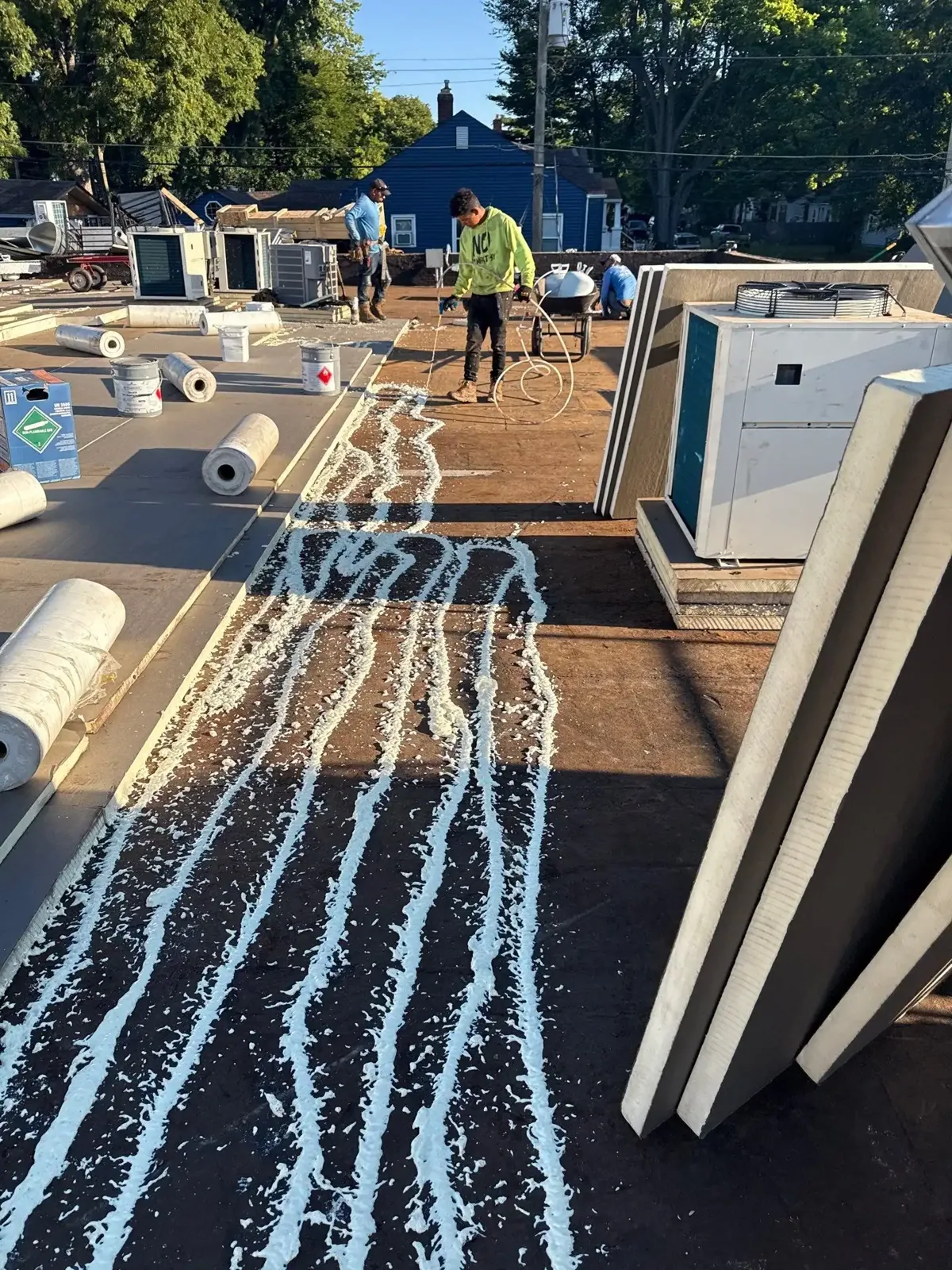
Rarely. Grease on the old surface blocks adhesion, and wet insulation hidden underneath makes the new sheet inherit the problem. Cleaning, a moisture scan and a tear-off of the worst areas usually come first, and then a recover can go forward on a verified surface.
Does a restaurant need a roof inspection before signing a lease or buying a building?
It saves money when it is done early. A survey before closing reveals the age of the membrane, the extent of grease damage and any hidden moisture, which sets a fair price and tells the buyer what to reserve for the first few years.
Related Roofing Pages
Fire and Smoke Damage Roof Repair
How the work is scoped, phased and documented on Tri-Cities roofs.
PVC Roofing
What we check, what we recommend and how the crew keeps the building running.
KEE Roofing
Conditions, options and next steps for commercial buildings in East Tennessee.