
Grocery Store Roofing in Johnson City, TN
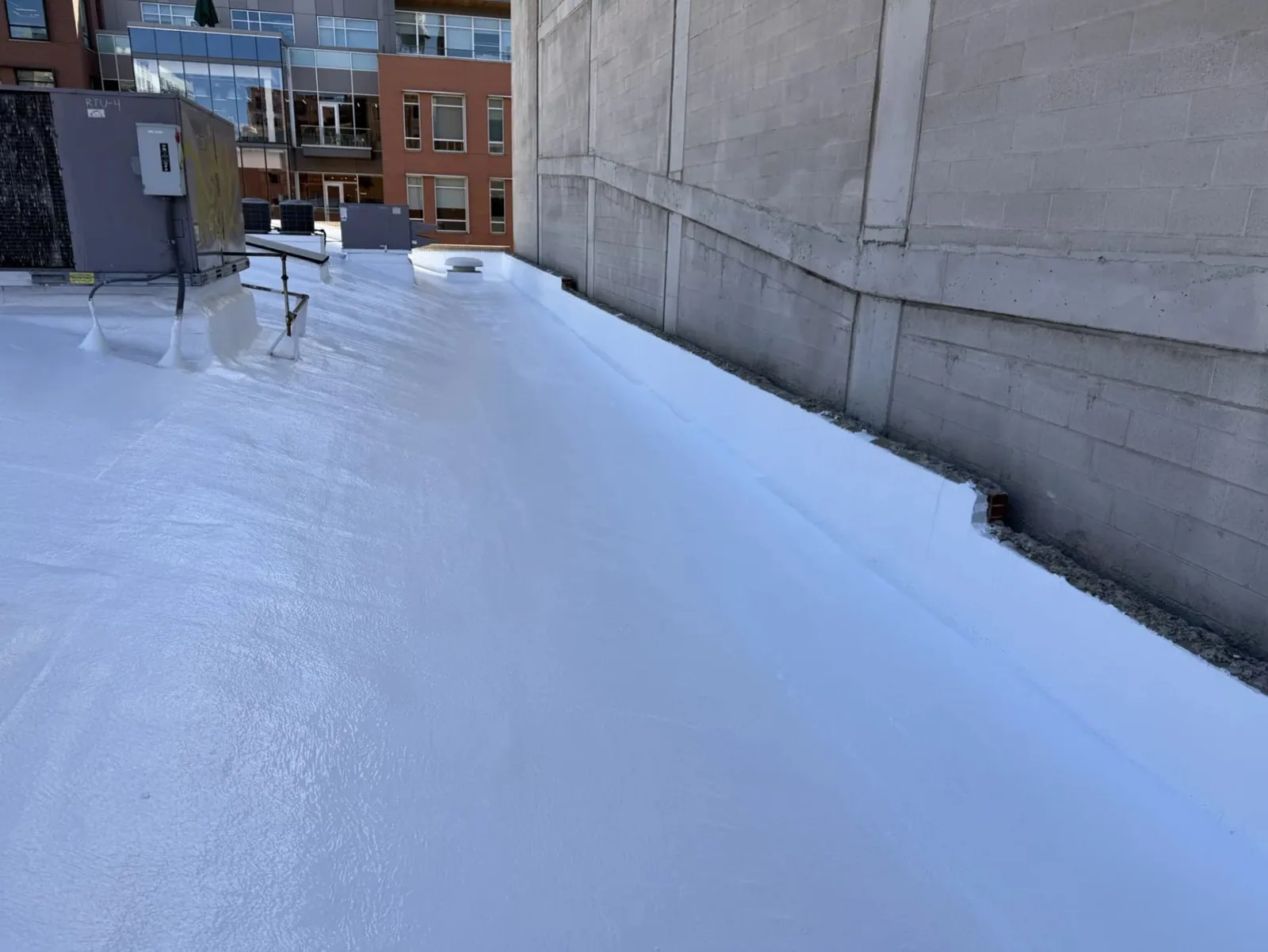
The path from the roof hatch to the refrigeration condensers is the most heavily walked route on a grocery roof, and the membrane along it takes a beating that the rest of the field never sees. Technicians carry tools, hose, refrigerant and replacement parts across it several times a year, and each trip grinds grit into the sheet, compresses the insulation underneath and frays the seams at the edge of the walkway. Oil from compressors and grease from bakery and deli exhaust add a chemical load on top of the mechanical one. Grocers in Johnson City, TN pay for that wear in a way other retailers do not, because water over a cooler or a produce aisle means food that cannot be sold. Our approach is to treat the equipment zone, the walk paths and the exhaust areas as separate problems, price each one, and keep the field of the roof dry and alone.
What do refrigeration racks do to the roof beneath them?
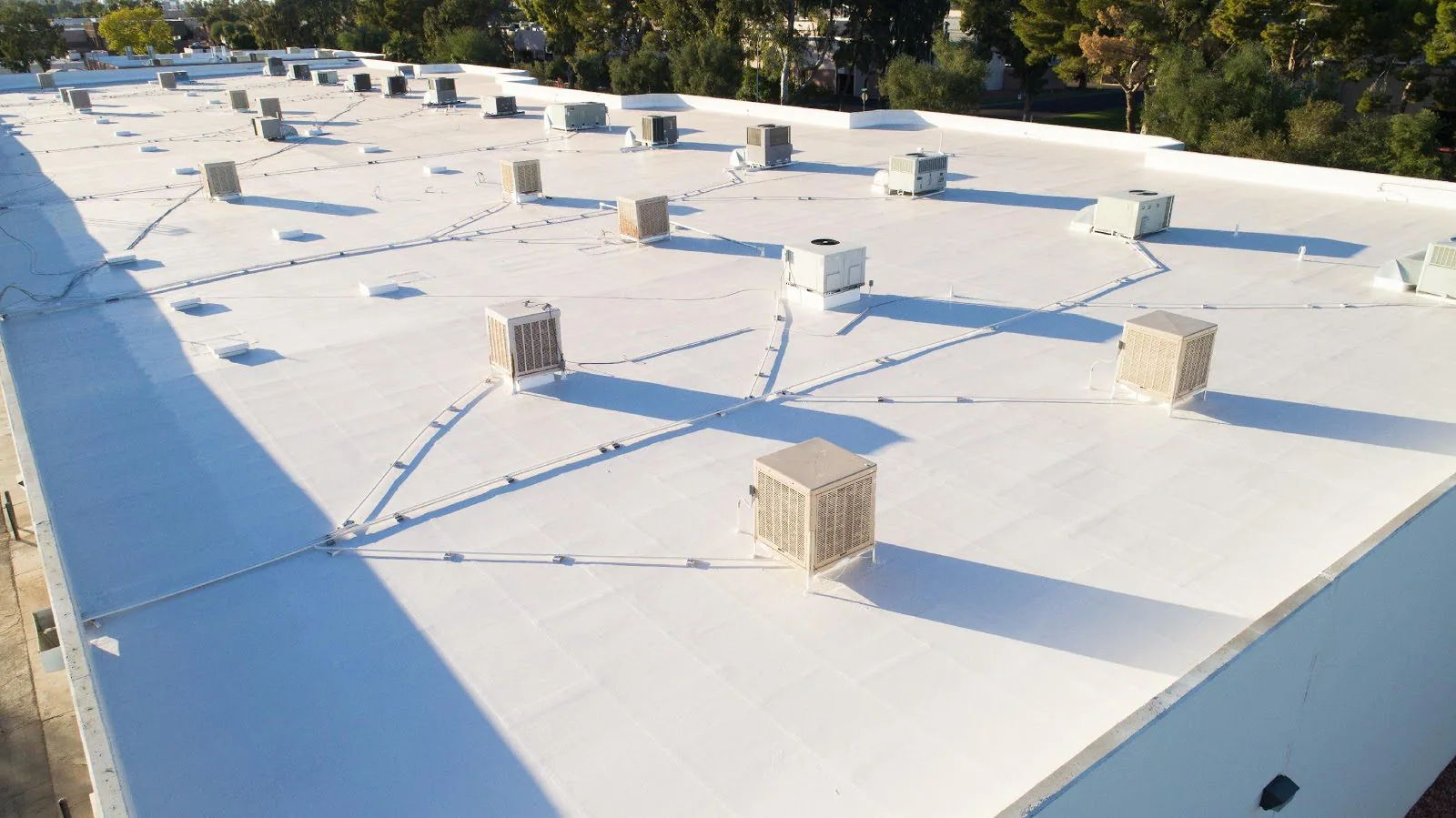
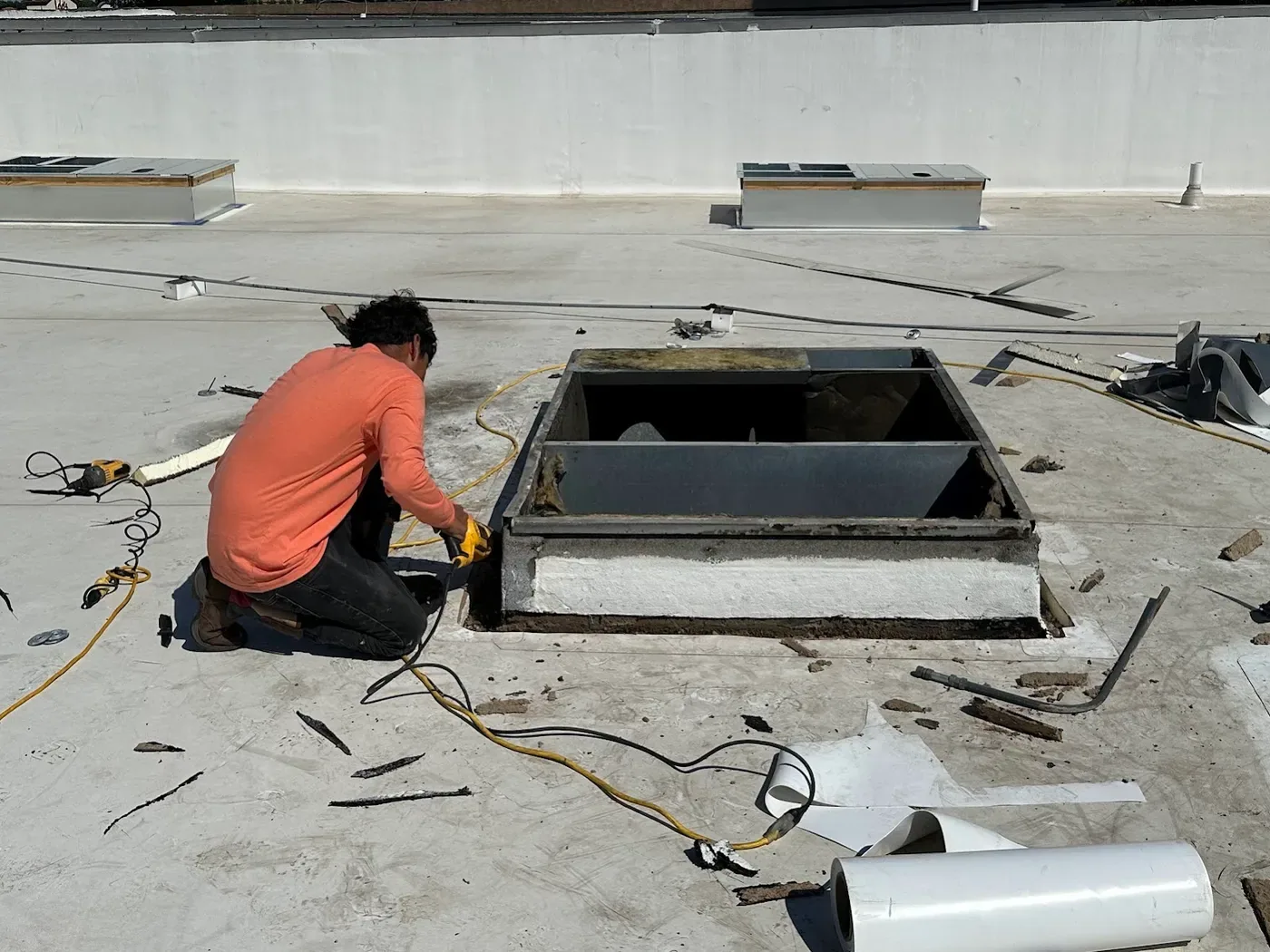
They add heat, vibration, weight and a forest of penetrations in one place. Condensers shed heat all day, so the membrane near them runs hotter than the field and ages faster, while the fans transmit a constant tremor into the supports and the pipe runs that cross the roof. Refrigerant lines, electrical conduit and condensate drains go through the membrane at many points, and each boot or pitch pocket is a seam that must survive thermal movement and the technician's boots. Add the weight of the racks and the foot traffic around them, and the insulation under that area is the first to compress and hold water. We inspect those supports closely, along with the curbs under the equipment, and rebuild flashing before the first leak shows. Walkway pads along the main route spread the load and protect the sheet from the next ten thousand footsteps.
Find the water before it finds the cooler
Call Commercial Roofing Johnson City and we will scan the roof after dark, map every wet area and write up what the equipment zone needs. The store keeps selling while the facts come in.

What does a drip over a produce aisle or a frozen case actually cost?
The expense starts with product. A leak over open produce, bakery goods or meat in a case means stock that has to be pulled and discarded, and under food-safety rules the area may need to stay closed until it is cleaned and checked. A wet floor puts shoppers and staff at risk of a fall, and a ceiling that sheds tile or insulation raises the sort of concern that brings an inspector. Meanwhile water in the roof insulation increases the load on the store's cooling system, which already works hard around the clock. Sales lost to a closed aisle never come back, and a store with a recurring leak earns a reputation that is hard to repair. The roof repair itself is rarely the big number. Finding the water early, with an infrared moisture survey, keeps the whole bill small.
Which membranes hold up best around grease, oil and heat?
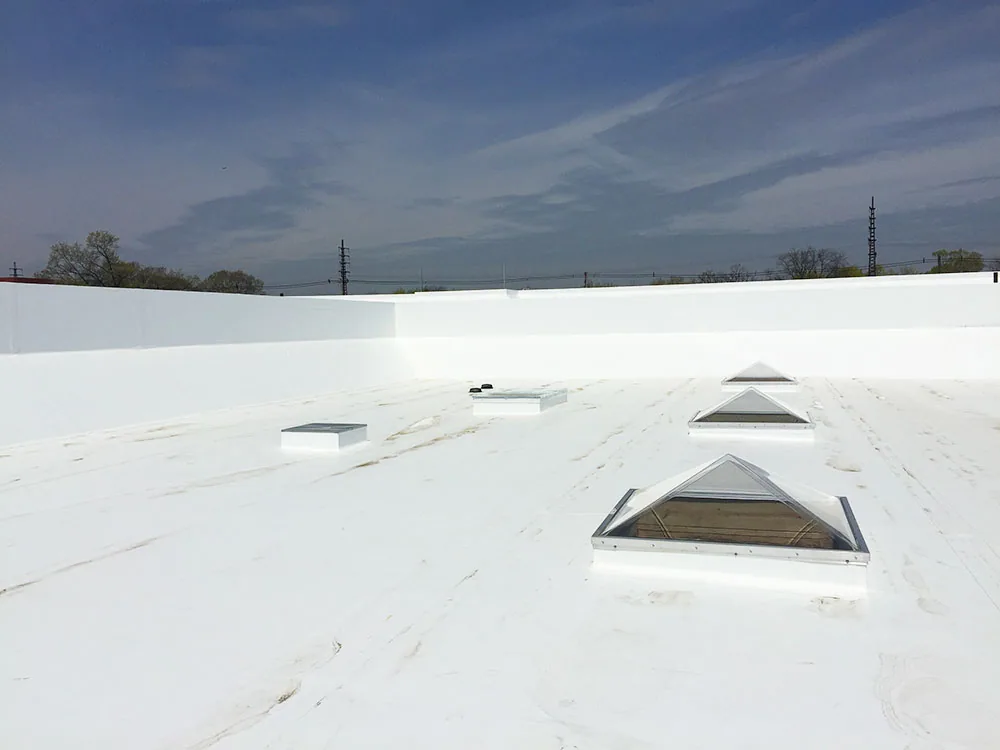
Chemistry matters more here than on most roofs. Fats and oils soften EPDM and can attack some other single-ply sheets over the years, which is why grocers with heavy kitchen exhaust or bakery operations often choose a PVC membrane or a KEE-modified sheet that resists those compounds. Where exhaust is light and the roof sees mostly mechanical wear, a heavy-duty TPO or a thick modified bitumen cap sheet may serve at lower cost. A coating is rarely the right call over a surface already saturated with grease. We match the system to what leaves the building, add contained grease traps at the fans, and use thicker walkway material along the service routes, so the roof is built for the store it actually sits on.
How do you scan a grocery roof without putting the store at risk?
From above, and mostly after the sun has gone down. Infrared imaging at dusk shows where insulation is holding heat and water, which means we can locate wet areas without cutting or removing anything inside the store. A hands-on walk with a probe checks seams, boots and the edges around each curb, and we avoid the equipment pads unless refrigeration technicians are on site and ready for us. The store manager receives a written report with photographs and a map, rating each zone and ranking the repairs. Because the sales floor never closes, we work with the manager on timing, usually in early morning hours before deliveries or in the quiet hours after closing, so that no one underneath needs to move.
How do you plan roof work around deliveries and a weather forecast?
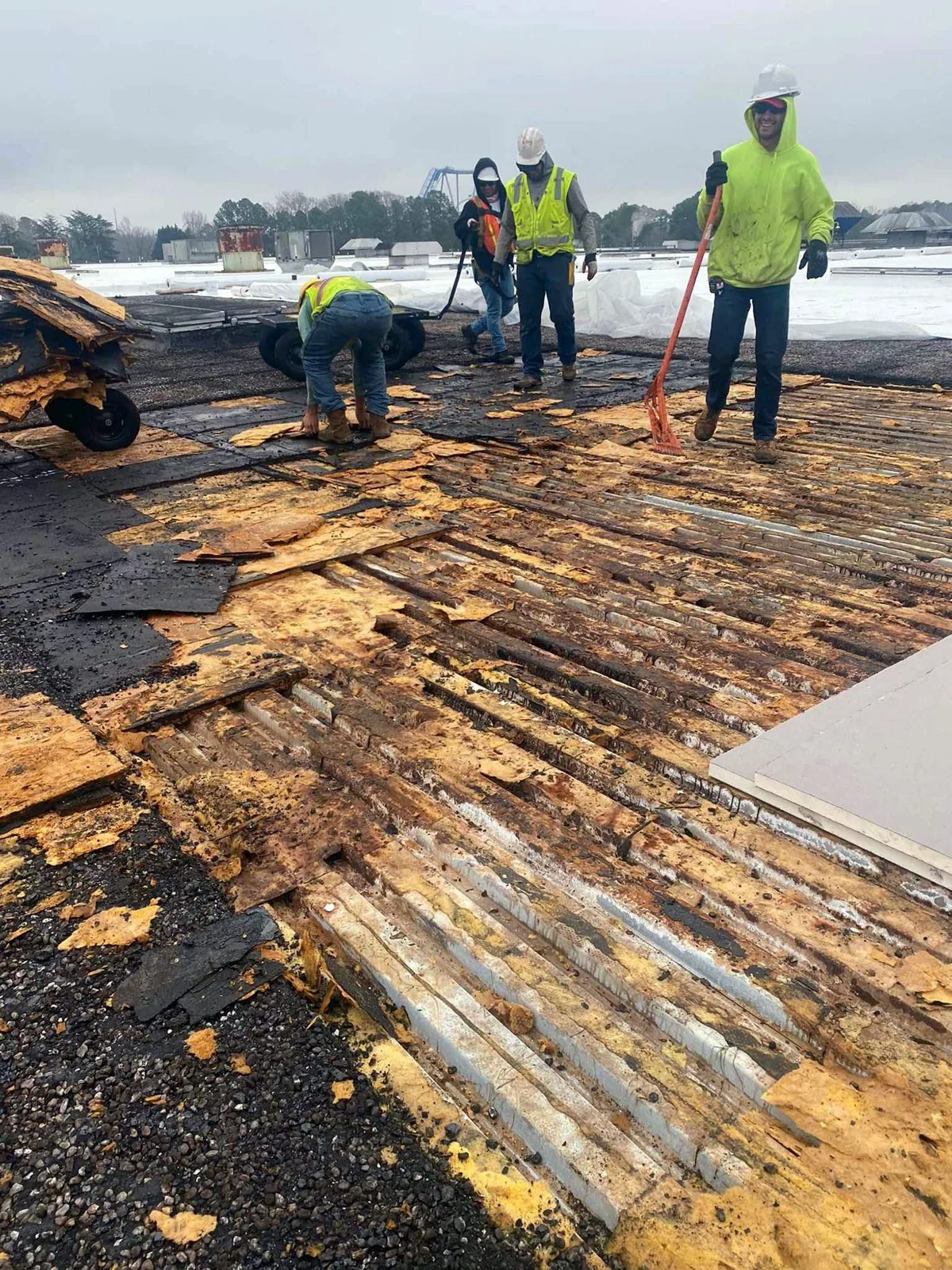
Both calendars have to be satisfied at once. Delivery trucks arrive on a schedule, the dock area needs a clear apron, and the staff entrance cannot be blocked, so the first drawing we make is a site plan that routes materials, dumpsters and cranes away from those lanes. Weather decides the day of work, and membrane and adhesive need a dry surface and moderate temperatures, which means we will pause rather than risk an open roof. Each section is dried in before the crew leaves, so a cold front arriving overnight finds a closed roof above the coolers. A storm that opens a section earlier than planned gets an emergency response at any hour, with temporary covering placed over the affected area before product is at risk.
What do the grocers near the I-26 exit and across the county face?
Food City and Ingles both sit near the Interstate 26 exit at Boones Creek, where Tennessee routes 36 and 354 connect Boones Creek and Gray to I-26, US 11E and US 321. Boones Creek is part of Johnson City, where winters bring about 15.6 inches of snow and lows averaging about 25F, and a melt followed by a hard freeze opens laps and flashings at curbs. Hurricane Helene flooded the Nolichucky River to catastrophic levels in September 2024, and a roof opened in a storm is a problem a food store feels at once. The demands of big-box retail roofs overlap with a grocer's, and cold storage roofs are a close relative, with the added burden of keeping freezer-room insulation dry. A grocer with several stores can fold them into a single retail chain schedule.
Commercial Roofing Questions
How can a store keep refrigeration technicians from damaging the membrane?
Mark the route with walkway pads from the hatch to every rack, post a short rule sheet at the roof access, and require notice before anyone drills or lays new lines. We will flash each new penetration, which turns a source of leaks into a documented, repaired detail.
Will a reroof interrupt cooling or the power to the store?
Not when the sequence is planned with the refrigeration contractor in advance. We lift and reset curbs in short windows, keep condensers running wherever the layout allows, and avoid shutting down racks during the hottest part of the day.
What record helps with an insurance claim after storm damage to a grocery roof?
Dated photographs of the opening, a description of the temporary cover and a moisture scan of the surrounding area carry the most weight. We build that file as the emergency work is performed, because the best evidence is gathered before cleanup begins.
Does kitchen exhaust always call for a special membrane?
Heavy exhaust, yes, since fats degrade some sheets, while a light residue around a small fan can often be managed with a containment pan and regular cleaning. The test is what actually falls on the roof and how often, which we check on the first visit.
How soon should a store replace a roof that has been patched several times?
When the patches outnumber the years of life the survey predicts, the economics have already turned. A moisture scan shows whether the insulation is still dry enough for a recover or whether replacement is the cheaper path over the next ten years.
Related Roofing Pages
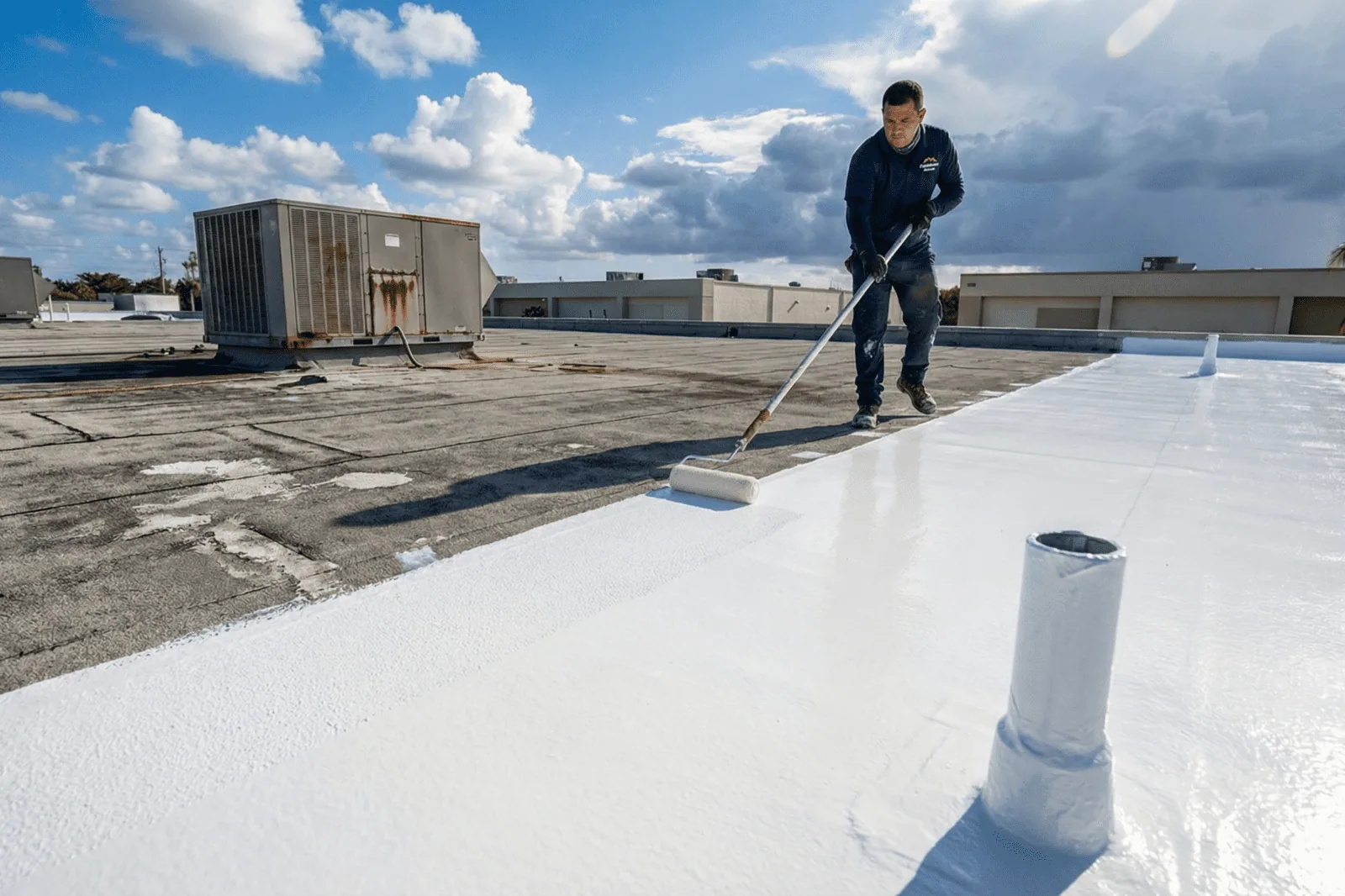
Rooftop Equipment Curbs and Supports
How the work is scoped, phased and documented on Tri-Cities roofs.
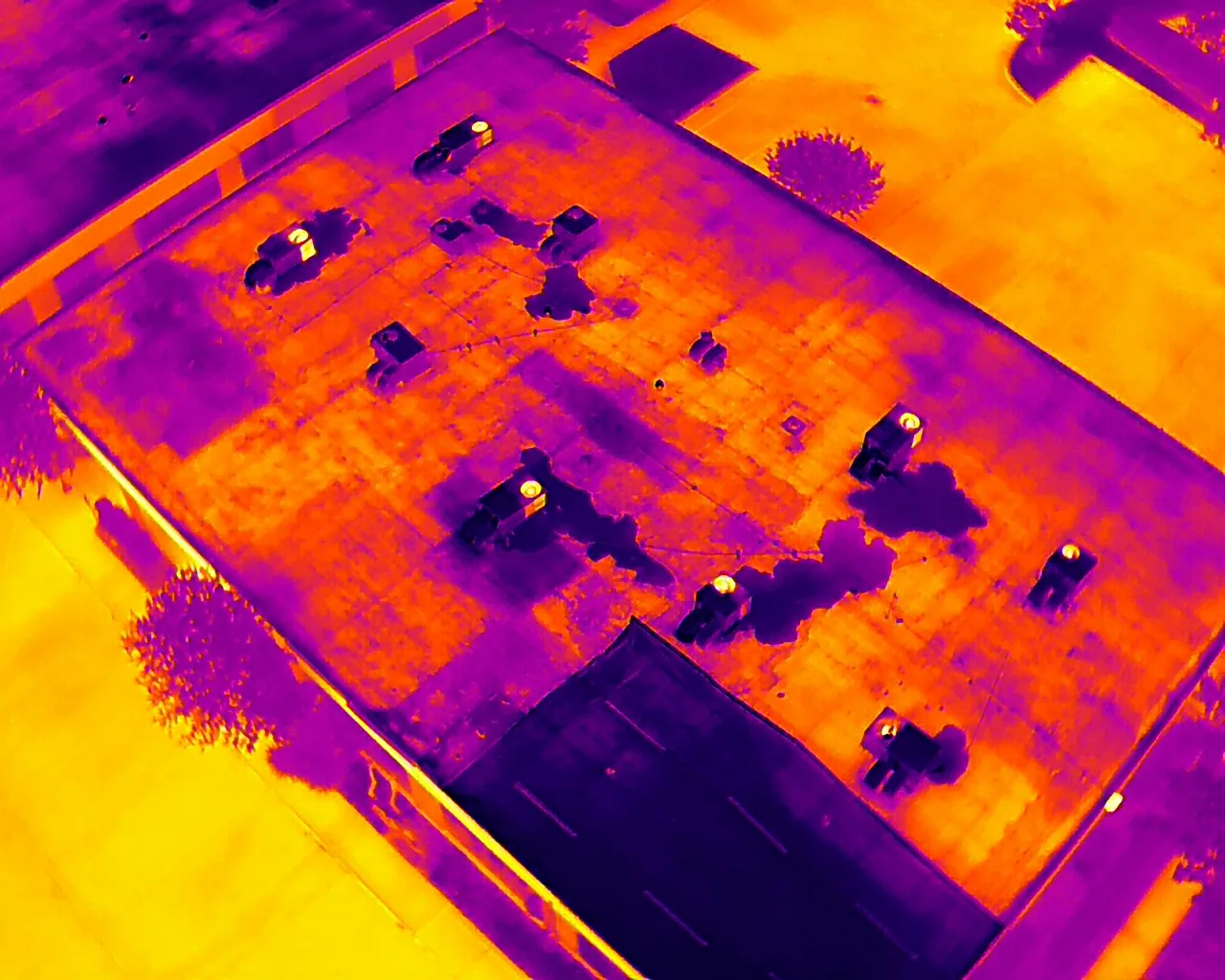
Infrared and Core-Cut Moisture Surveys
What we check, what we recommend and how the crew keeps the building running.
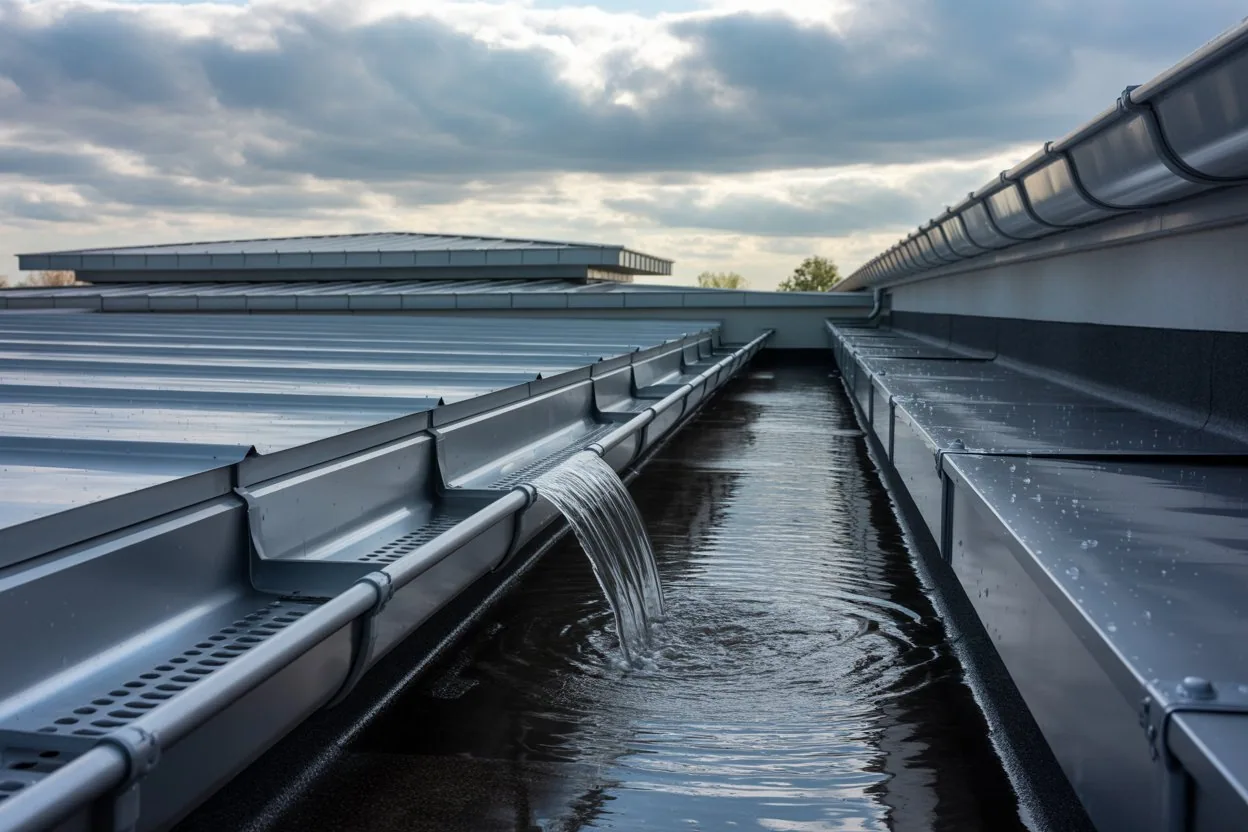
PVC Roofing
Conditions, options and next steps for commercial buildings in East Tennessee.