
Roofing for Retail and Restaurant Chains in Johnson City, TN
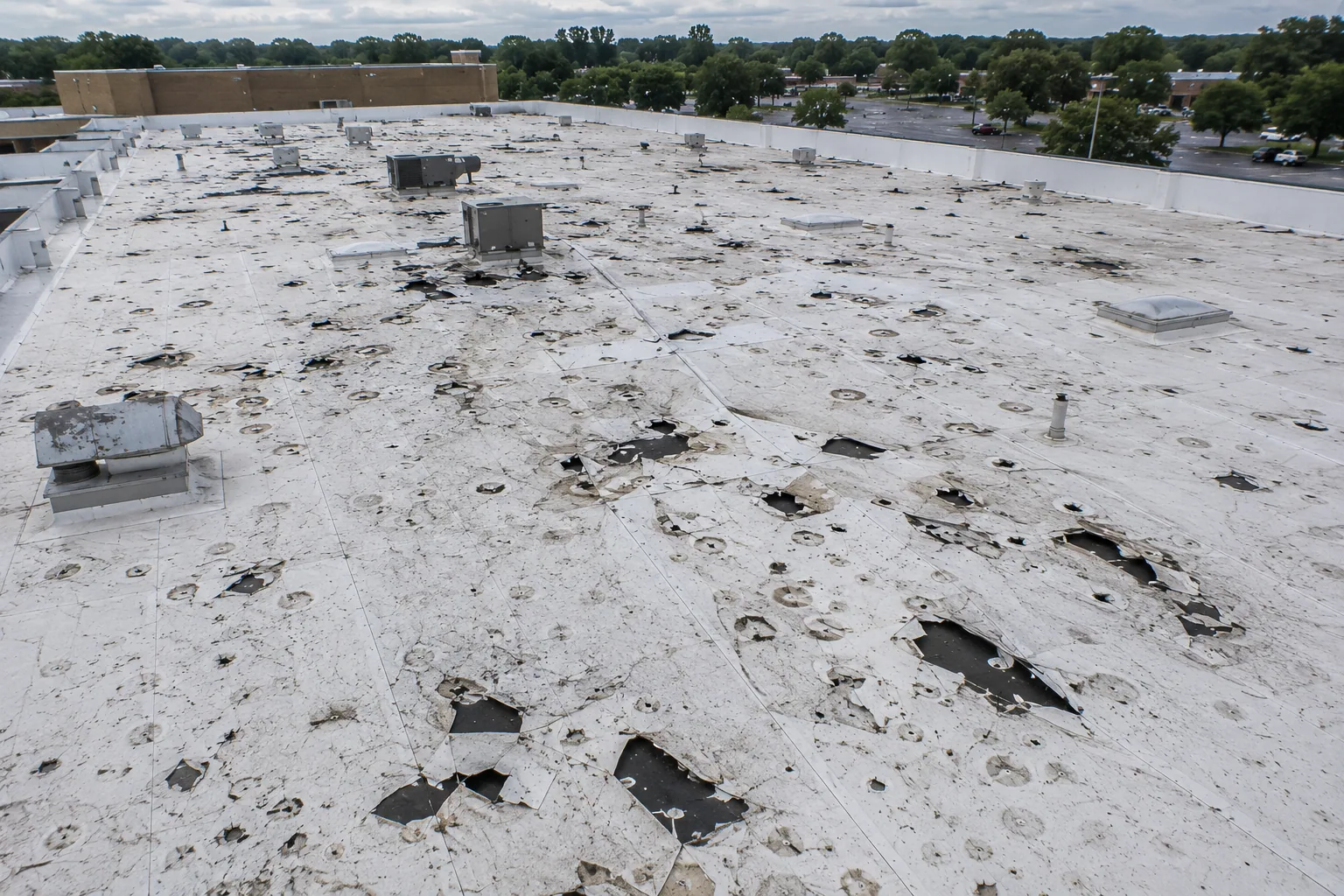
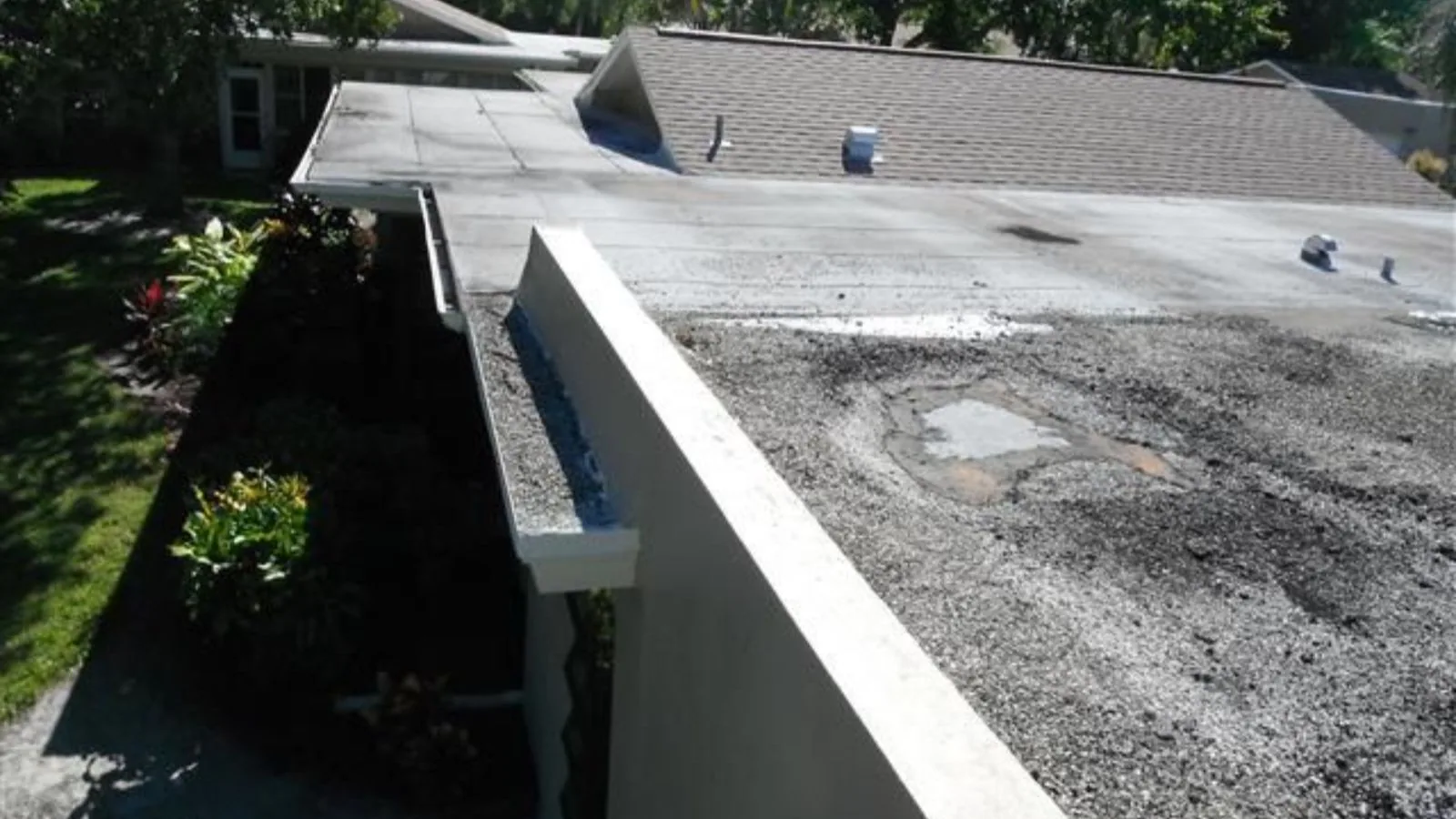
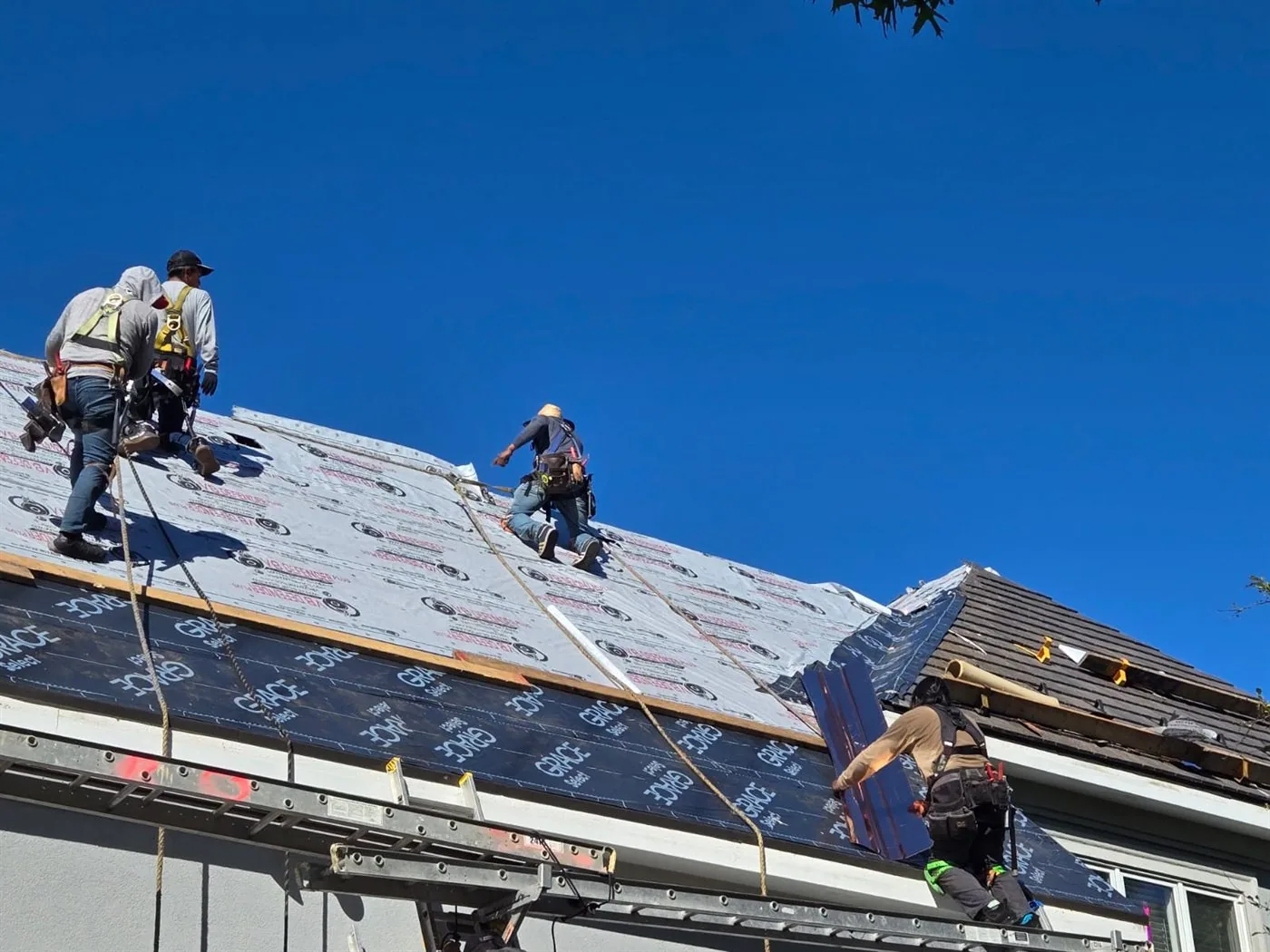
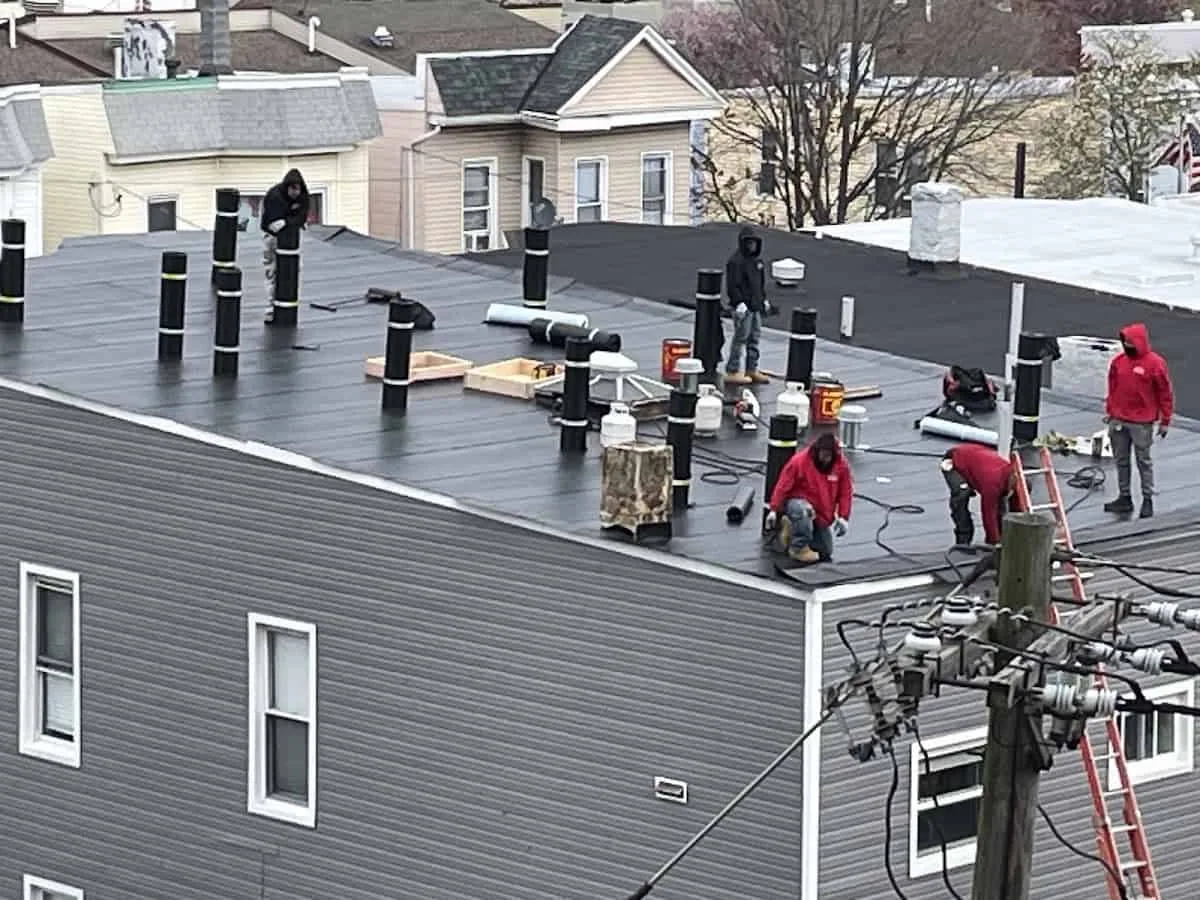
Every rooftop unit on a store or restaurant has a path worn to it. Technicians carry filters, belts and tools along the same few feet of membrane month after month, and each footfall presses the insulation under the sheet a little flatter, until the path becomes a shallow trench that catches water and funnels it toward the curb. In Johnson City, TN, where winters bring about 15.6 inches of snow and a steady run of freeze-thaw cycles, that trench ices over, the sheet cracks along its edge, and an opening nobody sees begins to wet the insulation below. A brand that repeats one unit layout across its stores repeats the same wear path on each roof. That is a problem, and it is also an opening: what is learned from one roof can be applied to the rest before the others fail.
Who carries the roof over a store, the brand or the landlord?
The answer changes from store to store, and a chain that treats every site alike will pay for roofs it does not control and neglect some that it does. A freestanding pad building owned by the brand puts the whole roof on its books. An in-line space in a shopping center usually leaves the roof with the landlord and passes costs to tenants under the lease. A ground lease sits somewhere between. Our condition reports are written to survive that handoff: each finding is dated and located, each repair is priced separately from replacement, and the document can go to a property management company as easily as to the brand's own facilities group.
Read your store roofs before the next refresh cycle
Call Commercial Roofing Johnson City to schedule walks of your store and restaurant roofs. You will receive moisture findings, a ranked list and a schedule that follows your selling periods before any capital is committed.
What does kitchen exhaust leave behind on a restaurant roof?
Grease, mostly. Exhaust fans throw a fine film of fat onto the membrane around them, and that film attracts dust, holds moisture and attacks sheets that are not made to resist it. Over time the surface near the fan turns slick and then soft, and the seam closest to it is the first to open. Where grease is present we favor sheets formulated to resist it, such as PVC, together with a grease containment tray and a cleaning routine that keeps the film from spreading. The same restaurant roofing detail repeats at every location that cooks on site, so one good fix can become a chain standard.
What does one wet ceiling tile cost a store that sells by foot traffic?
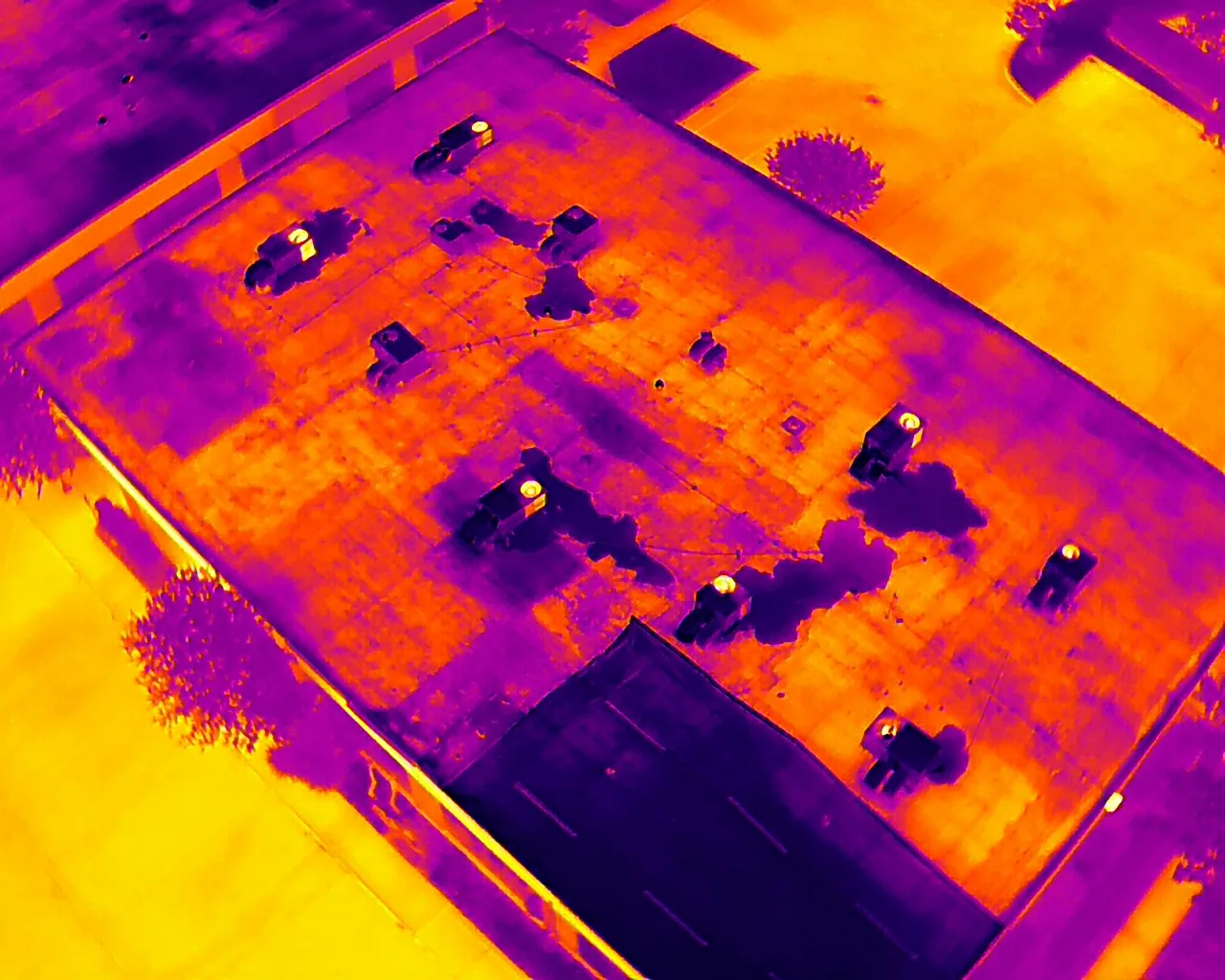
More than the tile. A stain in a sales aisle or a dining room tells customers something about the brand, and the area under it is often taped off during the busiest hours. A restaurant with water coming through the ceiling may lose tables, or the whole room if the leak reaches lighting or kitchen equipment, and a health inspection may require the ceiling repaired before the room reopens. The roof repair itself usually accounts for a small share of the loss. Water also travels along the underside of the deck before it drips, so a stain rarely sits below the failed seam, and a quick patch over the stain misses the opening. Locating the entry point first, with a moisture survey where the roof calls for one, shortens the number of visits.
When in the retail year can a crew work above a store?
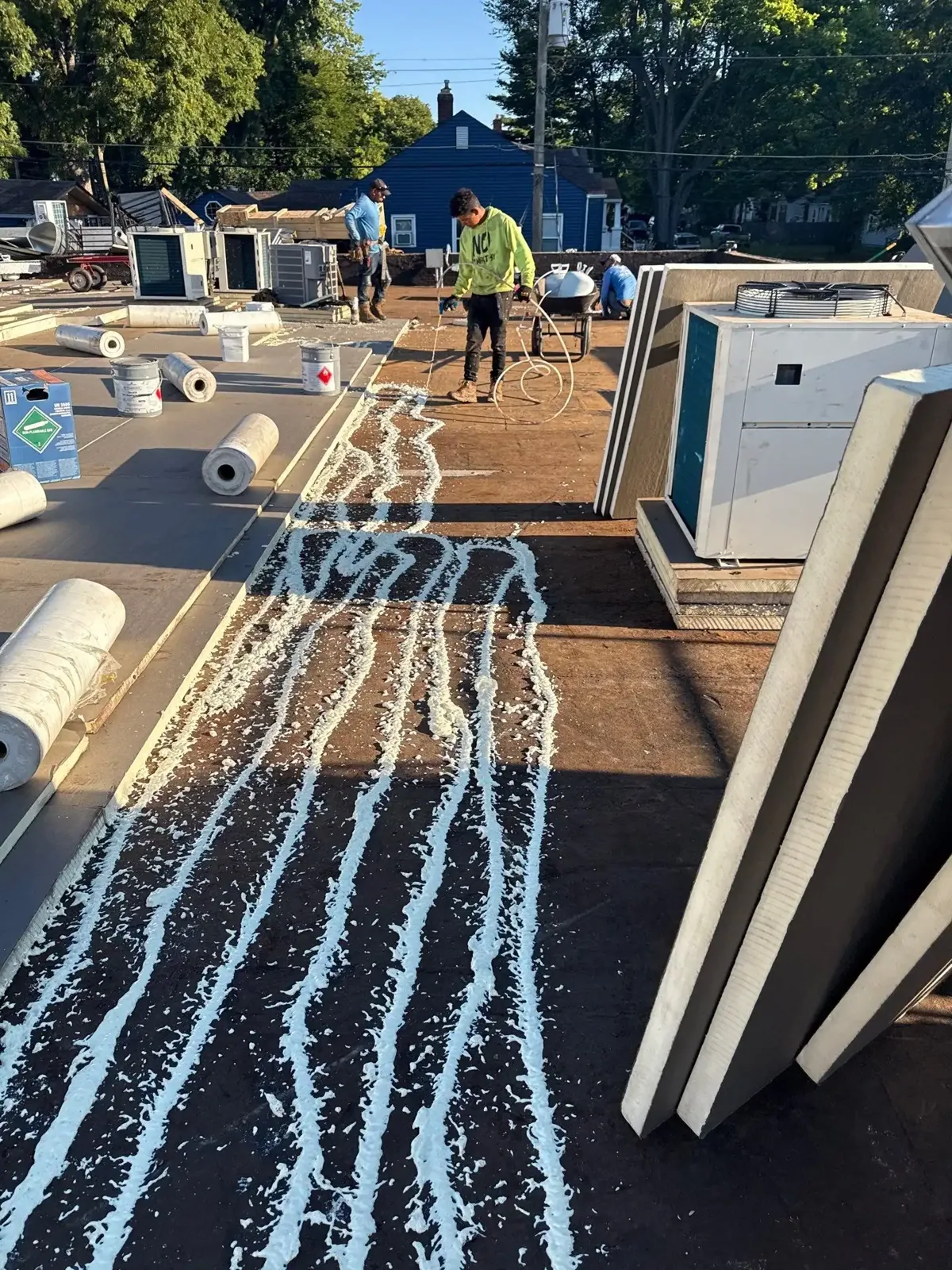
Outside the weeks a store depends on most. Holiday selling, back-to-school and any local events set the blackout dates, and we draw the roof schedule around them. Within an open period, noisy work is placed before opening or after closing where the roof allows, and the first visit is spent protecting the sales floor and sealing the work zone so that a sudden storm cannot get below. Restaurants have their own pressure points, lunch and dinner service, and adhesive odors near an intake are kept away from the dining room. The roof is closed up each day, with no area left open overnight, and the manager receives the plan for the next day before the crew arrives.
What can a chain standardize across stores, and what must stay local?
The method, not the schedule. A chain can fix its scoring scale, its report format, its repair details for curbs, drains and edge metal, and its rule for who approves what. It cannot fix a replacement date, because roof age and moisture differ from one building to the next, and an arbitrary cycle replaces good roofs while it misses bad ones. Local code review also belongs in the project scope. Johnson City adopted the 2018 editions of the building, existing building and energy conservation codes; the design team and local official should confirm which provisions apply to a specific replacement. The result is a multi-site roof program with a single report to read and a ranked list that tells the facilities group which store comes first.
How do the mall, the Crossings and the Boones Creek exit differ on the roof?
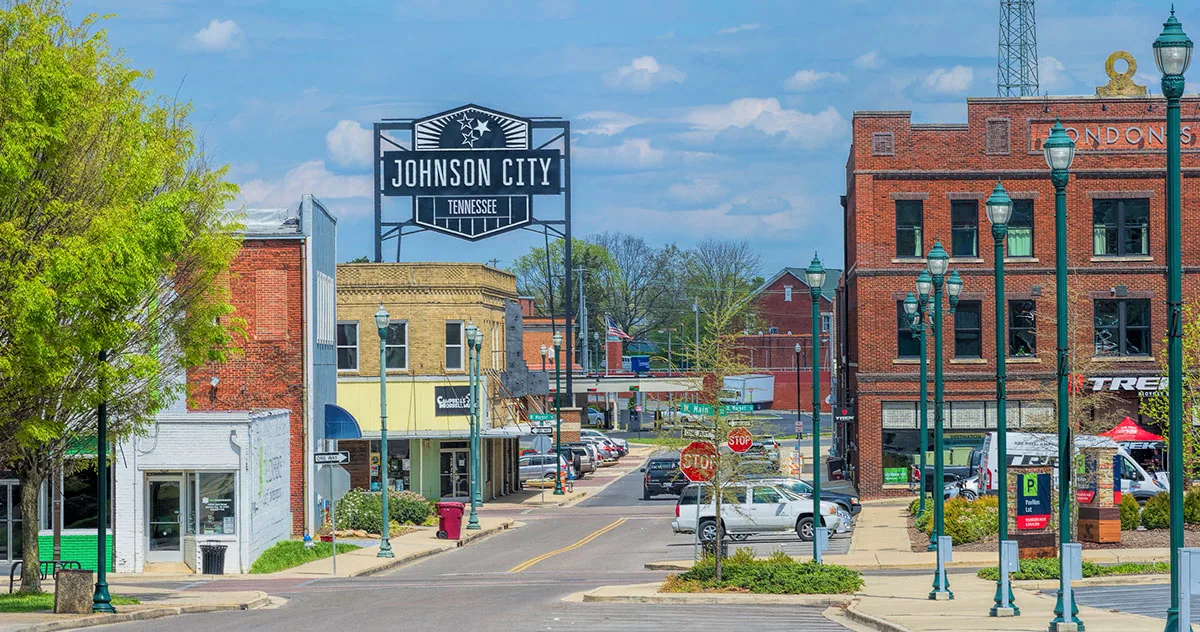
The city's main retail hub spreads across North Johnson City and Johnson City Crossings, and the Mall at Johnson City, opened in 1971 with more than 90 inline stores and major tenants such as Dick's Sporting Goods, HomeGoods, Belk and JCPenney, sits within it. An enclosed mall with five major tenants puts many tenants into one building, so in the North Johnson City mall area every roof finding has to say which part of the building it sits over. In Boones Creek, Food City and Ingles sit near the I-26 exit, where Tennessee routes 36 and 354 tie the neighborhood to US 11E and US 321, and Gray has added commercial establishments and retail chains since 2000. Wherever a store carries several rooftop units, faults tend to show at curb flashing and drains well before the field of the membrane, and brands that also run lodging can apply the same method used for hospitality groups.
Commercial Roofing Questions
How should a rooftop unit replacement be coordinated with the roof?
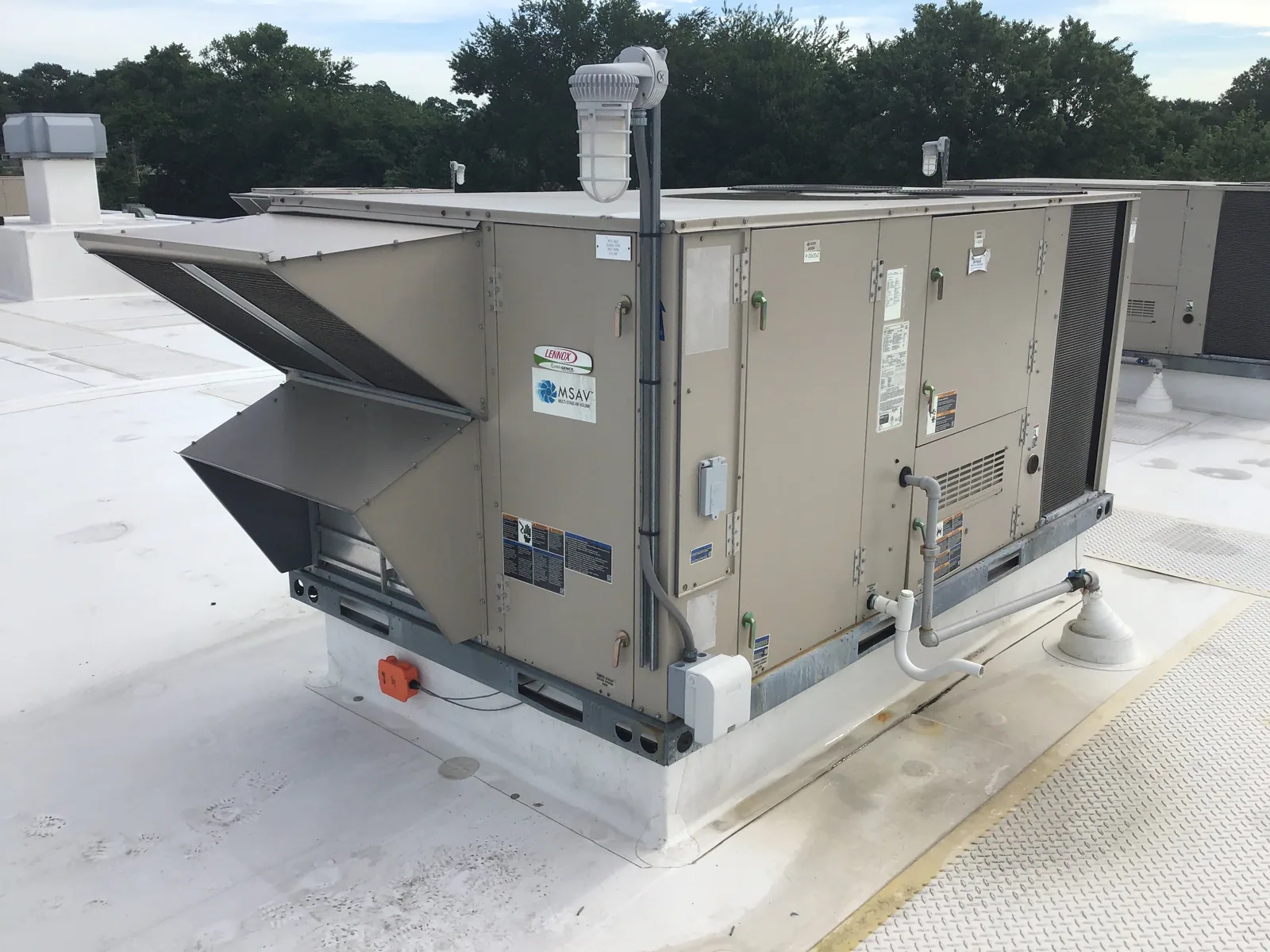
The crane path, the curb adapter and the flashing should all be agreed before the lift. A heavy unit set down on an old membrane can crush insulation and puncture the sheet, so we place protection boards on the route and inspect the area when the lift is complete. If the curb has to change size, the flashing is redone by the roofing crew, not left to the mechanical contractor, so the seal is made once and tested. We review curb height, support steel and flashing on the rooftop equipment curbs before a replacement date is fixed.
Who handles the roof when a store closes or changes tenants?
Someone should, and the common failure is that nobody does. Removed units leave abandoned curbs, capped penetrations and patched openings, and these are exactly the details that leak after a vacancy. We document what is on the roof at turnover, remove or properly seal what is left, and give the next tenant a clean record. A store that goes dark for months is also vulnerable to unchecked drains, so we recommend a visit at the start of a vacancy.
Is PVC the only sensible choice over a kitchen?
No, though it is the one most often considered. KEE sheets resist fats and oils and suit exhaust-heavy locations, and a well-detailed mechanically attached or adhered sheet with a protective pad under the fan can perform acceptably. What matters is that the sheet resists grease and that the area around each fan is protected. The right choice also depends on the existing roof, since not every substrate can take every sheet.
How can a brand tell which stores need roof money first?
Rank them by moisture and age together, then adjust for how much each store sells. A dry roof at the end of its listed life can wait behind a younger roof with wet insulation, because the second one is losing value now. We attach a moisture finding, a remaining service life range and a photograph set to each store, so the ranking can be reviewed by someone who has never visited the sites.
What if a leak from a neighboring unit reaches our store?
Then the cause and the location matter more than who first noticed the stain. Water that enters at one tenant's curb can travel along the deck and drip in another's space. We trace the entry point, document it with photographs and report it to whoever controls that part of the roof, so that responsibility follows the cause and not the position of the stain.
Related Roofing Pages
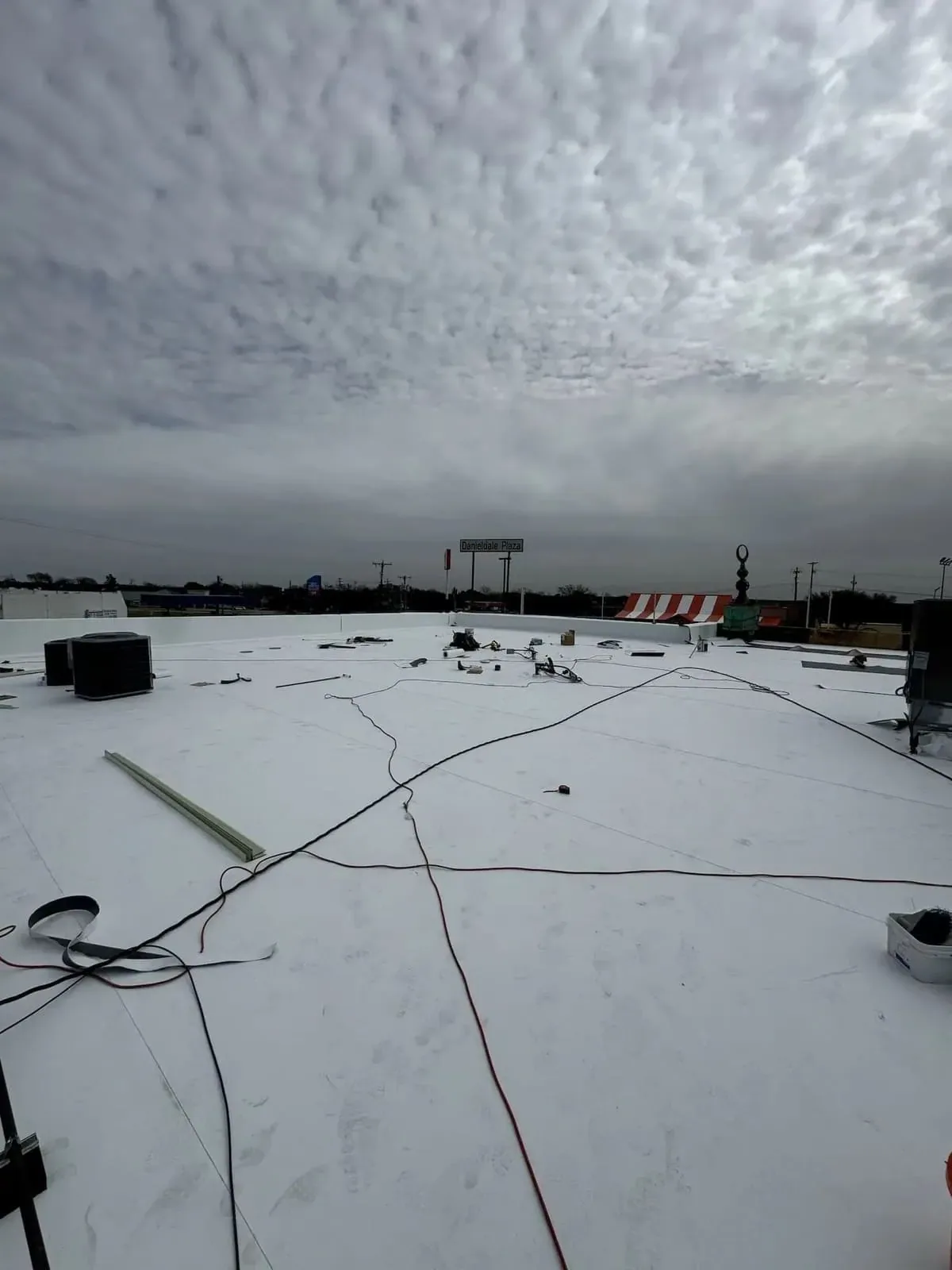
Property Management Companies
How the work is scoped, phased and documented on Tri-Cities roofs.
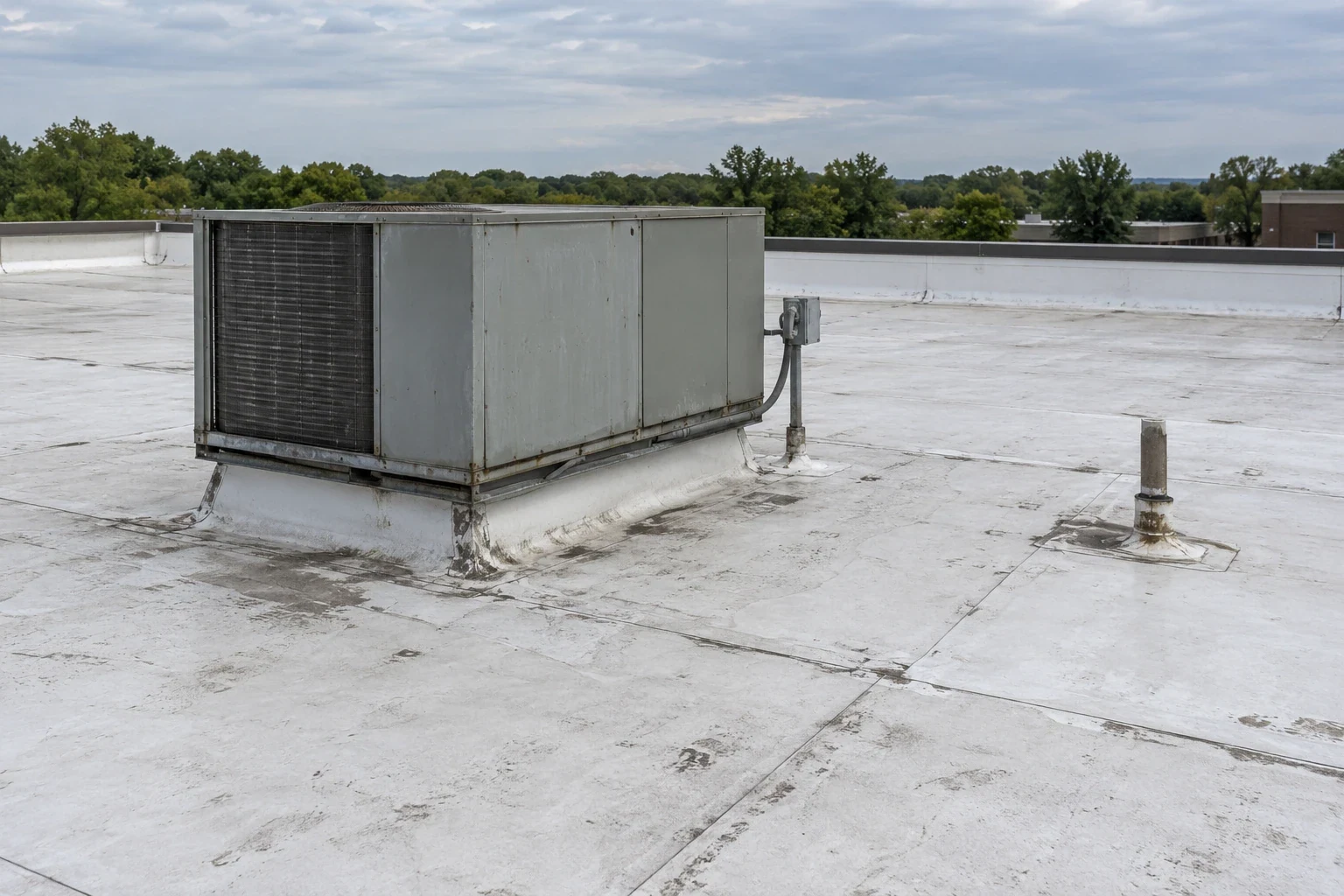
PVC Roofing
What we check, what we recommend and how the crew keeps the building running.
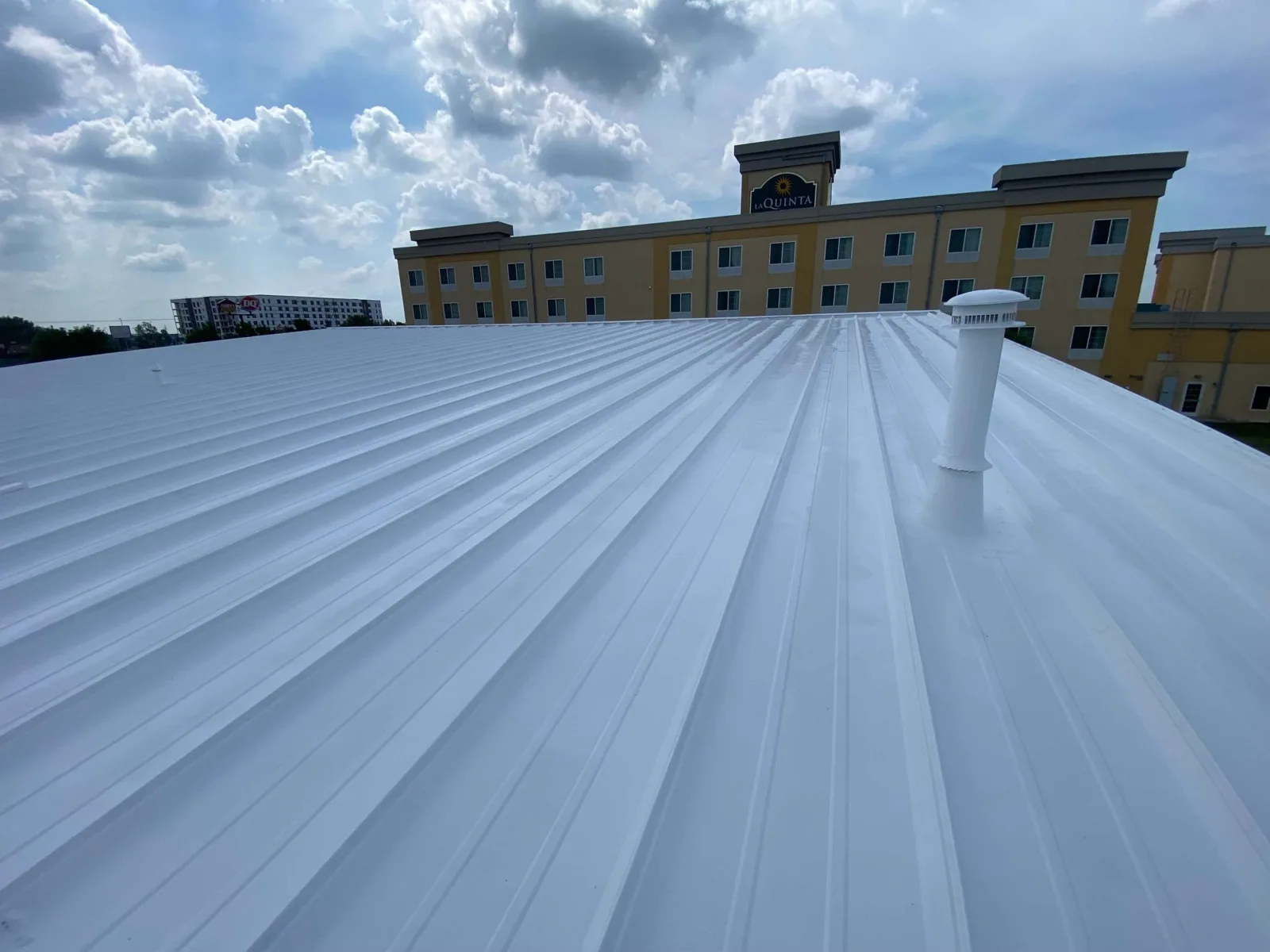
Restaurant Roofing
Conditions, options and next steps for commercial buildings in East Tennessee.