Metal Roof Retrofit and Restoration in Johnson City, TN
Every screw through an exposed-fastener metal panel is a hole sealed by a small rubber washer, and the washer is the first thing the sun destroys. As daylight heats the panel and the night cools it, the metal expands and contracts around a fixed screw, slowly enlarging the hole and working the fastener loose, while ultraviolet light cracks the washer. Neither failure is visible from the ground. A loose screw simply lets a thread of water into the purlin line, where it wets the insulation blanket, rusts the framing and shows up as a damp patch on a ceiling a few feet from the real leak. In Johnson City, TN, where freeze-thaw turns that water into expanding ice inside the lap, the process speeds up every winter. The financial point is that fasteners fail as a population, not one at a time, so re-screwing and caulking the roof only buys time against a problem that will come back.
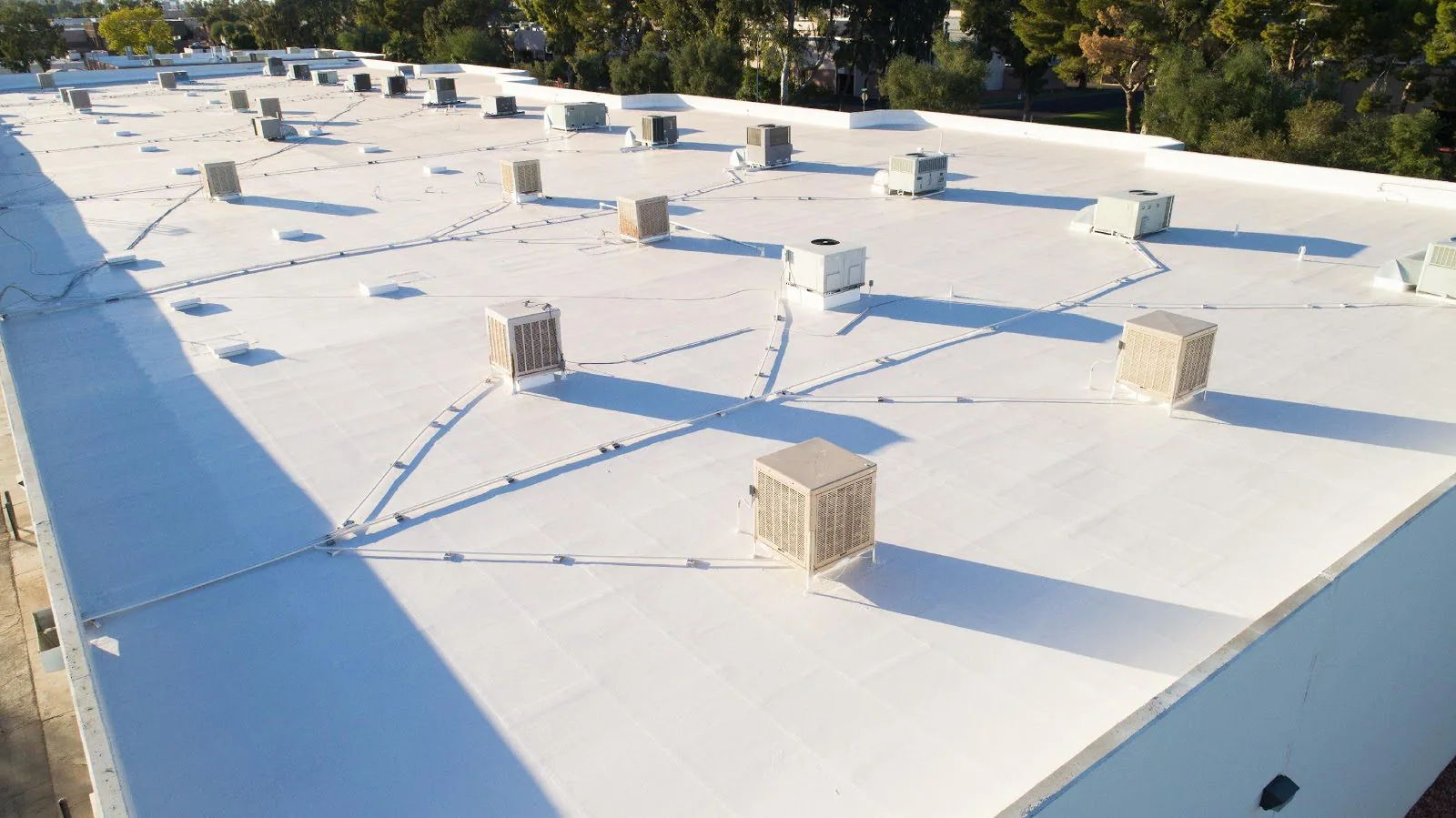
Why do exposed screws back out of metal panels, and what comes in after them?
A corrugated or ribbed panel is screwed down through its flat or its rib into purlins, so each panel is held down at hundreds of points while the metal between them wants to move. Thermal cycling enlarges the holes, the screws lose their bite, and the seal at the washer fails. Water entering at a lap or a ridge follows the panel to the nearest low point, where it can sit against the steel and corrode the underside, particularly at laps and cut edges. Condensation adds to the damage in buildings where warm interior air meets cold metal, soaking the insulation blanket beneath. The result is a roof that leaks at scattered points and a substrate that deteriorates out of sight. The critical question for an owner is therefore not whether the panels leak but whether the metal, the purlins and the insulation under them are still sound enough to keep.
Decide between restoring and retrofitting with the steel in front of you
Call Commercial Roofing Johnson City for a fastener, panel and purlin inspection with photographs. You will see which path suits the metal you own and what each one costs over the years ahead.
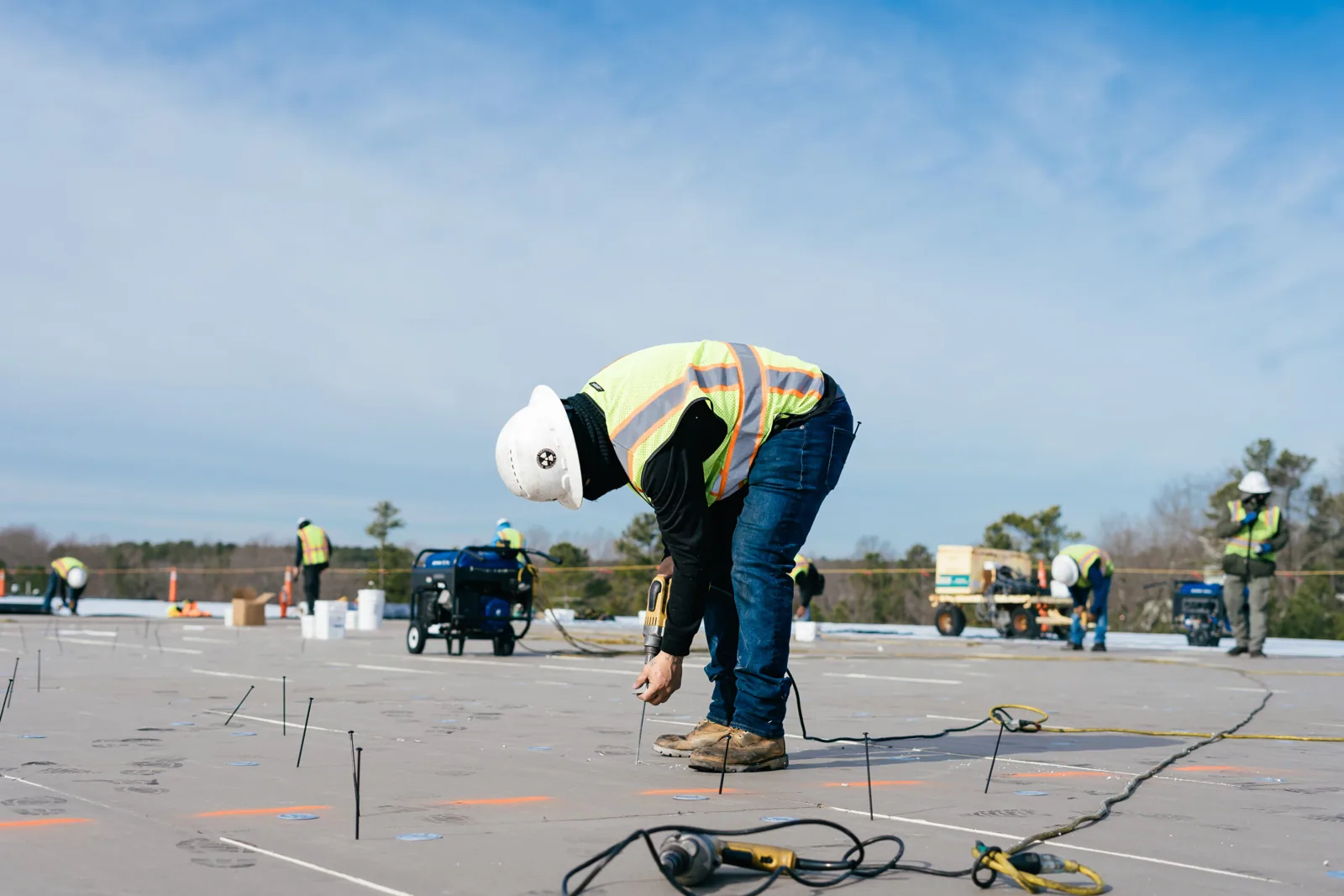
Restore, coat, overlay or retrofit: which path fits a tired metal roof?
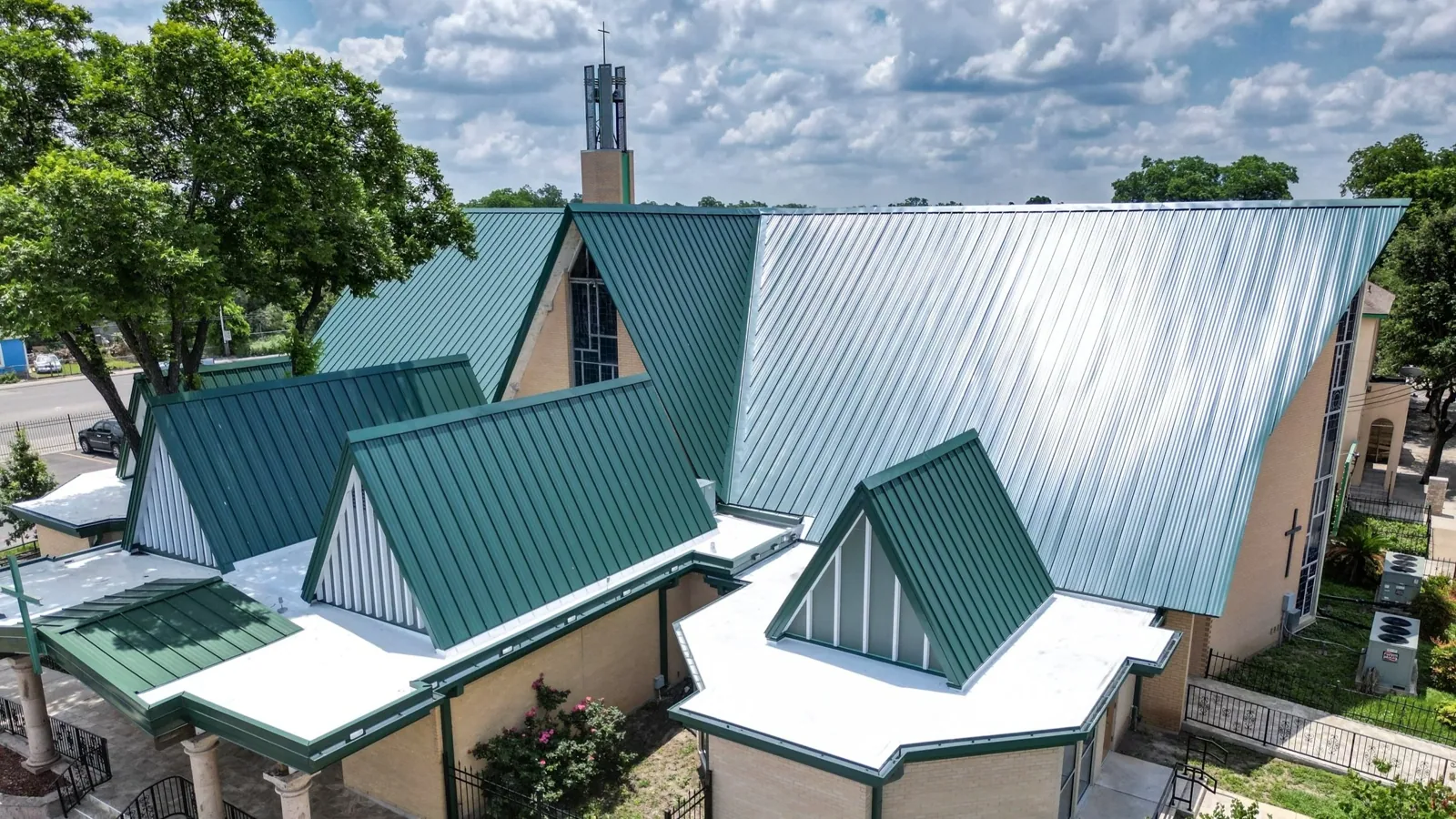
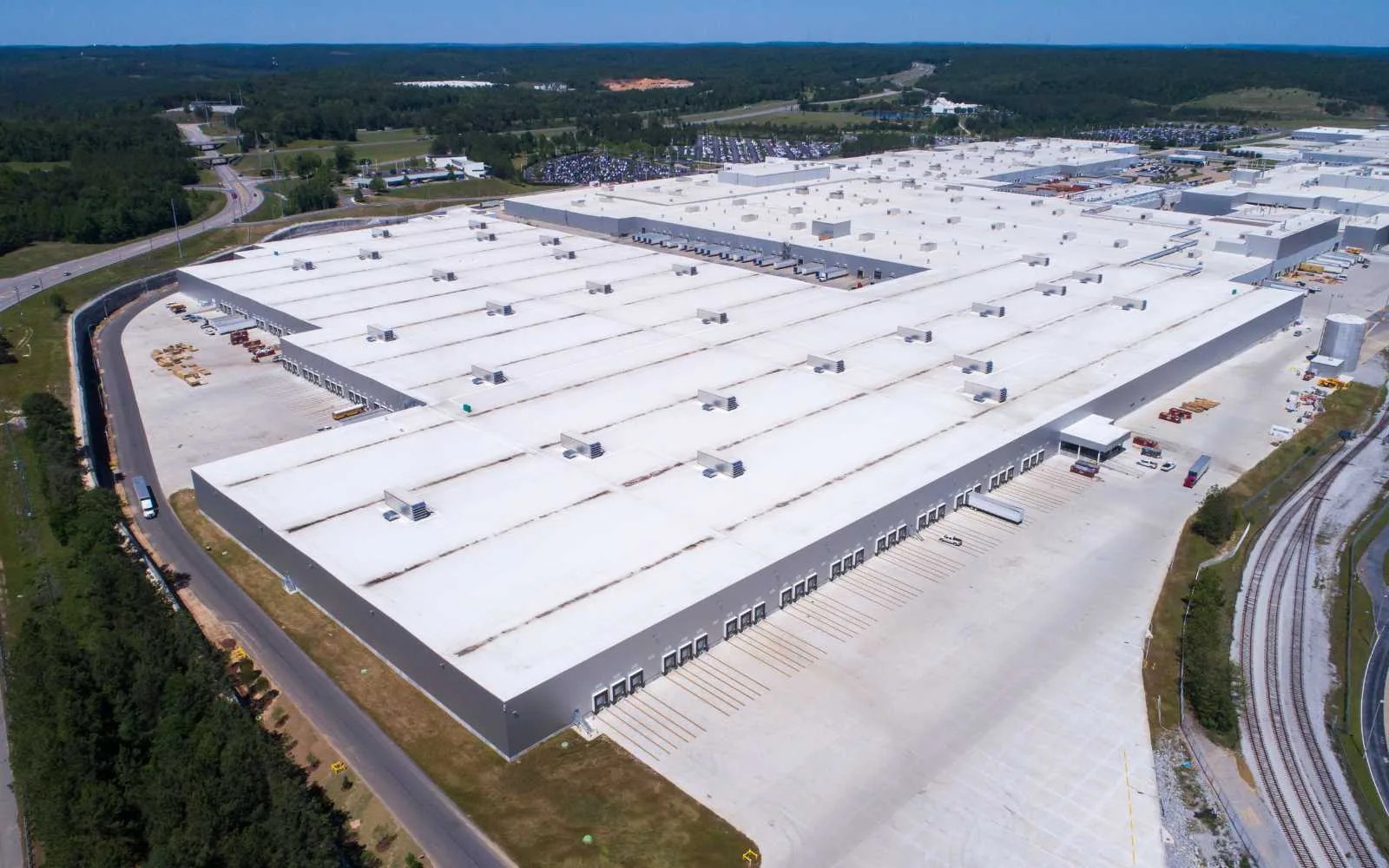
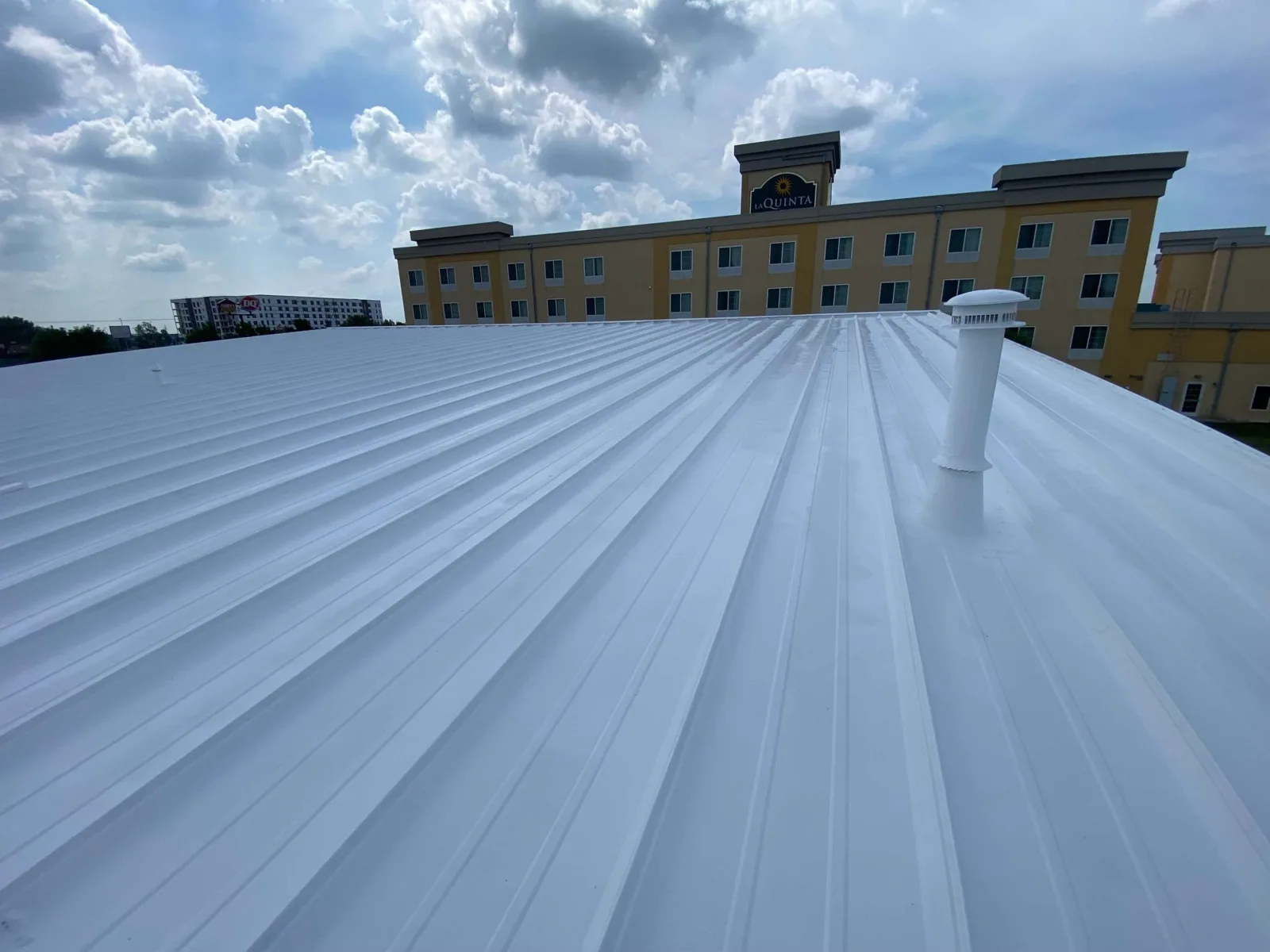
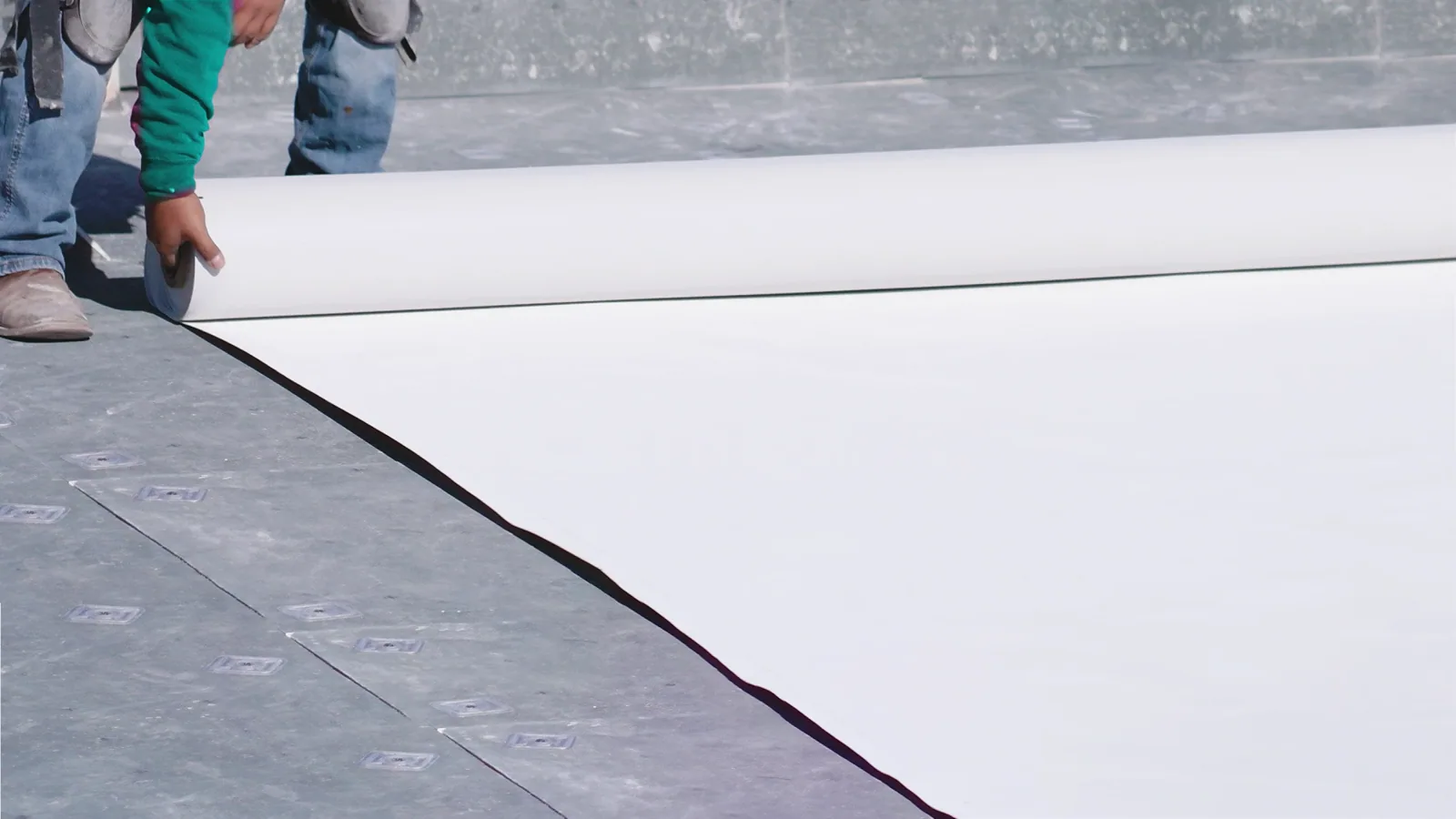
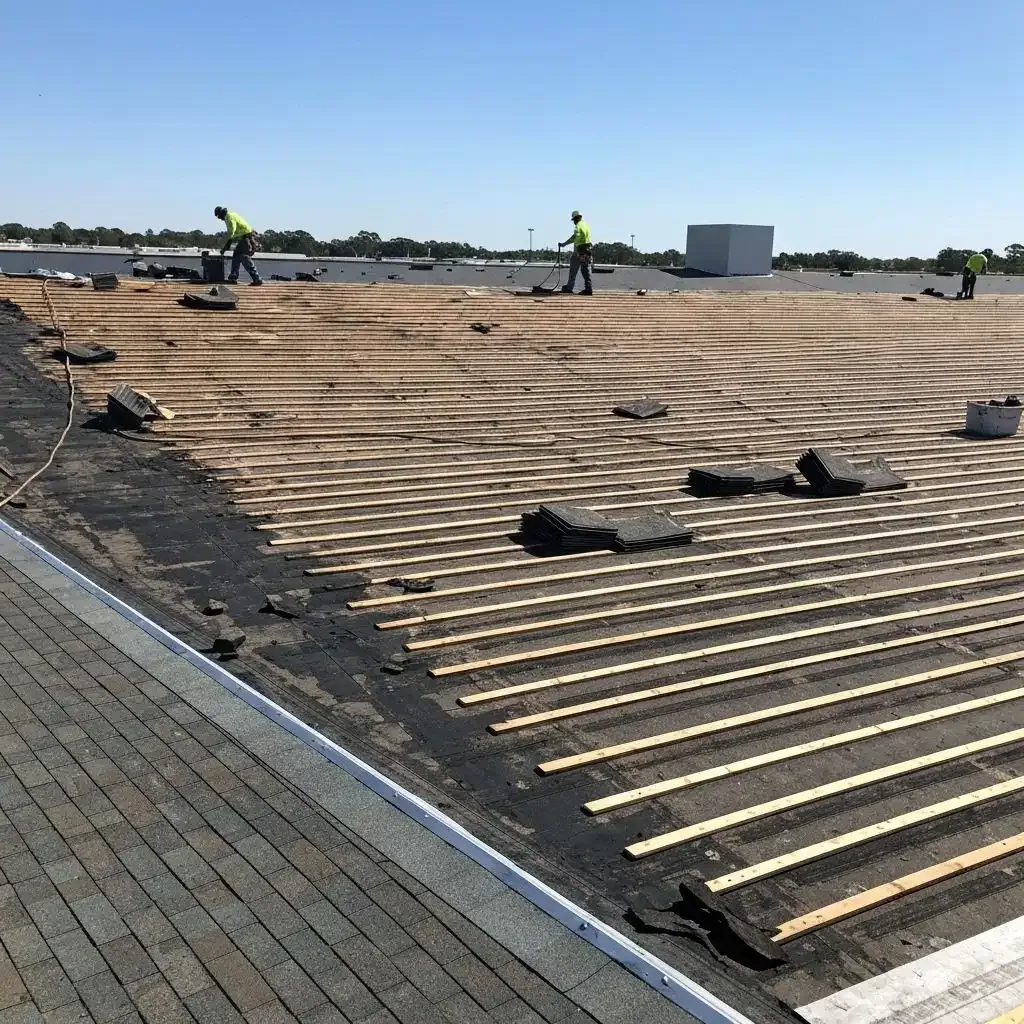
Four paths exist and each fits a different condition. Restoration replaces failed fasteners with larger-diameter screws, reseals the laps and flashings and leaves the panels in service, which suits metal that is solid but neglected. A fluid-applied system, as in silicone roof coatings, bonds to the cleaned and primed surface and seals fasteners and laps in one continuous layer, which works when the panels are sound and rust is limited. A retrofit framing system sets new sub-purlins above the old panels and carries a standing seam metal roof over them, leaving the old roof in place as a deck and resetting the clock on weather protection, and it can add insulation at the same time. A cover board and single-ply membrane over the metal is possible when the rib profile can be filled or leveled. Several of these paths work as a roof recover over the existing metal, each with its own conditions, which is why we scope them after the inspection and not before.
What do we inspect before deciding that a metal roof is worth keeping?
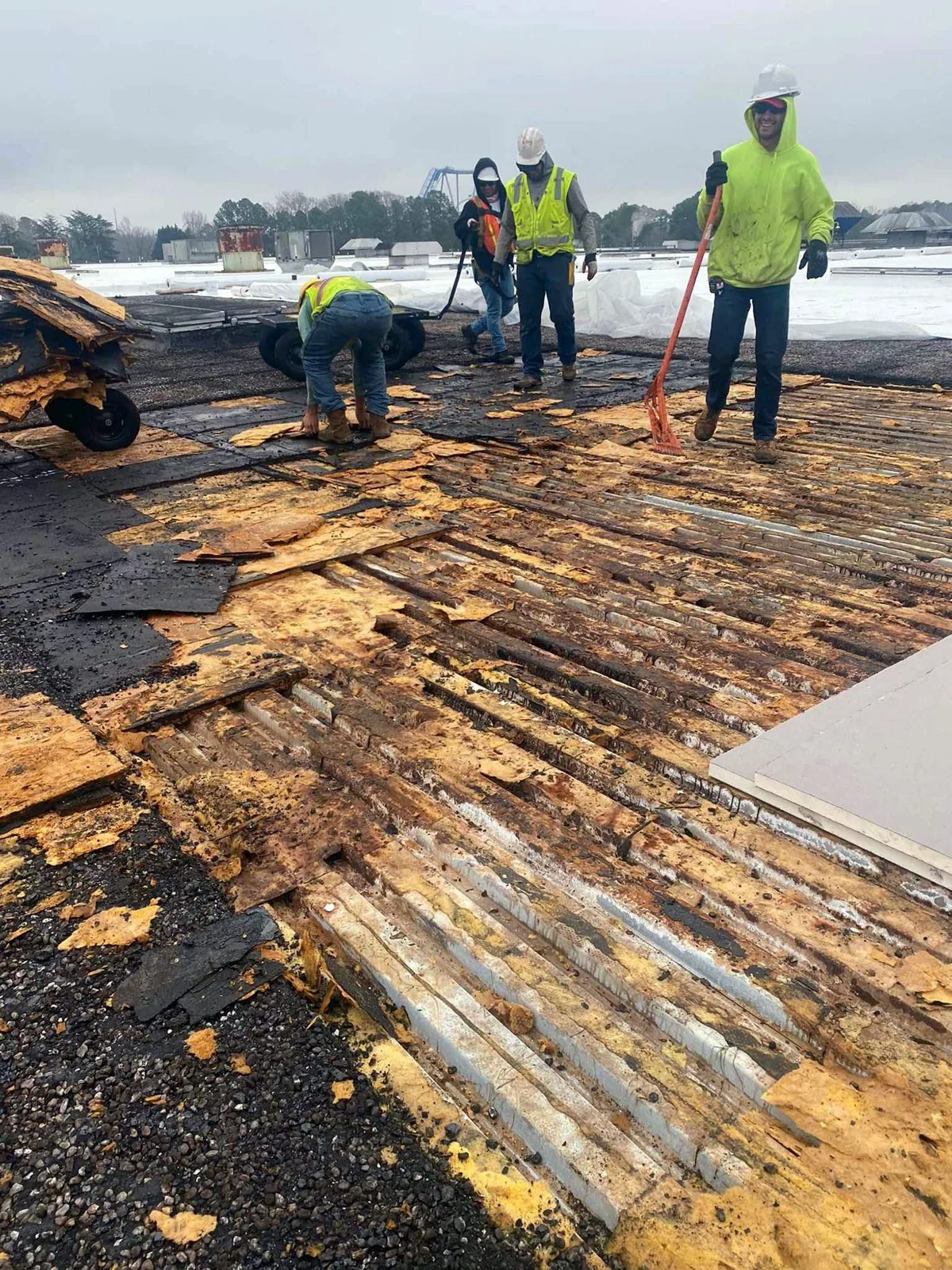
We start with the steel. Rust at laps, cut edges and fastener lines is the main warning, and perforations tell us that coatings and fastener replacement will not be enough. We test fasteners for pull-out by feel and by torque sampling, check coating adhesion if a fluid-applied system is under consideration, and look from below for staining, daylight at laps and corrosion on purlins. The insulation blanket is checked for dampness, since insulation that has held water for seasons keeps moisture pressed against the panel. We also review purlin spacing and the structure's capacity for added load from an overlay. The result is a written scope that ranks the building as restorable, coatable, retrofit-ready or past saving, and each category points to a different budget line, supported by insulation and cover board details where the assembly calls for them.
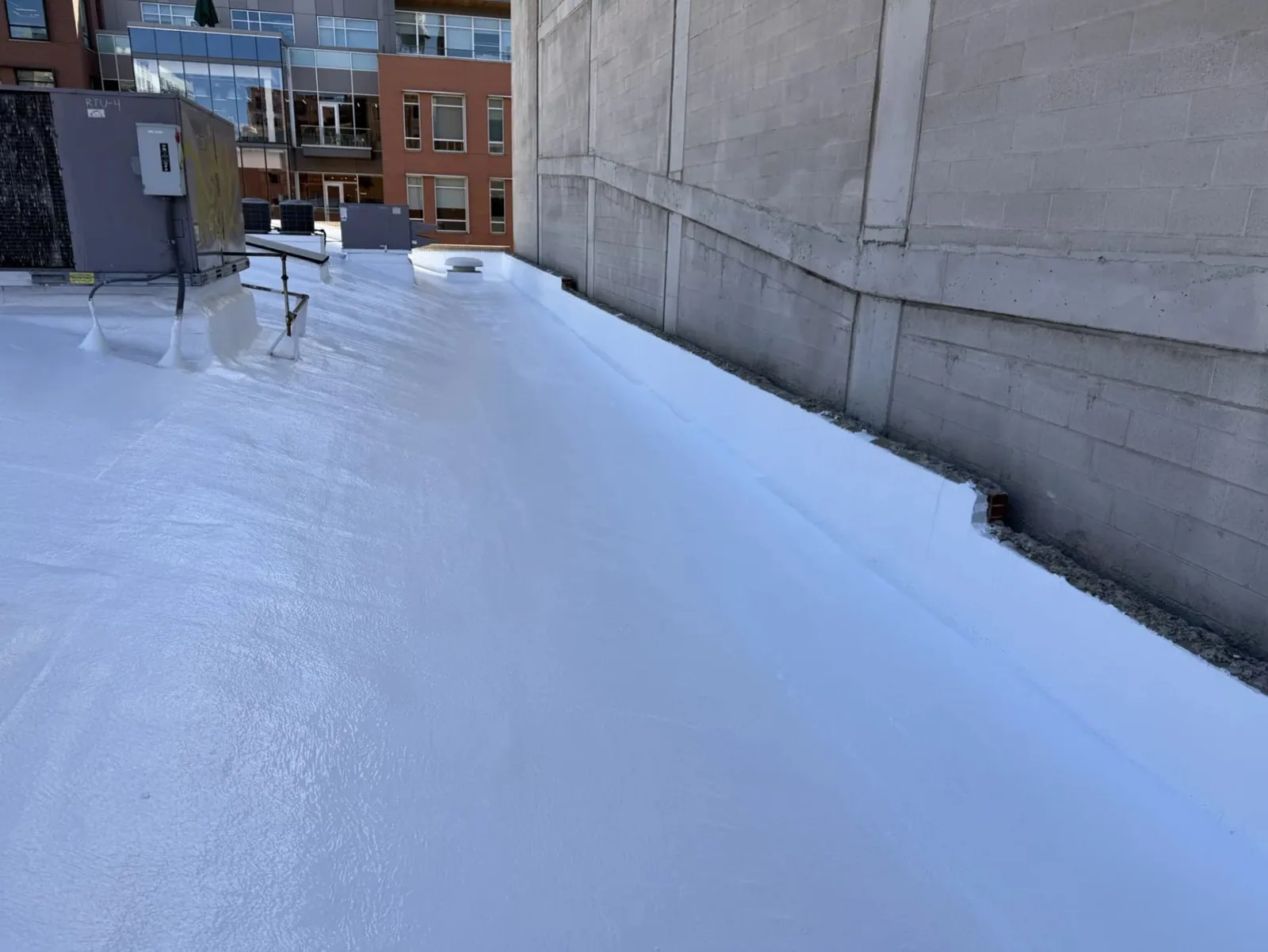
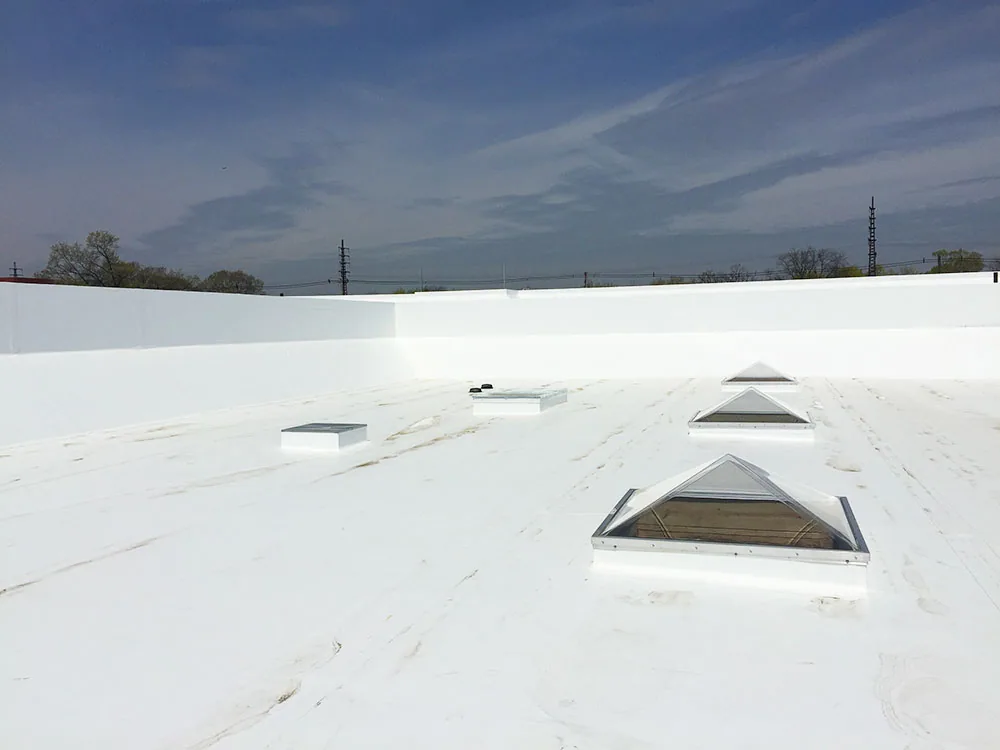
What does another round of re-screwing and sealant cost compared with a retrofit?
Repeated patching is cheap per visit and expensive in total. Oversized screws and sealant buy a few seasons, but sealant ages in the sun and the panels keep moving, so each repair holds for less time than the last. Meanwhile unseen water soaks the insulation and corrodes purlins, shortening the structural service life that a retrofit depends on. The comparison for a facility manager should include interior damage, disruption and the cost of repeated visits, set beside a one-time retrofit that avoids tear-off, keeps the building weathertight during construction and brings the roof to a new service life. If the panels are already rusting through, the patching option no longer exists, and the cost of waiting shows up as an unplanned replacement. Measured by lifecycle cost, the cheapest year to retrofit is usually the one before the purlins start to rust.
How is a retrofit sequenced so the building stays dry and in use?
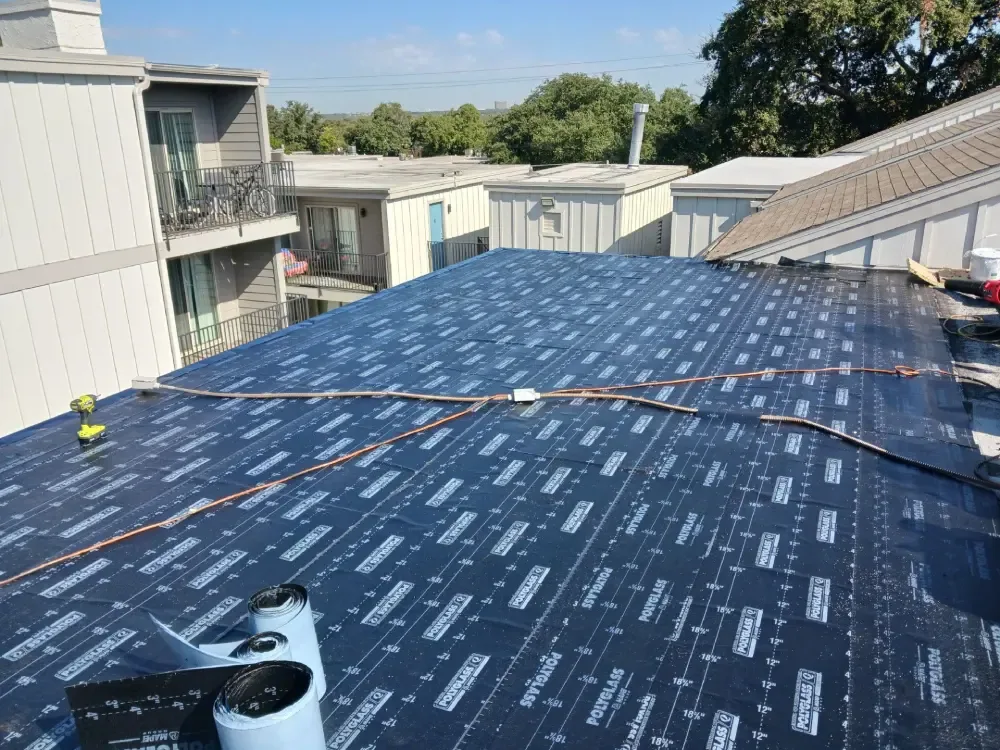
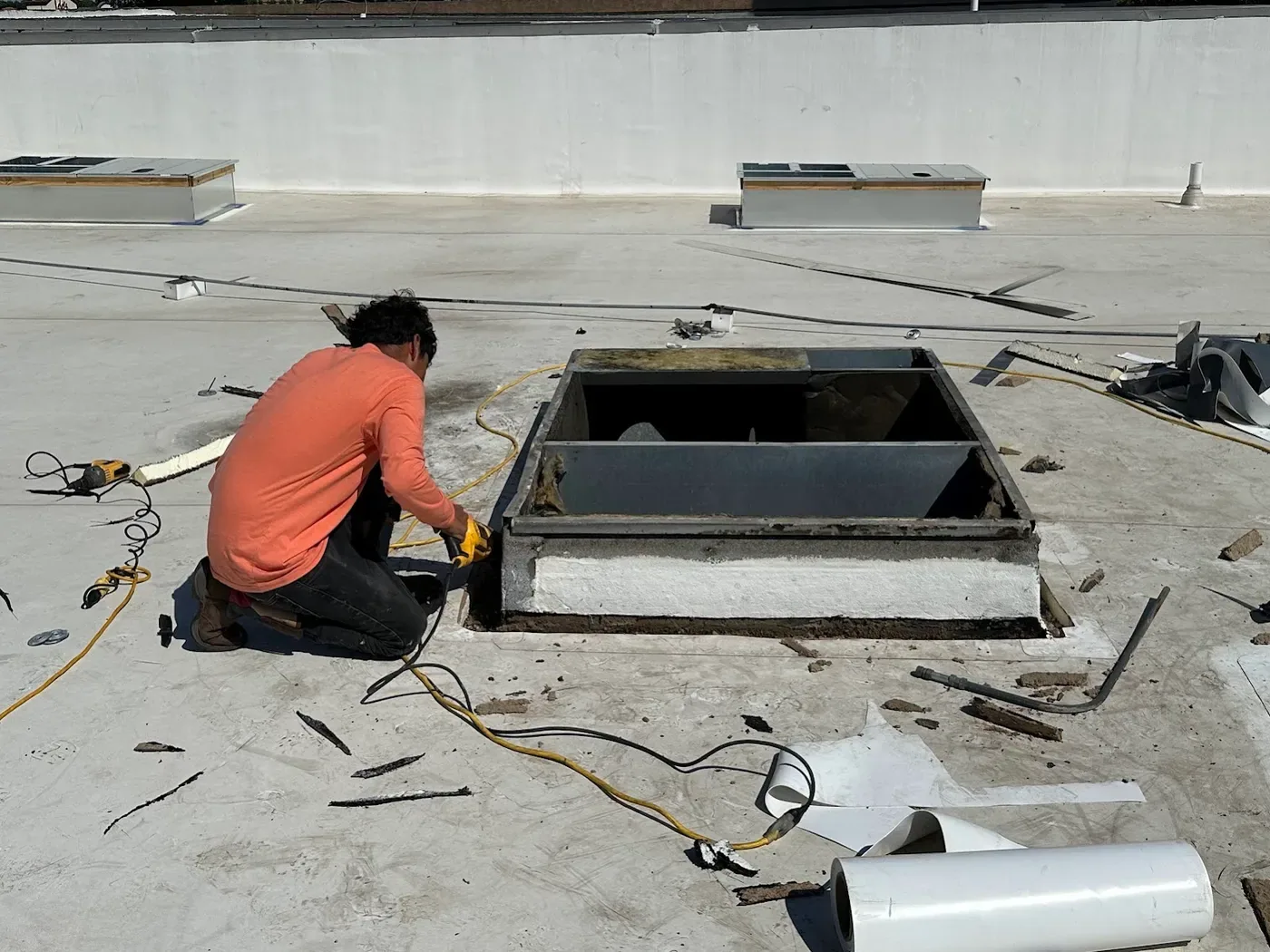
The old roof stays in place, which is the point of the method. Crews fasten sub-purlins or framing through the old panels to the structure, add insulation between and above them, and then install the new panels, so the interior is protected at every stage. Metal work tolerates cold weather better than membrane work, so retrofits can continue through much of the winter if snow and ice are managed and fall protection is in place, while fluid-applied coatings need dry weather above minimum temperatures. Neighbors and tenants should expect noise from panel forming and a few crane or hoist days, which are scheduled with the facility manager. For a plant that cannot shut down, the retrofit is often the least disruptive route to a new roof, because nothing above the production floor is removed.
What do Tri-Cities temperatures and rain do to an exposed-fastener roof?
The thermal swing is wide. Johnson City's summer highs reach about 86F in the air, which puts dark metal surfaces far hotter, and its winter lows average about 25F, with a Christmas low record of -6F set at Tri-Cities Regional Airport in 1983, so a panel moves through a large range every year. A metal-roofed building near Fall Branch, off I-81 at exit 50, around Gray near the I-26 and I-81 junction, or in the Washington County Industrial Park works through the same Tri-Cities seasons. Heavy rain is the other test. Hurricane Helene's September 2024 rain drove the Nolichucky River to catastrophic flood levels, and a failed washer is the opening that a long wet spell finds first. A roof coating restoration or a retrofit decided on before the rain arrives is far easier than one decided on after the water has found the screws.
Commercial Roofing Questions
Can I just keep tightening screws and replacing washers?
Tightening buys time on a roof whose panels are sound, but it does not stop the cycle that loosened the screws. Oversized fasteners hold better than the originals, and a full re-screw with new sealant is a legitimate restoration step. Without a plan for the next stage, owners repeat it every few seasons.
Is a coating enough to stop leaks on rusting corrugated panels?
Only when the steel is still solid. A coating seals fasteners and laps and protects against further corrosion, but it cannot bridge a rusted-through panel or stop water that comes from beneath. Rust is treated, perforations are patched and the surface is primed before any coating goes on.
Will the added weight of a retrofit overload my building?
A framing and panel system adds modest weight compared with the load of removed materials, but the structure still has to be reviewed. Purlin size and spacing, existing deflection and snow load all enter the calculation. If the framing has no reserve capacity, strengthening it or choosing a lighter option comes first.
Does a retrofit change how the building handles heat and energy?
It can, because new insulation goes between the old and new panels and a thermal break reduces condensation on the underside of cold metal. The improvement depends on how much insulation the new assembly holds and whether the interior air is humid. We confirm the dew point calculation for the specific building before the design is finished.
Will a retrofit make the roof quieter in a heavy rain?
Usually, since added insulation and the air space between old and new panels absorb the drumming that bare corrugated metal produces. For schools, offices and care facilities beneath metal roofs, the quieter interior is a welcome side effect, though it should not drive the choice of system.
Related Roofing Pages
Silicone Roof Coating Systems
How the work is scoped, phased and documented on Tri-Cities roofs.
Standing Seam Metal Roofing
What we check, what we recommend and how the crew keeps the building running.
Roof Recover and Overlay Systems
Conditions, options and next steps for commercial buildings in East Tennessee.