
Roof Insulation, Tapered Systems and Cover Board in Johnson City, TN
Warm, humid air from inside a building climbs through deck joints, laps and penetrations, and wherever it reaches a layer of the roof assembly colder than its dew point it turns to water inside the insulation. Across a Johnson City, TN, winter, with lows averaging about 25F and a Christmas record low of -6F at Tri-Cities Regional Airport, that point is crossed again and again, and a roof can get wet without a single hole in the membrane. The ceiling below may never stain, yet the insulation loses much of its thermal value, adds weight the deck was not sized for and starts to break down at the board edges. An owner who learns this from a utility bill, or from a core sample at the end of the roof's life, has paid for the same wetness twice. Choosing insulation, vapor control and cover board is a moisture decision before it is an energy one.
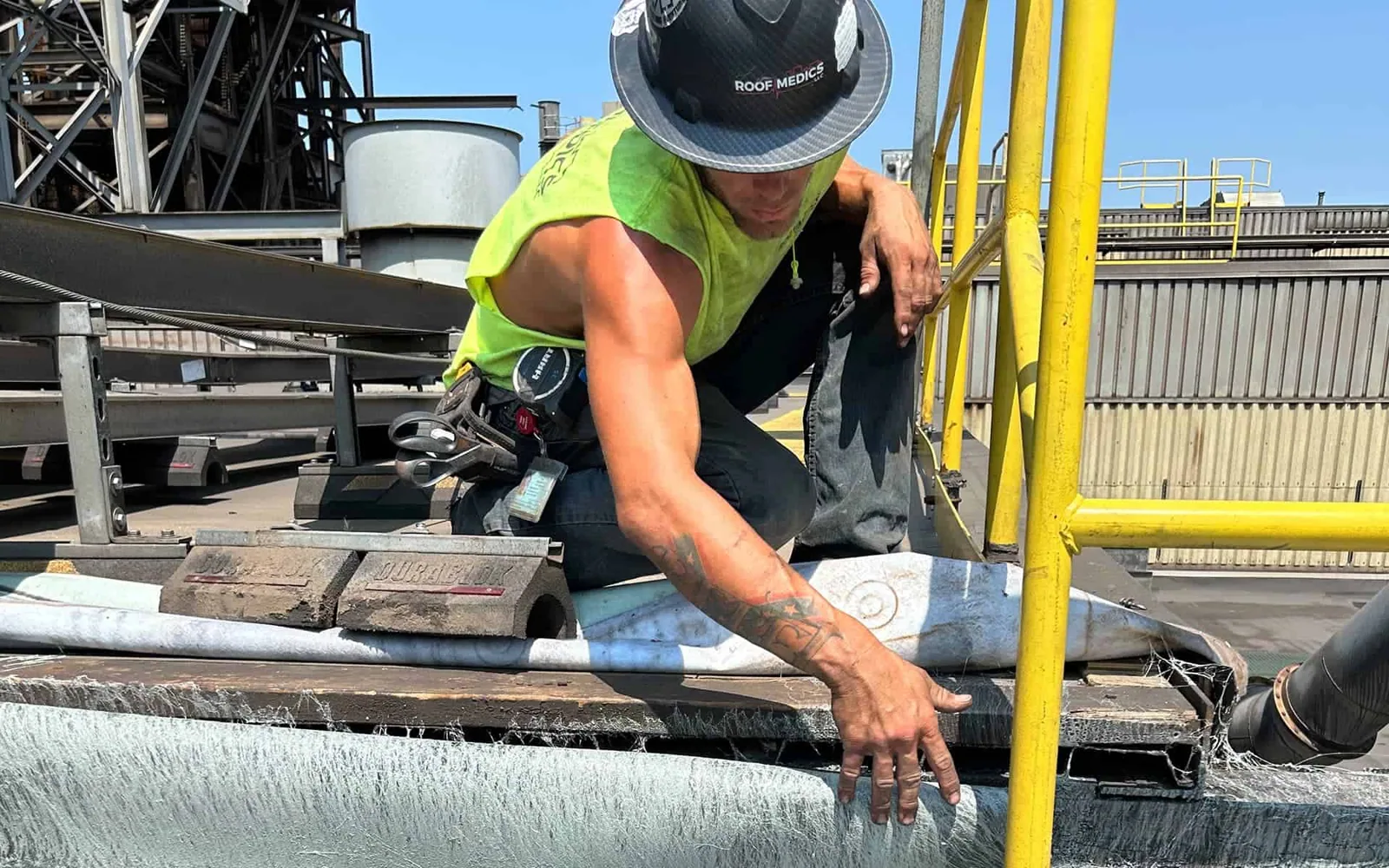
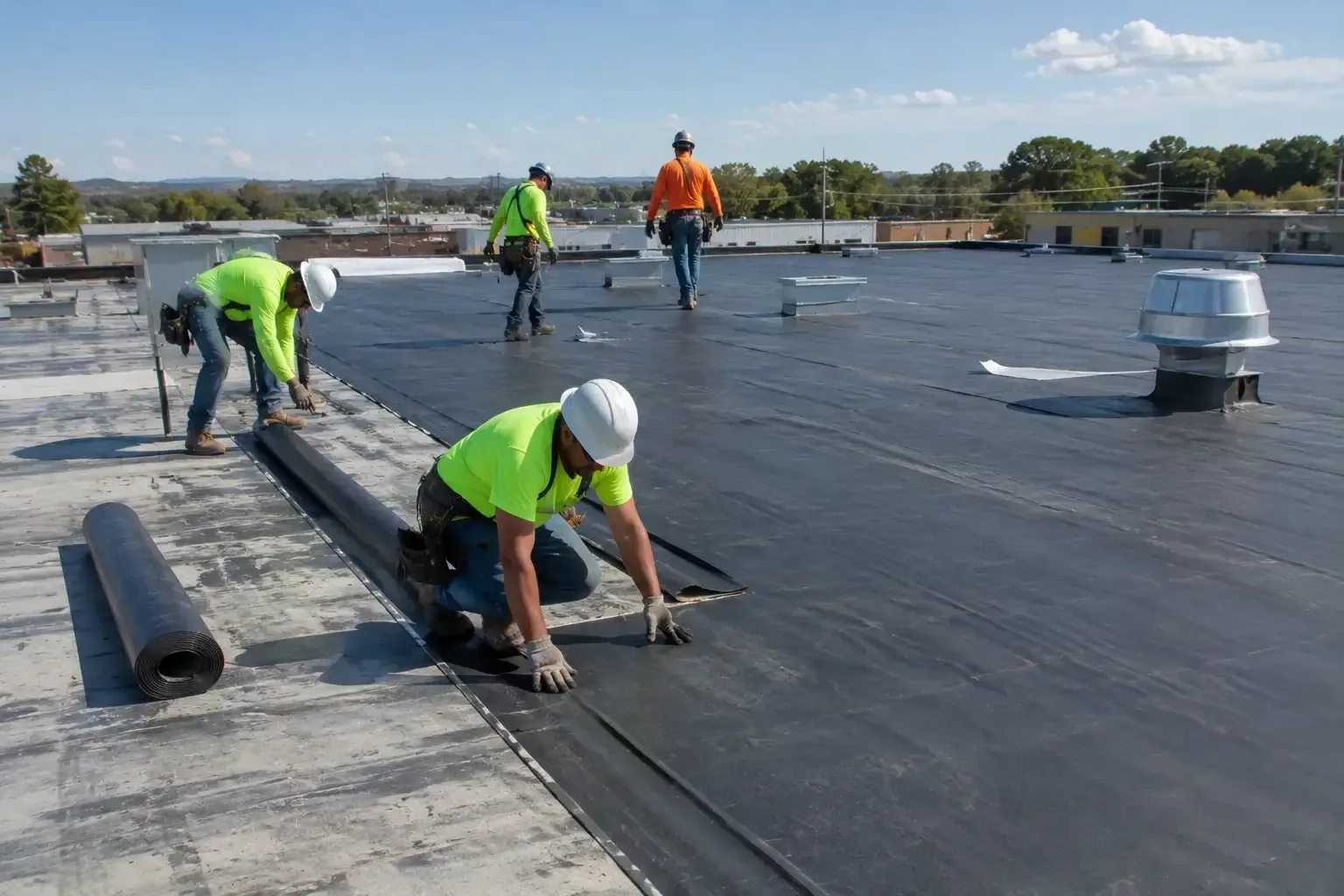
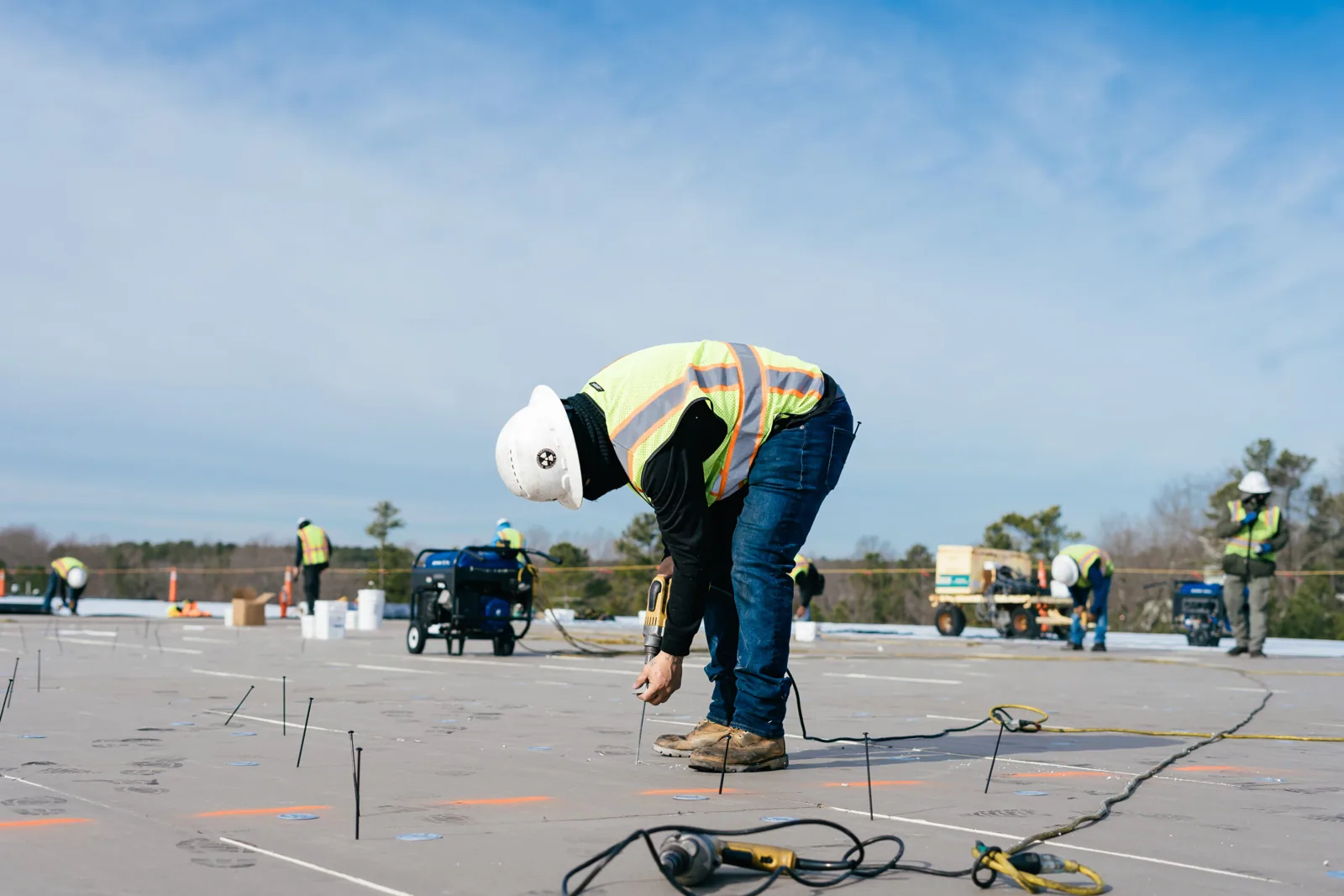
How does insulation lose its value without a single leak?
Insulation loses value in four ways. Water is the fastest: a wet board conducts heat many times better than a dry one, and freezing breaks it down. Cold is the slowest, because polyisocyanurate, the most common board, delivers less resistance per inch as its mean temperature falls, so a roof that tests well in the laboratory performs below its label on a January night. Compression is the third, from foot traffic, rooftop equipment and heavy snow on boards with too little compressive strength, and a crushed board leaves a depression that holds water and a membrane that cracks along its edge. The fourth is gaps, since joints that open between boards give heat a path straight to the deck.
The cure is usually a design cure. Two thinner layers with staggered joints block the thermal bridges at the seams and let the lower layer stay warmer. Pairing polyisocyanurate below with expanded polystyrene above lets the layer that sees the coldest temperatures be the one that loses least. Higher compressive strength goes where equipment and traffic concentrate. And a vapor retarder over the deck, on buildings that run humid, such as pools, laundries and some processing areas, stops moisture reaching the cold layers at all.
Read the assembly before choosing what goes on top
Call Commercial Roofing Johnson City to have the roof cored and scanned. You will receive a layer-by-layer picture of what is wet, what is dry and what the next assembly should contain.
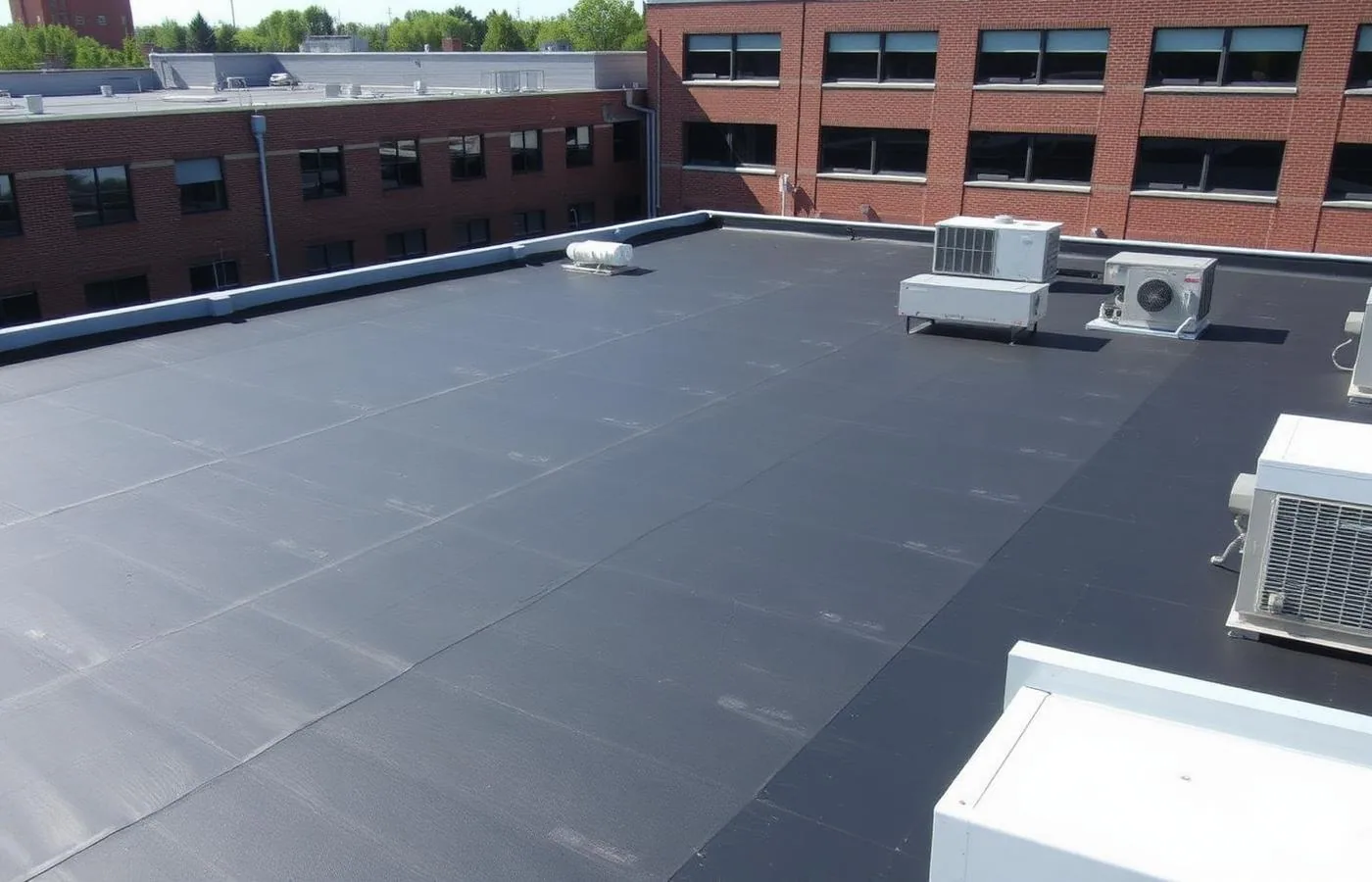
What do core samples say about the assembly overhead?
A core is a small plug cut through the roof, and it is the only way to read the assembly directly. It shows the membrane type and thickness, the number of layers, the type and thickness of the insulation, whether boards are fastened or adhered, the state of the deck surface, and whether any layer is wet, crushed or degraded. We pair cores with an infrared moisture survey so that cuts land where the thermal image suggests moisture and at spots that look dry, which tells us how well the scan reads that particular building. The data answer practical questions: how much dry board can stay, how much must come out, how much thickness is available under the flashing heights and door thresholds, and whether the deck will hold new fasteners.
Which board goes where: polyiso, expanded polystyrene, mineral wool or tapered?
Polyisocyanurate gives the most resistance per inch and is the usual choice where thickness is limited by flashing heights. Expanded polystyrene costs less, holds its performance in cold and cuts into tapers readily. Mineral wool is heavier and costs more, but it resists fire and holds its shape, so it appears over metal decks that need a fire rating and as a cover board in demanding assemblies. Tapered boards in any of these materials build the slope that carries water to the drains, and the layout is drawn board by board so crickets, saddles and field panels line up with the outlets in the plan for roof drains and scuppers.
Cover board is the layer owners most often question. It sits between the insulation and the membrane and does three jobs: it protects soft insulation from foot traffic, tools and hail, it adds resistance to wind uplift in adhered and mechanically attached assemblies, and it gives a smooth, stable surface for the membrane to bond to or lie on. Gypsum-based glass-mat board, high-density polyisocyanurate and perlite are the common choices. Cover board is a small share of the assembly cost and the layer least likely to be seen again, which is the point: it is inexpensive protection for the layer that costs the most to replace.
When does better insulation pay back, and when is it only a cost?
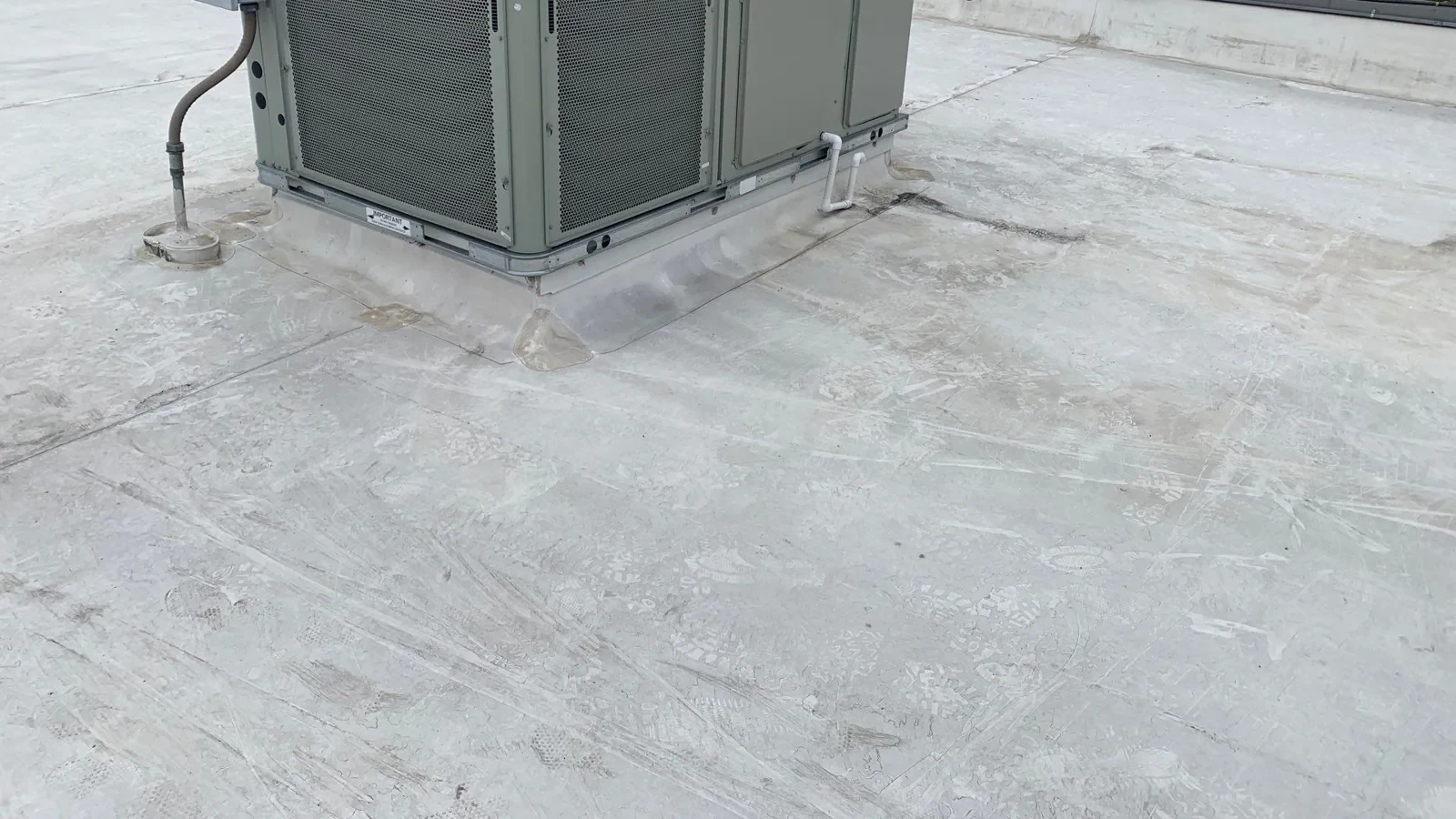
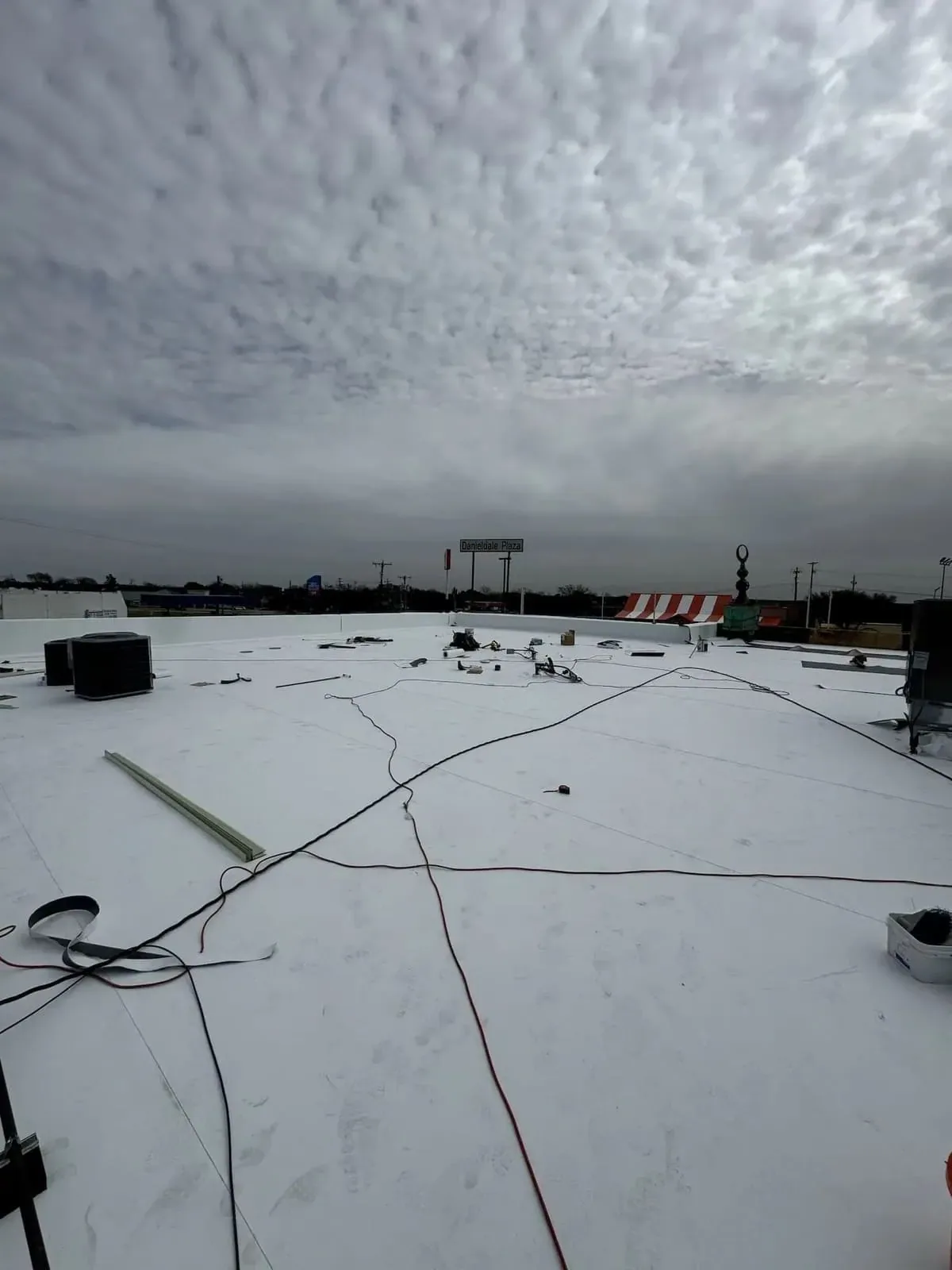
Insulation pays back on two clocks. The energy clock is slow and specific to the building: it depends on how the space is heated and cooled and how much of that load passes through the roof. The moisture clock is faster. A roof that stays dry keeps its thermal value, its weight stays within what the deck was designed for, and its membrane is not pushed around by trapped water, so the replacement window stays where the plan put it. The decision to add thickness is easiest during a commercial roof replacement, since the old assembly is already coming off. Re-insulating on its own, without a membrane project, rarely pays unless the existing board is wet and has to be removed anyway. Waiting costs the least when the roof is dry and the most when it is wet.
What do Johnson City's adopted codes and winters ask of the assembly?
Johnson City has adopted the 2018 International Energy Conservation Code alongside the 2018 International Building Code, and when a roof is replaced down to the deck, the energy code generally brings minimum insulation levels into the new assembly. A roof recover and partial work are treated differently, and the building official's reading governs, so the question belongs in planning and not at inspection. Winters add their own requirements: Johnson City averages about 15.6 inches of snow a year, mountain areas get considerably more winter precipitation, as at Mountain City, 2,418 feet up, and snow that drifts loads a roof unevenly, so boards need the compressive strength to carry it.
Different owners meet different versions of the question. Humidity-sensitive buildings, with Johnson City Medical Center on the Med-Tech corridor as the plain example, treat vapor control and thermal performance as everyday concerns, not special ones. A production building like those in the Washington County Industrial Park can add process heat or moisture that a vapor retarder has to account for. Closed-cell foam sprayed directly to the deck is another route, as with spray polyurethane foam roofing, where the foam serves as insulation, air barrier and membrane base at once.
Commercial Roofing Questions
Does adding more insulation always lower the energy bill?
Not proportionally. Each added inch helps less than the one before it, and air leaks, thermal bridges at fasteners and wet boards cost more than a thin layer of added thickness gains. Fixing moisture and air paths first, then adding thickness where flashing heights allow, gives the better return.
What decides whether wet insulation can be dried in place?
The board type, the time it has been wet and whether water has a path out decide it. Foil-faced polyisocyanurate traps moisture, and a membrane over wet board prevents drying, so removal is the norm. Drying in place is reserved for small, recent wetting with a way for vapor to escape.
Why do some roofs call for two layers of insulation rather than one thick layer?
Two staggered layers cover the joints in each other, so there is no straight path for heat or air from the interior to the deck, and each layer is easier to handle and fasten.
Is a cover board worth the added cost on a roof that will not see hail?
Hail is only one reason. The board also spreads foot-traffic loads, steadies adhered membranes, adds uplift resistance and supports fire ratings in some assemblies. Where none of those matter the board can be dropped, but the assembly should answer the question rather than an assumption.
Can insulation be added to an existing roof without replacing the membrane?
Only in limited ways. Adding board over an existing membrane is a recover, which needs dry existing insulation, a sound deck and a layer count the code allows. Adding insulation from below, under the deck, moves the dew point inside the building and needs a vapor analysis before anyone starts.
Related Roofing Pages
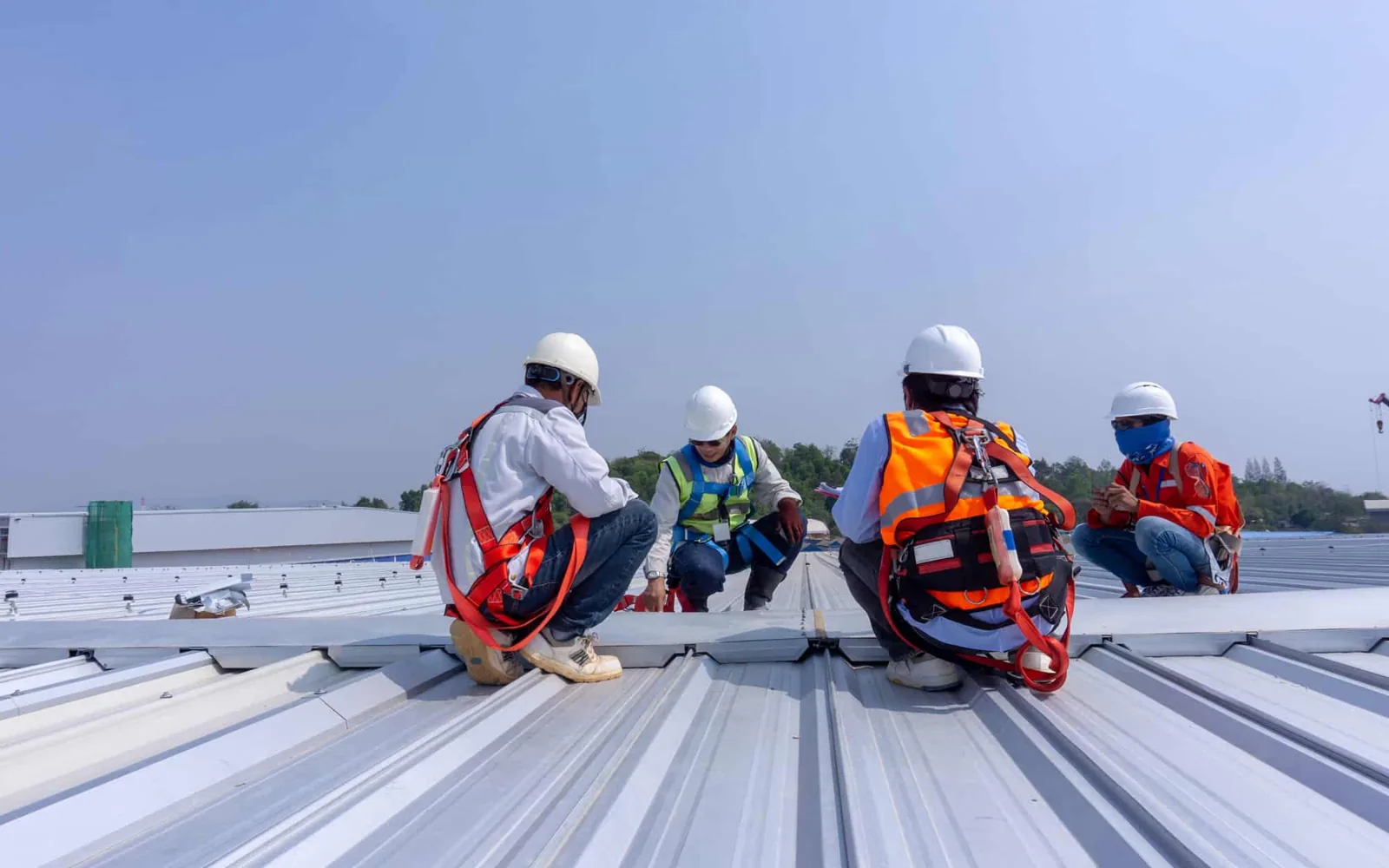
Infrared and Core-Cut Moisture Surveys
How the work is scoped, phased and documented on Tri-Cities roofs.
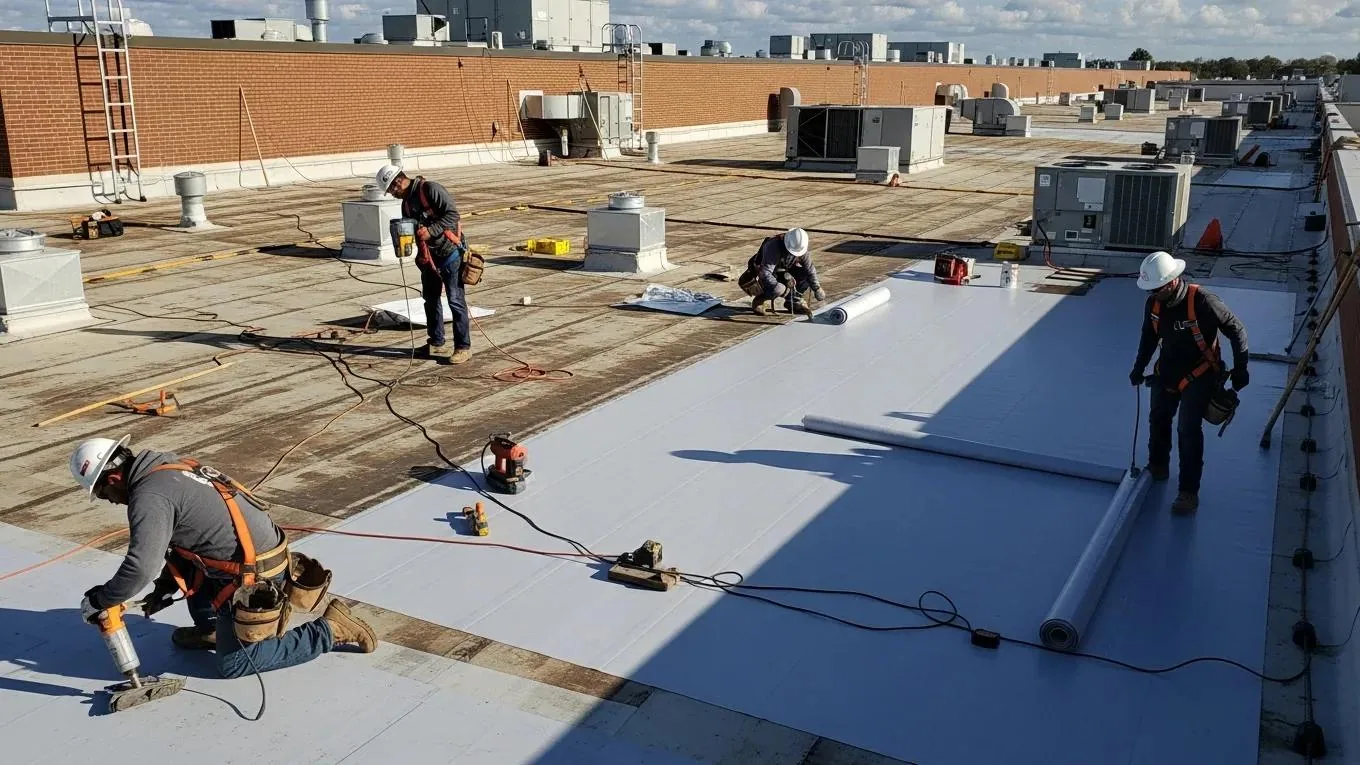
Roof Drains, Scuppers and Ponding Correction
What we check, what we recommend and how the crew keeps the building running.
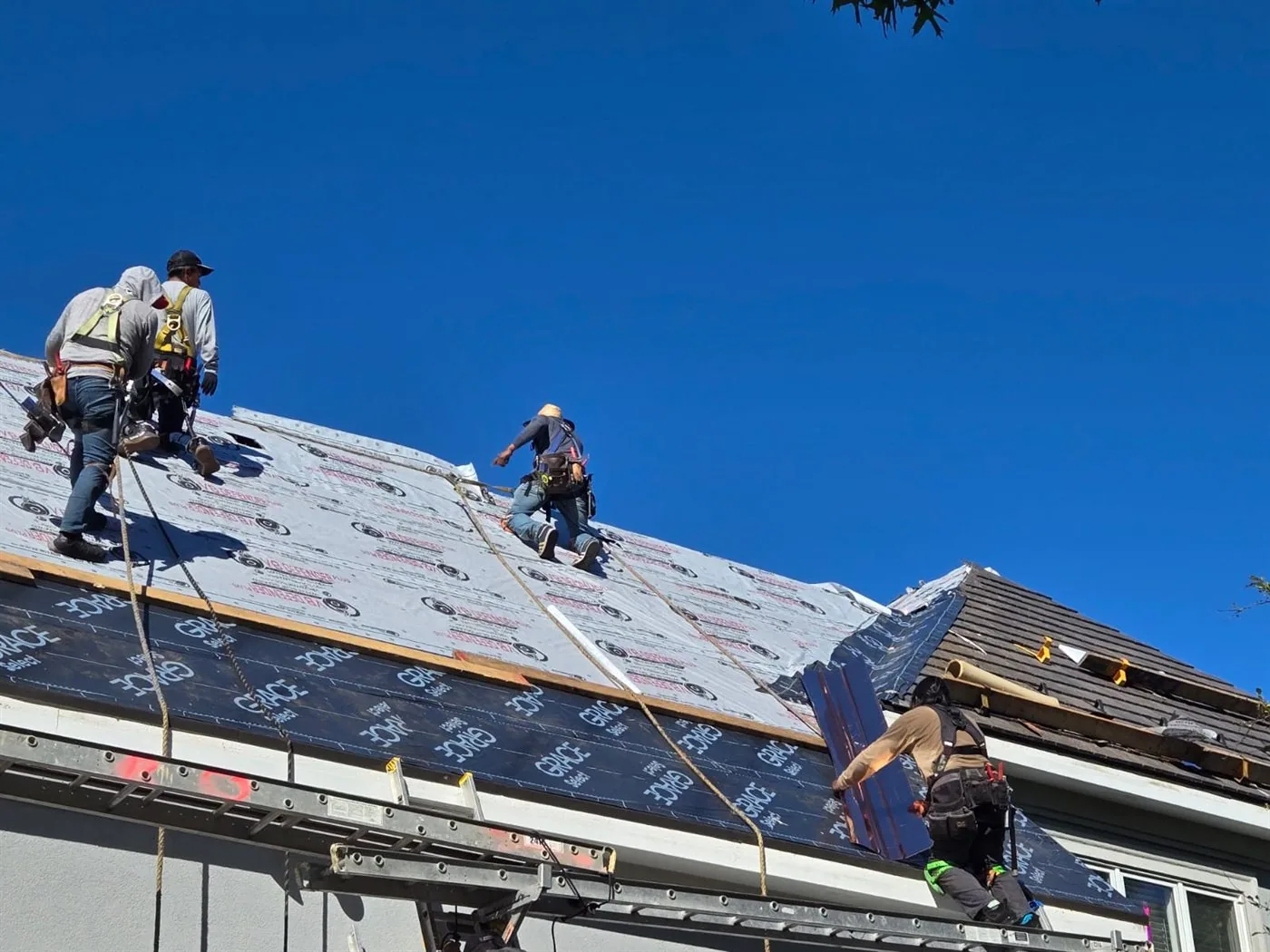
Commercial Roof Replacement
Conditions, options and next steps for commercial buildings in East Tennessee.