
Cool Roof Installation in Johnson City, TN
Sunlight that a roof surface does not reflect has one place to go, and that is down through the membrane, into the insulation and eventually into whatever the cooling plant is working to remove. A dark low-slope roof in Johnson City, TN, summer highs around 86F turn afternoons into a heat load the owner pays for twice: once on the utility bill and once in the thermal cycling that ages the membrane itself. A reflective surface changes both numbers, but only when it goes onto a roof that is dry, drained and sound underneath. That condition matters because a white sheet laid over saturated insulation is an expensive way to cover a problem, and the owner who checks the assembly first is the one who collects the savings the product promises.
How much of the sun does a roof surface actually send back?
Two properties matter. Reflectance is the share of sunlight bounced away, and emittance is how readily the surface releases the heat it did absorb. A white or light membrane scores high on both when new, which keeps its surface cooler than a dark one under the same sun, and a cooler surface expands and contracts less each day. That reduced movement is a service-life benefit stacked on the energy benefit, because seams, flashings and fasteners ride out fewer extreme swings. A reflective surface adds no insulating value, however. It reduces the heat arriving at the insulation and leaves the R-value exactly where it was.
Reflectance also fades. In a humid subtropical climate, dust, pollen, algae and mildew settle on a flat surface and darken it, so the figure on a product sheet is a starting point and the figure three summers later is the one that governs the energy result. Cleaning and recoat intervals belong in the cost plan from the first day, not as a surprise in year five.
Check the assembly before choosing the color
Call Commercial Roofing Johnson City to have your roof scanned, cored and tested for coating adhesion. You will leave with a written scope that shows whether a reflective layer pays back on this roof, and when.
White membrane, reflective coating or cool metal finish?
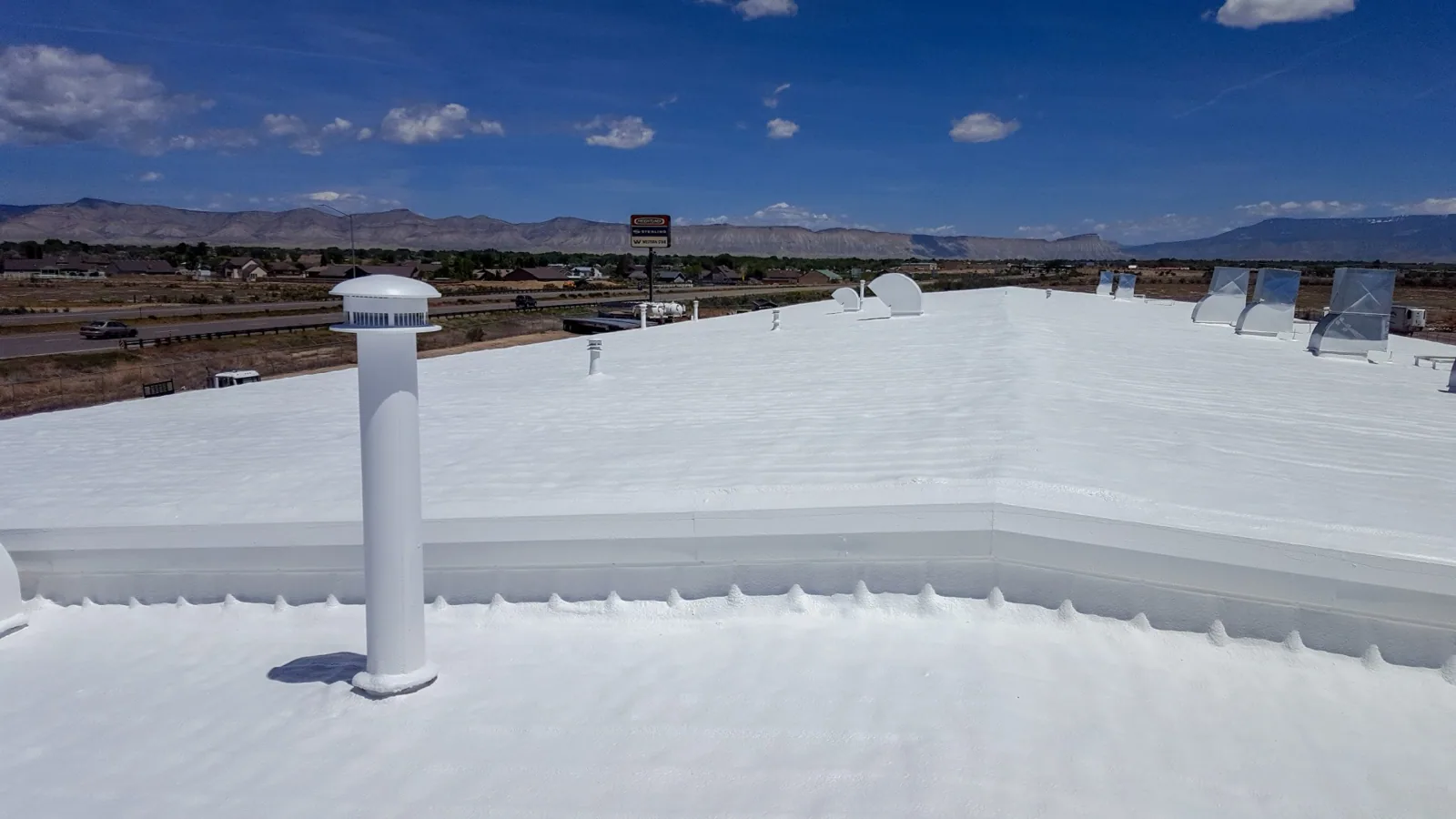
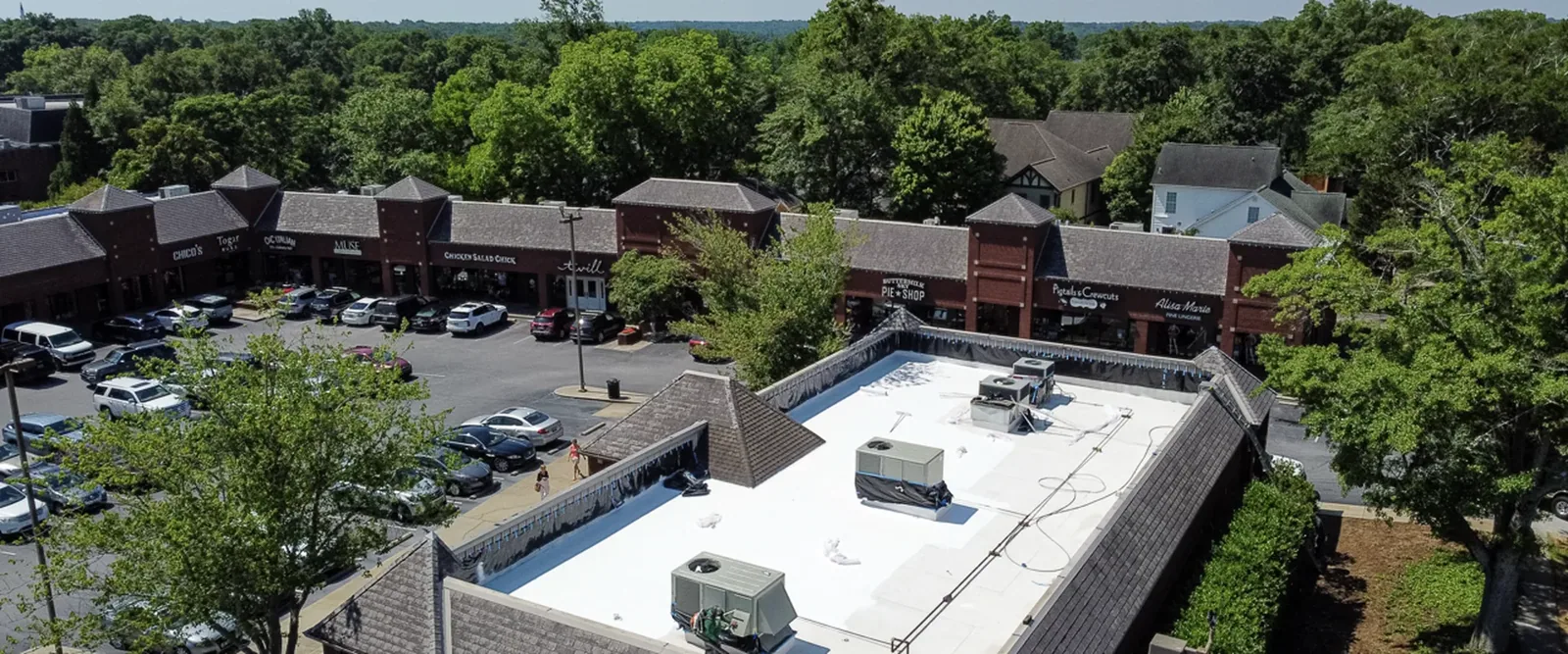
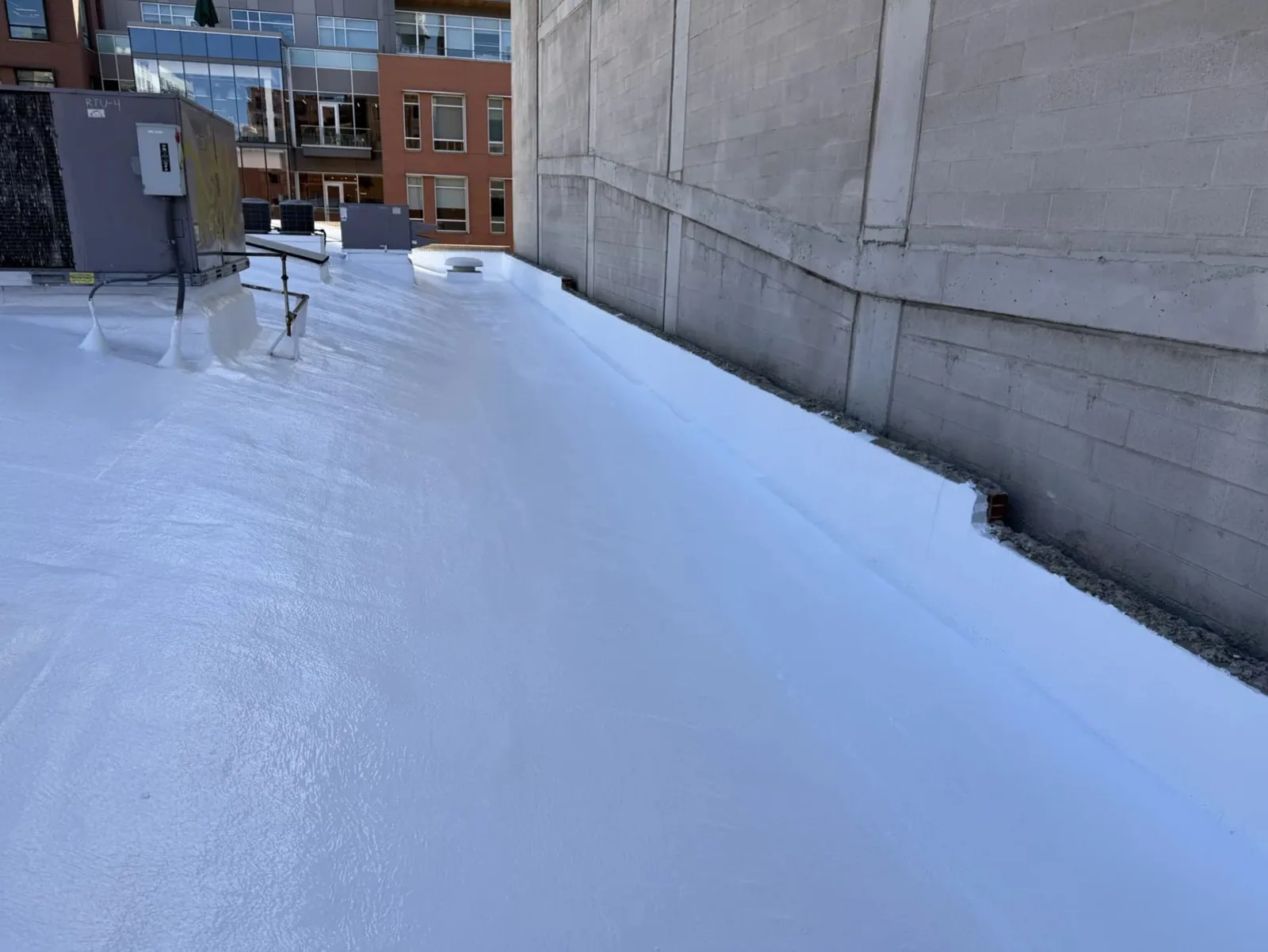
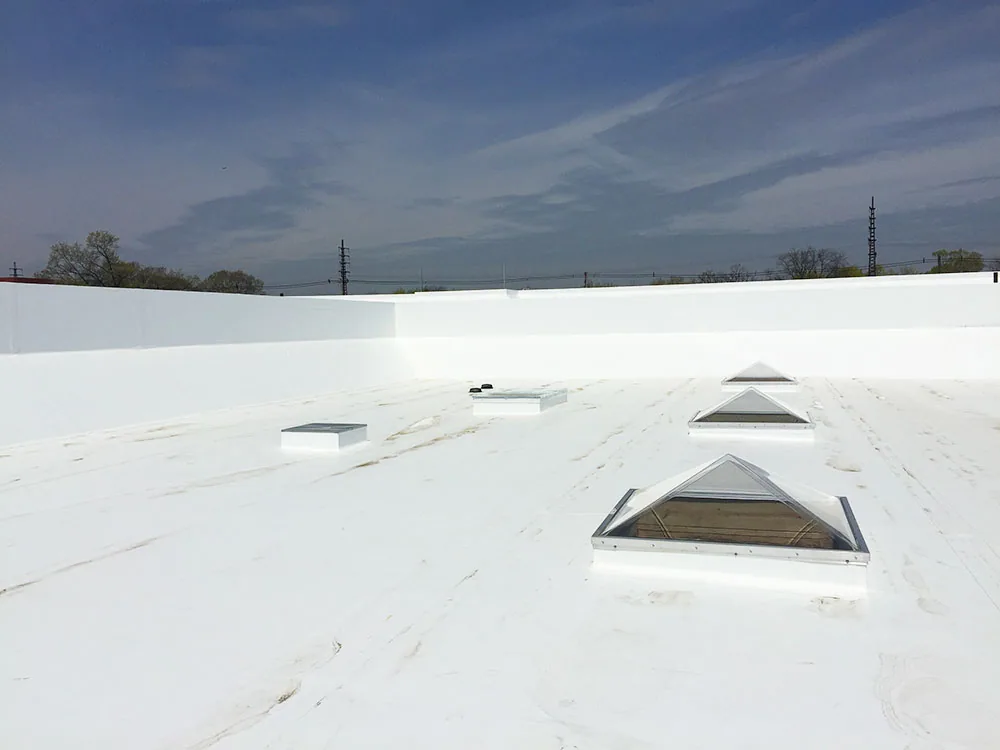
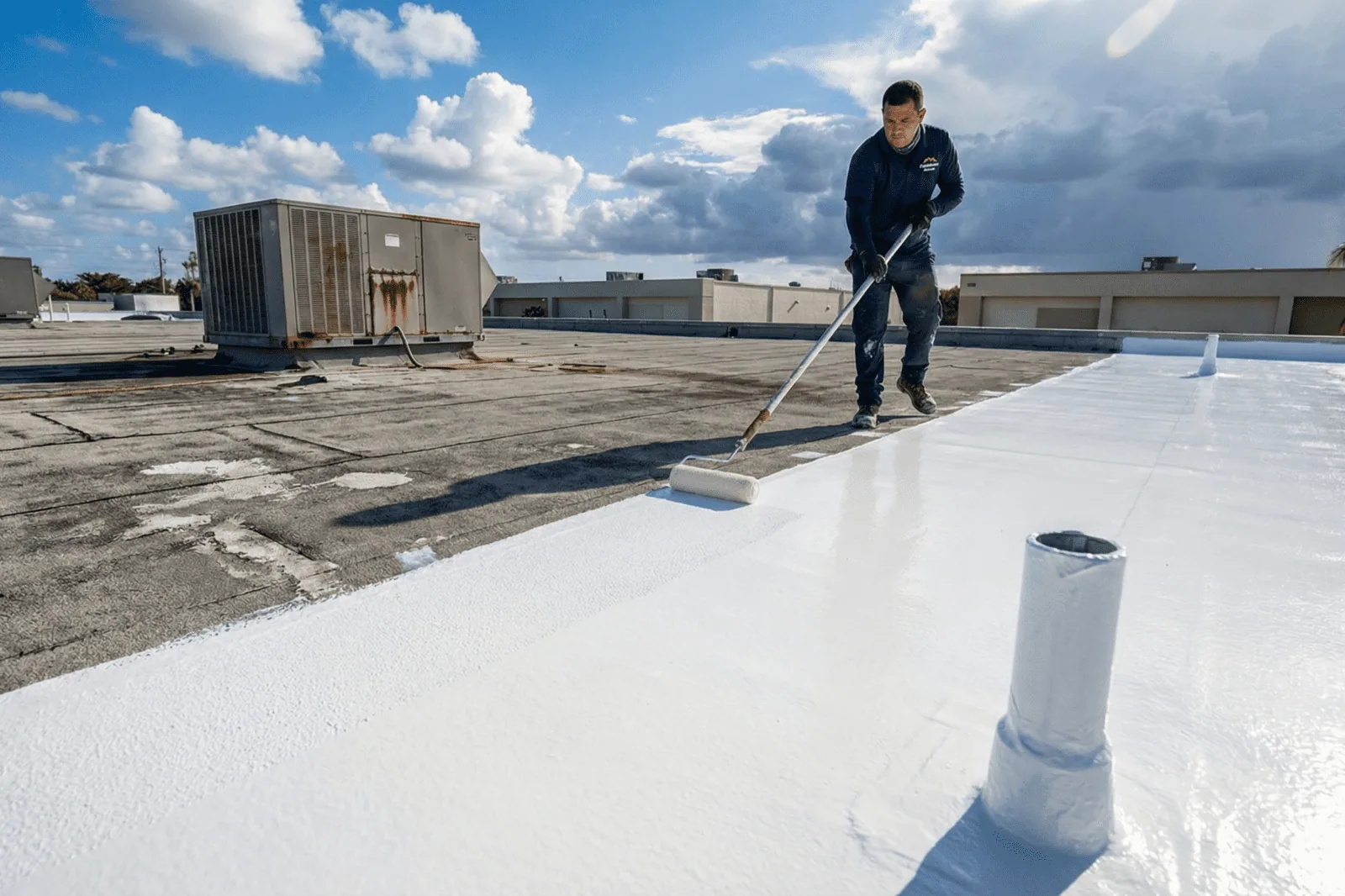
When a roof is already due for replacement, a new white single-ply such as TPO roofing is the straightforward route, since the reflective surface arrives with the membrane and the seams are heat-welded. PVC earns its place where kitchen exhaust or chemical exposure would attack a lesser sheet. When the existing roof is still sound, a reflective acrylic coating or silicone coating applied as part of a roof coating restoration can raise reflectance for a fraction of tear-off cost, provided the substrate passes a moisture survey. Silicone tolerates standing water better, while acrylic suits a roof that drains well and is lighter on the budget.
Metal roofs take a factory-applied or field-applied reflective finish, which suits buildings where the panels are tight and the fasteners are sound. In every case the surface is only the top layer of the decision. The insulation and cover board beneath decide how much of the benefit reaches the occupants, so insulation and cover board are specified together with the reflective layer, not afterward.
What has to be true of the old roof before it is made reflective?
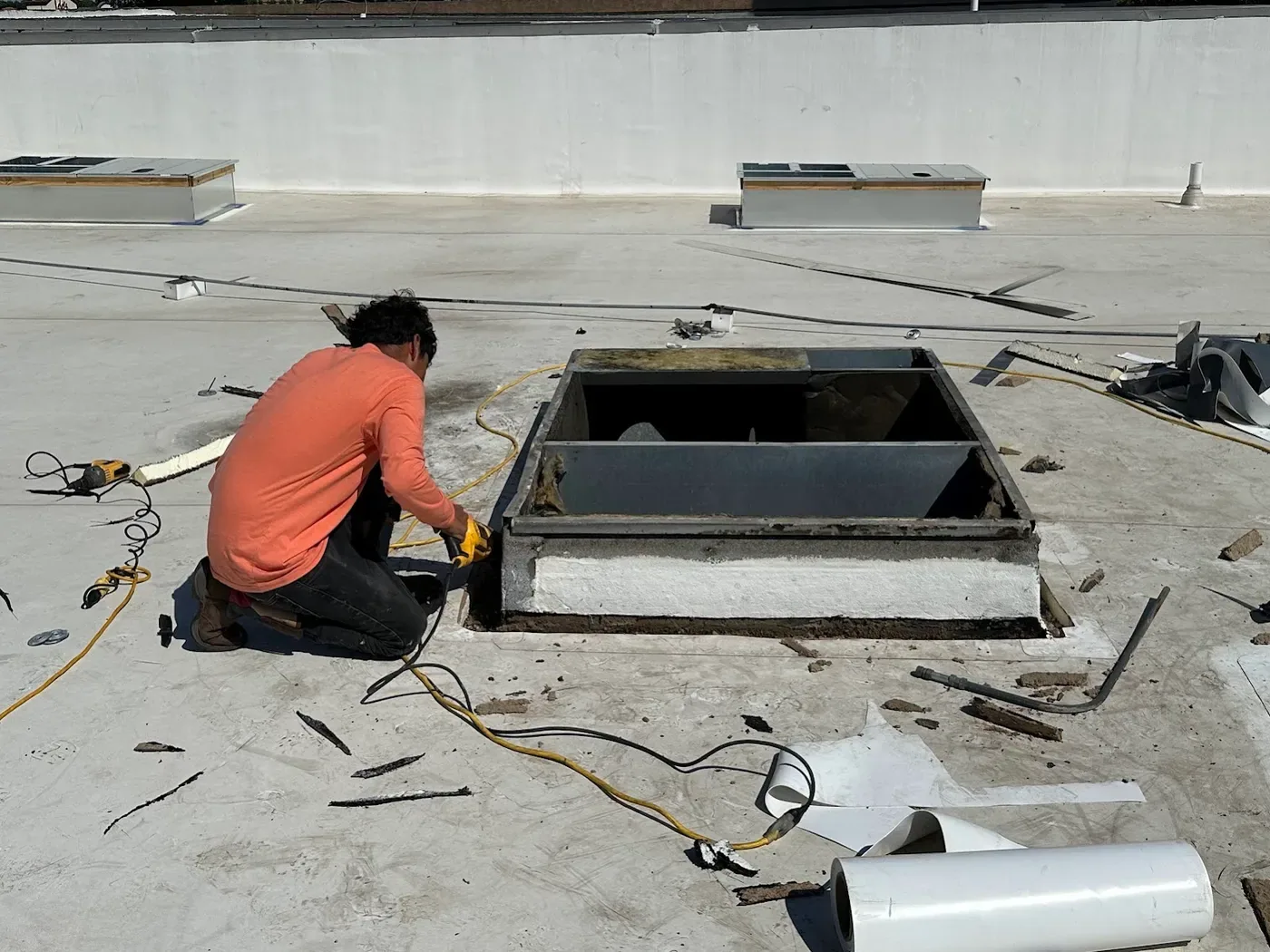
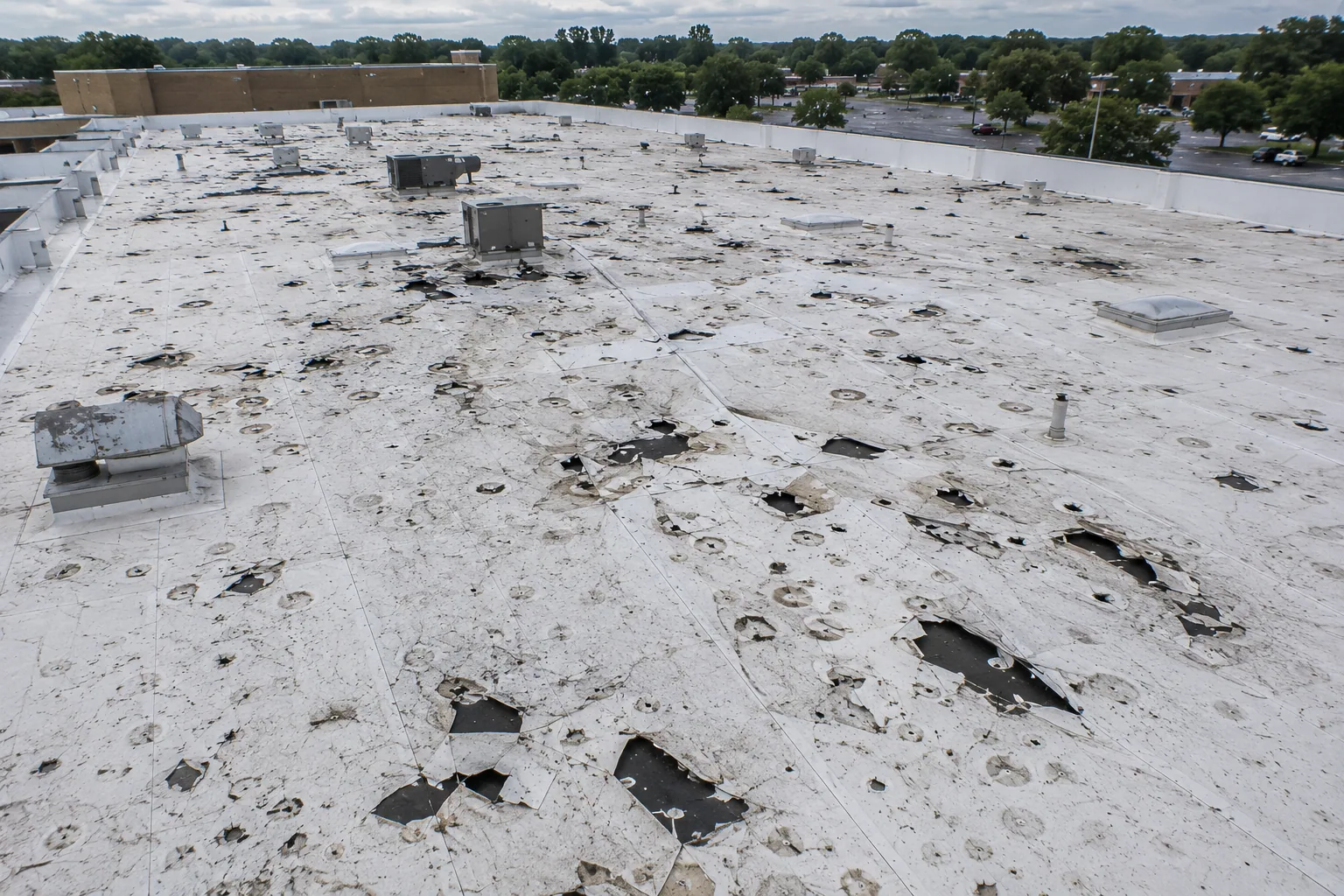
Moisture comes first. A coating over wet insulation traps the water, and a coating that blisters in its first July is a failed investment. We scan the roof with infrared, confirm the readings with core cuts, and mark which areas must be cut out and replaced before anything reflective is applied. A test patch on the existing surface then shows whether the primer and coating will bond, because chalked, oxidized or contaminated membrane rejects coatings that look fine in the can.
Drainage is the third check. Ponded water accelerates dirt buildup, which darkens a white roof fastest in exactly the places that stay wet, so low spots are corrected or planned around. Seams, flashings and penetrations are repaired before the reflective layer goes on, since a coating can hide a failing detail for one season and then fail with it. The result is a short written scope that separates the repairs, the prep and the reflective layer, and a clear infrared moisture survey map is what lets each of those three items be priced on its own.

What do Tri-Cities summers, winters and storms do to a white roof?
Winter is half of this climate. Cold nights near 25F and snowfall that adds up to about 15.6 inches over a year mean a reflective roof here gives up some free solar gain in the heating season, and that is the reason to pair surface color with sound insulation instead of relying on color alone. Dew point is the second concern. When warm interior air meets a cold deck, condensation can form inside the assembly, so vapor control is reviewed whenever insulation is added with the cool surface. Johnson City has adopted the 2018 International Energy Conservation Code and the 2018 International Existing Building Code, and the scope is checked against both.
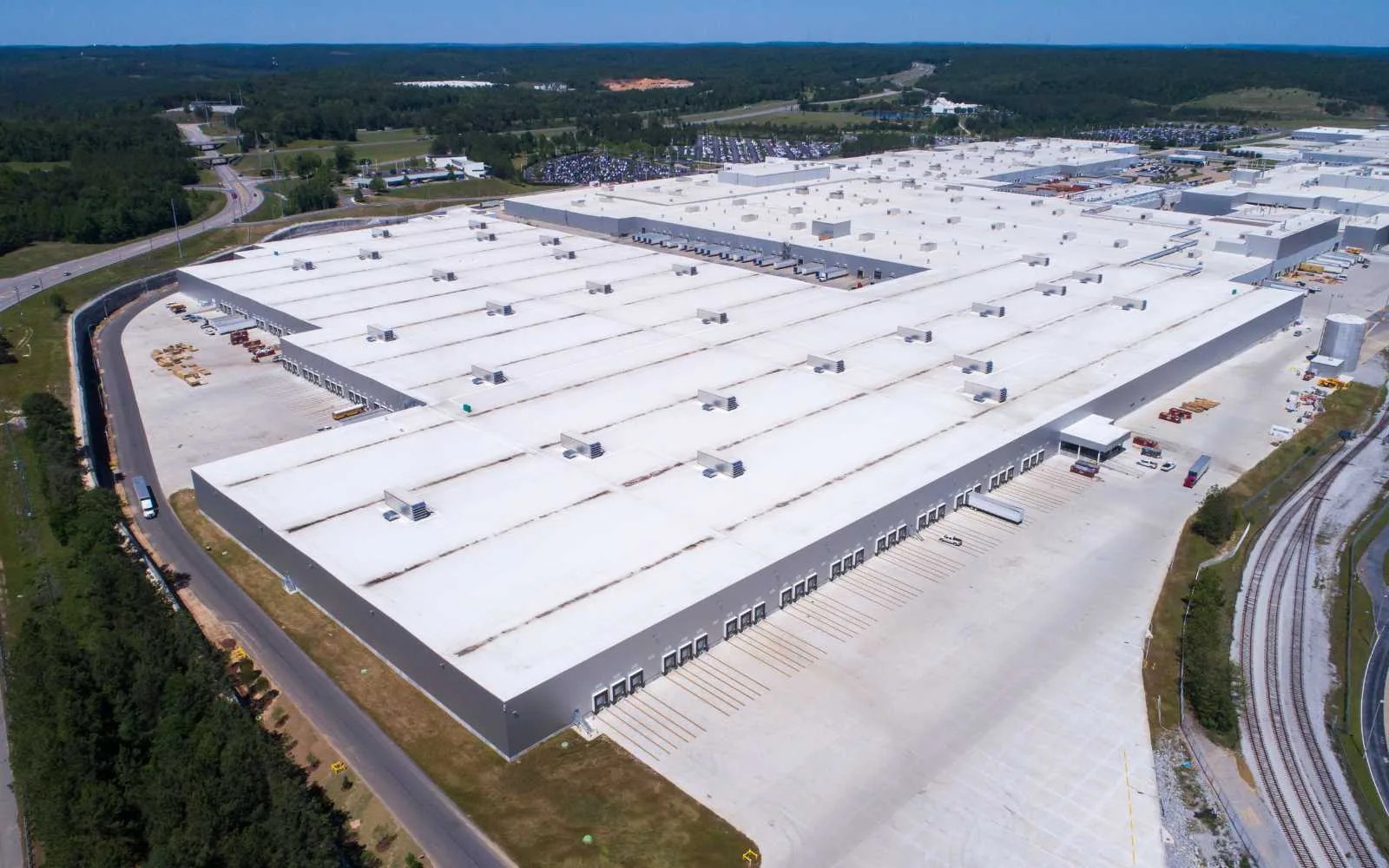
Cooling load matters most to buildings that must hold interior temperatures through summer afternoons, such as the enclosed Mall at Johnson City in the North Johnson City retail area, the plants at the Washington County Industrial Park and Johnson City Medical Center on State of Franklin Road. Hurricane Helene in September 2024 also reminded owners that drains and scuppers share the roof with the reflective layer, and ponding that follows a clogged outlet works against it.
When in the year does a reflective roof go on?
Coatings need dry surfaces and temperatures inside the manufacturer's window, so the practical season in Johnson City opens after the last hard freezes in spring and runs through early fall. Single-ply installation can run later with cold-weather welding checks, but a reflective roof is measured in summer, which argues for finishing before the cooling season starts. A spring start also leaves room for the repairs and drainage corrections that precede the reflective layer.
Capital timing matters as much as weather. A coating can extend the life of a sound membrane and defer replacement into a later budget, while a roof near the end of its service life is better replaced with a white membrane directly. An owner who sets that choice into a multi-year roof capital plan can weigh the energy benefit against the replacement window with condition data in hand.
Commercial Roofing Questions
Will a white roof raise my heating bill in a Tennessee winter?
A reflective surface gives up a little free winter warmth, but in a climate where lows sit near 25F the heat that matters comes from inside the building, and the insulation under the membrane does most of that work. An assembly with sound, dry insulation usually matters more to the winter bill than the color of the top layer. An energy comparison for the specific building can put numbers on both seasons.
How long does reflectance last before the roof needs cleaning or a new coat?
Reflectance drops gradually as dirt, pollen and algae collect, and the rate varies with tree cover, exhaust and drainage. A roof that drains well and sits away from trees holds its reflectivity longer than one with ponding and leaf litter. Periodic washing restores some of it, and a recoat interval is set from a reading of the actual roof surface, not a calendar guess.
Can a reflective coating go over my existing TPO or metal roof?
Often it can, if the old surface is clean, sound and dry. Aged TPO usually needs a primer and a cleaning pass to accept a coating, while metal requires rust treatment, fastener tightening and sealed seams first. We run an adhesion test patch before pricing so the system is chosen for the surface it will actually sit on.
Why does a coating over an old roof sometimes blister?
Water vapor trapped beneath it is almost always the cause. Moisture in the insulation or deck warms in the afternoon, turns to vapor and pushes up against a coating that cannot let it out. The remedy is found before application, by mapping wet areas with infrared and cutting them out, so that the coating covers dry material only.
Is a cool roof worth it on a building that is barely air conditioned?
The return is smaller. A storage or utility building with little mechanical cooling saves less energy, and the main benefit becomes reduced thermal cycling of the membrane. For that building, the reflective layer is justified when the roof needs recoating or replacement anyway and the added cost is modest next to the work already planned.
Related Roofing Pages
TPO Roofing
How the work is scoped, phased and documented on Tri-Cities roofs.
Acrylic Roof Coating Systems
What we check, what we recommend and how the crew keeps the building running.
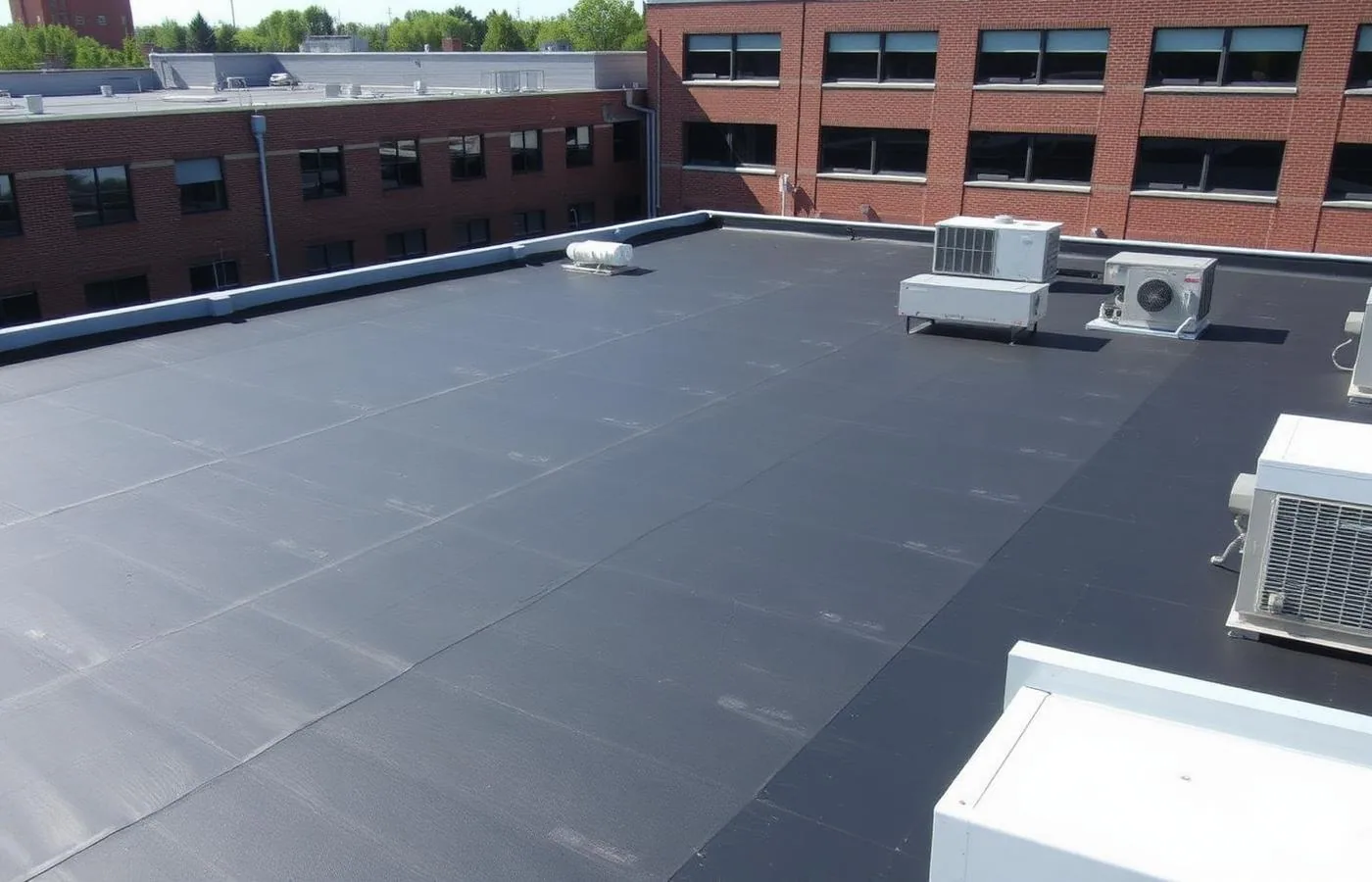
Silicone Roof Coating Systems
Conditions, options and next steps for commercial buildings in East Tennessee.