
Commercial Roofing in Surgoinsville and Phipps Bend, TN
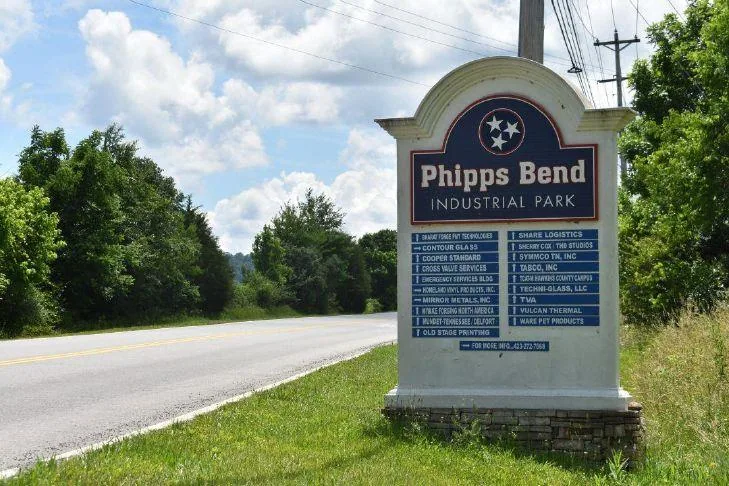
Inside any plant that runs warm and humid through the winter, the roof assembly is the place where indoor moisture meets outdoor cold. Vapor rises through the deck and through every gap in the assembly, reaches the underside of a membrane or cover board chilled by a January night, and condenses once it falls below the dew point. The insulation takes on that water slowly and with no leak to announce it, and a wet board loses much of its resistance to heat flow while adding weight to the deck. That question belongs to the manufacturers at Phipps Bend Industrial Park, where more than 2,000 people work across several companies, and to any commercial building along US 11W in Surgoinsville, TN. We read the moisture load first, treat the assembly as one system, and weigh a repair, a recover or a replacement against the service life the roof still has.
What does winter in this corner of Northeast Tennessee ask of a roof?
Surgoinsville sits on US 11W, ten miles from Rogersville and eighteen from Kingsport. Winter lows in Johnson City average near 25F, snowfall runs about 15.6 inches and precipitation roughly 45 inches a year, and the Tri-Cities as a whole average about 46 inches of rain.
What the numbers describe is thermal cycling: a membrane that warms in afternoon sun, contracts after dark, and does it again for weeks. Add Hurricane Helene, whose September 2024 flooding reached across Northeast Tennessee, and a seam or flashing that was merely tired becomes a path for water. Roofs at Phipps Bend face the same wetting events as any other commercial roof in the region, with an interior that may add its own moisture from below.
Gather the condition data before the roof forces the decision
Call Commercial Roofing Johnson City to arrange a walk of your Surgoinsville or Phipps Bend roof. You will receive photographs, moisture findings and a ranked scope to weigh against next year's capital plan, and emergency calls are answered at any hour.
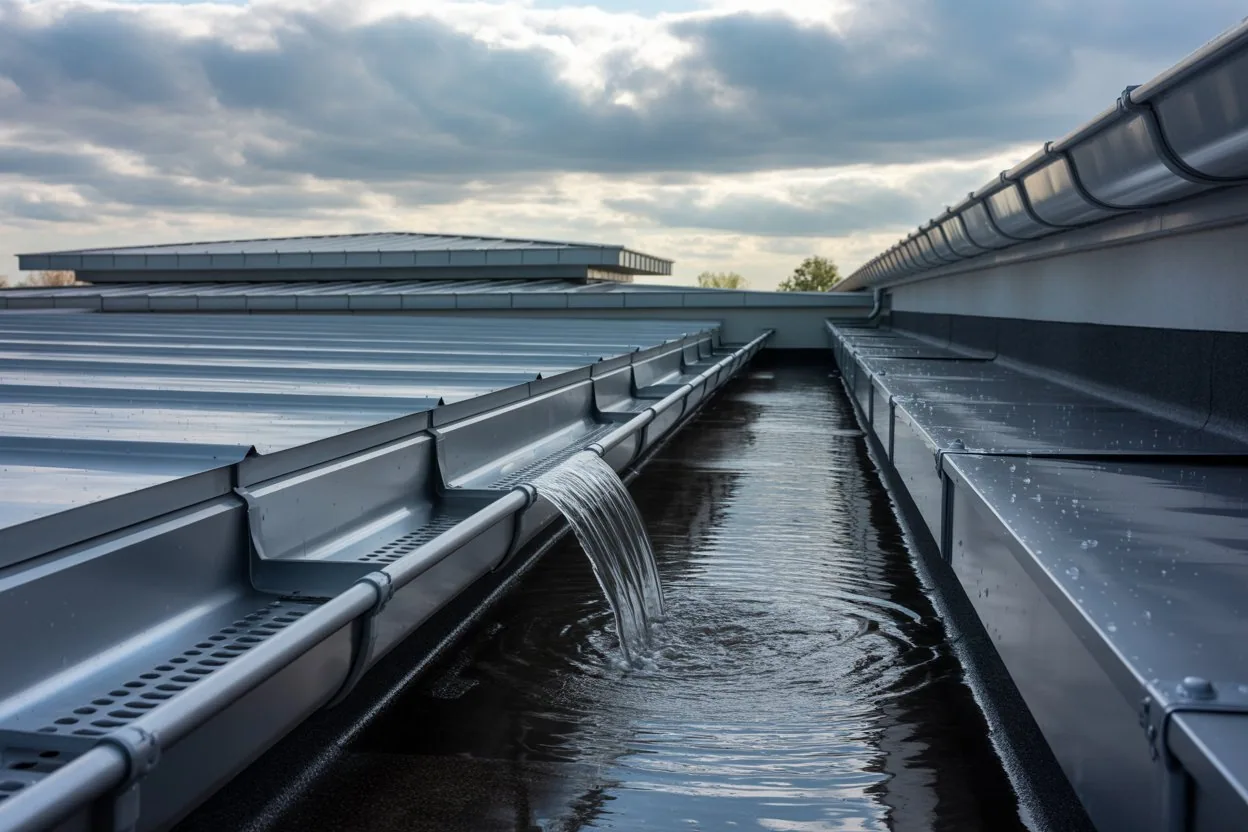
What do we look at first on an industrial roof near Phipps Bend?
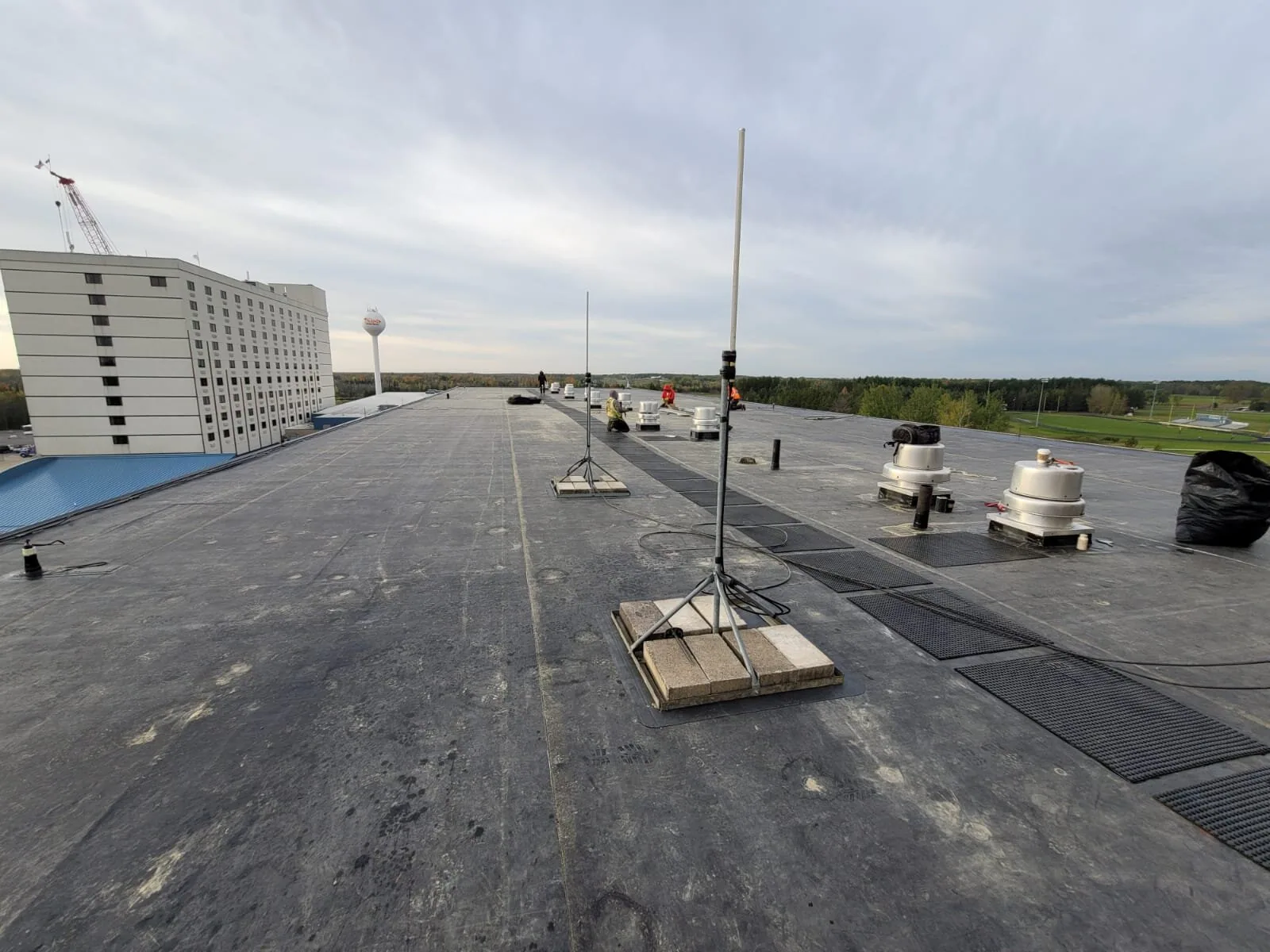
The perimeter and the penetrations, because plants collect both. A manufacturing roof tends to carry exhaust fans, make-up air units, vent stacks and conduit runs, and every one of them is a flashing detail that moves with the equipment. We walk the edge metal and terminations first, then the curbs and pipe boots, then the drains, noting where water stands more than a day after rain.
When the interior runs humid or the roof is more than a few winters old, we add an infrared moisture survey to the walk, because the camera finds wet insulation that a tape measure and a core cannot. The result is a map of dry and saturated areas with photographs, so the scope for a manufacturing plant roof is drawn around evidence instead of a guess about which corner is worst.
Repair, recover or replace: which one fits a plant roof?
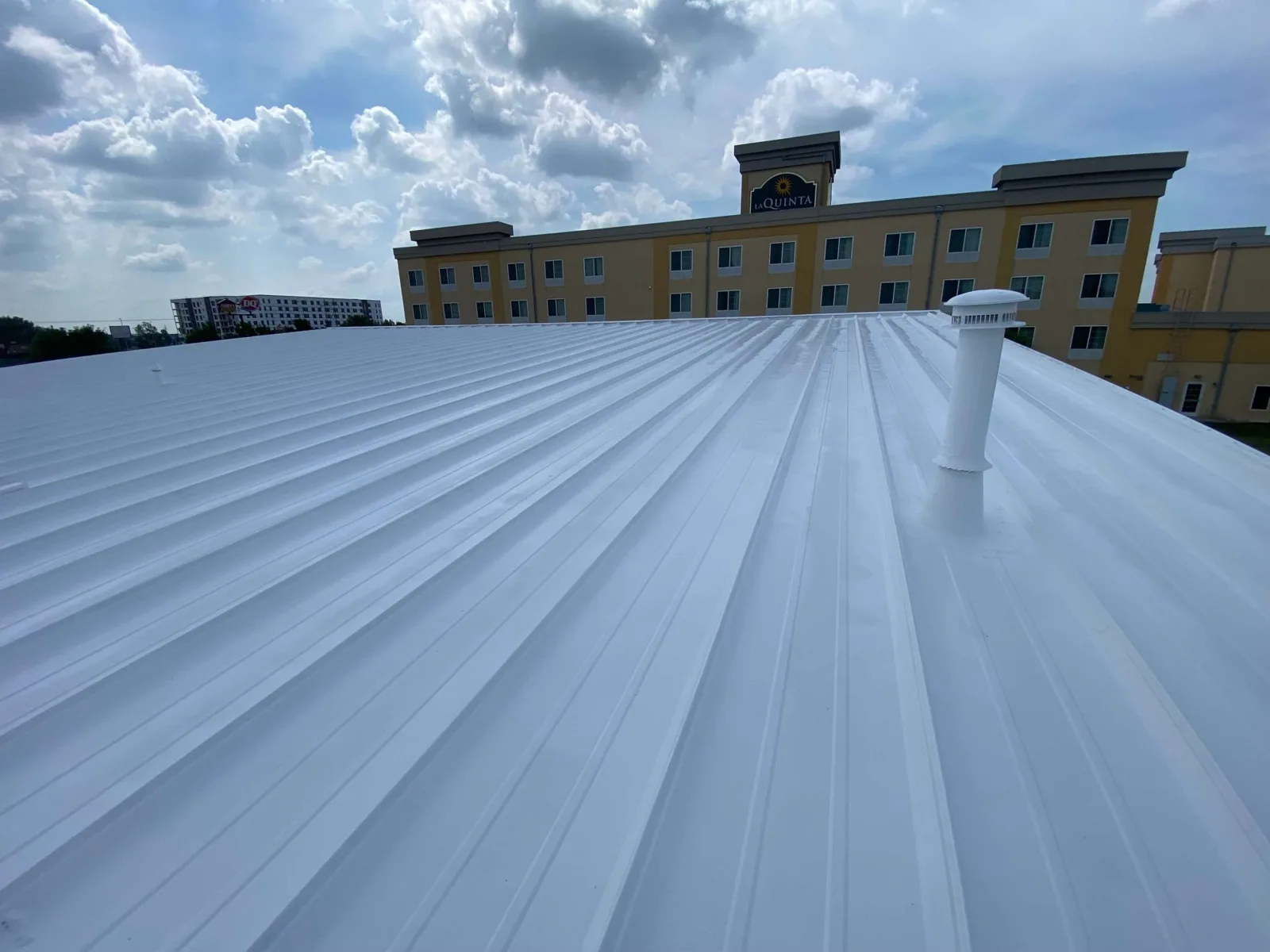
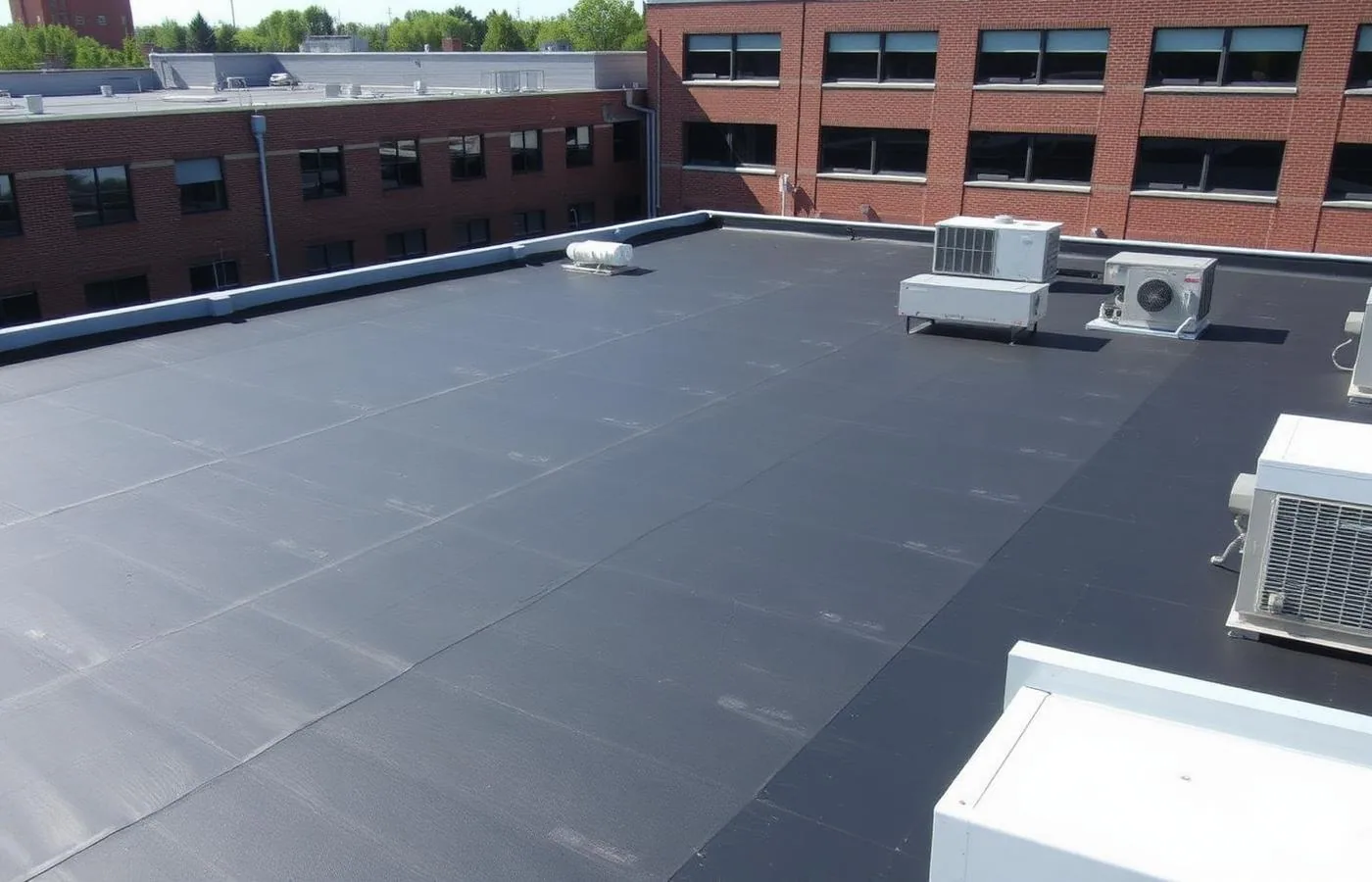
The answer follows the insulation. If the readings show dry board and a sound deck, a targeted commercial roof repair at seams and flashings can add seasons at a small share of replacement cost. If the insulation is dry but the membrane has aged, a roof recover keeps the existing assembly in place and avoids the disposal and disruption of a tear-off.
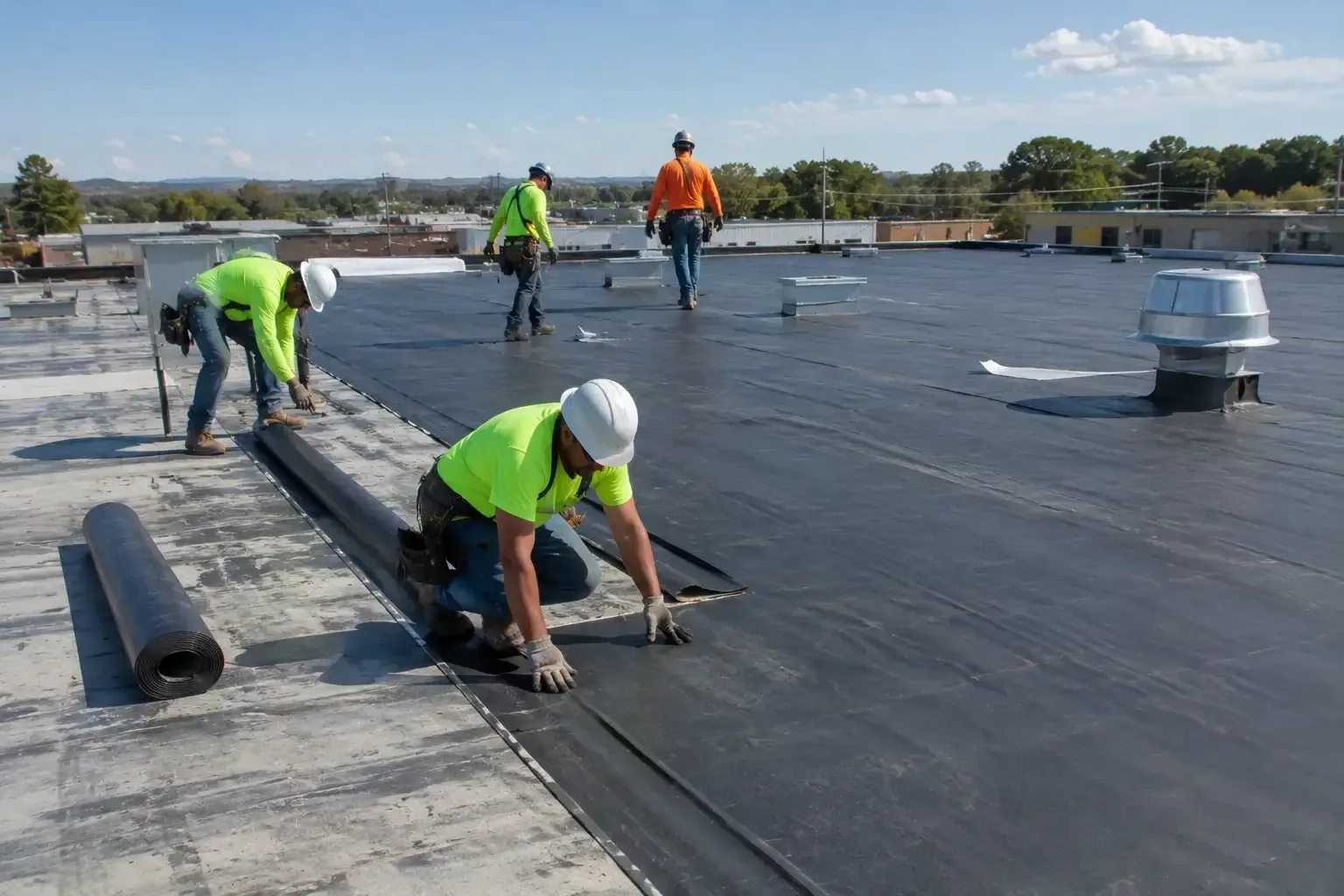
Once the survey finds saturated insulation across a large area, recovering over it only buries the problem. At that point full roof replacement is the sound choice, usually with a new insulation layer and a membrane such as TPO that tolerates the rapid swings between cold nights and sun-warmed afternoons. The decision is cheaper made with condition data in hand, because the replacement window is then a budgeted event and not a reaction to the first ceiling stain.
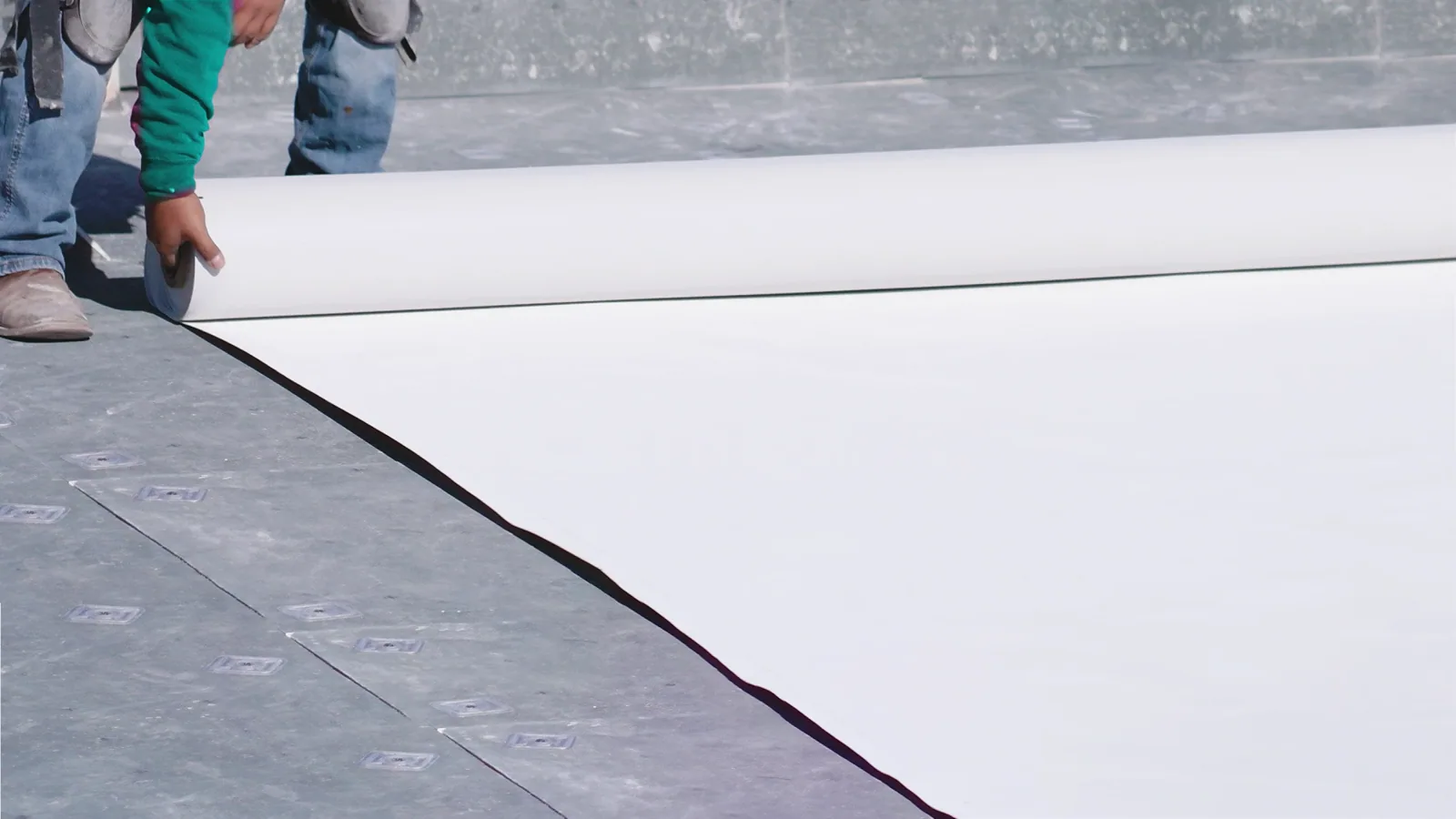
What does a deferred repair cost over two more winters?
Deferral compounds. A lap that admits a cup of water in October lets that water into the insulation, where it freezes, expands and lifts the membrane a little further each cold snap. By the second winter the wet area has grown, the board has lost much of its insulating value, and the heating bill and the deck load both rise while the owner sees nothing from inside the building.
The cost curve bends at the point where a spot repair stops being enough and a section of insulation has to be removed. That is the moment an asset manager wants to avoid, because it turns a maintenance line into a capital request. Regular visits through a preventive maintenance program catch the lap while it is still a sealant job, and they leave a record that supports the next replacement decision.
How is roof work scheduled around production at a working plant?
We build the sequence from the production schedule, not the other way around. Roof work on an occupied building is divided into sections small enough that each one is opened, dried in and closed within a working window, with the interior protected below before any membrane is cut. Deliveries are staged away from loading doors, and noisy or dusty operations are kept off shifts where sensitive processes run.
Season matters too. Adhesives, primers and coatings need mild, dry surfaces to cure, so large replacements are planned for the stretch between the last hard freeze and the first one. Owners with several buildings can spread the work across years through a multi-site roof program, which lets the oldest roofs go first and keeps spending predictable. Plants and commercial buildings in Rogersville and Kingsport call for the same sequencing, with moisture mapped first and the schedule built second.
Commercial Roofing Questions
How can I tell whether condensation, not a leak, is wetting the insulation?
The pattern of moisture gives it away. A breach leaves a wet zone downslope from one point, while condensation wets broad areas under the coldest parts of the roof, often along the perimeter and above the most humid rooms. An infrared survey followed by a few cores sorts the two, and the fix is different: a breach needs a repair, while condensation needs air sealing, ventilation or a vapor retarder added during the next reroof.
Should a manufacturer at Phipps Bend replace the whole roof or phase it?
Moisture mapping decides it. Where the survey finds saturated insulation in only one bay or one run of the building, we can replace that area and leave the dry portions in service. Where wetness is scattered across the plan, phasing in several stages costs more per square foot of area than one continuous project, so the number of production interruptions you can accept becomes the second factor.
What documentation helps after a wind or flood-season storm event?
Dated photographs taken before the storm and again afterward carry the most weight, with our written condition report to describe what the roof looked like beforehand. When a claim follows, we record locations, measurements and visible damage in a format an adjuster can follow, so the claim rests on what was observed on the roof itself.
Why do exhaust fans and curbs leak before the field of the membrane does?
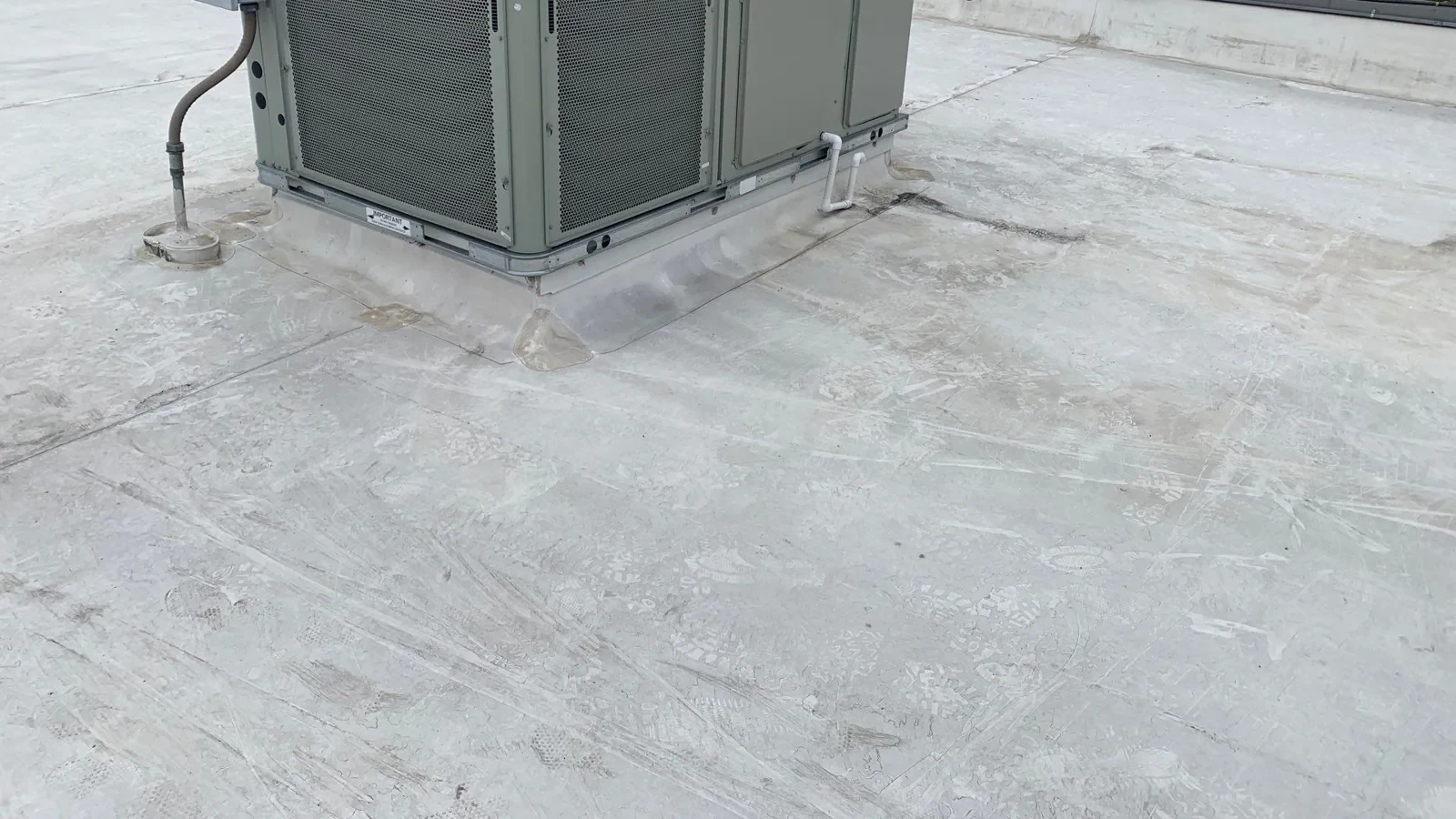
Equipment moves, and flashing does not move with it. Vibration, heat and the weight of service visits open the termination or crack the sealant on a curb long before the membrane field tires. Rebuilding the flashing with a new base layer and a sealed termination bar usually restores the detail, which is why rooftop equipment curbs get close attention on every plant walk.
What goes into budgeting roof work for several buildings at one site?
Start with ranked condition data for each roof. With that in hand, the oldest and wettest roofs rise to the top, the sound ones move to a maintenance cycle, and capital is spread over seasons instead of landing in one fiscal year. Those readings then become a year-by-year schedule an asset manager can put in a budget.
Related Roofing Pages
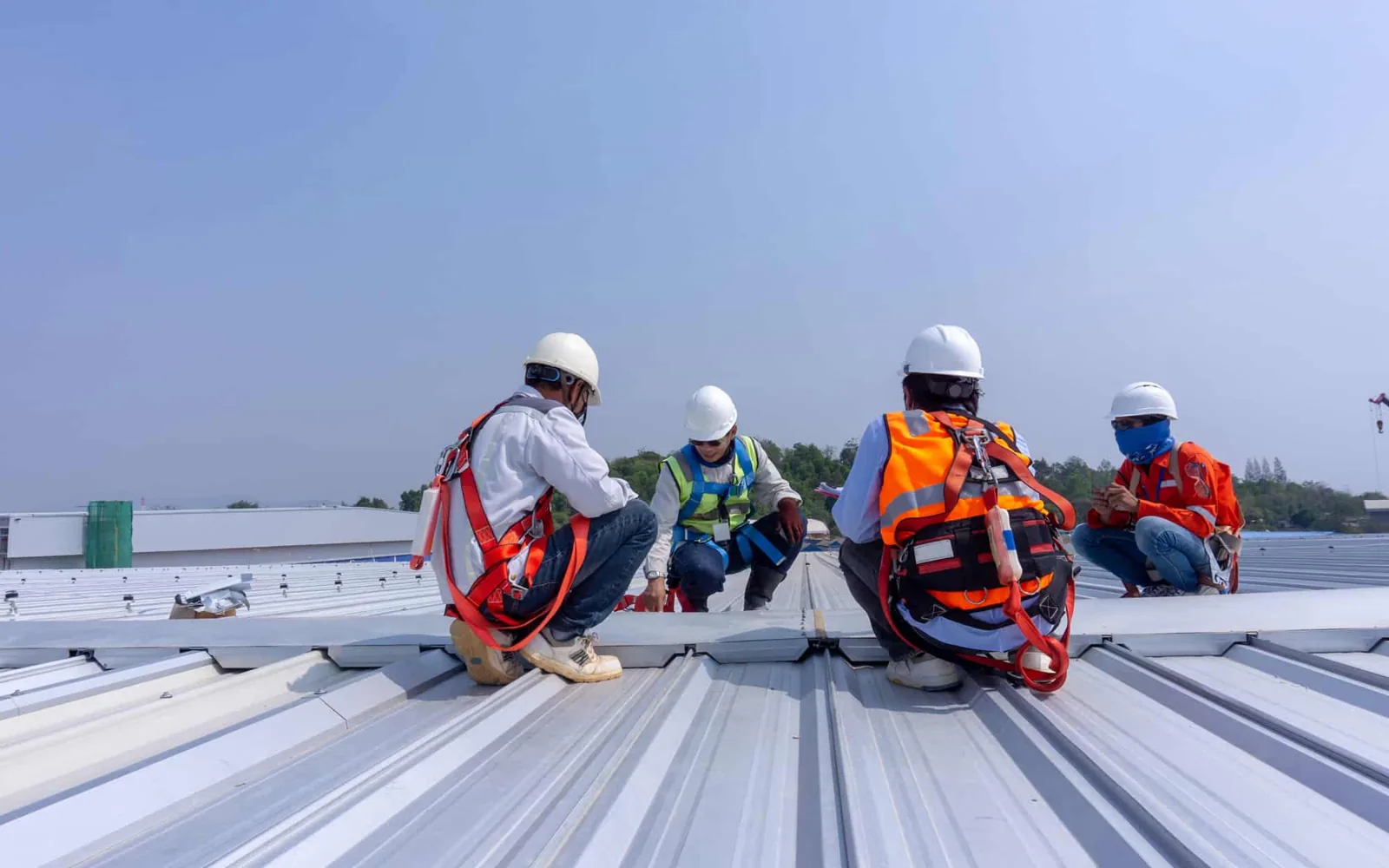
Infrared and Core-Cut Moisture Surveys
How the work is scoped, phased and documented on Tri-Cities roofs.
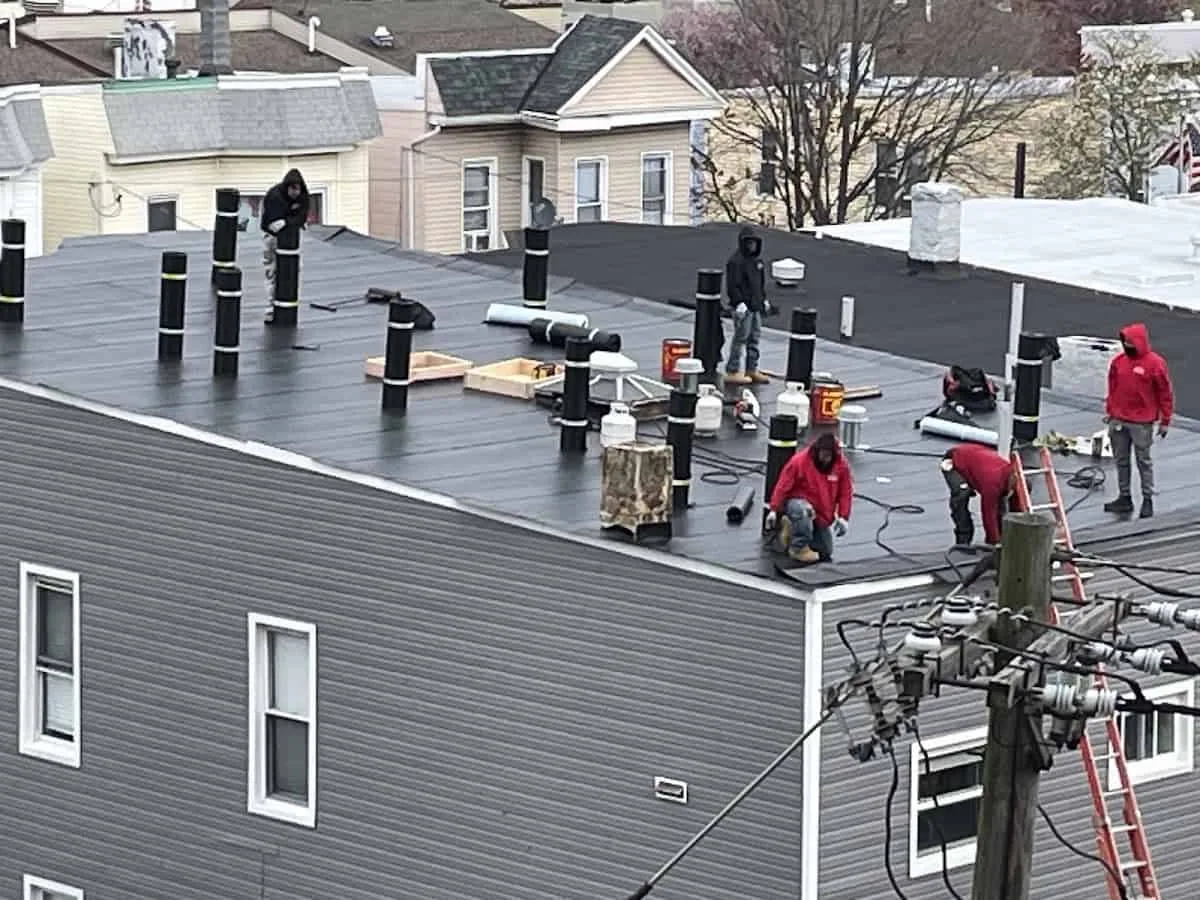
Manufacturing Plant Roofing
What we check, what we recommend and how the crew keeps the building running.
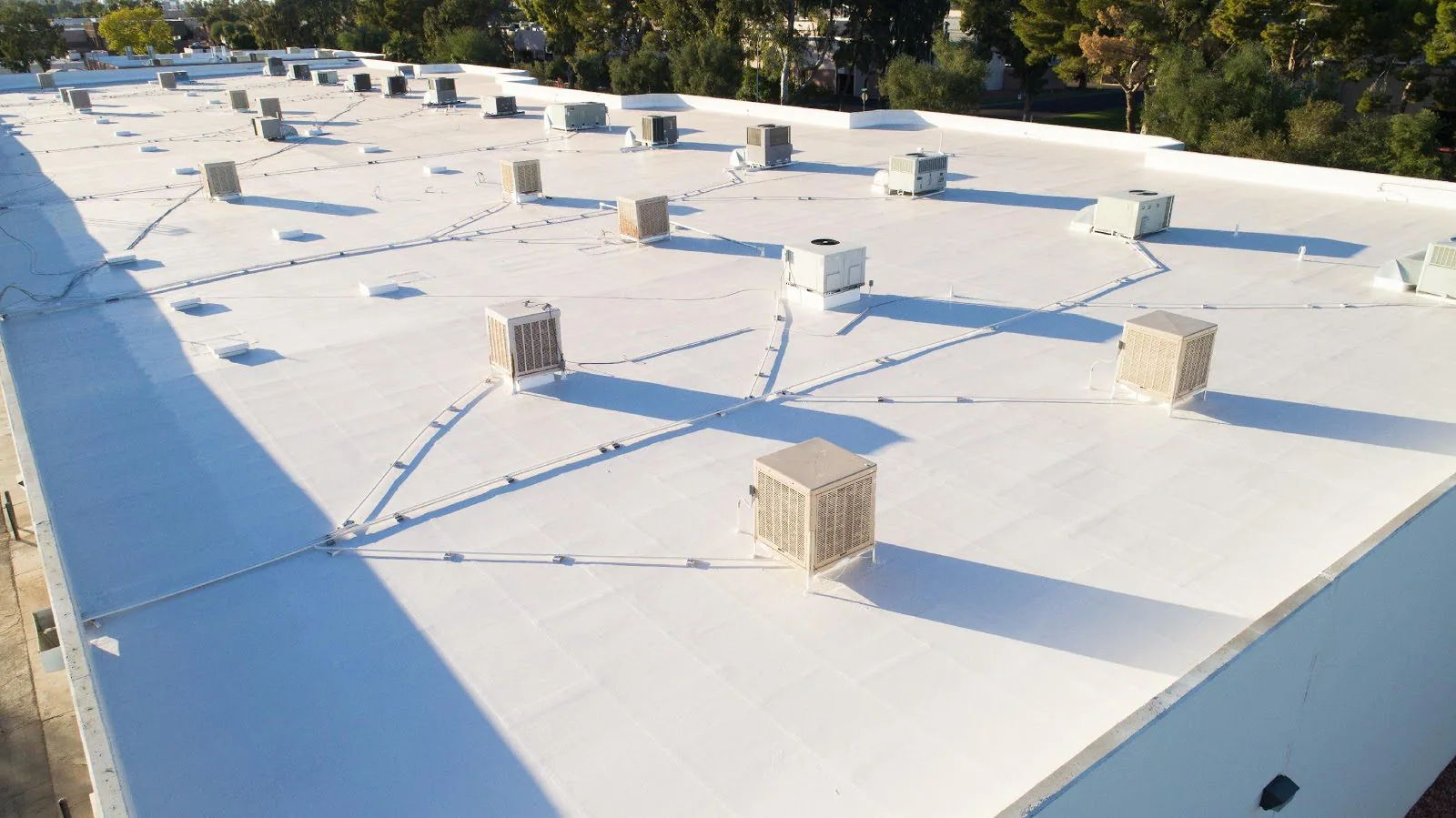
Commercial Roof Repair
Conditions, options and next steps for commercial buildings in East Tennessee.