
Commercial Roofing in Embreeville, TN
Sustained rain does its worst work on a commercial roof after it has stopped, because the water that matters is not what ran off the surface but what slipped through a lap, a fastener head or a tired flashing and soaked into the insulation, where a sealed membrane now holds it in as firmly as it once held it out. Embreeville, a Washington County community of 429 residents on the Nolichucky River, went through Hurricane Helene in September 2024, when the river gauge there reached 92,500 cubic feet per second and then stopped reporting, and the area along State Routes 81 and 107 was severely affected. An owner whose ceiling stayed dry that week may still own a wet assembly. Wet insulation gives up much of its resistance to heat flow, adds weight the deck was not sized to carry, and sets up the next freeze to finish what the storm began. We walk commercial roofs in Embreeville to learn what is wet, what is sound and what can wait, so the next capital decision rests on condition data and not on how the roof looks from the road.
How does a soaking rain reach insulation that looks dry from above?
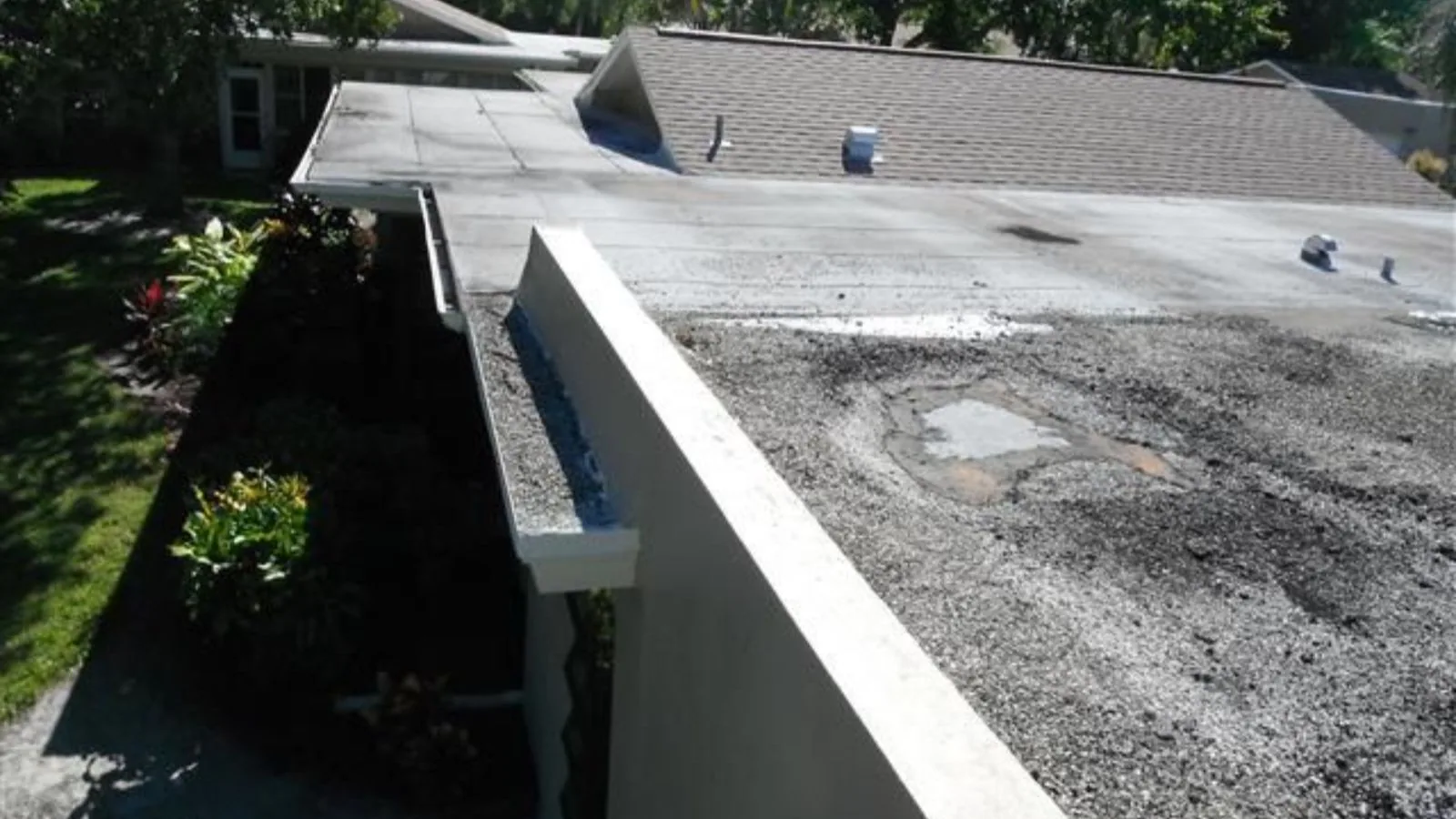
It travels through the small places. A membrane is only as tight as its seams, its penetrations and its edges, and a long rain finds the one detail that opened a few thousandths of an inch after years of thermal cycling. The water enters, the insulation takes it up like a sponge, and the membrane that was installed to shed water now keeps it from drying out. Johnson City, TN averages roughly 45 inches of precipitation in a year, so a roof in the Nolichucky valley meets wet seasons without any help from a hurricane, but a storm on Helene's scale puts a great deal of water on a roof in a few days and tests every weakness at once. Wherever a storm leaves leaves, silt and debris, the roof drains and scuppers are the first outlets to clog, and ponded water finds every pinhole in the field of the roof. We clear and flow-test the outlets before we judge the membrane.
Gather the moisture data before the next freeze
Call Commercial Roofing Johnson City to arrange a walk of your Embreeville roof. You will receive photographs, a moisture map and a ranked scope to weigh against your capital plan.
What do we check first on a roof that sat through Helene?
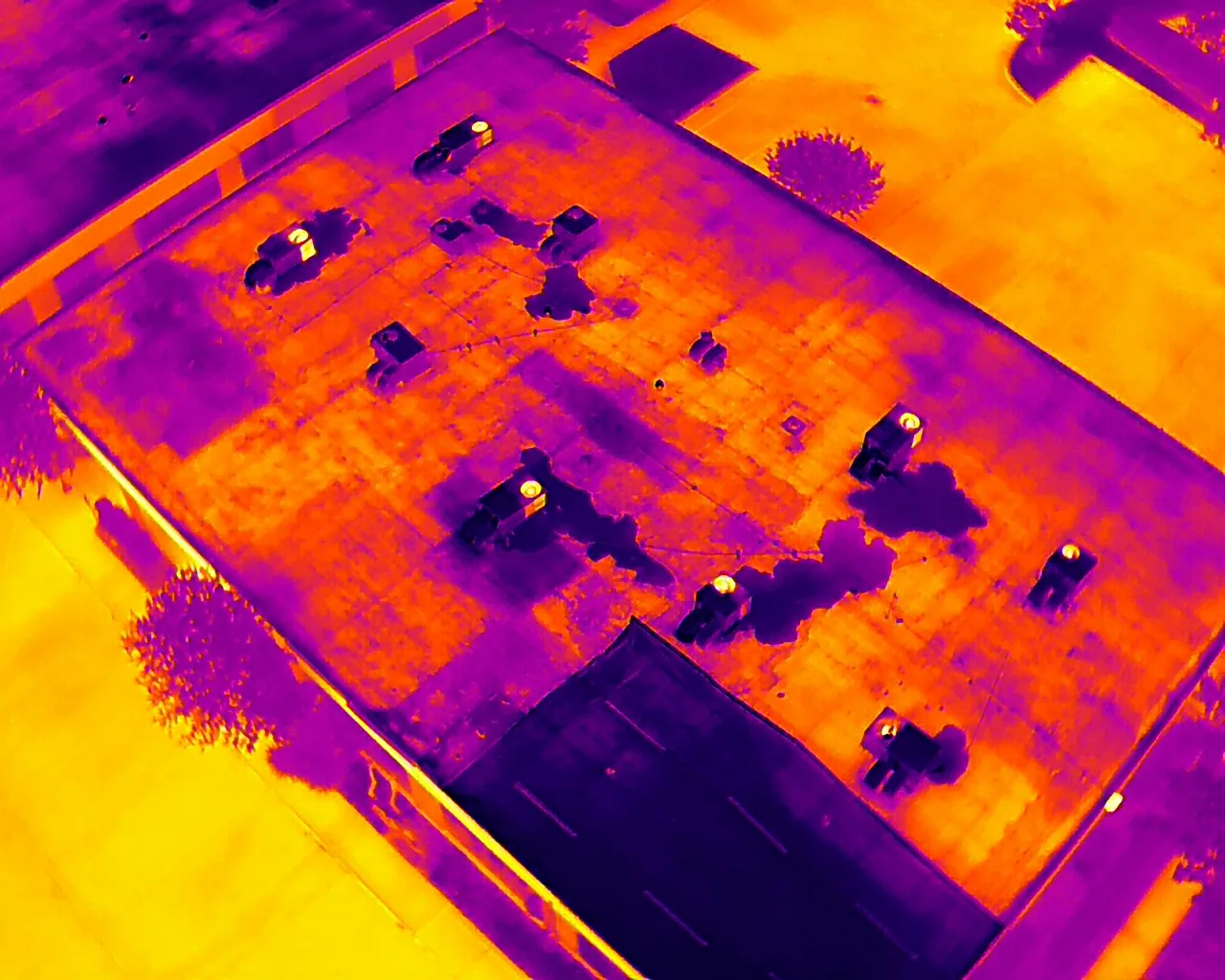
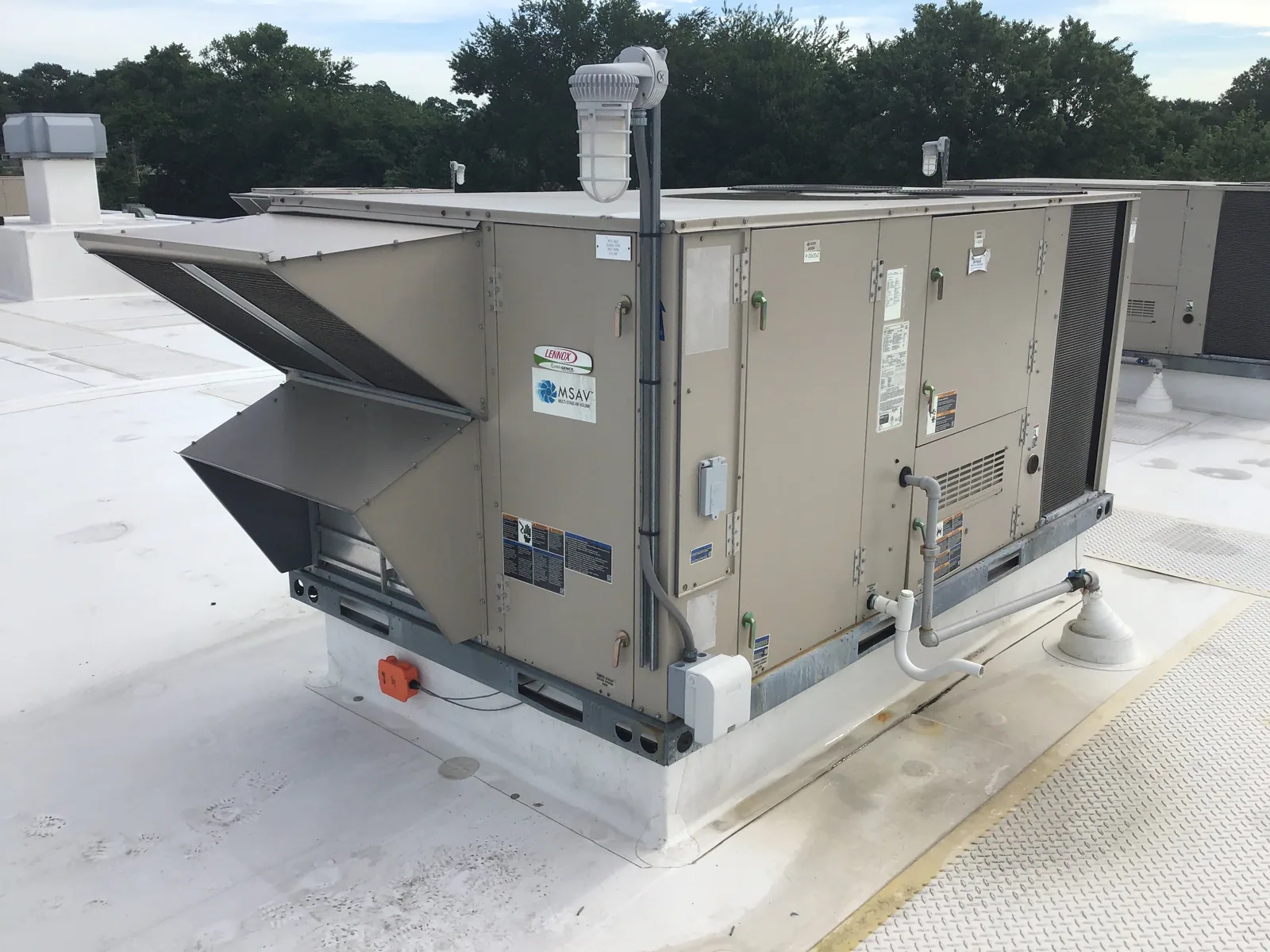
We start at the low corners and the drains, then work toward the center, pressing on every seam and old patch and photographing anything that has lifted, split or stained. Penetrations come next, because pipe boots, curb flashings and rooftop units are where heavy rain usually finds its first way in. If the surface cannot answer, an infrared moisture survey run after sunset, while wet insulation is still giving up heat more slowly than dry, maps the saturated areas without a single cut, and a few cores confirm the layers underneath. The owner receives a written report with photographs, the moisture map and a ranked scope, so each item is marked as this year's money or next year's.
Dry, damp or saturated: which repair path fits the building?
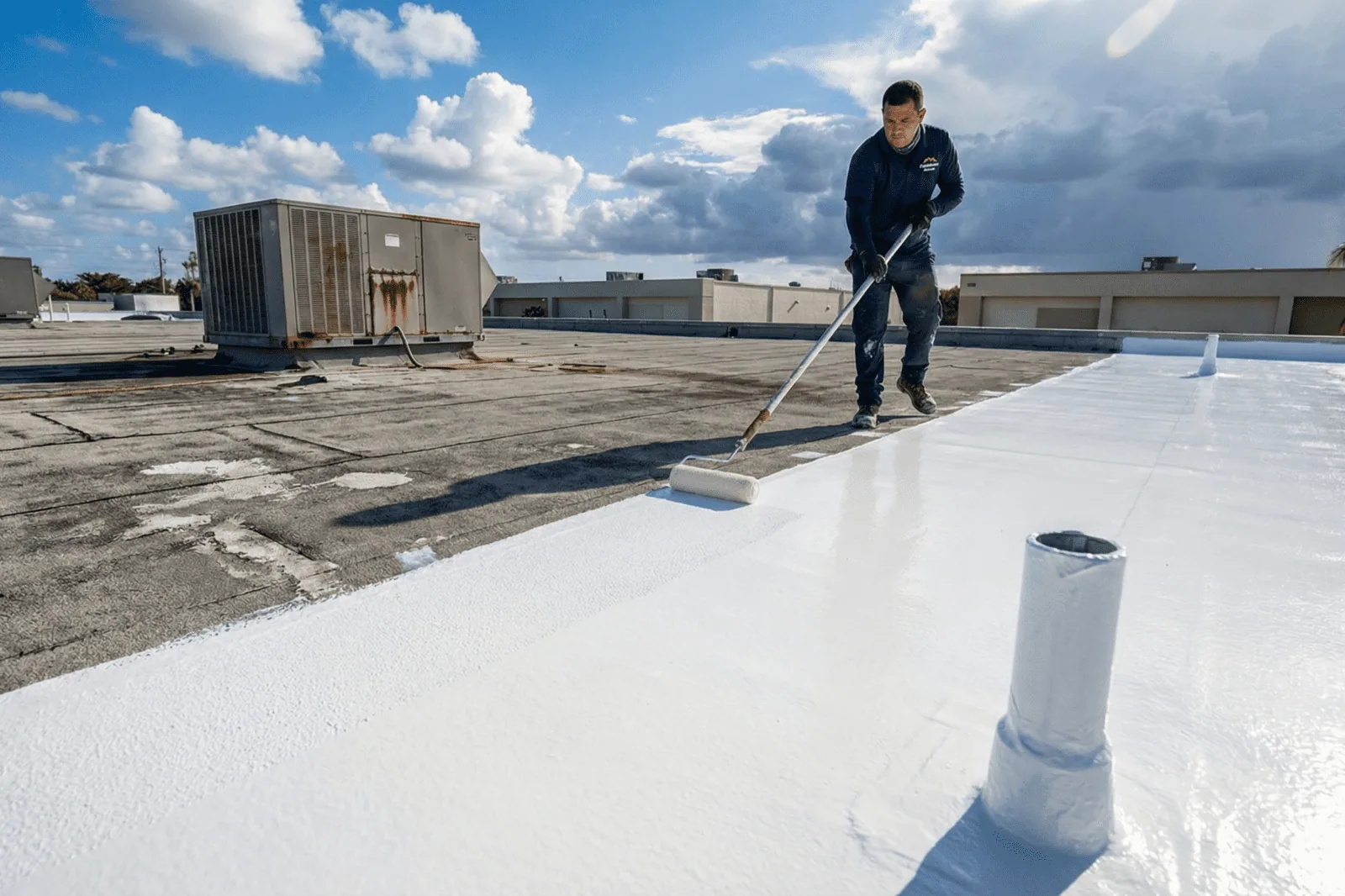
If the moisture map shows dry insulation and a sound deck, a targeted commercial roof repair of seams and flashings returns the most service life for the least spending, and a coating can follow when the membrane is otherwise healthy. If only a limited area is wet, we cut that section out, replace the insulation and tie in a new piece of membrane, which keeps the rest of the roof working. If the water is widespread, laying a recover over it would seal it in, so the assembly comes off to the deck, and a full commercial roof replacement becomes the moment to correct slope toward the drains. Before materials are ordered for an Embreeville project, confirm the reviewing authority and the code requirements that apply to the actual property and scope. Owners across Washington County, from a single building in Embreeville to the plants at the Washington County Industrial Park, face the same sequence: find the water, size the fix, time the capital.
How do closed roads and river-valley logistics change a roof schedule?
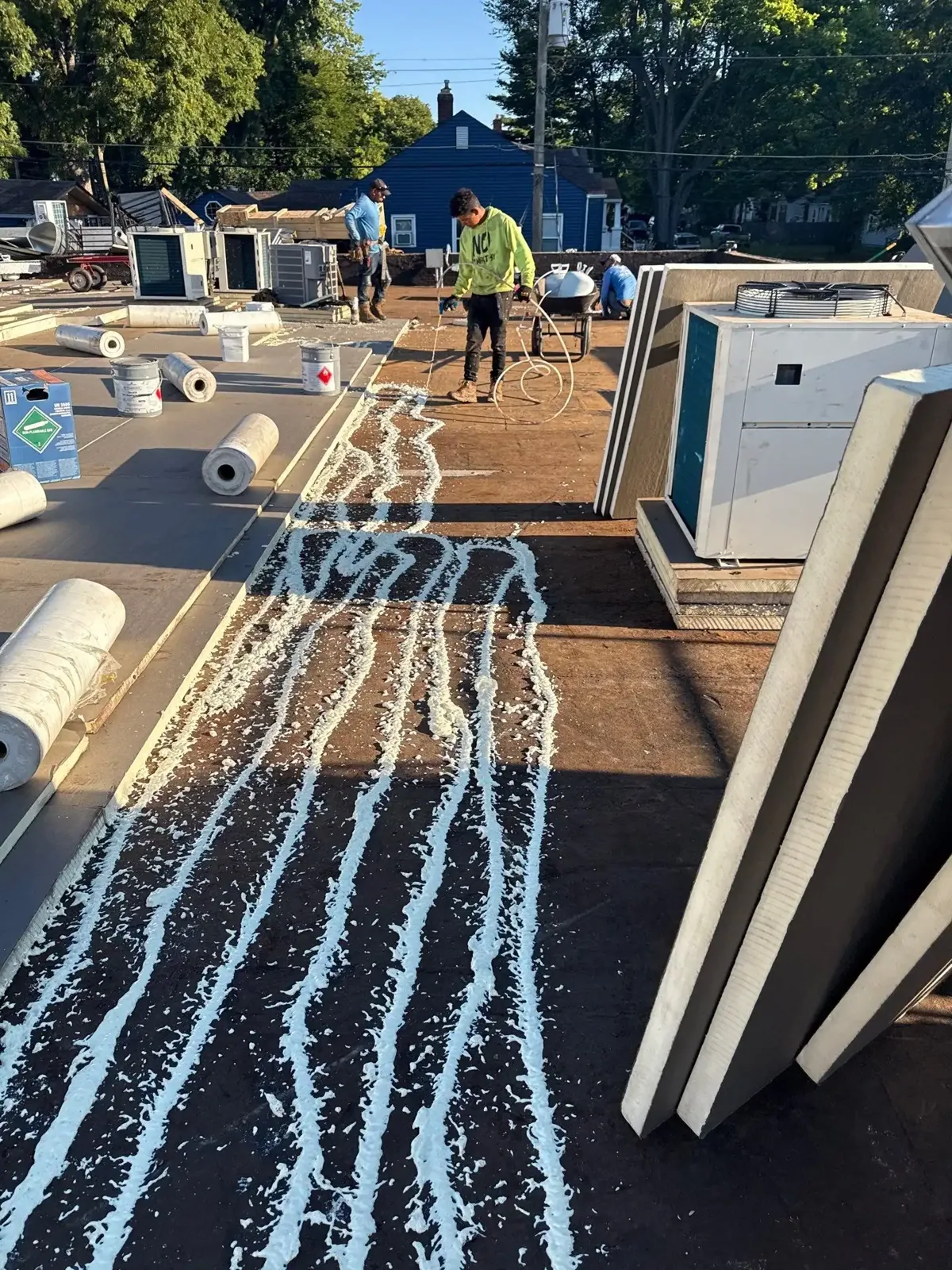
Flooding closed I-26 during Helene and took out part of the Nolichucky bridges at Erwin, and the interstate did not carry all lanes again until August 2025, after reopening to local traffic that October. That history is a useful reminder that crews and material reach Embreeville along corridors weather can cut, so we plan deliveries with a buffer and stage membrane, insulation and adhesive so a half-finished section never waits on a truck. Welded seams and adhesives perform best in dry conditions and moderate temperatures, which points planned replacement work toward spring through early autumn, and we dry in each section before the crew leaves because valley weather can turn within an afternoon. For the day a ceiling lets go, emergency response runs around the clock, holidays included, and a temporary dry-in costs far less than the interior it protects.
What does one more freeze cost a roof that took on storm water?
Water that entered during the storm does not leave on its own schedule. Winter lows in Johnson City average about 25F and the city sees roughly 15.6 inches of snow in a year, so trapped water freezes, expands and pries open the same laps it came in through, then thaws and runs a little further. The deck beneath wet insulation corrodes quietly, and a fix that costs an afternoon in autumn may grow into a section of tear-off by spring. Documentation carries its own value: when storm damage is part of an insurance claim, dated photographs, moisture readings and a clear scope are what support it, and we start that record on the first walk, which is the groundwork for any insurance claim. Deferral is a sound decision when the data shows a dry roof and a healthy deck, and an expensive one when it rests on a dry ceiling and good luck.
Commercial Roofing Questions
How soon after a major storm should a roof be surveyed for trapped water?
Before the first hard freeze is the practical target, because frozen water in an assembly does damage that a survey would have caught while it was still only wet. A moisture survey reads best when the roof has had a few dry days, so we schedule it for the first stable weather after the storm rather than during it.
Does a dry ceiling mean the roof came through a storm like Helene unharmed?
A dry ceiling proves only that water has not yet found a path through the deck. Insulation can hold storm water for seasons while the membrane above it looks tight. That is why we read the roof with an infrared survey and cores and not with a glance from the ground.
What makes a reroof in a river community cost more or less than the same roof elsewhere?
Tear-off depth and deck condition move the number first, then access for lifts and deliveries, and then how much wet insulation has to be removed rather than saved. A roof with one failed corner prices very differently from one with saturated boards across the field. We build the estimate from the moisture map so the owner sees where each dollar goes before approving anything.
Which records help when a storm claim covers part of the roof?
Dated photographs of the damaged areas, moisture readings that show where water sits, and a written scope that separates storm damage from age-related wear carry the most weight. Taking them before temporary repairs begin matters, because the repair itself can cover the evidence. We prepare the roof-side documentation so the owner and the adjuster are looking at the same facts.
Should a small building owner patch a flashing now or hold out for a full replacement?
Patch now when the insulation reads dry and the deck is sound, since a flashing repair is inexpensive next to the wet assembly it protects. Hold for replacement only when the survey shows widespread saturation or a membrane too brittle to take a weld. The scope we write up for storm damage roof repair separates the two cases so the capital plan matches the actual condition.
Related Roofing Pages
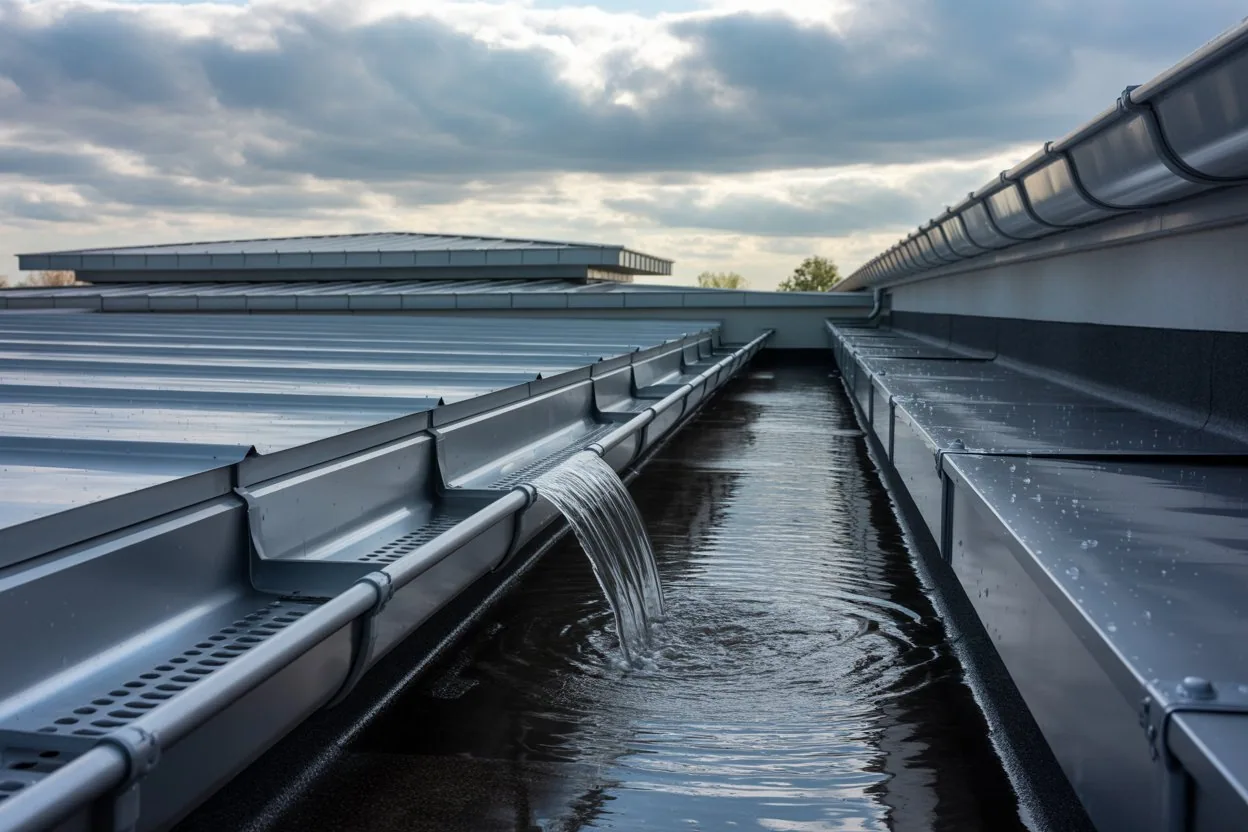
Roof Drains, Scuppers and Ponding Correction
How the work is scoped, phased and documented on Tri-Cities roofs.
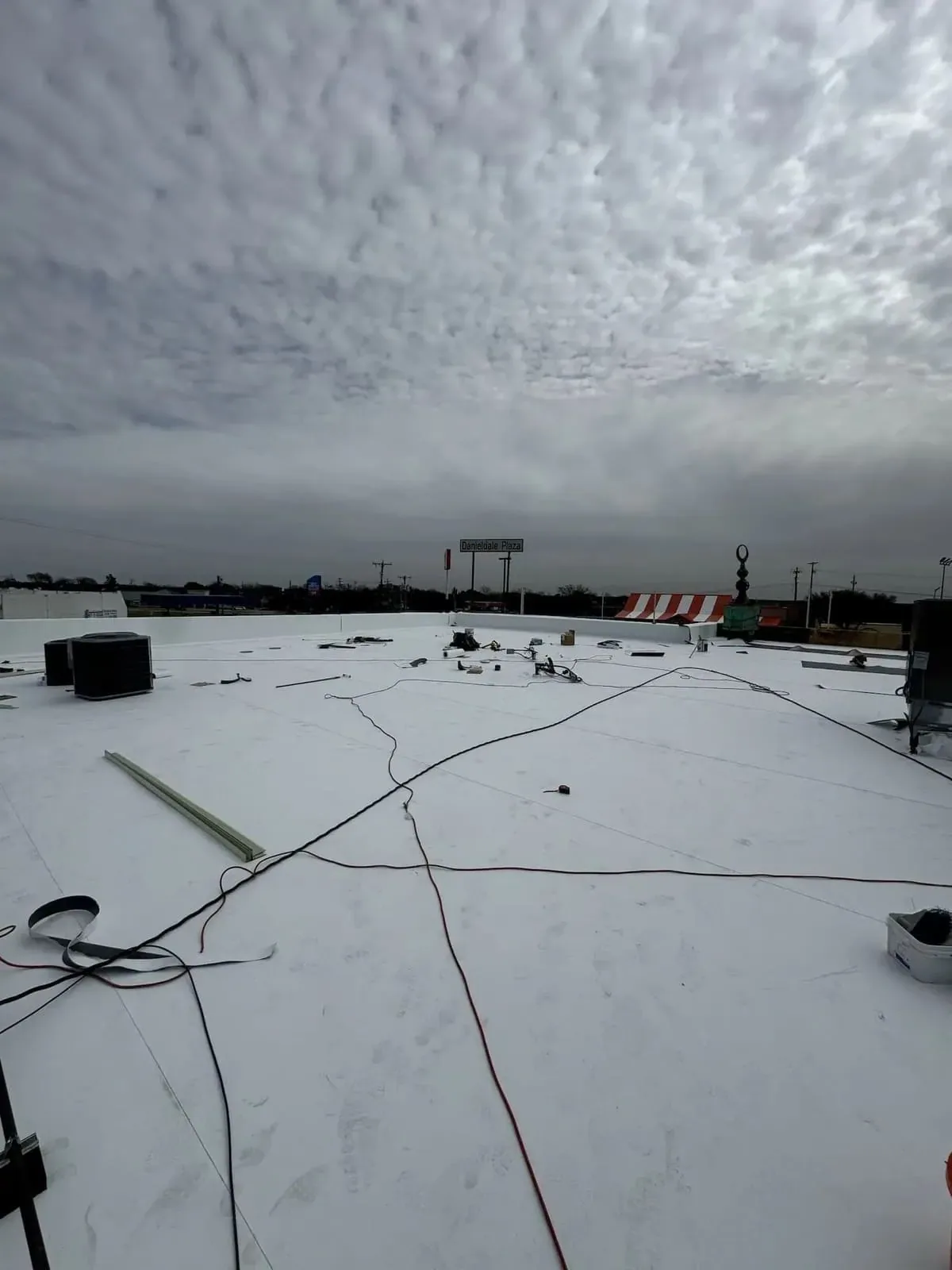
Infrared and Core-Cut Moisture Surveys
What we check, what we recommend and how the crew keeps the building running.
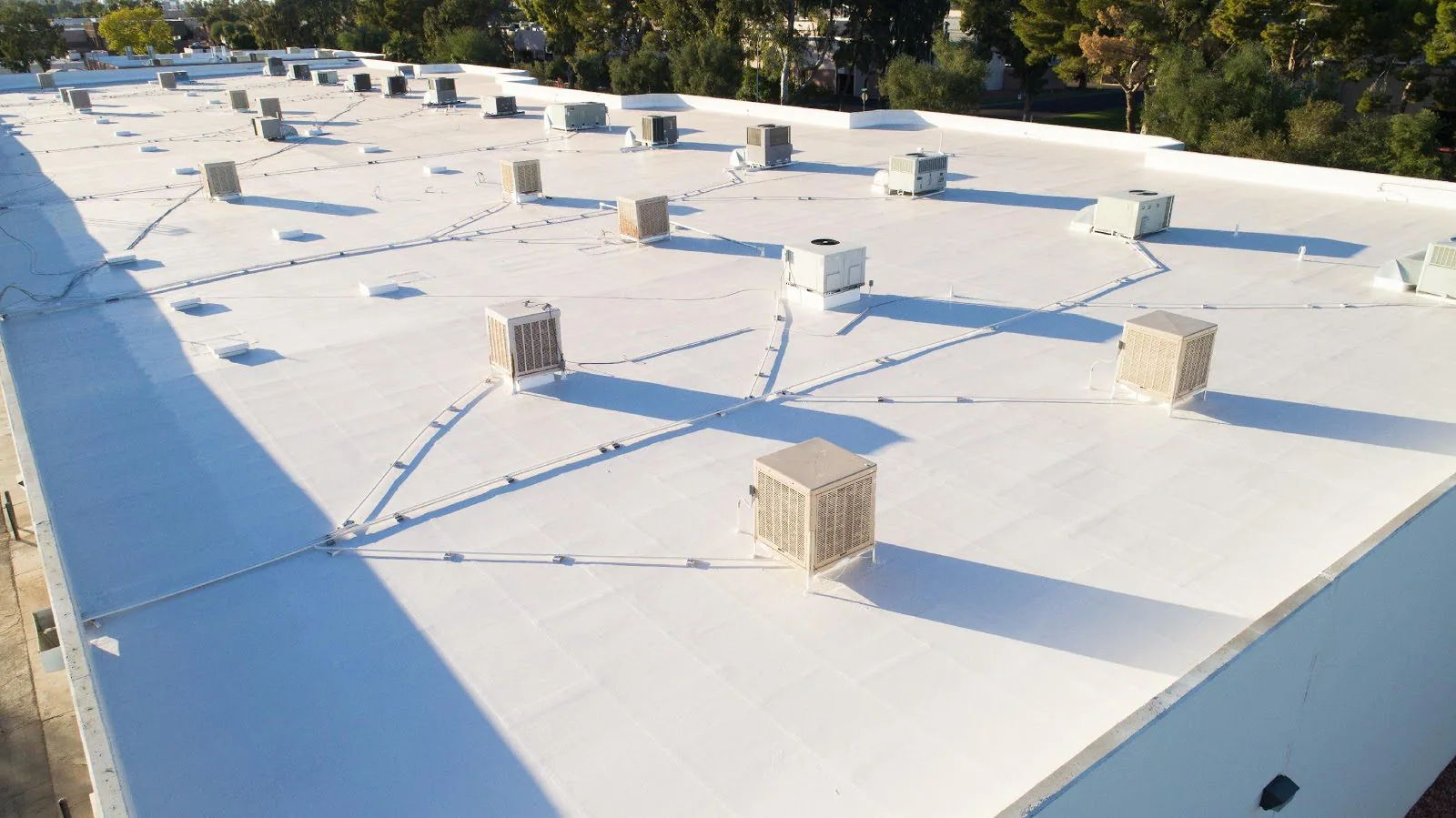
Commercial Roof Repair
Conditions, options and next steps for commercial buildings in East Tennessee.