
National Guard Armory Roofing in Johnson City, TN
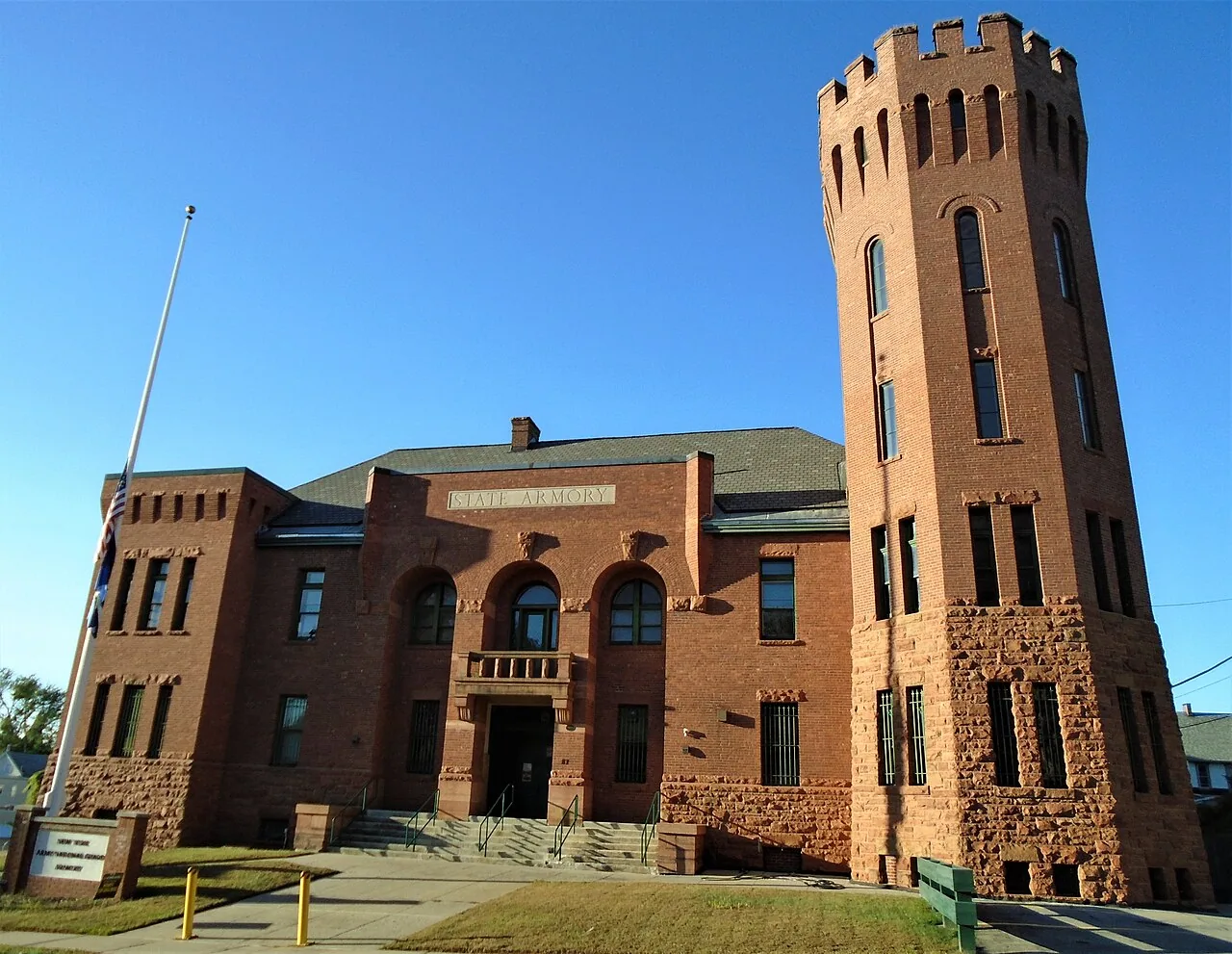
On a wide low-slope roof, a structure that sags by a fraction of an inch is enough to turn meltwater away from the drain and into a shallow basin, where it freezes overnight and thaws by noon. Armories are planned for big open rooms. The 1954 Johnson City armory on its 30-acre tract off New Jonesboro Highway (US 11E) was built with an assembly room designed to seat 3,000, and a room that size needs framing that crosses a long distance, so the roof above it deserves a close look at how it drains. Ponded water adds weight, softens the membrane at the seams, and reaches the insulation long before it reaches a ceiling tile. For a unit that must keep a building ready on a fixed calendar, the sensible move is to learn what the roof assembly holds while a repair is still a repair, and to put the larger work into a plan the state and federal budget cycle can absorb.
Why do armory roofs fail in slow stages rather than all at once?
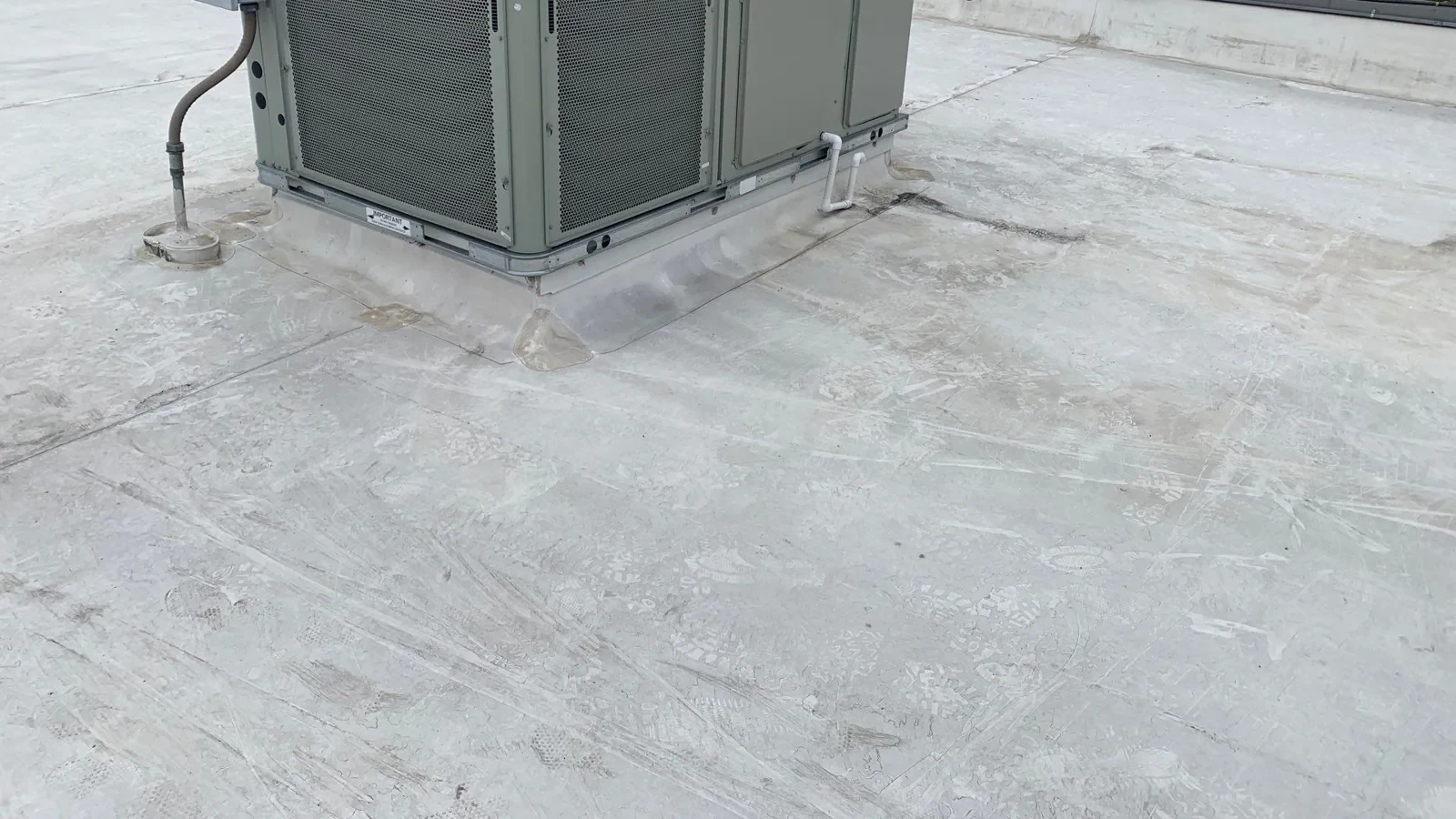
Because the stresses are small and repeated. Nightly lows near 25F in winter pull the membrane tight toward its edges, afternoons let it relax, and the cycle works on seams, wall flashings and curbs through every season. A building that also holds a kitchen, as the 1954 armory did alongside its conference rooms and service building, carries exhaust fans on the roof, and grease from them settles on the surface near the fan and softens membranes that are not formulated to resist it, so a grease-resistant system such as a KEE membrane or a routine of cleaning the surface belongs in the plan. A service building adds its own edge and penetration details. None of this announces itself. Each part wears until one joint opens and the water finds it.
Put the armory roof on paper before the next drill calendar
Call Commercial Roofing Johnson City to schedule a walk of a National Guard or Reserve roof. You will have photographs, moisture findings and a ranked scope that a unit and its funding partners can weigh before any project is committed.
What does the Don May Drive neighborhood put on a roof?
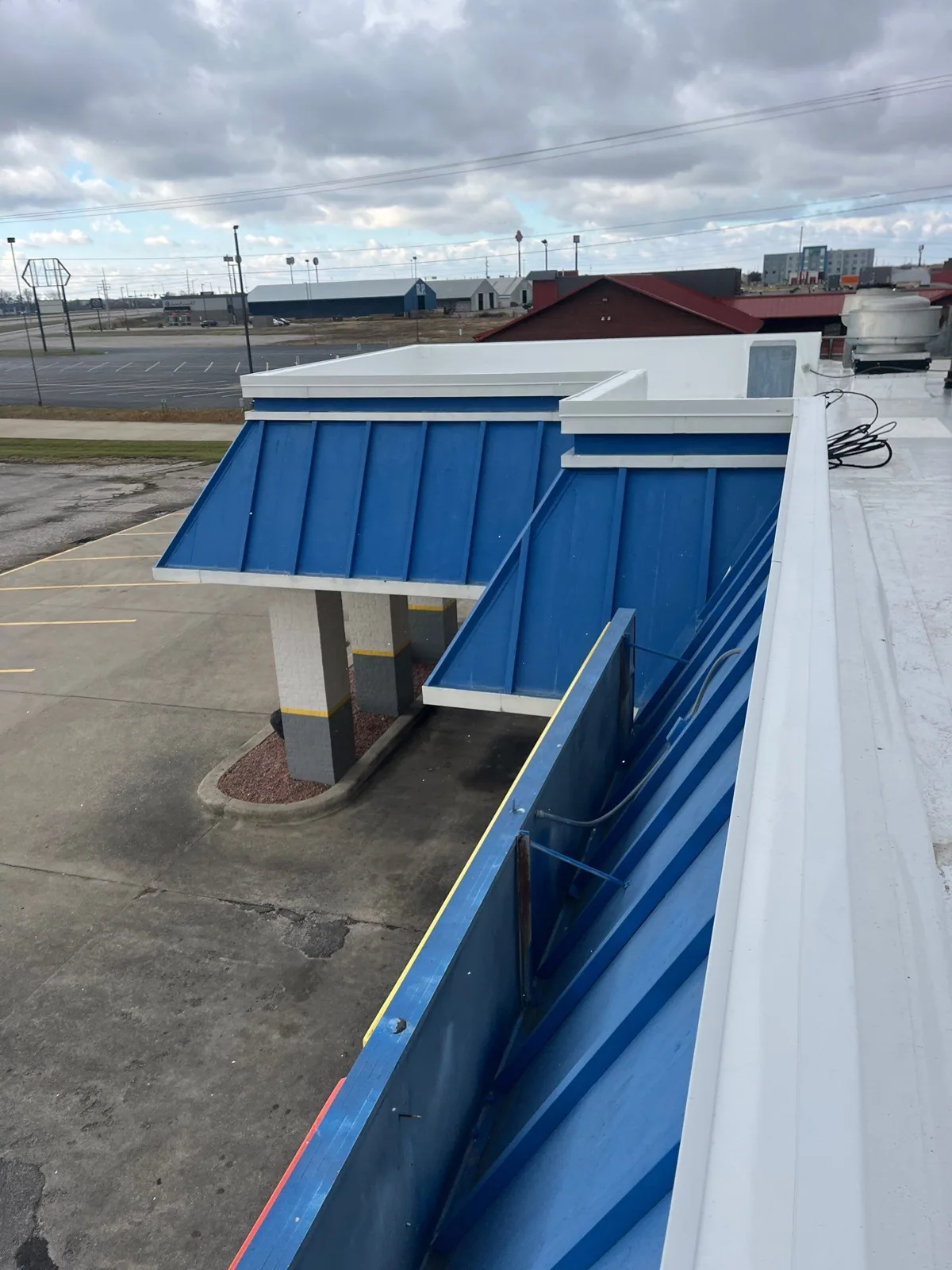
The Guard armory near the State of Franklin corridor sits among Johnson City Medical Center, East Tennessee State University and the VA Medical Center, which puts it under the same weather as all of them: about 45 inches of precipitation a year and roughly 15.6 inches of snow. Washington County has recorded 10 tornadoes in its history, the strongest an F2 in 1929, with three on April 27, 2011, so wind is rare but real, and edge metal and perimeter attachment are checked with that in mind. Hurricane Helene put the Nolichucky River into catastrophic flood in September 2024, and the snow and ice damage that follows a hard winter shows how much a clean drainage path is worth.
What does a walk of a Guard roof look for between drill weekends?
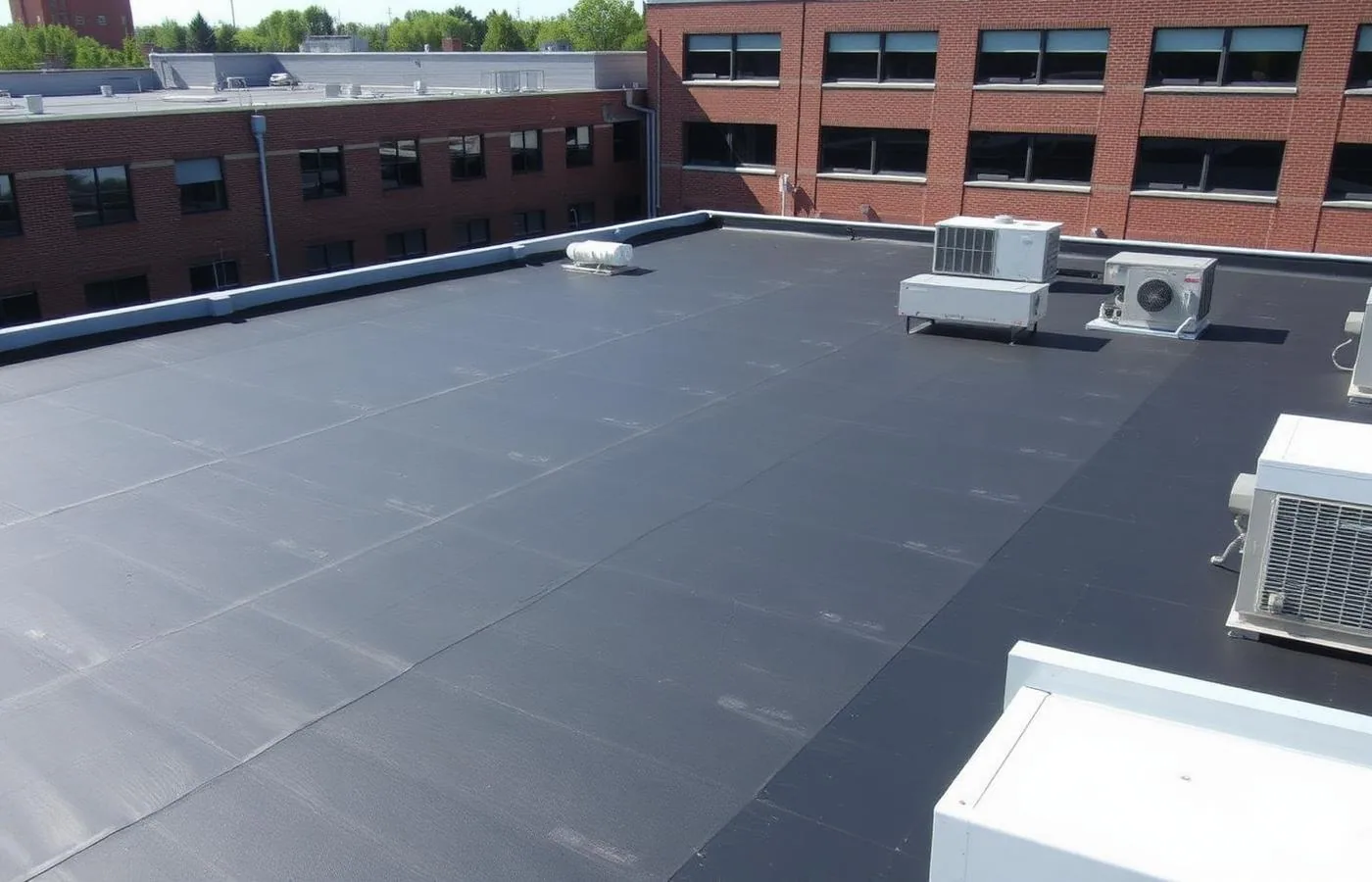
Most of the evidence is at the drains and at the places where roof meets wall. We start at the outlets, since silt and standing rings tell us where water has been sitting, then follow the perimeter, check the fan curbs and kitchen exhaust, and press on the surface to find soft areas that point to saturated insulation. An infrared moisture survey at dusk, when a wet roof releases stored heat unevenly, maps the wet areas without opening the roof. The unit's full-time staff, who see the building on the days a crew is not there, can tell us where ceiling stains have appeared, and that history shortens the search. The result is a written report with photographs and a ranked scope.
Is a recover realistic on an armory roof?
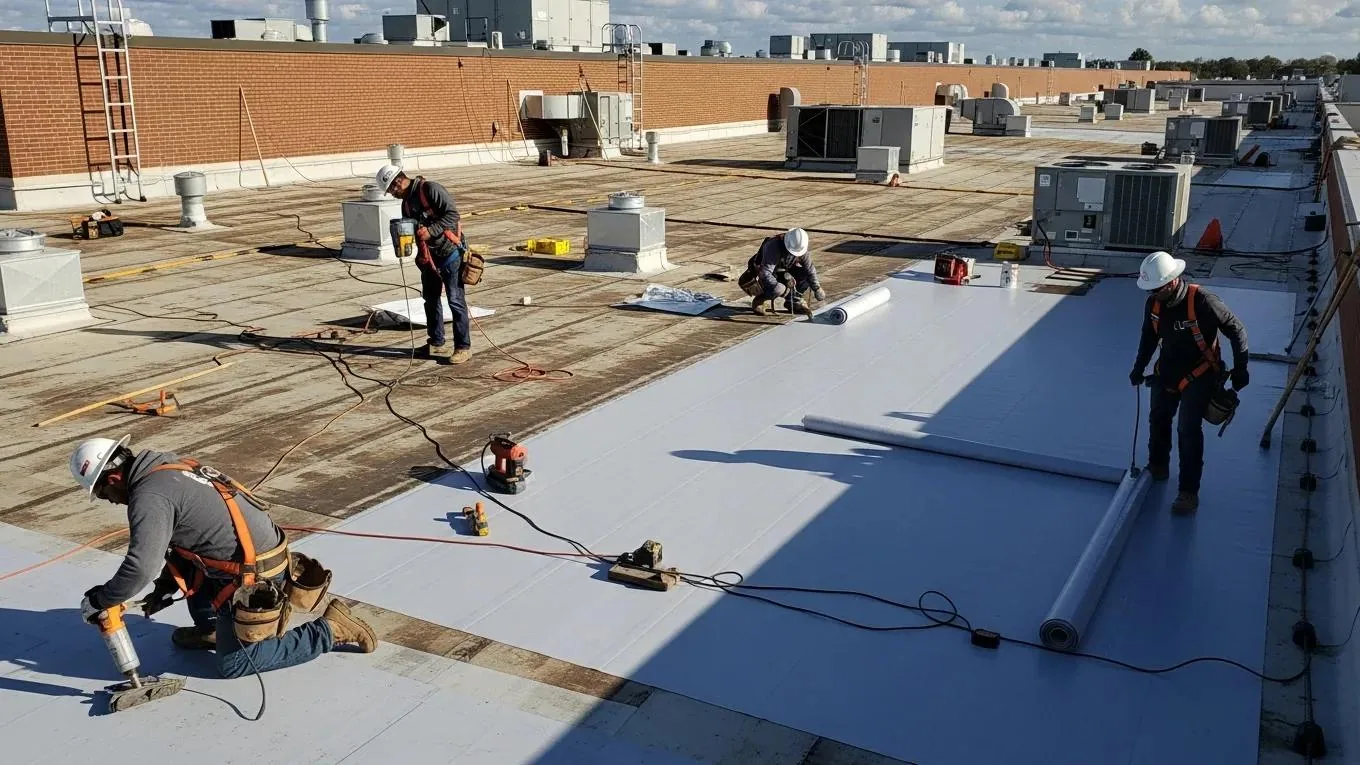
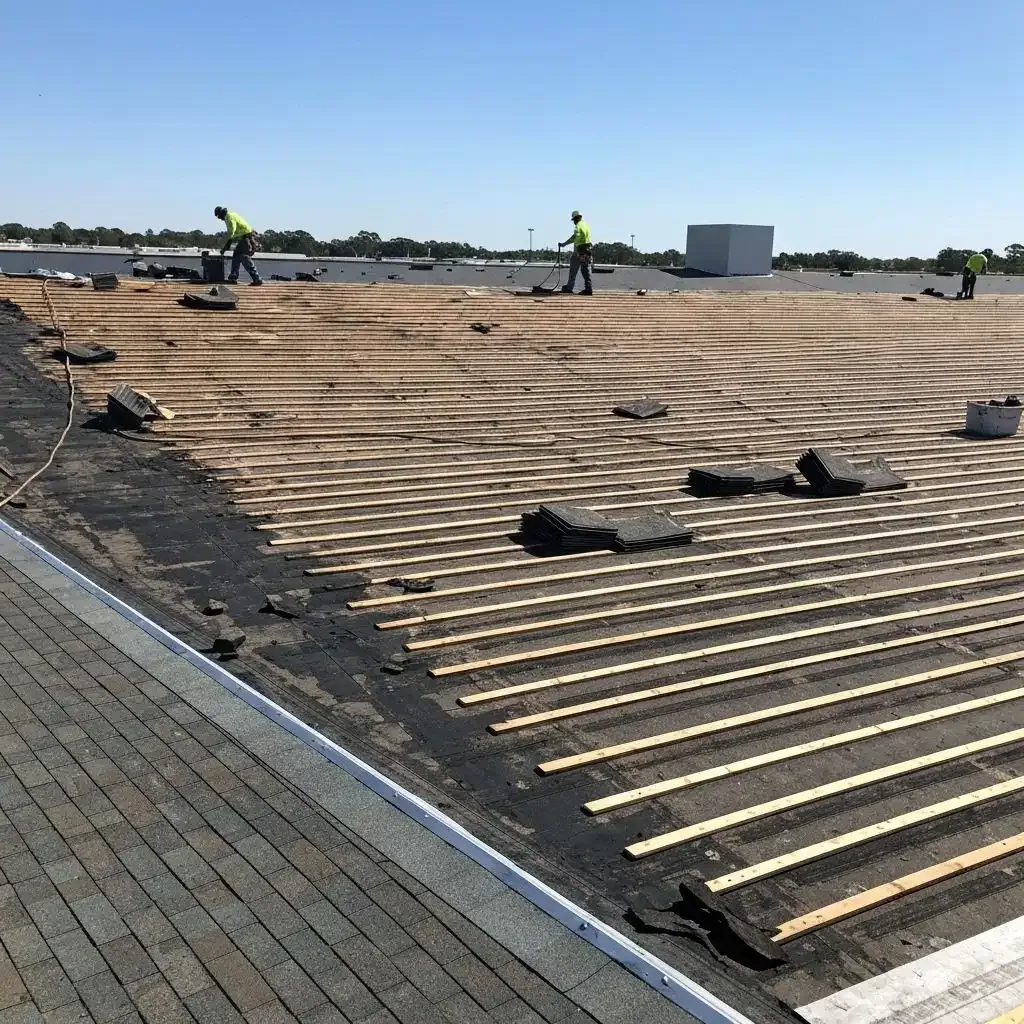
Sometimes, and only after the insulation has been tested. If the old assembly is dry, the deck is sound and local code permits another layer, a roof recover with a cover board and a new sheet saves the cost and disruption of a tear-off. Johnson City has adopted the 2018 International Existing Building Code, which limits how many layers a roof can carry and what has to be removed when the old system is wet. Federal or state criteria may add requirements of their own. Where moisture is widespread, replacement is cleaner, and it is also the moment to correct slope with tapered insulation so the water that used to pool has somewhere to go.
What does a leak cost in a building the unit cannot close?
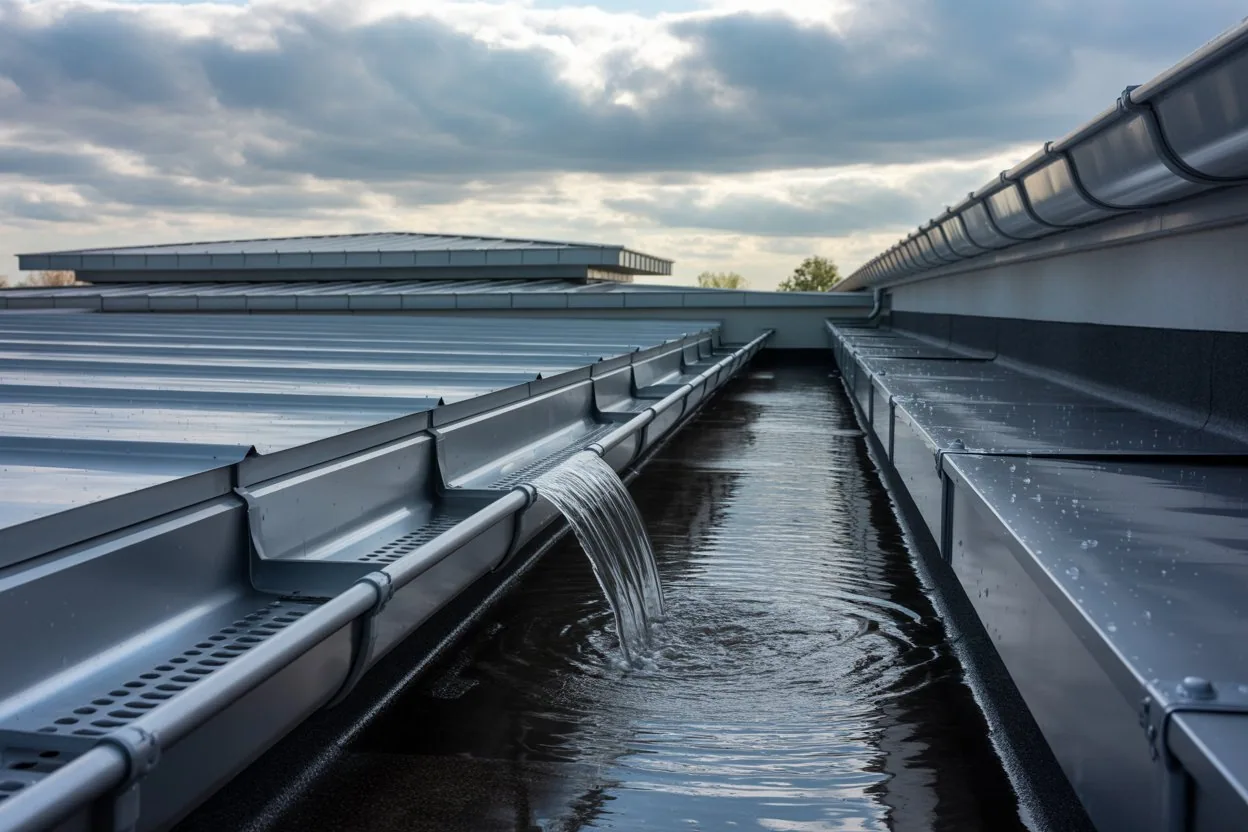
A leak in a hall that is booked for a drill weekend costs more than the repair would have. Ceiling finish, flooring, stored equipment and electrical gear take the water first, and the unit loses use of the space while it dries and is cleared. The roof damage under the leak also compounds: wet insulation keeps absorbing water, the deck corrodes from the top, and a patch becomes a section replacement. A roof capital plan built from condition data lets the unit and its funding partners place that cost in a known year, where a failed roof forces it into whichever year the storm picks. Emergency response is available around the clock, holidays included, but a planned repair is the cheaper one.

How is roof work sequenced around training and approvals?
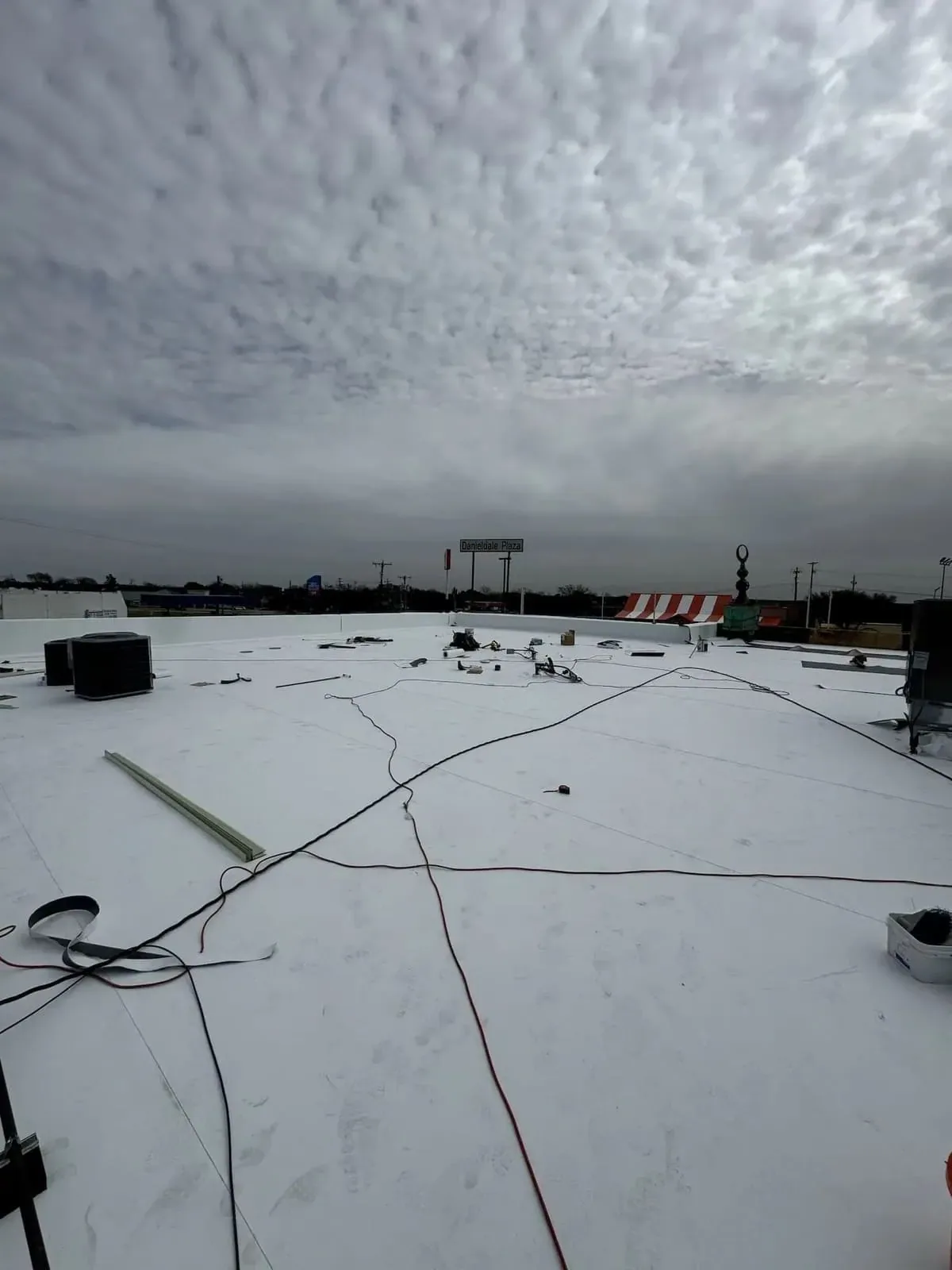
Around the training calendar first, then around the approval chain. Guard facilities can involve both state and federal funding, and each side may have its own review before a project is released, so a roof report in hand early prevents a slow season from becoming a lost one. Once approved, the work runs in zones, with the active areas protected and the hall left usable. A reserve building inside a larger installation adds a gate to the schedule: the Kingsport Armed Forces Reserve Center and Field Maintenance Shop, home to Army Reserve and Tennessee National Guard units, stands on Holston Army Ammunition Plant, so installation roofing there means planning gate time and escorts alongside weather.
Armories share access controls and occupied-building coordination with the broader requirements for Army installation roofing.
For federal work in the market, access and occupied-building details also matter at the Mountain Home VA campus.
Commercial Roofing Questions
How do drill weekends and annual training change the schedule for a roof project?
Work is staged to the training calendar, so the heaviest tear-off and tie-in days land when the building is quiet and the hall is protected on drill days. Material is staged outside the training areas, and each day ends with a watertight tie-in.
What does a kitchen exhaust fan do to the roof around it?
Grease collects on the membrane near the fan and softens materials not made to resist it. A system with oil resistance, or a routine of cleaning the surface and checking the fan curb, keeps that area from becoming the first place to leak.
Which items should full-time staff write down between roof inspections?
After each heavy rain or thaw, record any new ceiling stain, the room and the date, along with any standing water they can see from a safe position. Those notes show the pattern of a leak, which narrows the search on the roof and trims the cost of finding it.
Should an armory roof be built for tornado-force wind in Washington County?
Tornadoes here are rare, though ten are on record and three struck on April 27, 2011, so the practical focus is everyday wind and storm uplift at the edges and corners. Securely fastened edge metal and a well-attached membrane are the defense that matters most.
Can a storage or service building on the same site be handled with the same plan as the main hall?
The condition data carries over, but the roof may not. A small service building with a different membrane, age or slope is surveyed on its own, much like warehouse roofs, and it may be a repair when the hall needs a recover.
Related Roofing Pages

Snow Load and Ice Dam Roof Damage Repair
How the work is scoped, phased and documented on Tri-Cities roofs.
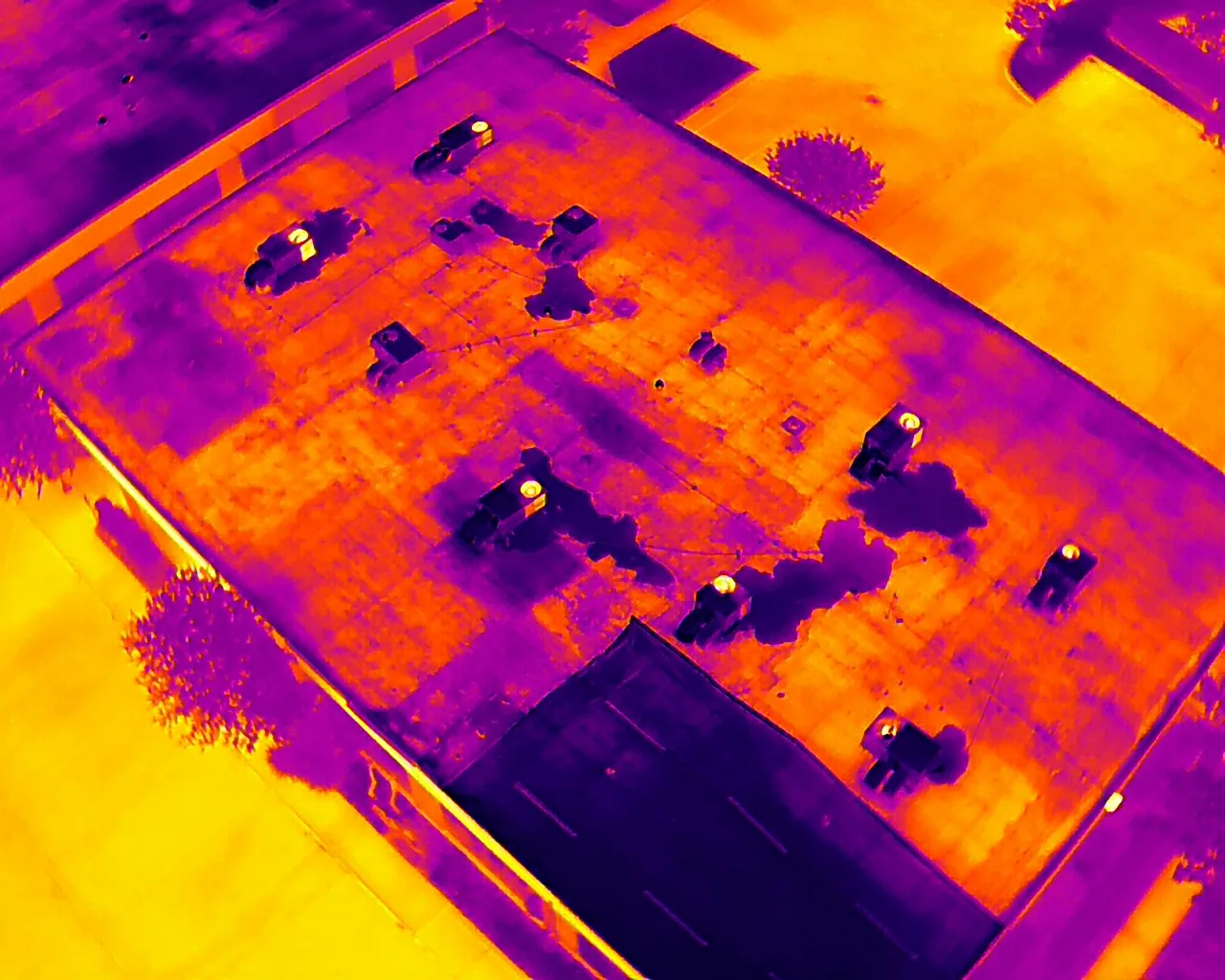
Infrared and Core-Cut Moisture Surveys
What we check, what we recommend and how the crew keeps the building running.
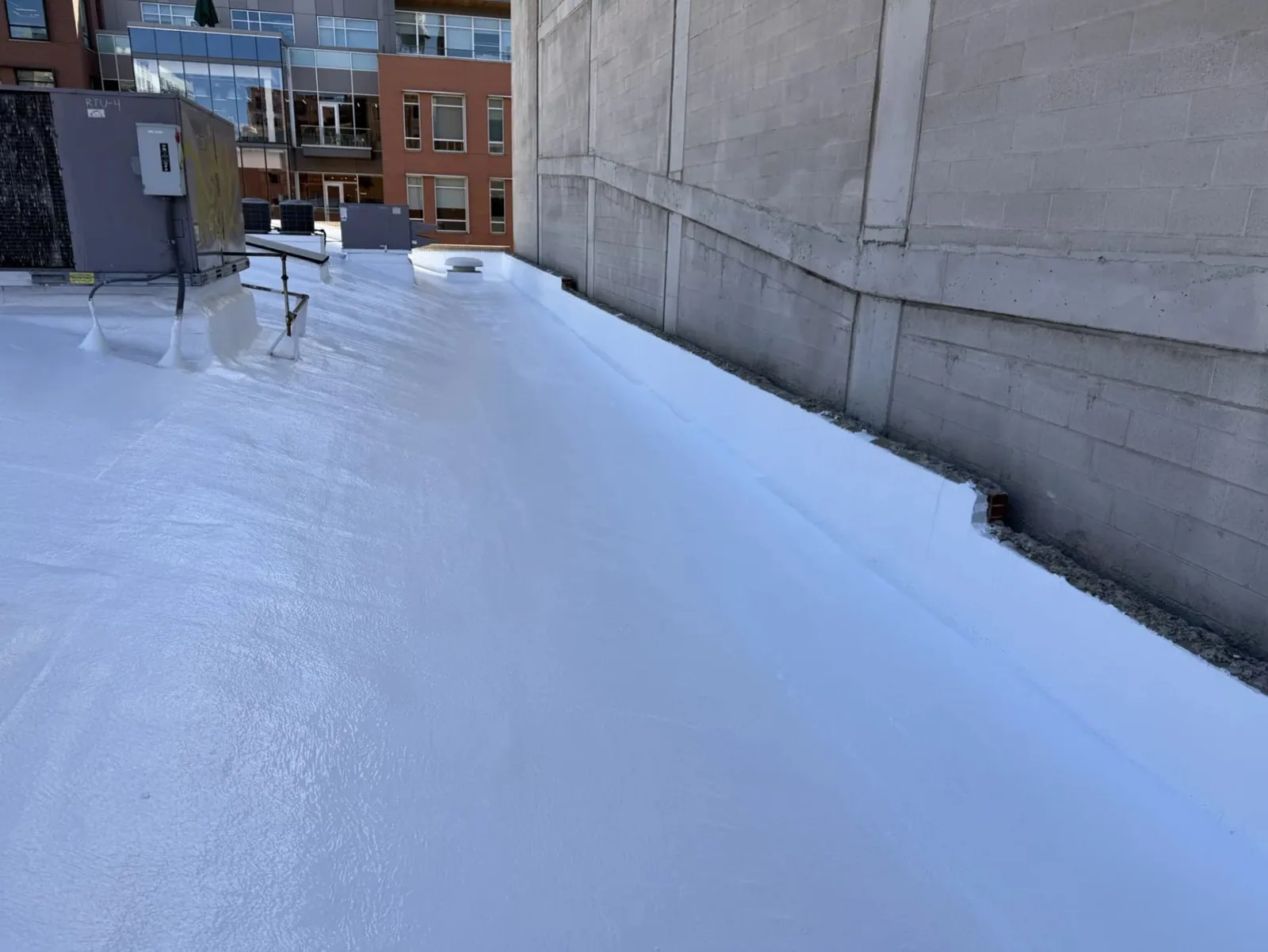
Roof Recover and Overlay Systems
Conditions, options and next steps for commercial buildings in East Tennessee.