Medical Office Roofing in Johnson City, TN
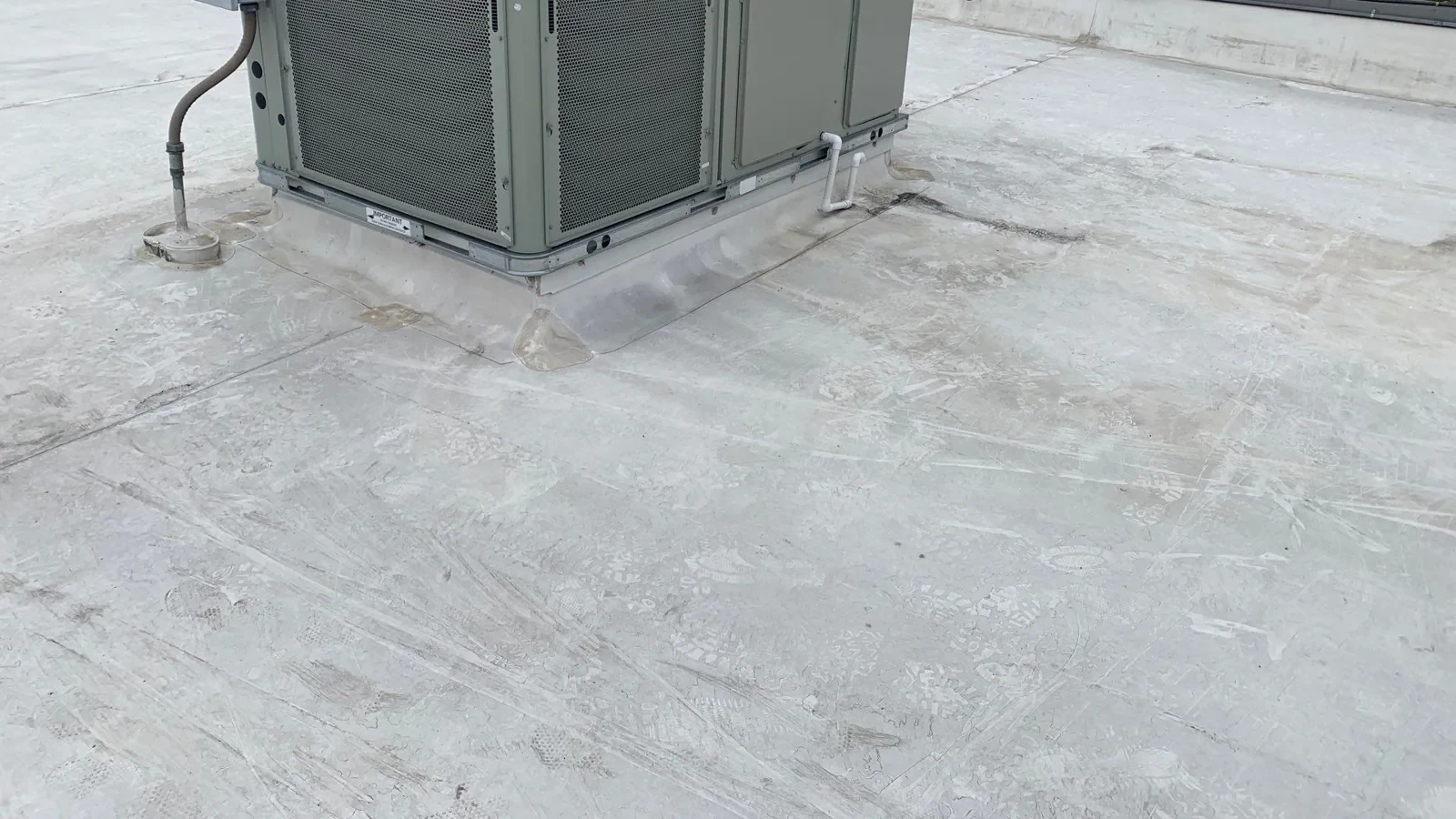
A drip that lands on a ceiling grid in a clinic is rarely the first sign of trouble. The insulation above has usually been wet for months, and a damp, warm cavity directly above a conditioned suite is the setting in which mold gets its start. Tile and gypsum board hold moisture against the plenum, the building's air system moves it around, and within a day or two of renewed wetting the growth can begin. Johnson City, TN averages winter lows near 25F, and a building envelope that cycles through freeze and thaw all season means a small opening in a membrane lets water into the assembly slowly and without drama. By the time a practice manager sees a stain, the cost is no longer a roofing repair alone; it has become an infection-control matter.
How does a slow leak become an air-quality problem inside a clinic?
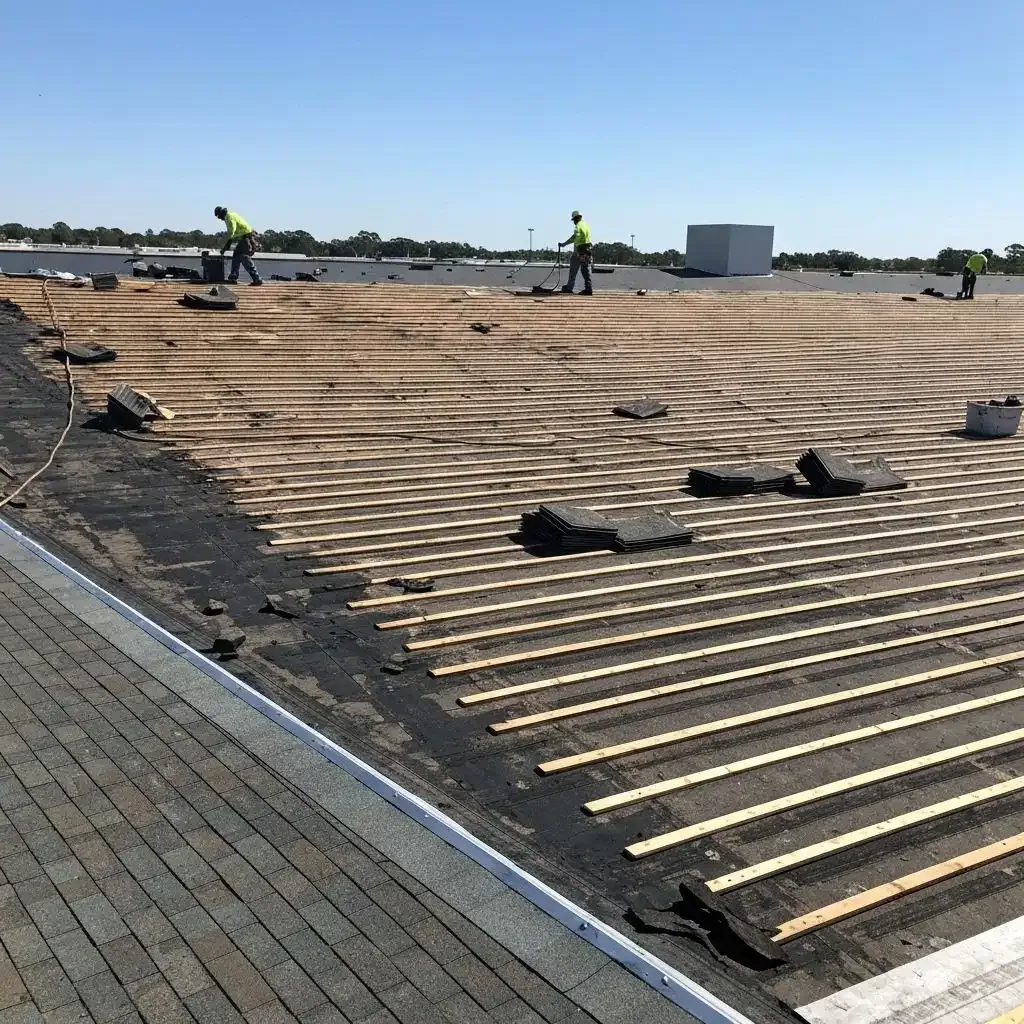
Water behaves differently once it is inside the assembly. Insulation absorbs it and spreads it sideways, so the wet area above the ceiling can be much larger than the stain below. The warm, enclosed space between the roof deck and the ceiling holds the moisture near the dew point, which is precisely where condensation and mold thrive. Air handlers that draw return air through the plenum then carry spores and odors into exam rooms. Because the process runs in a hidden cavity, the building's occupants notice a smell or an allergic reaction before they notice water. A roof survey that finds wet insulation early, by thermal scan and core sample, intercepts the problem before it reaches people.
Keep the ceiling above your patients dry
Call Commercial Roofing Johnson City to arrange a moisture survey of your medical office roof. You will receive findings mapped to the rooms below and a plan that fits around patient hours.
What does a closed exam room cost a practice each day?
A closed room is lost revenue and rescheduled patients, and for a procedure suite or an imaging room the interruption can be longer than the repair. Remediation of wet materials above an occupied ceiling often requires containment, negative air and testing before the space reopens, which pushes the timeline well past the drying itself. An owner who fixes the roof first spends far less. The calendar matters as well, since leaks tend to appear after the heaviest rain or the first big thaw, with no regard for the appointment book. Planned work in a quiet season, on the owner's schedule, avoids having the roof decide when the clinic closes.
What do infection-control rules change about how a roof is inspected?
They change what we do after the walk more than during it. We still read the membrane, the flashings and the drains, and we confirm wet insulation with an infrared moisture survey. Then we map the findings against the rooms below, noting which areas sit over procedure rooms, sterile storage, imaging suites and lab space, because those carry the strictest rules for any work overhead. We identify the air intakes and exhaust points that will have to be protected or temporarily shifted during construction. The report gives the practice's infection-prevention staff what they need to write their own dust and odor controls into the project before it begins.
Coating, recover or replacement over a practice that stays open?
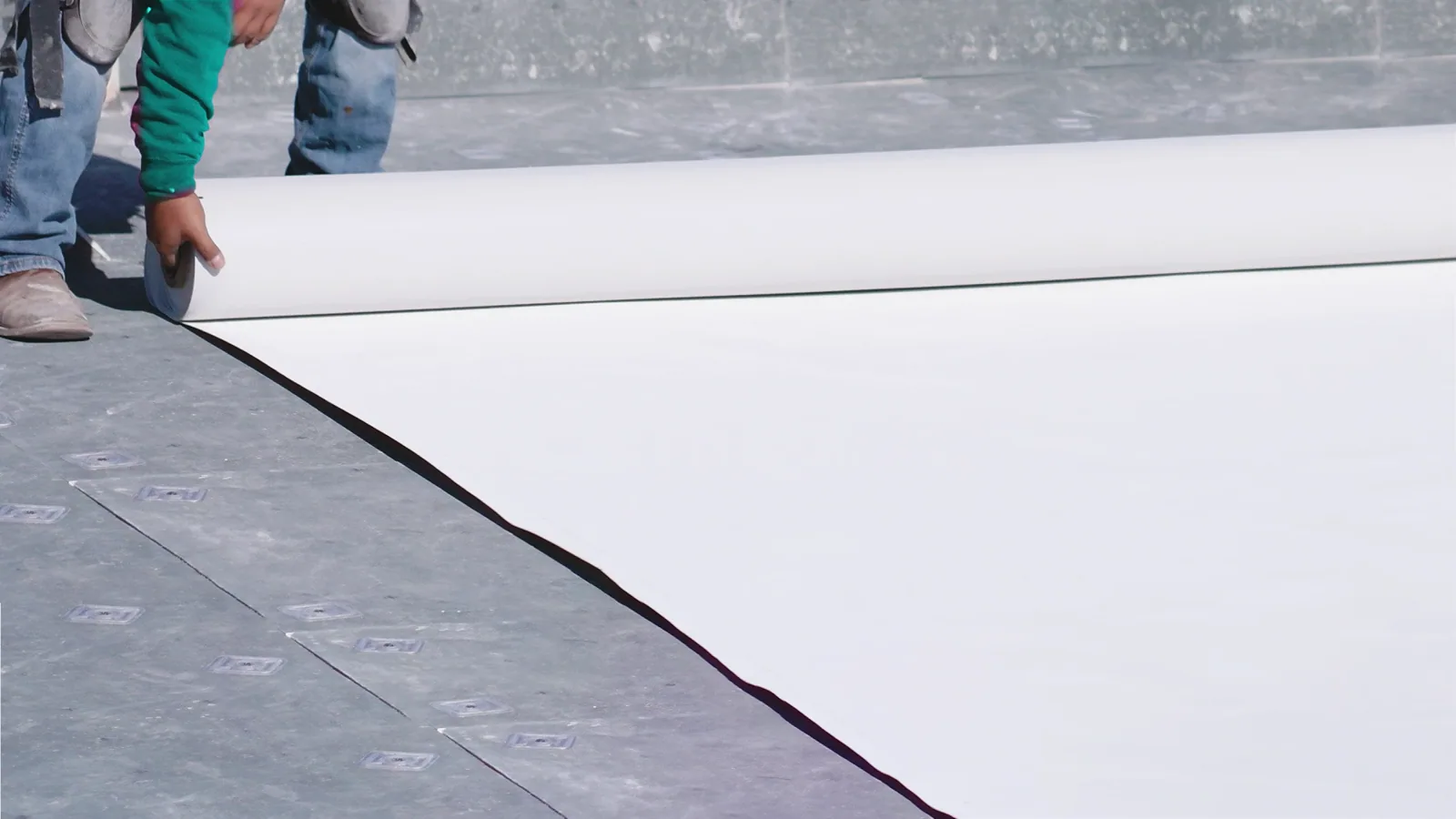
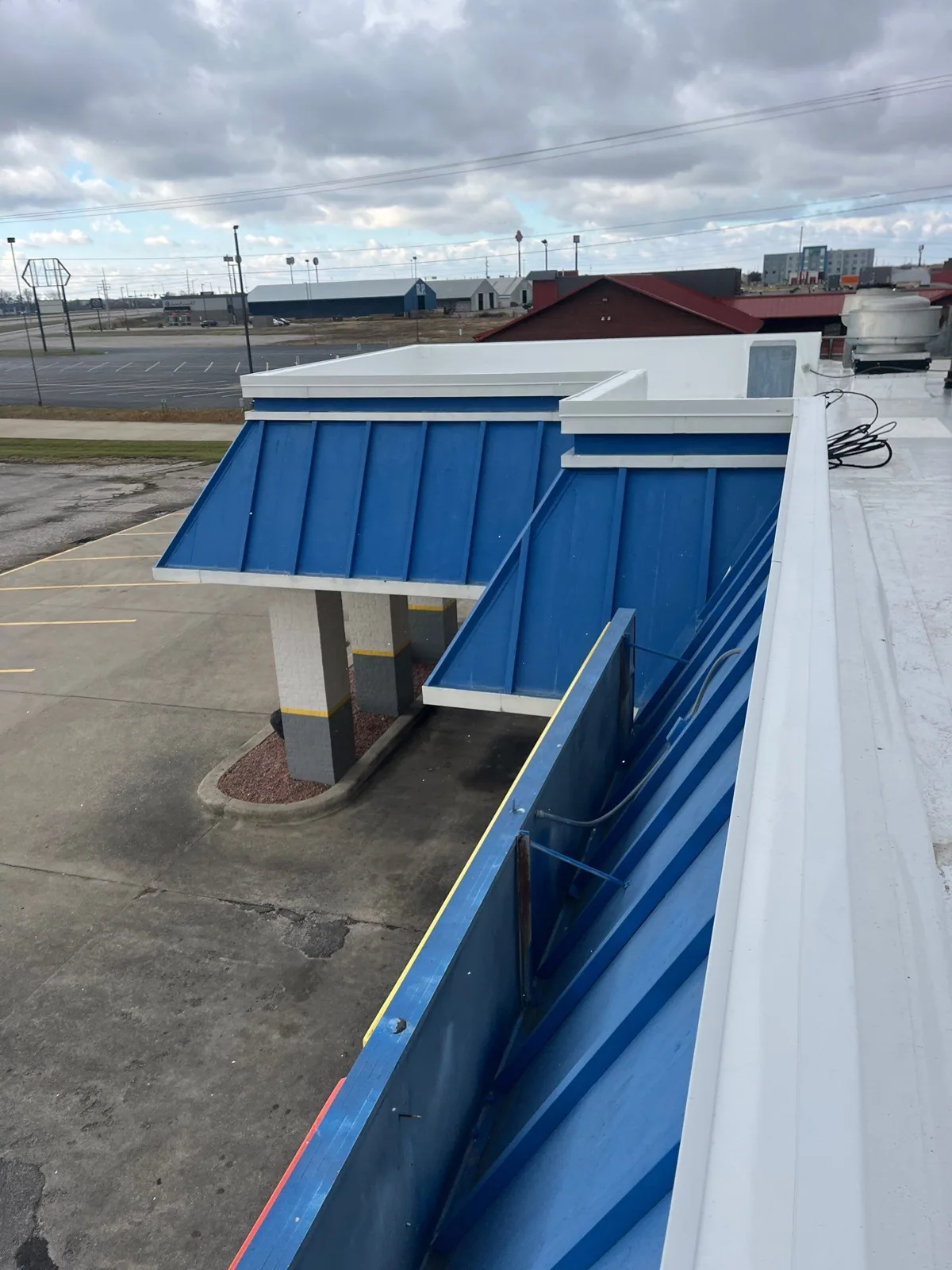
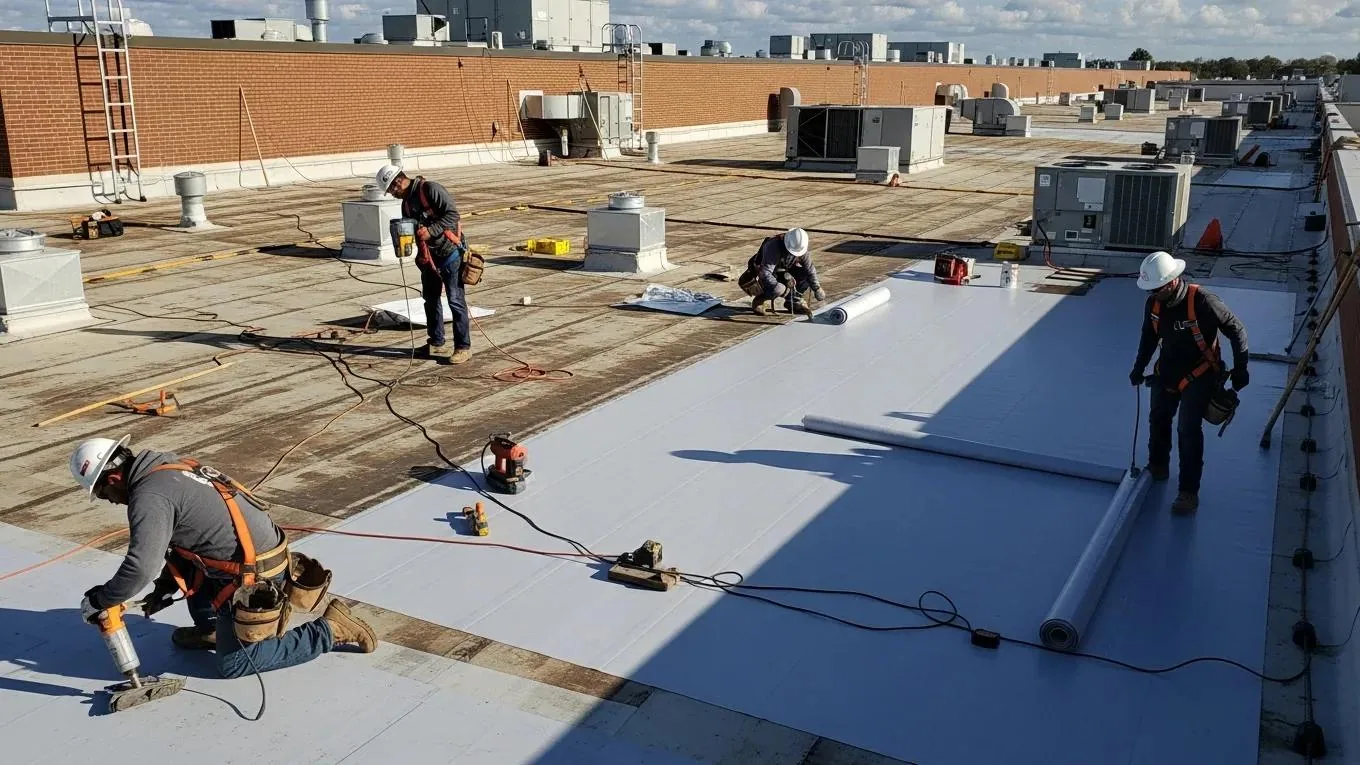
Each option disturbs the building differently. A restoration coating adds almost no demolition, but it belongs only on a dry, well-attached roof and it releases odors during application. A recover leaves the old membrane in place, so there is no tear-off dust above ceilings, though it cannot be laid over wet insulation. Full replacement removes every layer and is the surest cure for hidden moisture, with a plan for debris handling, dust barriers and staged openings. Mechanical fastening over occupied space also creates noise and vibration, so we weigh adhesive systems against fastened ones for each floor plate. The right answer is the least disturbing one that actually fixes what the survey found.
Which steps can happen during patient hours, and which cannot?
Quiet, low-odor work such as flashing repair or seam welding can usually proceed in daytime with the right controls. The loud and pungent steps cannot: demolition, hot-applied products and strong adhesives belong in early mornings, evenings or weekends when the suites are empty. We agree on each step with the practice manager, cover or lock out the fresh-air intakes while products cure, and monitor wind direction so odors travel away from the building. Rain forecasts are watched as closely as appointment books, and any open area is sealed before the crew leaves. Where a practice runs extended hours, the schedule bends around them without compromising the roof.
What does the Med-Tech corridor expect of the roofs near it?
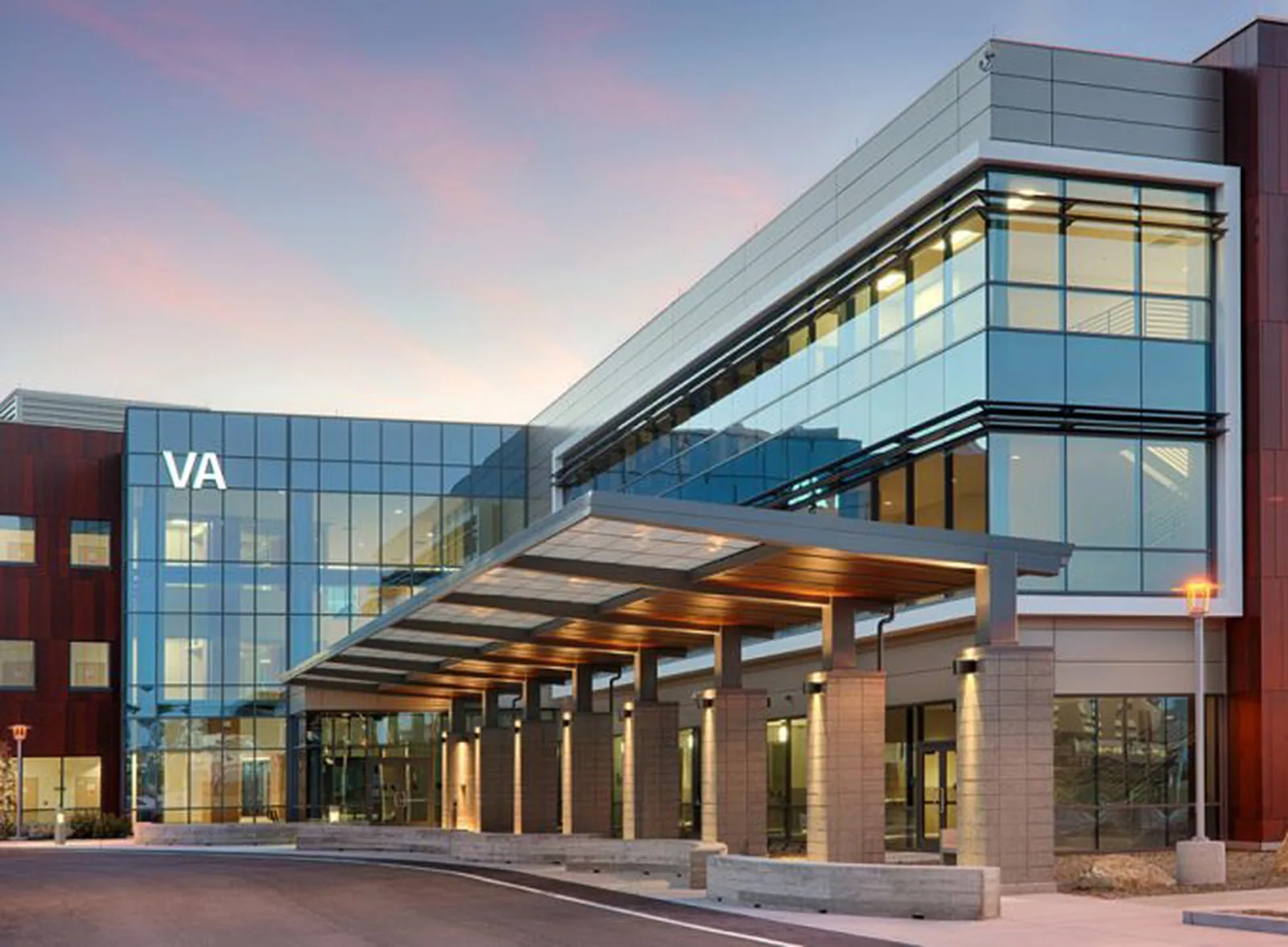
The Med-Tech corridor is home to Johnson City Medical Center and the ETSU medical institutions, the Quillen College of Medicine and the Gatton College of Pharmacy among them. The medical center has 445 beds, 86 more in Niswonger Children's Hospital, and Level I trauma designation. Ballad Health, headquartered in Johnson City, operates the medical center, and the James H. Quillen VA Medical Center at Mountain Home adds a second major hospital campus in the city. A medical office building near that cluster serves patients who expect clean, dry, quiet rooms, and its landlord meets that expectation through roof upkeep. Owners who answer to a healthcare system carry the added task of keeping many buildings consistent, and a campus with inpatient beds, like a hospital roof, raises the stakes again.
A general office may allow broader work windows, while the roof access and tenant notice sequence remains comparable to office-building roofing.
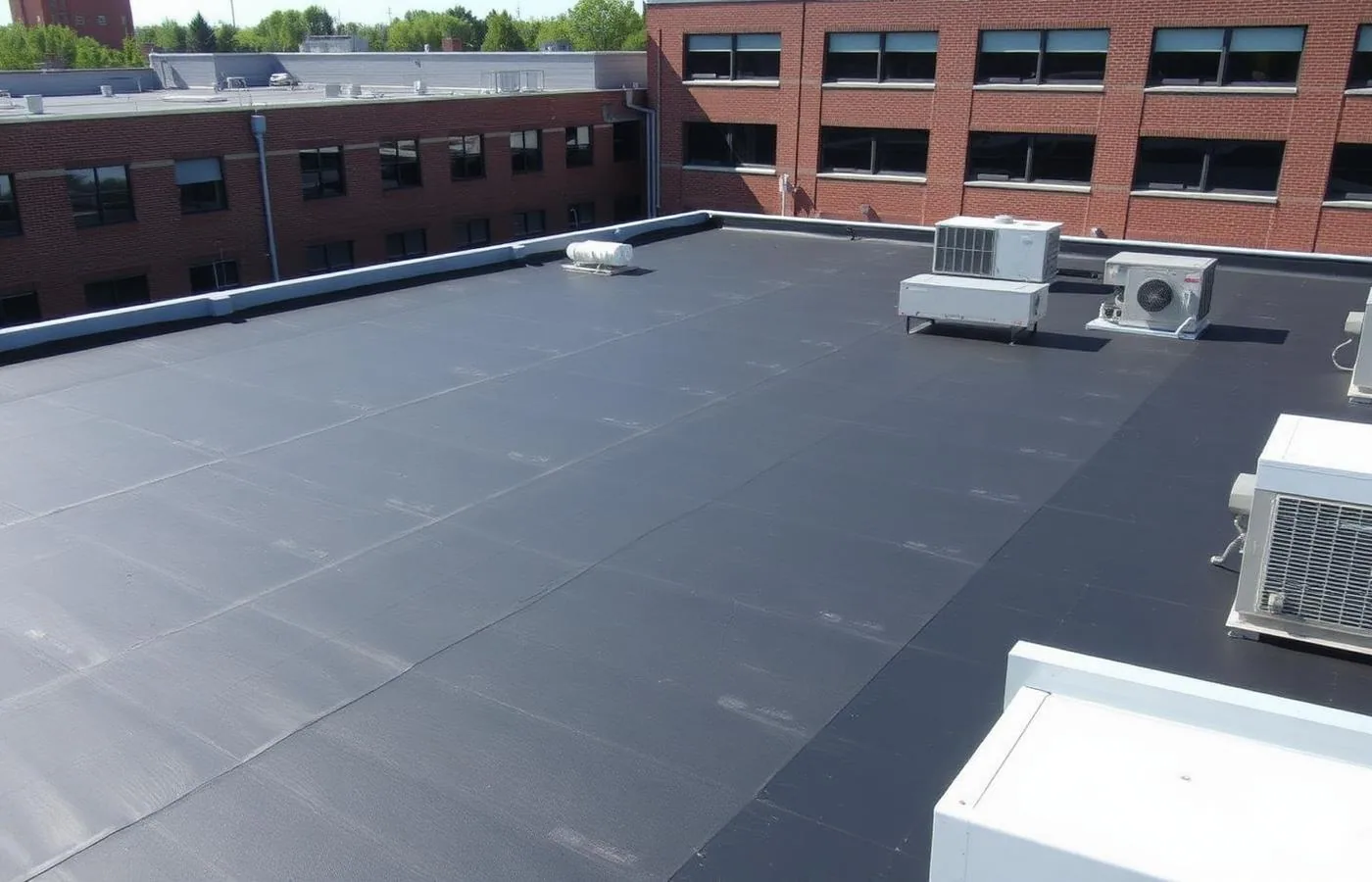
A medical office needs a roof log that distinguishes patient-facing areas from back-of-house space. Mark the roof zones over waiting rooms, treatment suites and mechanical rooms, then connect each observation to the least disruptive access route. The same map helps facilities staff plan interior protection without moving patients or interrupting scheduled care. It also lets a capital reviewer compare repair choices against the operational consequence of a leak.
Commercial Roofing Questions
Does a clinic roof project need an infection control risk assessment?
The practice's own policies set that, and a clinic with patients in the building will usually want one for any work above occupied ceilings. We supply what the assessment needs: work areas by room, dust and debris routes, product data, and a schedule. The infection-prevention lead signs off before the first opening is made.
How do roofing odors stay out of the exam rooms?
Air intakes are the path, so they are where we start. We choose low-odor products where the roof allows it, cover or temporarily close the intakes during application and cure, and time the strongest steps for hours when the suites are empty. Wind direction on the day of work is checked, and the schedule moves if it would push fumes toward a fresh-air louver.
What sets the replacement window on a medical office roof?
Moisture data and tenant tolerance together set it. A roof with dry insulation and sound seams can often carry on for years, while one with wet insulation above a procedure suite should move up the list regardless of age. A condition report that ranks areas by what sits beneath them shows which sections to treat first.
Do rooftop air handlers and exhaust fans change the roofing plan?
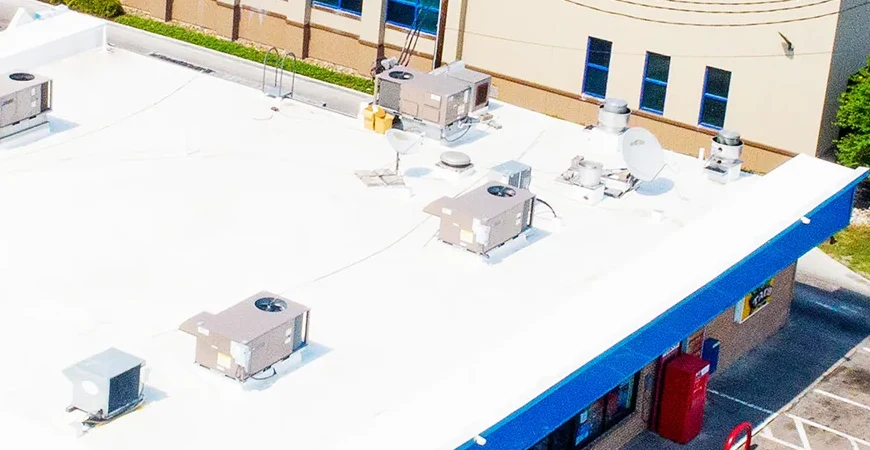
They add curbs, penetrations and service traffic, all of which are common leak points. Procedure rooms and labs need their own ventilation, so a medical building often adds exhaust beyond what an ordinary office carries. We inspect each equipment curb carefully and reflash or raise it when it has aged, so that new equipment is not set on a failing seal.
What roof records should a landlord share with a medical tenant?
A recent condition report, a leak history by location and the dates of repairs give a tenant what they need to plan. Tenants who invest in equipment want to know the ceiling above it has been checked, and a landlord who shares that file gives the lease conversation a firm footing. It also gives them a documented basis for any future insurance claim.
Related Roofing Pages

Infrared and Core-Cut Moisture Surveys
How the work is scoped, phased and documented on Tri-Cities roofs.
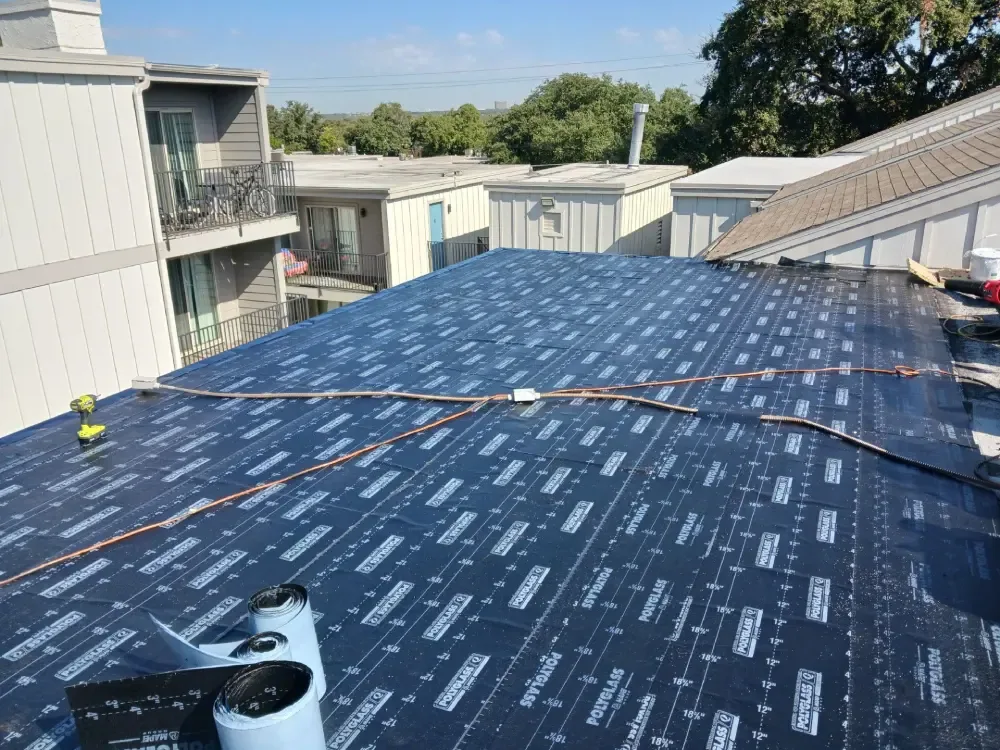
Roof Coating and Restoration
What we check, what we recommend and how the crew keeps the building running.
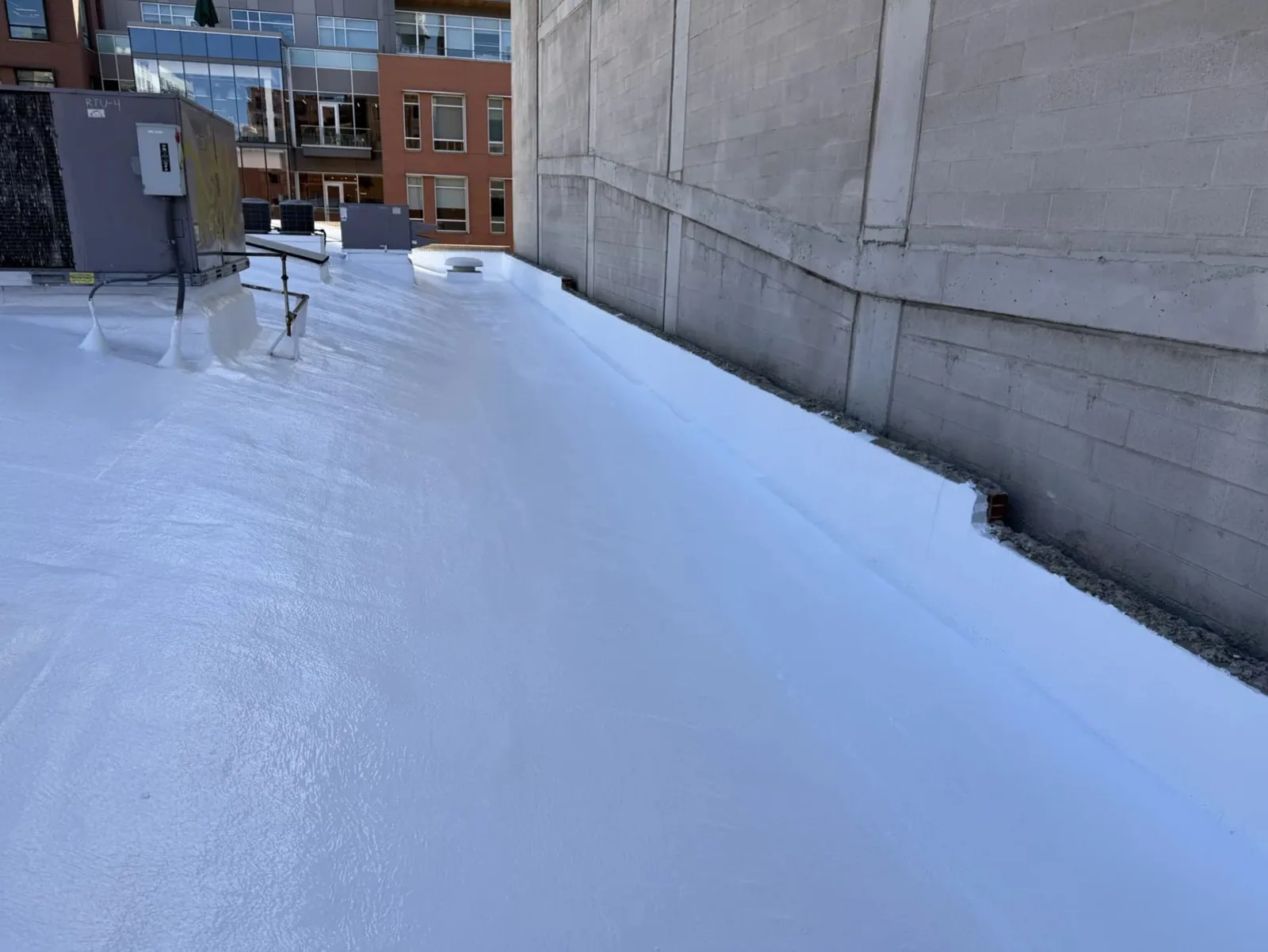
Roof Recover and Overlay Systems
Conditions, options and next steps for commercial buildings in East Tennessee.