
Soprema Roofing and Flashing Systems in Johnson City, TN
Around a cluster of pipes, conduits and gas lines on a roof there is no clean way to fold a sheet, and every cut, corner and tape strip is a place where meltwater can slip in. A liquid flashing resin solves the geometry by pouring into the gaps and curing into a continuous boot, which is the job Soprema's Alsan products are made for. The resin is only as good as the surface under it, though. If dust, moisture or old sealant is trapped beneath, the cured boot peels at the edge, and the first hard freeze in Johnson City, TN pries it open. Soprema also makes the Sopralene family of modified bitumen sheets, applied by torch, by self-adhesion or with cold adhesive, along with polyiso insulation sold under the Sopra-ISO name. We install and repair these materials with attention to the preparation that decides how long they last, and we advise owners to judge a flashing job by its edges rather than by how smooth it looks the day it is finished.
Where do we start on a roof that has leaked twice at the same pipe?
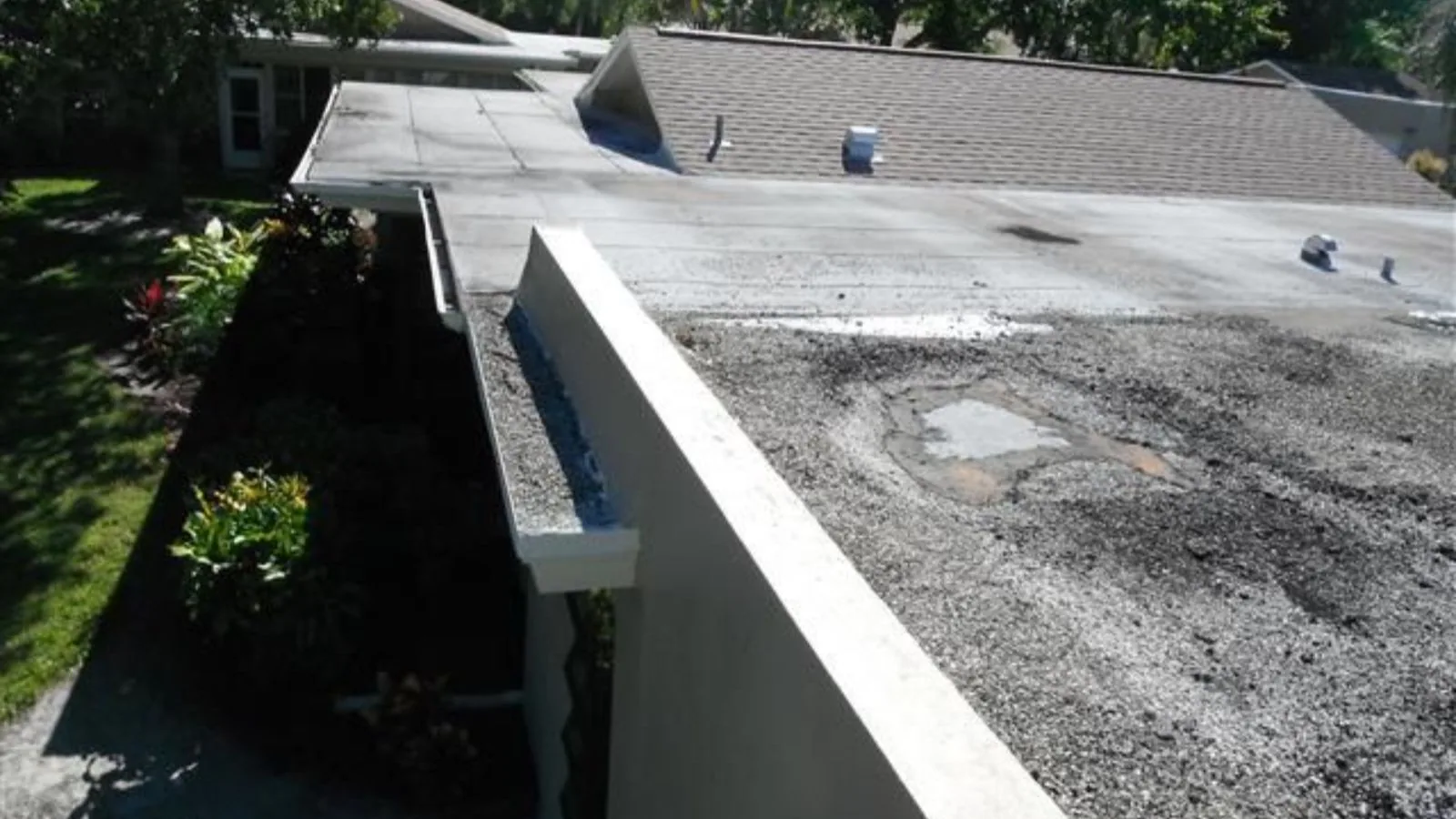
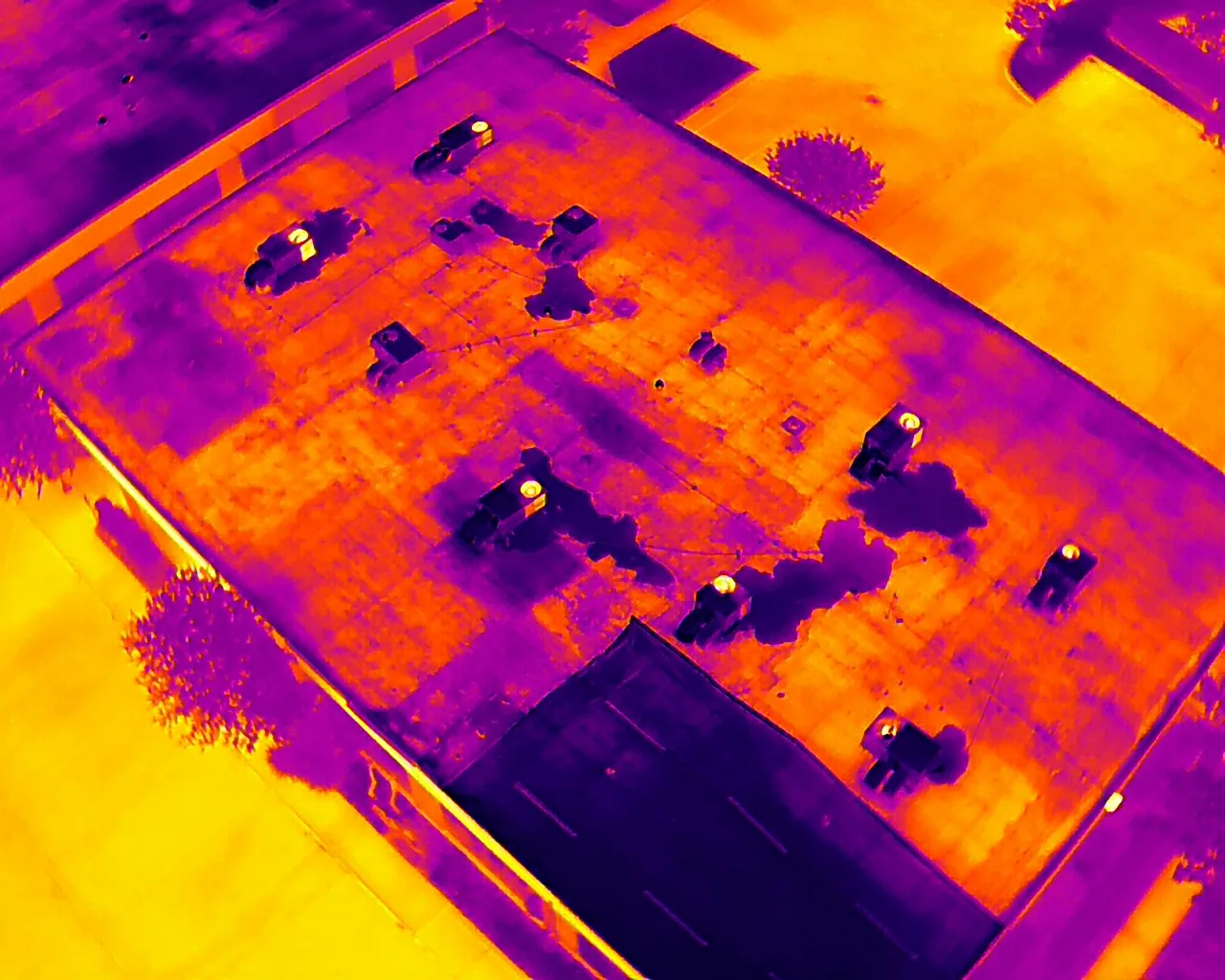
A repeat leak at one location is rarely bad luck. It usually means the first repair addressed the symptom, such as a hole in a boot, while the cause, such as movement in the pipe, a failed pitch pocket or water arriving from higher on the roof, went untouched. We begin by tracing the water path, checking the penetration, the flashing above it, the slope toward the nearest drain and the deck below. If the insulation near the pipe is wet, we map the extent with an infrared moisture survey and take a core at the center of the anomaly. The fix that follows is built from the cause: a new boot, a re-flashed curb, a corrected slope or a larger section of renewed membrane. A detail repaired once and correctly is far cheaper than a series of patches, and it keeps a small problem from becoming the reason the whole roof is replaced early.
Review every penetration before the next freeze finds the weak one
Call Commercial Roofing Johnson City and we will walk the roof, test the details and write up what is sound and what is failing. You will have the information to schedule repairs before water makes the decision.
What does a liquid flashing resin do that a cut-and-fold sheet cannot?
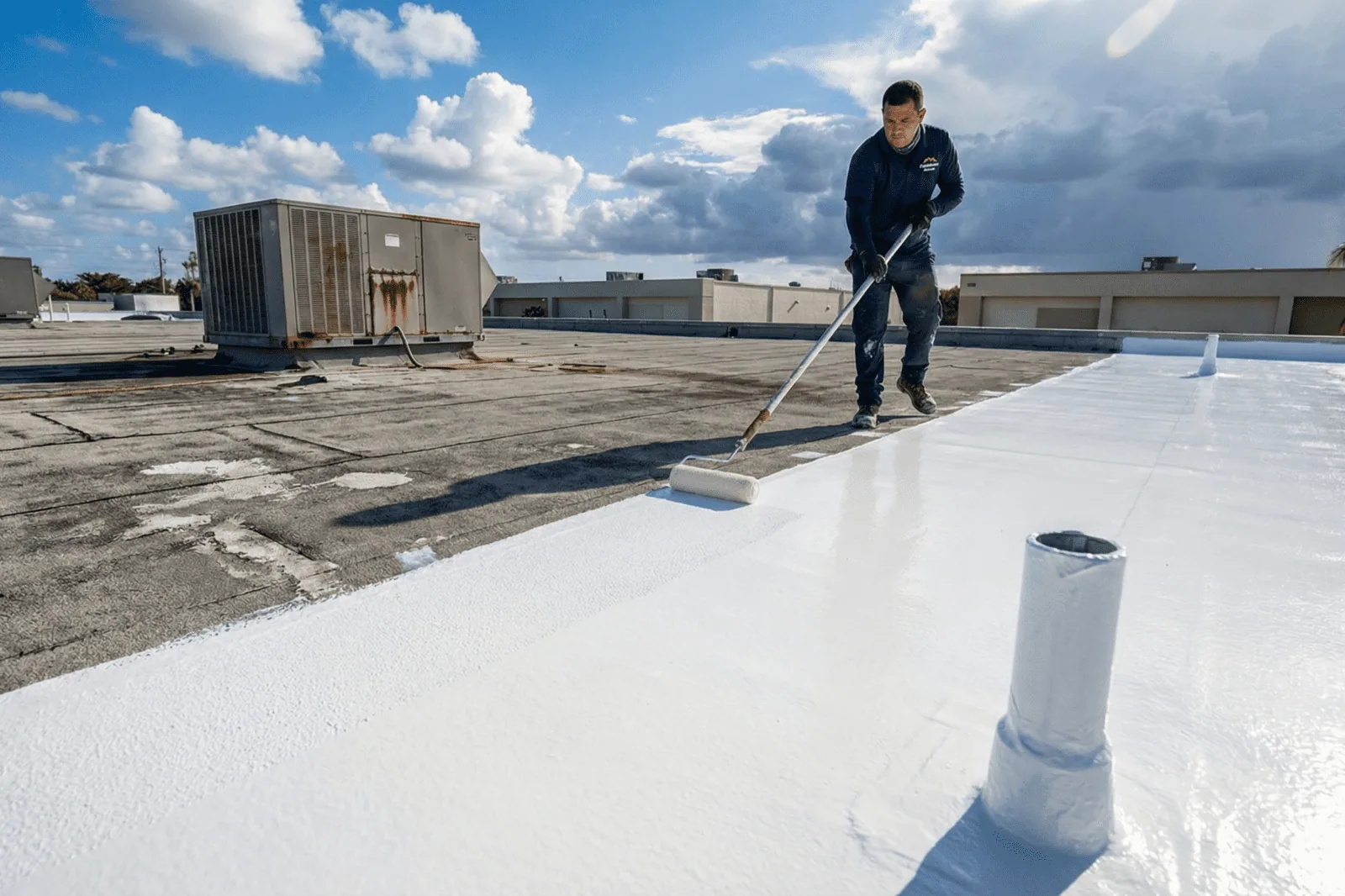
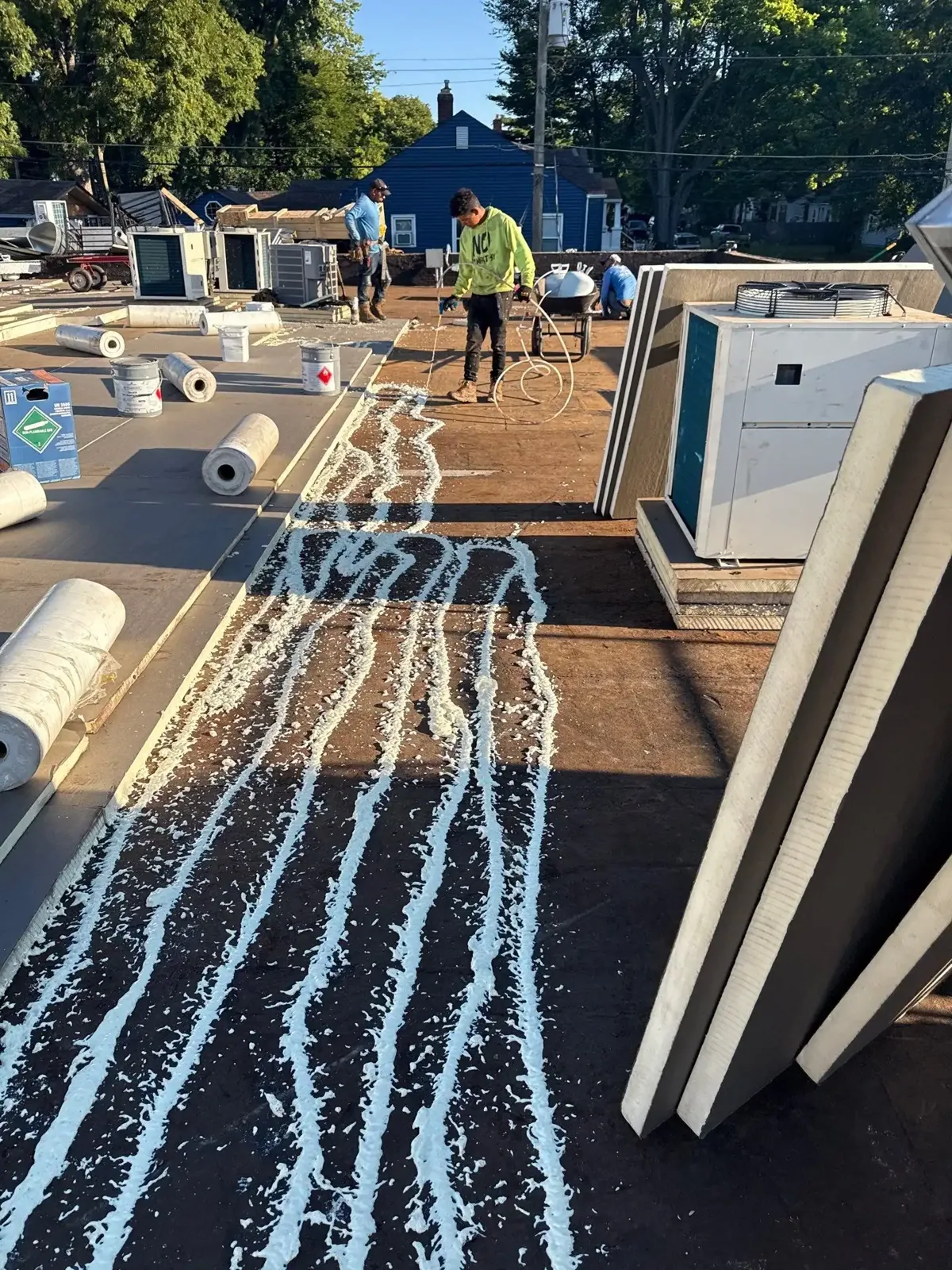
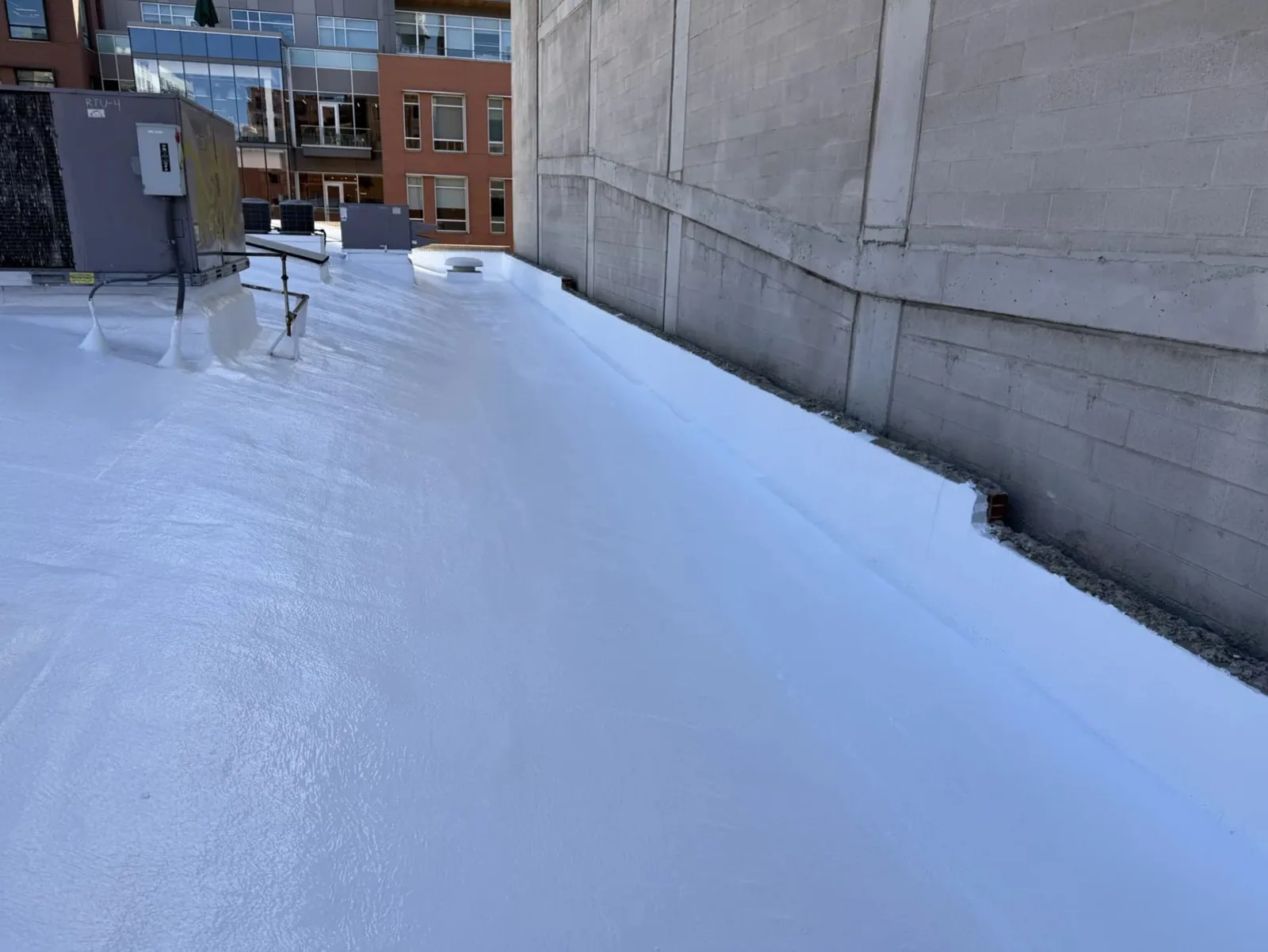
A sheet flashing has to be cut to fit, folded around a corner and sealed along every edge, and each fold is a possible path for water. A liquid-applied resin flows around the shape instead, filling gaps and wrapping odd geometry in one continuous film. A layer of reinforcing fleece is typically embedded in the resin to give it strength across movement, and the final coat seals the surface. The method suits penetration clusters, irregular curbs, drain surrounds and repairs over aged surfaces where welding is not an option. Its demands are exact: a clean, dry, sound substrate, a primer matched to the surface, temperatures inside the product's range and enough cure time before rain. We treat those requirements as the specification, and when the day does not allow them we wait. A flashing applied in the wrong conditions looks fine at handover and fails during the first long freeze.
Torch, self-adhered or cold-applied: how do the Sopralene methods differ?
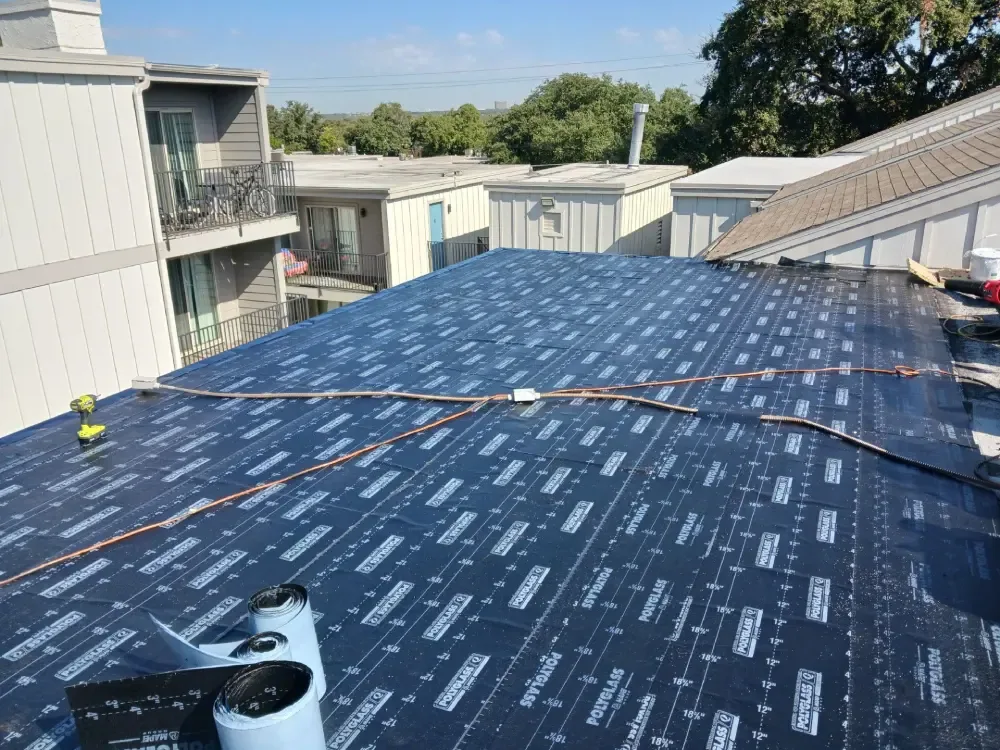
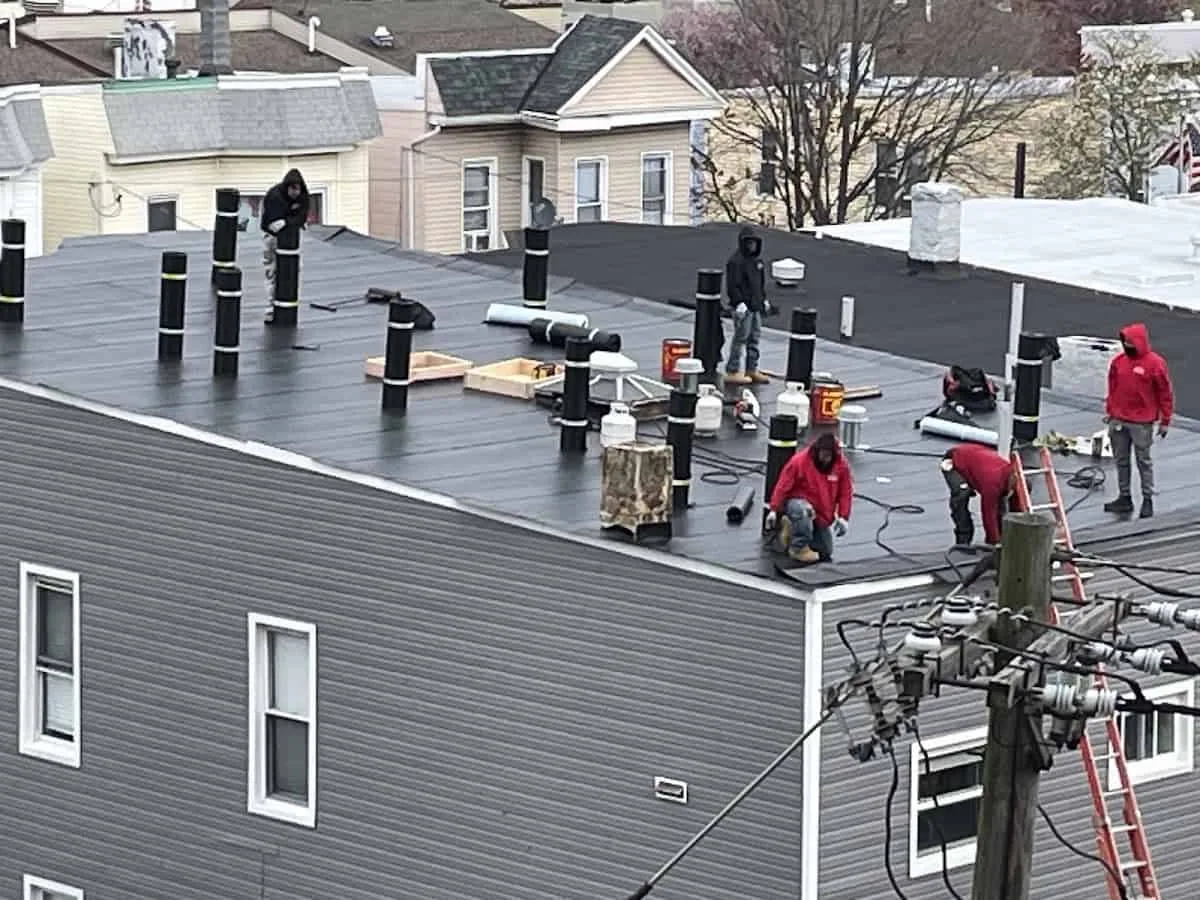
The same asphalt-and-rubber chemistry can be installed in three ways, and the method changes cost, schedule and risk. Torch-applied sheets, sold under names such as Sopralene Flam, bond fast and produce a strong lap, but they bring an open flame to the roof, which raises fire risk near insulation, wood and parapets. Self-adhered sheets, such as the Sopralene Stick family, avoid the flame and the fumes, though they need warm surfaces and a primed substrate. Cold-applied systems use adhesive and are common where hot work is a poor fit. Owners comparing these with other asphalt-based systems from Johns Manville or GAF will find the families similar and the application method often the real variable. Against single-ply alternatives, modified bitumen trades installation speed for a thicker, more puncture-tolerant assembly.
Where do penetration details matter most around ETSU and downtown Johnson City?
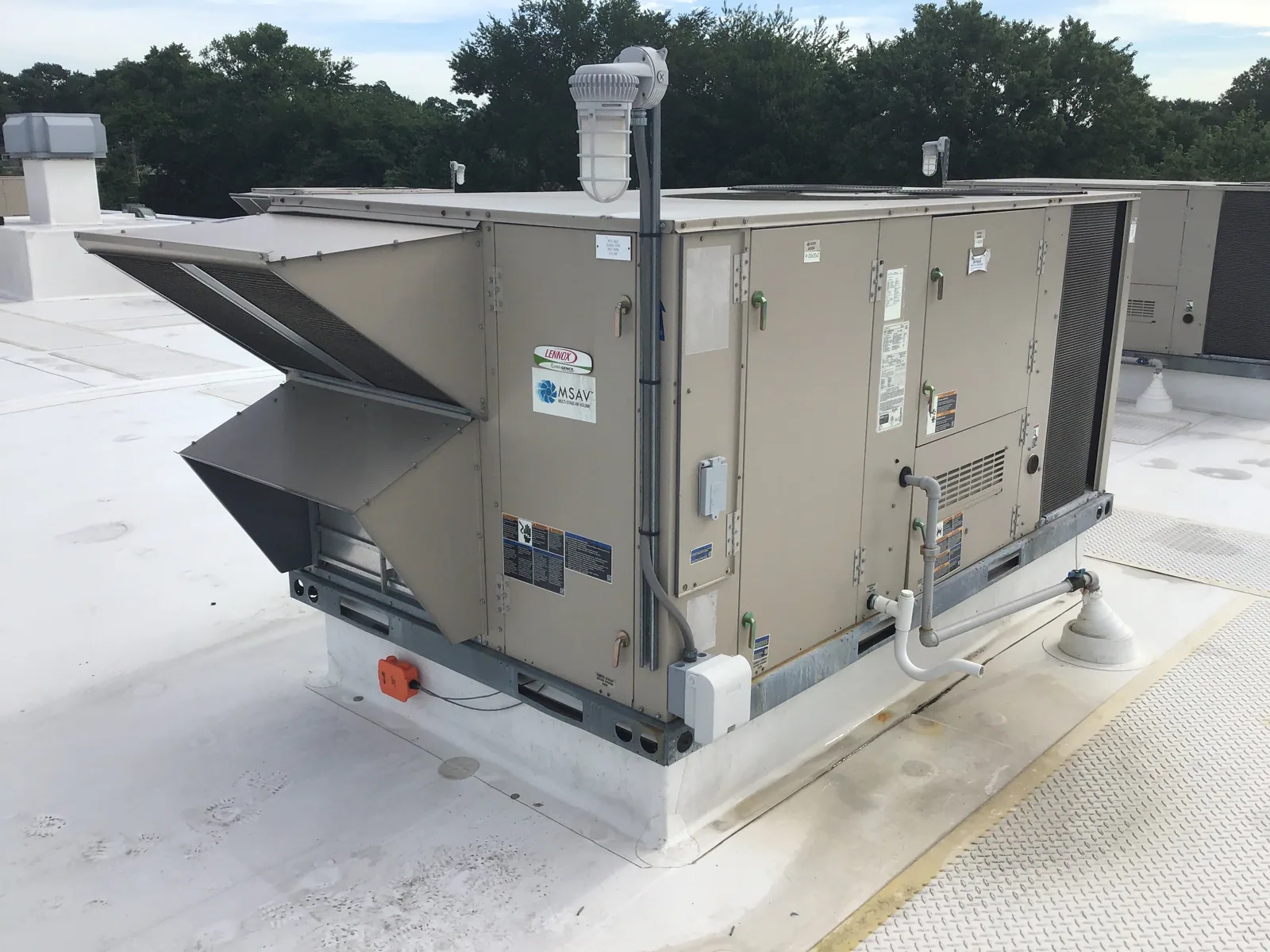
East Tennessee State University spreads across 366 acres about a mile and a half from downtown, and its ten colleges and schools include medicine at Quillen and pharmacy at Gatton. Exhaust, mechanical equipment and conduits tend to cluster on the roofs of college and university buildings, and each pipe or curb is a flashing detail waiting to be judged. Work on the ETSU campus has to be scheduled around classes and research. Downtown Johnson City, a historic commercial core of older masonry buildings with public art and active retail near Founders Park and the Tweetsie Trail, raises a different kind of question, because the parapet walls and coping on older masonry buildings downtown take the water that sheet roofs shed. Liquid flashing is often the practical answer at transitions where no sheet will lie flat.
Which Soprema work waits for warm days and which does not?
Self-adhered sheets need surfaces warm enough for the adhesive layer to flow, so a cold January morning is a poor time to lay them. Liquid resins need dry surfaces, a minimum temperature and a window without rain until they cure, and cold-applied adhesives have their own limits. Torch work depends on dry decks and a fire watch. Johnson City has adopted the 2018 International Fire Code, and the hot work rules in that code set permit and watch requirements that must be met before a flame comes near a roof. In practice, this puts most planned Soprema work in the months from late spring into early fall, with the shoulder weeks used when mornings run above the product limits. If a leak needs immediate attention in the cold, our penetration flashing crews can seal the opening temporarily and return for a permanent detail in better weather.
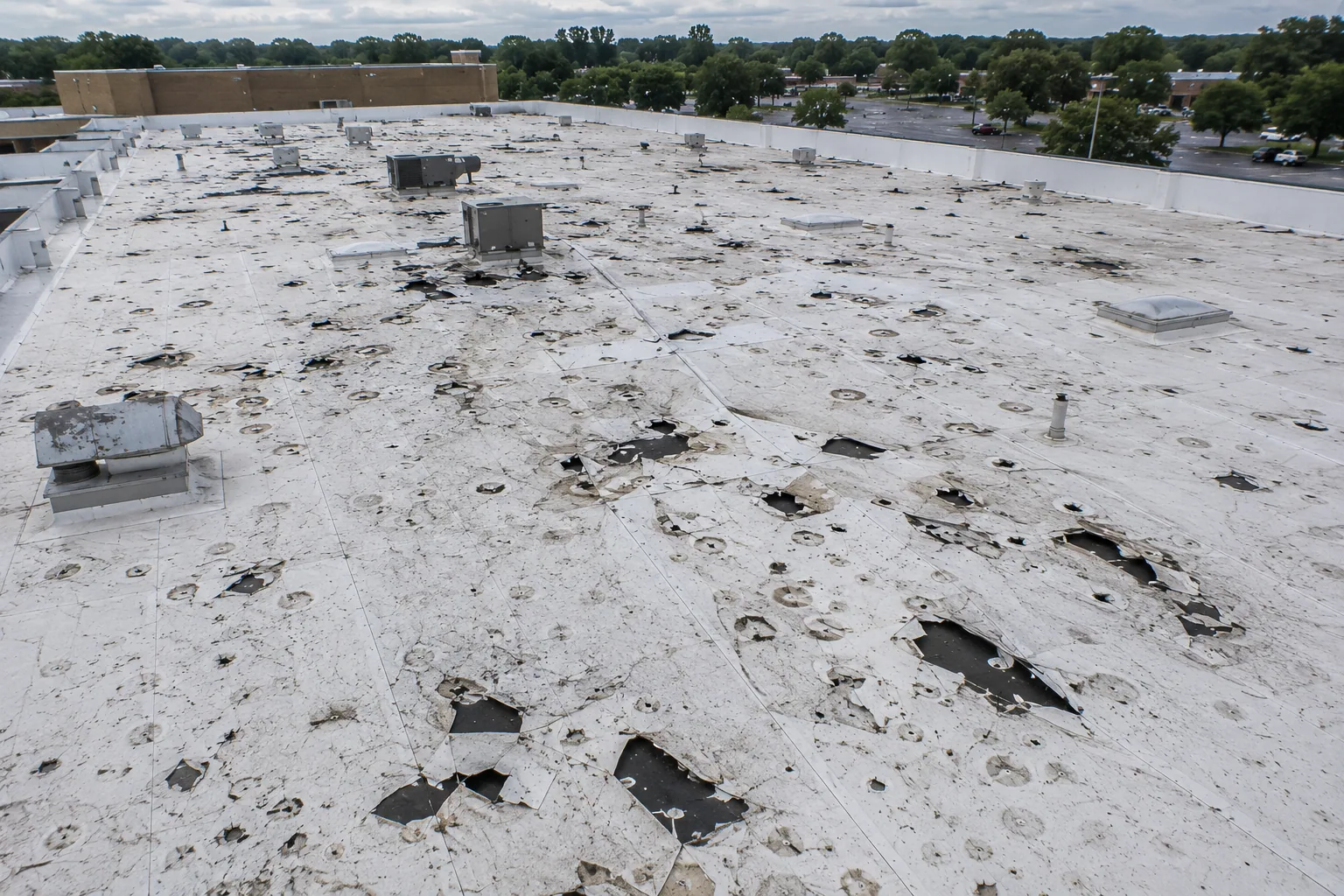
What does a failed flashing cost compared with the field of the roof?
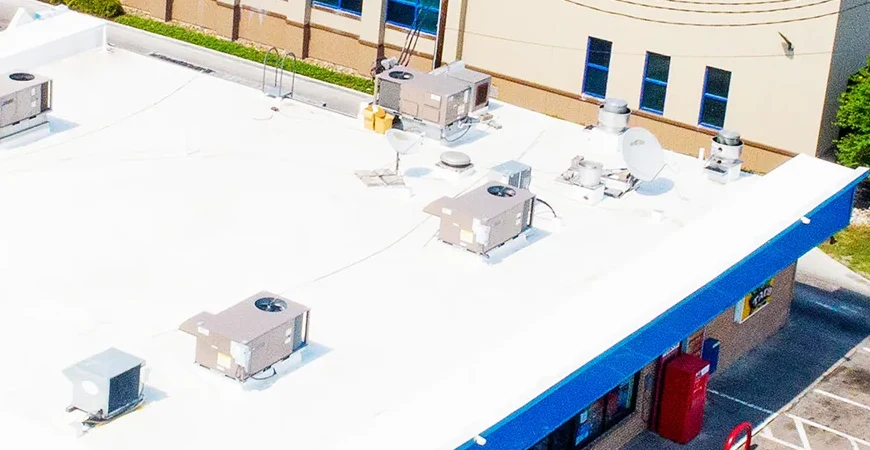
A roof's flashings and penetrations take up little of its surface and account for a large part of its leaks. Each one concentrates water, movement and workmanship in a few square feet. When a detail fails, the water goes straight into the insulation at the curb or pipe, and from there it travels along the deck to somewhere unrelated. A repair at the stain rarely addresses the entry point. A flashing found in a scheduled review is repaired for the price of materials and a short visit, while one found through a wet ceiling often comes with an insulation repair, an interior repair and a conversation with the tenant. The best protection is a periodic review of every penetration and every equipment curb, paired with prompt fixes for the details that have started to open.
Commercial Roofing Questions
Can an Alsan liquid flashing go over old sealant and coal tar?
Not directly. Old sealant and tar must be removed or isolated, since the resin bonds to a sound surface and not to a soft one. A small test patch shows whether the primer takes. If adhesion fails, the detail is rebuilt with a different method rather than layered over a weak base.
Is a torch-applied modified bitumen roof a fire risk on a building with tenants?
It can be, which is why many occupied buildings use self-adhered or cold-applied sheets instead. Where a torch is appropriate, a fire watch, clearances and a hot work permit under the adopted fire code reduce the risk to a level an owner and an insurer can accept.
How do I know whether my roof has Sopralene on it?
Closeout documents name the product, and sheet labels or a core sample can confirm the system type. Owners of older buildings often find the file incomplete. We document what is on the roof during the first review so the next decision starts with a record.
What makes a flashing repair last through a Tri-Cities winter?
Clean surfaces, correct primer, reinforced resin and a termination that sheds water rather than collects it all matter. Movement in the pipe or curb must also be addressed, since a rigid repair on a moving detail cracks at the first deep freeze.
Do older masonry buildings downtown need a different roof detail than a new warehouse?
Parapet walls, cornices and old masonry hold and release water differently, so counterflashing and coping details carry more of the load. Mortar joints that have opened let water into the wall. We inspect the wall and the roof edge together before specifying anything.
Related Roofing Pages
Infrared and Core-Cut Moisture Surveys
How the work is scoped, phased and documented on Tri-Cities roofs.
Johns Manville Commercial Roofing
What we check, what we recommend and how the crew keeps the building running.
GAF Commercial Roofing Systems
Conditions, options and next steps for commercial buildings in East Tennessee.