
Johns Manville Commercial Roofing in Johnson City, TN
A built-up roof is a laminate, with plies of glass-fiber or polyester felt bonded in hot asphalt so that each layer covers the weakness of the one beneath it. The method works because water has no straight path to the deck, and it fails in a particular way when a little moisture is trapped between plies during installation. On a warm afternoon that moisture turns to vapor, the vapor pushes the layers apart, and a blister rises that can sit unnoticed for several seasons until a foot or a dropped tool breaks it. Johns Manville makes roofing materials of this kind, including glass-fiber ply sheets, SBS modified bitumen and single-ply membranes, and the materials are sound when they are installed dry and maintained. For an owner in Johnson City, TN, where winter lows average about 25 degrees Fahrenheit and the freeze-thaw cycle works the surface every cold week, the useful questions concern the layers already on the roof and how they will behave over the next capital cycle.
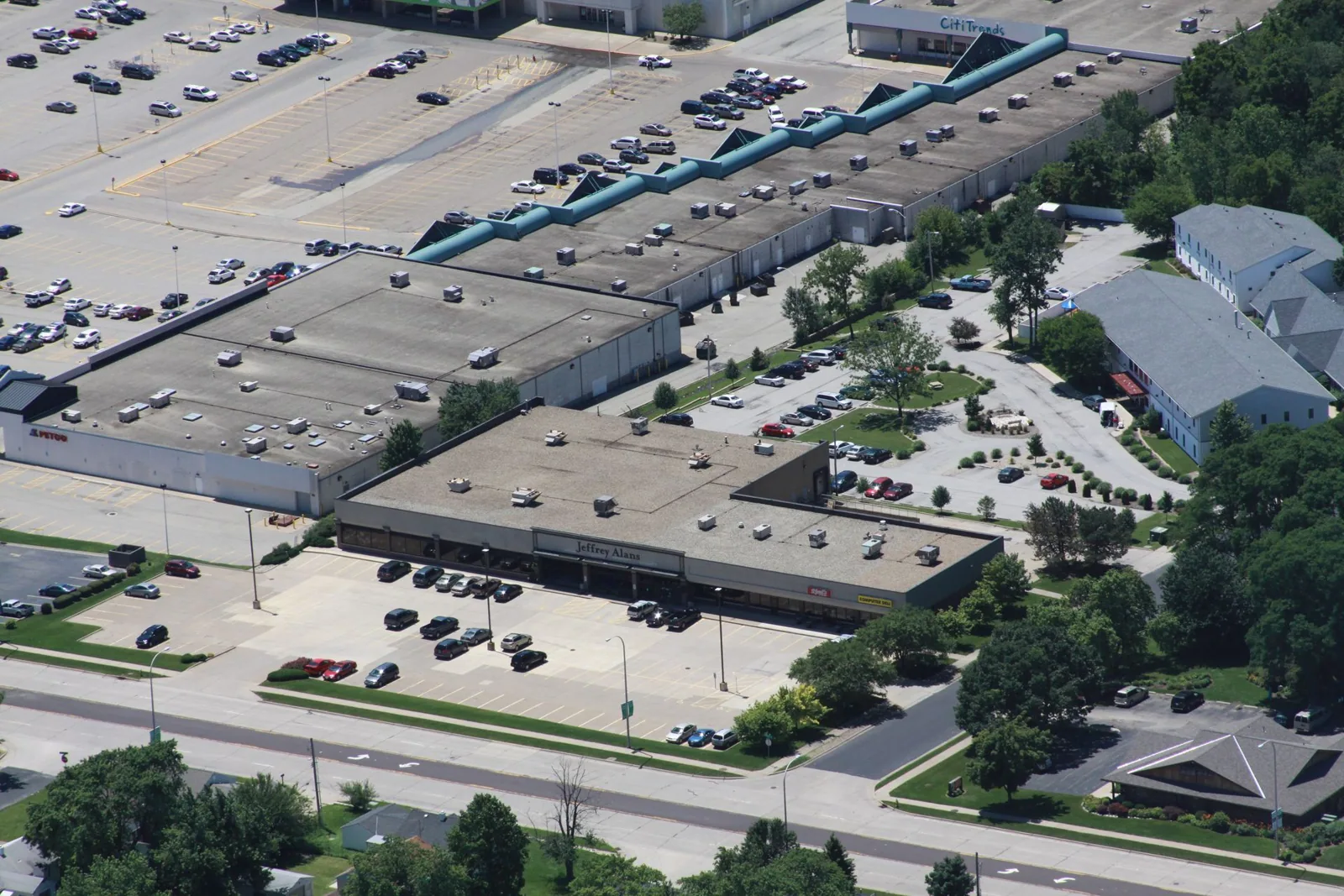

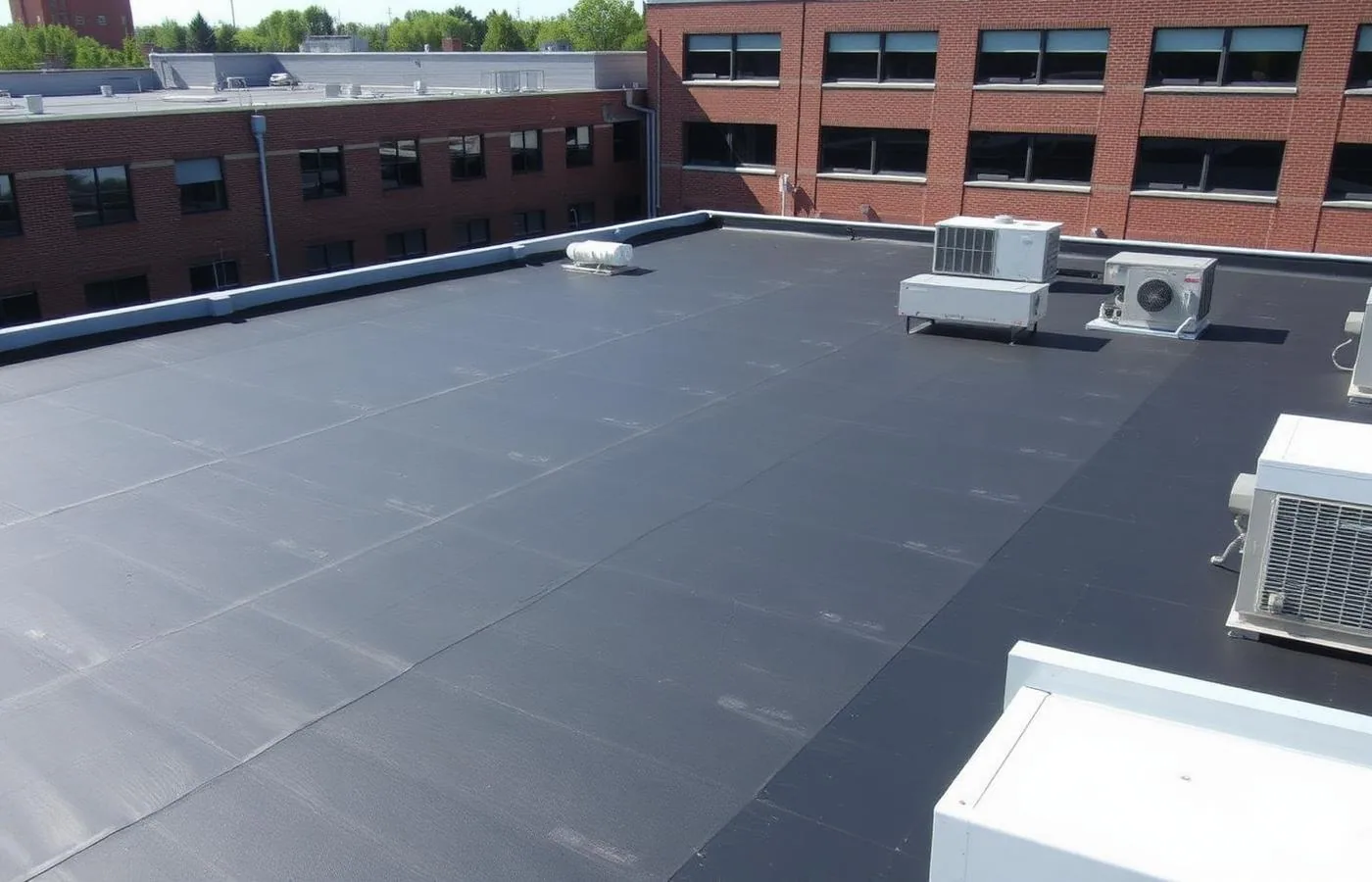
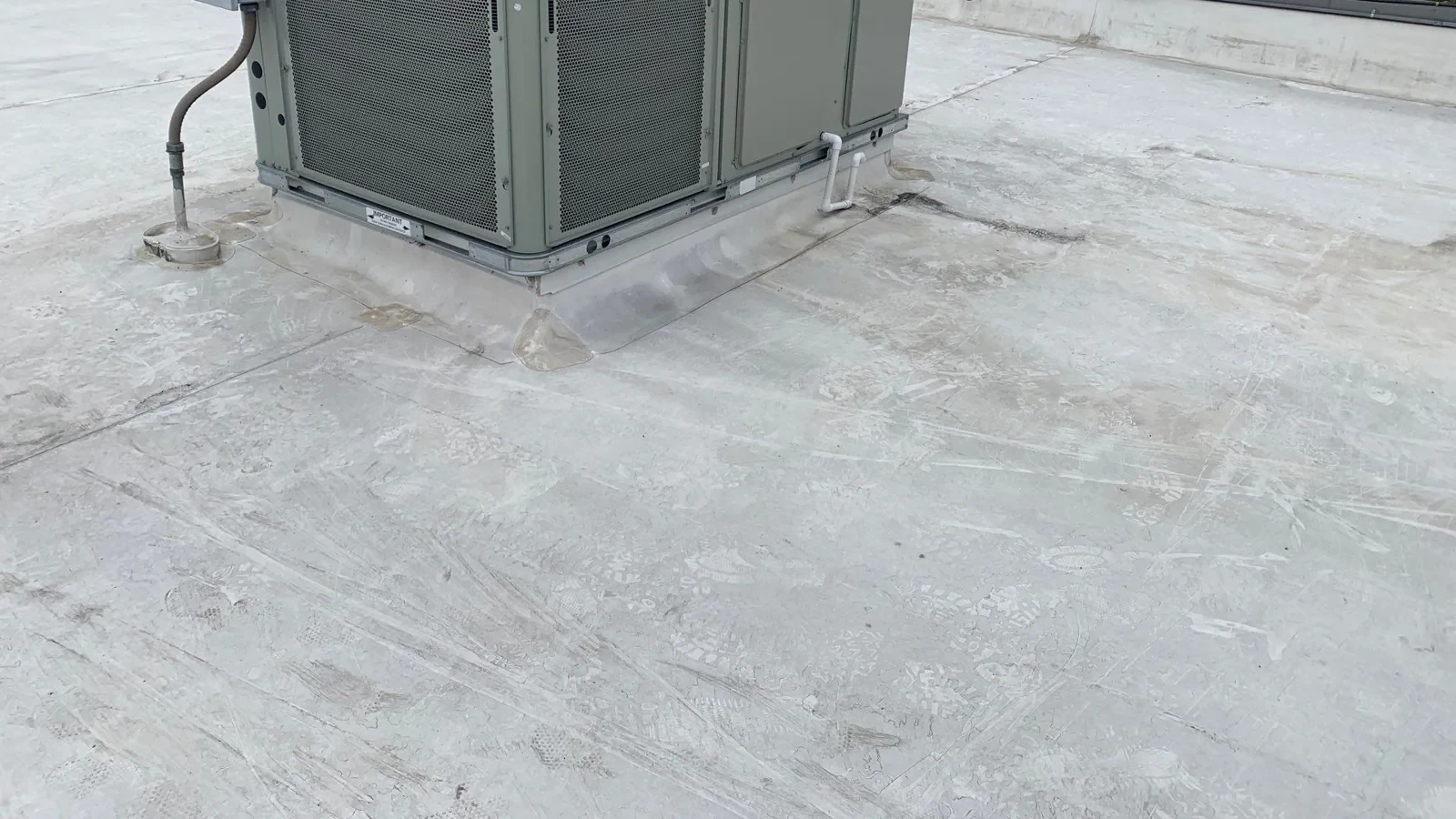
What is actually under the surface of an older multi-ply roof?
A multi-ply roof hides its history. Over the decades a building may have received a new cap sheet, a coating, an added curb for a rooftop unit and a patch over a drain that was moved, and the stack of layers can be thicker than the owner knows. We start by taking small test cuts at representative spots, because a core shows the ply count, the insulation type, the condition of the asphalt between the layers and whether any layer holds water. Surface features guide the cuts: blisters, ridges where felts have split, alligatoring on the cap, and open laps at the flashing. An infrared moisture survey maps wet areas across the whole roof without a cut, and the cores confirm what the scan suggests. The record that results lets an asset manager choose between a restoration, a recover and a tear-off on facts, and it keeps surprises out of the middle of a project.
Open a core before you commit to a replacement plan
Call Commercial Roofing Johnson City and we will cut test cores, scan for wet insulation and write up what the existing layers can still do. You will have the facts to time the work to your capital plan.
Built-up, SBS modified bitumen or single-ply: which Johns Manville family fits which building?
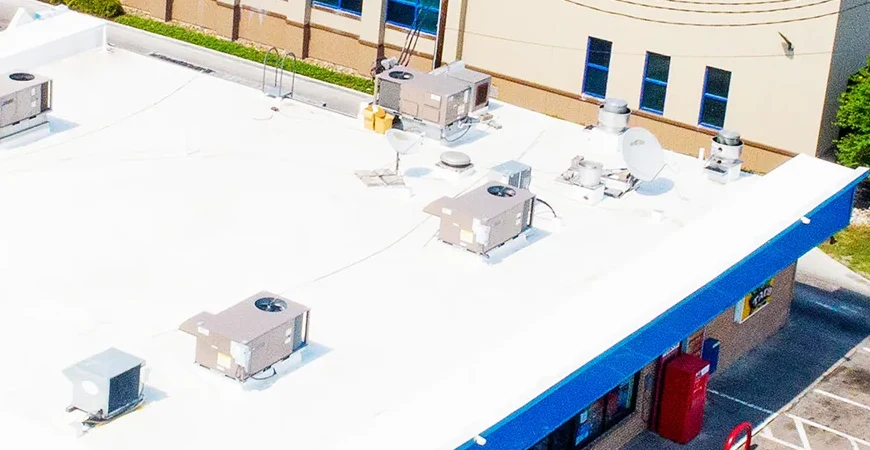
Johns Manville sells three broad families for low-slope roofs, and each trades toughness against speed and flexibility. A built-up system of glass-fiber plies and a mineral-surfaced cap offers the most layers between water and the deck, which suits roofs that carry service traffic and equipment. Modified bitumen with SBS rubber added to the asphalt stays flexible in the cold and can be applied by torch, hot asphalt or cold adhesive, and the method chosen has a large effect on schedule and fire risk. The single-ply sheets, TPO, PVC and EPDM, go down faster and weigh less but give up some resistance to puncture. For owners comparing manufacturers, the same asphalt-based categories are sold by Soprema and GAF, and the comparison should rest on the building, the traffic on the roof and the owner's tolerance for maintenance, rather than on which name carries more recognition.
How do hot work and tenant use shape the schedule on an asphalt roof?
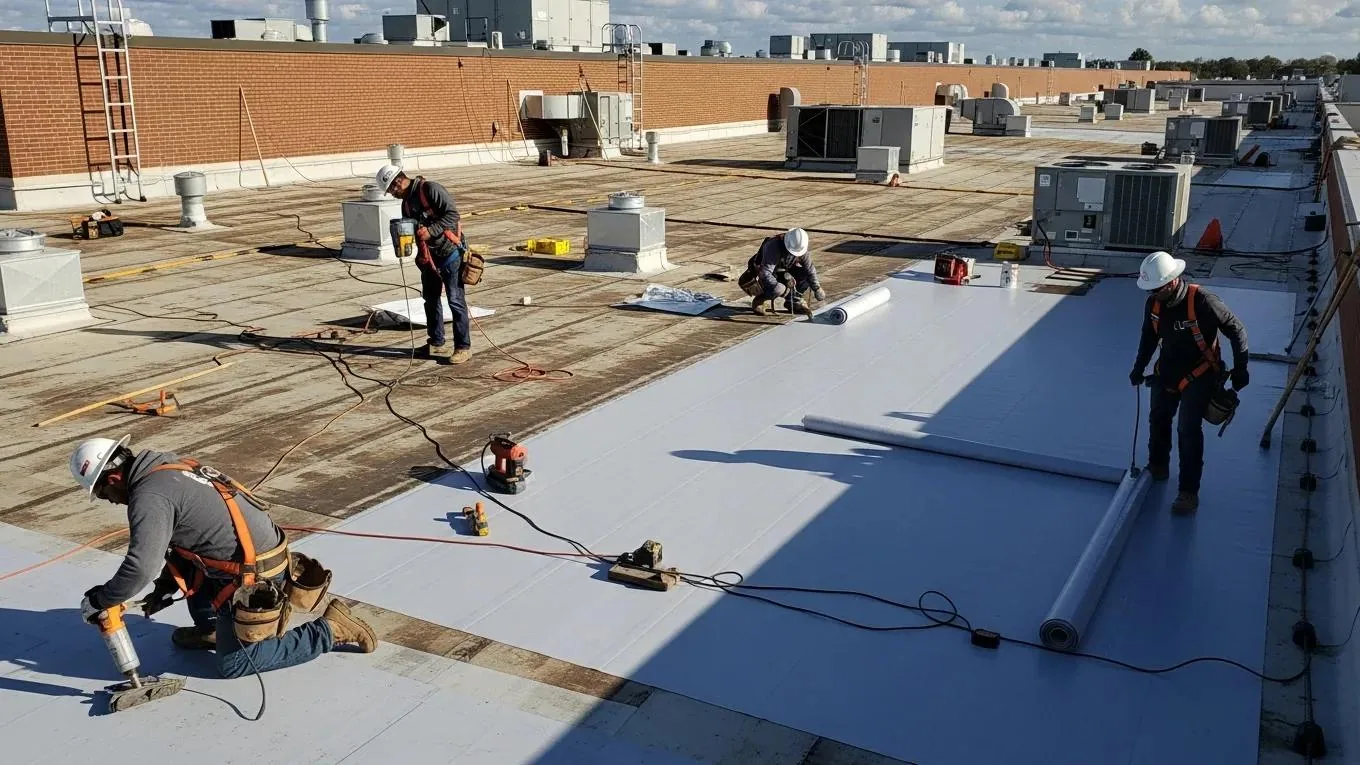
Hot asphalt and torches add risks that cold-applied systems do not, and those risks set the sequence on the roof. A kettle on the ground, a fire watch after the last application and a plan for where the fumes will drift all take time and attention. Johnson City has adopted the 2018 International Fire Code, which regulates hot work, so the permit and watch requirements are part of the schedule before the first roll comes off the pallet. On a building with tenants or patients, we favor cold-applied or self-adhered modified bitumen near air intakes and open windows, and we reserve hot methods for sections where the fumes can be kept clear of occupied spaces. Mornings that start above freezing and stay dry give the best adhesion, so the sensible months run from late spring into early fall. An owner who approves the work in July usually gets a better result than one who approves it in December, because the roof is installed when it can be installed well.
Where does Johnson City's older building stock meet multi-ply roofing?
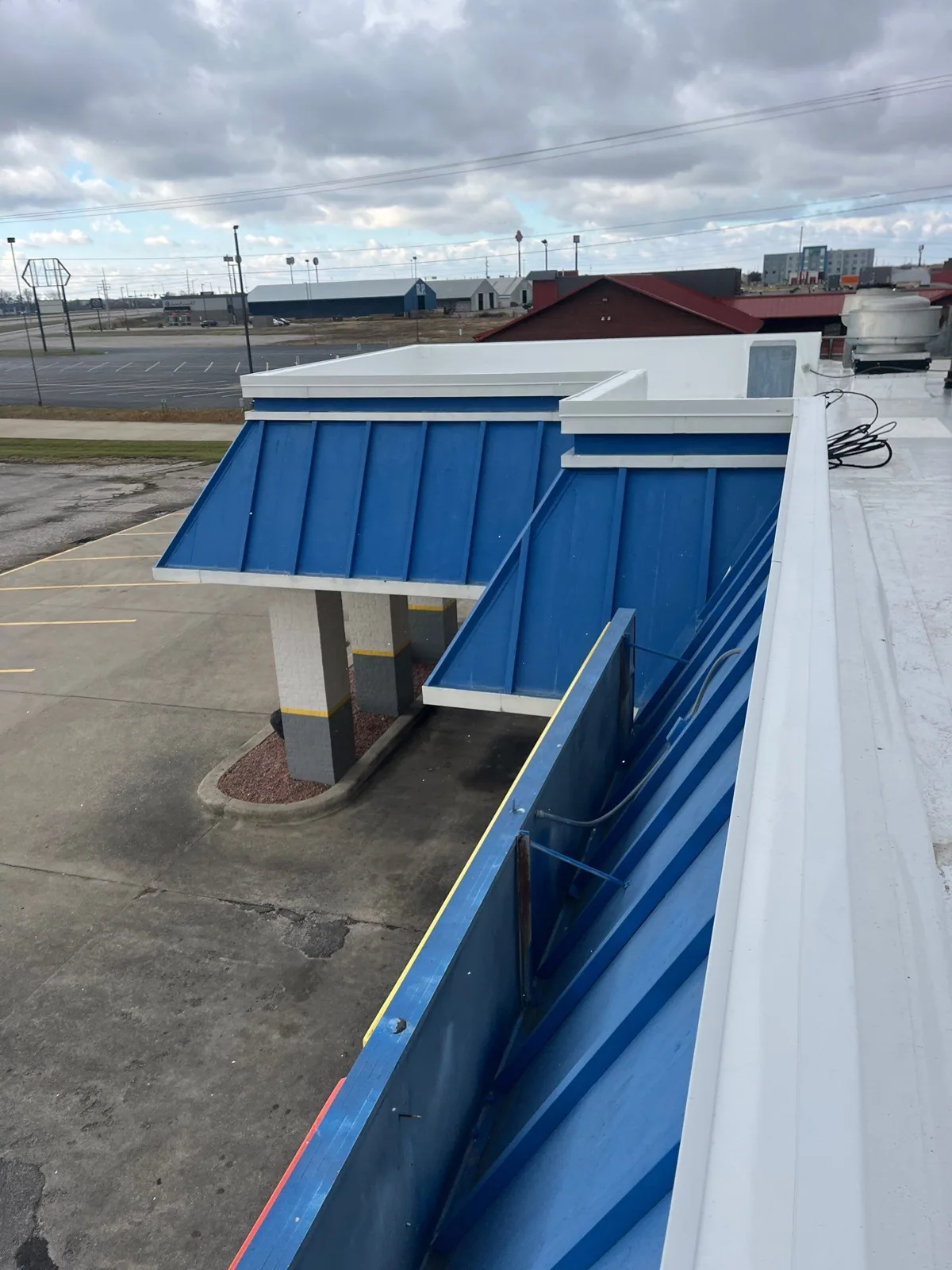
The Mountain Home VA campus is a designated National Historic Landmark District, a Beaux Arts campus that opened in 1904 and still uses many of its original buildings, and downtown Johnson City, which grew as the railroad hub Johnson's Depot, has a historic commercial core of older masonry buildings. Older buildings gather roof layers as they gather mechanical additions, and replacing a membrane on one means identifying what is beneath it before choosing an overlay or tear-off. The adopted 2018 International Energy Conservation Code governs how much insulation a replacement roof must carry, and the code official, not the roofer, decides how it applies to a designated historic building. The Mountain Home VA campus and the downtown commercial core are the sort of settings where a Johns Manville asphalt-based system earns consideration, because multi-ply roofs have been used on this kind of building for a long time. Whether it is right for a particular roof is a question the cores answer.
What does one blister cost if it is left through two winters?
A blister is a pocket of trapped moisture and air under the cap, and the freeze-thaw cycle works on it as it works on a crack in pavement. Meltwater enters a broken edge, freezes and lifts the surface, and the next thaw sends water into the plies below. After two winters, a repair that would have been a patch of the cap sheet may involve cutting out the damaged plies, replacing wet insulation and rebuilding the surface. Meanwhile, a roof with wet insulation loses its thermal value and adds weight to the deck. The scale of water that Hurricane Helene brought to Northeast Tennessee in September 2024 is a reminder of how much a broken edge can be asked to shed, and a blistered cap gives a storm many such edges. A capital plan can absorb a scheduled patch, but it cannot absorb a mid-winter emergency without displacing some other building's project. The best case for waiting is a roof with dry insulation, sound laps and drains that run clear, and the only way to prove that case is to look.
Commercial Roofing Questions
Can a blistered built-up roof be patched, or does the blister mean replacement?
A single blister over dry insulation is usually a patch, cut open, dried, filled and covered with new plies and a cap. A field of blisters with moisture beneath them points to a larger problem, and a survey should say how large before the owner commits money to piecemeal repairs.
Why do some modified bitumen systems avoid an open flame?
A torch near insulation, wood blocking or a tight parapet raises fire risk, so owners with occupied buildings often prefer cold adhesive or self-adhered sheets. Those methods trade a little speed and some low-temperature limits for safer work near people and equipment.
How do the single-ply Johns Manville sheets compare with the asphalt system they replace?
Single-ply goes down faster and weighs less, which helps older structures, but it needs careful flashing and gives up some puncture resistance. Asphalt systems tolerate foot traffic and heavy service better. The building's usage should drive the choice, not the brand.
Will the adopted 2018 energy code require more insulation when an older roof is replaced?
Replacement work generally triggers the code's insulation requirements, with exceptions that the local code official rules on. Designated historic buildings, like those at Mountain Home, may be treated differently, so we raise the question with the building official early.
What does tearing off a multi-ply roof add to the budget compared with other systems?
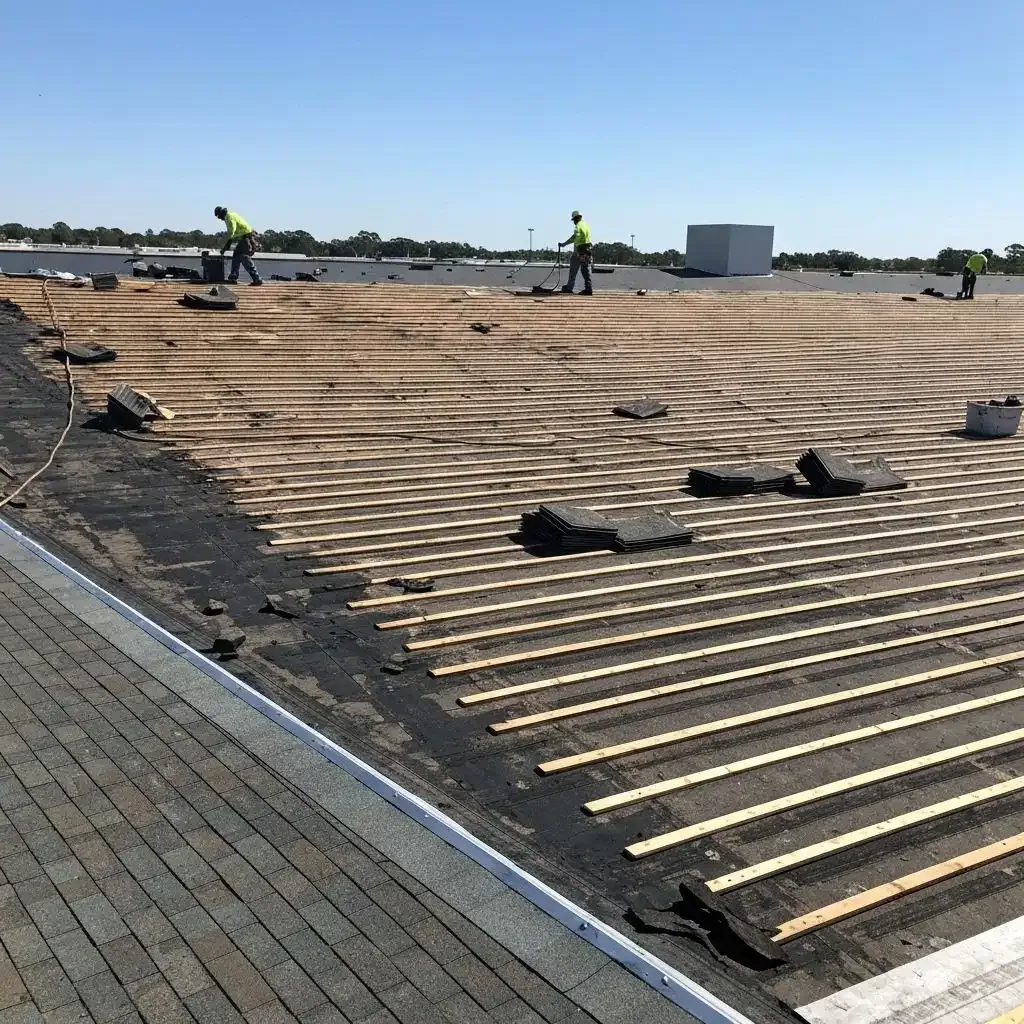
Disposal weight, labor to remove several layers and the chance of finding wet insulation or damaged deck all raise the cost. Cores taken before bidding reduce the guesswork, and a recover is a realistic alternative only if the layers beneath are dry.
Related Roofing Pages

Infrared and Core-Cut Moisture Surveys
How the work is scoped, phased and documented on Tri-Cities roofs.
Built-Up Roofing (BUR)
What we check, what we recommend and how the crew keeps the building running.

Modified Bitumen Roofing
Conditions, options and next steps for commercial buildings in East Tennessee.