
Solar-Ready Commercial Roofing in Johnson City, TN
The panels on a commercial roof are built to keep producing long after the membrane beneath them has worn out, and that mismatch in lifespans is why roof preparation is the least expensive part of a solar project and the costliest to skip. Once racking is fastened down and strings are wired, replacing the roof underneath means disconnecting, lifting and resetting every module, which adds a second round of electrical and crane work to a job that was supposed to be finished. A building owner in Johnson City, TN who commits capital to an array before reading the condition of the assembly is betting that many seasons of production will run on a roof with an unknown number of seasons left. Condition data turns that bet into a schedule, with the reroof first, the array second, and the warranty paperwork in step with both.
What does it cost to reroof under an array that is already up?
The membrane under an installed array cannot be inspected the way an open roof can. Modules shade the surface, racking blocks the walk, and a slow seam leak or wet insulation beneath the panels can run for years before a ceiling stain appears. When the leak finally shows, the repair may require shutting down strings, removing rows, drying the area and resetting the equipment, and each of those steps is billed on top of the roofing itself.
That is the reason a roof that is more than halfway through its service life is better replaced before solar goes on, or recovered where the insulation proves dry. A commercial roof replacement done first costs the owner a fixed scope, while a replacement done underneath panels costs the same scope plus the labor of moving them. If the array is already in place, planned repair windows, tagged walk paths and a map of every penetration keep the next leak from becoming a multi-trade event.
Read the roof before the panels are ordered
Call Commercial Roofing Johnson City to have the membrane, insulation and drainage assessed for an array. You will have the findings in writing, so the roofing work and the solar work can be scheduled in the right order.
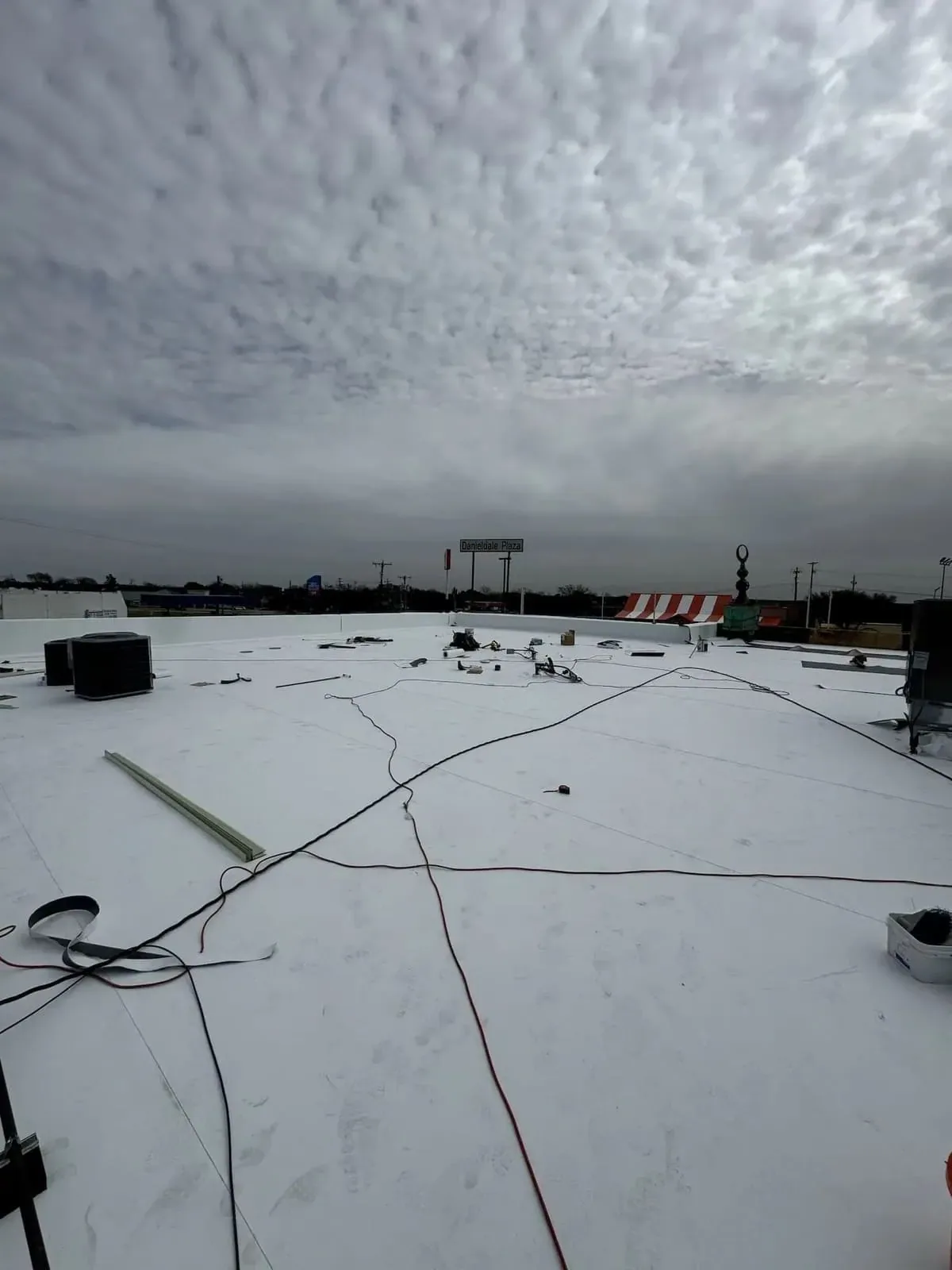
What does an array do to the membrane it sits on?
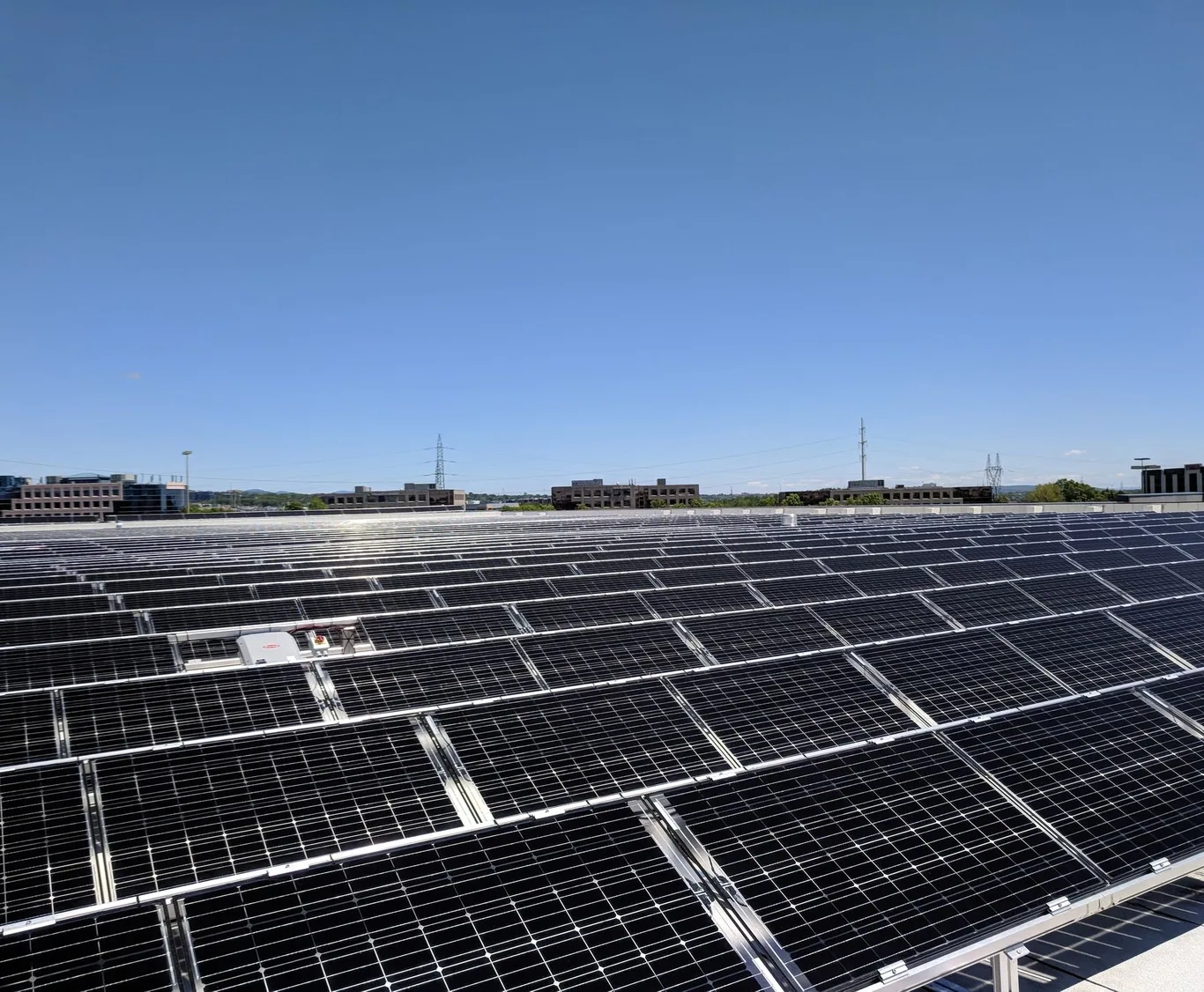
A rooftop array changes the roof in ways that are easy to overlook. The surface under the modules stays shaded and damp longer, which favors algae and slows drying after rain. The roof around them takes more heat reflected and radiated from the panel faces. Ballast blocks and rack feet put concentrated weight on membrane that was designed for foot traffic and not for permanent point loads, and thermal movement in the racking rubs against whatever sits beneath it, so a protection layer is not optional.
Water follows the same logic. Rows of panels can interrupt the drainage path that the roof's slope created, snow slides off a smooth panel face in sheets that load the lower edge, and conduit runs lie across the roof like speed bumps for water. Good solar preparation therefore starts with the drainage plan and the protection pads, because those are the details that decide whether the membrane lives out its term beneath the array or ends up disfigured by it.
Is this roof ready to carry panels?
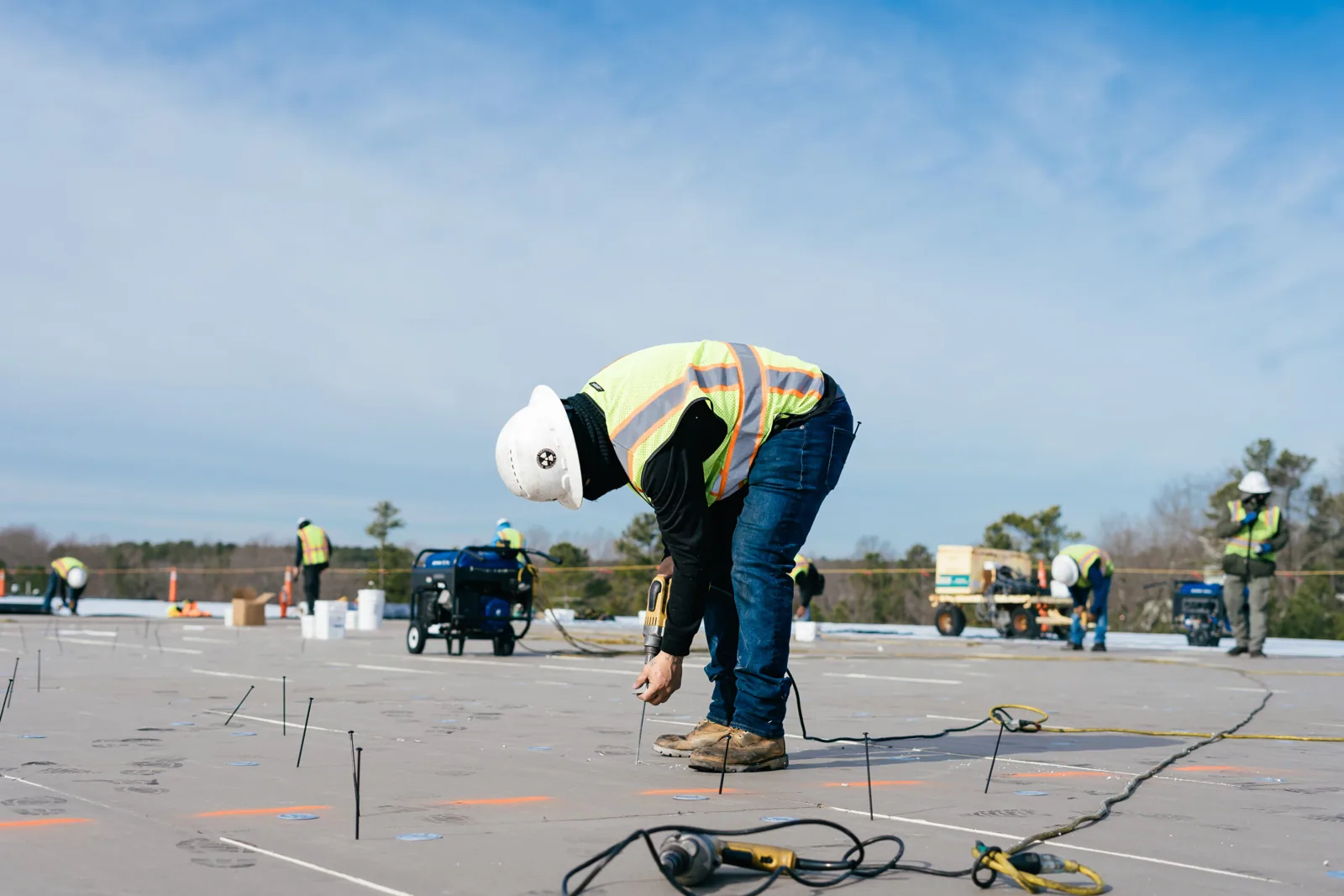
Readiness has four parts. The first is moisture: an infrared moisture survey backed by core cuts shows whether the insulation below is dry enough to build on. The second is the deck and framing, where a structural engineer's calculation of dead load, snow load and wind uplift is the only reliable answer on weight. The third is the insulation and cover board, which must resist the compression of ballast feet and the foot traffic of an installation crew. The fourth is the membrane itself, including its age, its seams and the state of every flashing that the array's conduit will pass.
Where those checks come out clean, the roof can carry a system with modest preparation, such as protection pads, additional walkway, and a map of reserved service lanes. Where they do not, the findings become the roofing scope that precedes the electrical contractor, and the owner has the specification in writing before any rack is ordered.
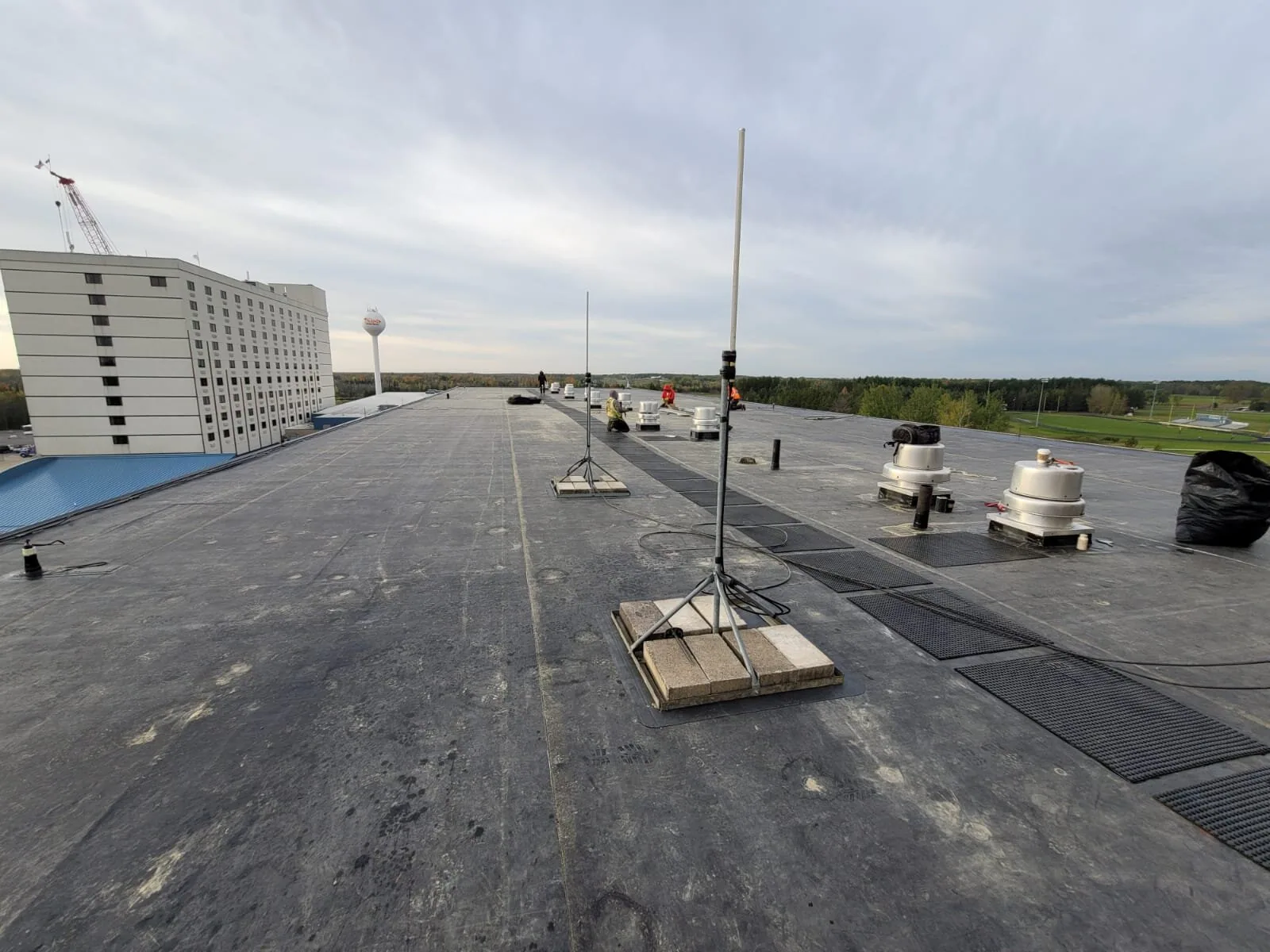
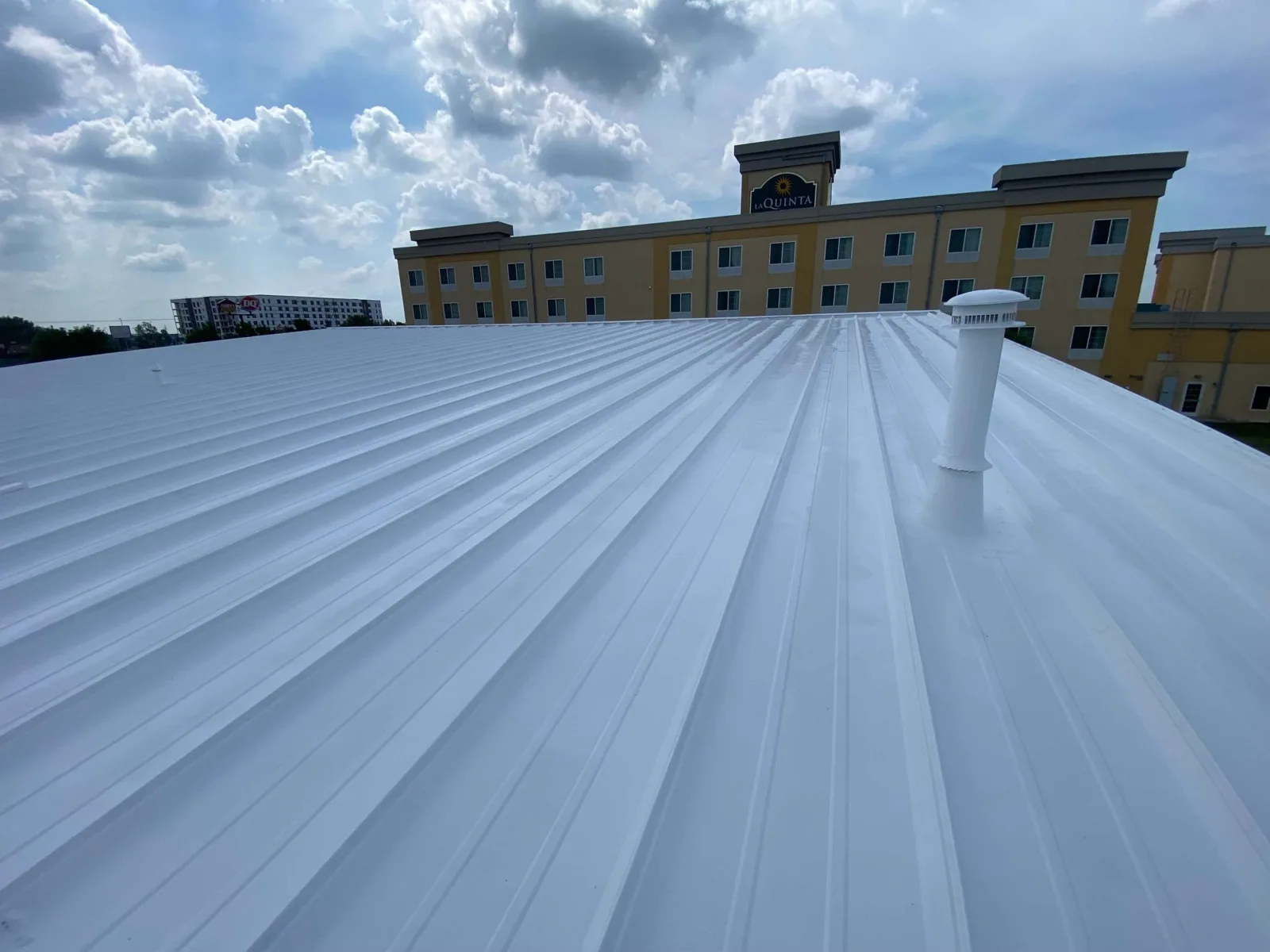
Ballast, attachment or clamps: which mounting treats the roof best?
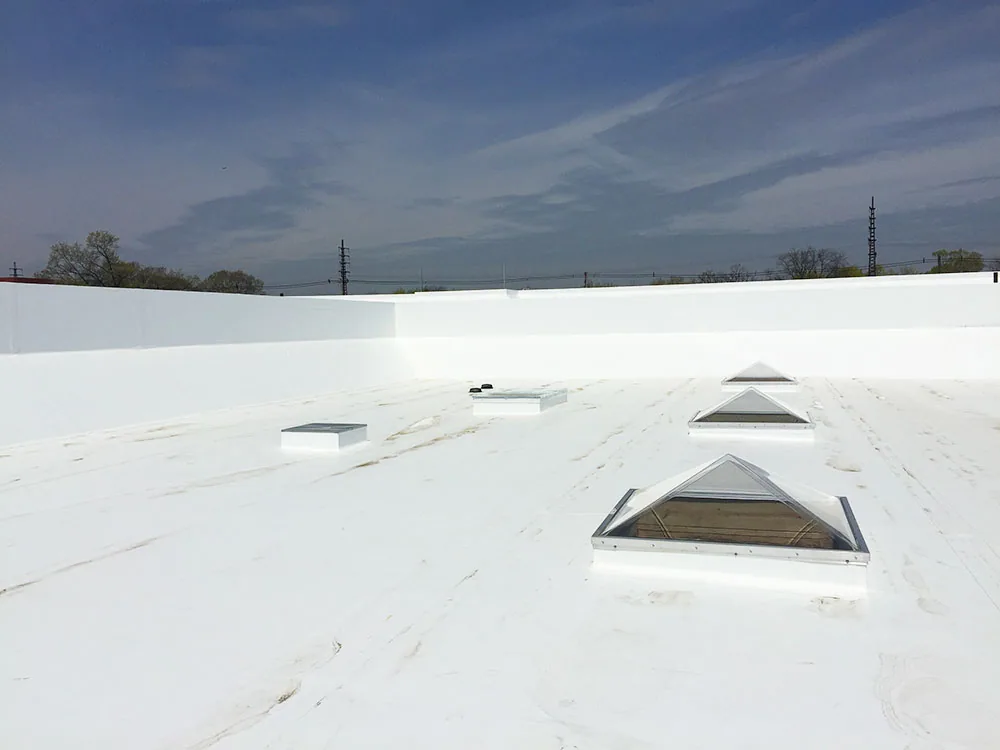
A ballasted system sits on the membrane by weight and avoids penetrations, which suits a TPO roofing system when the structure has spare capacity and wind loads are modest. Attached systems fasten through the membrane into the deck, which cuts the weight but creates penetrations that each need a flashed base and a long-term sealant plan. On standing seam metal roofing, seam clamps hold racking to the ribs with no holes at all, which is the cleanest option for the roof and the one most compatible with coordinated warranties.
No mounting method removes the need for coordination. Each manufacturer sets conditions for attachments, protection layers and detailing, and an installer who ignores them risks the membrane warranty. Our role is to specify membrane protection, flash every penetration to the manufacturer's detail, and document the work so the owner's roof warranty management file reflects what was done before and after the array arrived.
What do Tri-Cities snow, thaw and wind add to the layout?
Johnson City averages about 15.6 inches of snow a year and winter lows near 25F, so arrays here need clear lanes and drains where meltwater and sliding snow can leave the roof without refreezing in a sump. Johnson City has adopted the 2018 International Fire Code and the 2017 National Electrical Code. Before racking drawings are finalized, the design team should confirm which fire-access and electrical requirements apply to the building with the local code official and electrical engineer, then show required clearances, wiring and shutdown provisions in the coordinated plans.
The building types here reward early planning. Industrial plants such as the ebm-papst facility at the Washington County Industrial Park and the retail and grocery buildings near the I-26 exit at Boones Creek are among the commercial buildings where an owner might weigh rooftop generation. Whatever the building, Hurricane Helene in September 2024 showed how much water can arrive at once, so drainage that panels or conduit might obstruct is checked first.
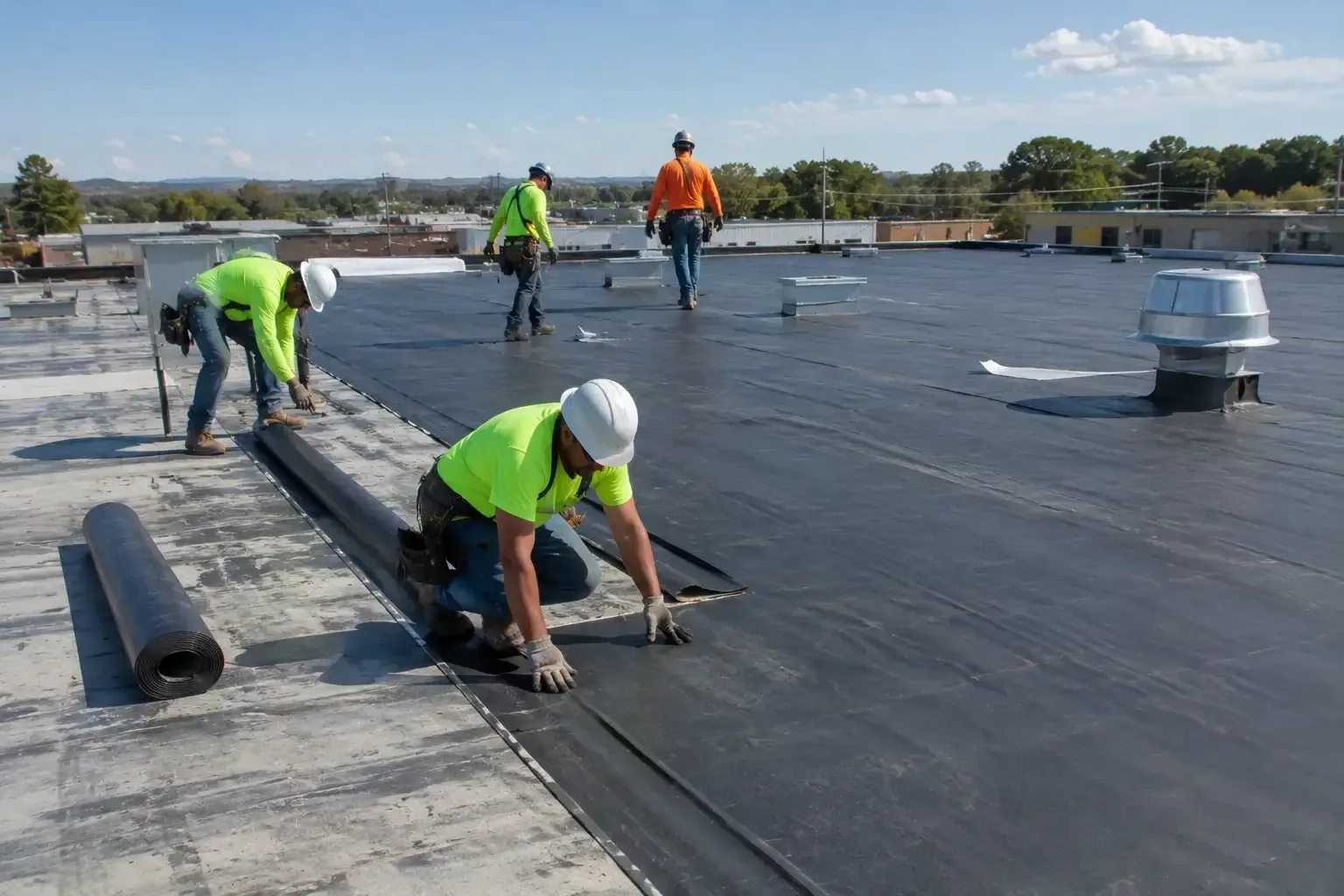
Commercial Roofing Questions
Should the roof be replaced before the array goes up or after it comes down?
Before, in nearly every case where the membrane has meaningful wear. Replacing under a live array means shutting strings off, lifting rows and resetting them, which adds labor and downtime on top of the roofing scope. A roof that tests dry and sound can carry panels now and be recovered or replaced later, as long as the plan expects that day and leaves service lanes.
Will racking affect the manufacturer's warranty on my membrane?
It can, if the attachment method or protection layer falls outside what the manufacturer allows. Terms vary from one manufacturer to the next, so the sensible step is to confirm the approved details before the rack goes in and keep a written record of the work. Penetrations flashed to the manufacturer's detail and documented with photos give the owner the cleanest file.
How do you find a leak under or beside a running array?
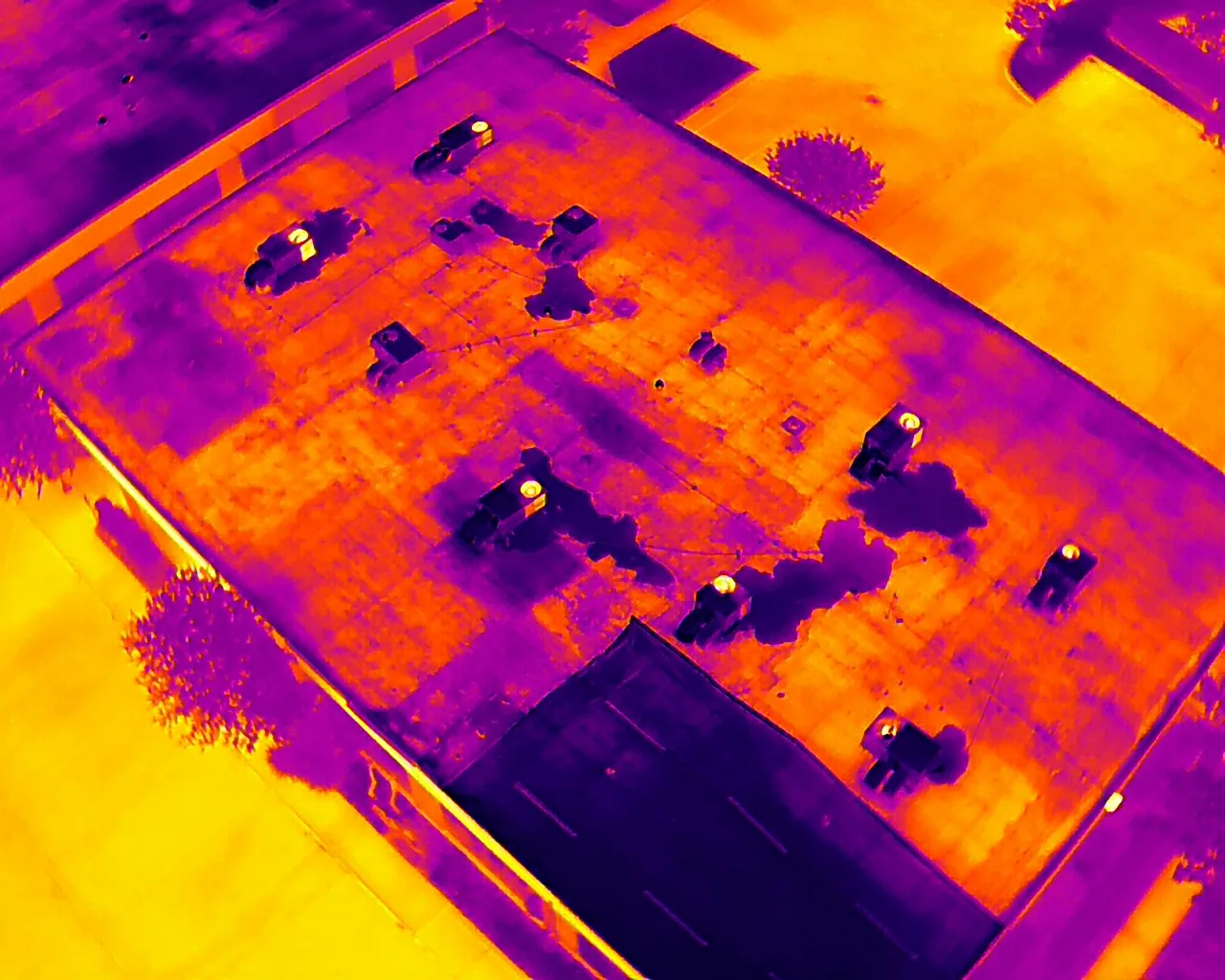
By mapping the roof rather than poking at it. A thermal scan at the right time of day reveals wet areas around and between rows, and a plan of every penetration shows which flashings share a path with the stain. Repairs are then scheduled with the electrical contractor so that only the affected strings are shut off and the rest keep producing.
Can a metal roof carry panels without any holes in the roof?
Yes, on standing seam metal that is in good condition. Clamps grip the raised seams and hold the rack in place without drilling through the flat of the panel, so the weatherproofing stays intact. The roof's age, fastener condition and panel gauge still need review, because a clamp is only as secure as the seam it holds.
How heavy a system can my roof carry?
Only a structural engineer's calculation settles it, using the actual deck, framing, snow load and wind exposure of the building. Roofing contractors can report what is up there, such as the deck type, the insulation thickness and any signs of past water, but the load number belongs to the engineer. That report is worth having before a design is priced.
Related Roofing Pages
Commercial Roof Replacement
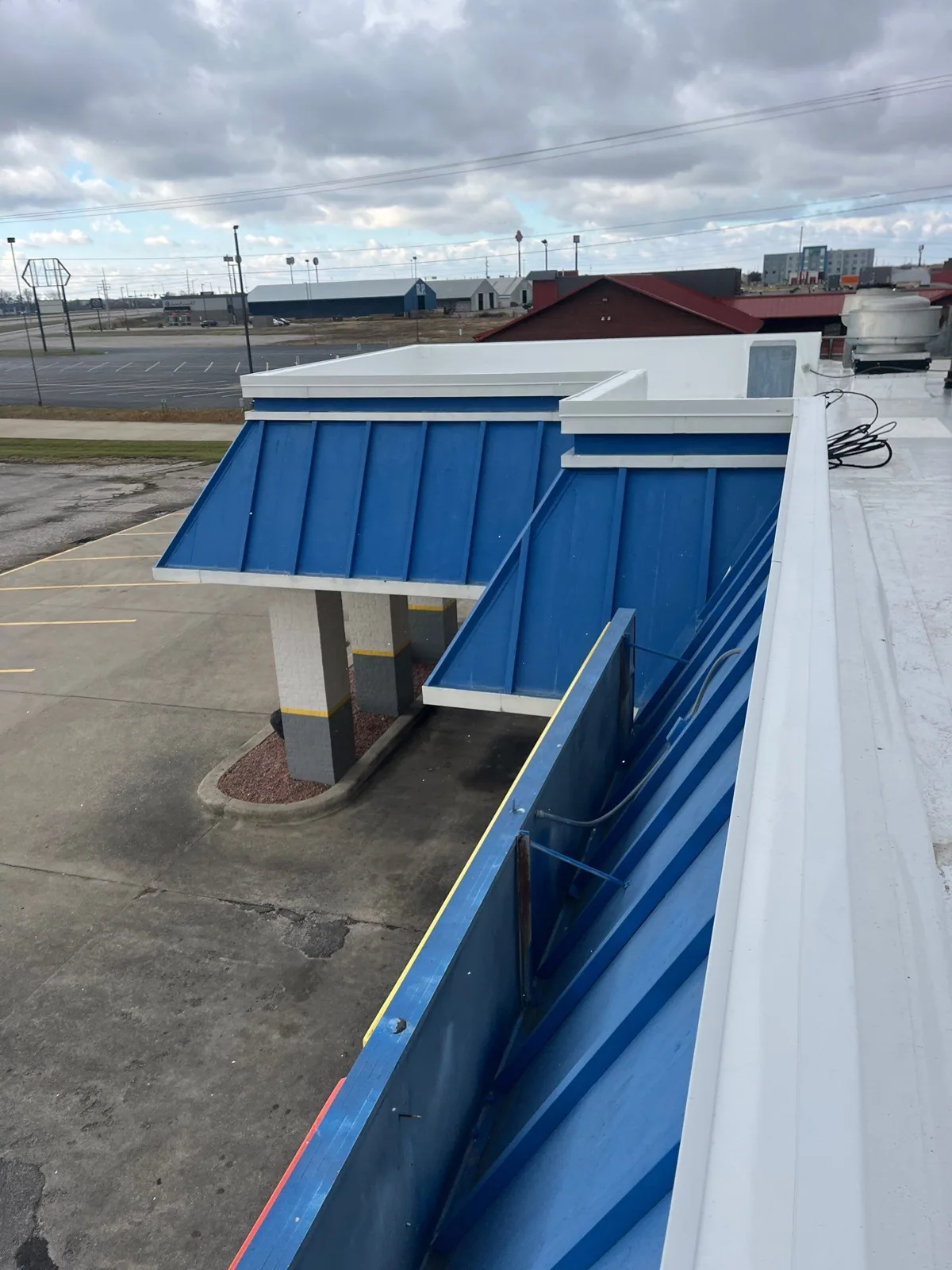
How the work is scoped, phased and documented on Tri-Cities roofs.
Infrared and Core-Cut Moisture Surveys
What we check, what we recommend and how the crew keeps the building running.
Roof Insulation, Tapered Systems and Cover Board
Conditions, options and next steps for commercial buildings in East Tennessee.