
Commercial Roofing in Bluff City, TN
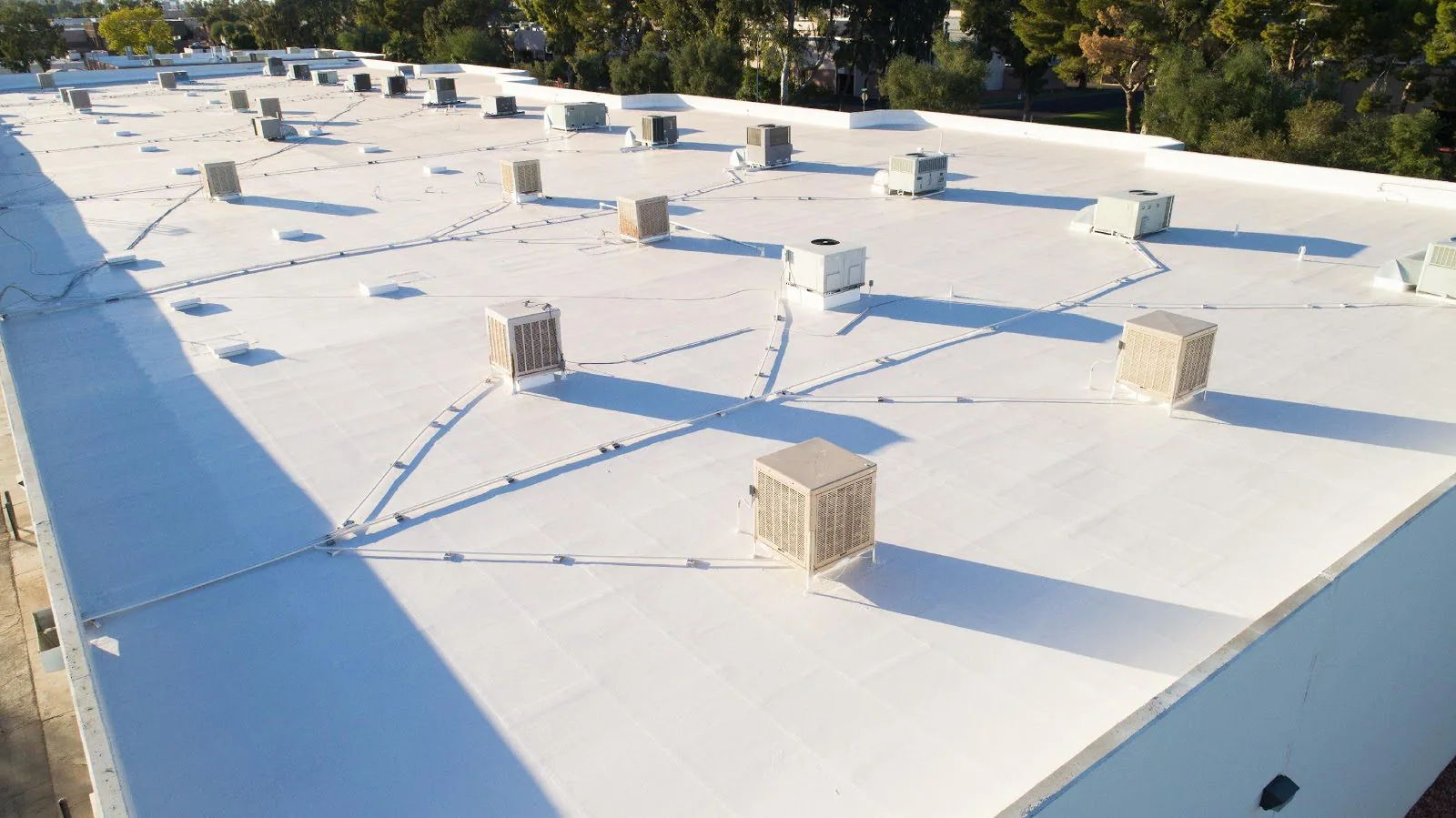
On a clear winter afternoon, snow on a flat roof melts and runs toward the drains, and by evening the same water is freezing in the sumps and strainers it was trying to reach. A drain that is frozen shut at midnight turns a low-slope roof into a shallow pond by morning, and the membrane under that pond spends hours with water pressing against every seam, patch and flashing. Bluff City, a Sullivan County city of 1,822 residents at about 1,450 feet along US 11E, sits in the winter weather of the Tri-Cities, where Johnson City, TN logs lows near 25F and about 15.6 inches of snow in a year. The cost of ignoring a roof that ponds is not the stain below it but the slow loss of the assembly: insulation that no longer insulates, a membrane that wears faster where water stands, and a deck that corrodes out of sight. We look at commercial roofs in Bluff City with drainage first, because drainage decides how long the rest of the roof lasts.
What does standing water do to a membrane that is otherwise sound?
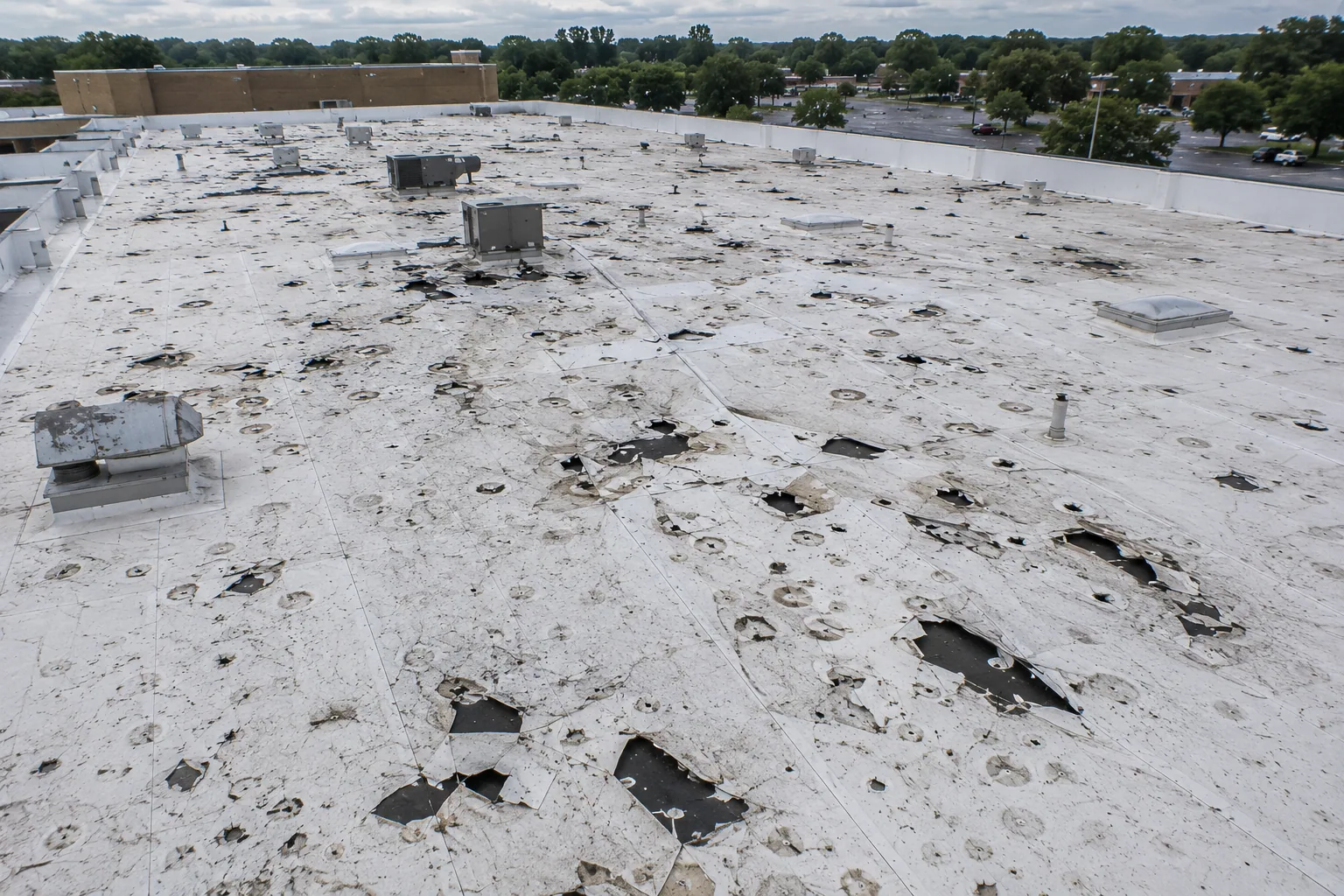
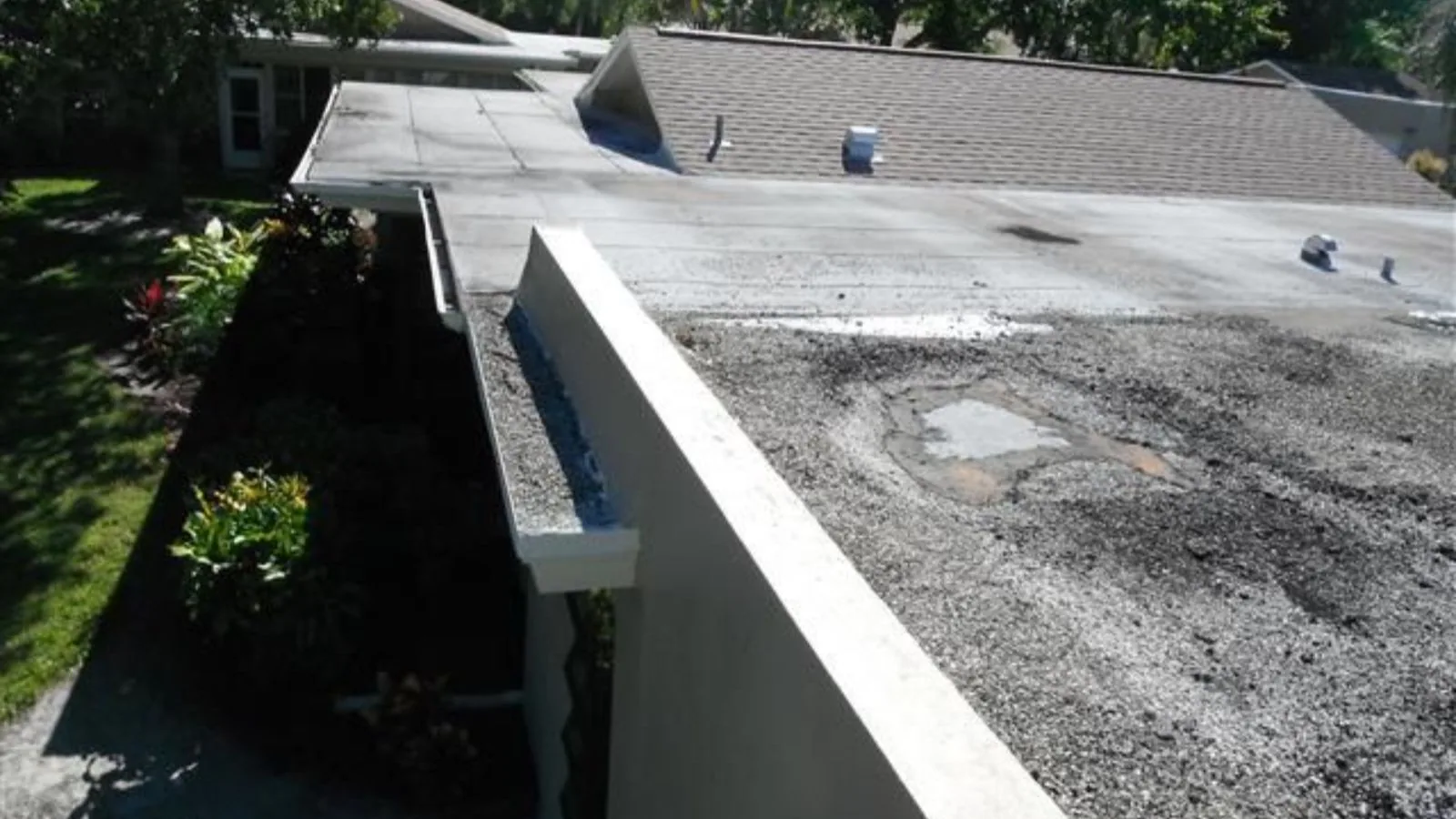
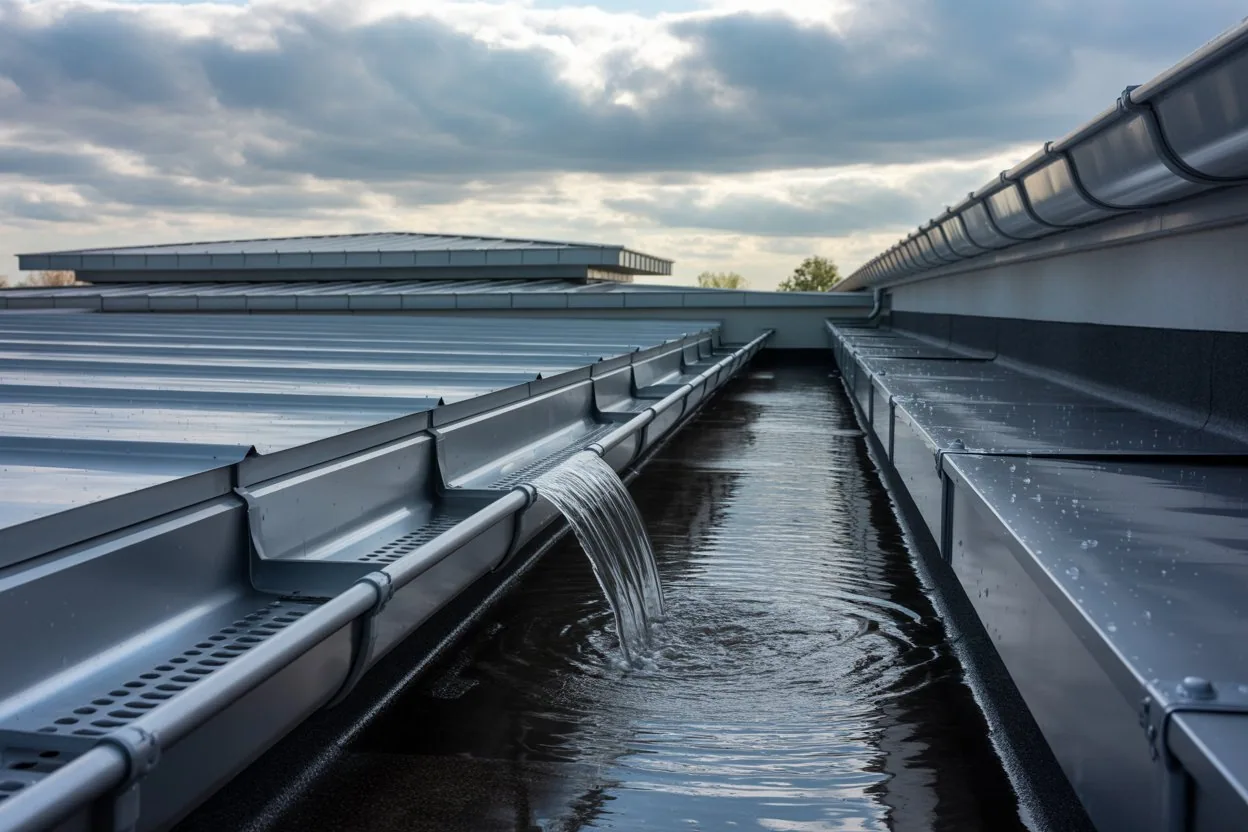
It does three things, and each one is slow. Water that stands for more than a day or two gives dirt and algae a place to settle, and the film that forms holds moisture against the surface and speeds its wear. Standing water also loads the deck, so a low spot deepens over the years as the structure deflects under the weight, and the deeper the pond, the longer it takes to clear. In winter that water freezes, expands and works at every lap and fastener. A roof that drains in an hour and one that holds water for two days can share the same membrane and the same installation date and have entirely different service lives. When we find a pond, we look for its cause: a drain set high, a blocked roof drain or scupper, a deflected deck or insulation that has compressed. The cure depends on which one it is.
Find the cause of the water before it finds the deck
Call Commercial Roofing Johnson City to arrange a drainage and condition walk of your Bluff City roof. You will receive photographs, moisture findings and a ranked scope to weigh against your capital budget.
How does Bluff City’s elevation affect roof planning?
Johnson City averages about 15.6 inches of snow per year, while higher mountain communities receive considerably more winter precipitation. Mountain City, at 2,418 feet, and Roan Mountain, at about 2,550 feet, stand above Bluff City’s 1,450-foot elevation, but regional averages do not determine the load on an individual roof. Slope, drift patterns, drainage and the existing assembly matter; an inspection should document those conditions before repairs or winter work are planned. Bluff City belongs to the Kingsport-Bristol metro, and a manager with buildings in Kingsport, Bluff City and Piney Flats can have their roofs read on the same schedule so the capital plan compares conditions across the portfolio.
Which parts of a roof get checked first before a freeze-thaw season?
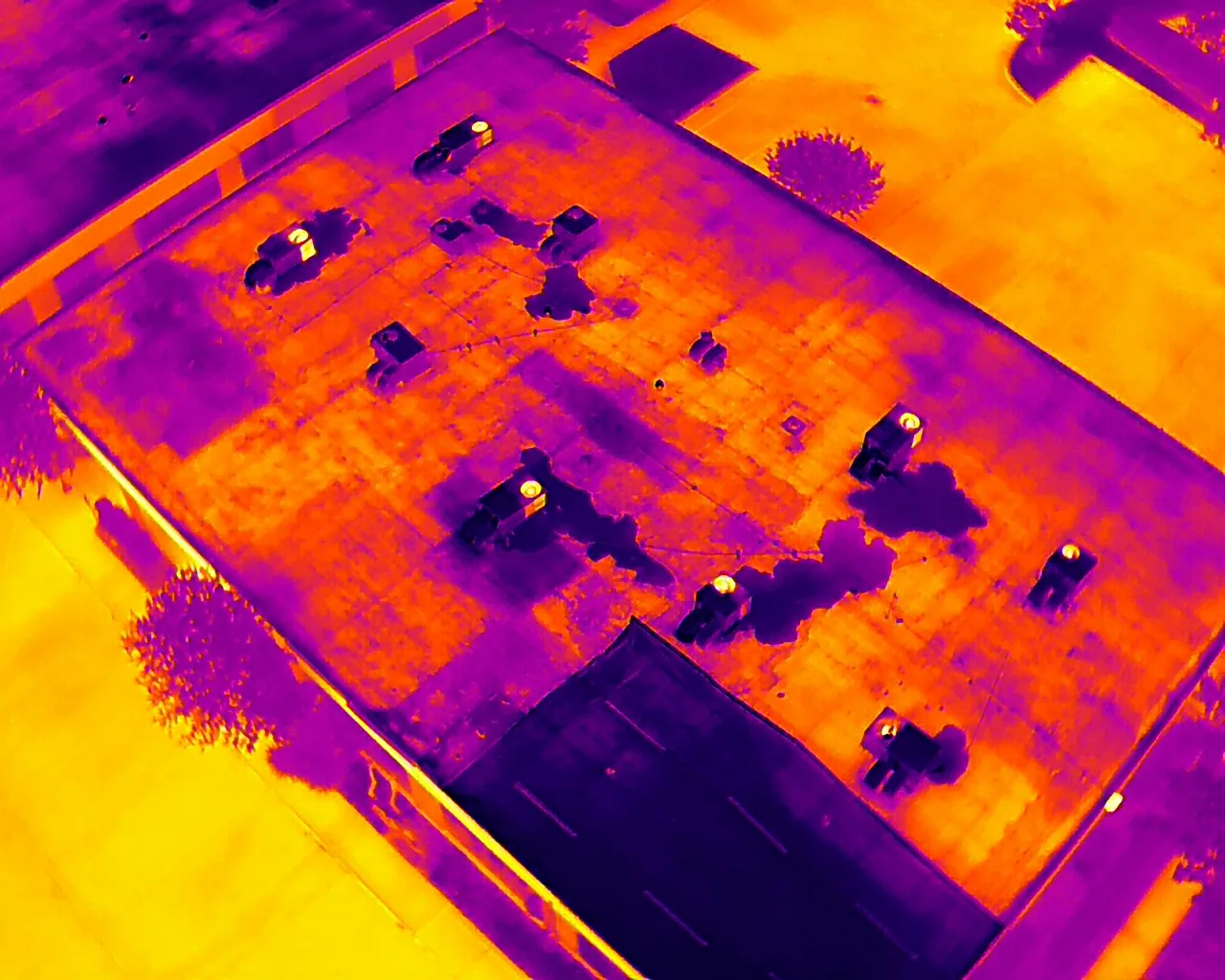
The drains, then everything that feeds them. We clear and flow-test each outlet, measure how much water the roof holds after a rain, and mark the low areas with photographs so the pattern is visible in the report. Then we read the membrane where ponds sit: surface crazing, open seams, softened or discolored areas and failed repairs. Flashings at walls, curbs and penetrations come last, because they show where the water that did not drain is working its way in. When the readings leave a question we confirm with an infrared survey and a few cores, and the owner gets a written commercial roof inspection report that states what is wet, what is sound and what each repair path would cost in labor and material terms. The report is built so a property manager can place the findings directly in next year's capital request.
Fix the drain or rework the slope: which cures a ponding roof?
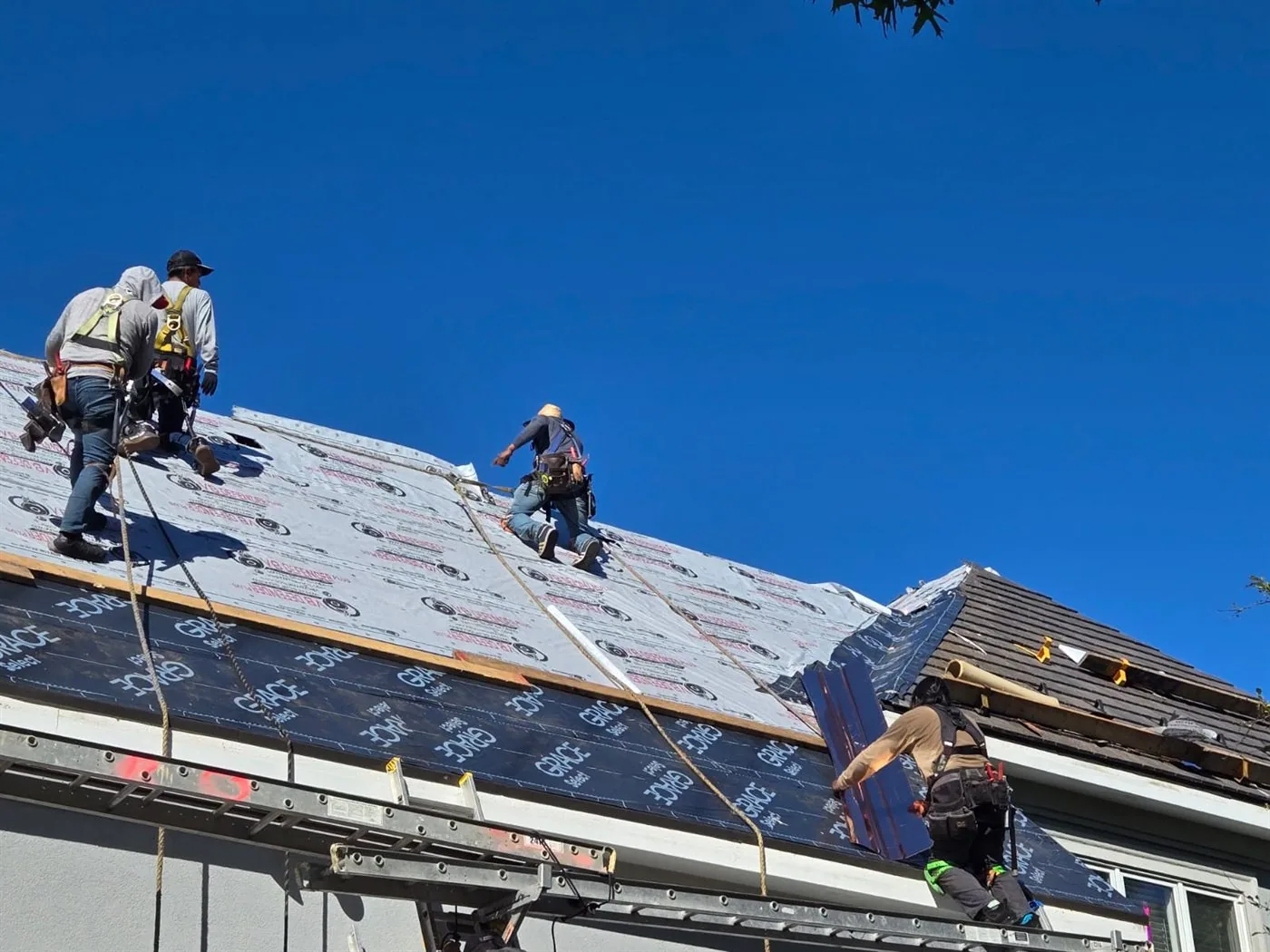
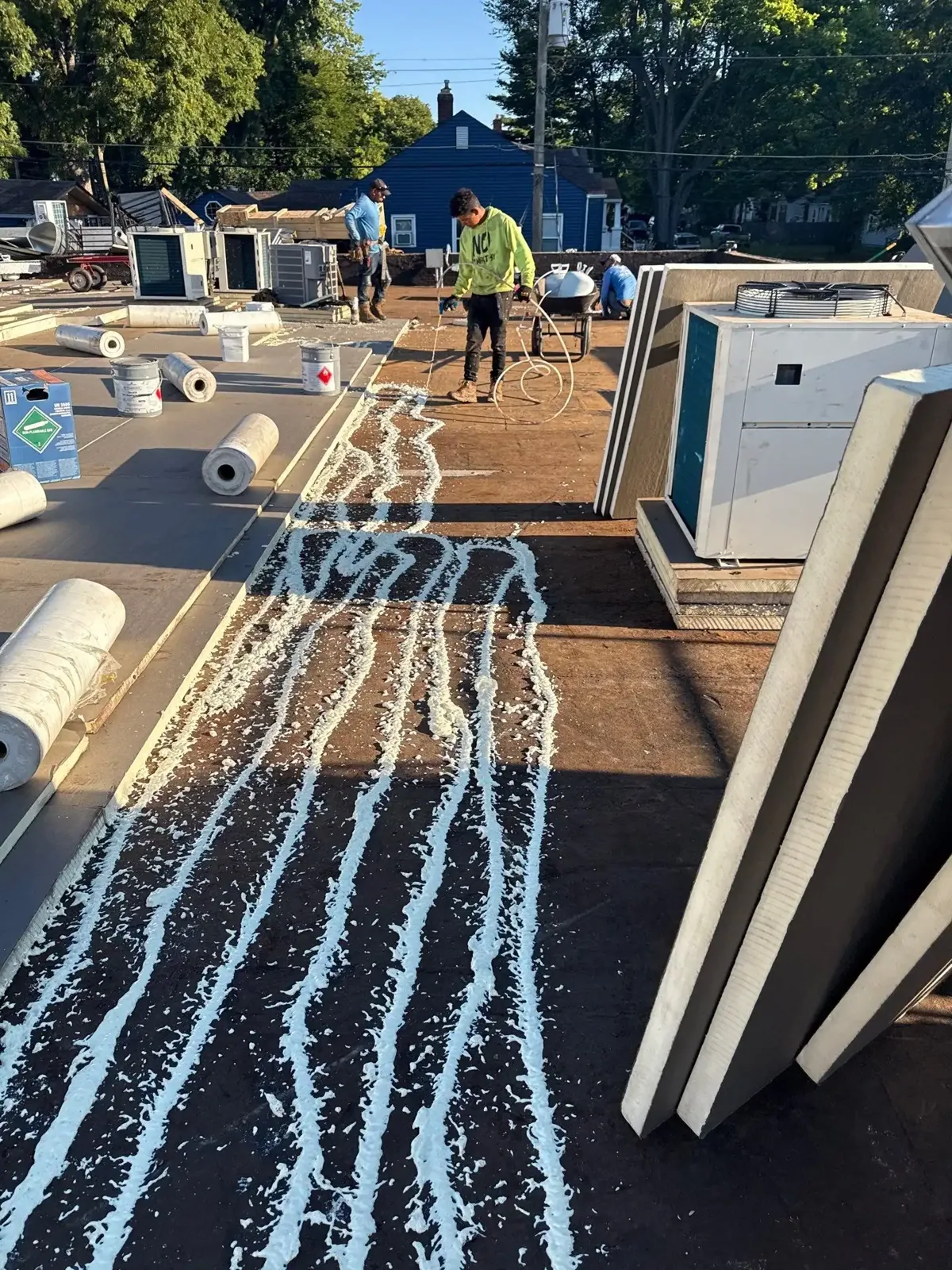
If the cause is a clogged or poorly set drain, correcting the outlet and cleaning the sump may be all the roof needs, and that is the least expensive result. If the deck has deflected or the insulation has compressed, the pond will return, and the lasting fix is tapered insulation that carries water to the drains, which is something a replacement or a recover with new tapered layers can deliver. Each cause calls for a different ponding water roof repair, and treating a deflected deck like a clogged drain only moves the pond. Where the insulation is wet, tapering over it only hides the problem, and the old layers come off. A new insulation and cover board layer also gives the membrane a firmer surface under foot traffic and under the weight of winter snow. Cost follows depth: the more layers removed and the more deck that needs repair, the larger the scope.
When in the year does reroofing go best, and what if a roof fails in January?
Spring through early autumn gives adhesives and welded seams the dry, moderate conditions they need, so the best plan is to gather condition data over the winter and book the next warm window. A January failure is a different problem, and emergency response runs around the clock, holidays included. In cold weather we stabilize the roof with temporary dry-in, protect the insulation from further wetting and schedule the permanent work when conditions allow. The snow and ice damage repair that follows a hard week is cheaper when it is limited to the damaged area, and that is more likely when someone has walked the roof before the season starts. A preventive maintenance visit before the first freeze, with drains cleared and loose flashings sealed, is the least costly work in the whole cycle.
The day’s forecast still governs the final call. A seasonal average helps with capital planning, but crews need a dry substrate and temperatures inside the product’s installation window. If a cold front or rain interrupts a planned repair, the scope should identify a safe stopping point and a temporary cover method before work begins. That is especially important around drains and low points, where a partly completed detail can collect water faster than the open roof field.
Commercial Roofing Questions
When does standing water on a flat roof stop being normal?
A day or two after a rain is a warning sign, and anything that remains beyond that is a problem to diagnose. The water itself is rarely what fails the roof; the repeated wetting and freezing at seams, plus the extra load on the deck, shorten the roof's life. We measure where the water sits and for how long, then trace the cause.
Do frozen drains cause leaks, or only inconvenience?
They cause both. A frozen drain keeps water on the roof, and the pressure of a pond finds seams and flashings that stay tight under ordinary rain. Keeping strainers clear before the first freeze and checking them after a thaw is inexpensive protection.
Is tapered insulation worth adding when only part of the roof ponds?
Often, when the cause is the deck or the insulation and not the drain. Tapered boards add slope only where it is needed, so the scope can stay limited to the affected area instead of the entire roof. Where the pond is a drain problem, correcting the drain costs less and works as well.
What can a manager of buildings across the Kingsport-Bristol metro do to keep roof data consistent?
Have each roof read with the same method and the same report format, so findings from one building compare cleanly with the next. A shared scale for condition, moisture and remaining life lets the manager rank spending across the portfolio, including a site near Piney Flats and one farther out. A survey on a regular cycle also keeps the data current.
Should the drains be inspected after snow even when nothing is leaking?
Yes, particularly after melt, because a blocked outlet shows no sign inside until water has been standing for days. Debris collects at the strainers during a thaw, and a quick clearing visit can save the membrane a wet week.
Related Roofing Pages
Roof Drains, Scuppers and Ponding Correction
How the work is scoped, phased and documented on Tri-Cities roofs.
Kingsport
What we check, what we recommend and how the crew keeps the building running.
Commercial Roof Inspections
Conditions, options and next steps for commercial buildings in East Tennessee.