
Senior Living Roofing in Johnson City, TN
Snow that settles over a continuously heated wing does not melt evenly. The roof above a resident corridor leaks a little warmth all night, so the snow loses its bottom layer first, the meltwater runs downslope under the blanket toward the cold edge, and there it refreezes at the scupper or the eave where nothing is heating the metal. By morning a ridge of ice has dammed the drain, the next thaw backs water up behind it, and a roof that was sound in October is holding a pond against its flashings. Across a cold season in Johnson City, TN, winter lows average about 25F and about 15.6 inches of snow arrive in a typical year, and a senior living community holds its rooms at resident comfort through every hour of it, which makes that cycle more frequent than it is on a building that sets back overnight. Water that reaches the insulation over a resident room does not stay a roofing problem for long, because it becomes a relocated resident, a closed unit and a phone call from a family. The sensible way to spend on these roofs is to measure what is happening overhead before an incident forces the measurement.

Where does the moisture made inside a care building end up?
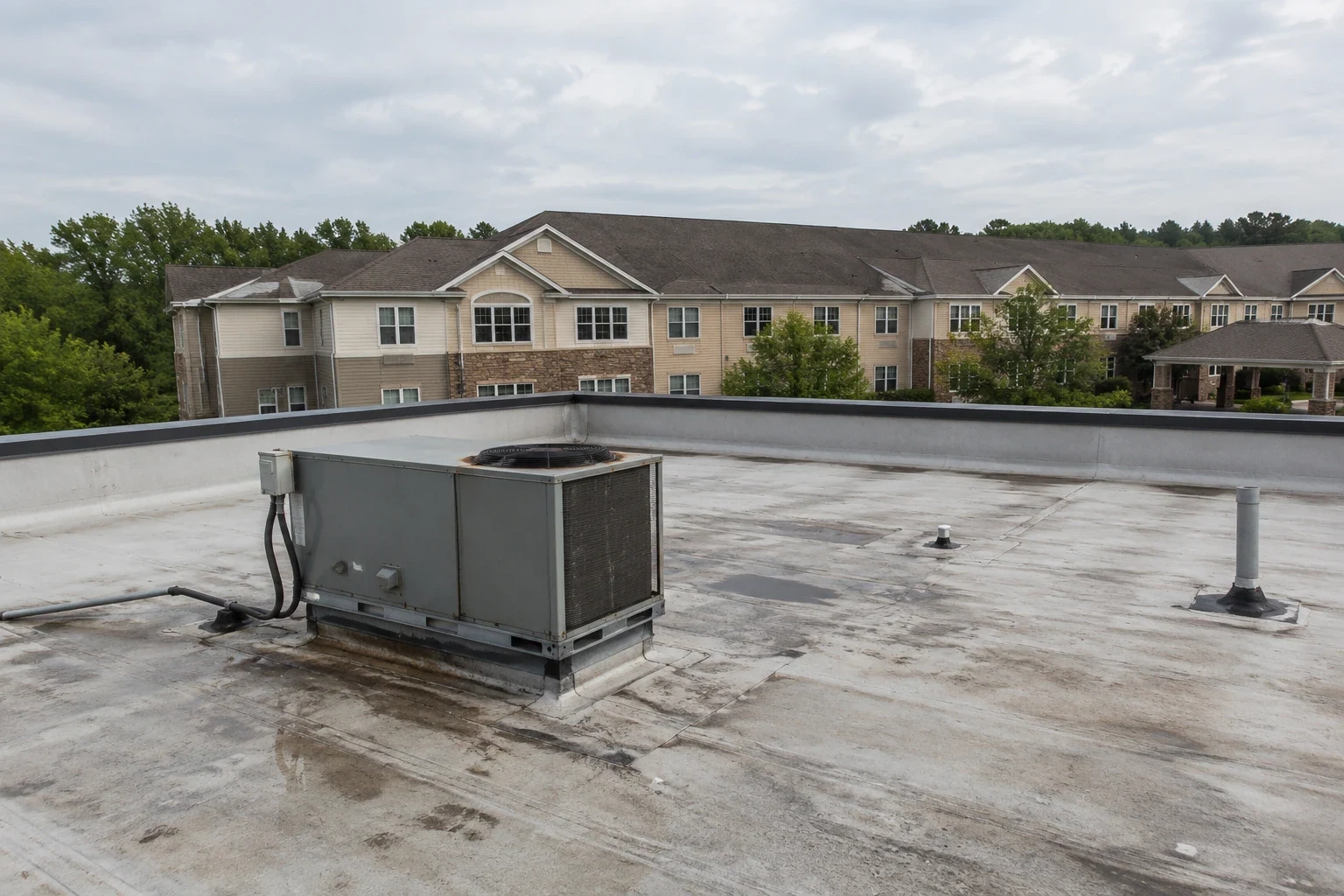
Much of it ends up in the roof. Bathing, laundering, dishwashing and cooking all add vapor to the air, and the rooms are held warm around the clock, so the pressure pushing that vapor upward never lets up. It rises through every gap in the ceiling plane, and a care building has plenty of them: plumbing vents, exhaust ducts, fire-rated chases and recessed lights. Once the vapor meets a deck below its dew point it condenses within the assembly, soaking the insulation from below while the membrane on top stays dry and bright. The damage concentrates over kitchens and laundries, and it often looks like a leak when no storm is to blame.
Rooftop equipment adds a second path. Units serving a dining room or a common lounge push condensate through drain lines, and a cracked pan or a blocked line can wet a curb from above while the membrane takes the blame. We trace the wetness to its origin before we price anything, because treating a vapor problem as a seam problem leaves a repair that is wet again by the next winter.
Measure the moisture before the next winter does
Call Commercial Roofing Johnson City and we will scan the roof, map any wet insulation and put the findings in writing, so your next capital decision rests on condition data and a schedule that protects the people underneath.
What does one wet ceiling over a resident room actually cost?
The membrane repair is the smallest line on the invoice. Behind it sit the expense of moving a resident to another room, taking the unit out of service while the ceiling and the insulation dry, and the conversation with the family about what happened. A community that runs near full occupancy loses revenue for as long as a room stays closed, and nobody can say how far the water traveled until someone has surveyed the floor, which carries its own scheduling burden in a building that cannot empty a wing.
Set against that chain, a moisture scan in a dry month and a ranked repair list are inexpensive. The deferral that looks economical on a capital plan, patching again and waiting another year, is usually the one that ends in an emergency call and a forced replacement in the worst weather to open a roof. Owners who measure first get to choose the month, the system and the sequence.
Repair, restore or replace: which suits a roof that covers sleeping residents?
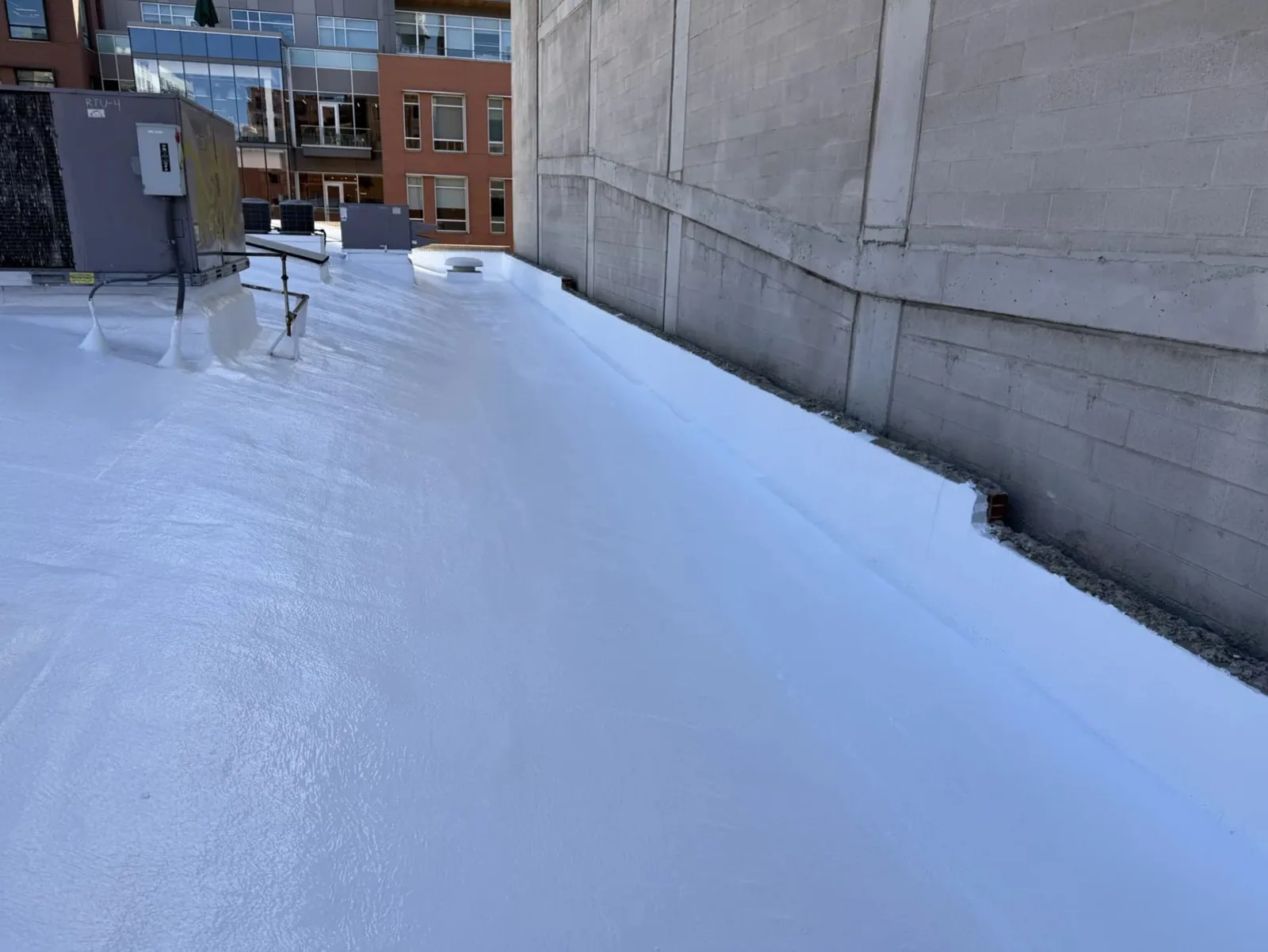
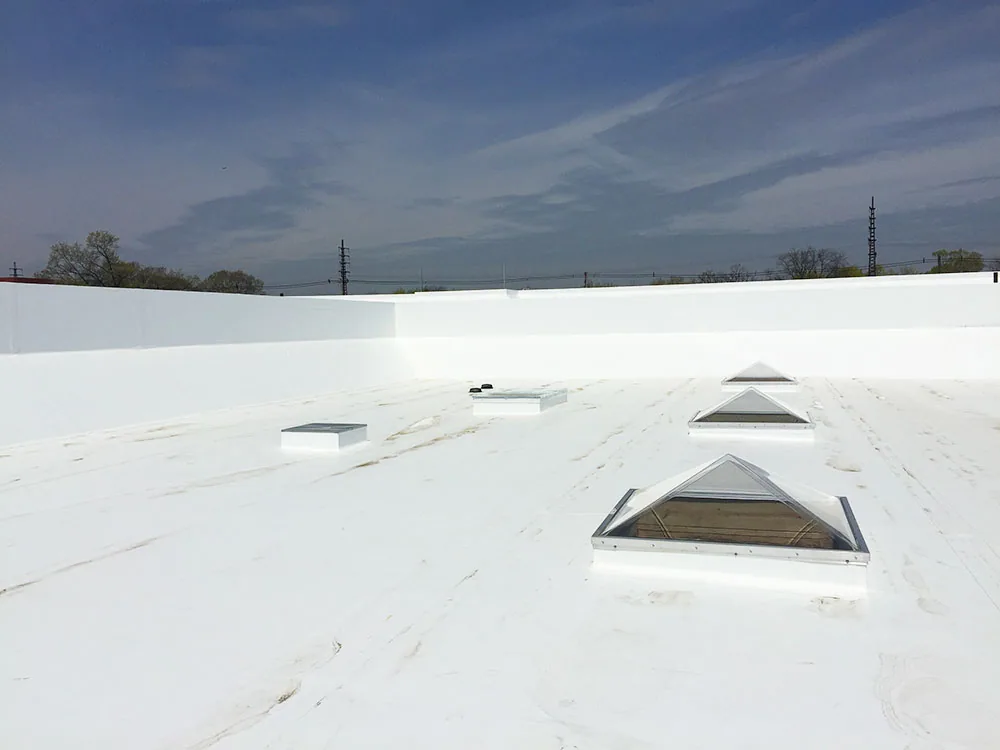
When the insulation is dry and the membrane is aging but sound, a roof coating restoration can add service life without the tear-off, noise and exposure of a full replacement, which matters in a building where residents nap, take visitors and depend on quiet. A coating is the wrong tool when insulation is wet, since sealing water in does not dry it. Where moisture is widespread, replacement is the sound choice, and the membrane matters: a fully adhered TPO or PVC sheet needs fewer fasteners driven through the deck above living space, and PVC tolerates the grease that kitchen exhaust leaves behind.
A recover sits between the two, but only over a dry assembly and within the layer limits of the existing-building code in the city's 2018 adopted set. We leave open flame off a care roof whichever system is chosen.
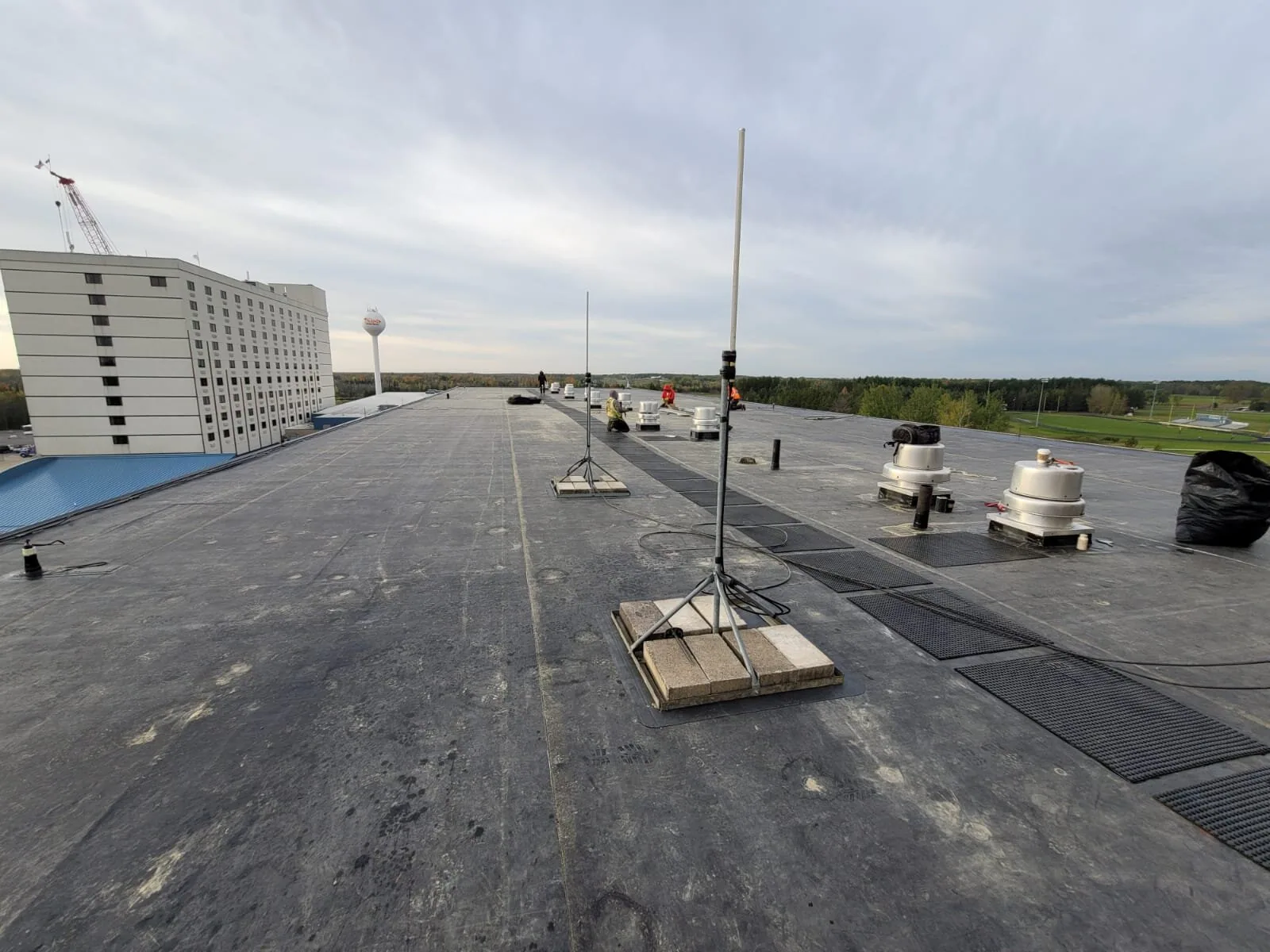
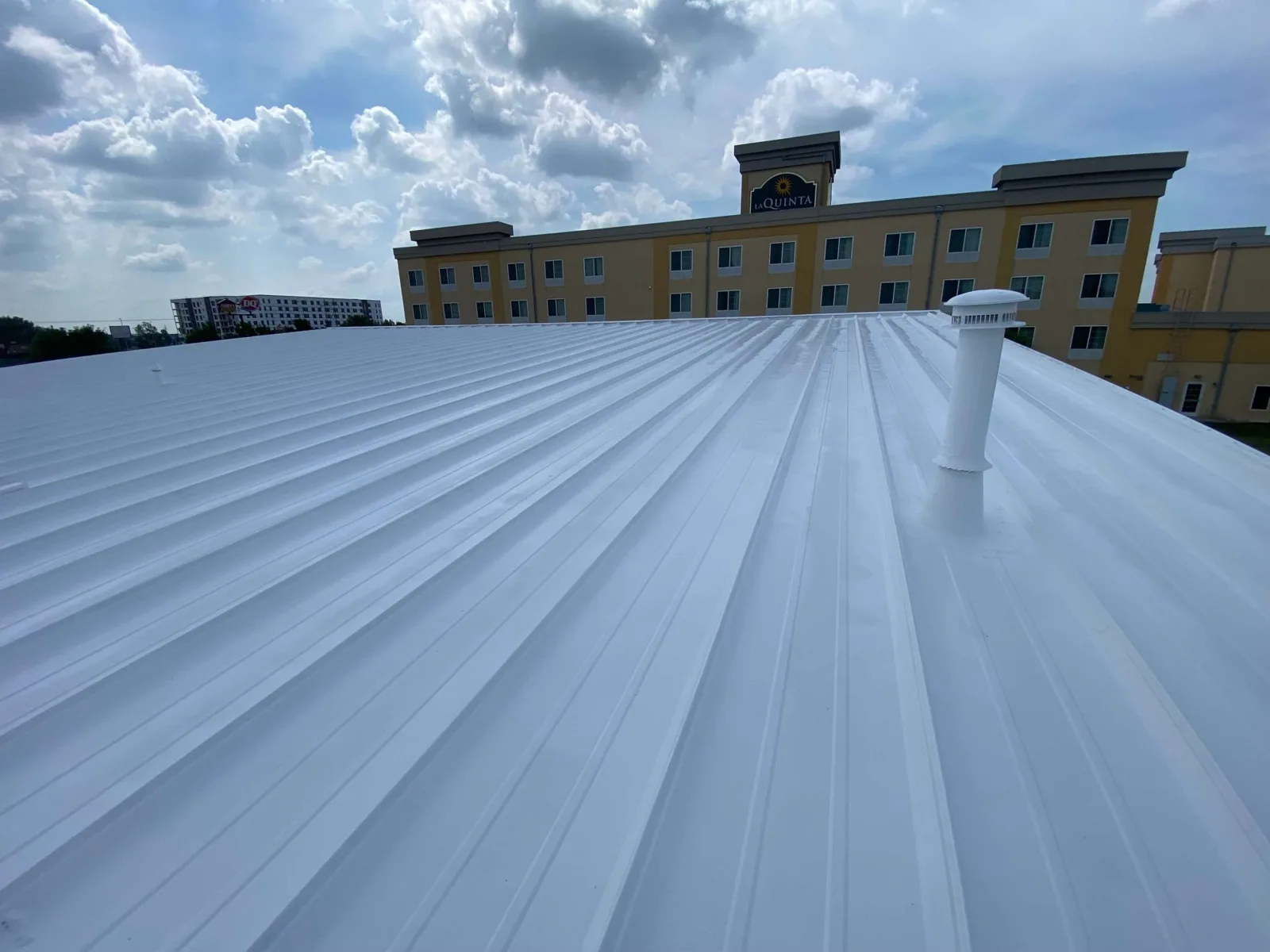
How do you reroof a building where people sleep, eat and take visitors?
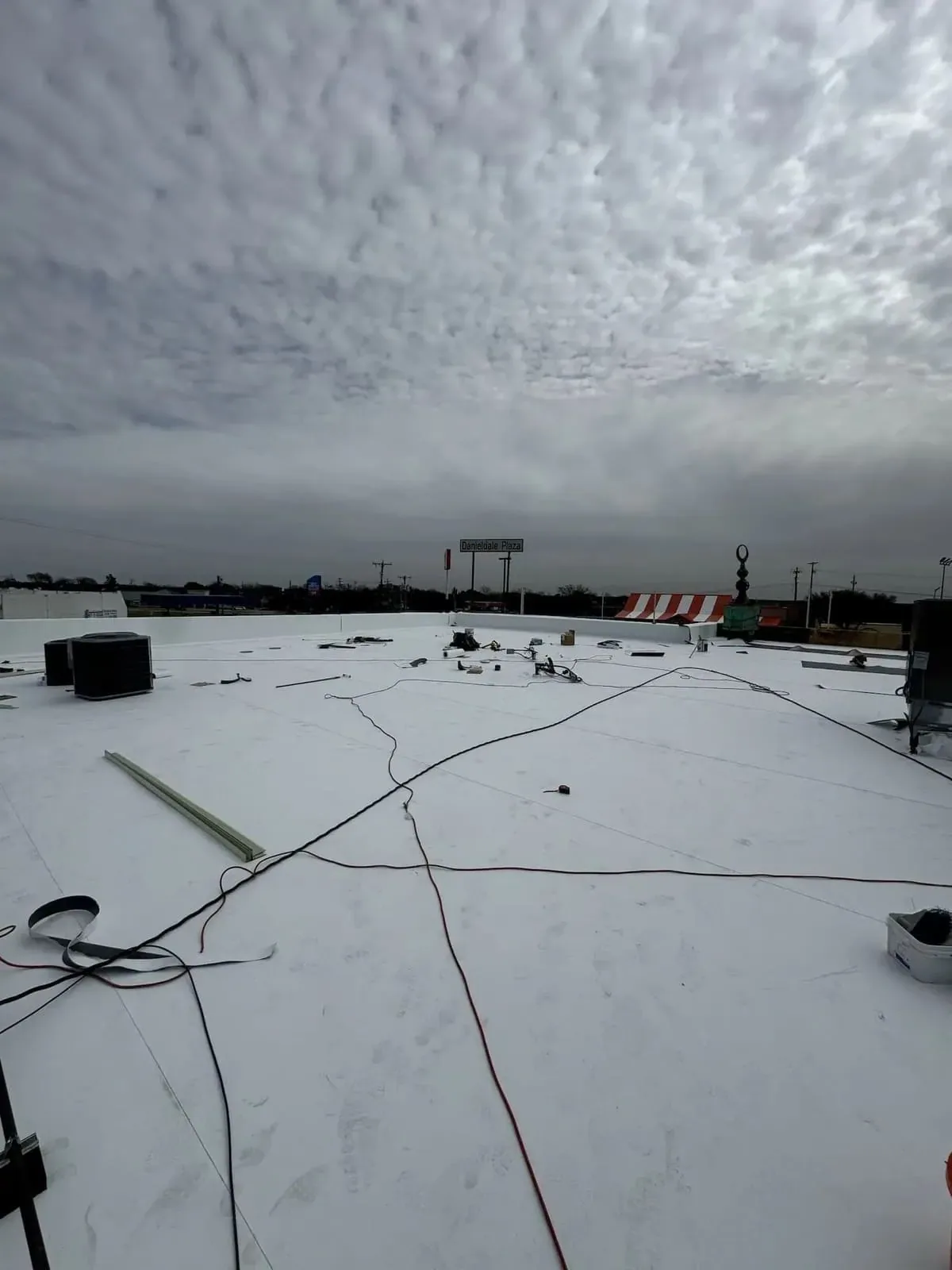
The roof is worked in sections small enough to be dried in by the end of each day, so no insulation sits open overnight above a resident room. We plan the loudest tasks, such as removing old material and driving fasteners, for hours the administrator and care staff nominate, and we keep staging and hoisting away from entrances, outdoor sitting areas and any lane an ambulance might use. Air intakes on rooftop units get protected before the first adhesive is opened, because fumes travel to wherever the building draws its air.
Before the first day we walk the roof with the administrator and the maintenance lead and agree on quiet windows around meals and visits, on the residents who are most sensitive to noise, and on what happens when weather interrupts a section. The same planning belongs to any occupied building reroofing, but a care community adds a layer of sensitivity that an office park does not.
What does valley and mountain weather ask of a senior living roof?
Freeze-thaw cycling, in a valley that averages roughly 45 inches of precipitation a year, works on the laps and flashings around the vents and exhaust penetrations that care buildings carry in quantity. Altitude changes the arithmetic quickly. Roan Mountain sits at about 2,550 feet and Mountain City at 2,418 feet, and mountain areas receive considerably more winter precipitation than the valley floor, so a community in those towns faces more of it at the eaves and drains than one near Johnson City Medical Center on State of Franklin Road.
The Mountain Home VA campus, whose Beaux Arts buildings opened in 1904, includes a 120-bed community living center, and the same winter reaches every community from Elizabethton to Greeneville. We pair a pre-winter drain check with an infrared moisture survey so that wet insulation and clogged drainage are both found before they meet a freeze. Owners who also manage a hospital or an apartment community will recognize the principle: occupancy sets the schedule, and moisture sets the budget.
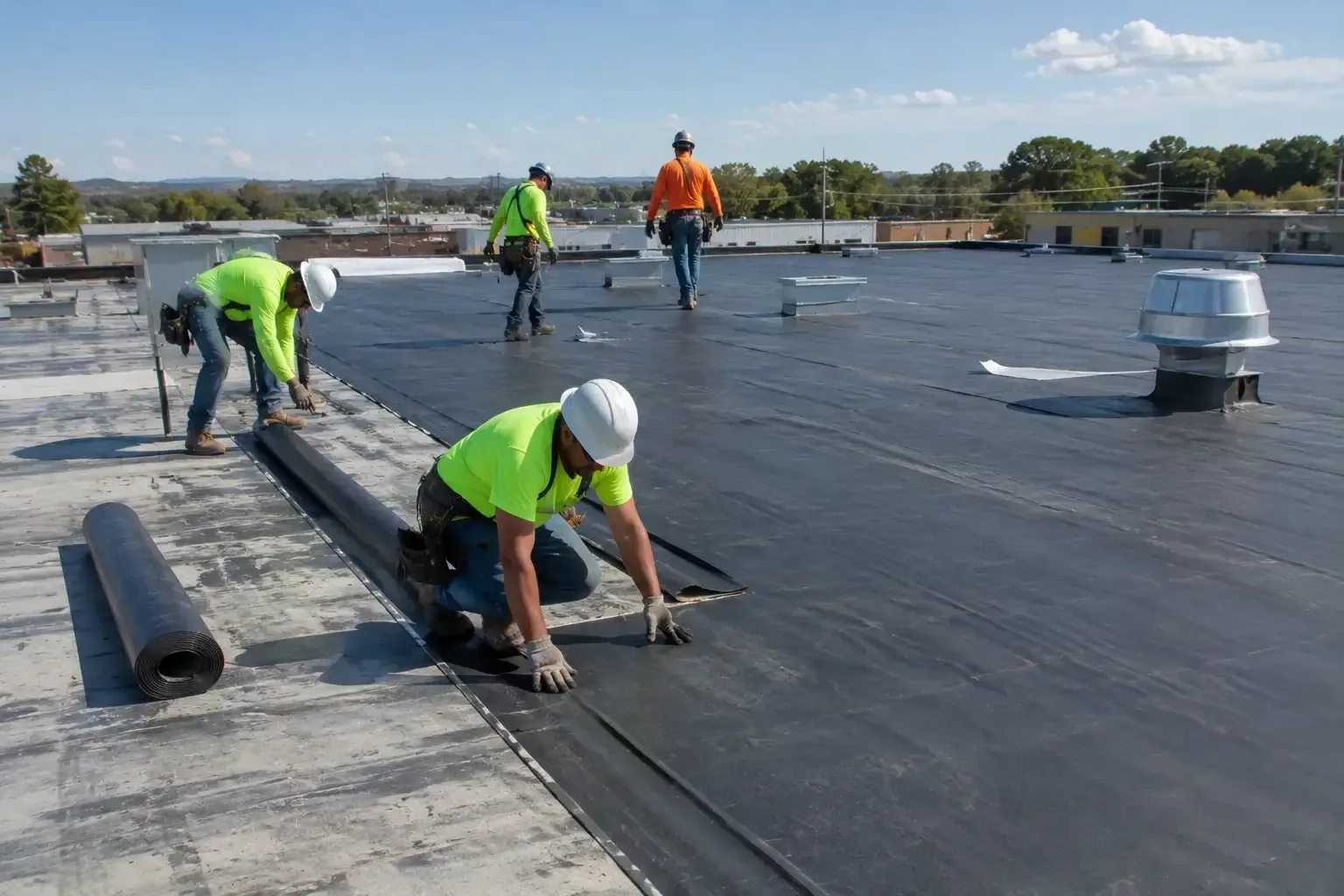
Commercial Roofing Questions
Does a resident have to move out of the top-floor rooms during a reroof?
Usually not, though the answer changes room by room. Rooms under the active section hear the work, so we talk with the administrator and the care staff about which residents are sensitive to noise or vibration and offer a temporary move for those few.
How can we tell whether a stain comes from the membrane or from humidity inside the building?
Timing separates them. A stain that appears after rain points to the membrane or a flashing, while one that shows up on cold, dry mornings and fades by afternoon points to condensation. A thermal scan and a few core cuts confirm which it is.
What should families be told when roof work is scheduled over a wing?
Give them dates, hours and one person to call. A short notice naming the wing, the noisy hours and the contact does more than a general reassurance. We supply the sequence and the daily schedule, so the community can send the notice with real information in it.
Will fire code limit the system we can choose?
Fire classification belongs in every specification, and both the building code and the fire code that Johnson City adopted in their 2018 editions bear on the choice. We confirm that the assembly as a whole carries the rating the building needs, and we avoid open flame on a care roof whichever membrane the owner selects.
How far ahead should a community budget for a roof it knows is aging?
Start one budget cycle before the money is needed. A moisture survey shows how much insulation is still dry, which tells the board whether coating and repair can carry the roof or whether replacement has to be planned, and it turns a vague someday into a year and a range.
Related Roofing Pages
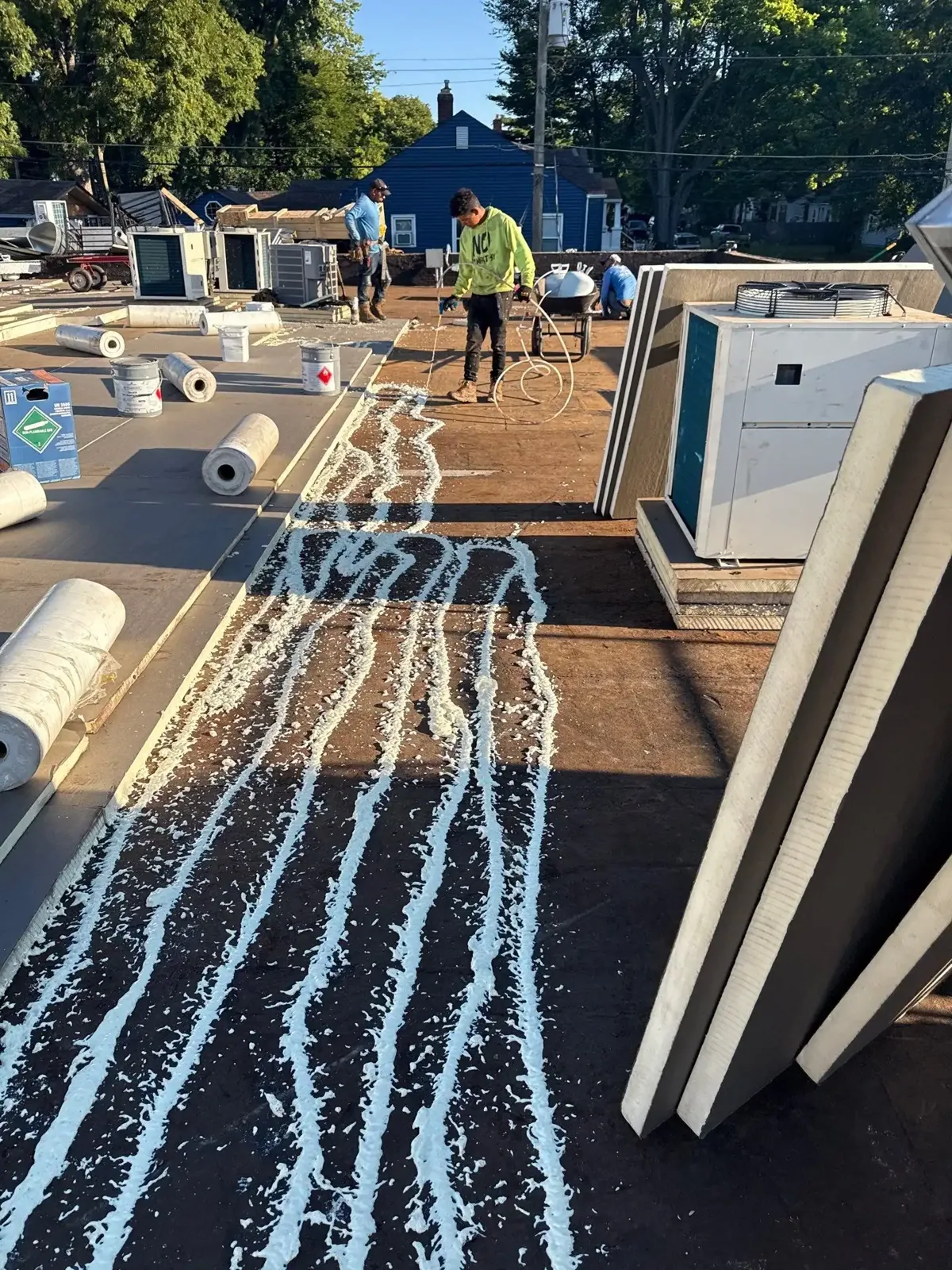
Roof Coating and Restoration
How the work is scoped, phased and documented on Tri-Cities roofs.
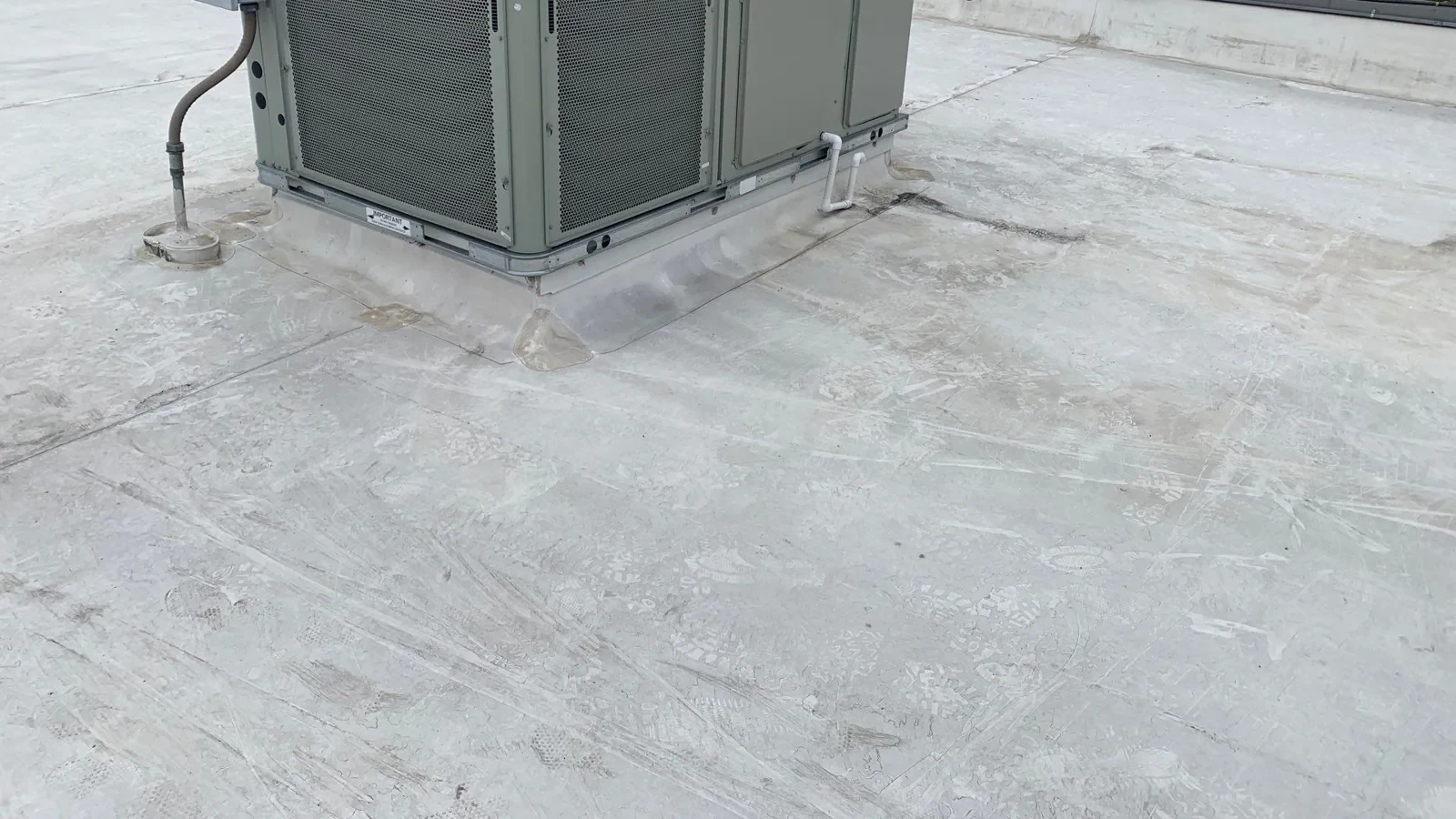
TPO Roofing
What we check, what we recommend and how the crew keeps the building running.
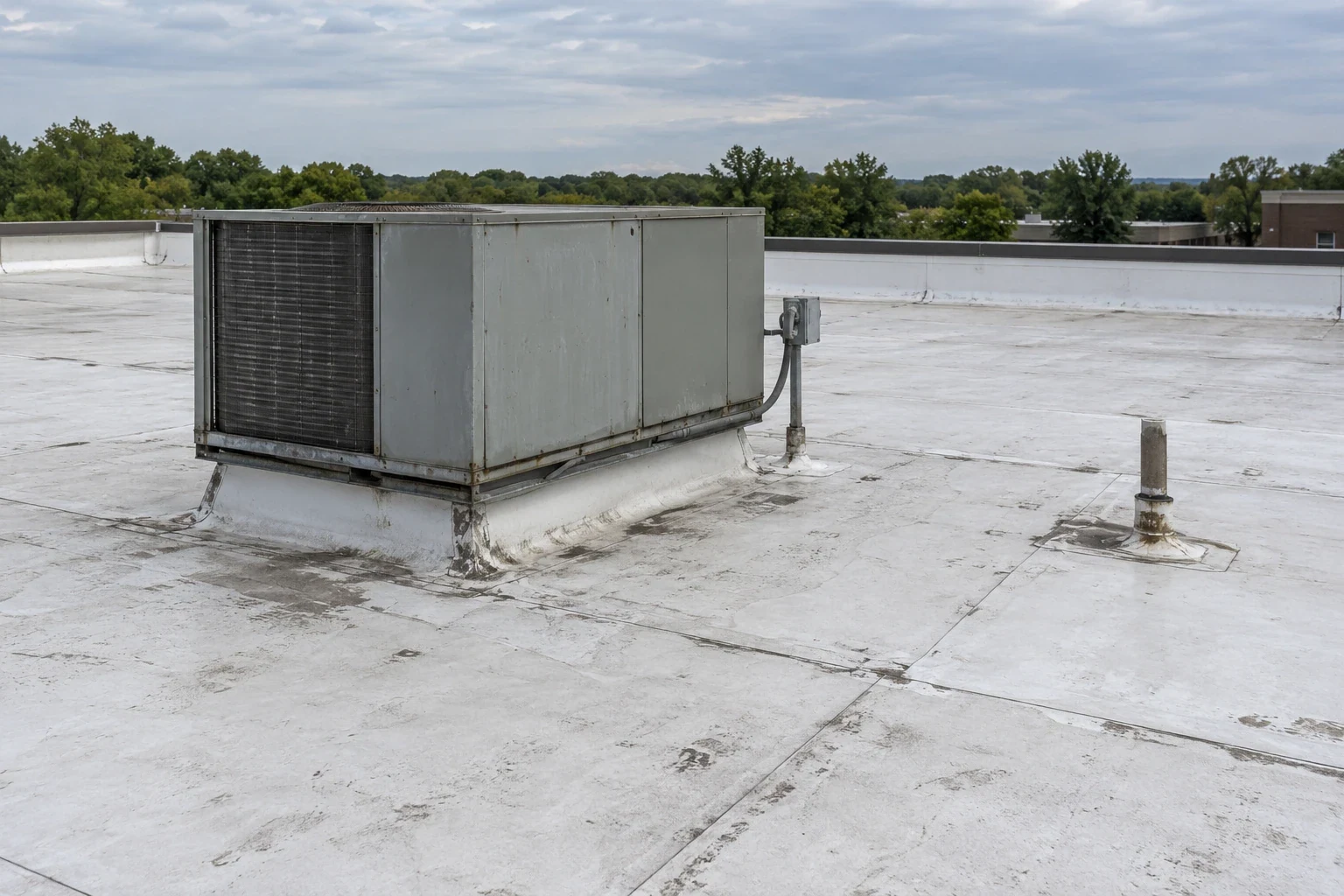
PVC Roofing
Conditions, options and next steps for commercial buildings in East Tennessee.