Carlisle SynTec Roofing Systems in Johnson City, TN
The EPDM that comes off a pallet is a uniform factory product, and the seam where two sheets overlap is the one part of the roof made by hand. Someone cleans the surfaces, applies a primer and presses a strip of tape or adhesive under a roller, all before weather changes the working conditions. Carlisle SynTec makes membranes in several families, including Sure-Seal EPDM, Sure-Weld TPO and Sure-Flex PVC, and in every one of them the field joint decides whether the factory sheet reaches its service life. On a Johnson City, TN roof the stakes are higher than the product literature suggests, because winter lows near 25 degrees Fahrenheit make the sheet shrink and relax nightly, and the joint absorbs each cycle. A seam that is slightly under-cured on the day it is made shows up as a lifted edge two winters later, and the cost of finding it is a fraction of the cost of the saturated insulation it leaves behind.
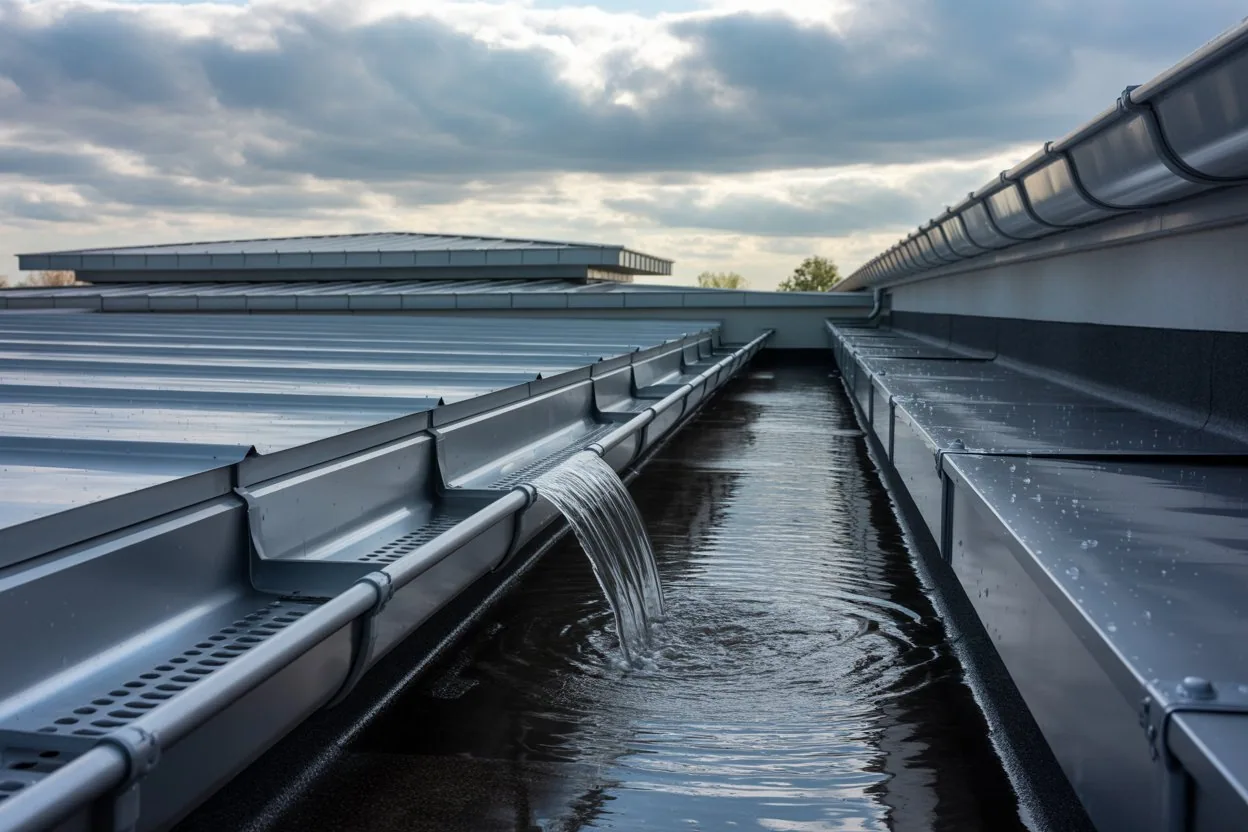
How do Sure-Weld, Sure-Flex, Sure-Seal and the fleece-backed sheets compare?
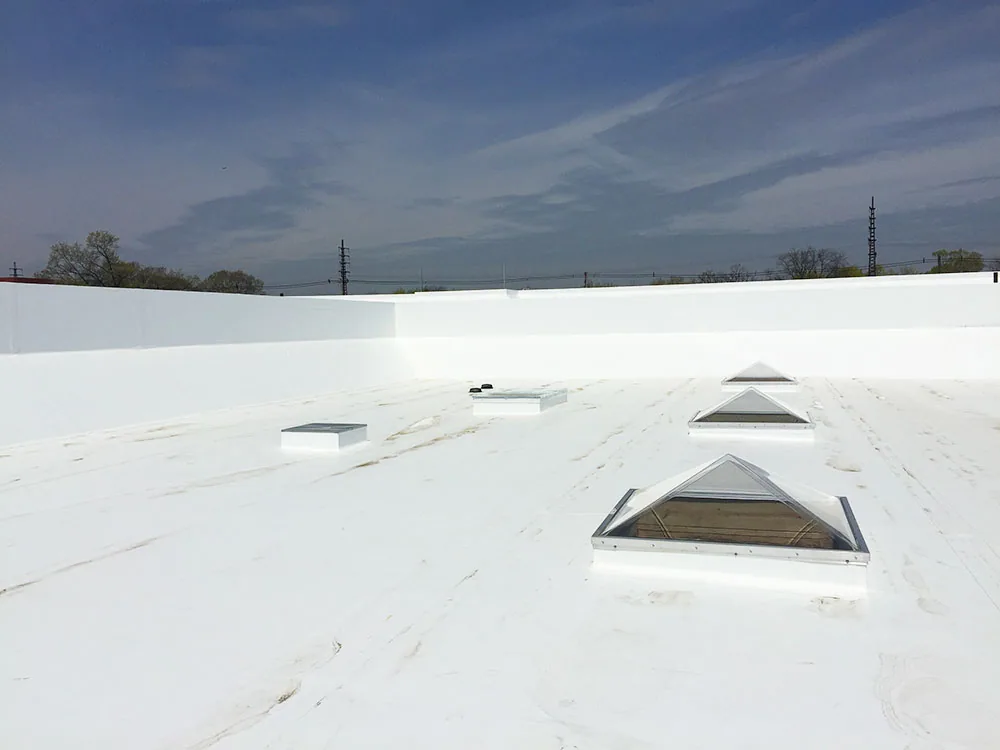
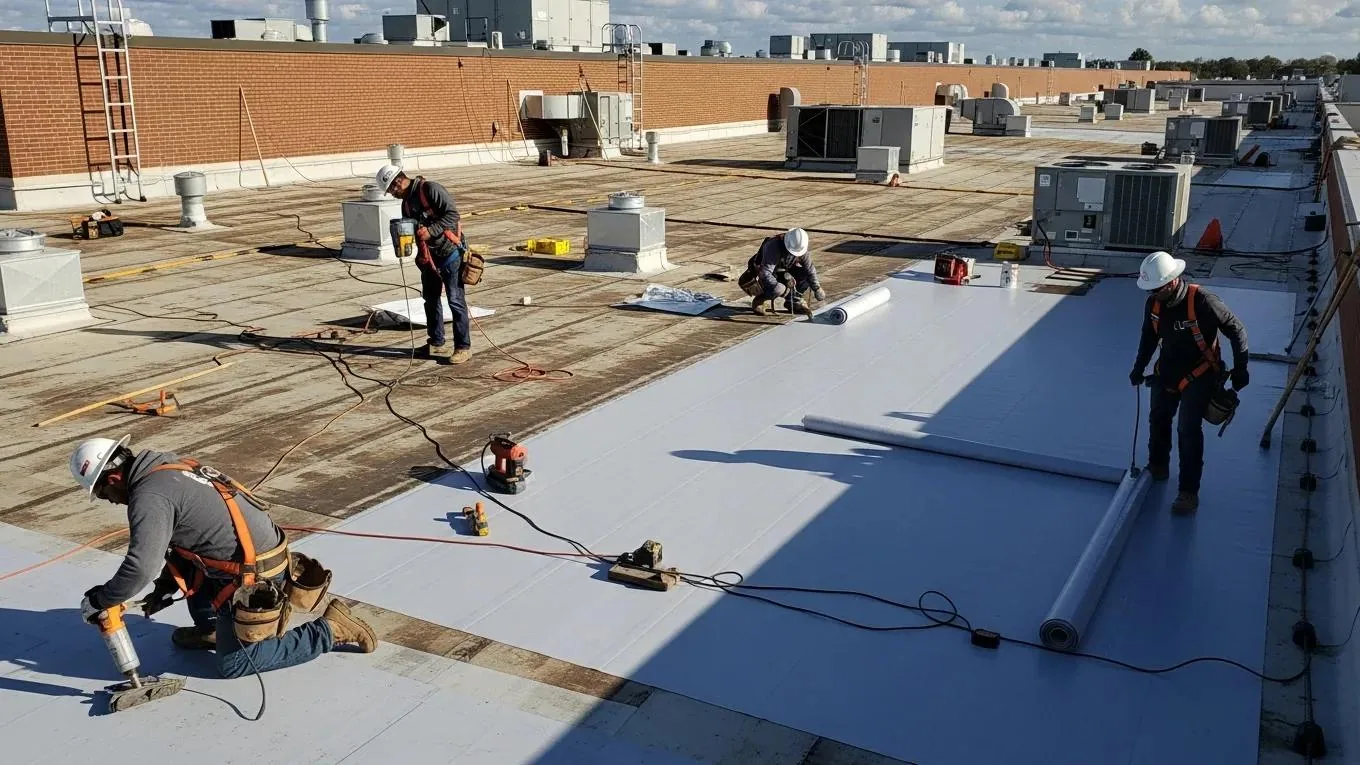
The four choices differ in how they bond, how they weather and where they wear. Sure-Weld TPO is a white thermoplastic with hot-air welded seams, and it fits broad roofs where reflectivity and a clean installation matter. Sure-Flex PVC is welded the same way but carries a formulation that resists oils and grease, which puts it on kitchens, labs and process buildings. Sure-Seal EPDM is a cross-linked rubber that stays flexible in the cold and joins with tape or adhesive, a quality that many owners value on roofs with many penetrations and odd flashing shapes. The fleece-backed sheets are laminated to a felt-like layer so they can be adhered over insulation or an old surface with less demand on the substrate. Owners comparing these families should look past the first invoice at repair behavior, since a welded sheet is repaired with heat and a rubber sheet with tape, and the person on the roof in January needs the method that actually works in the cold. The same logic applies when weighing this maker against Versico or Johns Manville.
Start with a seam-by-seam look at the Carlisle roof you own
Call Commercial Roofing Johnson City and we will probe the laps, scan for trapped moisture and give you a written report. You will know what to repair now and what to put on the capital plan.
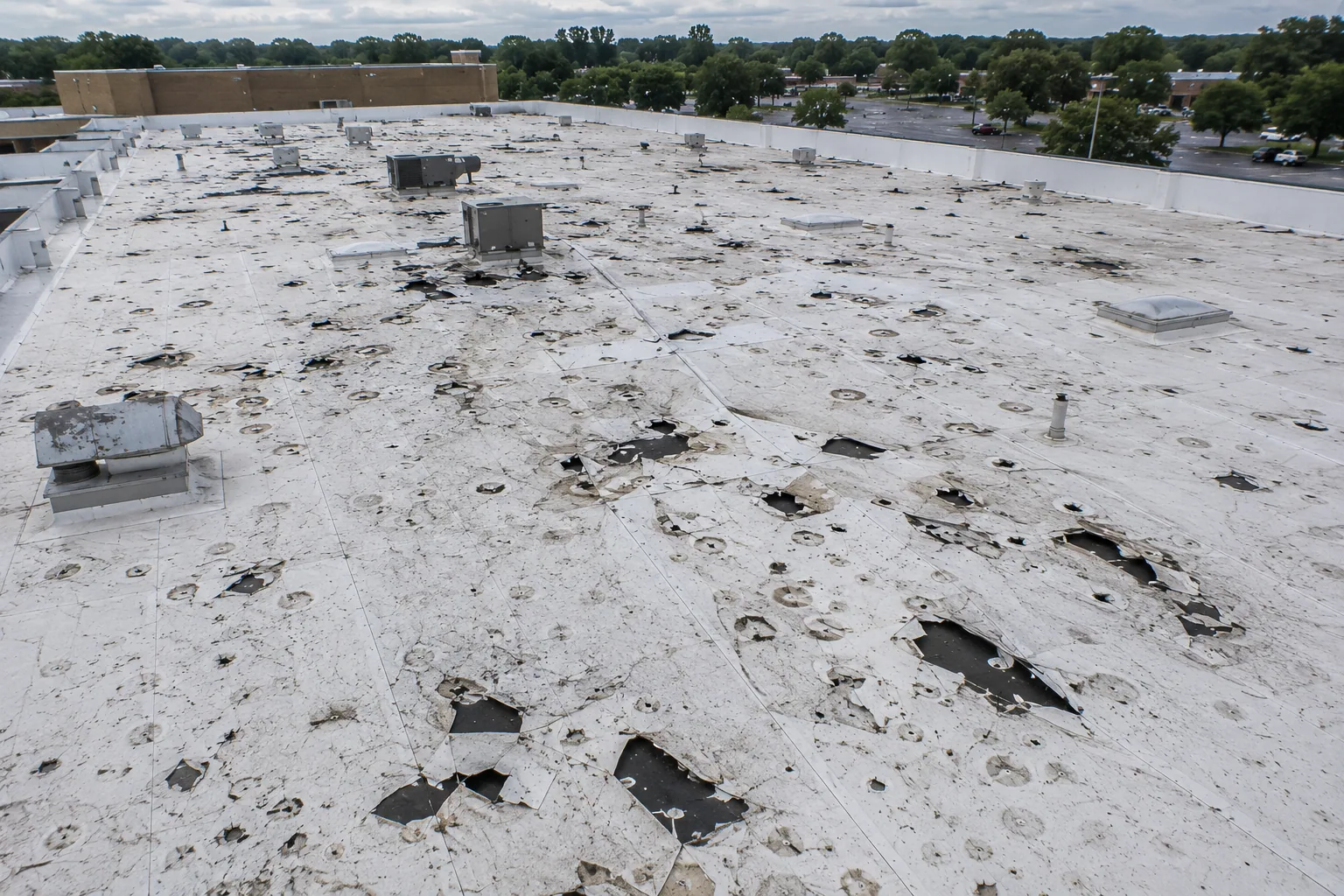
Where does a Carlisle seam let go first?
The long straight run of a seam is rarely the problem. Trouble starts at the T-joint, where three layers of sheet meet, and at the places where the membrane turns up a wall and a termination bar holds it. A welded TPO or PVC joint can be probed with a pick and read by eye. An EPDM splice has to be judged by its edge, by whether the tape or adhesive squeezed out evenly, and by whether the lap is lifting where water has been standing. In a freeze-thaw winter, meltwater enters a hairline gap and freezes, and the ice opens the gap a hair more before the sun returns. We read patterns on the roof: a row of open laps along the colder side of the building points to sheet shrinkage, and a cluster around a rooftop unit points to traffic and vibration. Each pattern gets a different repair, and a repair matched to the wrong cause fails again on the next cold snap.
What do Washington County plants and Kingsport employers ask of a membrane?
Near Telford, the Washington County Industrial Park houses Sungwoo Hitech's automotive stamping operation in a renovated building that once belonged to Alo Tennessee, with the ebm-papst fan plant on a 30-acre parcel in the same park. Production buildings generally put rooftop equipment, exhaust and maintenance traffic on the membrane for most of the year, so a Carlisle system selected for one has to be judged on walkway protection, flashing at curbs and drainage as much as on the sheet itself. The industrial park and the plants around Kingsport, home to Eastman Chemical's world headquarters, bring up a question every plant manager should answer before choosing a membrane: what leaves the exhaust stacks, and does it touch the roof? A chemical or oil film changes the material choice. Helene, the September 2024 hurricane, brought catastrophic flooding to Northeast Tennessee, which shows how much rain the region can take in at once, and the drains, scuppers and edge metal on a manufacturing plant roof need to be sized and cleaned for that kind of event.
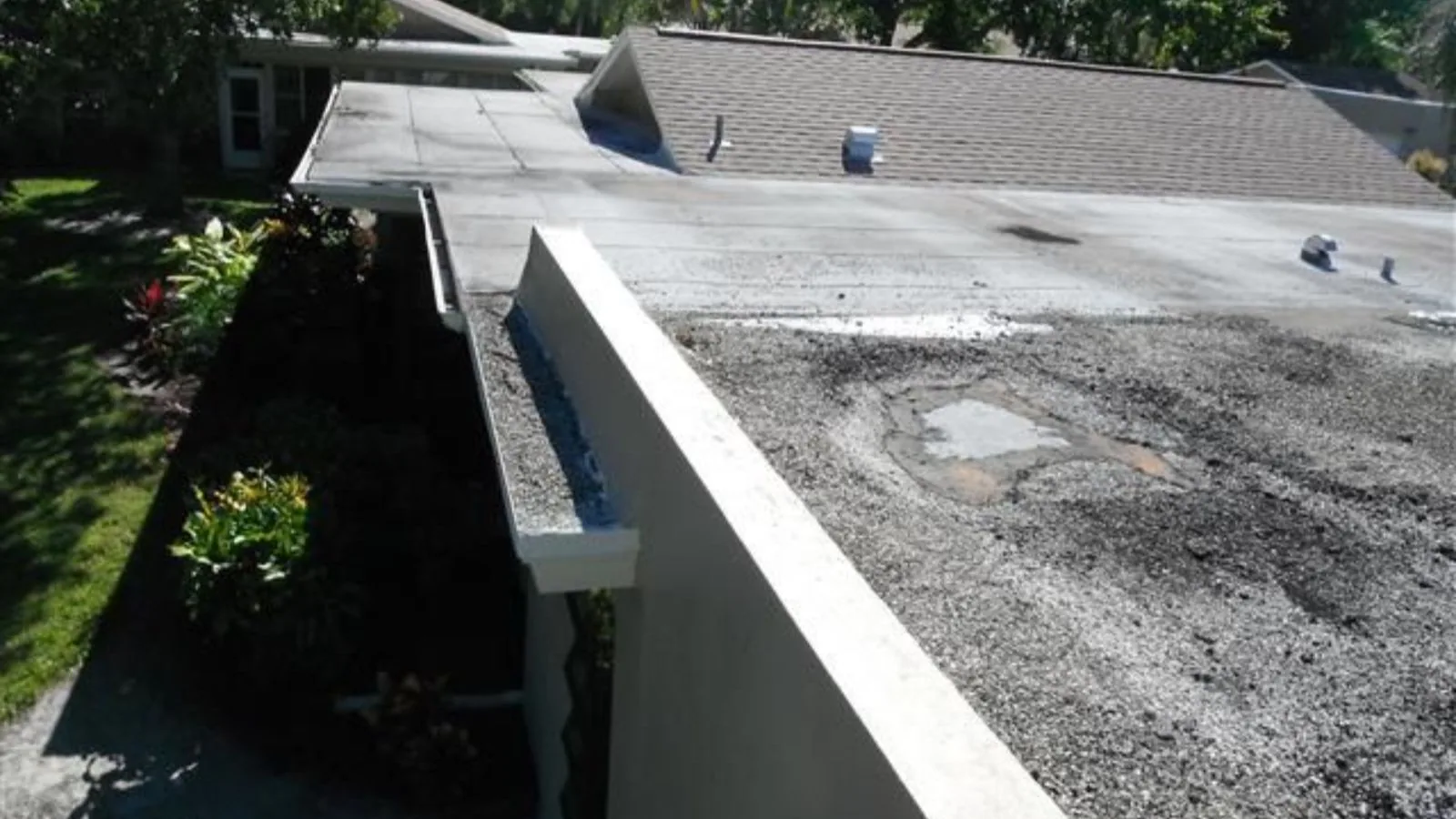
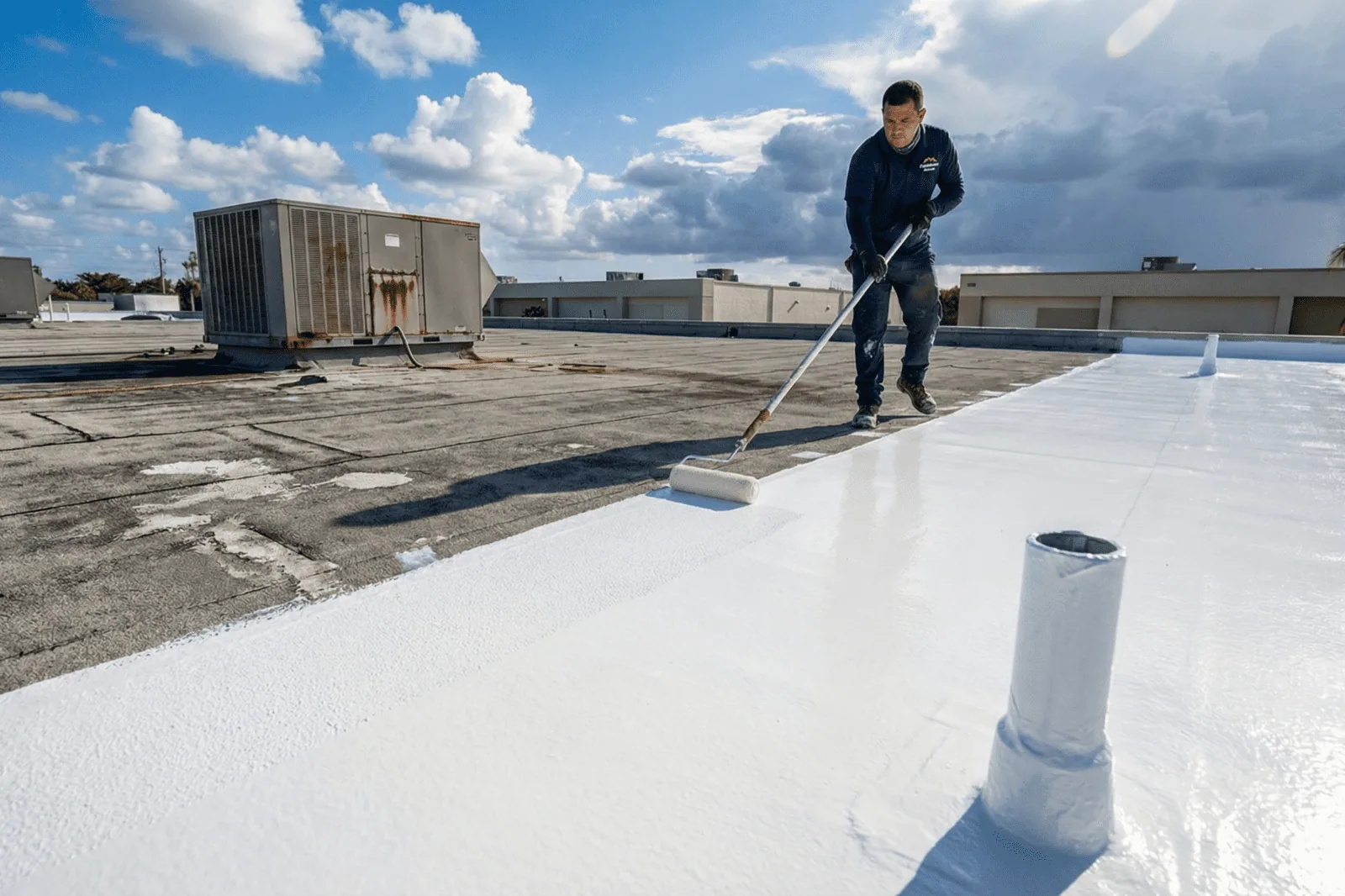
How do we read an older Carlisle roof before recommending anything?
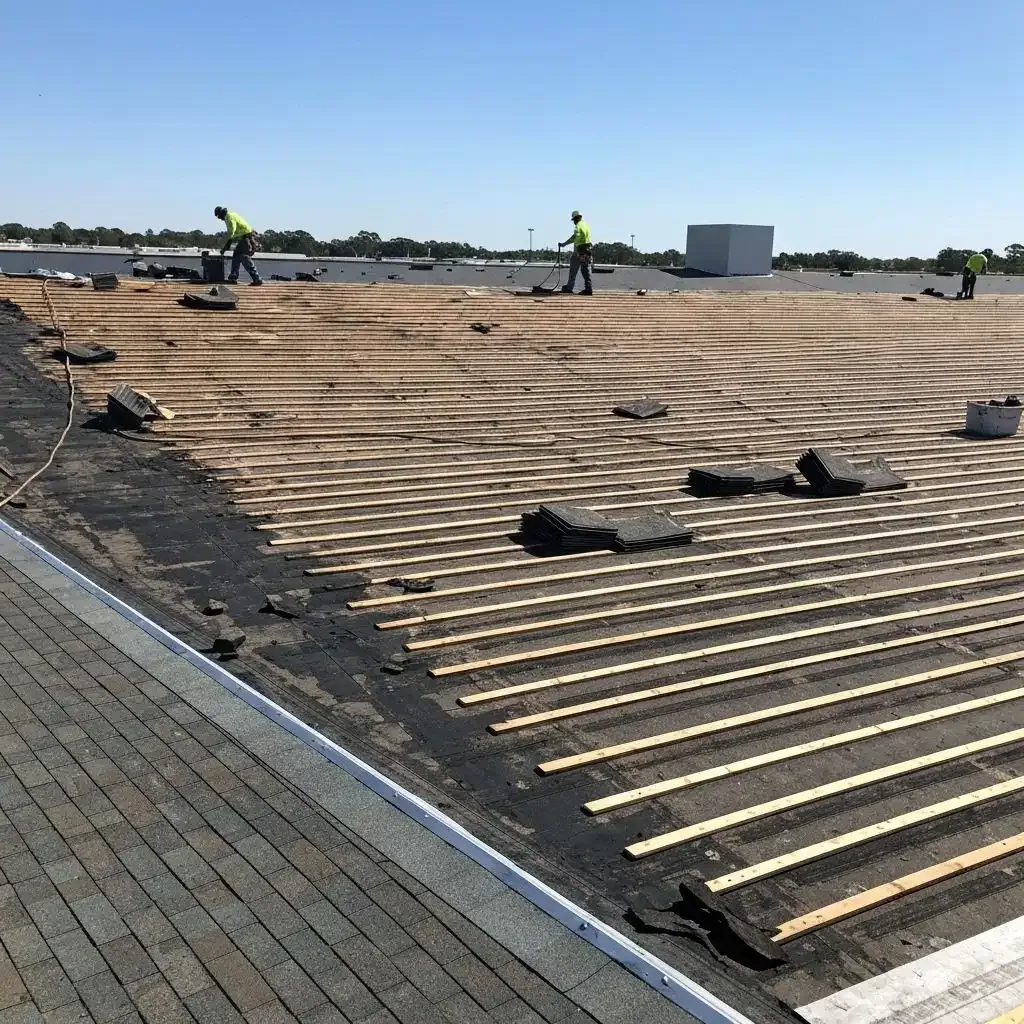
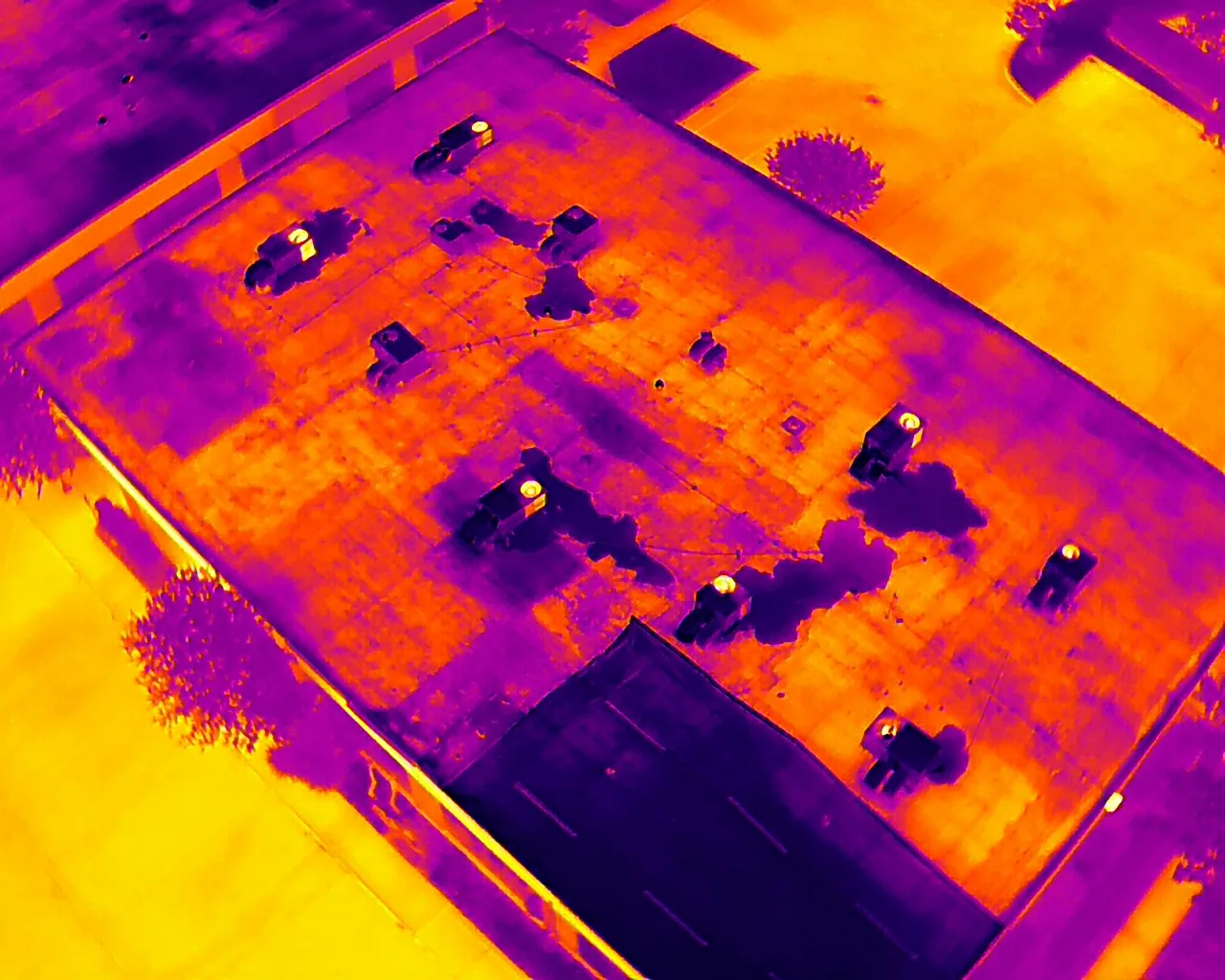
The first step is identification. We confirm which family and thickness is on the building, how it is attached and whether there is a second membrane underneath it, because the answer limits every option that follows. Then we walk the field with a probe and a camera, checking seams, flashings, pitch pockets, drains and the pads at equipment, and we record dirt lines that show where water lingers. An infrared moisture survey on a clear evening shows where insulation is holding water, and core cuts confirm the readings. We put everything into a written condition report that carries photographs, a moisture map and the core results. The report lets an asset manager compare a seam repair program, a recover and a replacement on lifecycle cost, and it gives the owner a record that stands up if a warranty question arrives later.
What does it cost to carry a worn Carlisle roof another winter?
A roof with open seams is not necessarily a roof that needs replacing, and a roof with a clean surface is not necessarily dry. The cost of waiting depends on the insulation. If the survey shows dry board and a few repairable laps, deferral is inexpensive and a maintenance visit in the fall keeps it that way. If the survey shows moisture spreading, each additional winter pushes more water into the board and adds weight to the deck, and the replacement window the owner believed was open can close quickly. A recover over the old roof is an option only while the existing insulation is dry, which is one more reason to gather condition data before the capital plan is locked. A repair done in October is a scheduled expense; a leak found in February through a stained ceiling is a decision made on someone else's timetable.
Commercial Roofing Questions
Which Carlisle membrane holds up best under a heavy rooftop equipment load?
Wear at equipment comes from foot traffic and vibration more than from the sheet type, so the answer starts with protection. Walkway pads on every route, curbs flashed with a generous upturn and a membrane thick enough to take occasional abuse matter more than the brand name. Thicker sheets tolerate dropped tools better.
How does EPDM compare with TPO on a roof that sees months of cold?
Rubber stays pliable at low temperatures and TPO is also workable, but their weak points differ. EPDM relies on splices that need clean, dry surfaces to cure, while TPO relies on welds that need the right heat. A cold, damp week makes both harder to install, so we plan the work for a calmer window.
Will a Carlisle fleece-backed sheet let us skip tearing off the old roof?
Only if the old roof is dry, flat enough to adhere to and within the layer limit of the 2018 International Existing Building Code adopted in Johnson City. A fleece-backed sheet forgives a rough substrate better than a smooth one does. It cannot fix wet insulation hidden beneath.
Why do two proposals for the same Carlisle roof come in so far apart?
Scope differences hide inside the totals. One may include new insulation and cover board, new edge metal and replaced flashings; the other may reuse them. Line the two up item by item before comparing totals, and price both against the same moisture data so each bid answers the same facts.
Does a distribution building in the Mosheim area need a different roof from an office?
The drainage path, the equipment load and the amount of traffic on the roof differ more than the membrane choice does. A warehouse with dock doors, loading equipment and heated space below has a different moisture profile than an office suite, and the insulation choice follows.
Related Roofing Pages
Versico Roofing Systems
How the work is scoped, phased and documented on Tri-Cities roofs.
Johns Manville Commercial Roofing
What we check, what we recommend and how the crew keeps the building running.
EPDM Rubber Roofing
Conditions, options and next steps for commercial buildings in East Tennessee.