
Commercial Roofing in Telford, TN
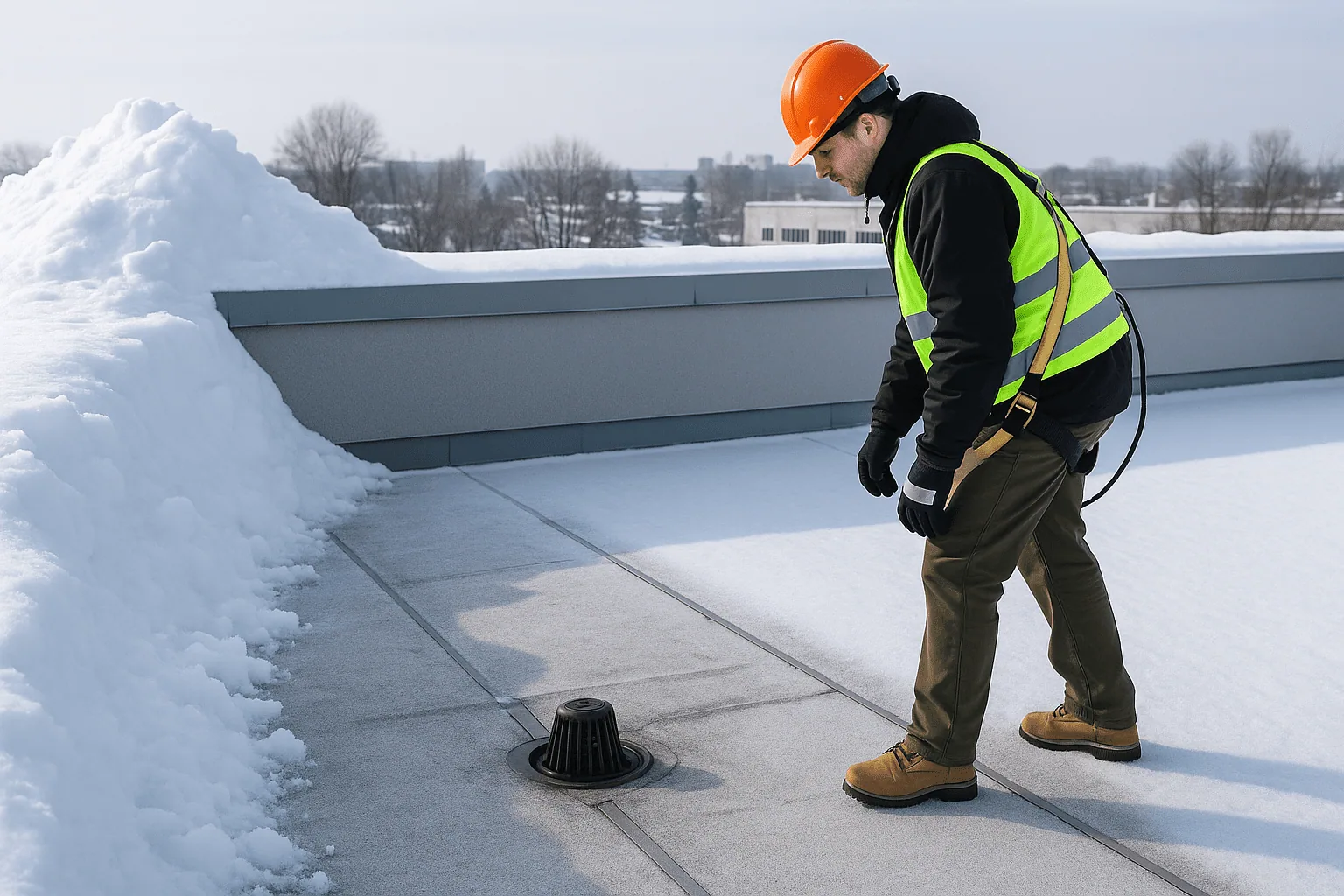
Ice forms in a roof drain before it forms anywhere else. Midday sun melts snow on the field of a low-slope roof, the meltwater runs to the drain bowl, and the bowl, which sits at the lowest and often coldest point of the assembly, refreezes it by evening. The next thaw has nowhere to go, so water backs up behind the plug, rises over the flashing and presses against laps that were built to shed water, not to hold it. Telford, TN sits at about 1,555 feet, between Jonesborough and Limestone, and Johnson City, TN records winter lows averaging about 25F with roughly 15.6 inches of snow a year, so the pattern repeats on a roof in the Telford area through the coldest weeks. The consequence is a leak that appears during a thaw, drips into a production aisle or an office, and disappears again by the time anyone climbs up. An owner who reads that as a one-time event pays for the same repair again the following winter.

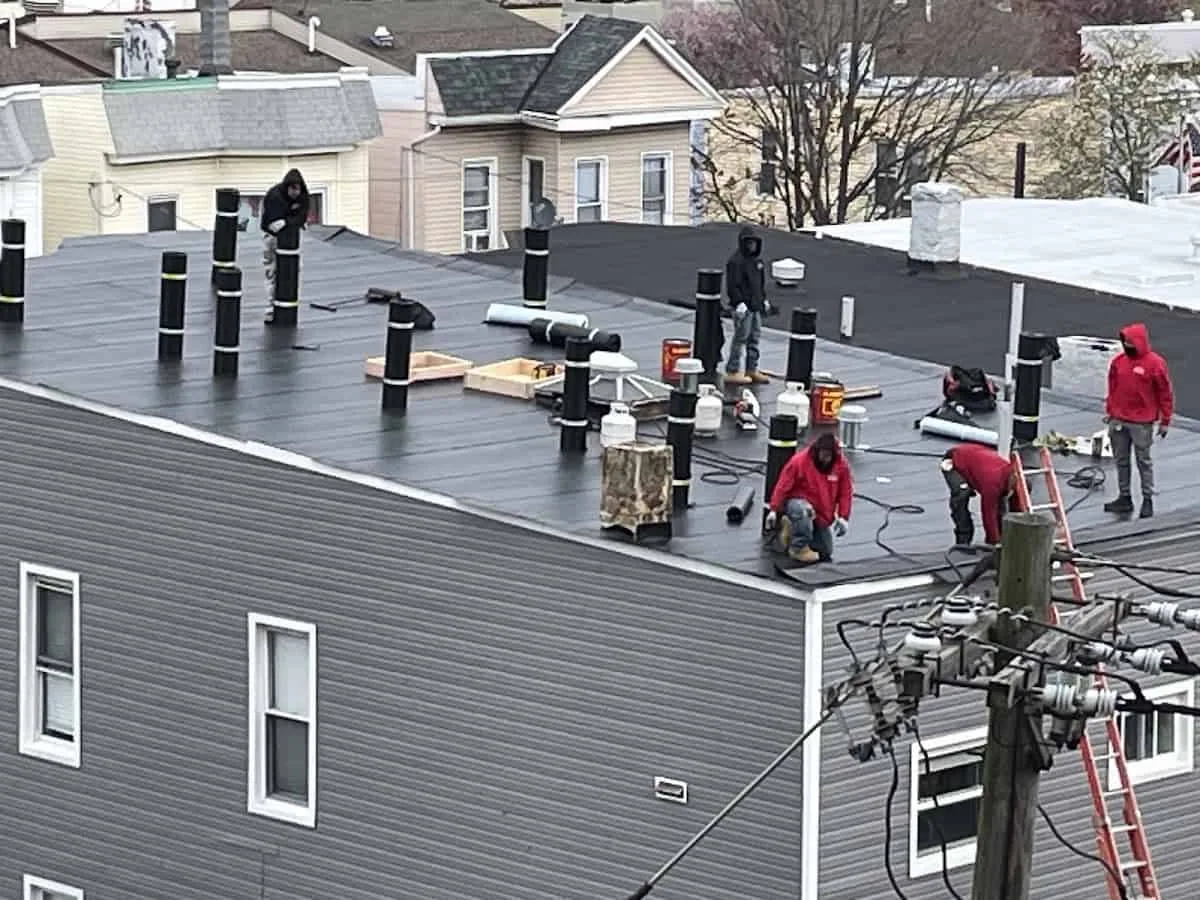
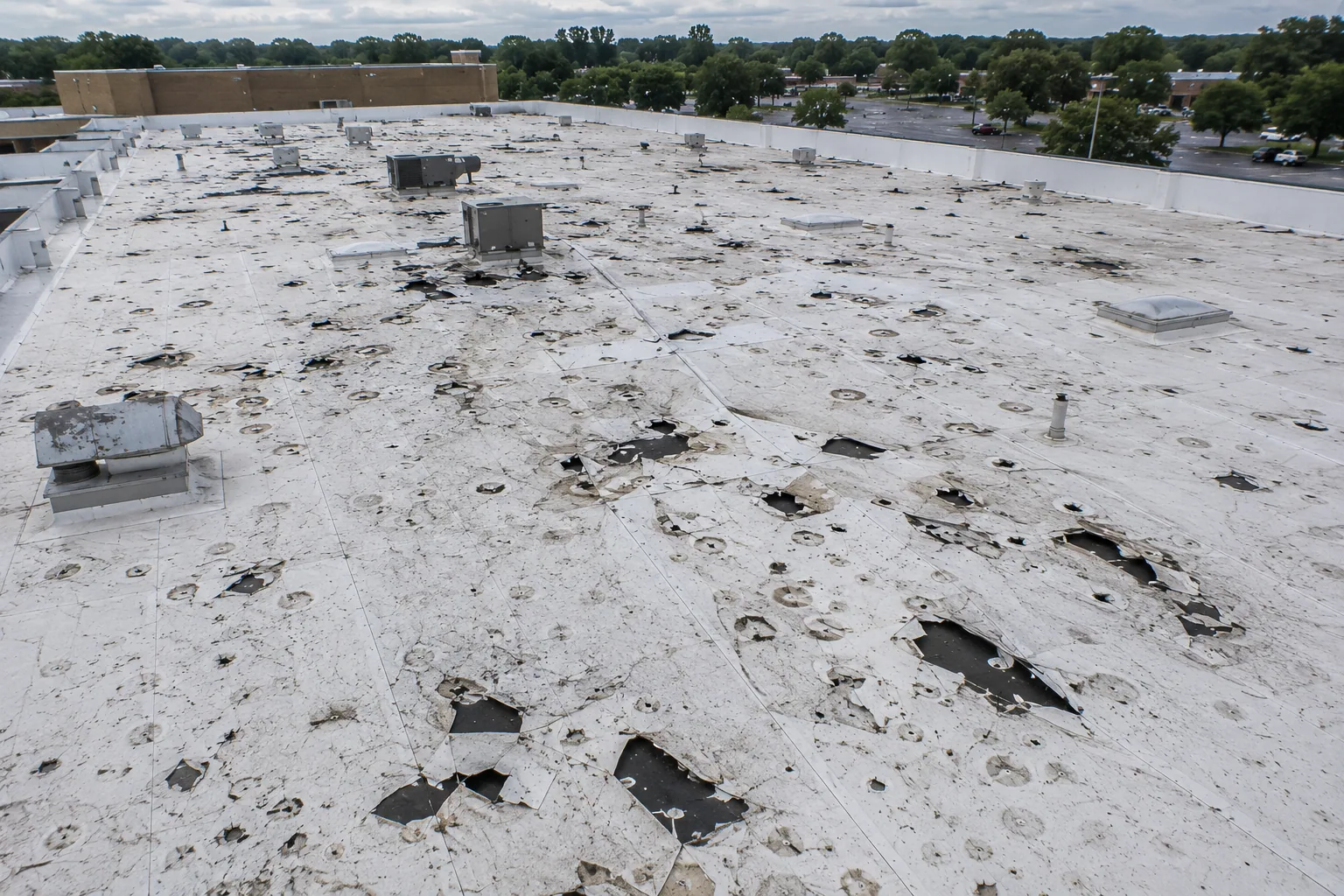
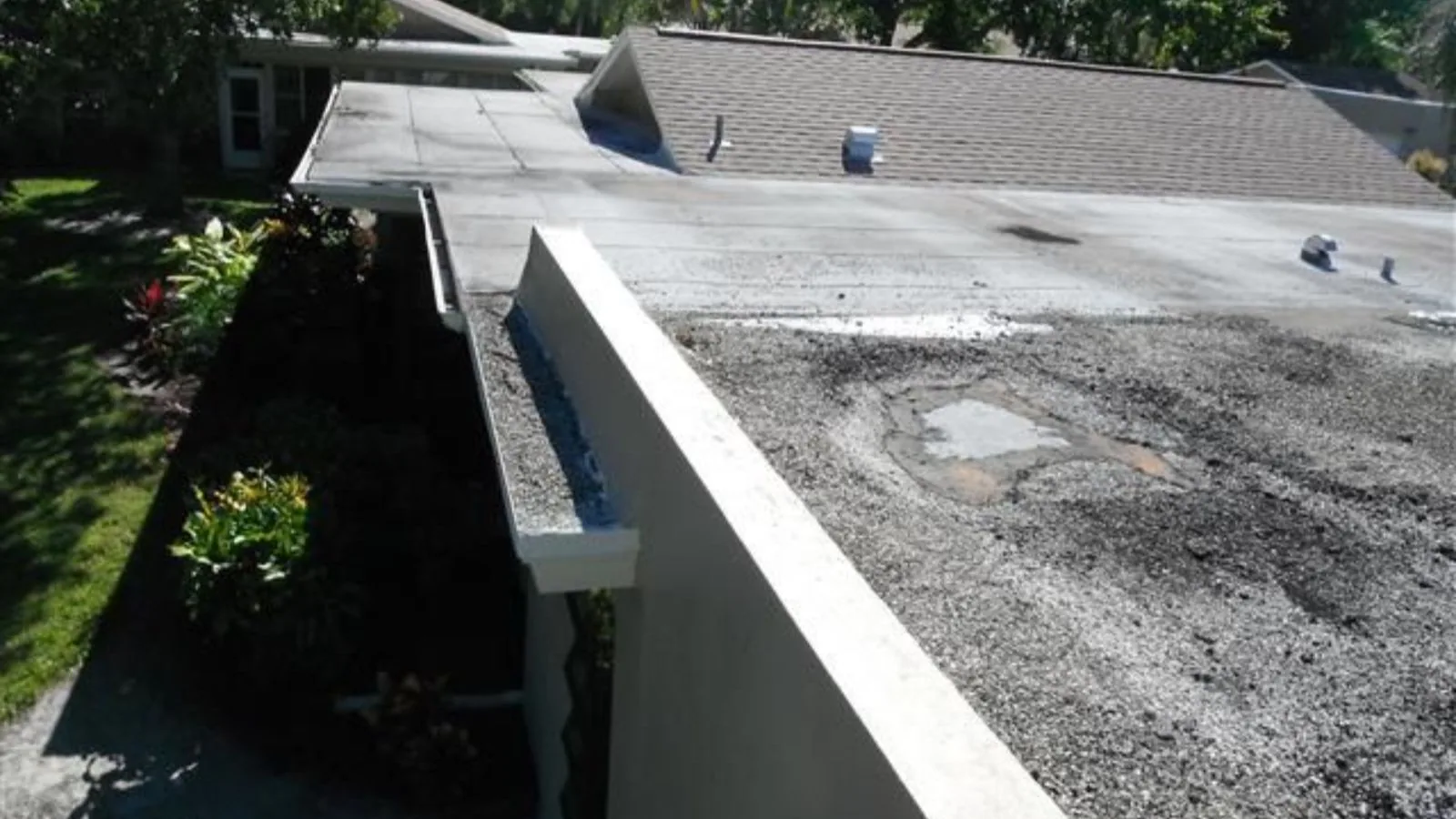
How does an ice-blocked drain damage a membrane that looks sound?
Through pressure and time. A membrane is designed to shed water in a thin film, and a seam tested against that duty may be only a few thousandths of an inch from opening. Water standing a hand's width deep over a flashing puts more load on that joint and soaks the insulation under the nearest laps. When it freezes, the ice expands and lifts the membrane edge, and when it thaws, the lifted edge leaves a path for the next cycle. The repair is cheap if it is found early: a new drain ring, a re-welded seam, a refreshed termination. Left alone, the trapped water travels along the deck and the insulation absorbs it. We look for the signs on a first walk, including rust streaks below drains, discoloration around the bowl and algae rings that show where water has stood. Our snow and ice damage repair work starts by restoring the drainage path, because every other repair fails if the water cannot leave.
Plan the Telford roof work before the next hard freeze
Call Commercial Roofing Johnson City to schedule a walk of the roof, with a moisture scan where the symptoms call for one. You will receive photographs and a ranked scope to guide a repair now and a replacement in the right year.
What can be done in the cold months, and what has to wait?
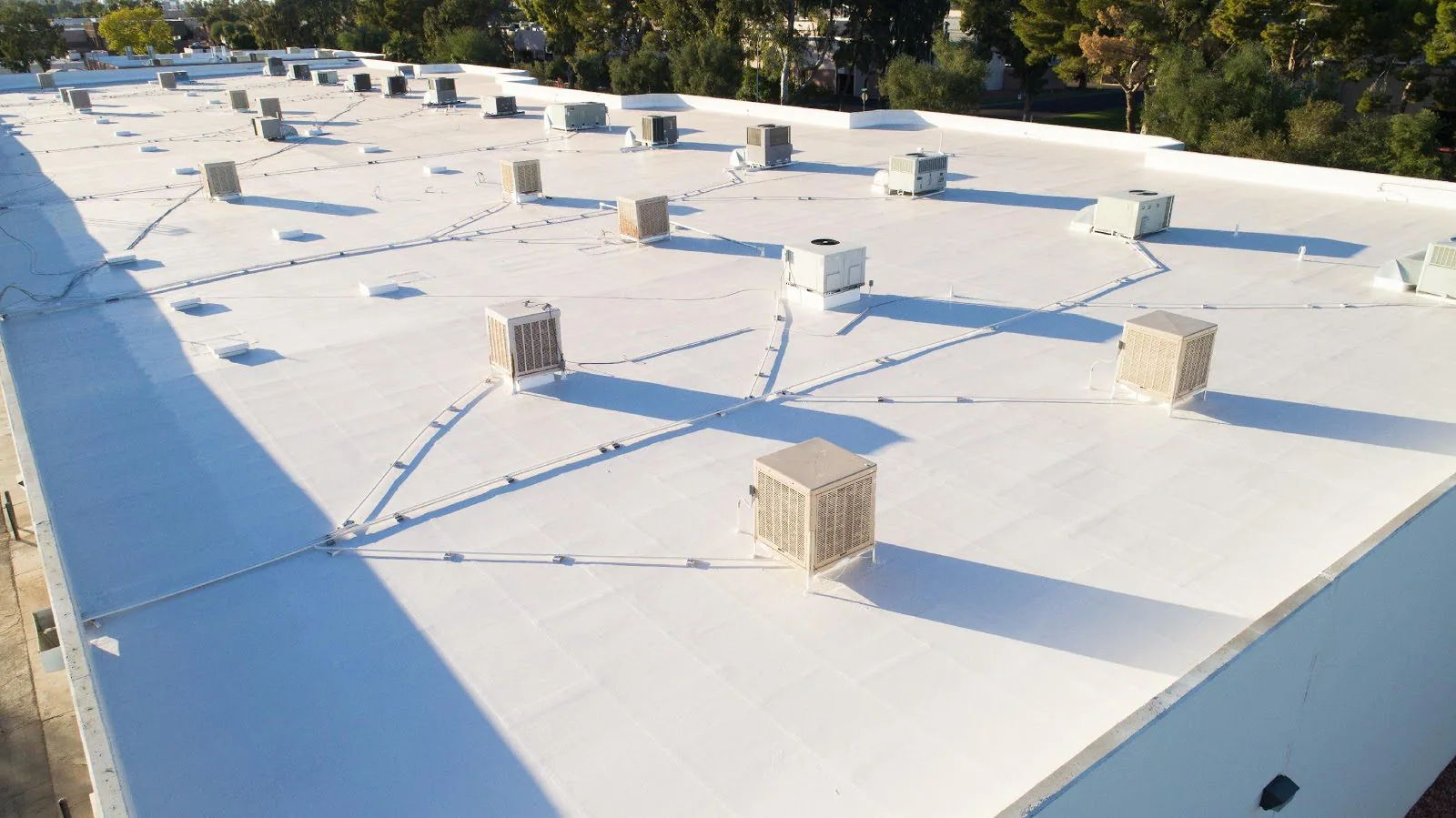
Emergency stabilization cannot wait, and we respond at any hour: clearing blocked drains, tarping an opening, and sealing a failed detail with a temporary repair that holds until weather permits. Permanent work depends on the system. Mechanically attached membranes and metal panels can be installed in the cold when the days are dry, but adhesives, welds and liquid-applied products want surfaces above freezing, so most coating and fully adhered work belongs between late spring and early fall. A plan that names the winter stopgap and the warm-weather permanent fix lets an owner spend a small amount in February and a measured amount in May. The risk to avoid is a permanent repair attempted in unsuitable conditions, which can fail by the next thaw. Anyone budgeting for a larger project can reserve the spring window by arranging a survey in the preceding autumn, when the roof's condition is clear and the schedule is open.
What does one more winter cost a roof that has leaked before?
More than the first winter did, because the water now has a history to follow. The first leak wets a patch of insulation. The second finds that patch already soft, enters faster and spreads farther. By the third season the wet area can exceed the opening many times over, the deck beneath it begins to corrode, and the roof's thermal performance has fallen enough to show on the utility bill. At that point the options narrow from a repair to a replacement with deck work, and the replacement is scheduled by the failure rather than the budget. A plant in the industrial park near Telford, or a commercial building in the town itself, has the same arithmetic. We put the cost of the repair next to the expected remaining life in a written roof condition report, so the owner chooses a year for the larger spend instead of discovering it.
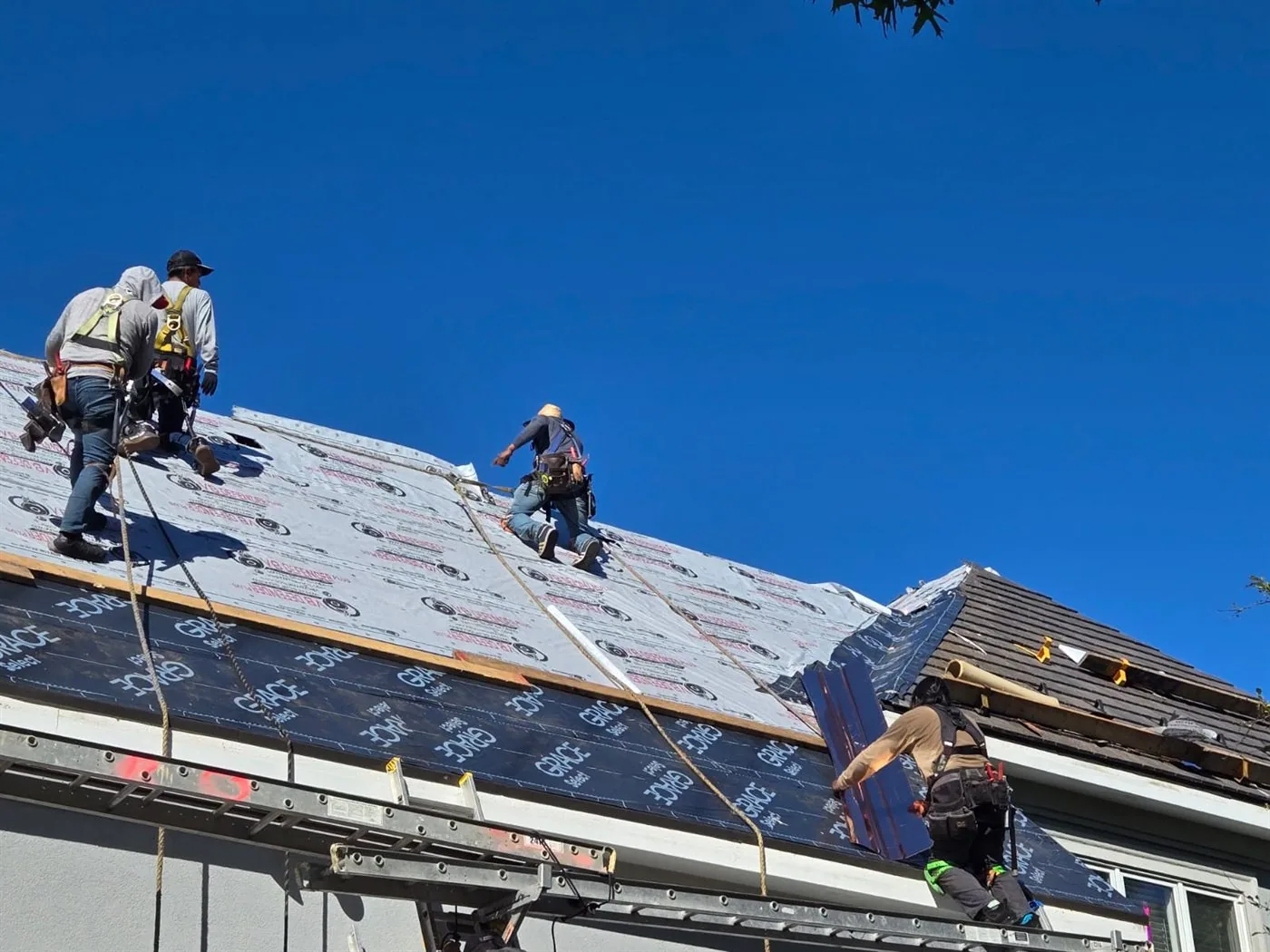
What do we look for on an industrial roof near Telford?
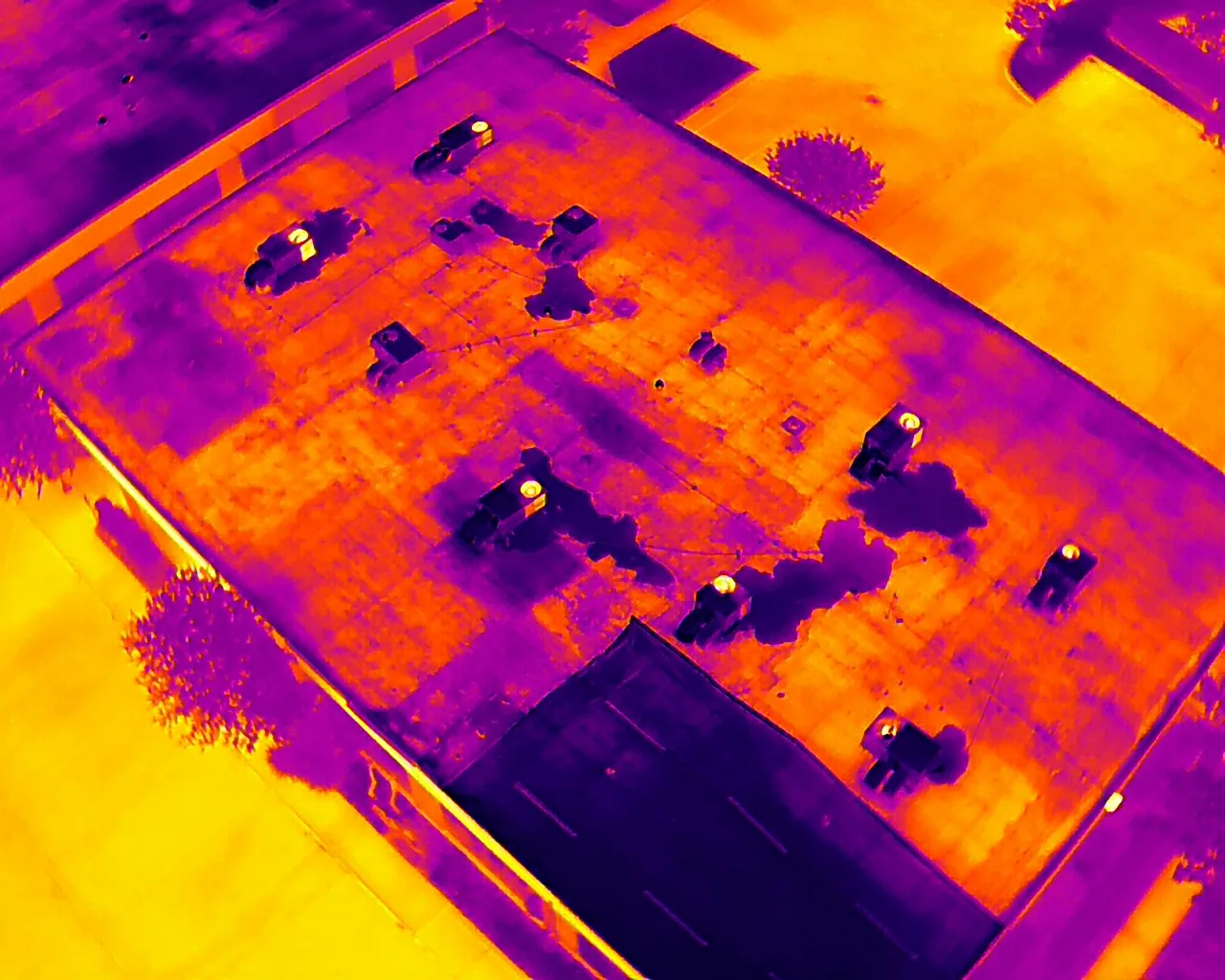
We begin where water leaves, then check where it enters. Sungwoo Hitech's 380,000 square foot automotive plant in the Washington County Industrial Park at Telford, the first Korean-owned manufacturing plant in Washington County, is the kind of industrial building these checks are made for. On any industrial roof we check the curbs, vents, penetrations, expansion joints and perimeter metal for sealant that has hardened or split, fasteners that have backed out and flashing that has pulled from its substrate. Then we press the membrane to find soft areas and, where the symptoms suggest it, scan with infrared after sunset to map saturated insulation. Findings are recorded with photographs and a location, and sorted into immediate repairs, items to schedule and items to monitor. A manufacturing plant roof is easier to maintain when the owner has that list in hand.
Which choice makes sense when a membrane is nearing the end of its life?
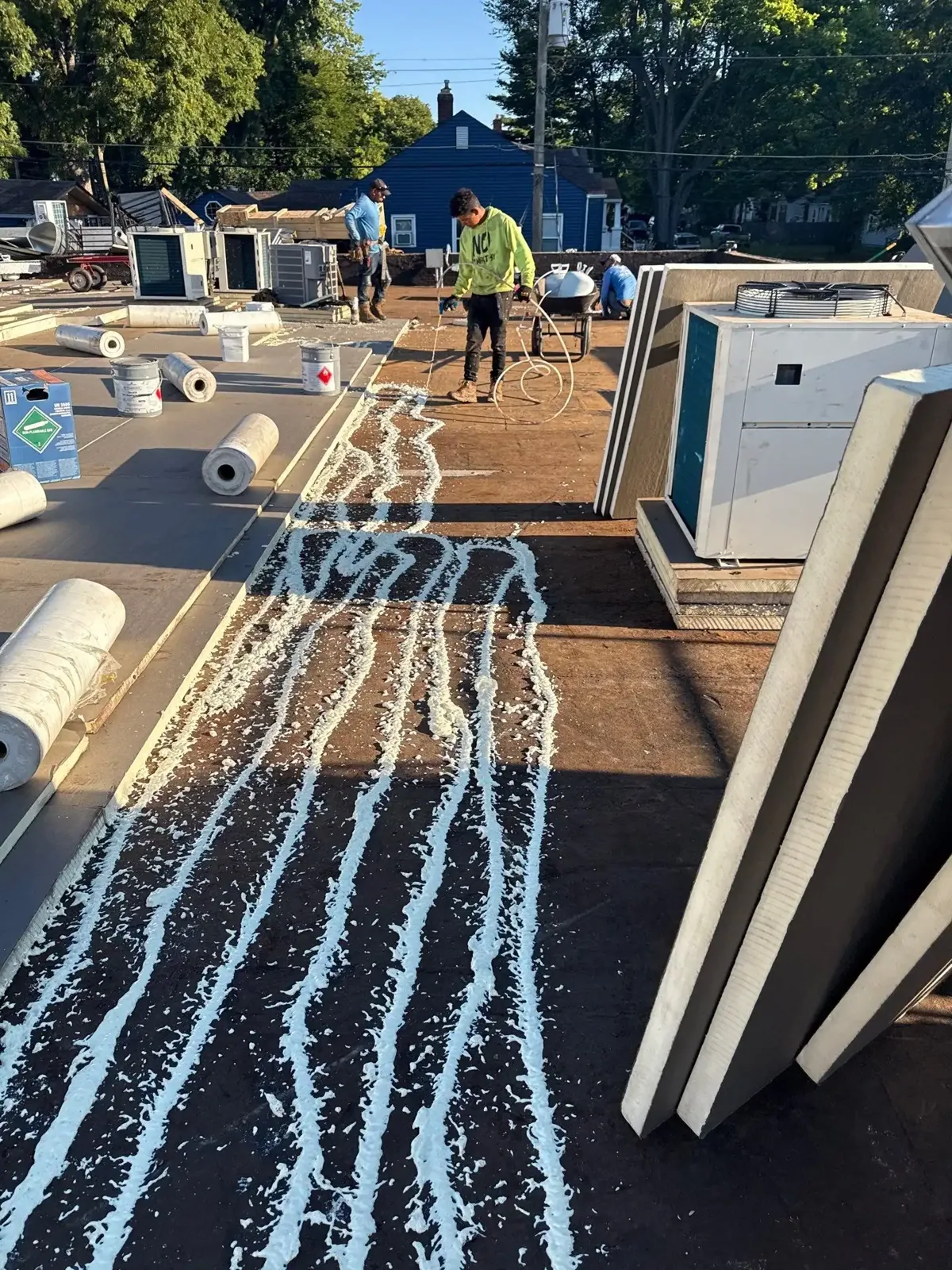
It depends on what the survey finds under the sheet. Dry insulation and a sound deck keep a recover available, which saves tear-off cost and downtime. Wet insulation or several existing layers push the answer toward commercial roof replacement, where the removed material is also an opportunity to correct slope and drainage with tapered insulation. A TPO or PVC sheet suits most low-slope buildings, and metal suits an owner who wants a long service life and accepts the framing requirements. The 2018 International Building Code and 2018 International Energy Conservation Code are in force in Johnson City, and we confirm what the local authority applies to an address in Telford, since insulation thickness is part of the energy code. Cost then follows the condition of the substrate, the insulation specified and the amount of detail work.
For a second property, keep each roof’s moisture findings and repair priorities tied to its own address; use the same format in Jonesborough.
Commercial Roofing Questions
Why does a roof leak only during a thaw and then seem fine?
Frozen water is a plug, and a thaw releases it. While the opening is frozen shut the roof appears watertight, and when it warms the meltwater passes through before the sun has finished the job. A leak that appears only in winter points to ice at a drain, a lap or a flashing.
Can staff clear ice from a drain safely?
They can clear snow and debris from around it, but chipping at ice near the bowl can cut the membrane or crack the drain body. We suggest leaving the ice to us and having someone watch the interior ceilings for staining during any thaw.
How long should a plant owner plan for before a roof project begins?
A survey in autumn, a scope and budget through winter, and materials ordered ahead of a spring start is a sensible rhythm. That sequence puts the work in the best weather and spares the owner a forced decision.
Should insulation on a Telford flat roof exceed the code minimum?
The code sets a minimum insulation level, and Johnson City has adopted the 2018 energy conservation code. With winter lows averaging about 25F in Johnson City, extra insulation above the minimum lowers heat loss and keeps the deck warmer, which reduces condensation.
What does an emergency visit include?
We find the source, stop the water with the most durable temporary method the conditions allow, photograph the damage for any insurance claim, and give the owner a plan for the permanent repair. Response runs around the clock, including holidays.
Related Roofing Pages
Snow Load and Ice Dam Roof Damage Repair
How the work is scoped, phased and documented on Tri-Cities roofs.

Roof Condition Reports
What we check, what we recommend and how the crew keeps the building running.
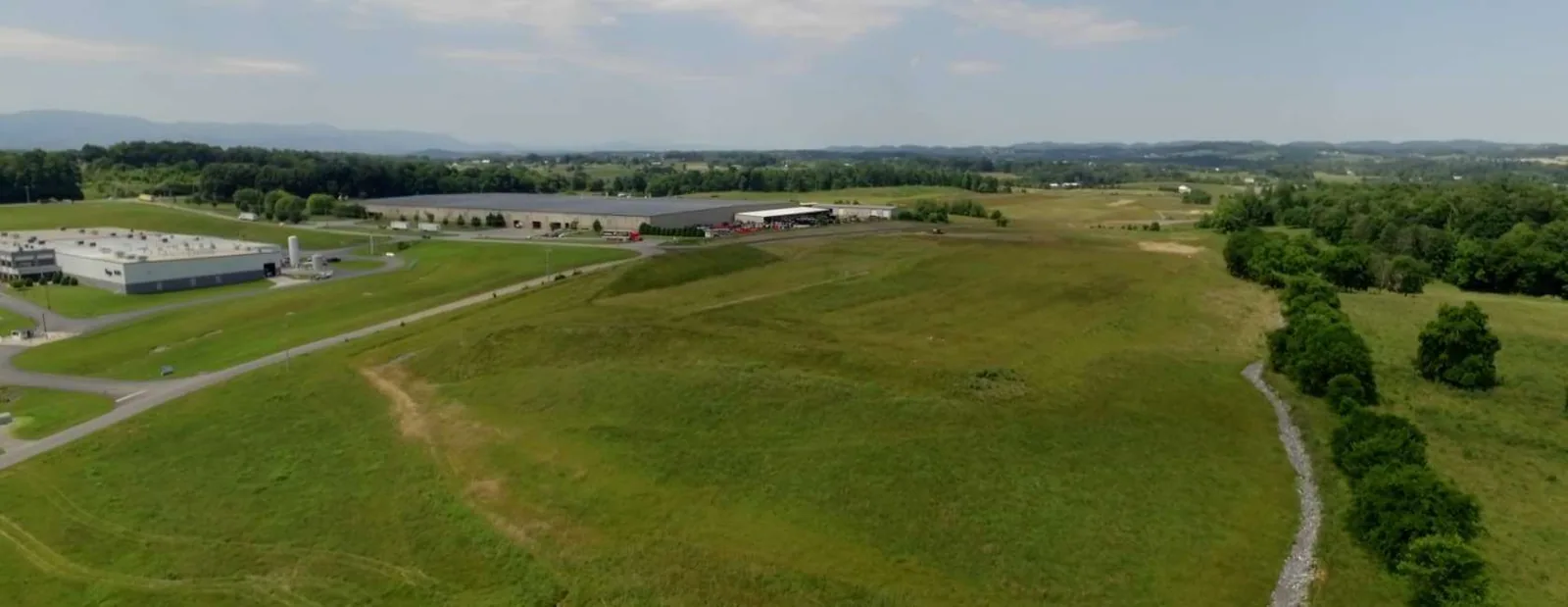
Washington County Industrial Park
Conditions, options and next steps for commercial buildings in East Tennessee.