
Commercial Roofing along the Lynn Garden Corridor, Kingsport, TN
A small opening at a seam can admit water, wet the insulation and widen during the next freeze, while the membrane still looks sound from the lot. Lynn Garden Drive passes through a broader Kingsport commercial area where public safety, active spaces and local economic activity are part of ongoing improvement efforts. Businesses and properties across the corridor bring different roof types and operating schedules. A business roof here still needs its own review: we trace water entry, inspect the membrane, flashings and equipment, and check whether drainage leaves the roof after rain. The first visit separates a current leak from deterioration that belongs in a capital plan. Owners with buildings elsewhere in the city can compare notes with the Kingsport overview, while keeping each roof’s condition record separate.
What should owners along the corridor check on a roof?
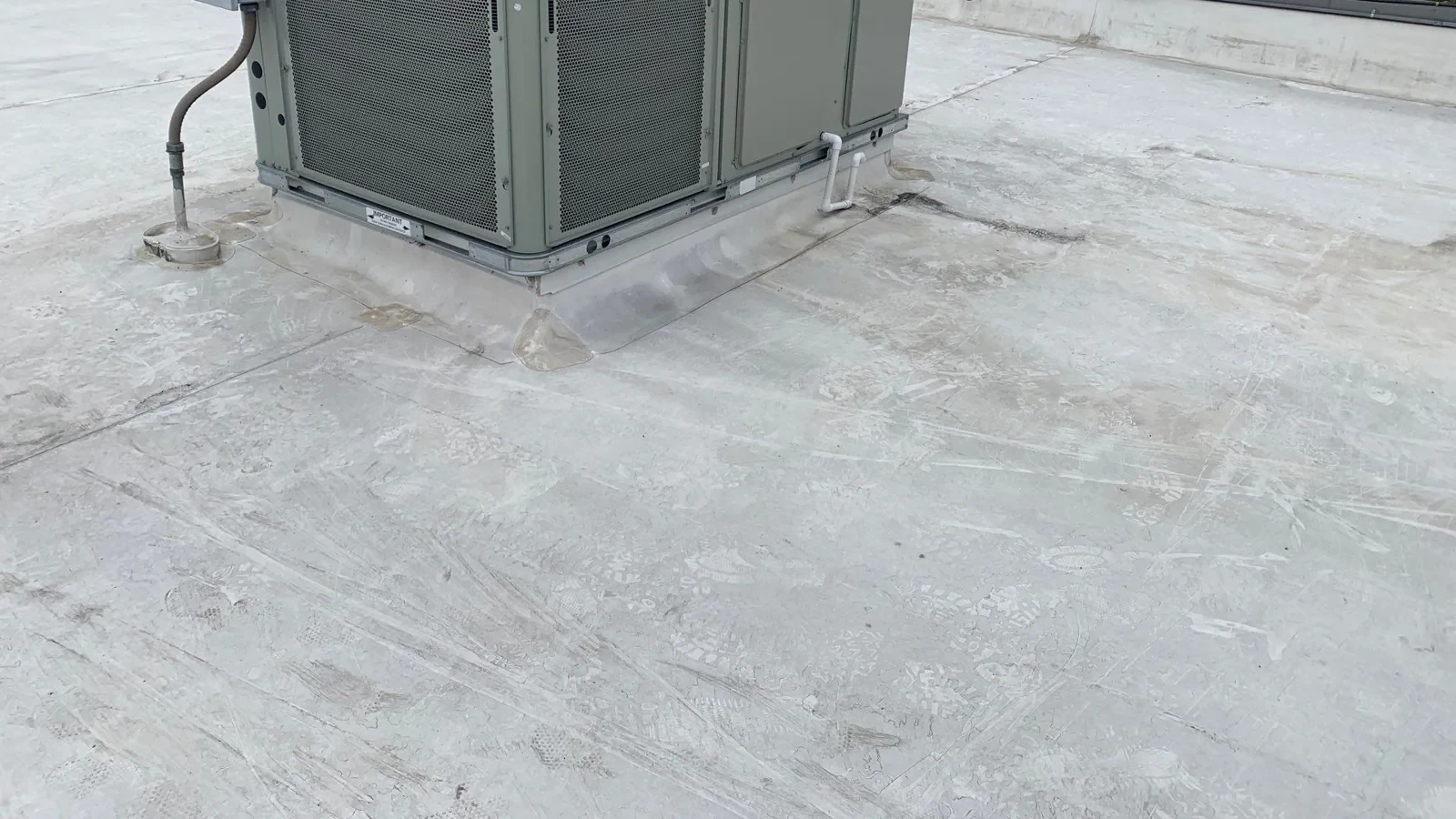
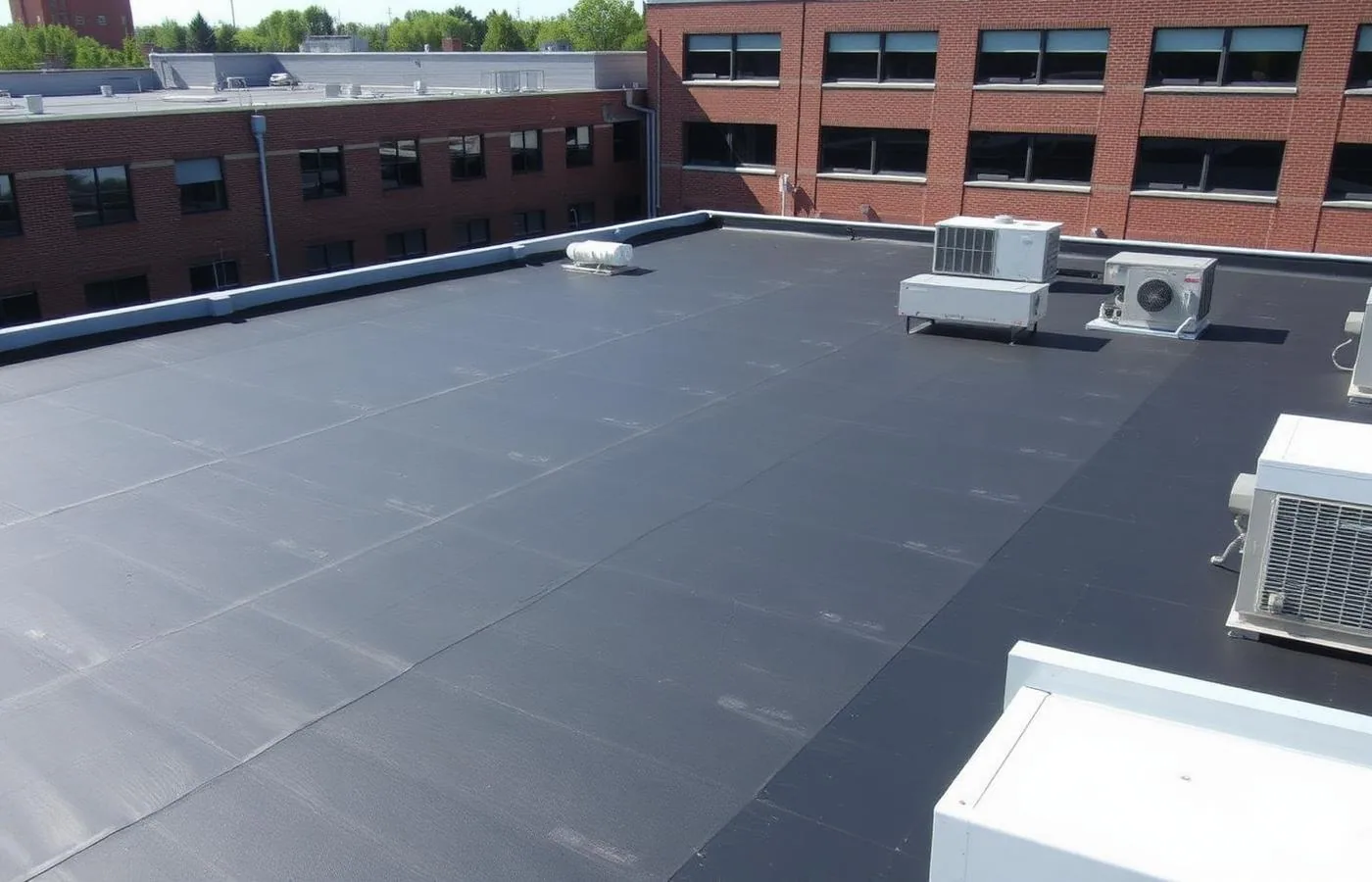
The Lynn Garden Parkway corridor brings commercial activity close to surrounding neighborhoods, and buildings along it can have different owners, uses and roof assemblies. A roof survey starts with the conditions on the building itself: low points, drains, overflow paths, curb details, parapets, earlier patches and areas where water remains after rain. On a low-slope roof, standing water can keep seams wet and add load; at an edge, wind-driven rain can test loose metal or an open termination. The route and staging plan matter too. Identify safe access, keep pedestrian entrances clear and place materials where delivery work will not block traffic or emergency lanes. A dated photo set tied to roof sections helps maintenance staff compare conditions over time, spot recurring drainage issues and prioritize repairs by the area affected. Nearby roofs may share a corridor but still need individual inspection findings and a sequence matched to their occupancy.
Start with the condition of your Lynn Garden roof
Call Commercial Roofing Johnson City to inspect the building you manage along the corridor. The report will record drainage, seams and moisture findings, then identify a practical repair or planning step.
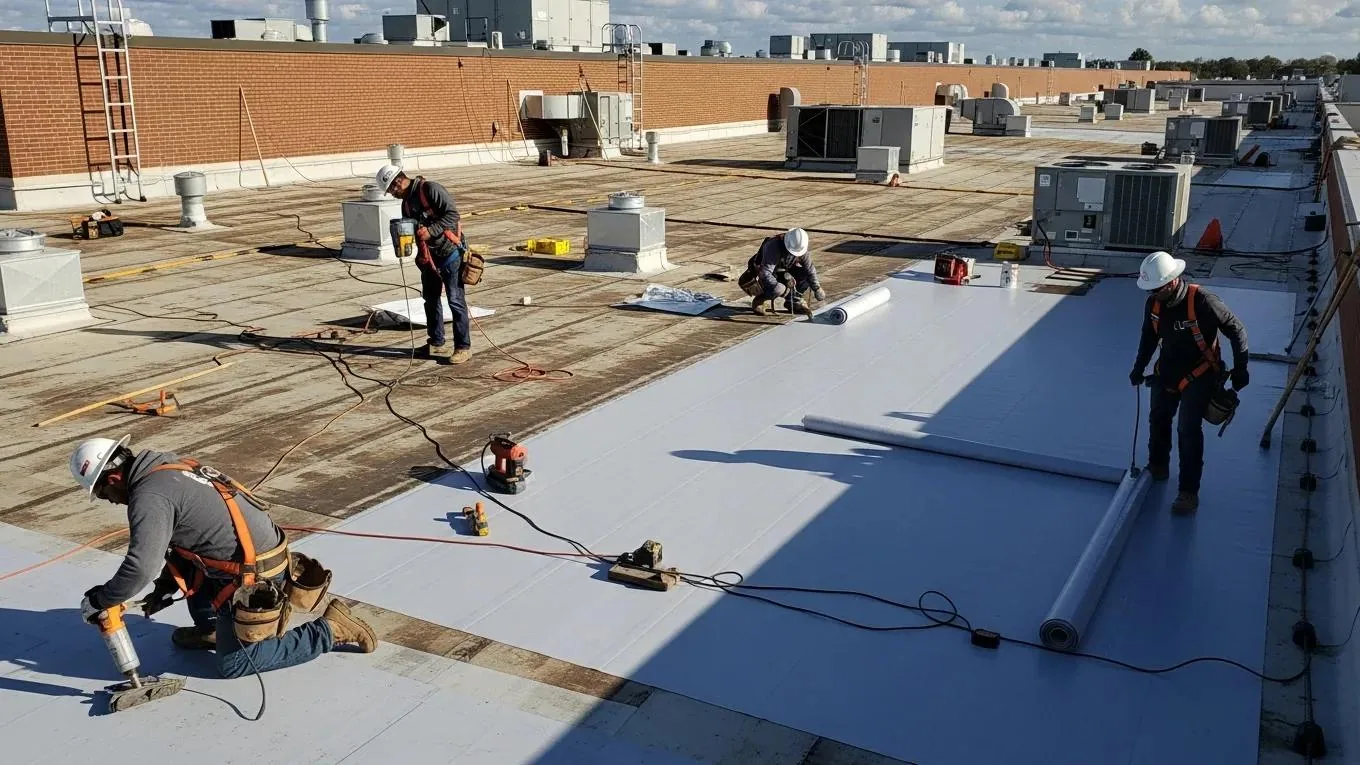
How do we find the point where water entered?
A ceiling stain marks where moisture became visible, not necessarily where it crossed the roof. We inspect the likely path above it and look for seams that have opened, flashing that has lifted, punctures near service routes, and water held around drains. Photographs show the location and condition of each finding; moisture testing can help identify insulation that has taken on water. A roof inspection should also document what appears sound, so a proposal does not expand a small repair into a needless replacement. Where a leak is active, temporary stabilization protects the interior while the permanent scope is prepared. A drainage review matters after leaf fall and heavy rain, especially when water collects at the same low points after each storm.
Which repair path matches the roof’s condition?
Local repair works when the surrounding membrane, insulation and attachment remain stable. Restoration may be considered where the field is sound and dry but surface aging or seams need attention. Replacement is more likely when wet insulation is widespread, the deck has deteriorated or repeated patches no longer restore dependable performance. We compare these options by the area affected, the work required and the roof life the owner expects to preserve. A written condition report keeps the decision tied to observed evidence. Material choice follows the assembly and operating requirements; it should not be made from the corridor’s name or a nearby property’s history. The owner receives a clear explanation of the limits and maintenance needs attached to each path.
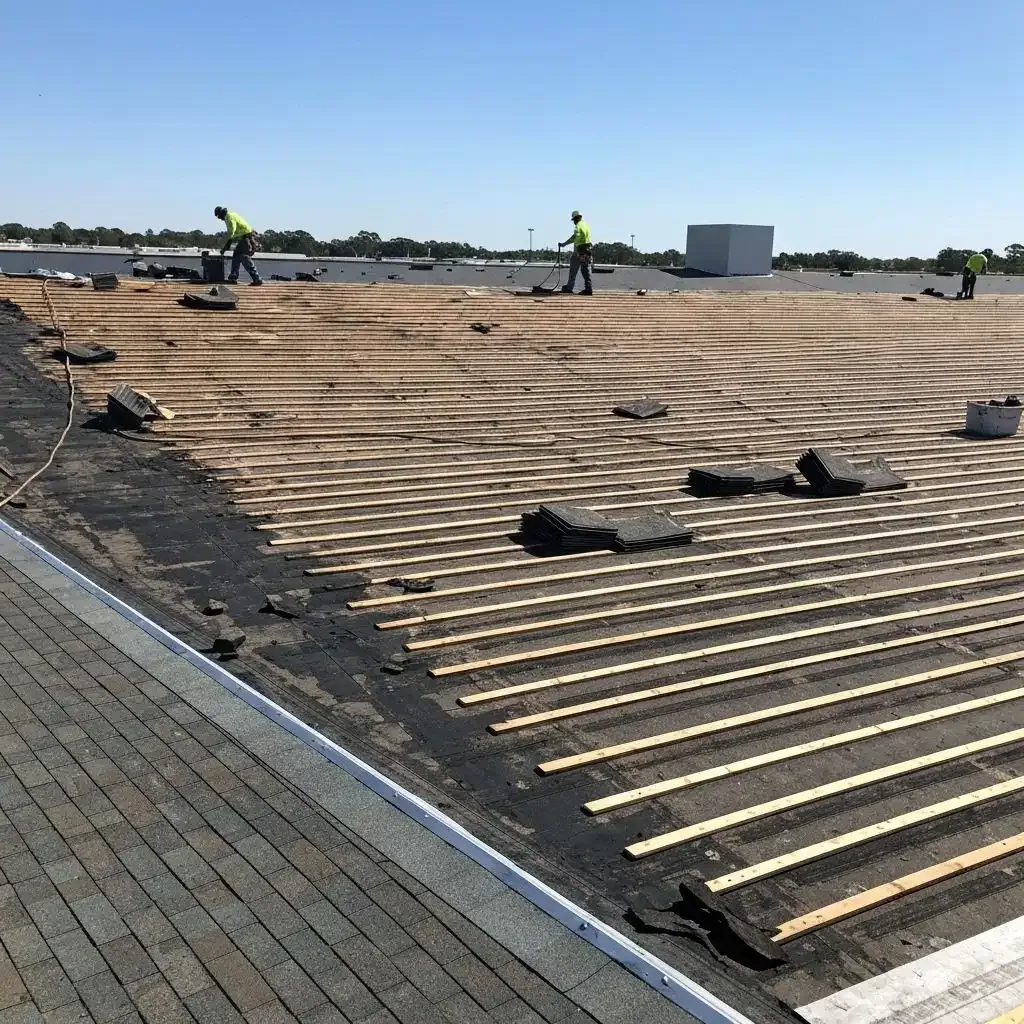
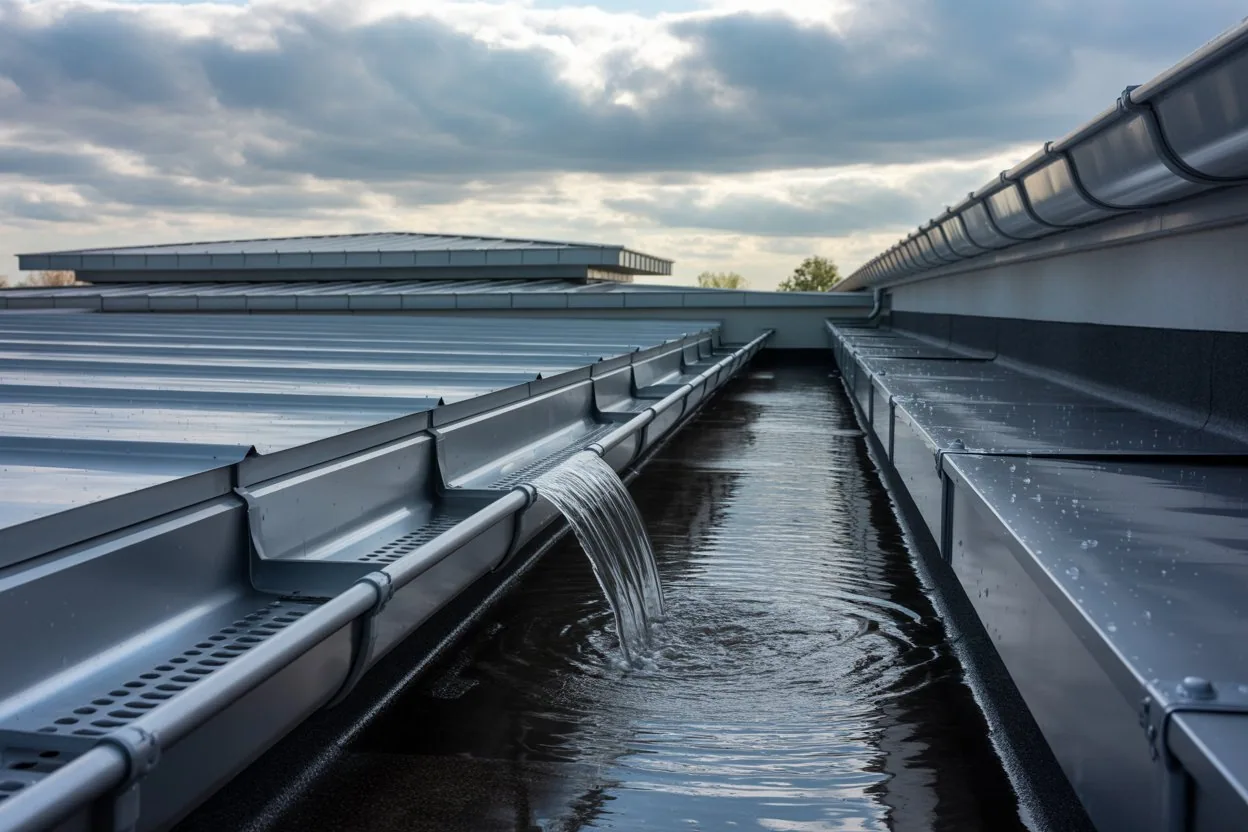
How can roofing proceed along an active commercial street?
Work plans account for deliveries, customer entrances, lifts, dumpsters, pedestrian routes and the building’s hours. Before mobilization, we confirm where materials can be staged and how crews reach the roof without crossing active operations unnecessarily. A phased sequence can keep most of the building available while one section is repaired or replaced. At the end of each shift, exposed edges are secured and loose material is removed. Weather adds another constraint: if rain threatens, the team needs a defined dry-in point and enough time to close it before leaving. A nearby building may have a different arrangement, so the plan for one tenant or owner is never copied to the next property on Lynn Garden.
What should a corridor property recheck after the work?
Keep the repair record, photographs and material information with the facility file. After severe rain, review the same drains, seams and wall transitions that produced the original finding. Check whether rooftop contractors have added equipment or walked beyond existing protection; service work can disturb a detail that was sound at installation. A manager with several roofs may benefit from a shared schedule, while each property keeps its own report and next inspection date. For comparison with other regional areas, downtown Johnson City and the Med-Tech corridor have a different mix of owners and buildings. Recommendations for Lynn Garden still come from the condition of the roof under review. A clear roof-drain map helps crews prioritize those checks.
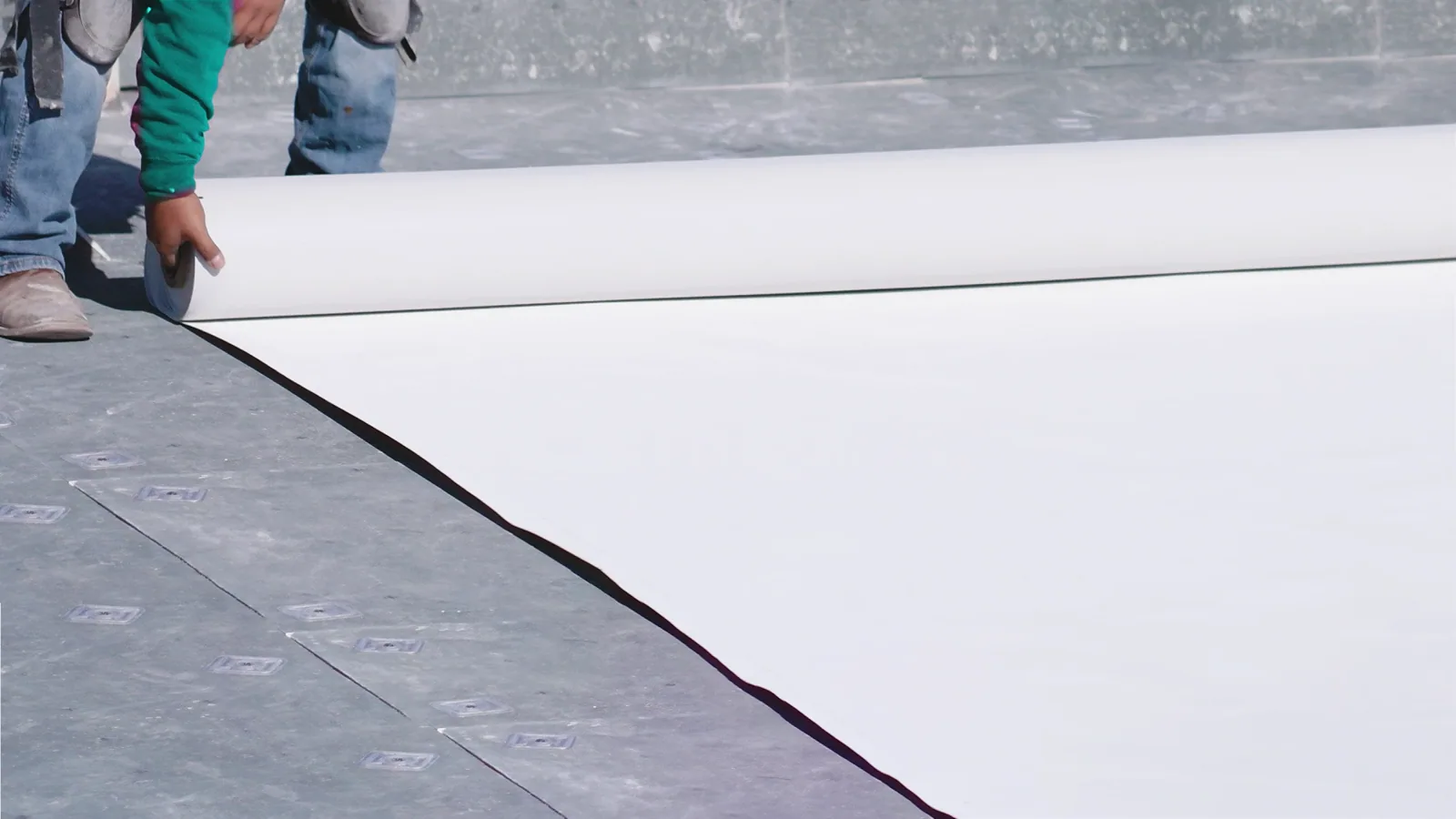
What should a manager check after heavy rain or a freeze?
After heavy rain, note any new ceiling marks, standing water that remains after runoff should have cleared, and debris gathered at the drains. After a freeze, look for a change in a seam, edge or wall transition that was already under strain. Do not send untrained staff onto a wet or icy roof; an exterior walk from safe access points can still record when and where a symptom appeared. That timing helps a roofer compare the report with weather and recent service work. If a contractor has added a curb or cable since the last visit, keep the invoice and equipment detail with the roof file because a new penetration can alter the water path. A scheduled maintenance visit can clear debris and document developing defects before the next storm. The right follow-up interval depends on the roof’s condition, drainage and exposure, not merely on the fact that a property sits along Lynn Garden Drive. Owners should close out each repair with photographs and a note of what was replaced, then check that area again after the next significant weather event.
Keep photographs with the inspection date and a note about the weather or work that preceded the finding. Those details help the next visit distinguish a new opening from an old repair that has moved, and make the maintenance history more useful to whoever manages the property later.
Commercial Roofing Questions
Which buildings can be inspected along Lynn Garden?
Commercial and institutional buildings across the corridor can be inspected. Each visit is arranged with the building owner or manager, and recommendations are based on that roof’s condition and access needs.
What should a manager do after finding a ceiling stain?
Protect contents below it and arrange an inspection that traces the likely water path. The roof opening may sit away from the visible stain. Photos and moisture findings help distinguish a local flashing repair from a larger wet-insulation problem.
Can a small repair prevent a replacement?
Sometimes. If the surrounding membrane and insulation remain sound, correcting one open seam or flashing may extend useful service. If the condition is widespread, a small patch only delays a more complete scope. The inspection report explains which case the roof supports.
How should work be scheduled for a business that stays open?
Set the staging, delivery and access plan with the property manager before crews arrive. Roof sections can often be sequenced to keep entrances clear and close each exposed area by the end of the shift, subject to weather and the assembly.
What should owners know about maintenance in the corridor?
The area includes active businesses and occupied properties, so access and operating hours belong in the work plan. Roof decisions still depend on the membrane, drainage and moisture findings at the individual building.
Related Roofing Pages
Kingsport
How the work is scoped, phased and documented on Tri-Cities roofs.
Commercial Roof Inspections
What we check, what we recommend and how the crew keeps the building running.
Roof Drains, Scuppers and Ponding Correction
Conditions, options and next steps for commercial buildings in East Tennessee.